- Classical Persian physicians — Avicenna (Ibn Sina), Razi, and Jorjani — classified every herb by Mizaj (hot/cold, dry/moist) so that remedies could be matched to the patient's constitution.
- Saffron, rose, mint, and chamomile were prescribed not only for symptoms but to harmonize temperament across the seasons.
- Herbal araq (distilled waters) remain a daily ritual in Iranian homes — bidmeshk for the heart, kasni for the liver, nastaran for joy.
The Herb Library
Botanicals catalogued by their Persian nature — to be read, prepared, and lived with.
Featured Herbs

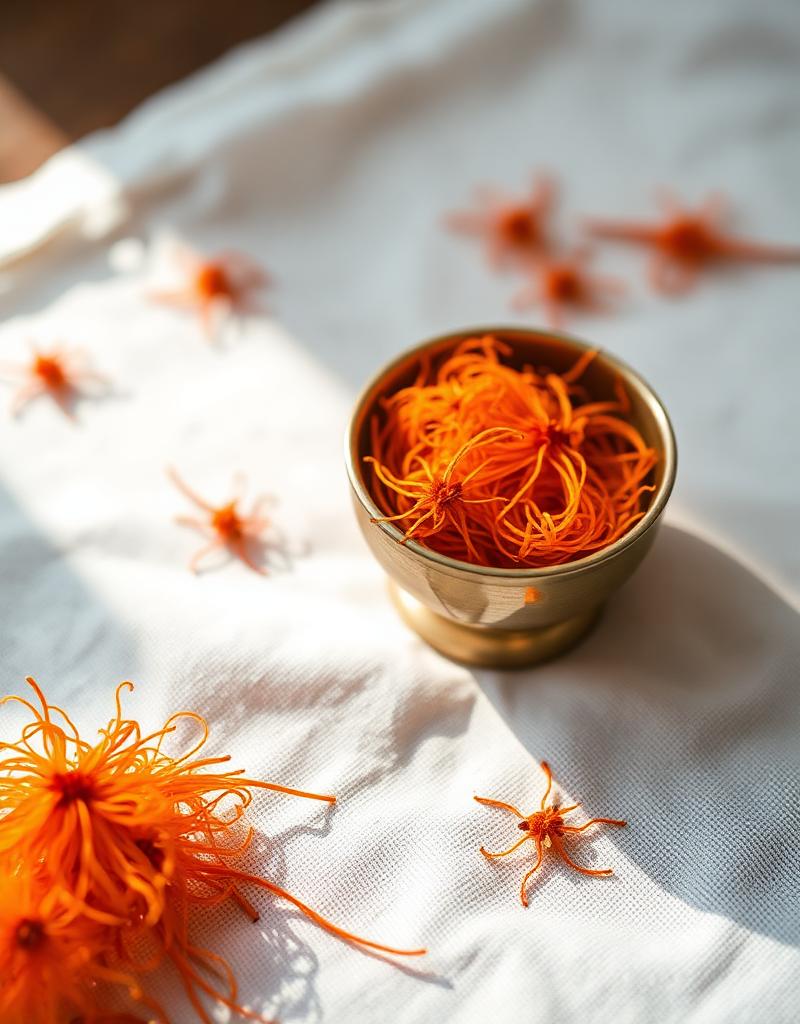
Saffron
Uplifts mood, supports the heart.

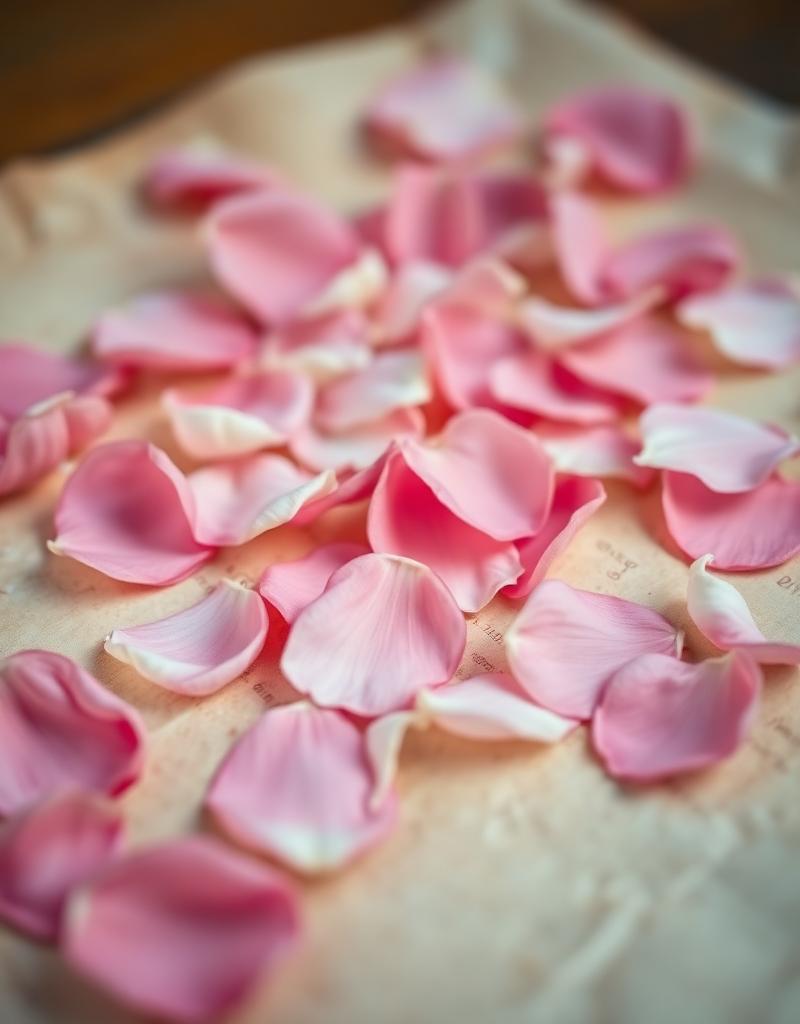
Rose
Calms the heart, soothes the spirit.

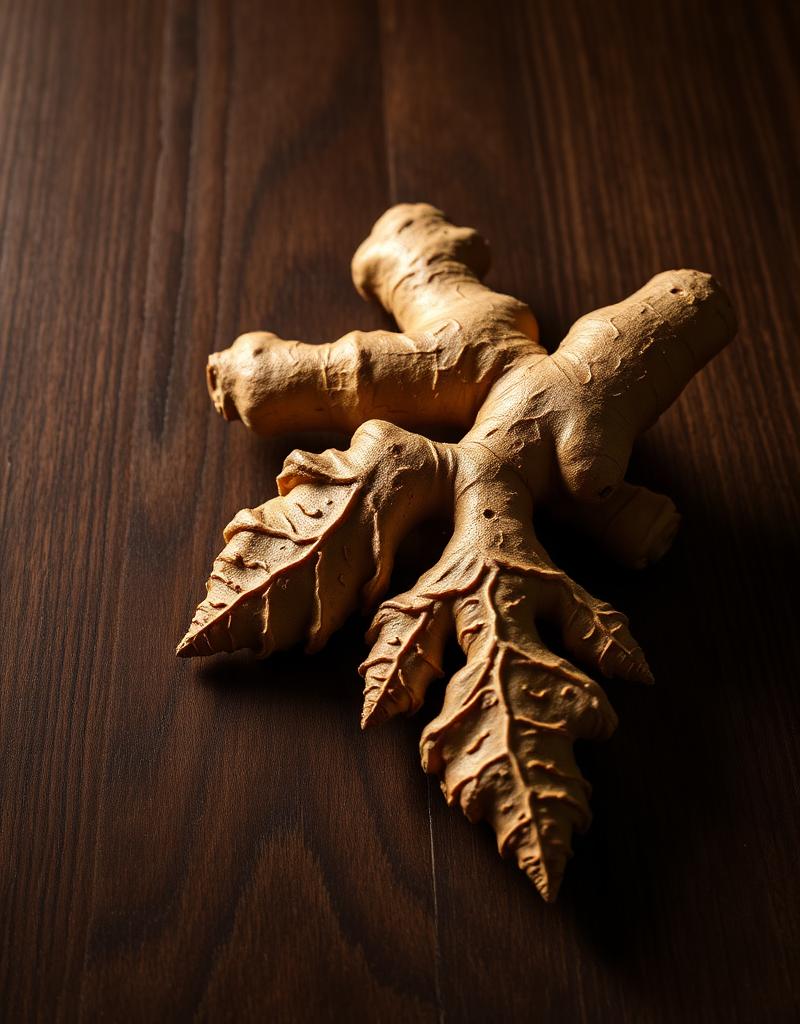
Ginger
Kindles digestion, dispels cold.

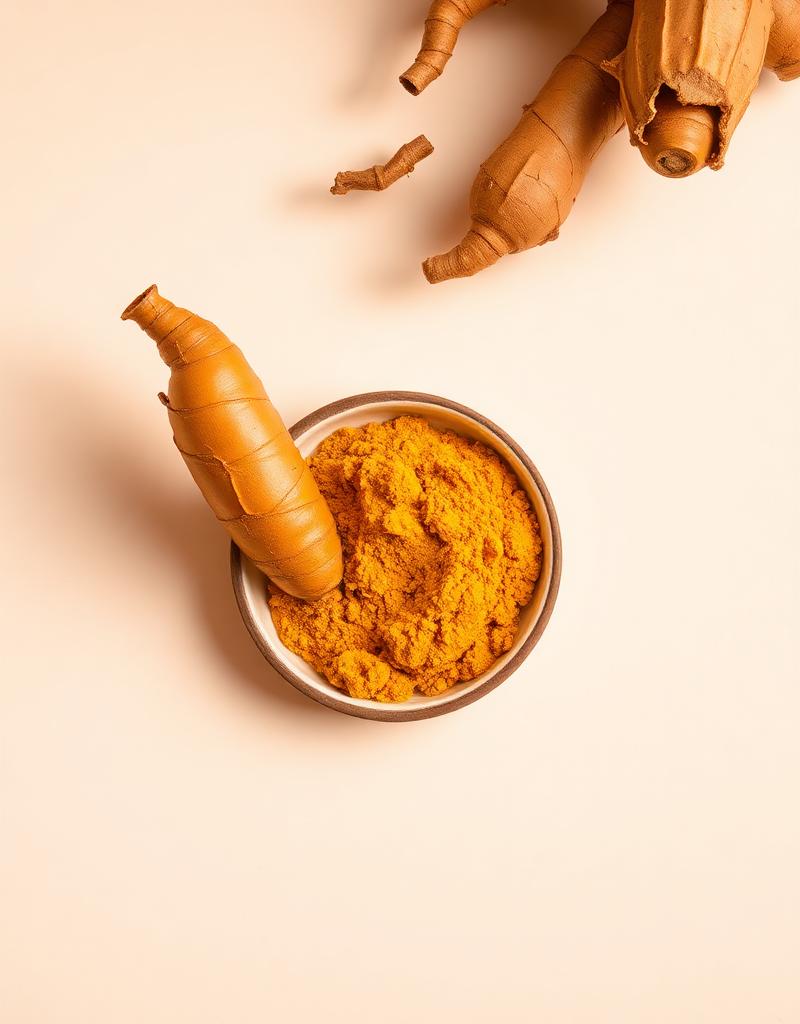
Turmeric
Cleanses the liver, eases inflammation.

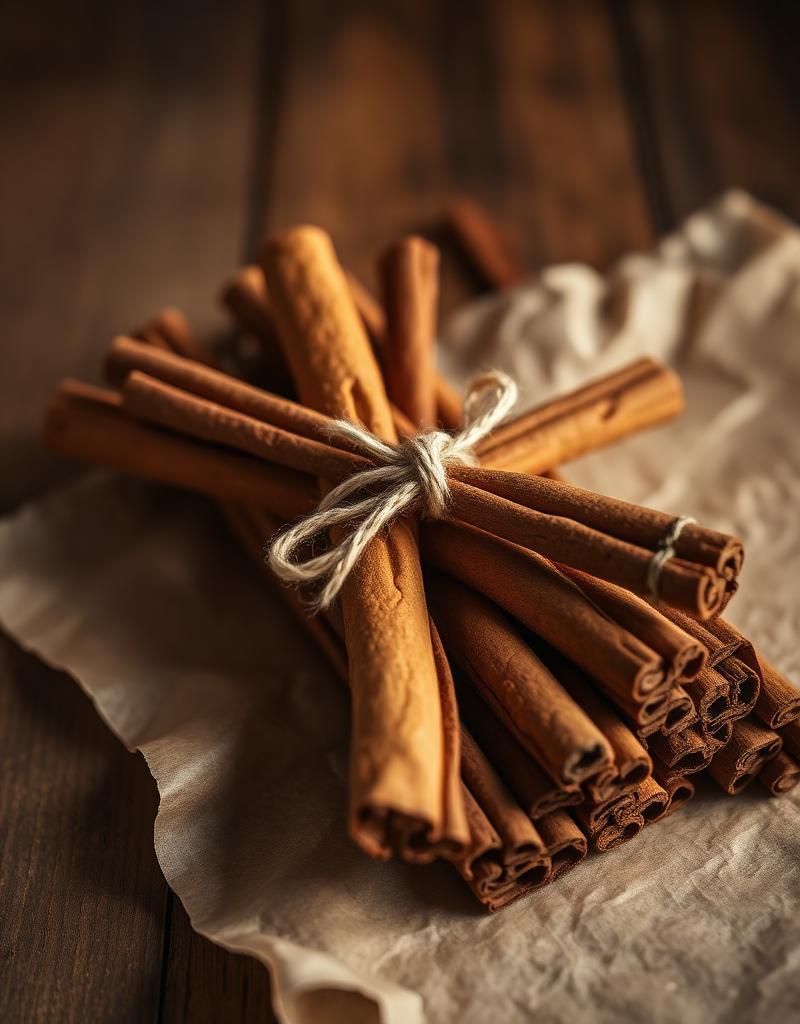
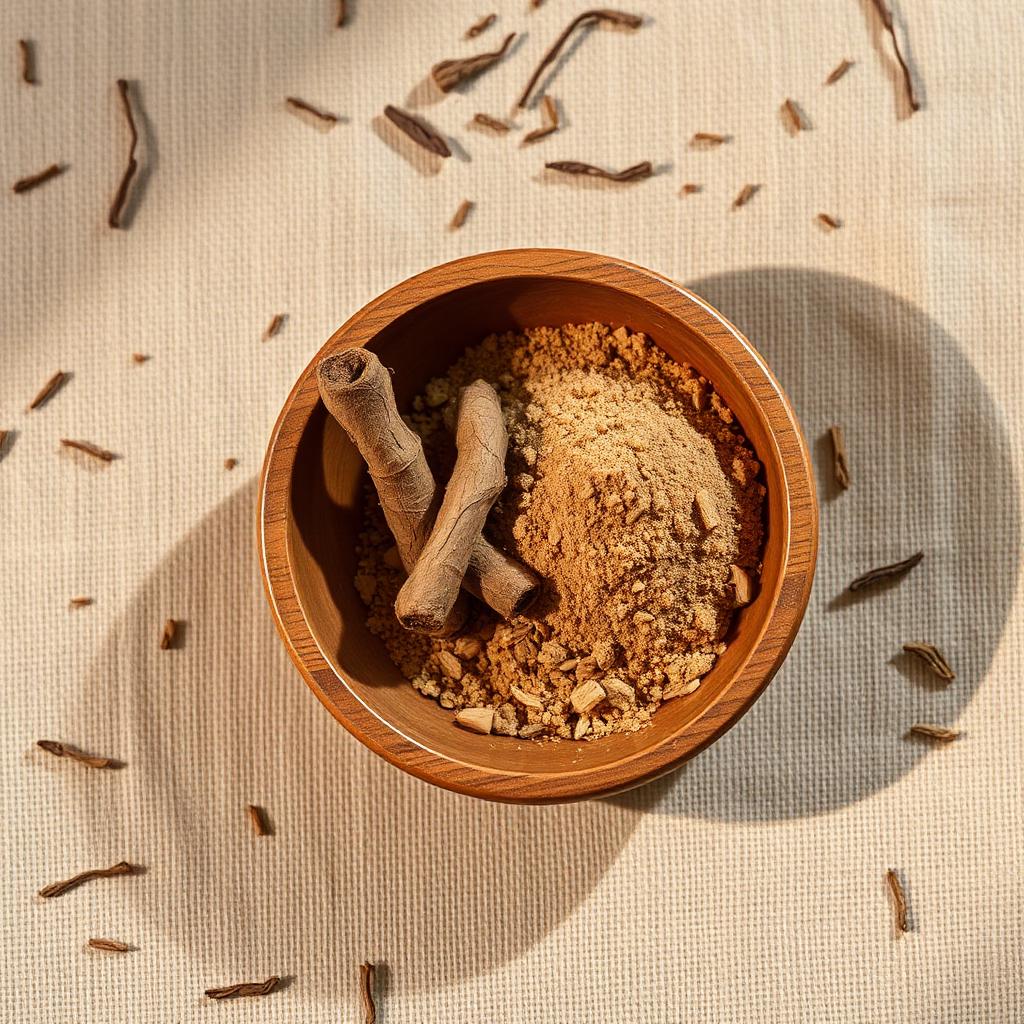
Cinnamon
Warms circulation, balances sweetness.

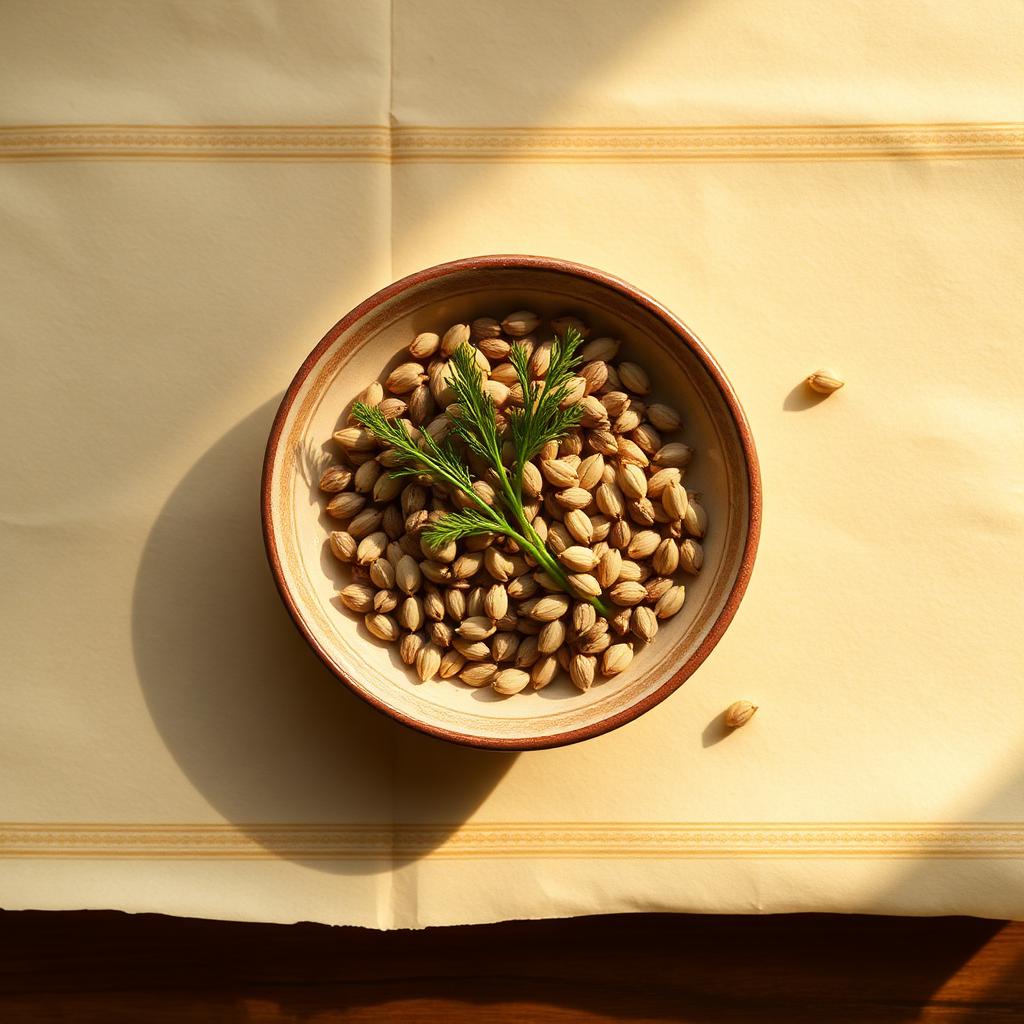
Fennel
Soothes the stomach, eases bloating, brightens the eyes.

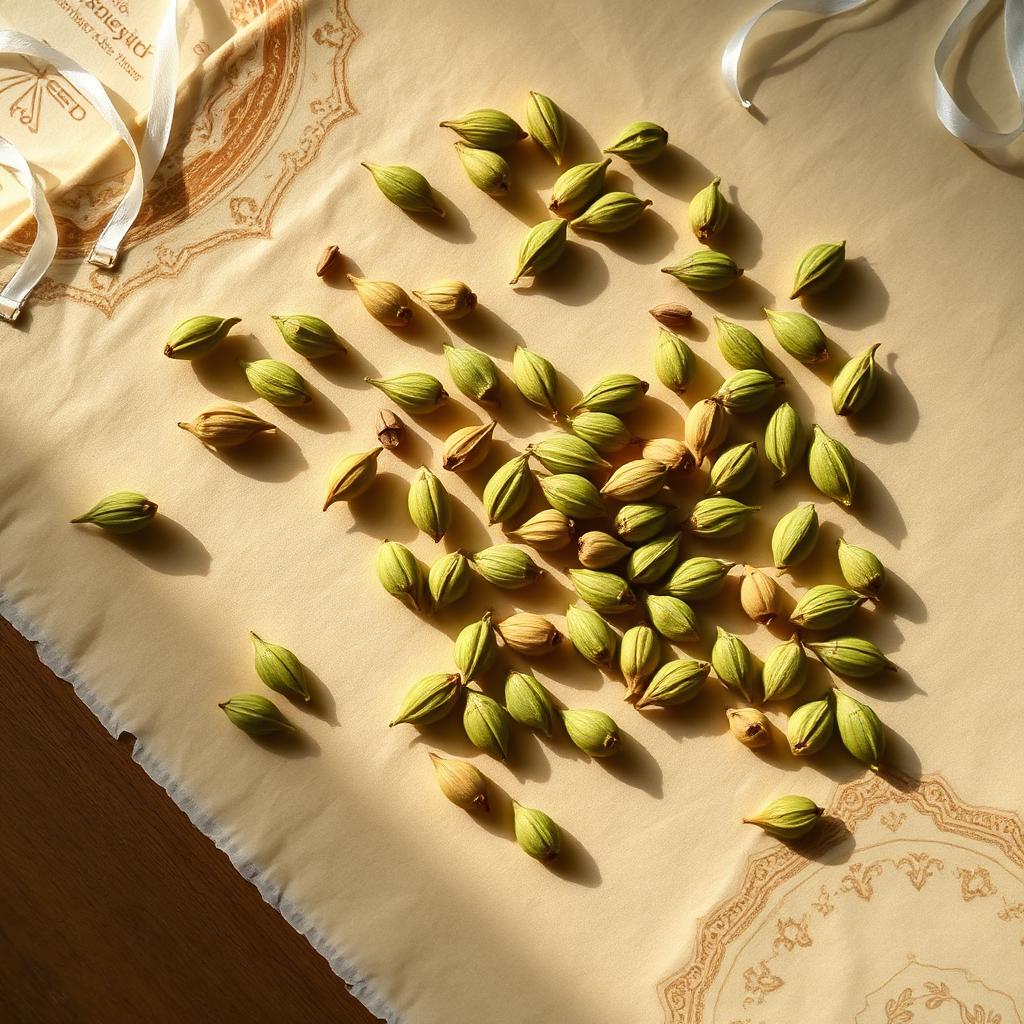
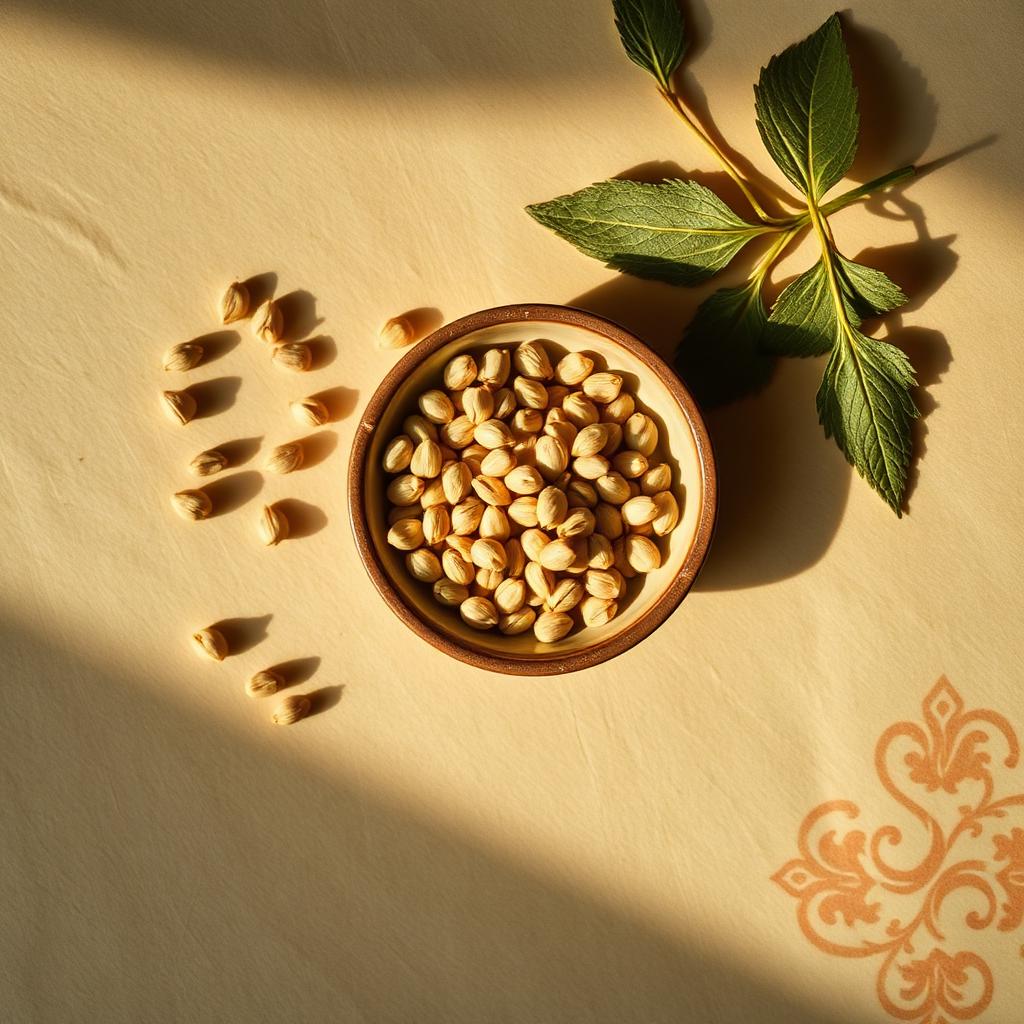
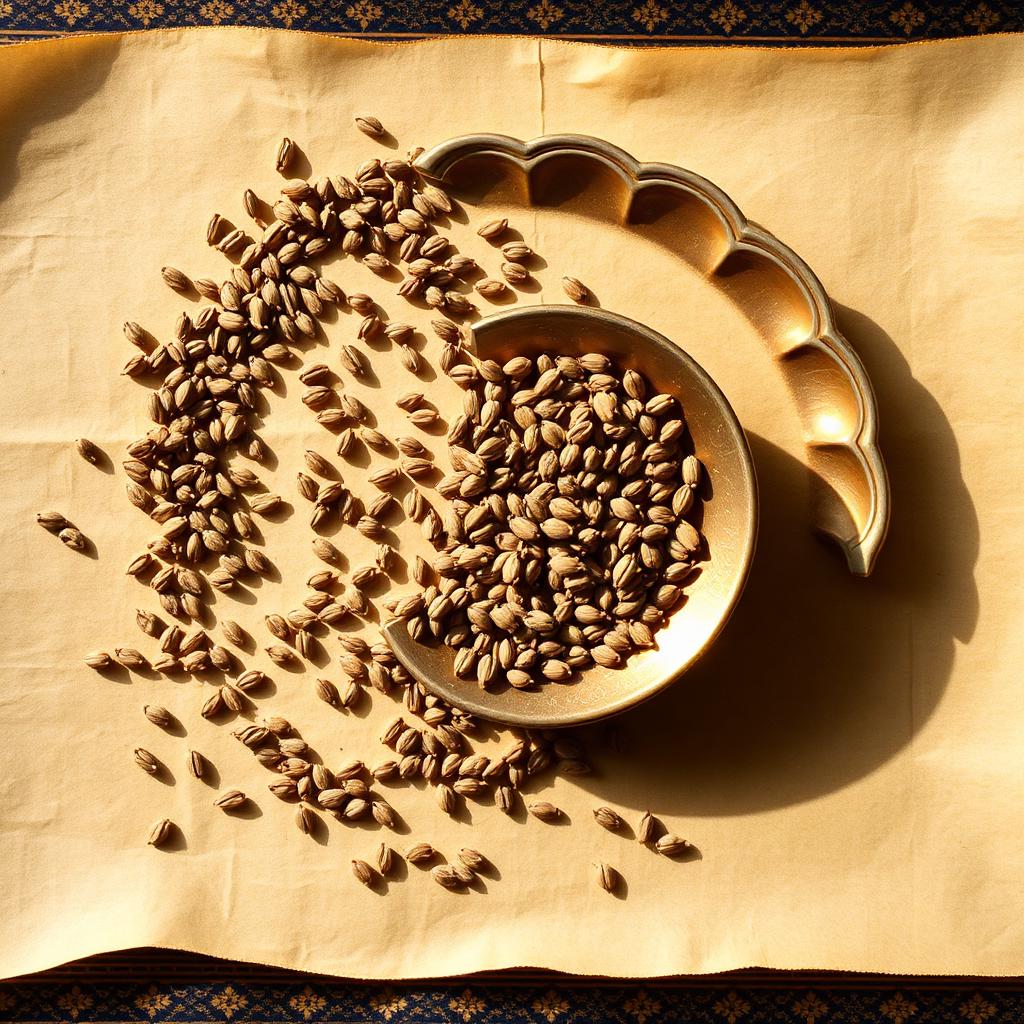
Cardamom
Sweetens the breath, lifts the heart, eases nausea.

Sumac
Cools the liver, sharpens appetite, tames rich foods.

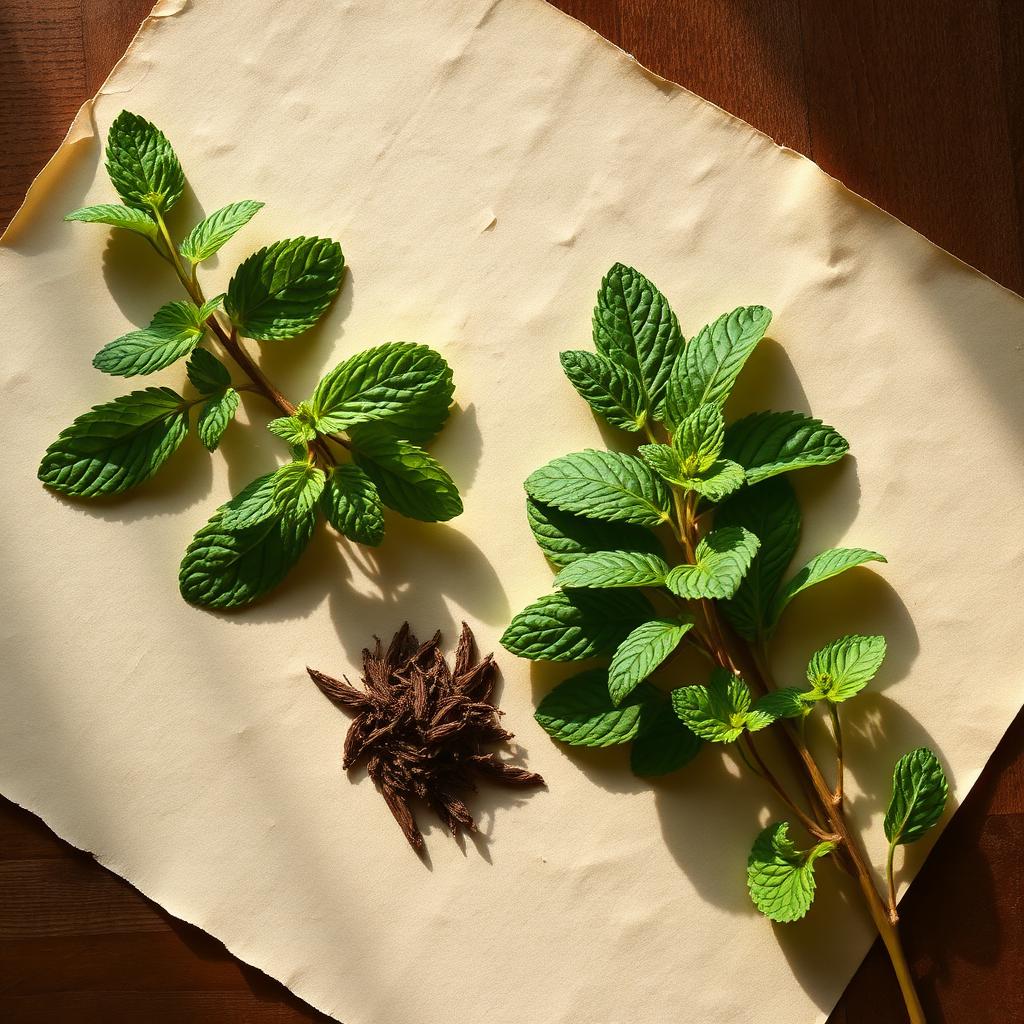
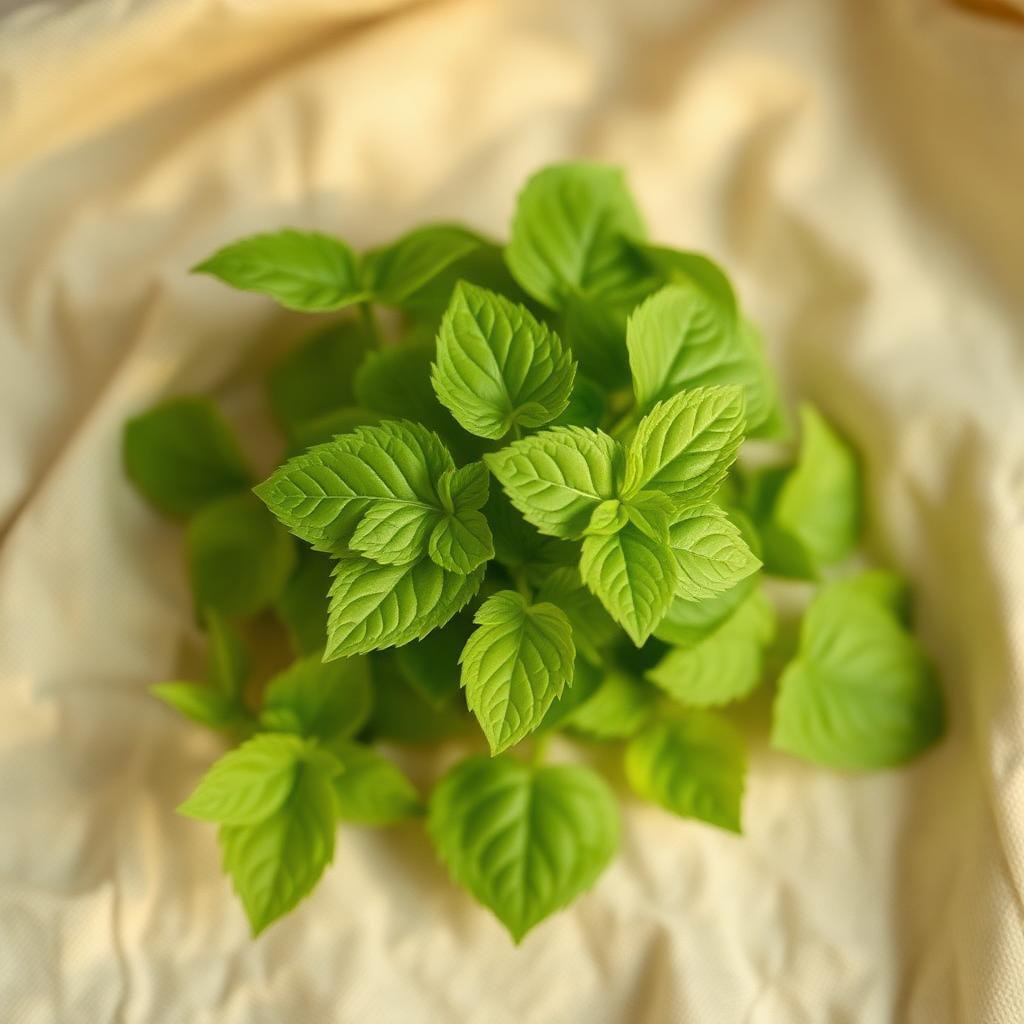
Mint
Refreshes the spirit, calms the stomach, clears the head.

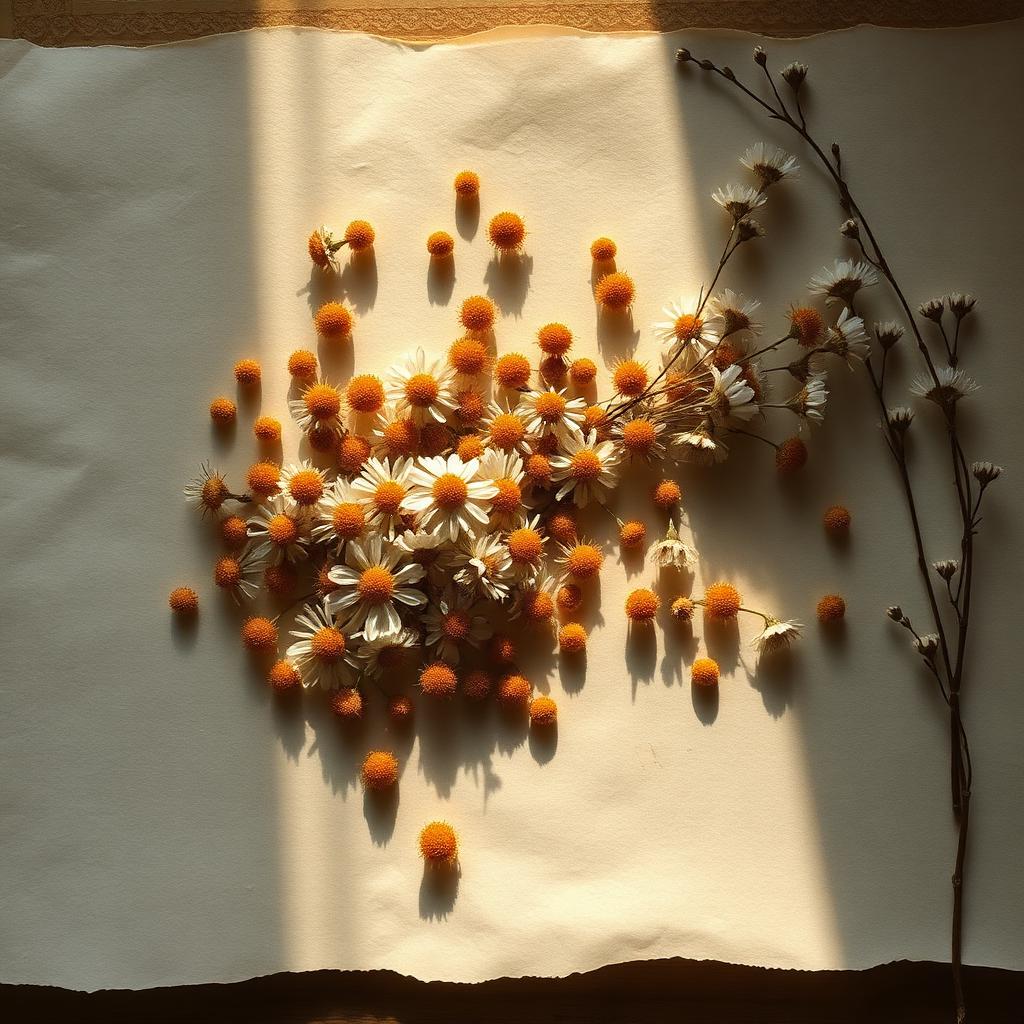
Chamomile
Quiets the nerves, draws out tension, invites deep sleep.

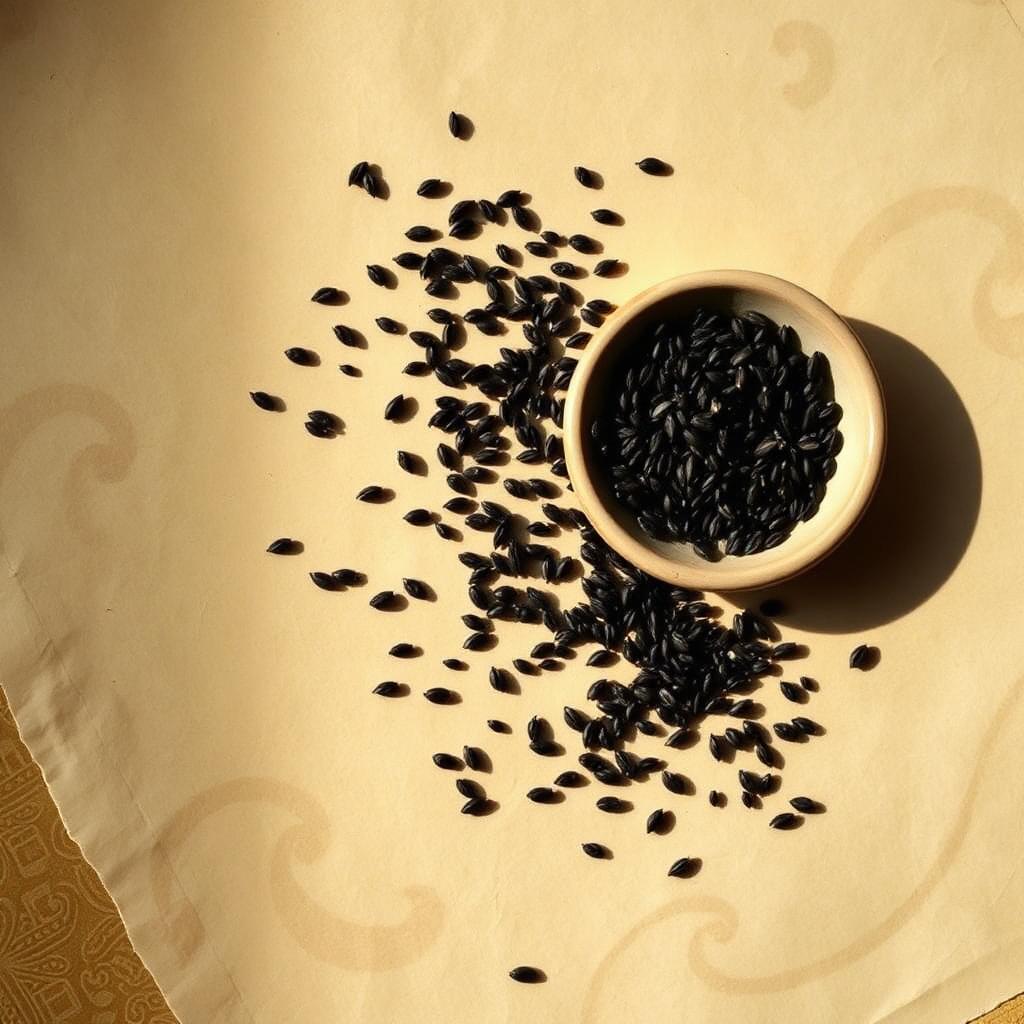
Black Seed
Strengthens immunity — Avicenna called it 'cure for all but death'.

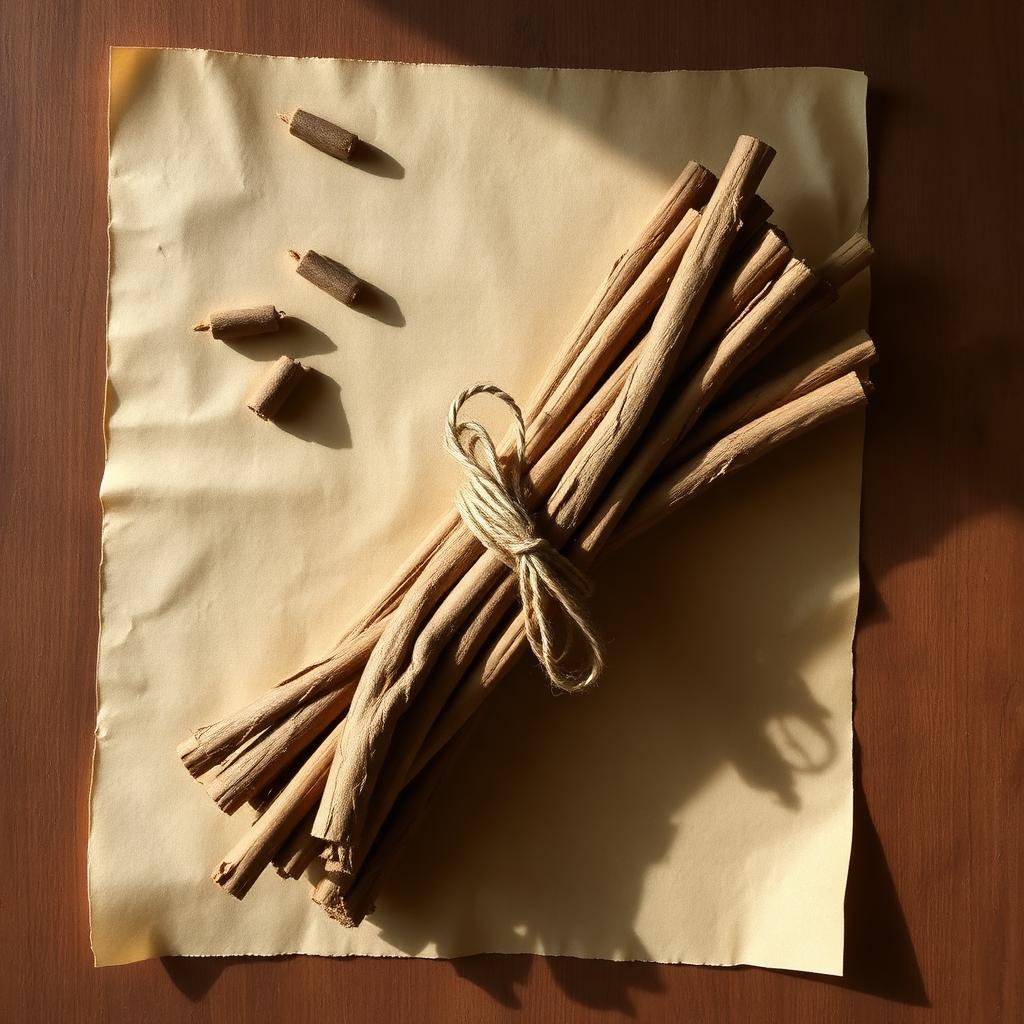
Licorice
Soothes the throat, harmonizes formulas, supports adrenals.

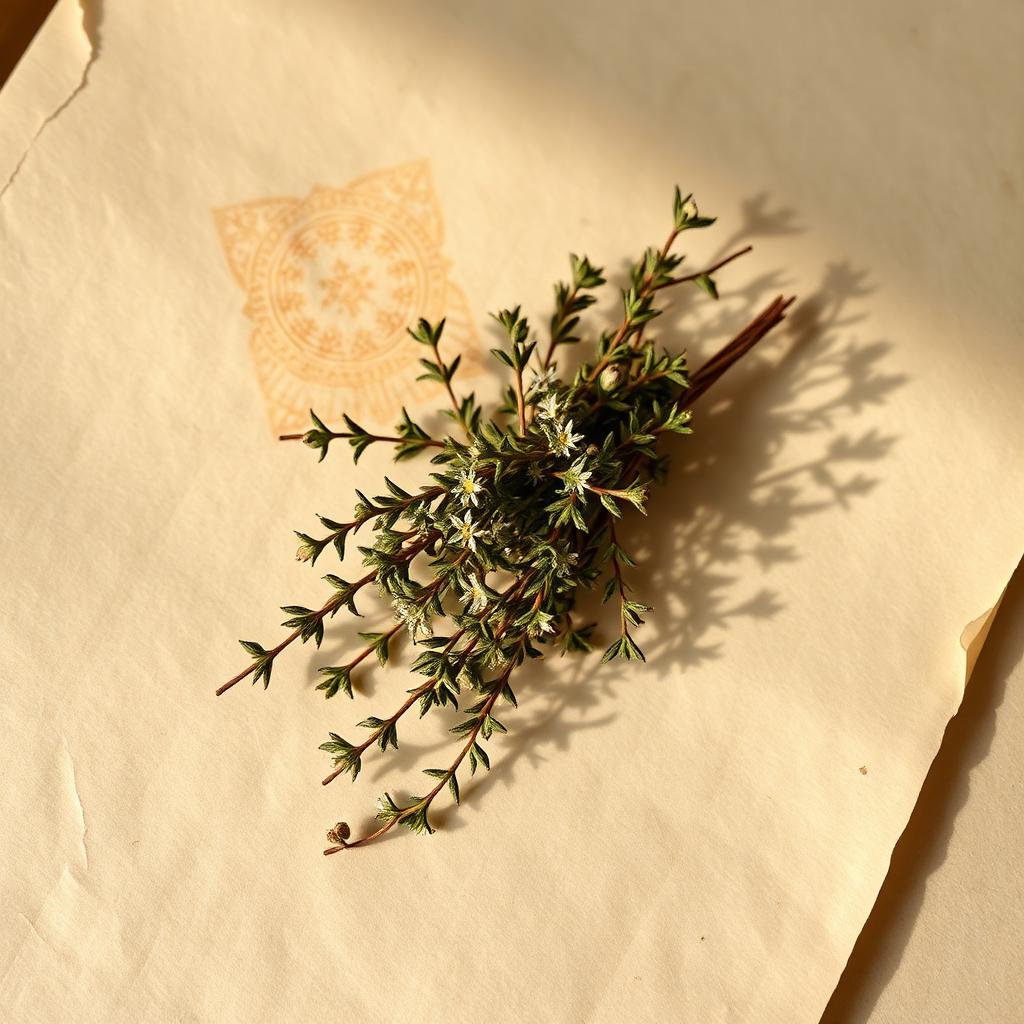
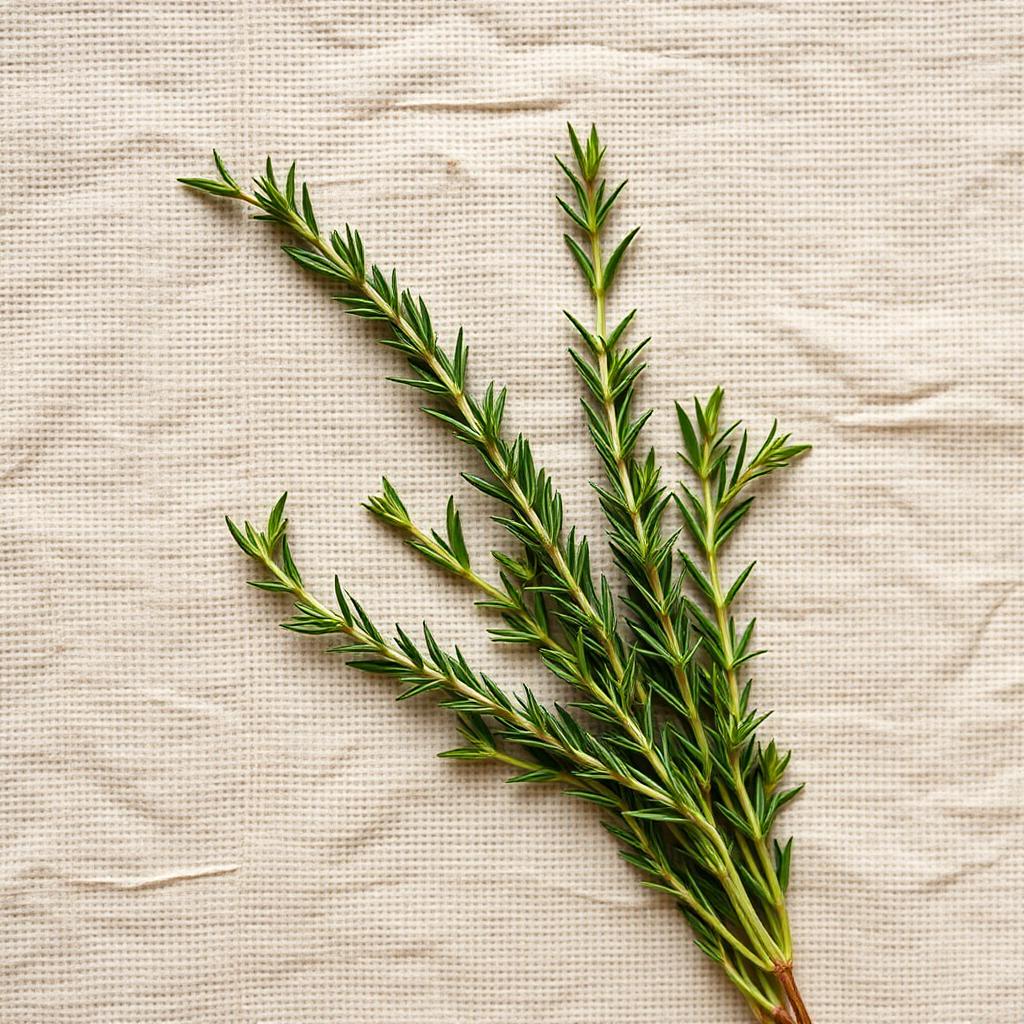
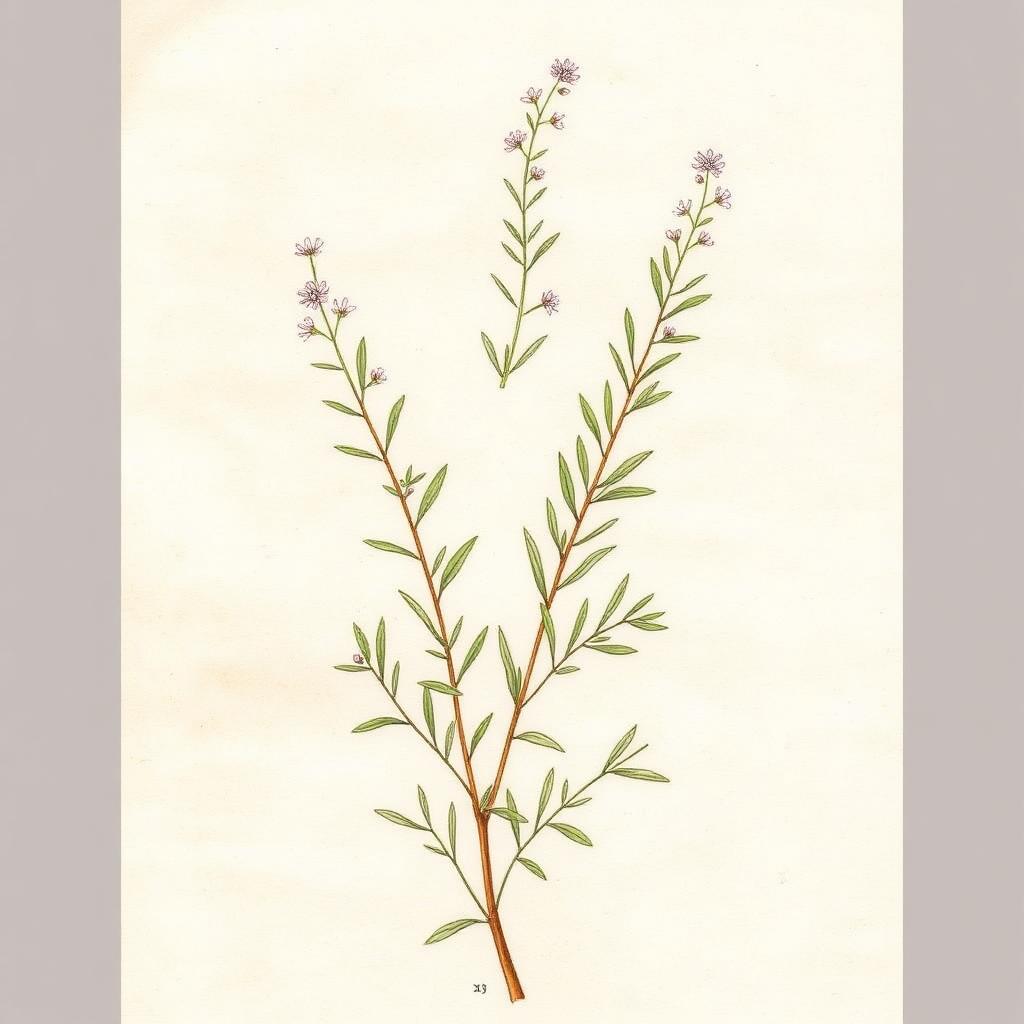
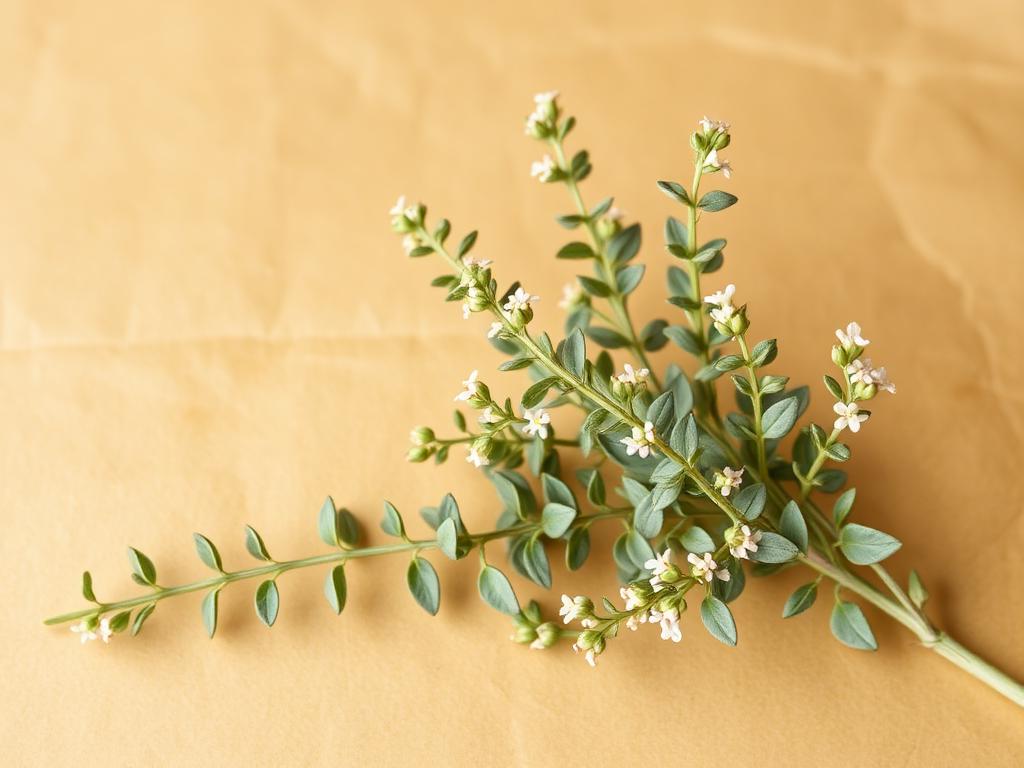
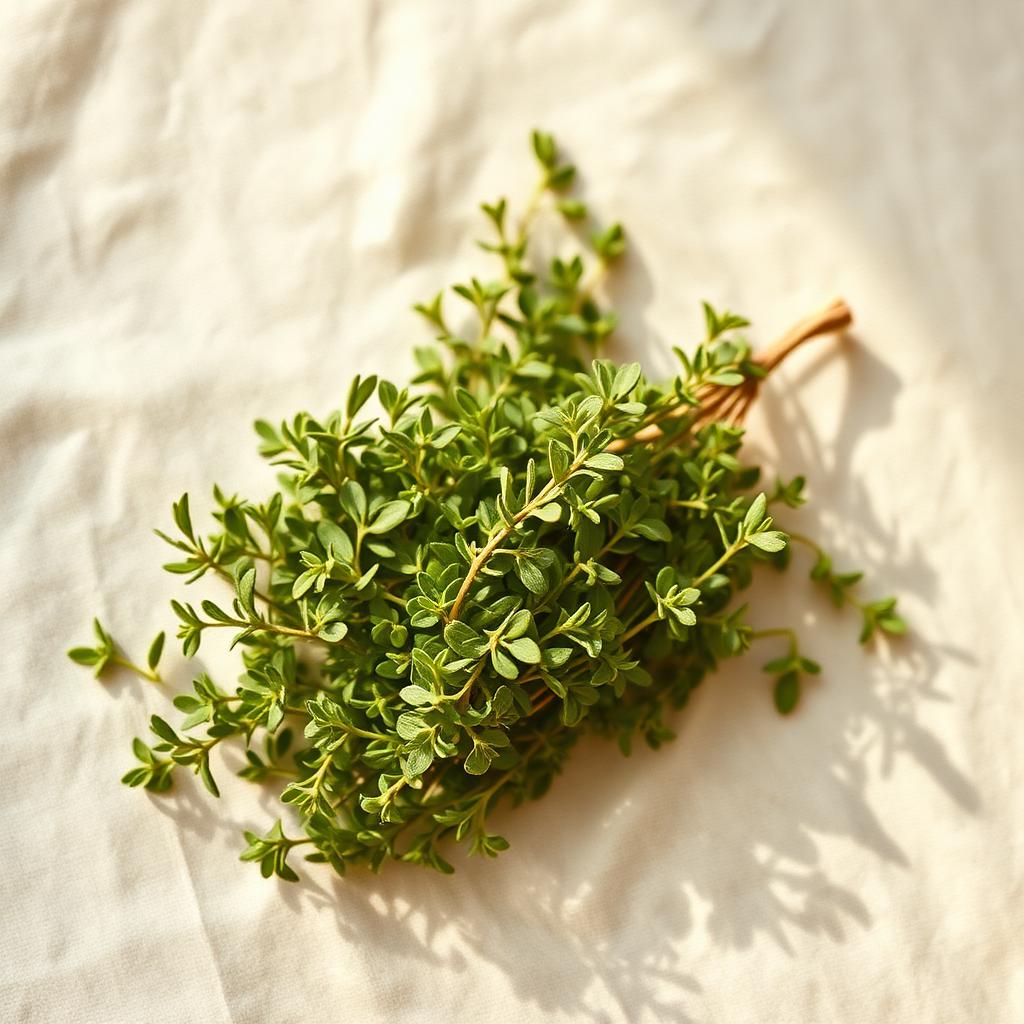
Thyme
Opens the chest, clears the lungs, supports respiratory health.

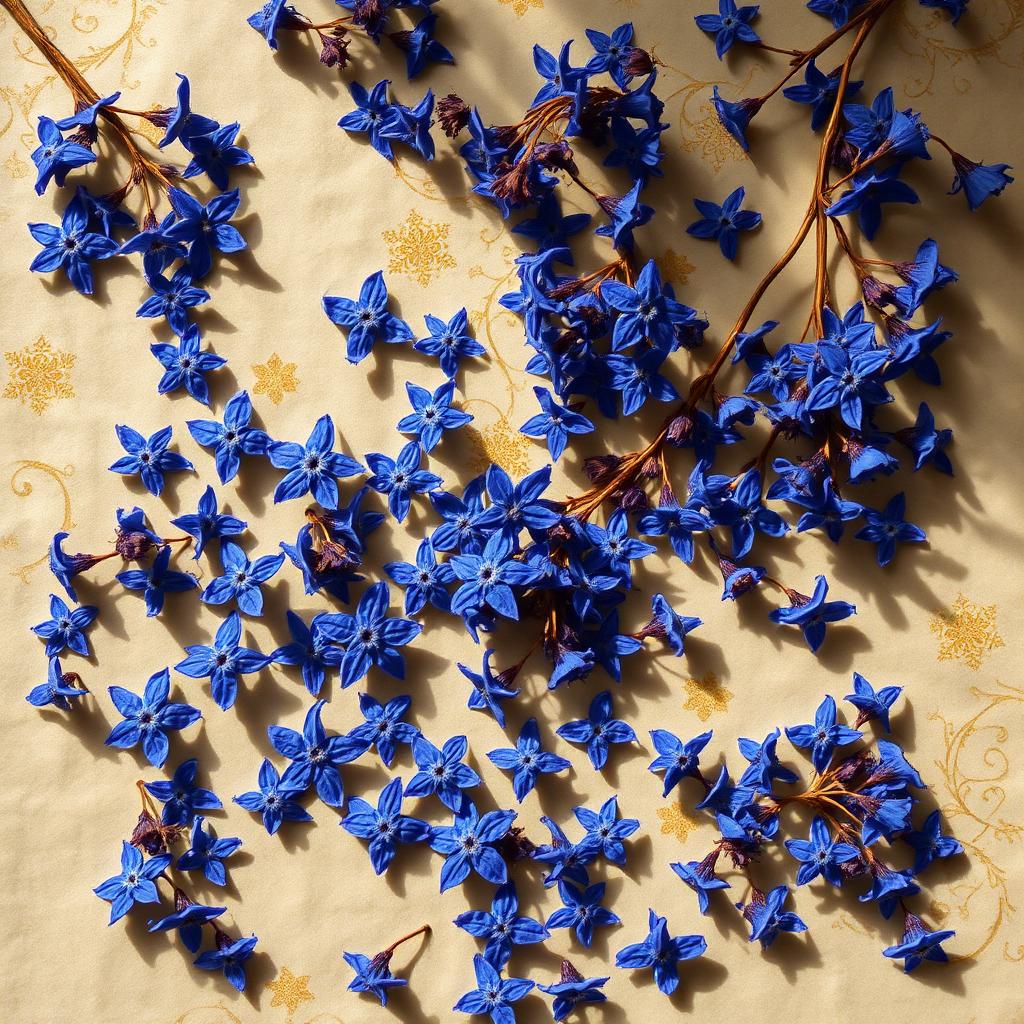
Borage
Lifts melancholy, calms the heart — the classic Persian gladdener.

Fenugreek
Warms the joints, nourishes blood, balances sugar.

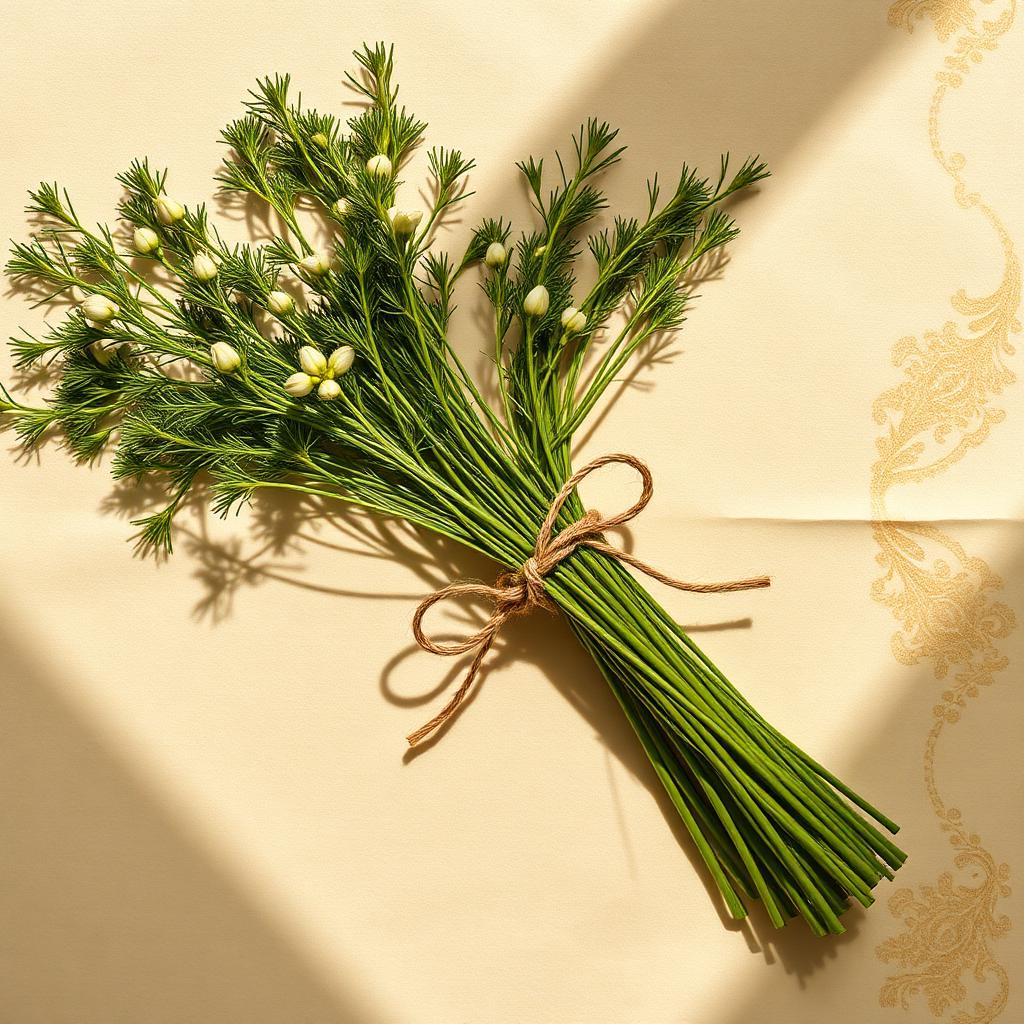
Dill
Calms colic, aids digestion, freshens the breath.

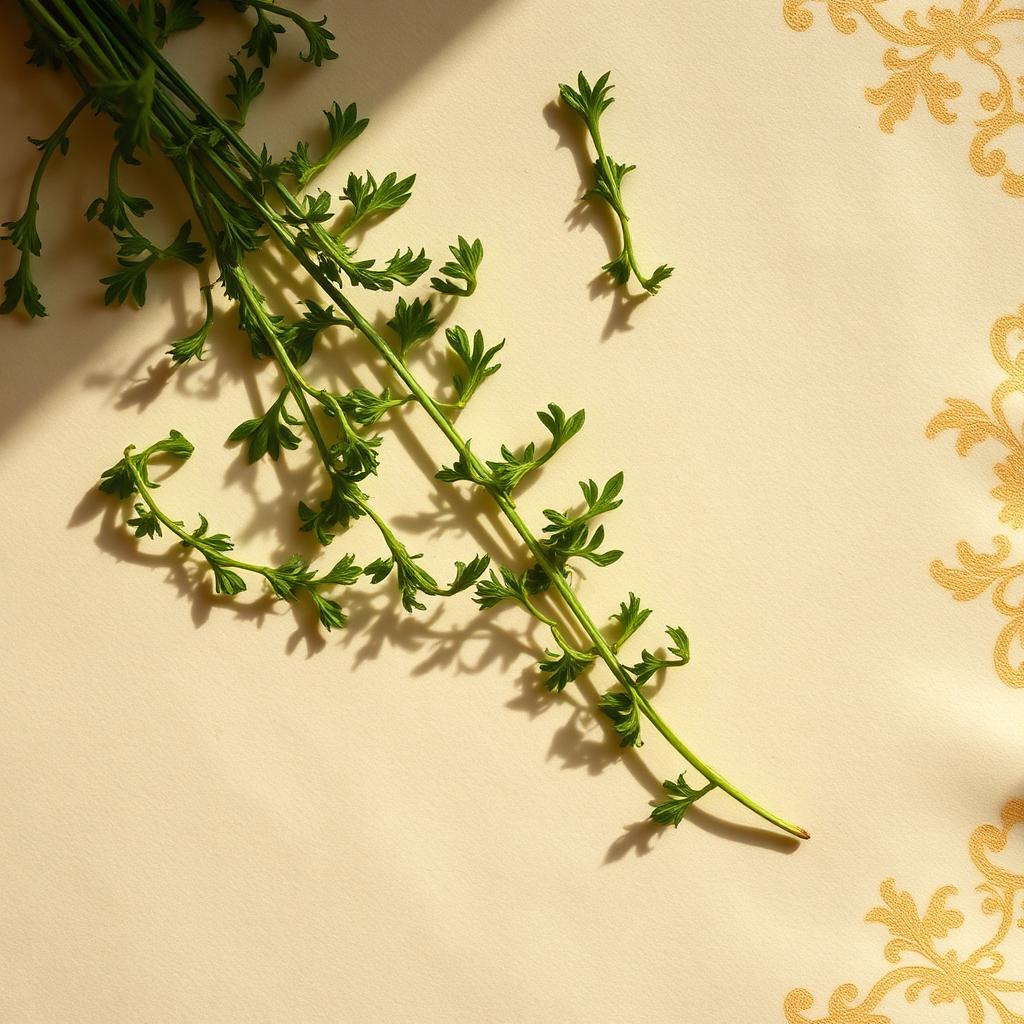
Tarragon
Stirs appetite, soothes nerves, a staple of Persian sabzi.

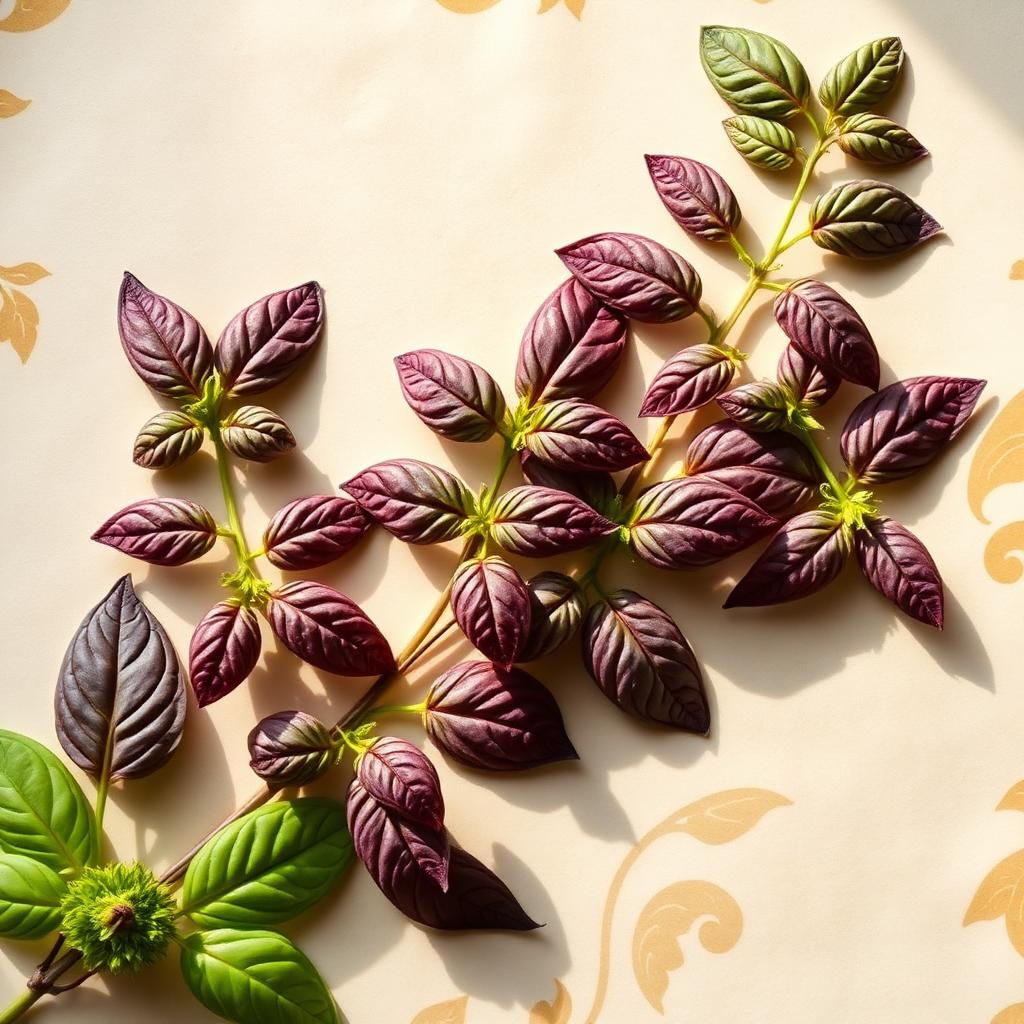
Persian Basil
Lifts the spirit, clears the head, sweetens the breath.

Cumin
Kindles digestion, dispels gas, slims the body.
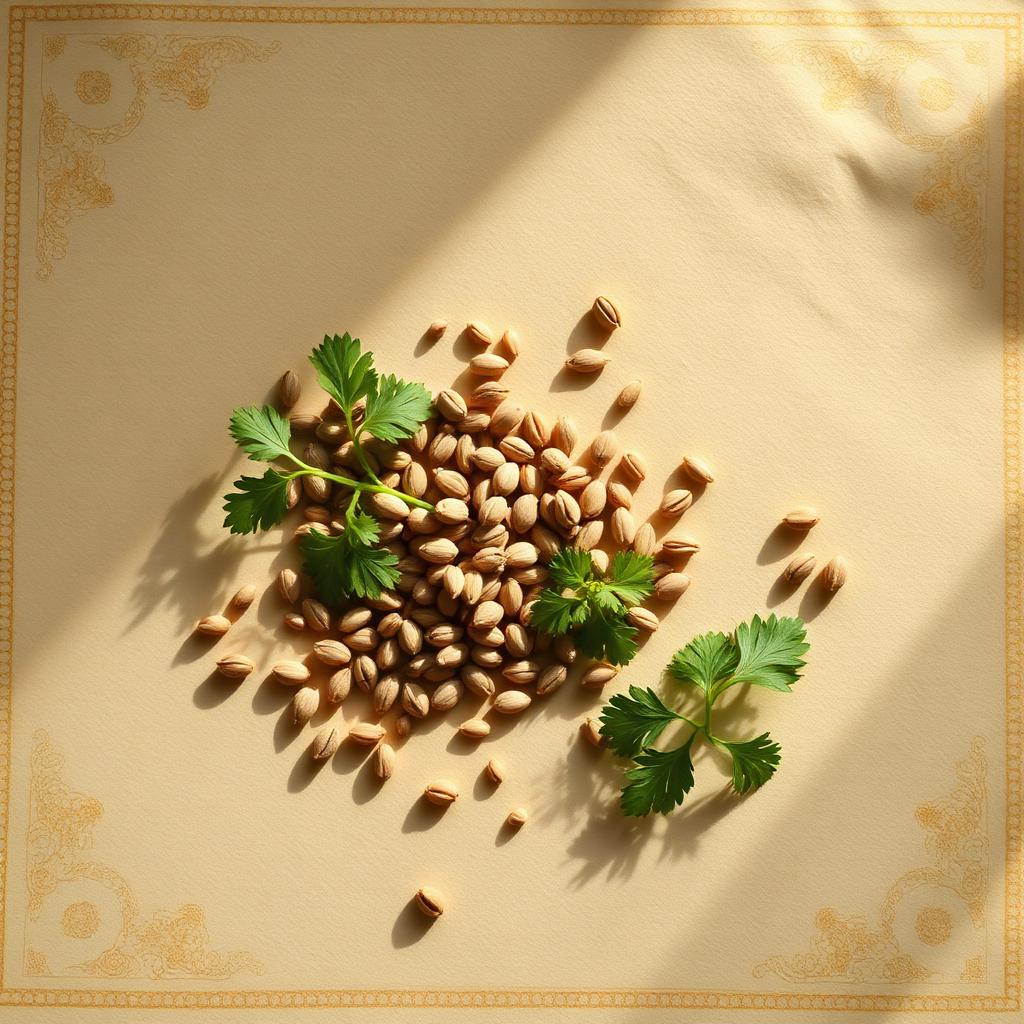
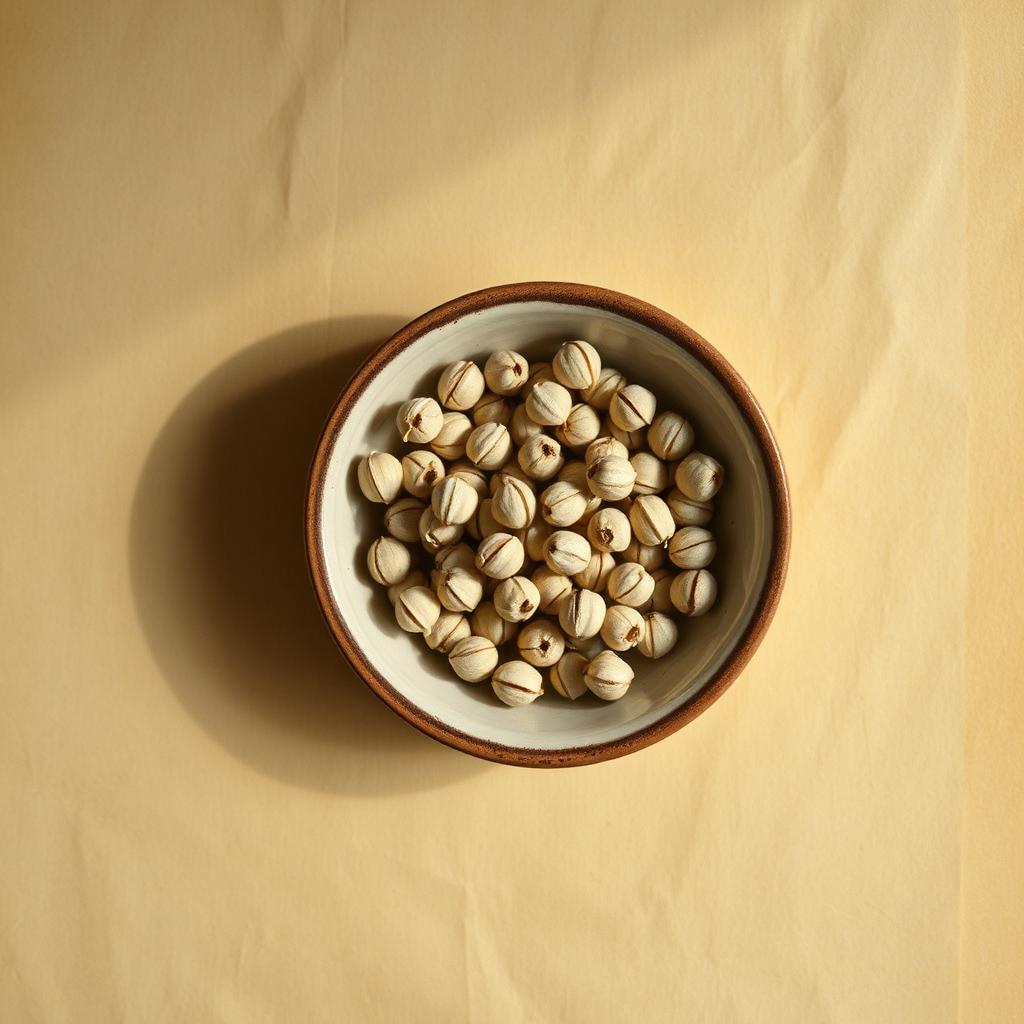
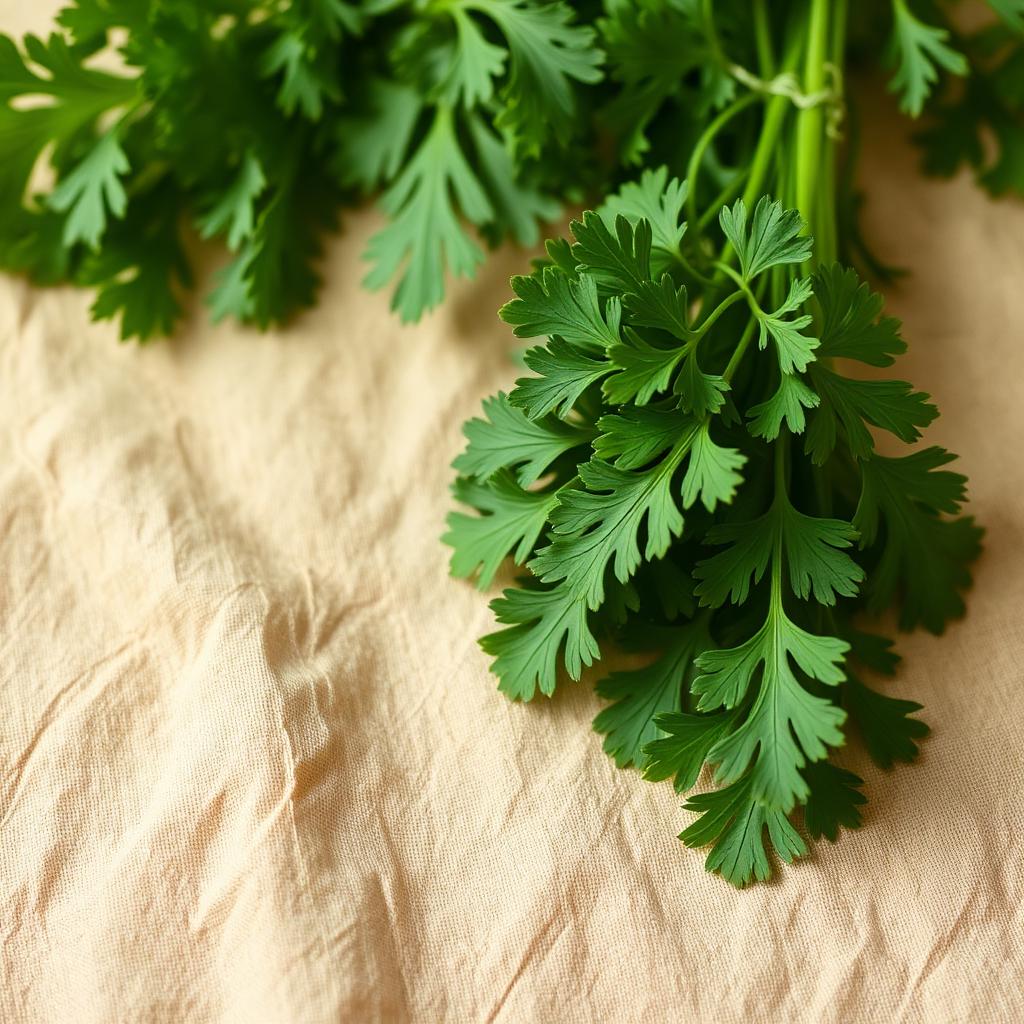
Coriander
Cools heat, calms the heart, soothes the stomach.

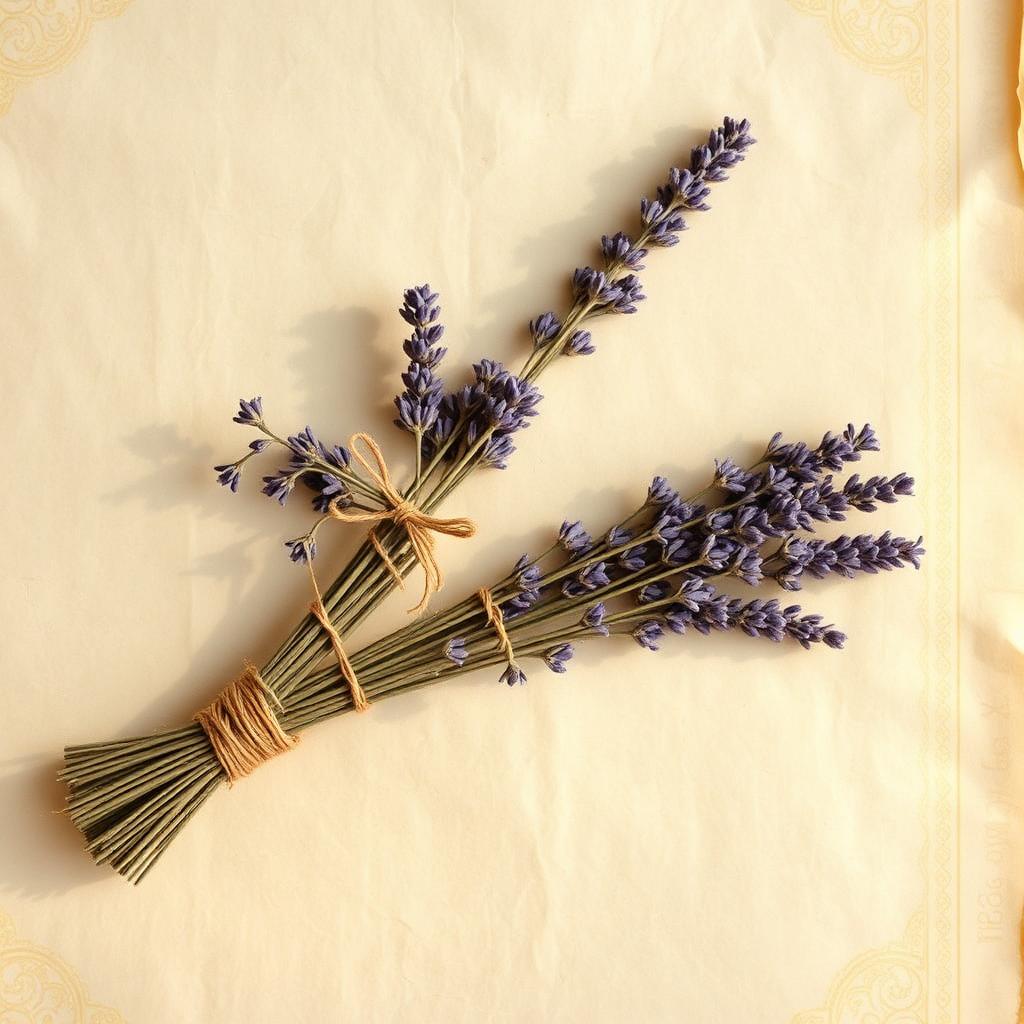
Lavender
Lifts melancholy, quiets the mind, eases headaches.

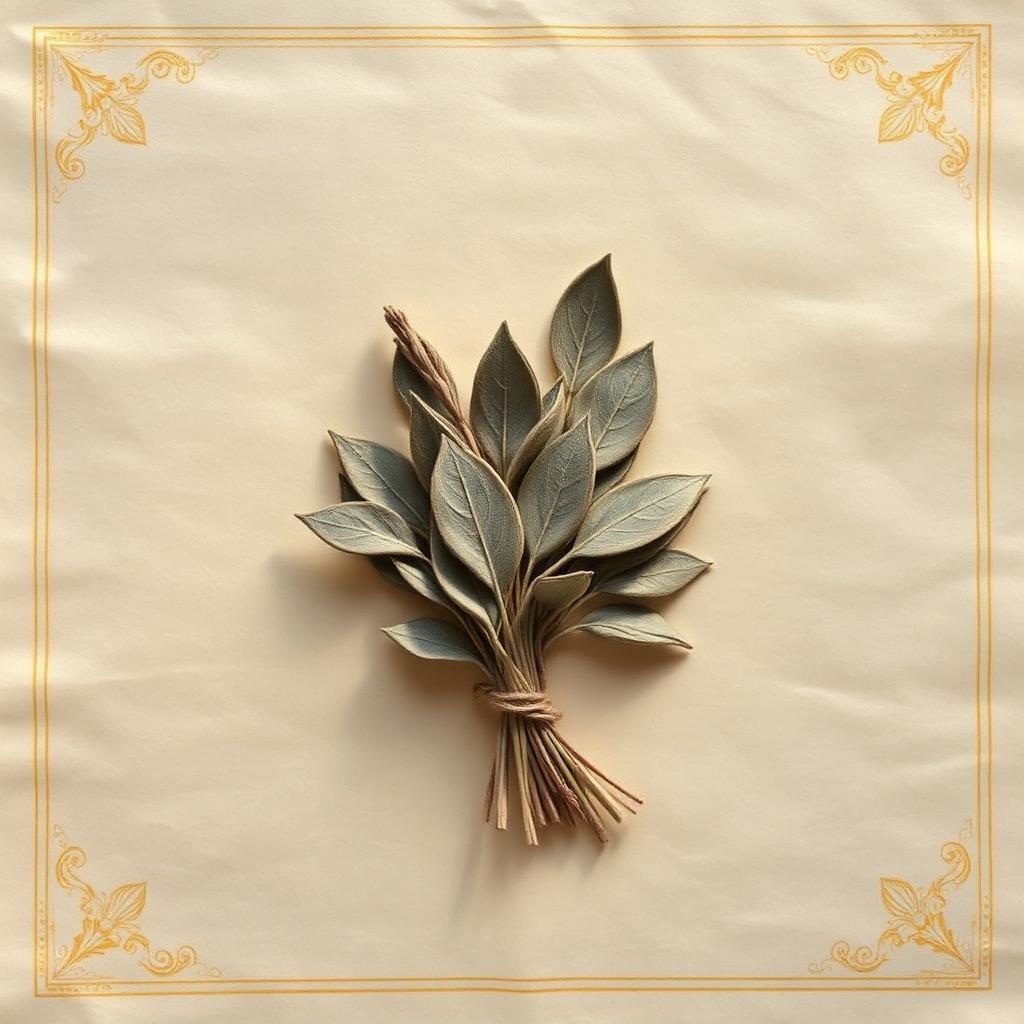
Sage
Sharpens memory, eases sweats, strengthens the gums.

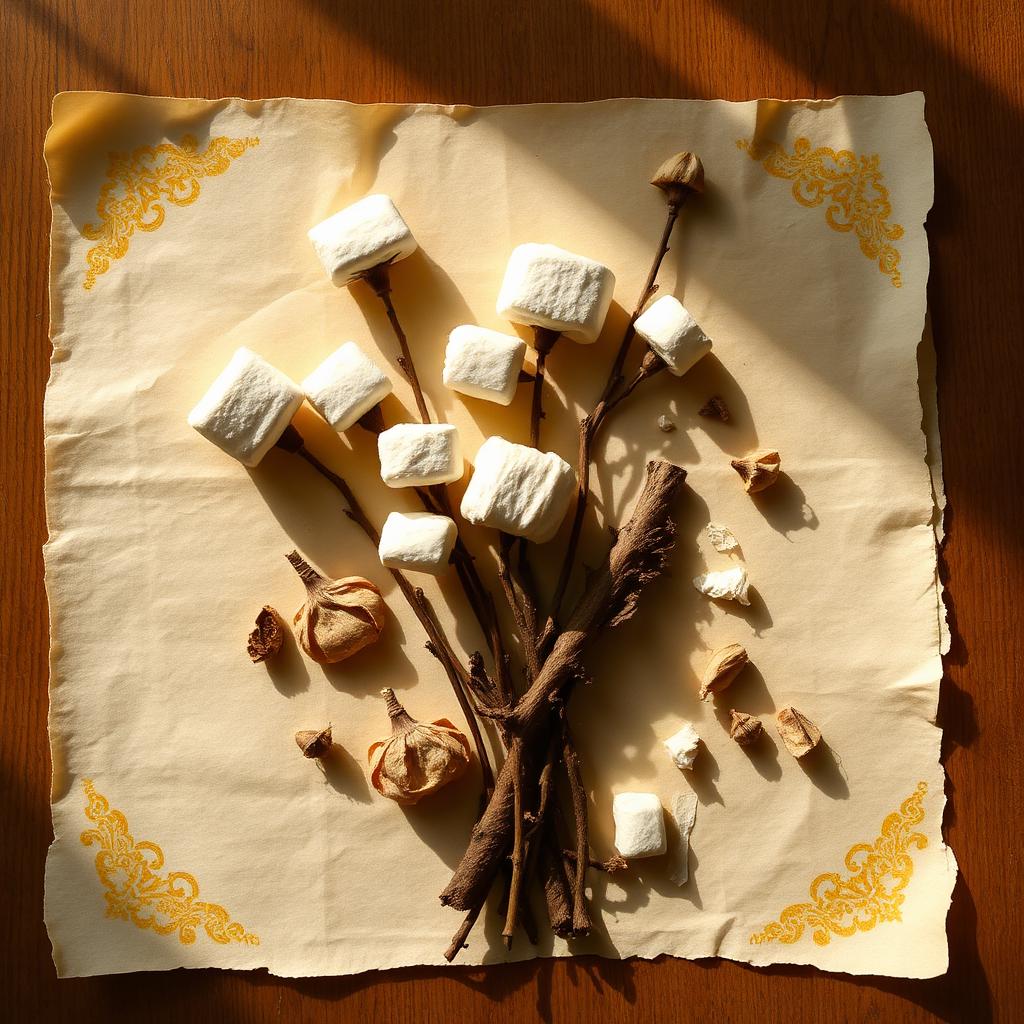
Marshmallow
Soothes dry coughs, calms the urinary tract, softens dryness.

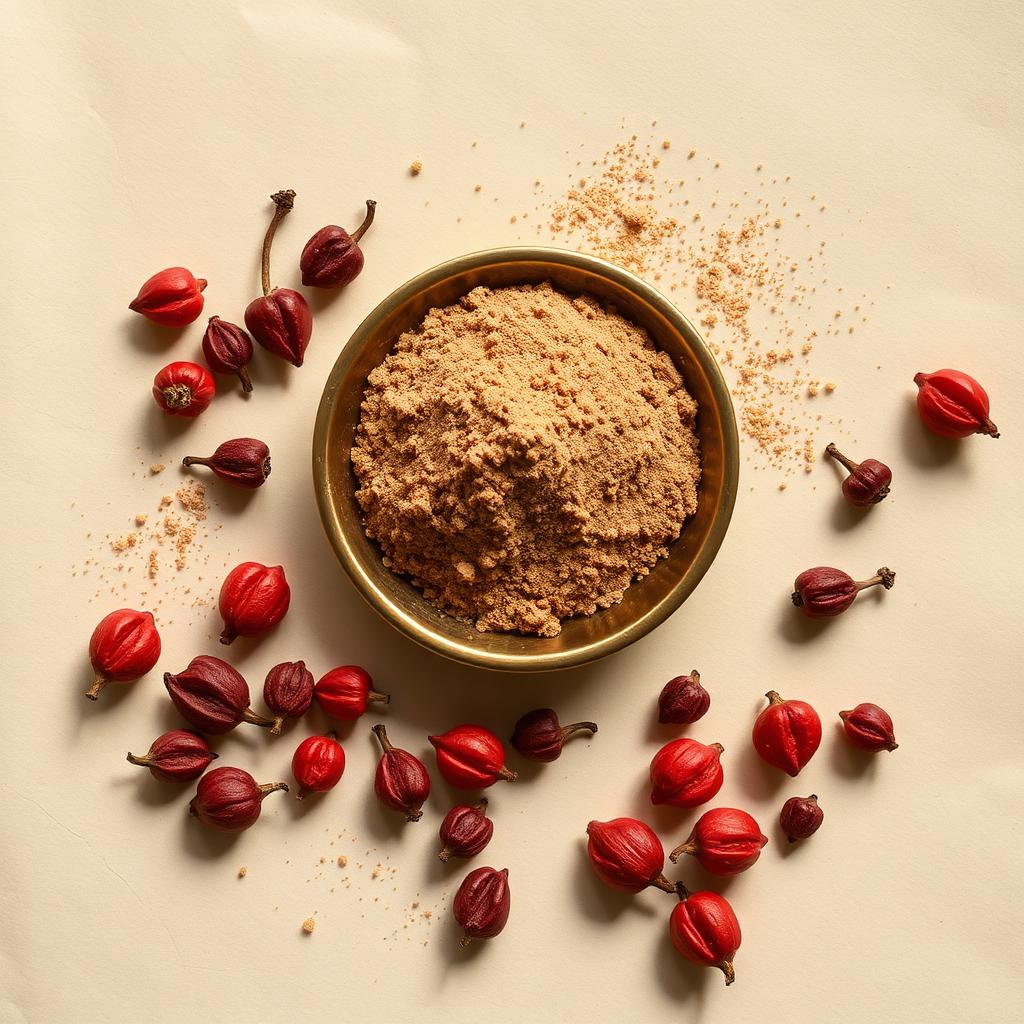
Golpar
The Persian angelica — eases joint cold, balances fava beans.

Barberry
Cleanses the liver, cools fever, awakens the appetite.

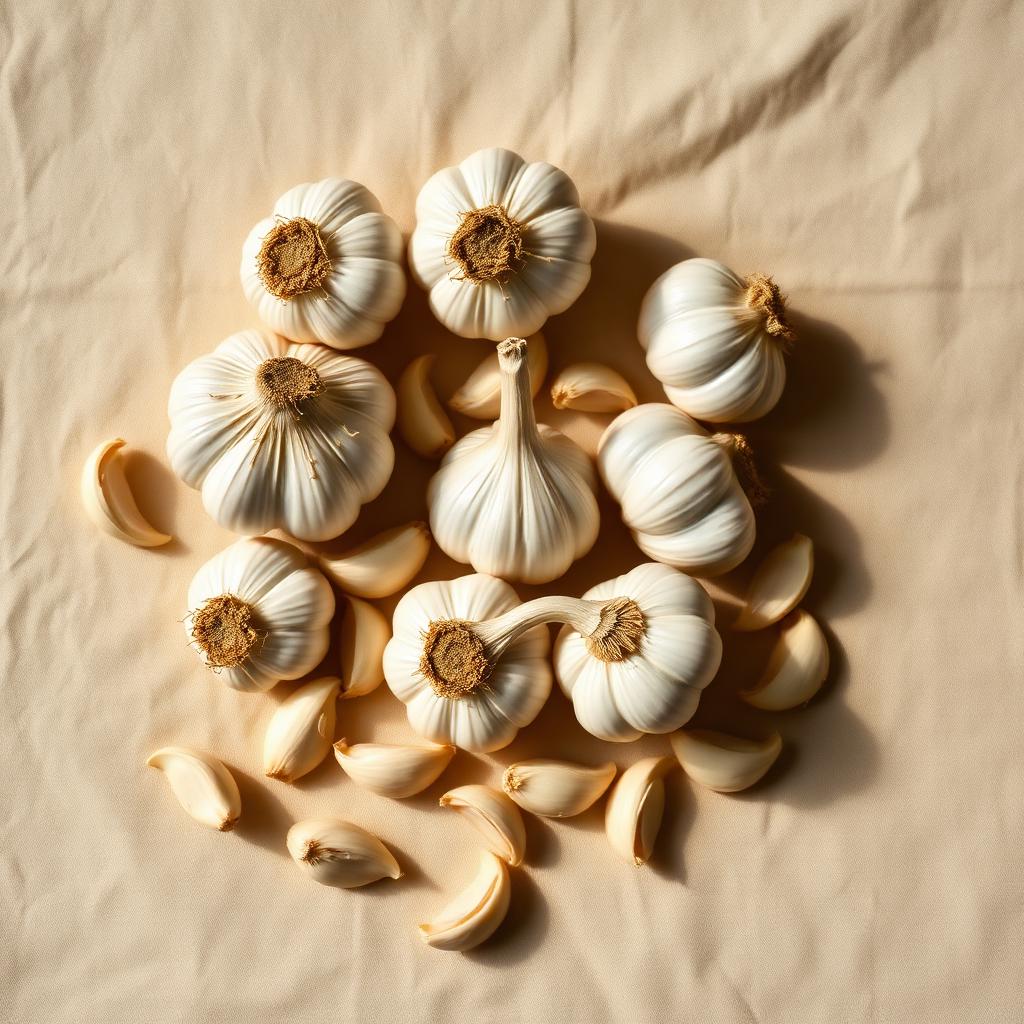
Garlic
A classic immune ally that supports circulation and heart health.

Rosemary
Sharpens memory and focus, supports circulation and digestion.

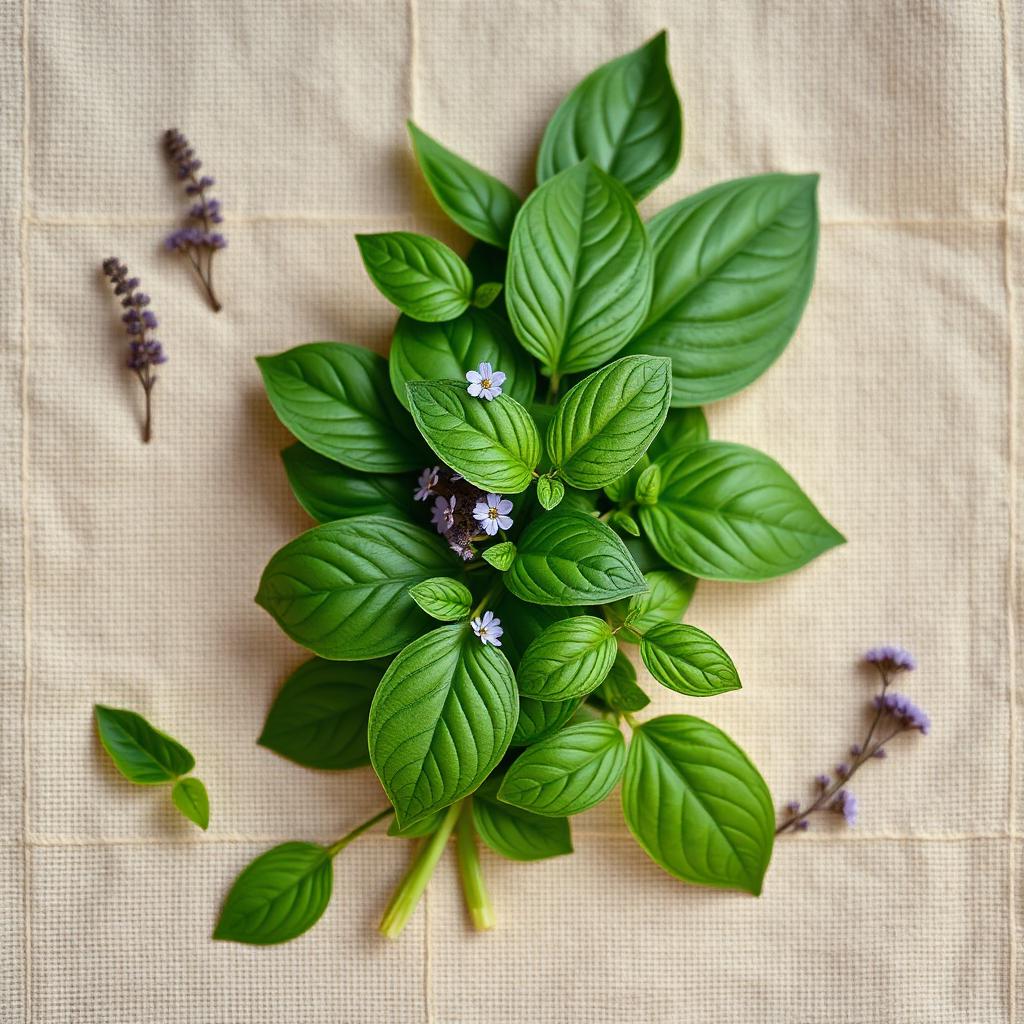
Holy Basil (Tulsi)
An adaptogenic herb that helps the body meet daily stress.

Ashwagandha
Rooting adaptogen for stress resilience, sleep, and steady energy.
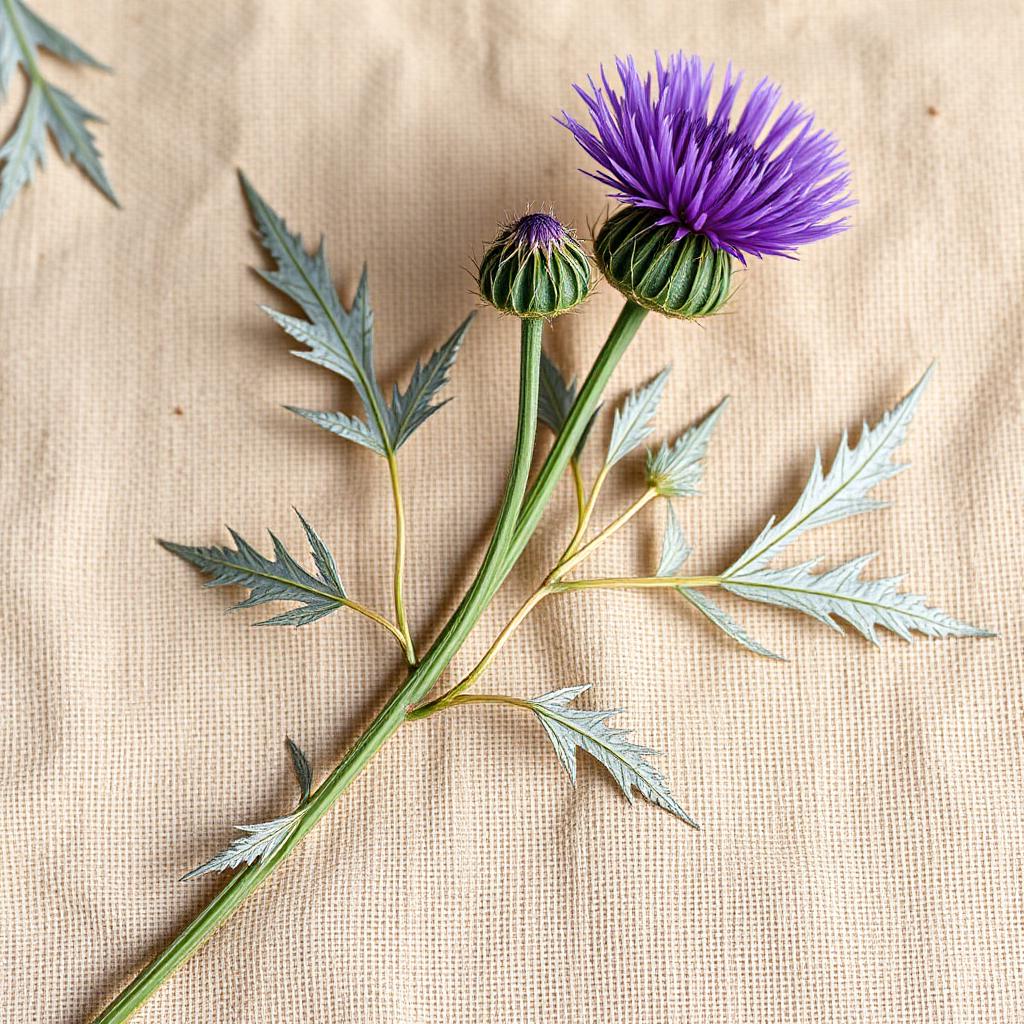
Milk Thistle
Traditional liver tonic — supports the body's natural detox pathways.
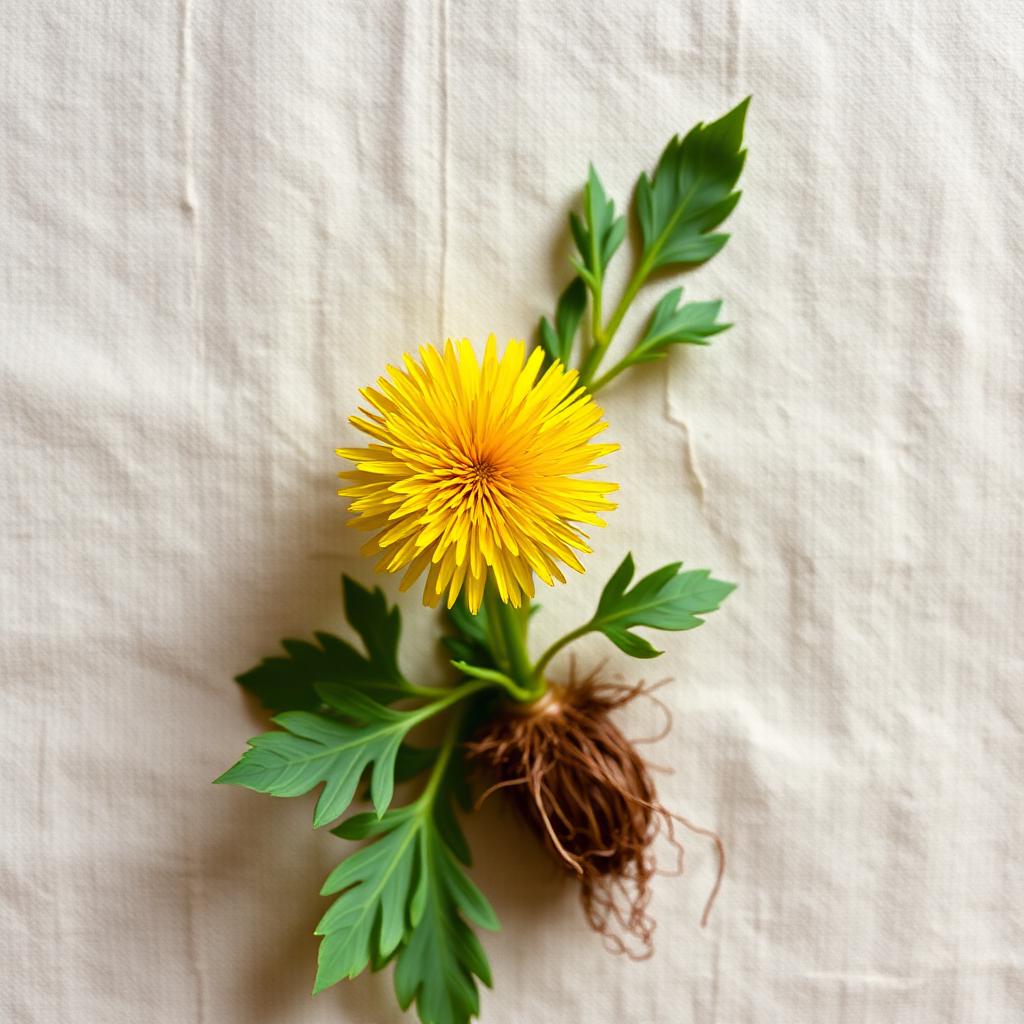
Dandelion
A bitter green that supports digestion, the liver, and gentle cleansing.

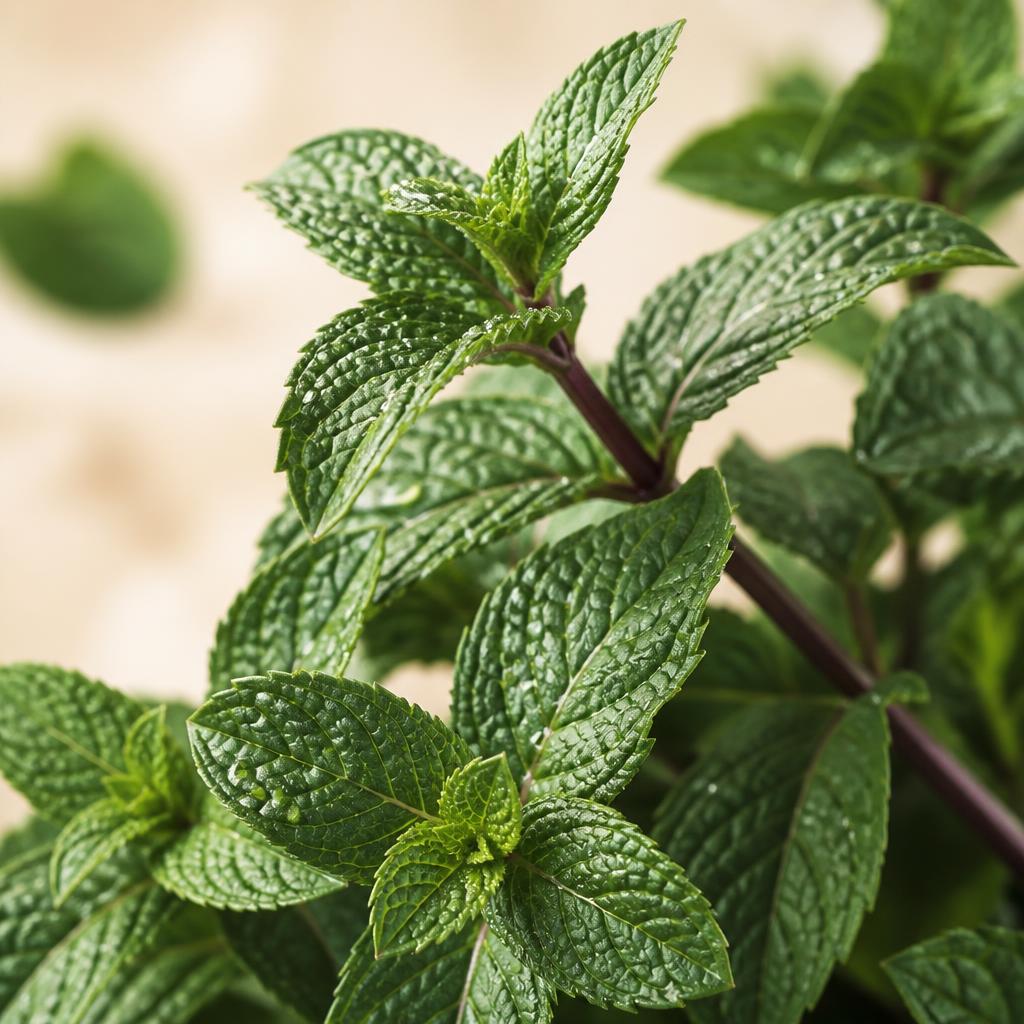
Peppermint
Cooling aromatic that soothes digestion and eases tension headaches.

Linden
Fragrant Persian zeyfoon flower — calms the nerves, eases sleep, opens the chest.

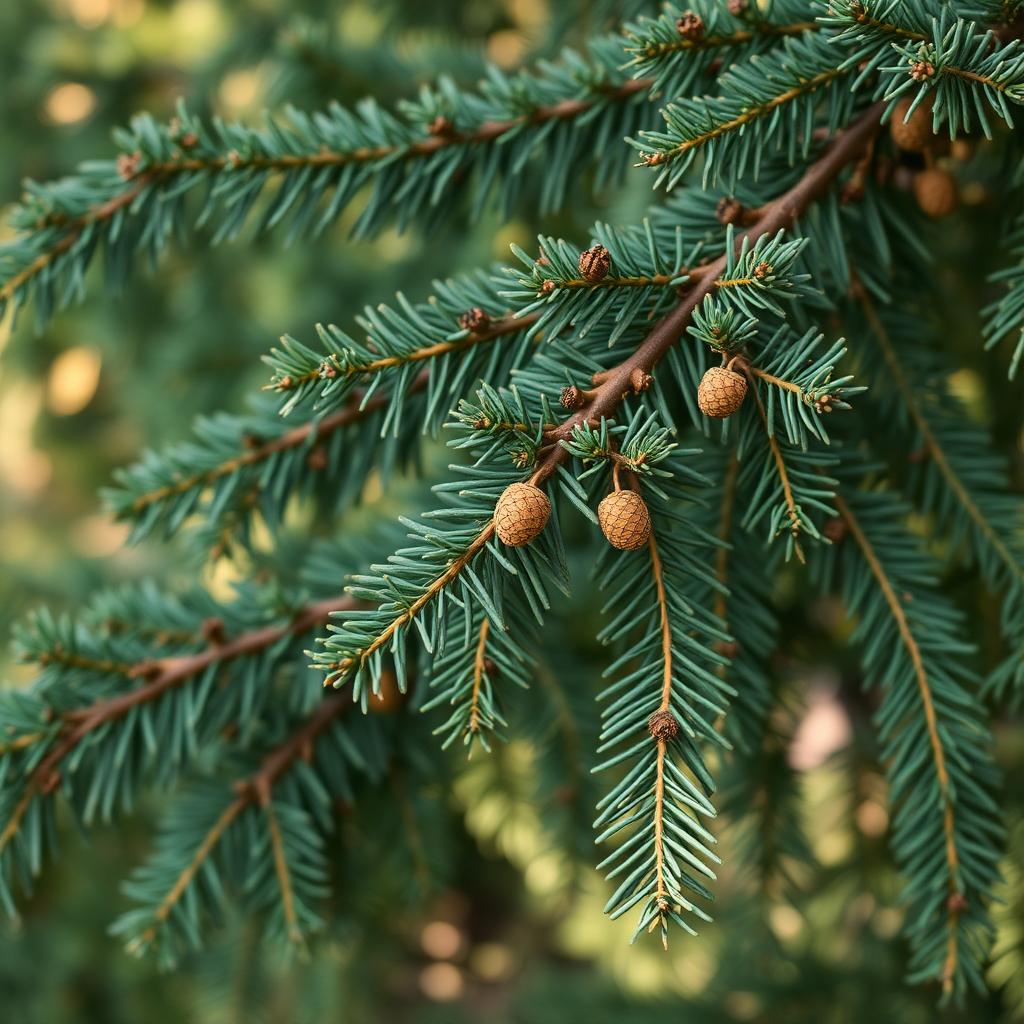
Cypress
Sarv — ancient Persian symbol of resilience; astringent cones traditionally used for veins, sweating, and respiratory tone.

Angelica
Sonbol Khataei — aromatic root and seed traditionally used to warm digestion, ease cramps, and strengthen the chest.

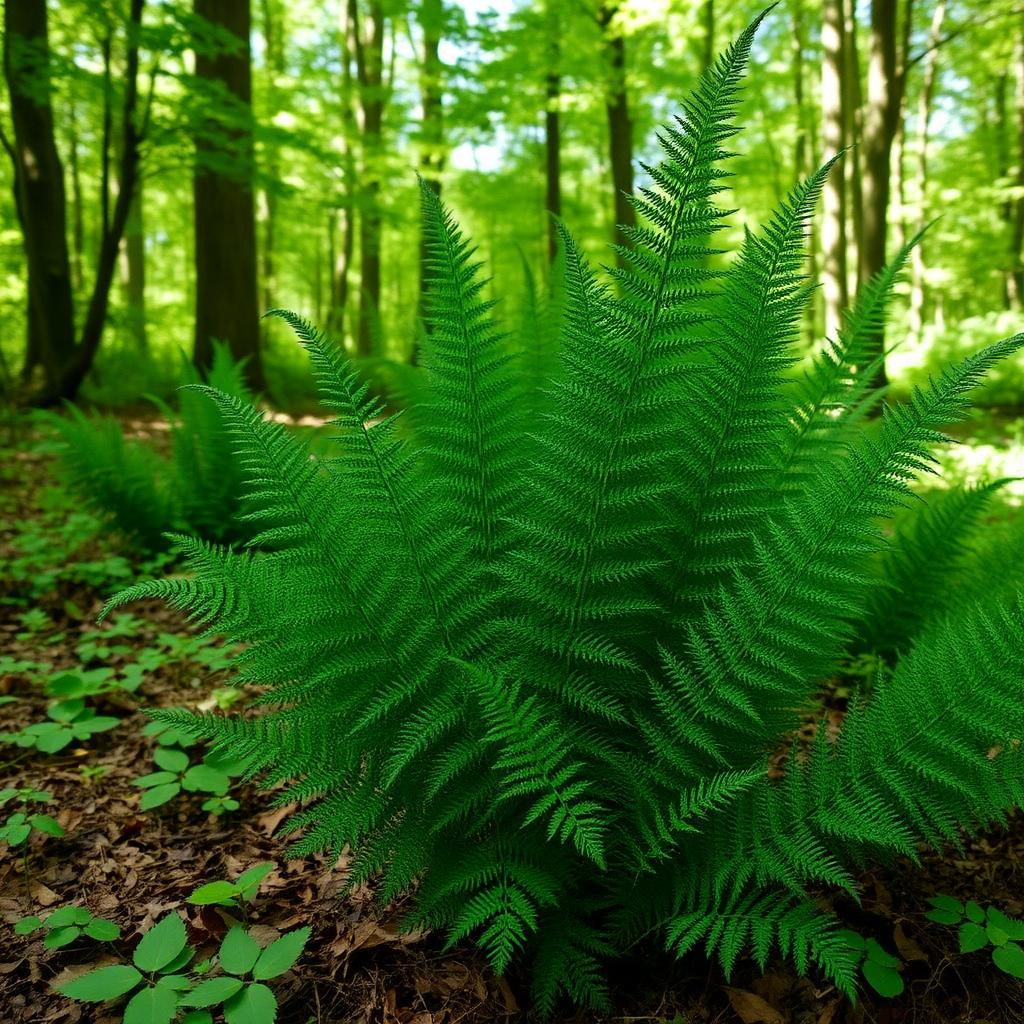
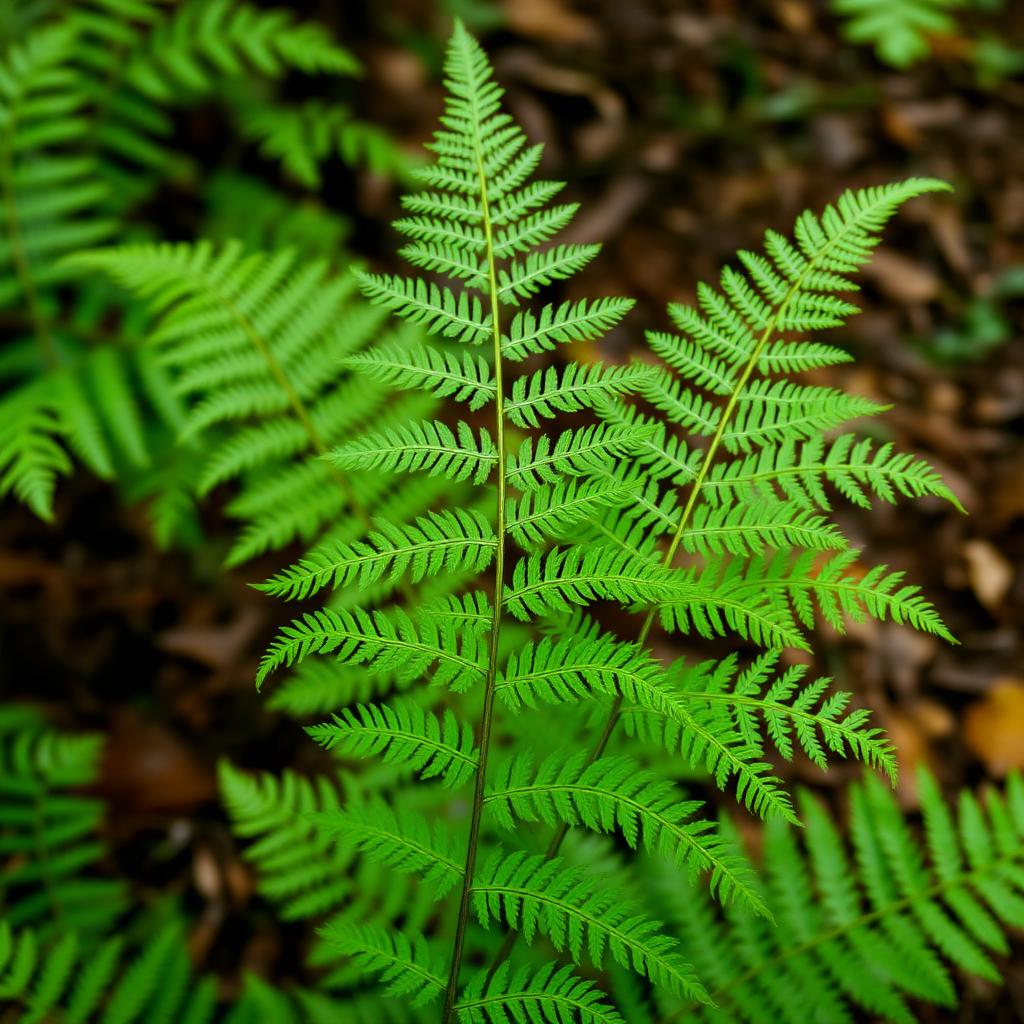
Male Fern
Sarkhas-e nar — historically valued anthelmintic root; potent, traditional use only.

Female Fern
Sarkhas-e madeh — gentle, soothing fronds traditionally used for joint and respiratory complaints.

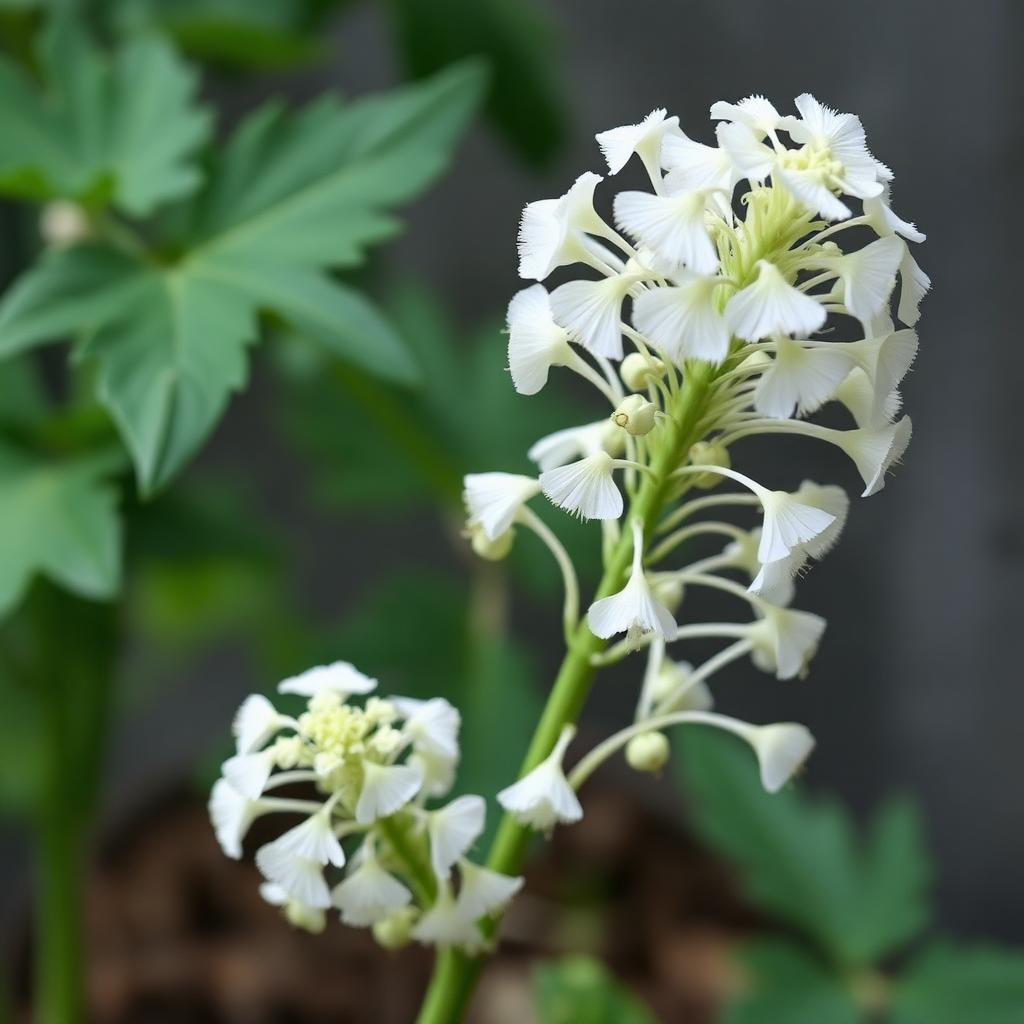
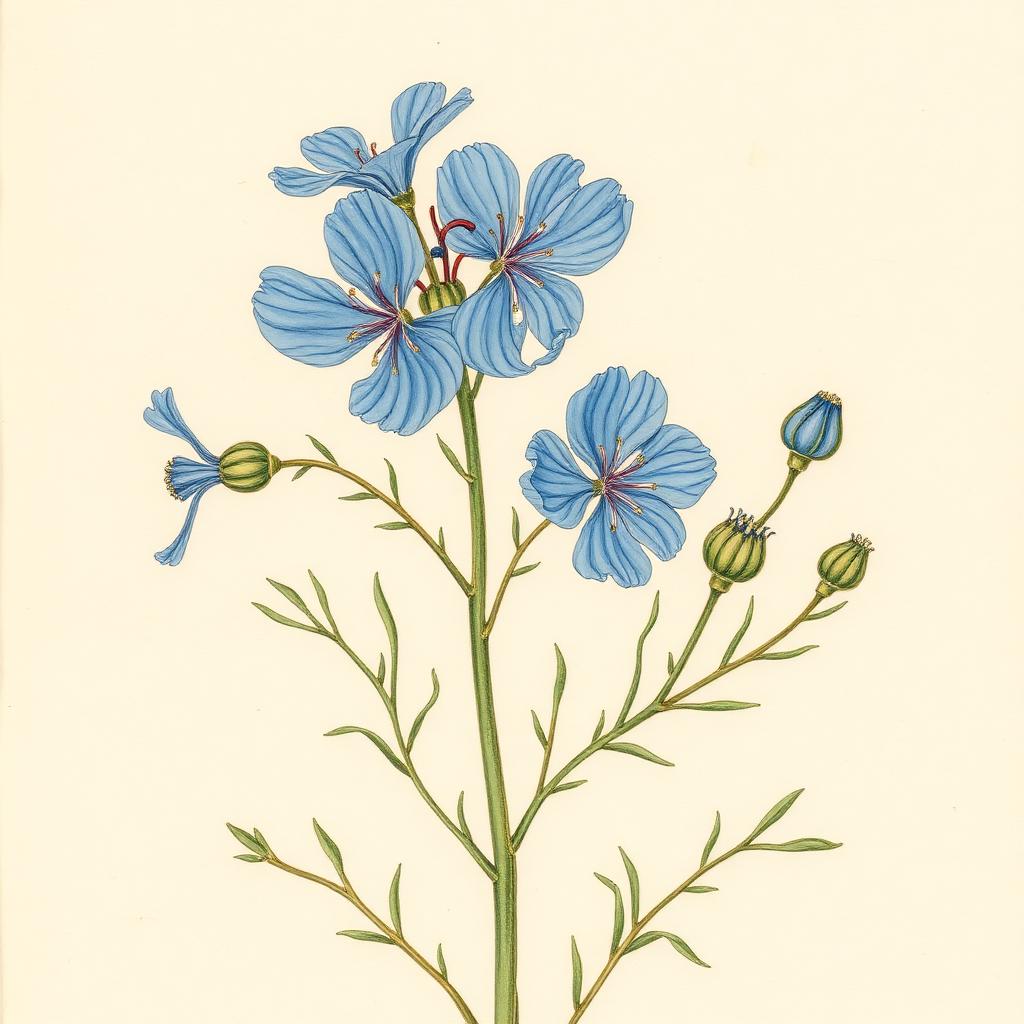
Cornflower
Gol-e gandom — azure blossom traditionally used to soothe tired eyes and cool inflammation.

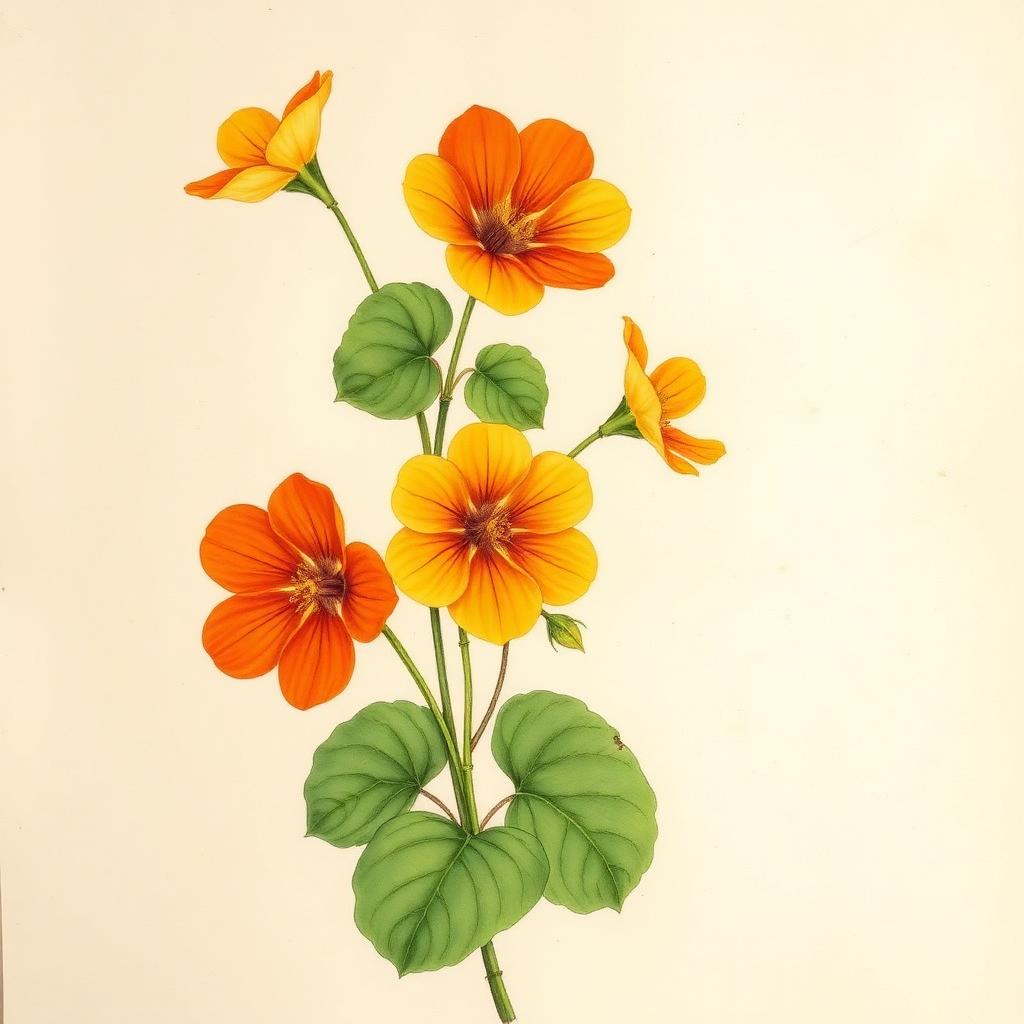
Nasturtium
Lādan — peppery edible flower with traditional respiratory and antimicrobial uses.

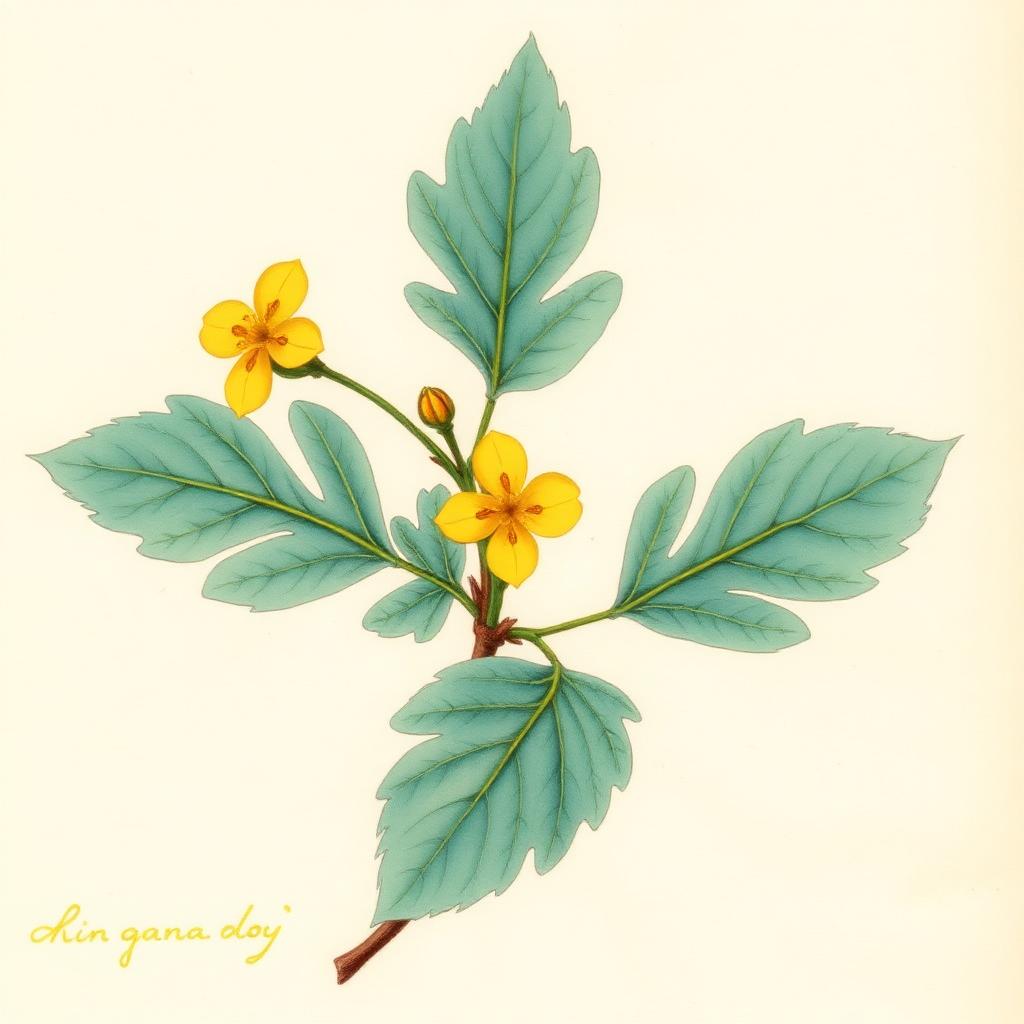
Greater Celandine
Māmirān-e kabir — yellow-sap herb classically used for liver, bile, and skin complaints. Practitioner guidance only.

Savory
Marzeh — aromatic Persian mountain herb that kindles digestion and supports the chest.

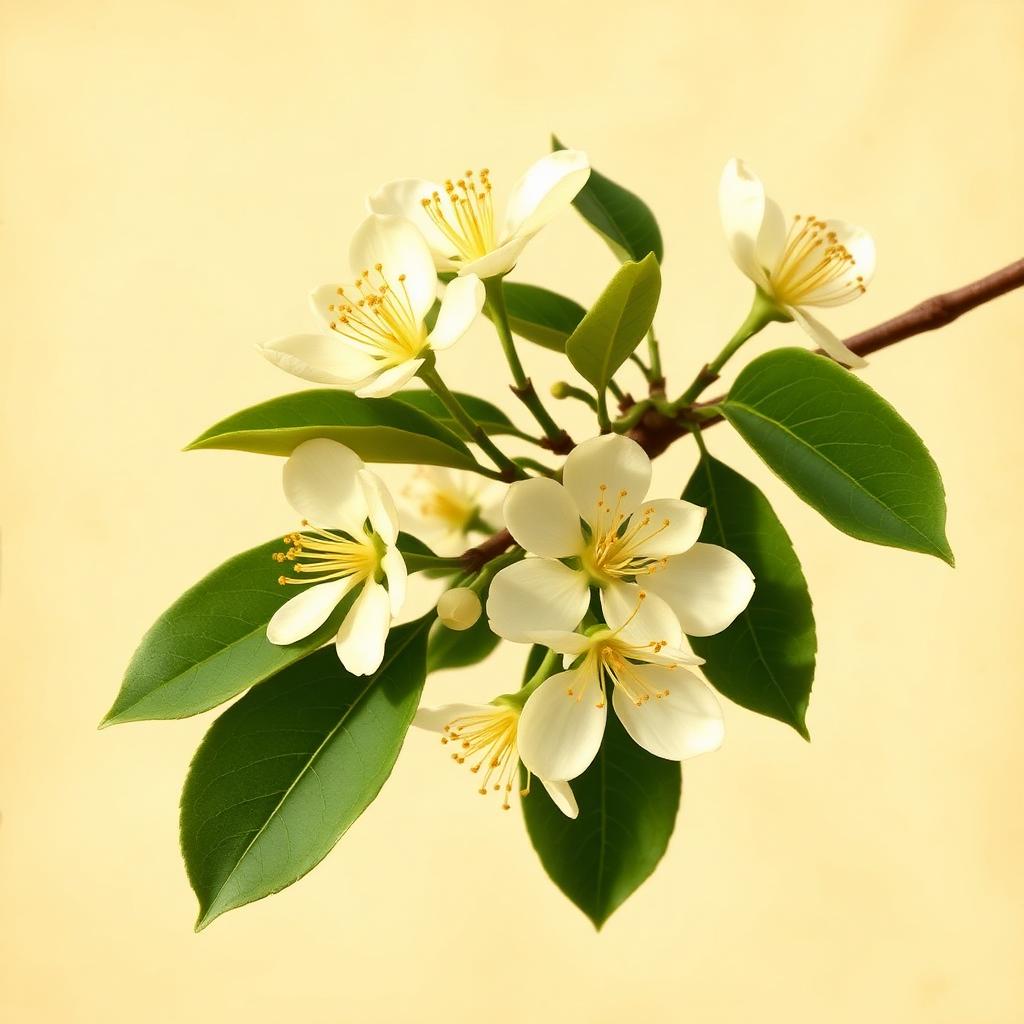
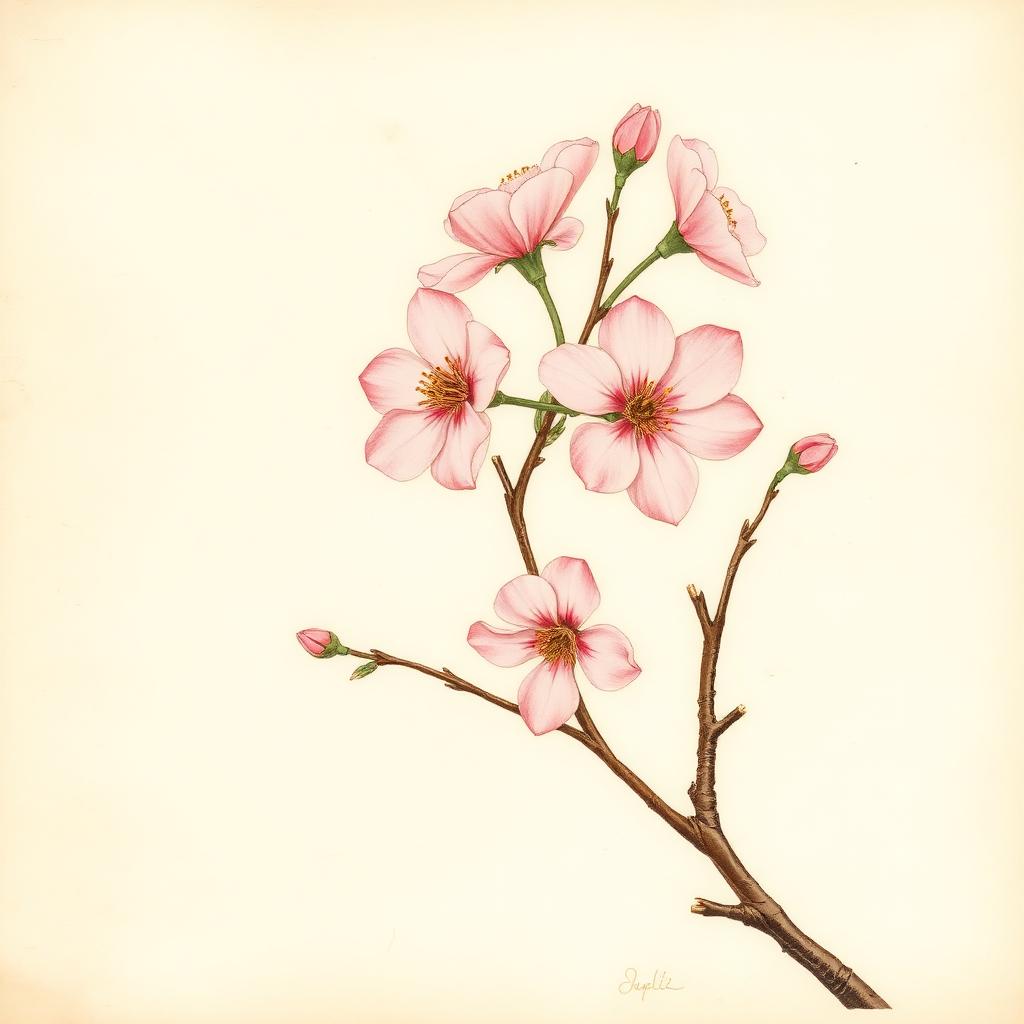
Peach Blossom
Gol-e holu — delicate pink blossom traditionally used as a gentle laxative and skin-soothing infusion.

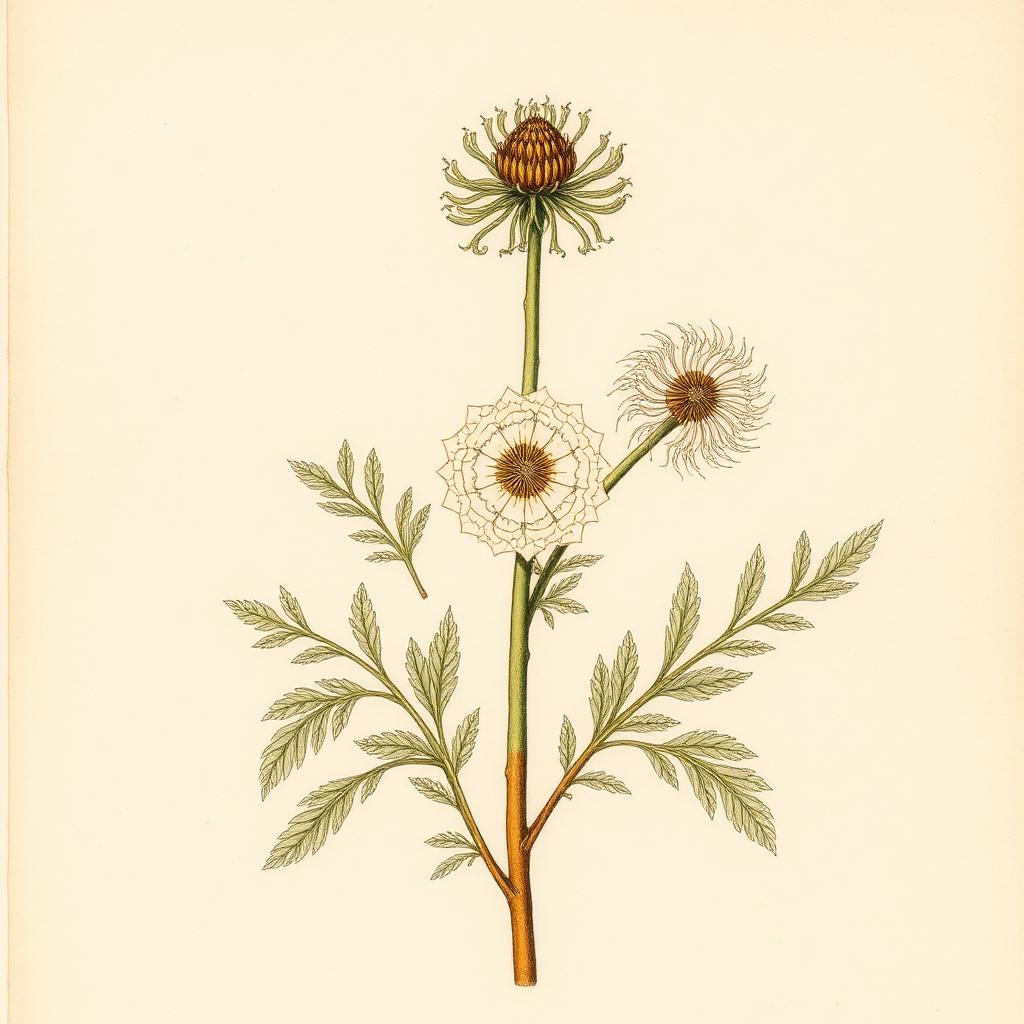
Wild Carrot
Havij-e vahshi — Queen Anne's Lace; aromatic seed traditionally used for urinary support and digestion.

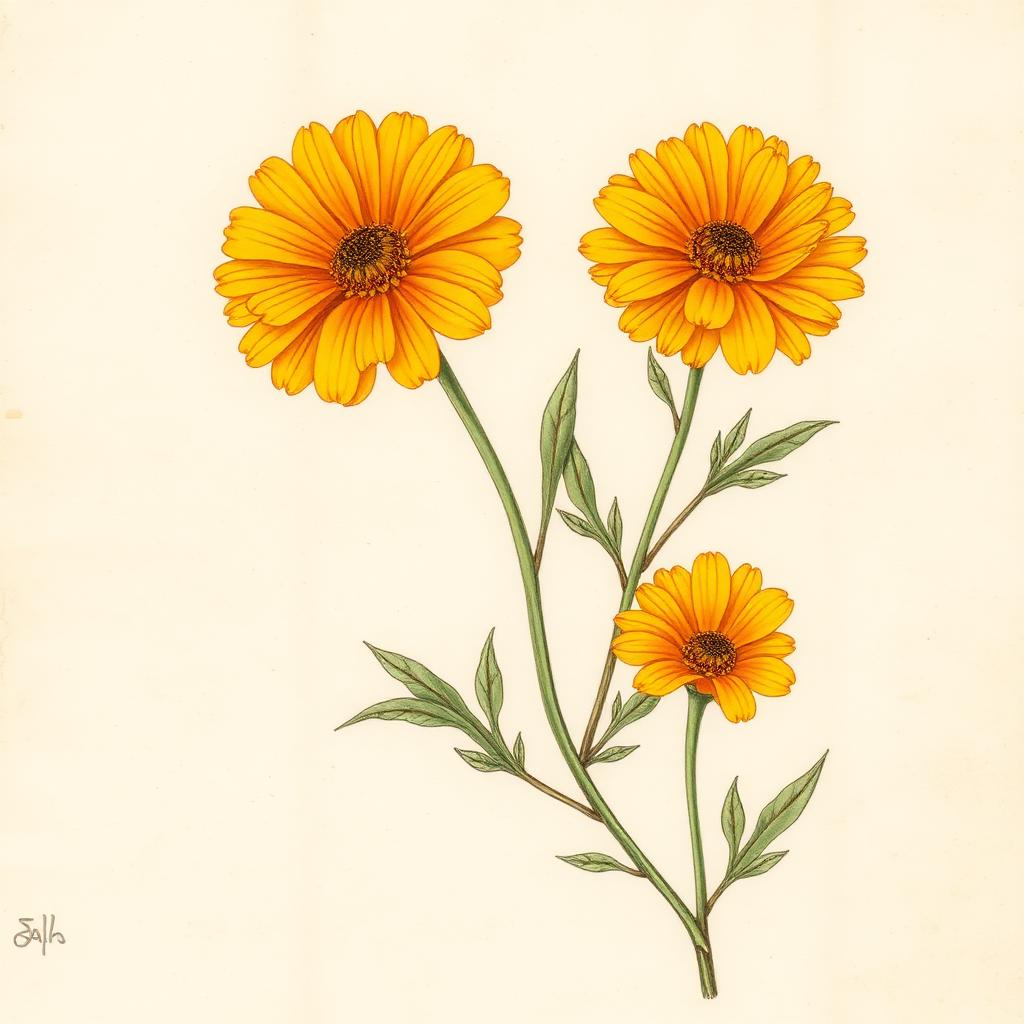
Calendula
Hamisheh-bahar — golden marigold prized for skin healing, lymphatic support, and gentle digestion.

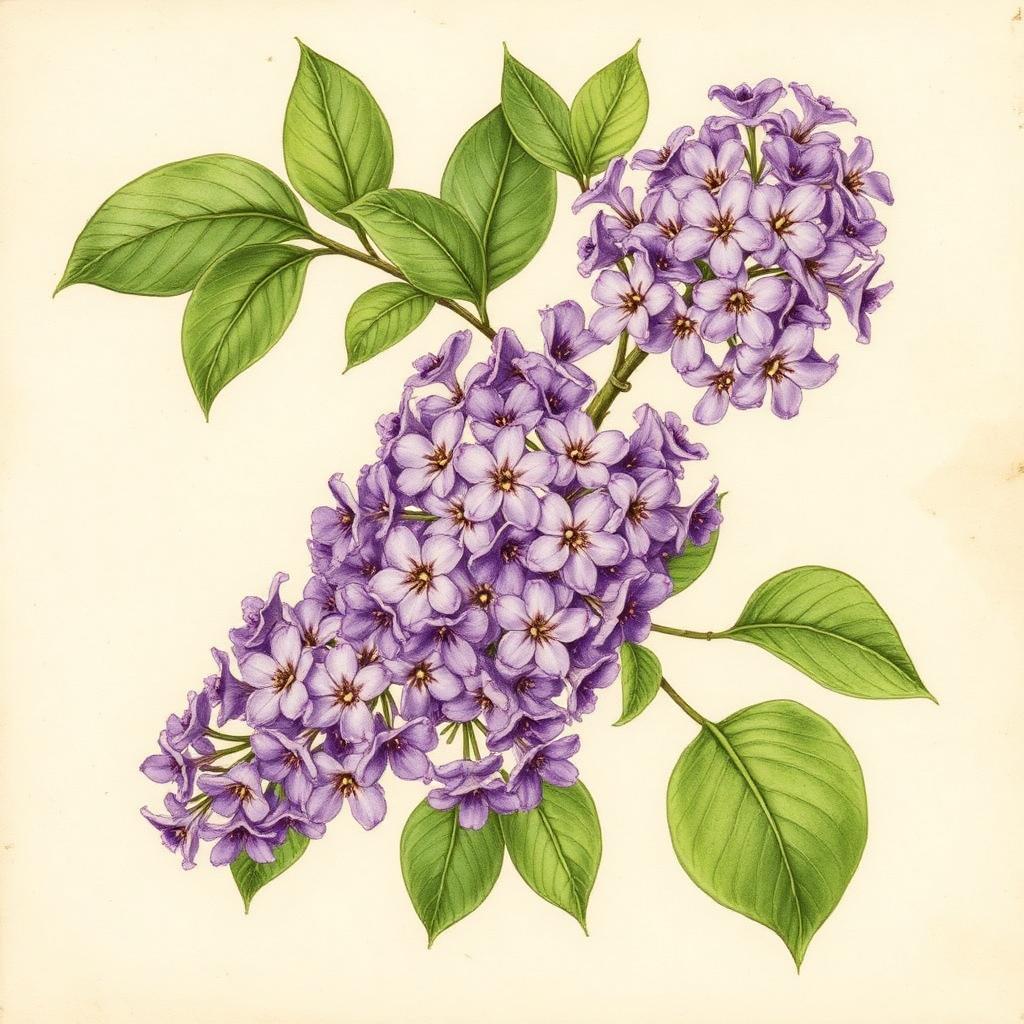
Lilac
Yās-e banafsh — fragrant purple blossom traditionally used in cooling infusions and aromatic waters.

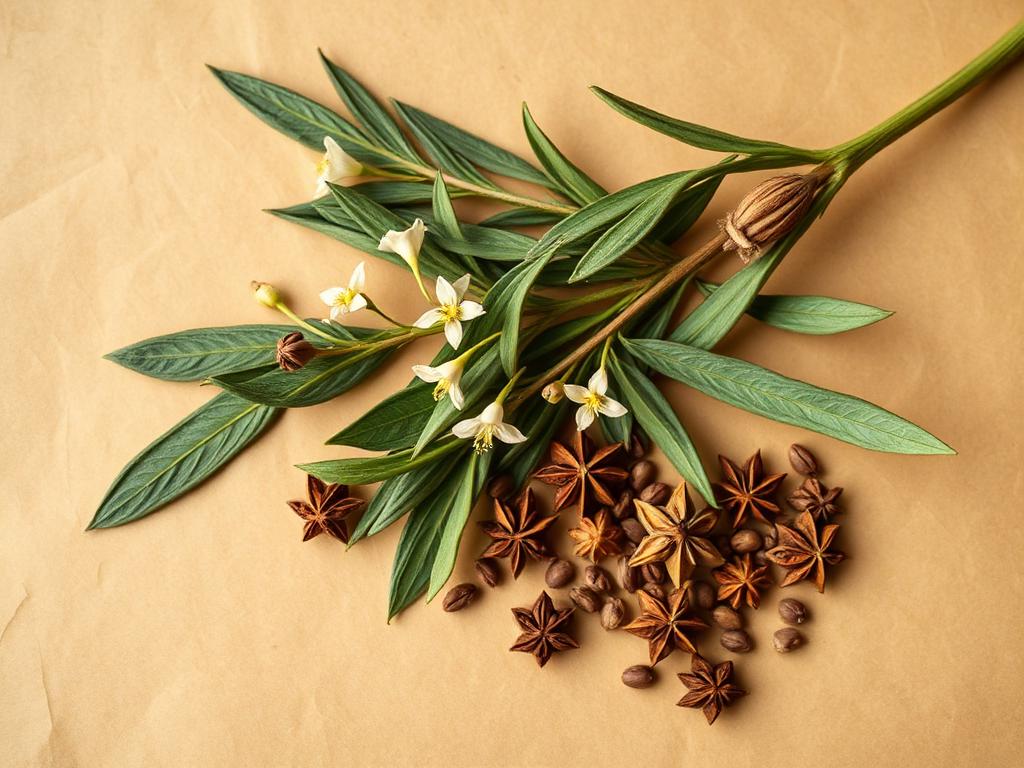
Anise
Ānisun — sweet, aromatic seed traditionally used for digestion, breath freshening, and easing colic and cough.

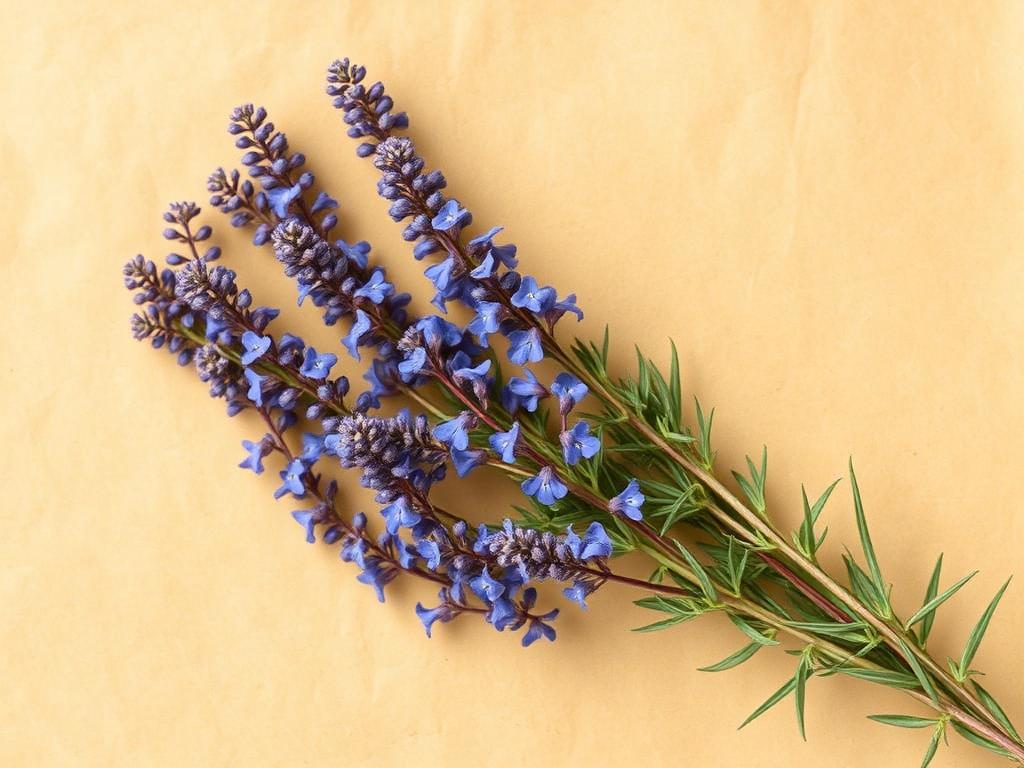
Hyssop
Zufā — biblical chest herb traditionally used to clear phlegm, support breathing, and tone digestion.

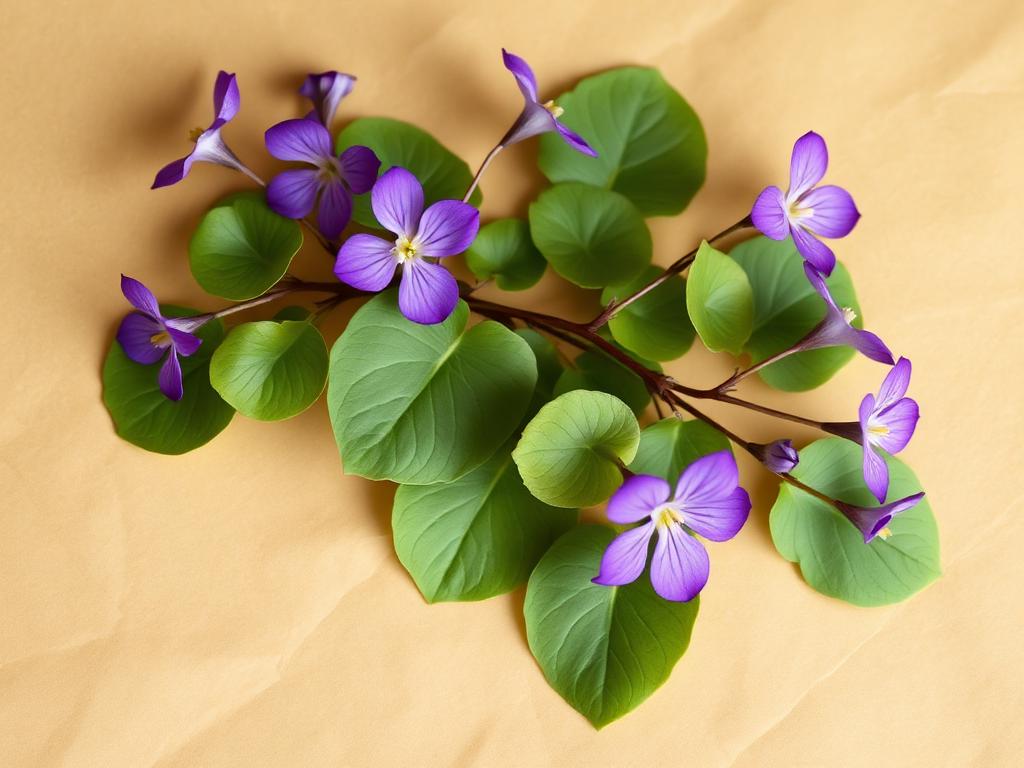
Sweet Violet
Banafsheh — Avicenna's gentle flower for cough, insomnia, headache, and cooling fevered heat.

Marjoram
Marzanjush — sweet aromatic herb traditionally used for headaches, anxious nerves, and sluggish digestion.

Oregano
Pooneh-ye kuhi — Mediterranean mountain herb rich in carvacrol; supports digestion, respiration, and antimicrobial defense.

Parsley
Ja'fari — Persian kitchen staple rich in vitamin K, C, and folate; freshens breath, supports the kidneys, and cools the blood.

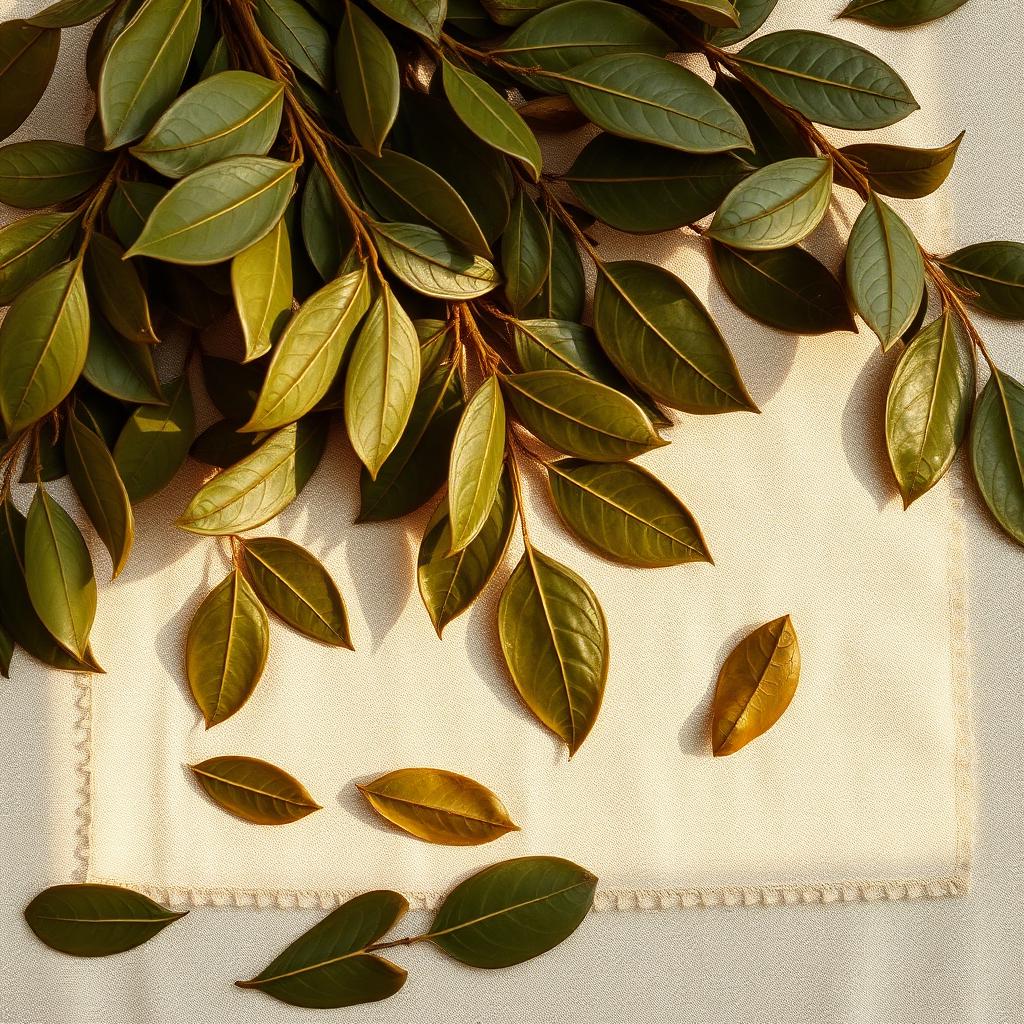
Bay Leaf
Barg-e bou — aromatic laurel leaf that gentles digestion, warms circulation, and perfumes Persian stews and rice.

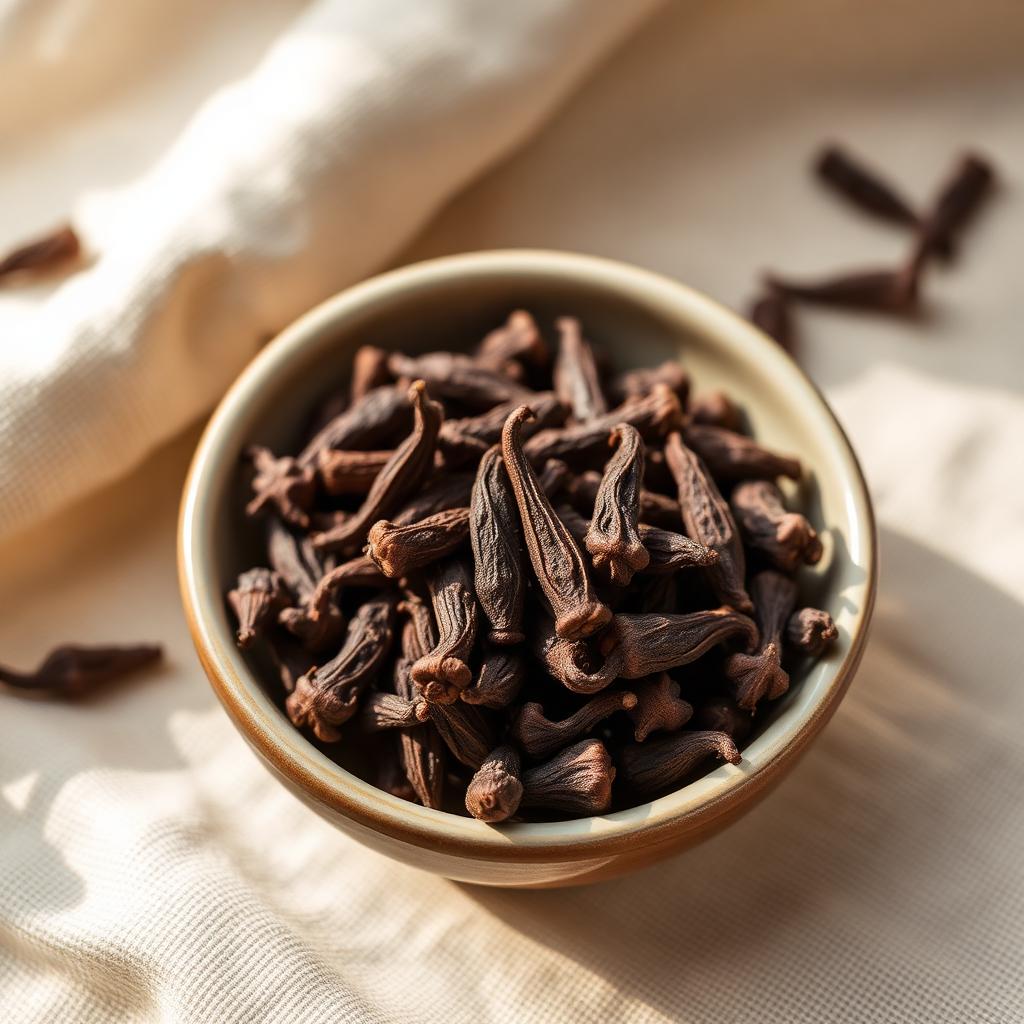
Clove
Mikhak — eugenol-rich dried flower bud traditionally used for toothache, digestion, and warming cold constitutions.

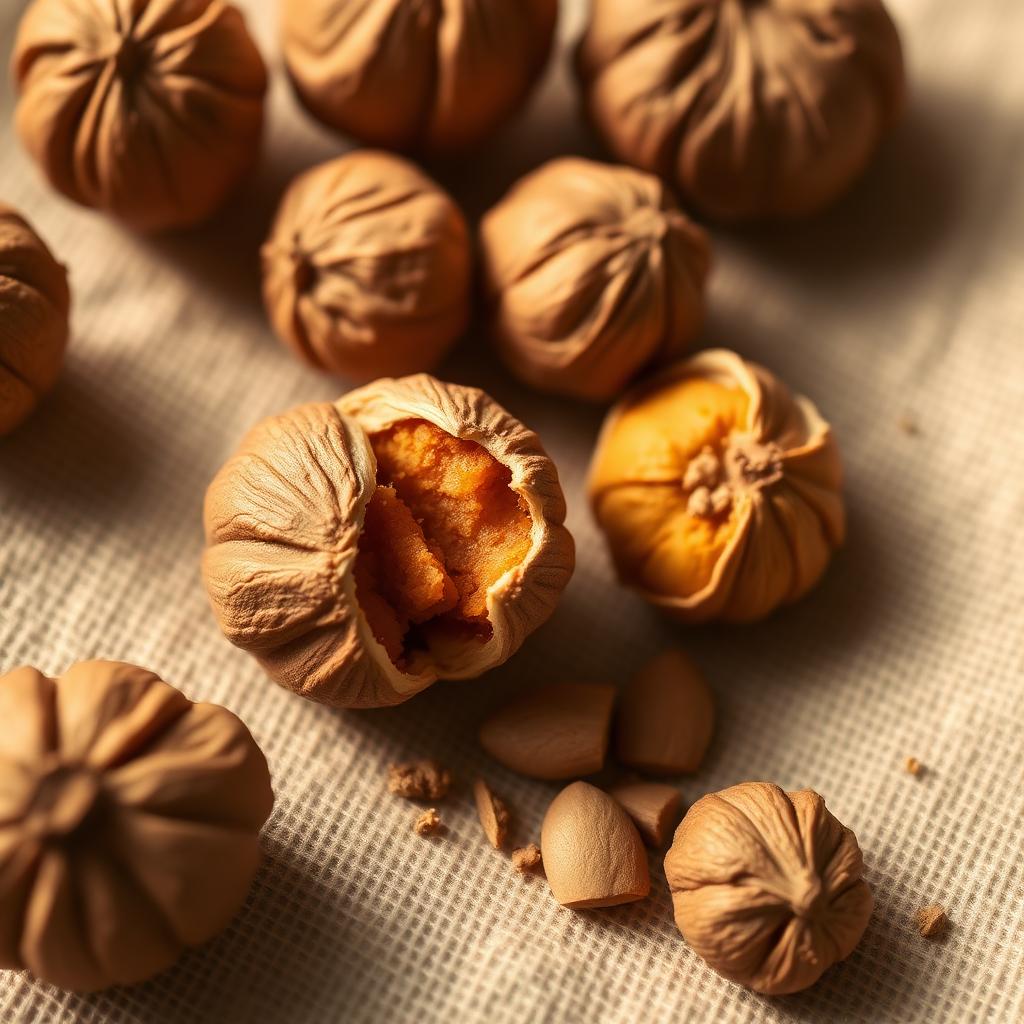
Nutmeg
Jowz-e hendi — warming aromatic seed traditionally used to calm the gut, ease sleep, and lift low winter spirits. Use small doses only.

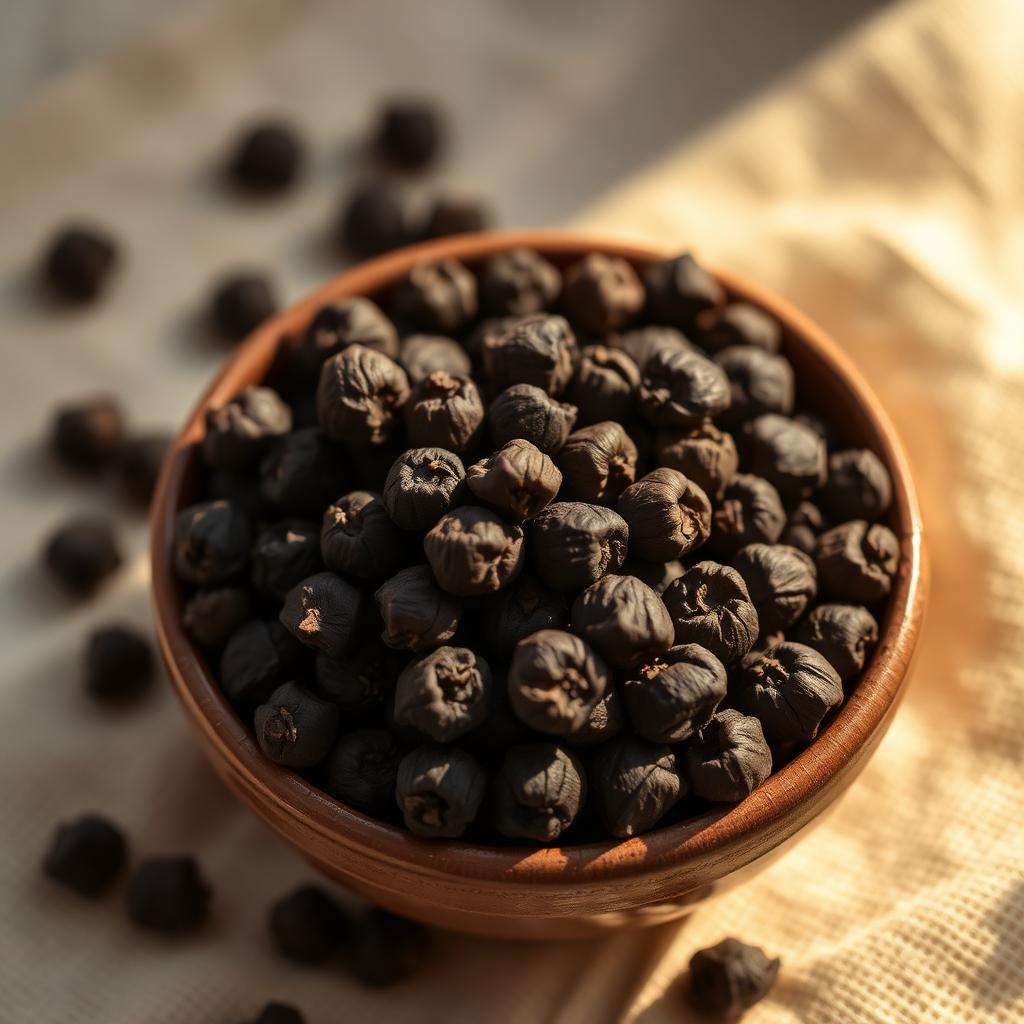
Black Pepper
Felfel-e siah — piperine-rich spice that kindles digestion, warms the body, and boosts absorption of turmeric and other botanicals.

Lemon Balm
Bādranjbuyeh — citrus-scented mint-family herb prized for calming anxious nerves, easing sleep, and soothing digestion.

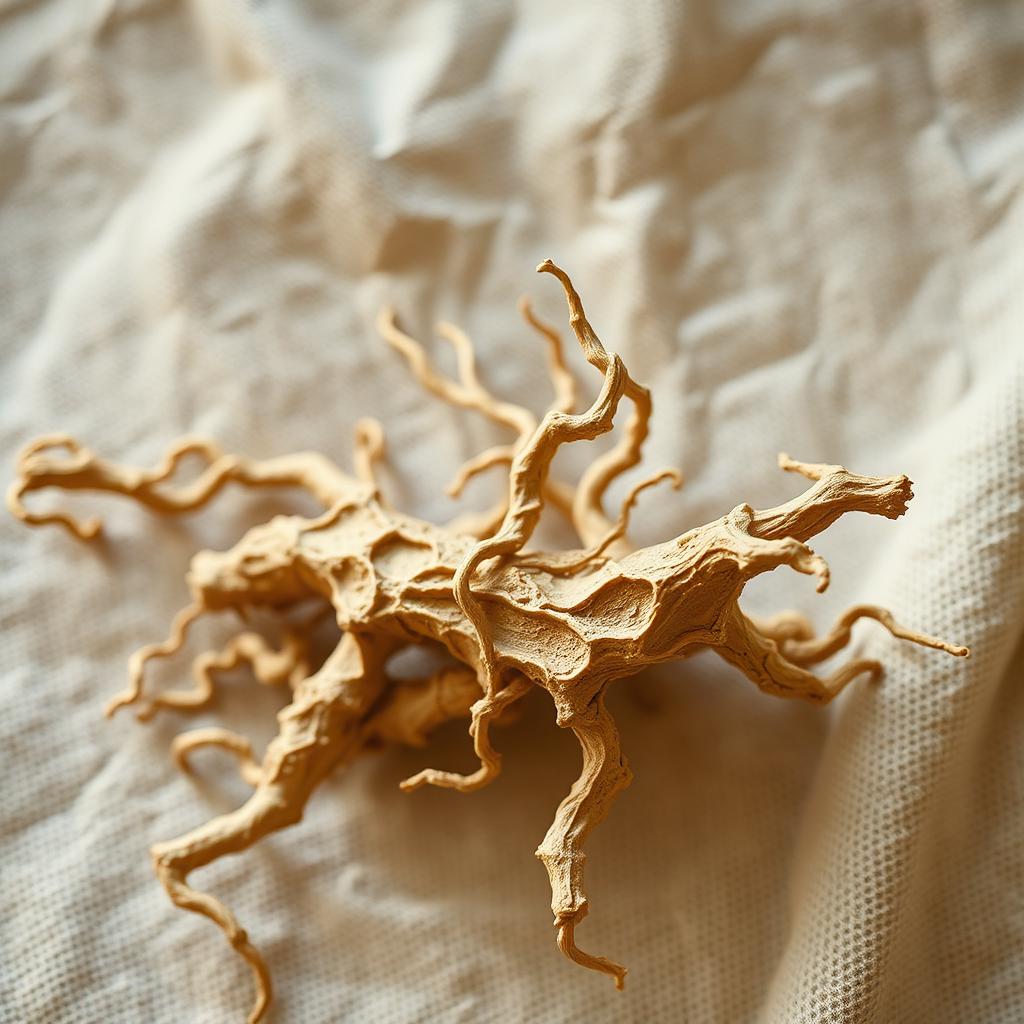
Valerian
Sonbol-ot-tib — earthy root traditionally used to quiet the mind, ease anxiety, and invite deep sleep.

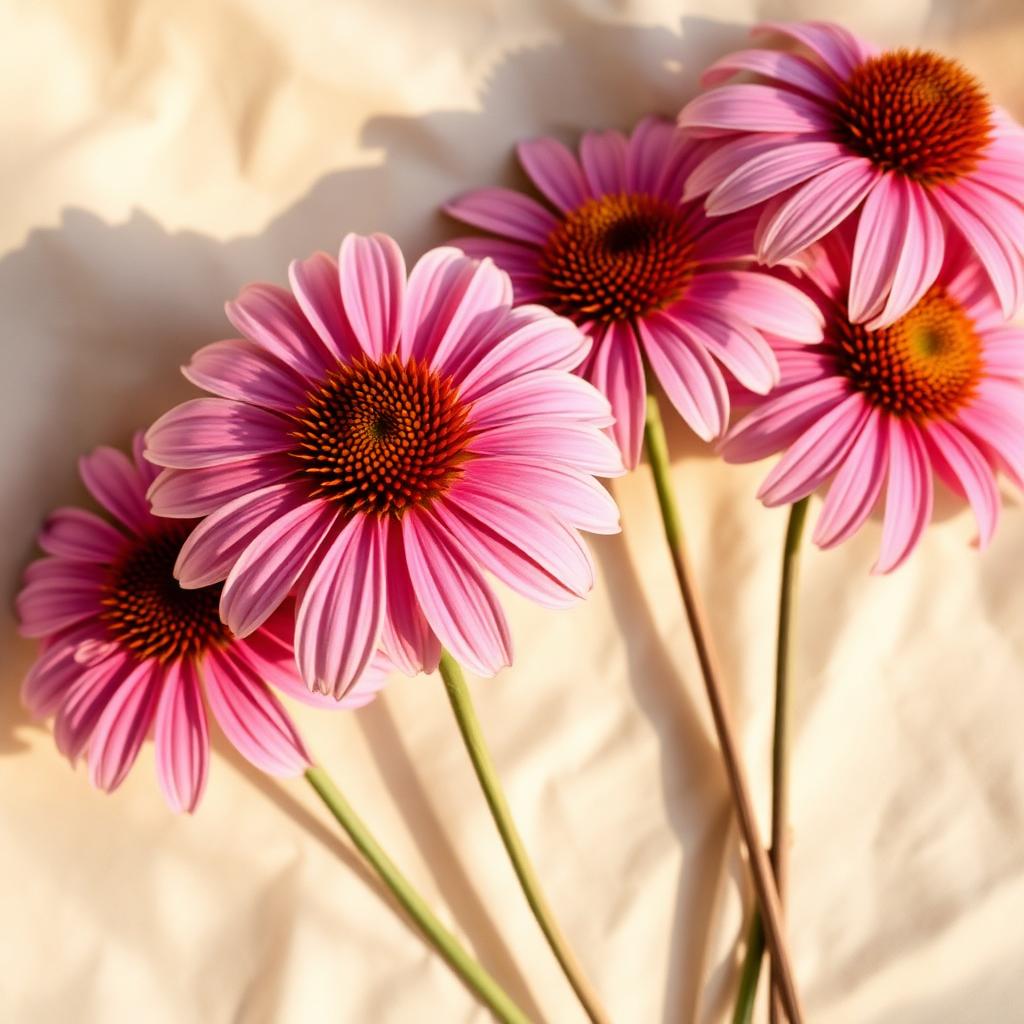
Echinacea
Sarkhargol — North American coneflower widely studied for immune support during colds and seasonal viruses.

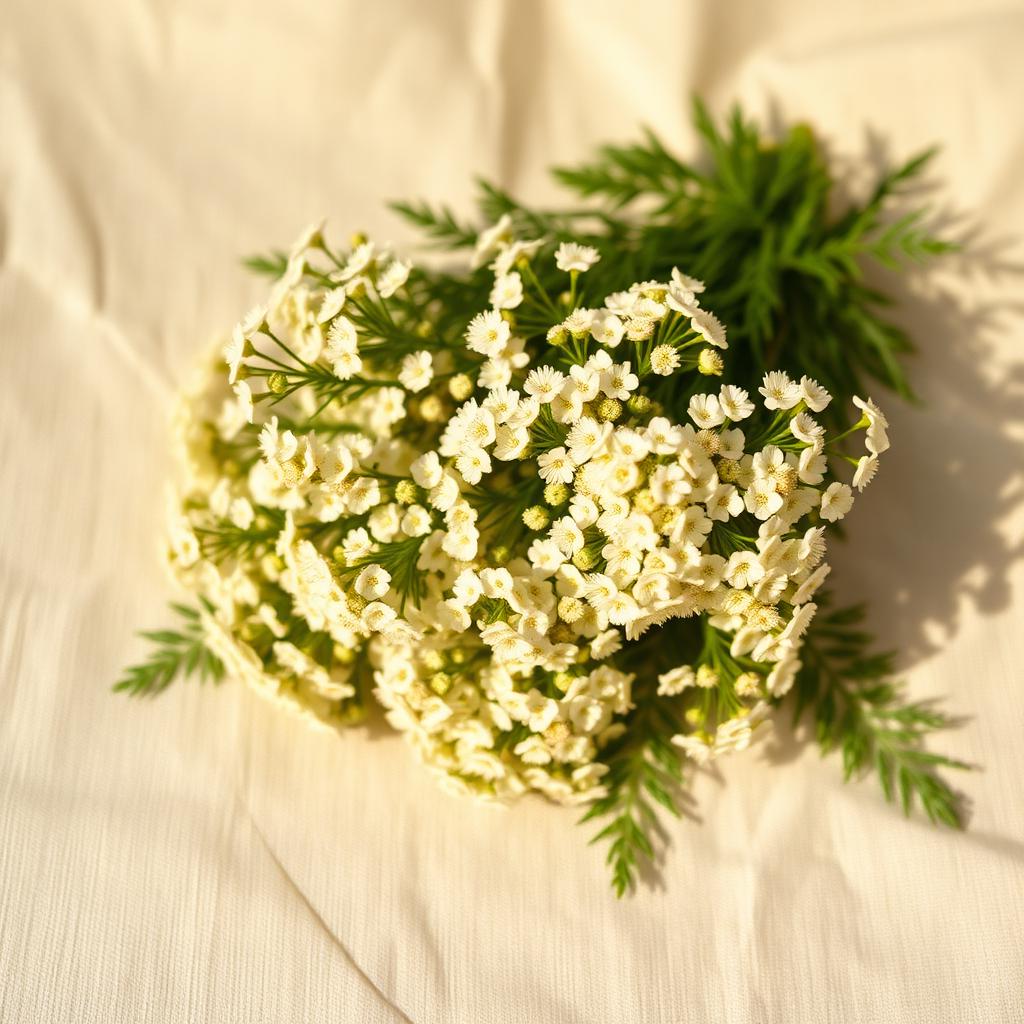
Yarrow
Boomadaran — ancient wound-and-fever herb traditionally used for circulation, cycles, and breaking a light sweat.

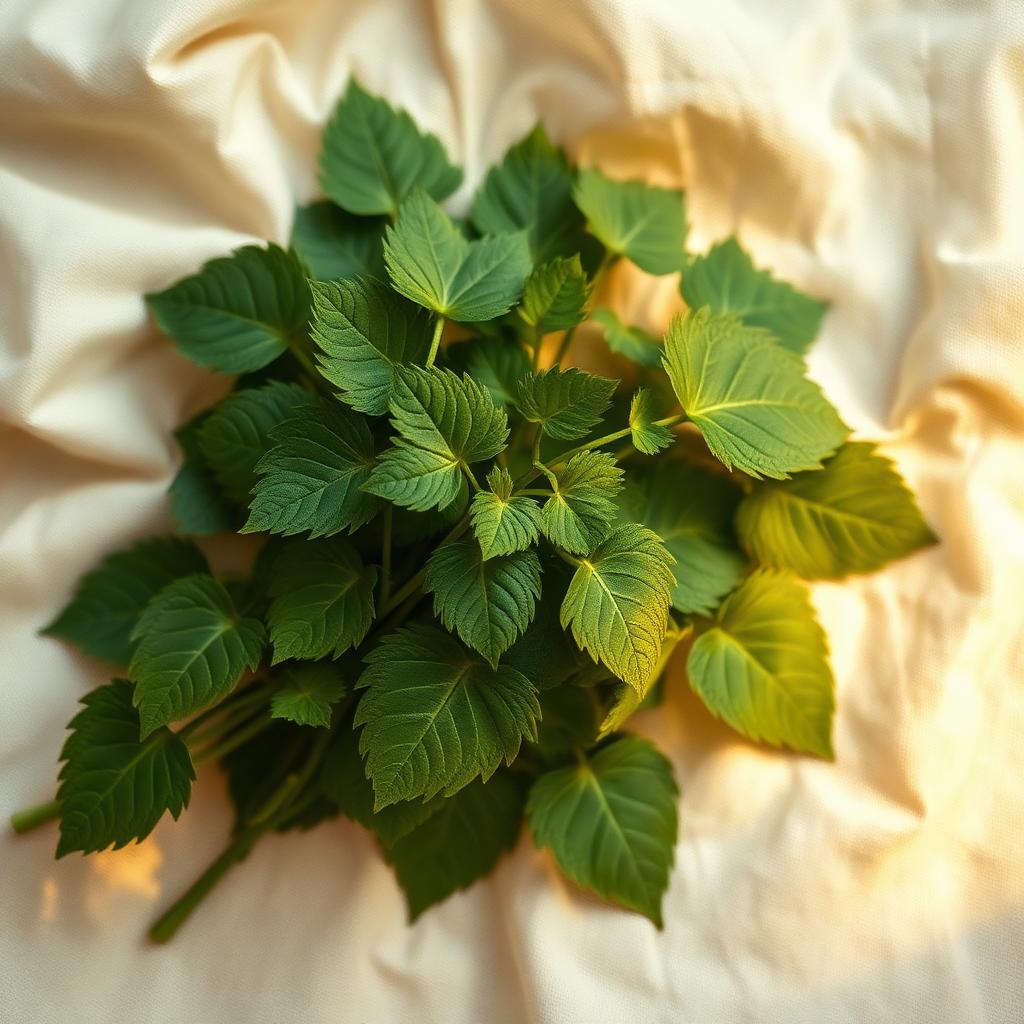
Nettle
Gazaneh — mineral-dense spring green traditionally used to build blood, support joints, and calm seasonal allergies.

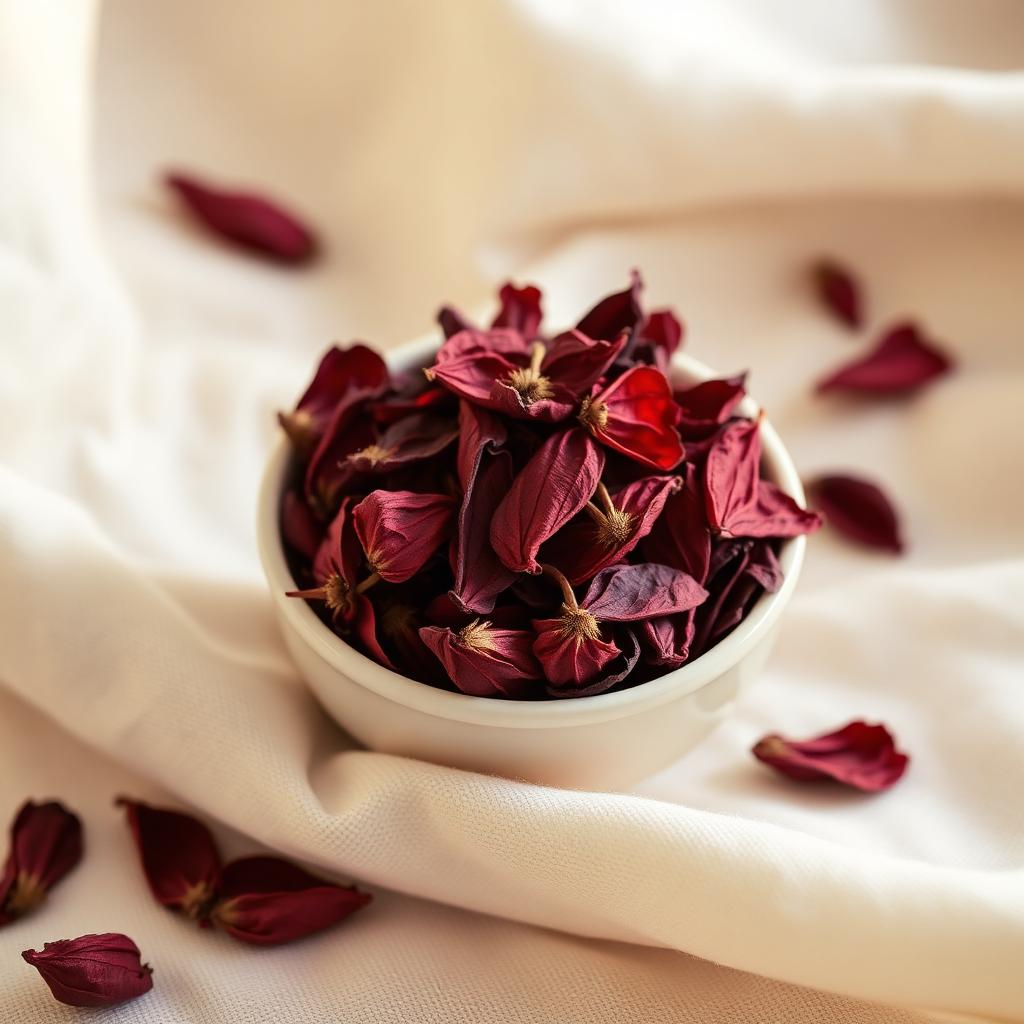
Hibiscus
Chāi-e torsh — ruby-red sour tea studied for blood pressure and cardiovascular health; refreshing hot or iced.

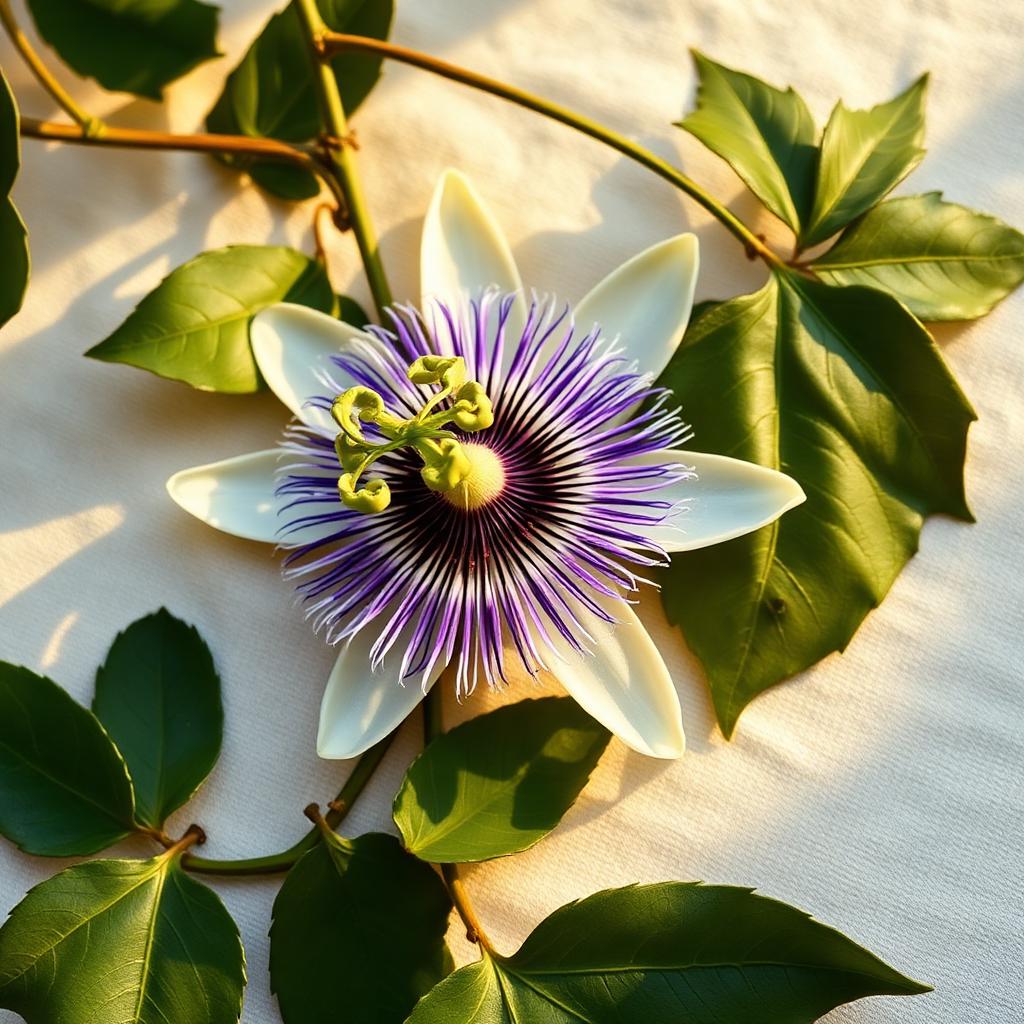
Passionflower
Gol-e sā'ati — climbing vine flower traditionally used to ease anxious tension and support restful sleep.

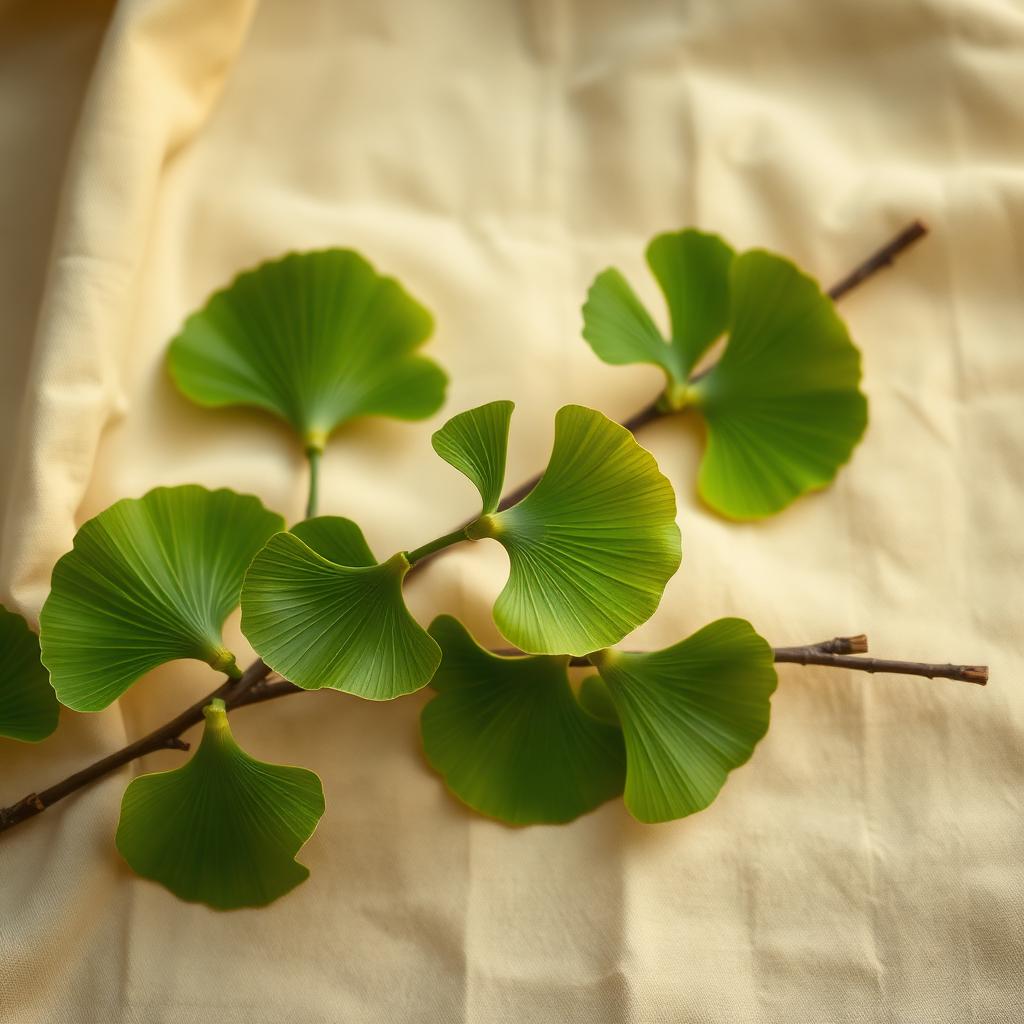
Ginkgo
Living-fossil tree whose fan-shaped leaves are studied for microcirculation, cognition, and healthy aging of the brain.

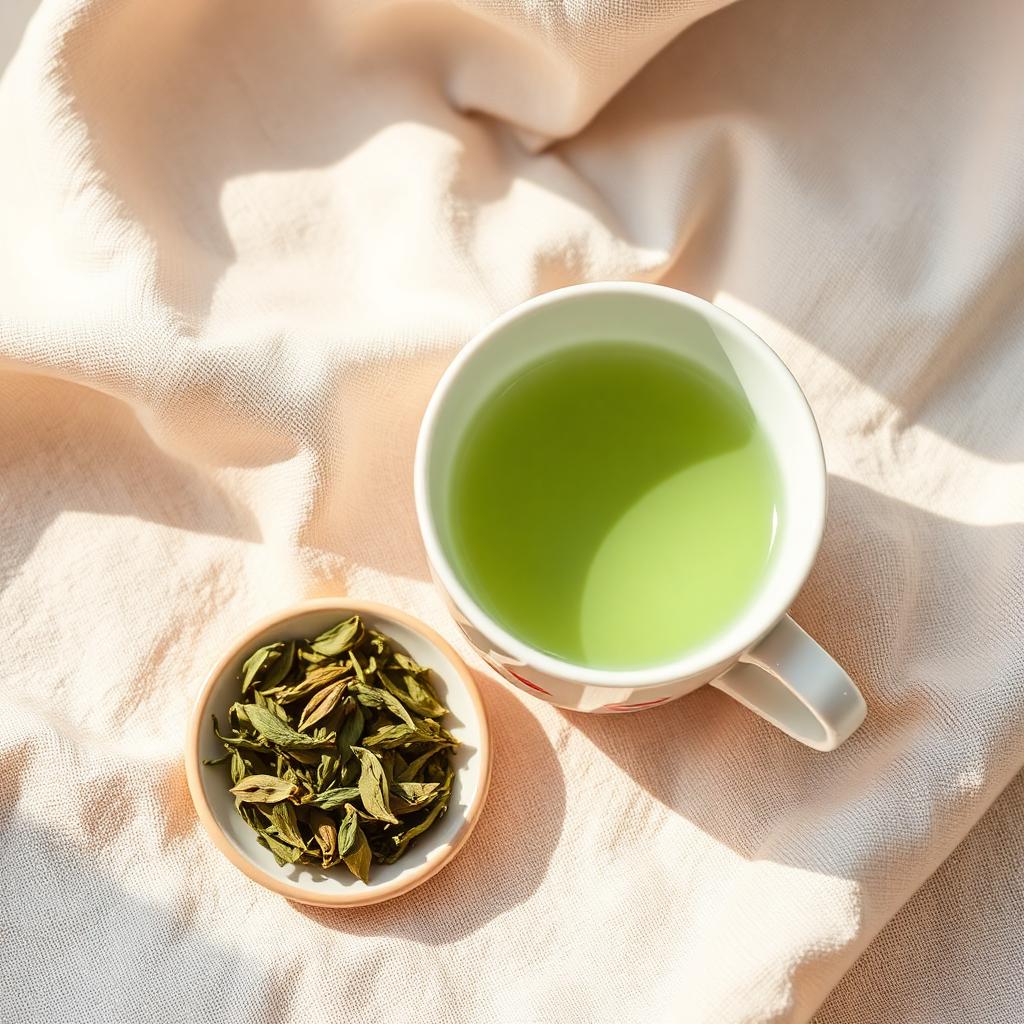
Green Tea
Chāi-e sabz — catechin-rich unfermented tea studied for metabolism, brain, and cardiovascular health; a gentle daily ritual.
Why Herbs Are Central to Healthy Aging
Medicinal herbs sit at the crossroads of Persian traditional medicine and modern phytotherapy — concentrated sources of polyphenols, terpenes, and alkaloids that gently nudge inflammation, digestion, sleep, and circulation back into balance.
Why this matters
- Herbs deliver bioactive compounds that food alone rarely concentrates — saffron's crocin for mood, chamomile's apigenin for sleep, turmeric's curcumin for inflammation.
- Most are gentle enough for daily use yet powerful enough to support clinical conditions when used consistently.
- They form the backbone of Persian household medicine, used as teas, decoctions, distillates (araq), and culinary spices.
- Peer-reviewed trials show saffron rivals SSRIs for mild-to-moderate depression at 30 mg/day (J. Ethnopharmacol., 2014).
- Curcumin from turmeric reduces CRP and joint pain in osteoarthritis (Cochrane review, 2021).
- Chamomile extract improves generalized anxiety and sleep latency in randomized trials (Phytomedicine, 2016).
- Anti-inflammatory herbs (turmeric, ginger, rosemary) target inflammaging — the chronic low-grade inflammation that drives age-related decline.
- Adaptogenic and circulatory herbs (saffron, rose, hawthorn) support cardiovascular and cognitive resilience.
- Carminative herbs (mint, fennel, thyme) protect the gut barrier, increasingly recognized as central to longevity.
- Infusion (tea): pour just-boiled water over delicate leaves and flowers; steep 5–8 minutes covered.
- Decoction: simmer roots, barks, and seeds 15–20 minutes to extract heavier compounds.
- Culinary use: saffron, turmeric, thyme, and rosemary deliver therapeutic doses through everyday cooking.
- Always check interactions before combining medicinal herbs with prescription medications, especially anticoagulants, antidepressants, and diabetes drugs.
- Pregnant and breastfeeding individuals should avoid uterine-active herbs (saffron in large doses, parsley seed, pennyroyal).
Related Conditions
Explore Related Libraries
Frequently Asked Questions
Are herbs safe to take every day?
Most culinary and tea-strength herbs (chamomile, mint, fennel, rose) are safe for daily use. Concentrated extracts and standardized supplements should be cycled and discussed with a clinician if you take prescription medication.
How long until I feel results?
Acute effects (sleep from chamomile, digestion from mint) often appear within hours. Mood and inflammation support (saffron, turmeric) typically requires 4–8 weeks of consistent use.
Can I combine multiple herbs?
Yes — Persian medicine often pairs herbs (saffron + rose, turmeric + black pepper) for synergy. Start with one at a time so you can identify what works for your body.