Herb Library
Wild Carrot
هویج وحشی

Wild Carrot

Daucus carota subsp. carota
Warm · Dry

Wild carrot — Persian havij-e vahshi (هویج وحشی). Queen Anne's Lace; aromatic seed traditionally used for urinary support, digestion, and women's cycles.

Overview

Wild carrot grows abundantly across the Iranian plateau and the foothills of the Alborz. Its tiny aromatic seeds — distinct from the orange root of cultivated carrot — have been used since antiquity as a warming carminative, urinary cleanser, and women's regulating herb. Modern phytochemistry confirms a rich profile of essential oils and flavonoids.

Scientific name
Daucus carota subsp. carota
Plant family
Apiaceae (carrot family)

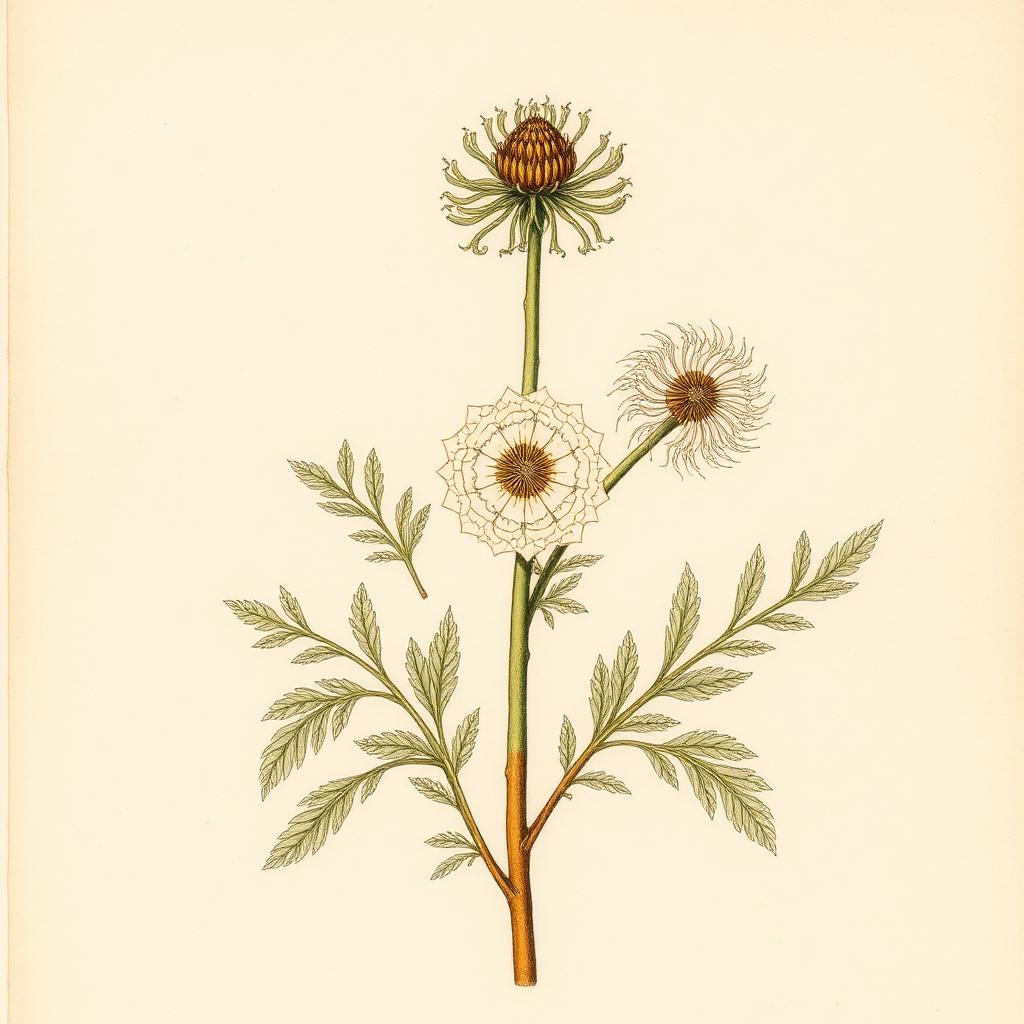
Botanical descriptionBiennial herb 30–120 cm tall with finely divided fern-like leaves and characteristic flat white umbel of tiny flowers (often with a single dark central floret). Aromatic seeds are the primary medicinal part. The wild ancestor of the cultivated carrot.

Key Takeaways

What to know in 30 seconds

  • Traditional carminative and mild diuretic action
  • Essential oil (carotol, α-pinene) shows mild antimicrobial and antifungal activity in lab
  • Source of luteolin and kaempferol flavonoid antioxidants
  • Long Persian tradition for women's cycle regularity
Why It Matters

Why this matters for everyday wellness

Wild Carrot earns a place in a healthy-aging routine because it combines traditional carminative and mild diuretic action with essential oil (carotol, α-pinene) shows mild antimicrobial and antifungal activity in lab — a rare combination that supports the cardiovascular, metabolic, and cellular systems that drive how we age.

Practical Everyday Uses

Practical everyday uses

  • Tea: ½ tsp crushed seeds in 1 cup hot water, steep covered 10 min
  • Forage with caution — wild carrot resembles toxic poison hemlock; never harvest without expert identification
  • Reliable source: buy from a reputable herbal apothecary, not foraged
Source: Traditional Persian Wisdom

Traditional Persian perspective

Historical & cultural knowledge passed down through generations — not a medical claim.

Historical use

Persian medicine considers wild carrot seed warm and dry (گرم و خشک) — diuretic, carminative, and emmenagogue. Avicenna recommends a small daily dose of the seeds for cold-type urinary retention, sluggish digestion, and to promote a regular monthly cycle.

Traditional applications

Traditional carminative and mild diuretic action · Essential oil (carotol, α-pinene) shows mild antimicrobial and antifungal activity in lab · Source of luteolin and kaempferol flavonoid antioxidants

Cultural significance

Used across household wellness traditions as a culinary herb with daily-life relevance.

Healthy Aging

Healthy aging relevance

In a healthy-aging context, wild carrot bridges tradition and science: persian medicine considers wild carrot seed warm and dry (گرم و خشک) — diuretic, carminative, and emmenagogue. Avicenna recommends a small daily dose of the seeds for cold-type urinary retention, sluggish digestion, and to promote a regular monthly cycle, while modern research highlights its role in the same pathways — inflammation, vascular health, and cellular resilience — that compound over decades to shape how we feel in our 60s, 70s, and beyond.

Source: Modern Scientific Research

Modern scientific evidence

Benefits supported by peer-reviewed studies & contemporary nutrition science — informational only, not medical advice.

  • Traditional carminative and mild diuretic action
  • Essential oil (carotol, α-pinene) shows mild antimicrobial and antifungal activity in lab
  • Source of luteolin and kaempferol flavonoid antioxidants
  • Long Persian tradition for women's cycle regularity

Nutritional profile

Antioxidants
  • Luteolin
  • Kaempferol
  • Quercetin
Other notable nutrients
  • Essential oils: carotol, α-pinene, daucol
  • Polyacetylenes
Historical Uses

Historical uses across cultures

From classical Persian, Greek, and Islamic-Golden-Age sources.

  • Carminative seed tea for gas, bloating, and colicky cramping
  • Mild diuretic for cold-type urinary stagnation and kidney stones (small stones)
  • Traditional emmenagogue — to encourage delayed cycles
  • Cooling poultice from crushed seeds for skin inflammation
Internal Uses

Taken internally

  • Damkardeh: ½ tsp lightly crushed seeds in 1 cup hot water, 10 min, up to 2× daily
  • Powdered seed: a pinch (~250 mg) before meals for digestion
External Uses

Applied externally

  • Crushed seed poultice over the lower abdomen for menstrual cramping
Contraindications

Who should avoid this — and known interactions

  • Pregnancy and breastfeeding (the seeds have traditional contraceptive and emmenagogue use)
  • Known Apiaceae (carrot family) allergy
  • Active kidney inflammation
Everyday Use

How it's commonly used

  • Tea: ½ tsp crushed seeds in 1 cup hot water, steep covered 10 min
  • Forage with caution — wild carrot resembles toxic poison hemlock; never harvest without expert identification
  • Reliable source: buy from a reputable herbal apothecary, not foraged
Safety

Safety & cautions

  • DO NOT FORAGE without expert botanical identification — poison hemlock (Conium maculatum) is a deadly look-alike
  • Seeds are a traditional emmenagogue — do not use in pregnancy
  • May increase photosensitivity in fair skin

Ask Holistic Health AI about Wild Carrot

Personalized, evidence-informed guidance from your AI Wellness Coach.

Open AI Wellness Coach

Related Herbs

Related Foods

Related articles

Frequently asked questions

+How is wild carrot traditionally used?

Persian medicine considers wild carrot seed warm and dry (گرم و خشک) — diuretic, carminative, and emmenagogue. Avicenna recommends a small daily dose of the seeds for cold-type urinary retention, sluggish digestion, and to promote a regular monthly cycle.

+How do people commonly use Wild Carrot?

Tea: ½ tsp crushed seeds in 1 cup hot water, steep covered 10 min Forage with caution — wild carrot resembles toxic poison hemlock; never harvest without expert identification Reliable source: buy from a reputable herbal apothecary, not foraged

References

Sources & references

Reviewed by Holistic Health AI Editorial Team Last updated Traditional wisdom + modern evidence Educational, not medical advice