Persian medicine teaches that 'the kitchen is the first pharmacy.' Modern nutrition science increasingly agrees: dietary patterns are the single most modifiable driver of healthy aging, cardiovascular health, and cognitive resilience.
Why this matters
Whole foods deliver fiber, polyphenols, omega-3s, and prebiotic compounds no supplement can replicate.
Mediterranean and Persian dietary patterns are linked to lower all-cause mortality and dementia risk.
Every meal is an intervention — what you eat over a year reshapes your microbiome (the community of bacteria living in your gut), mitochondria (the tiny parts of cells that make energy), and inflammation set-point.
Traditional Persian
Each food carries a Mizaj — hot, cold, dry, or moist — that should be matched to the eater's temperament and the season.
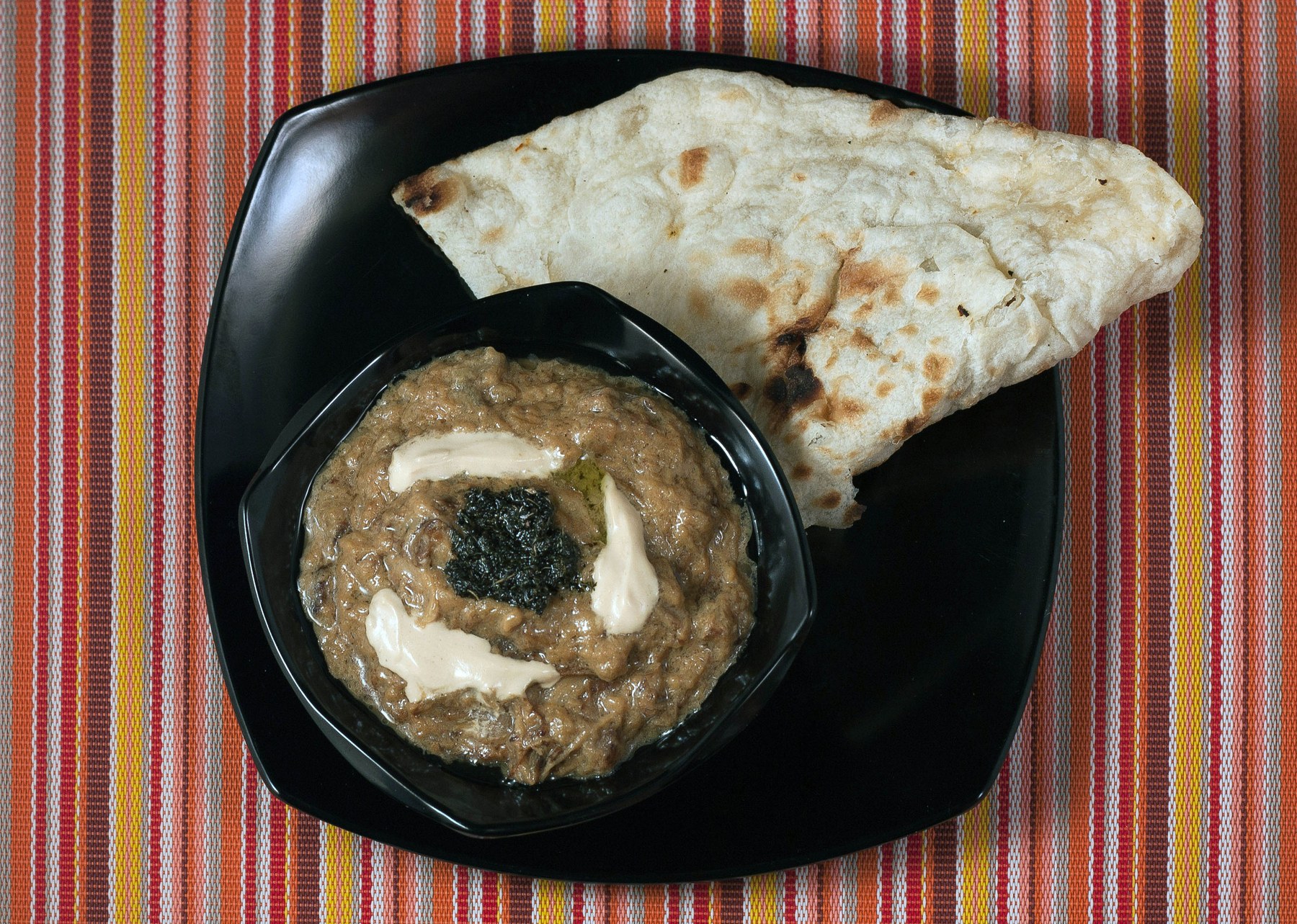
Slow-cooked stews (khoresht), fresh herbs (sabzi), and yogurt-based dishes (mast) anchor the traditional table for balance and digestion.
Olive oil, walnuts, and pomegranate appear repeatedly in Avicenna's Canon as foundations of long life.
Modern Science
The PREDIMED trial showed a Mediterranean diet rich in olive oil and nuts reduced major cardiovascular events by ~30% (NEJM, 2018).
High polyphenol intake from olive oil, herbs, and berries is associated with lower frailty in older adults (Am J Clin Nutr, 2020).
Fermented dairy (yogurt, kefir) improves gut microbial diversity, linked to immune resilience.
Healthy Aging
Protein adequacy (1.0–1.2 g/kg/day after 60) prevents sarcopenia (the gradual loss of muscle that comes with age).
Antioxidant-rich plants protect mitochondria from oxidative damage.
Time-restricted eating windows (10–12 hours) support metabolic flexibility.
Preparation Methods
Slow-cook with healthy fats — olive oil, ghee, or sesame oil — to maximize fat-soluble nutrient absorption.
Pair turmeric with black pepper and fat to boost curcumin bioavailability (how much of a compound the body can absorb and use) ~20x.
Soak grains and legumes overnight to reduce phytates and improve mineral absorption.
Is the Persian diet the same as the Mediterranean diet?
They overlap heavily — both are plant-forward, rich in olive oil, herbs, legumes, and whole grains. Persian cuisine adds more fresh herbs, sour fruits (barberry, sumac, pomegranate), and slow-cooked stews.
Do I need to eat by my Mizaj to benefit?
No — even without a Mizaj framework, prioritizing whole, seasonal, minimally processed foods captures most of the benefit. Mizaj-matching is a refinement, not a prerequisite.