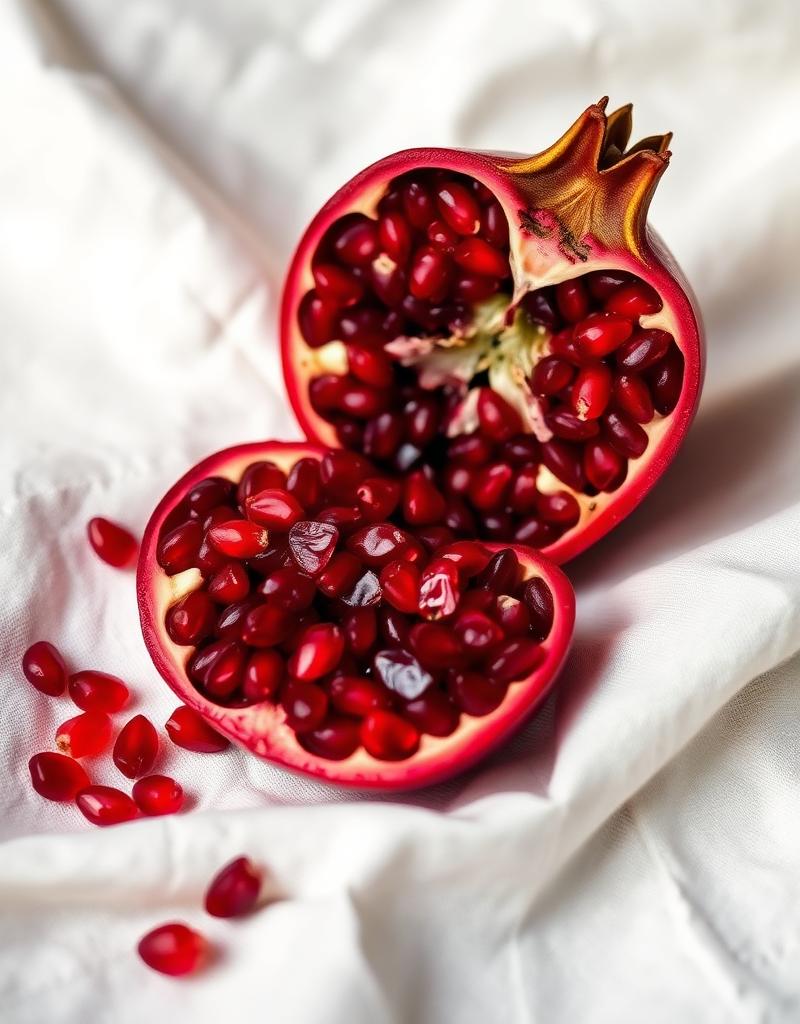



- Pomegranate is the 'fruit of paradise' — cooling, blood-building, and central to Yalda night.
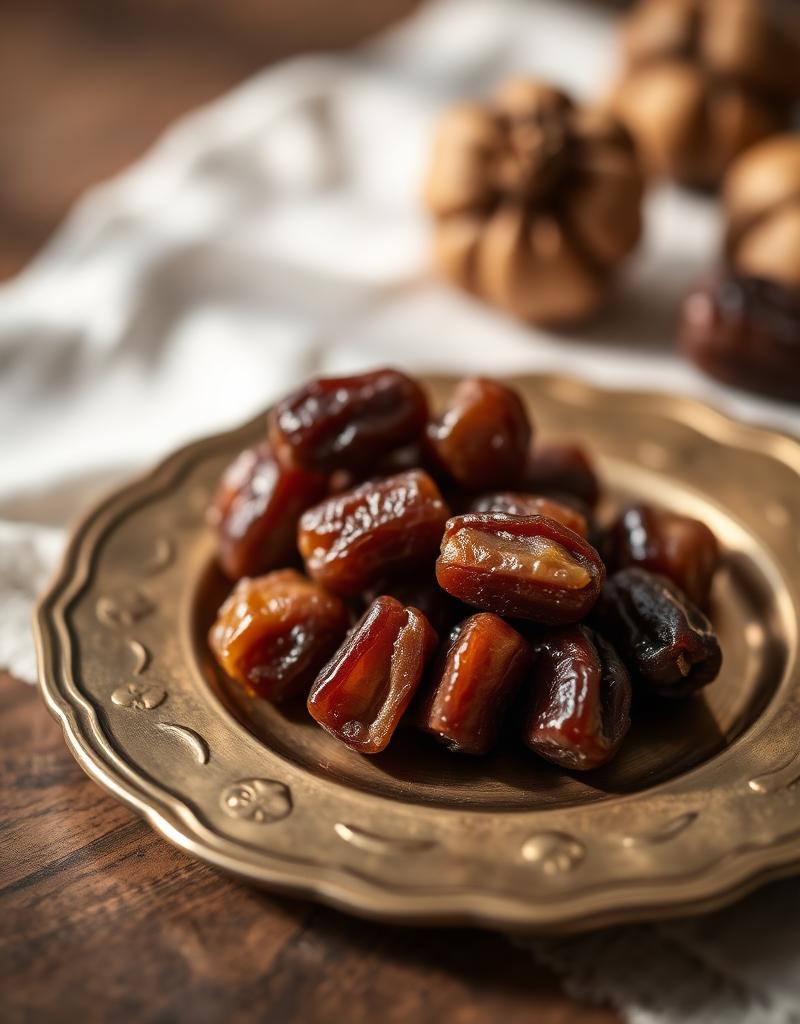
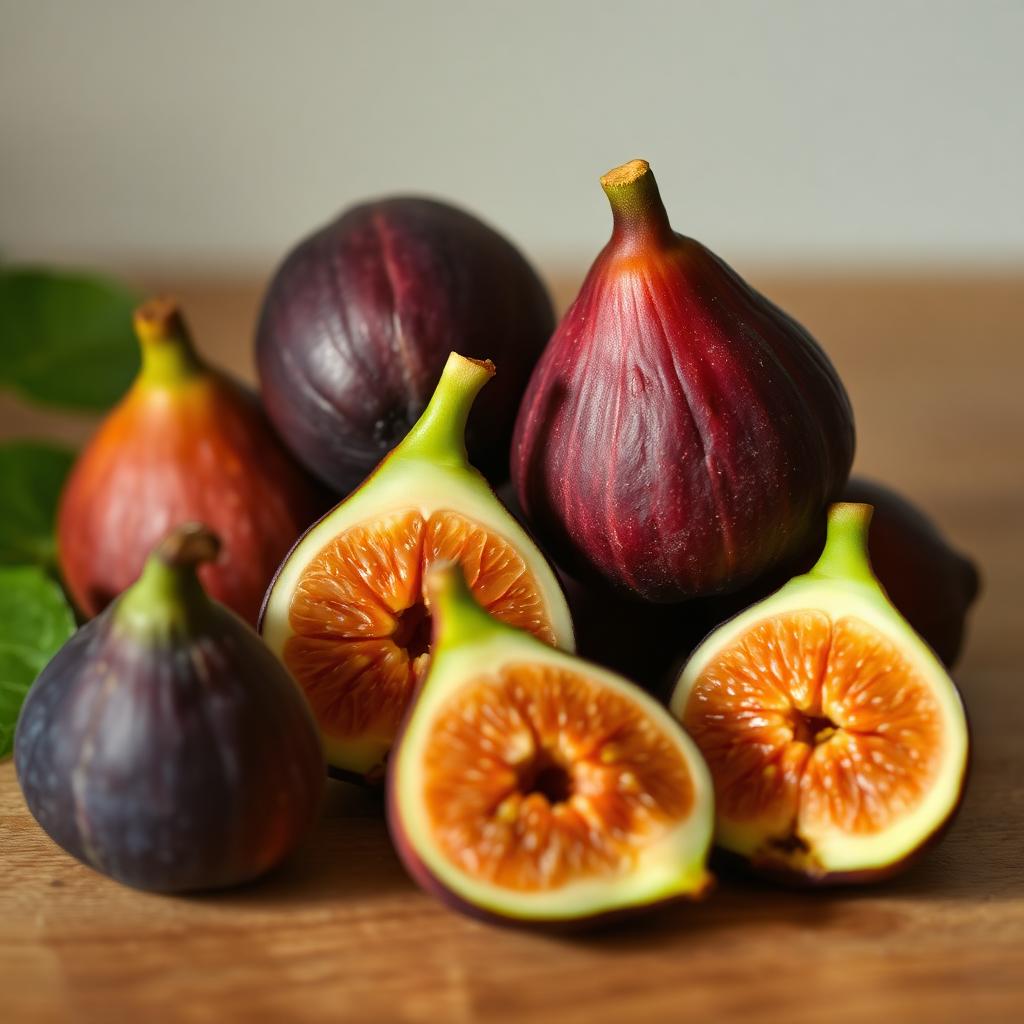
- Dates and figs are warming, deeply nourishing fruits used to break fasts and rebuild strength.
- Quince and sour cherry calm heat and support the heart and stomach in summer.
Fruits
Fresh and dried fruits sit at the heart of Persian wellness — from the cooling pomegranate and grape to the warming date and fig. Each fruit below opens a full guide covering its traditional Persian uses, modern scientific evidence, nutritional profile, preparation methods, and healthy-aging relevance.
Featured Fruits

Pomegranate
Cools the blood, brightens skin.

Dates
Restores vitality, nourishes nerves.

Figs
Cleanses the gut, nourishes the blood.

Grapes
Restores fluids, gentle on the liver.

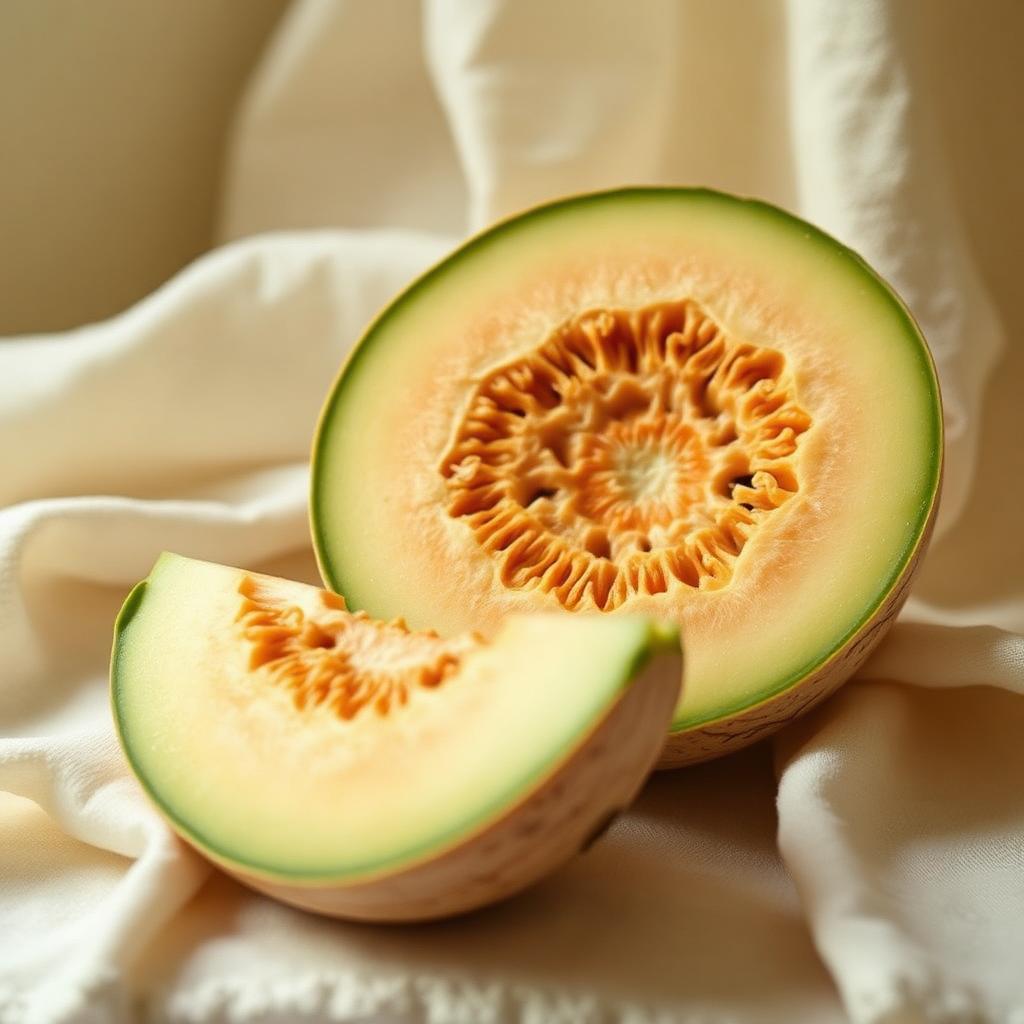
Melon
Quenches thirst, flushes the kidneys.

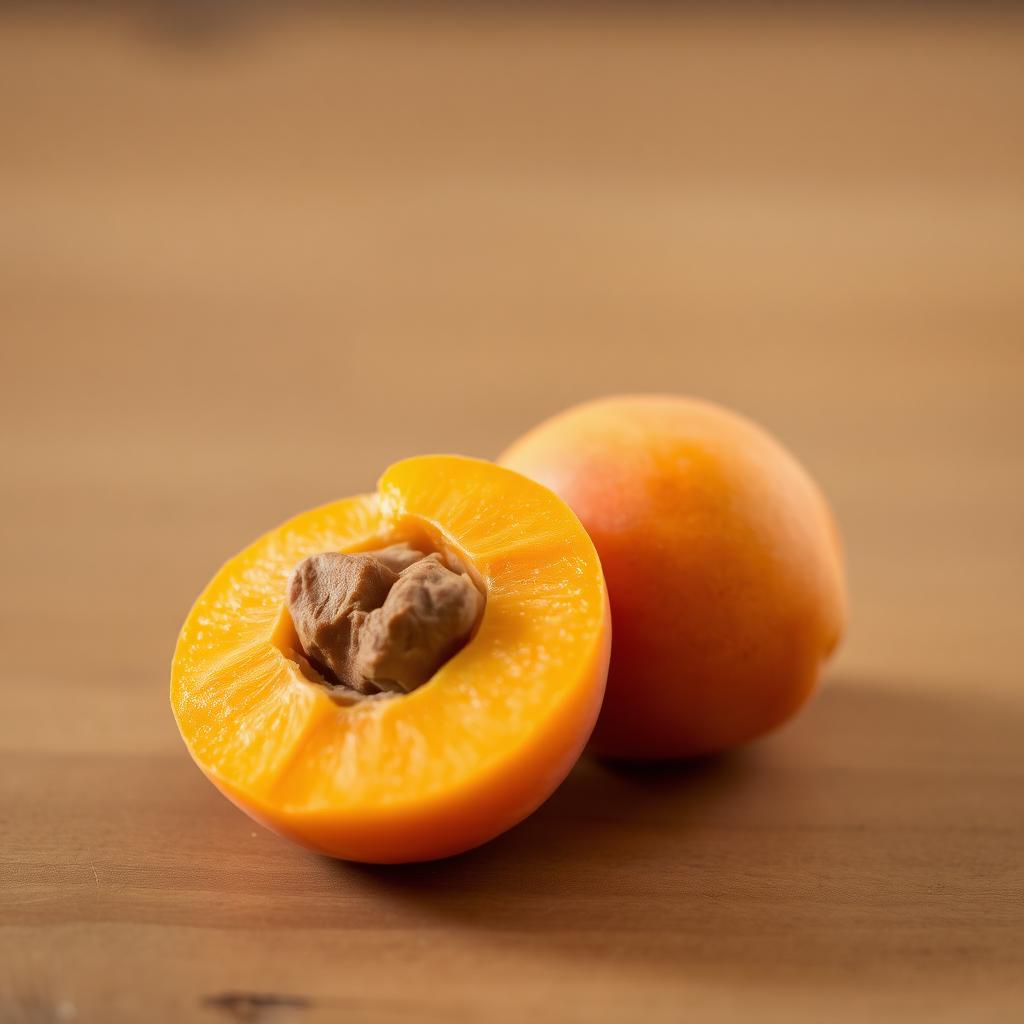
Apricot
Brightens the skin, opens the chest.

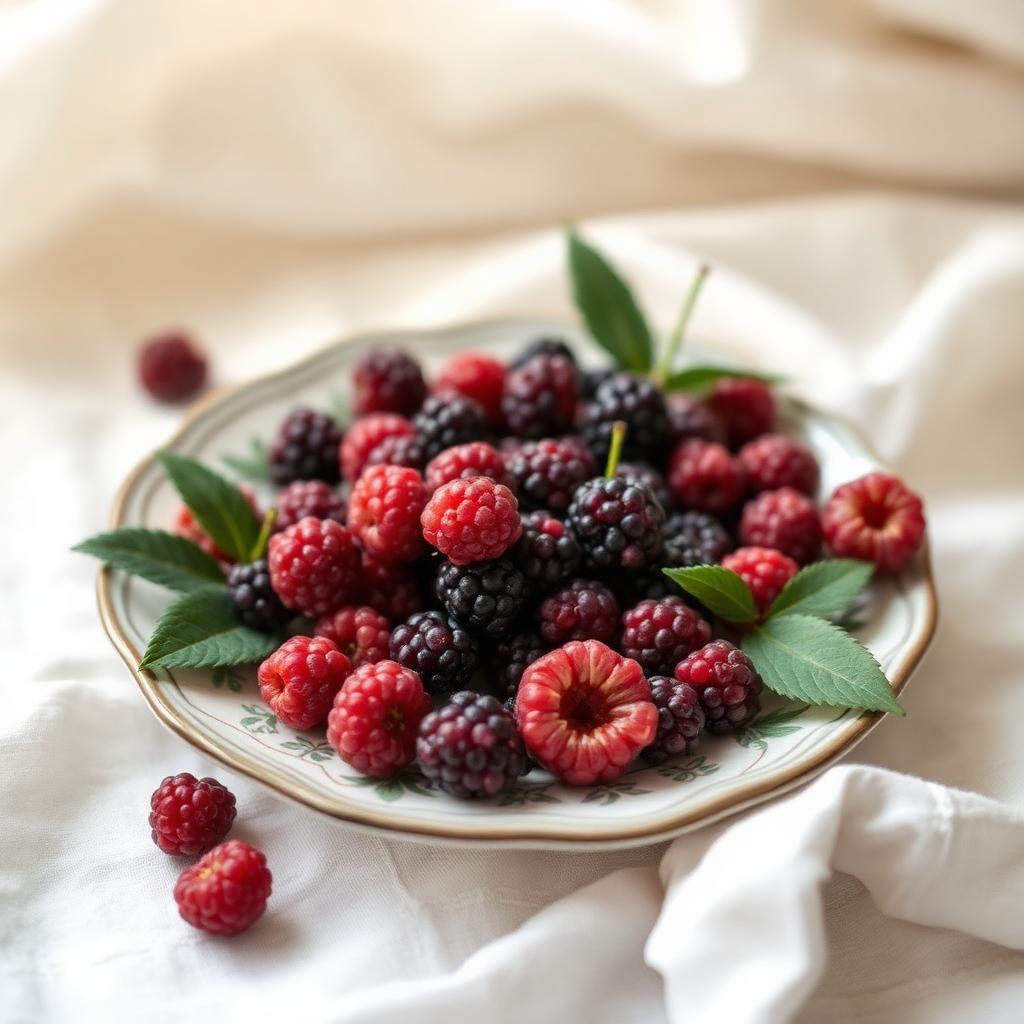
Mulberry
Cleans the blood, lifts mood in summer.

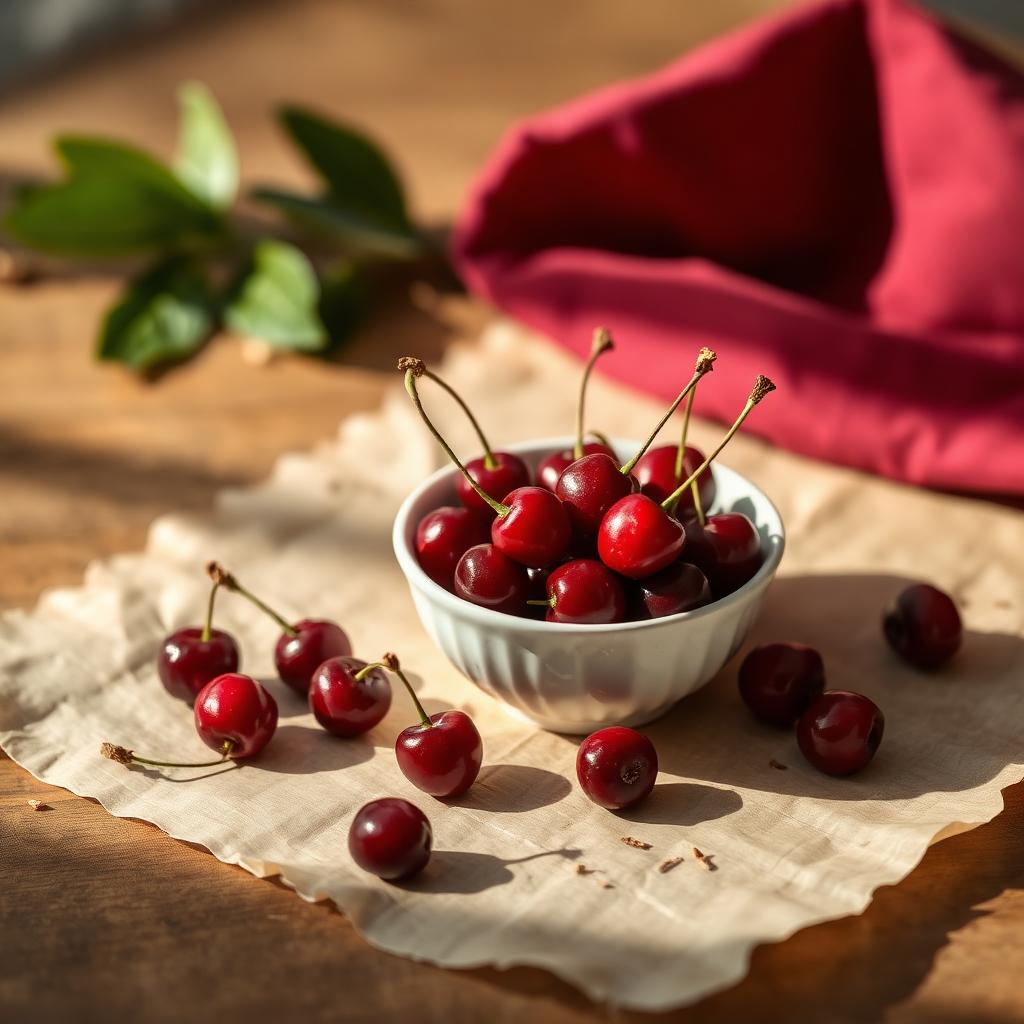
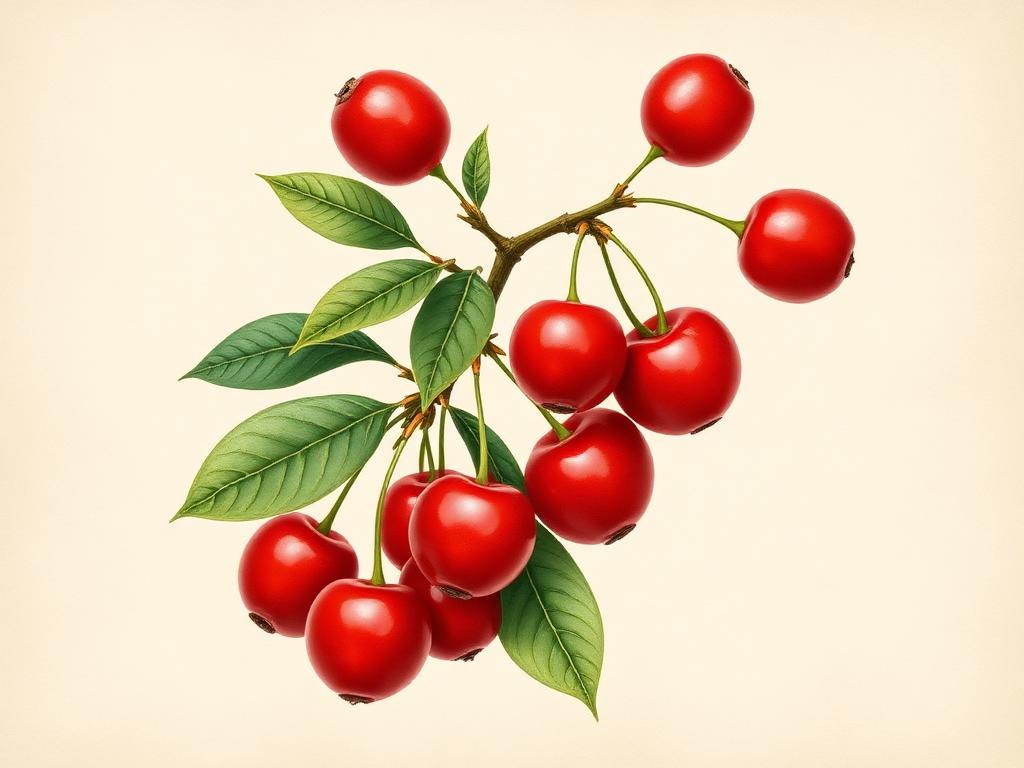
Sour Cherry
Cools the liver, refreshes the blood, lifts summer heat.

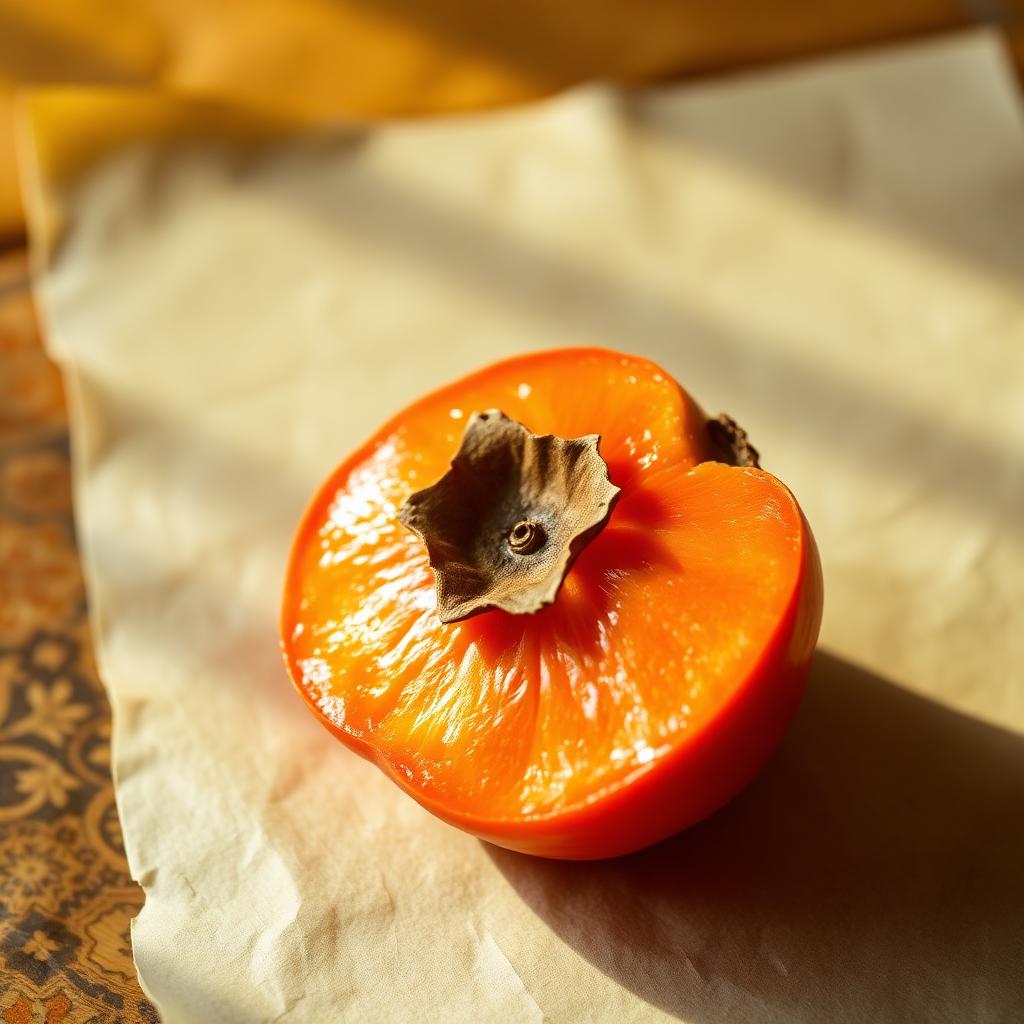
Persimmon
Soothes the throat, cools the chest, gentle on the lungs.

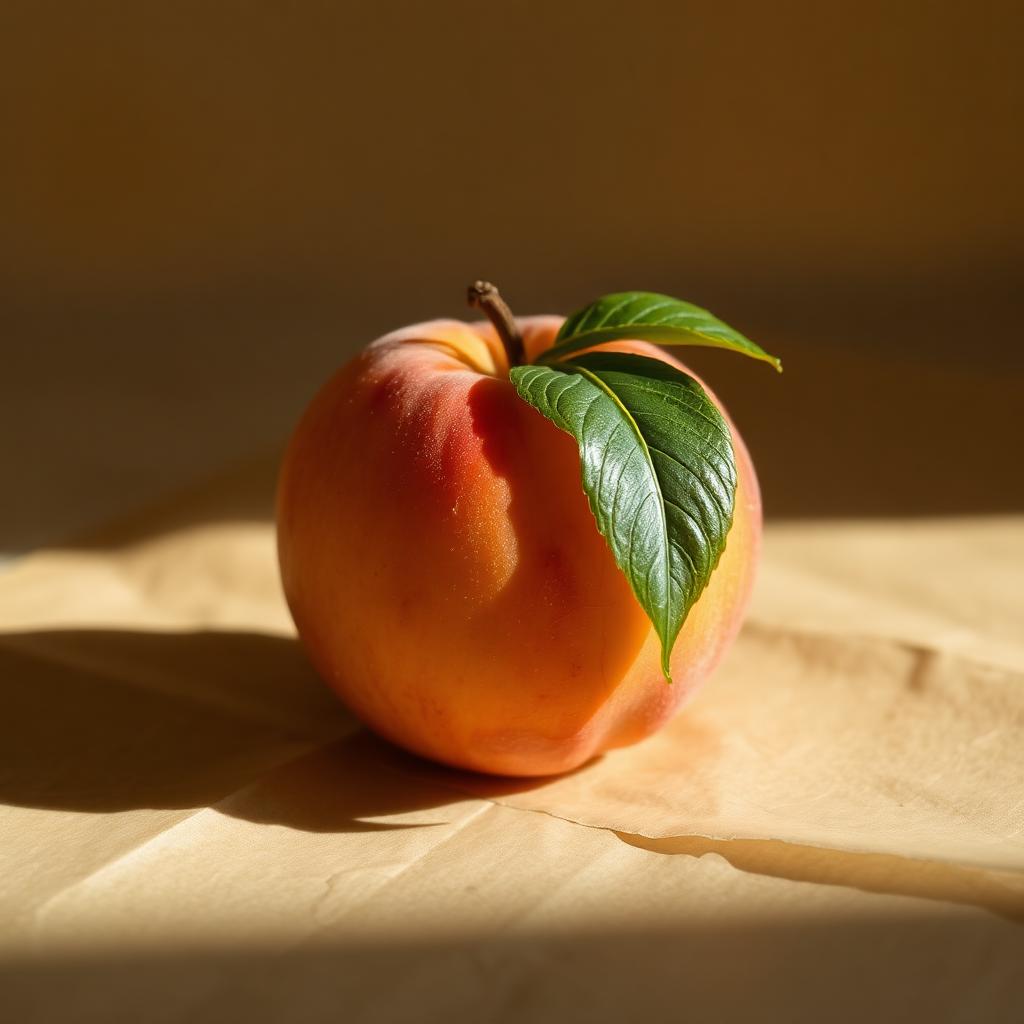
Peach
Refreshes the body, cools summer heat, gentle on the gut.

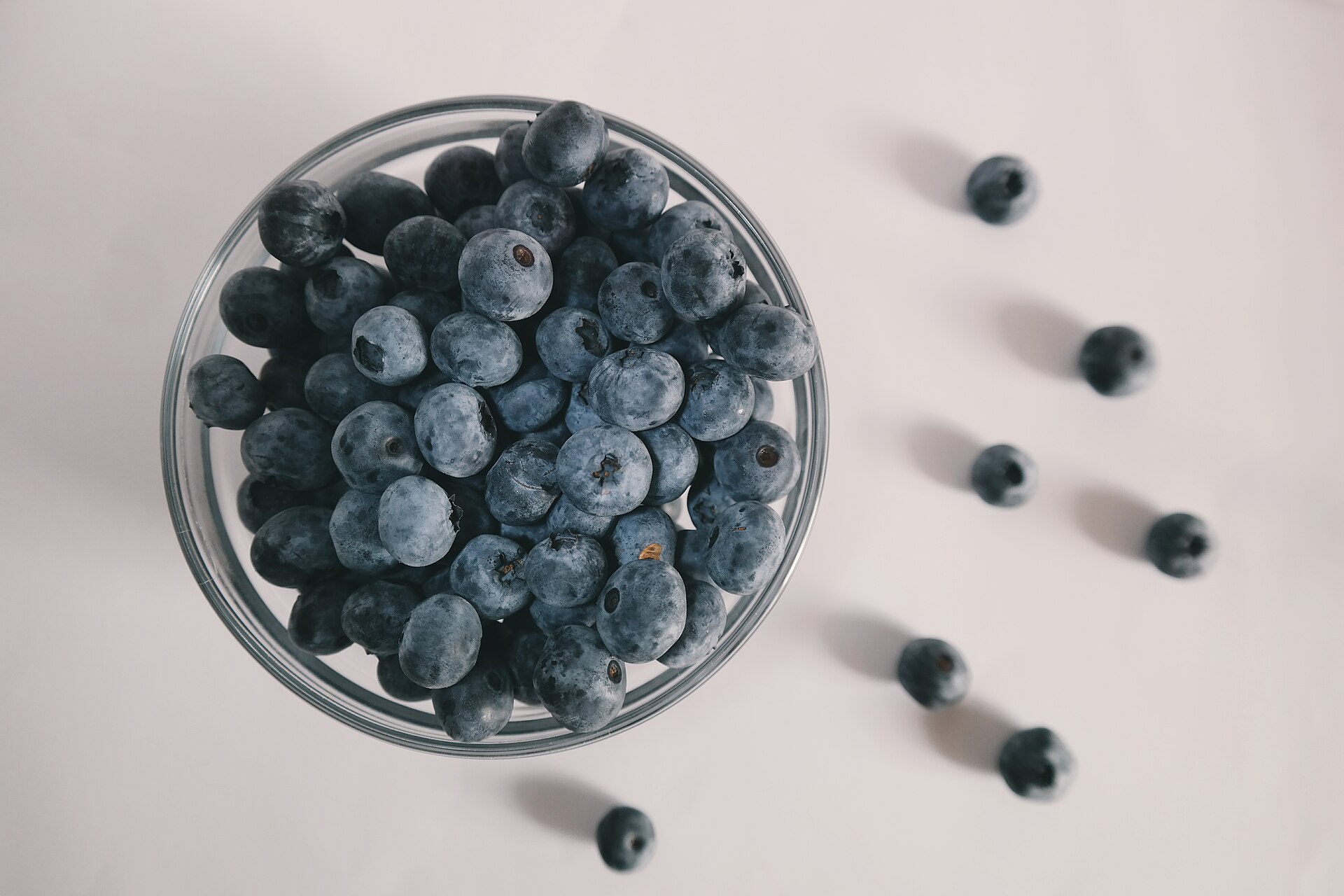
Blueberries
Antioxidant-rich berries linked to brain and heart health.

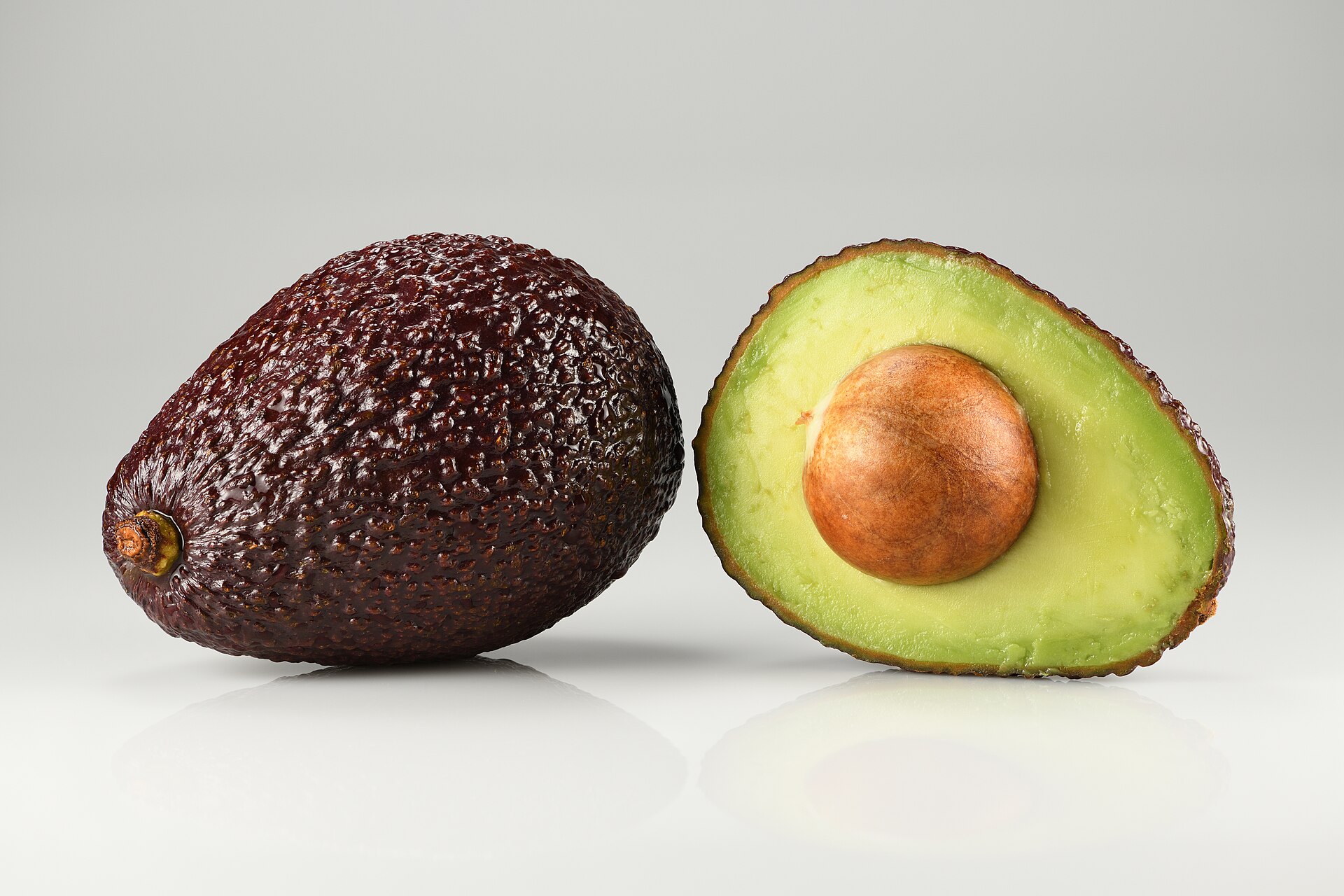
Avocado
Creamy source of monounsaturated fats, fiber, and potassium.

Quince
Strengthens the stomach, calms the heart.

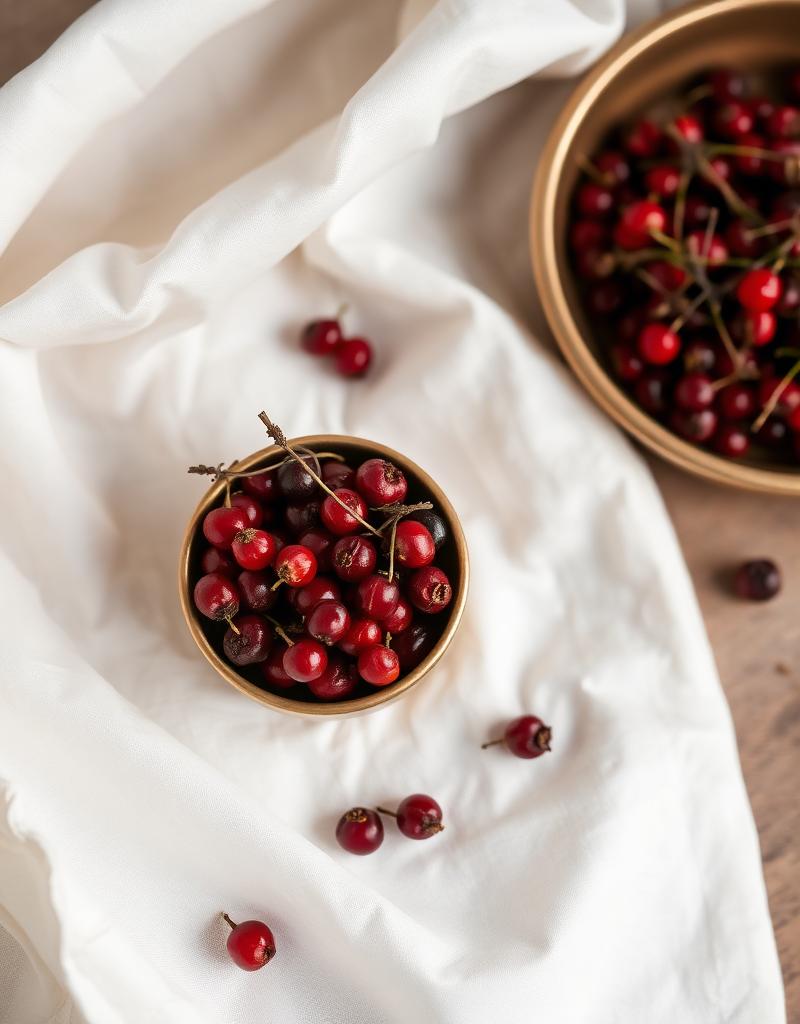
Barberry
Refreshes the liver, balances heat.

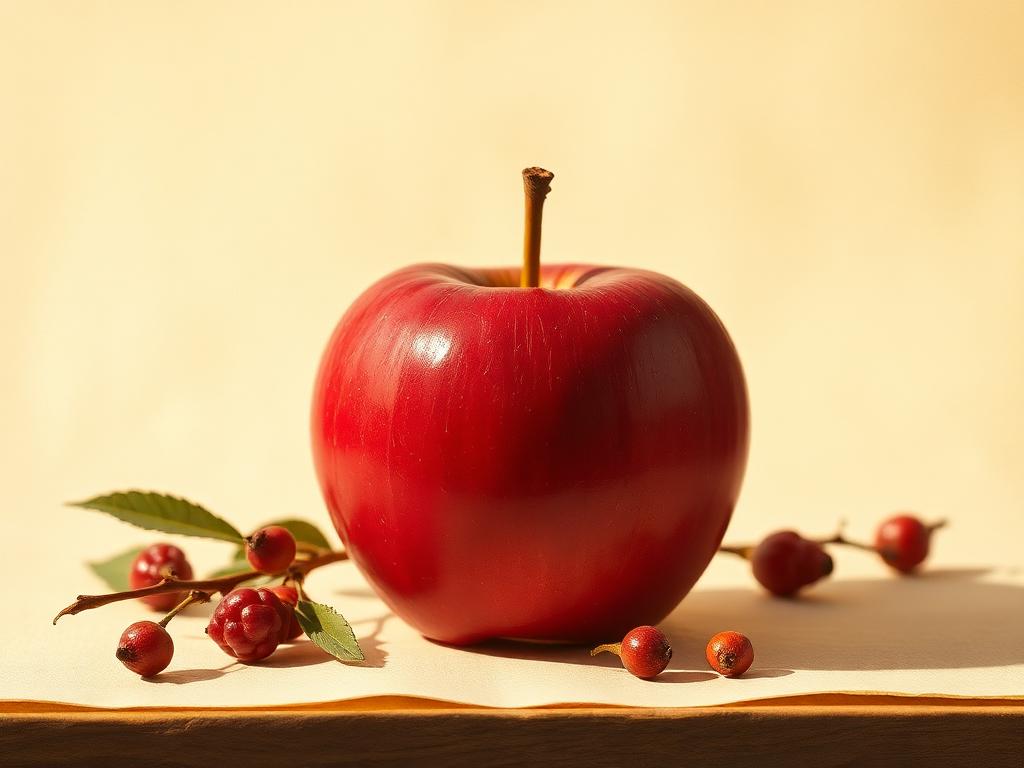
Apple
A daily fruit rich in fiber, polyphenols, and quercetin that supports gut, heart, and metabolic health.

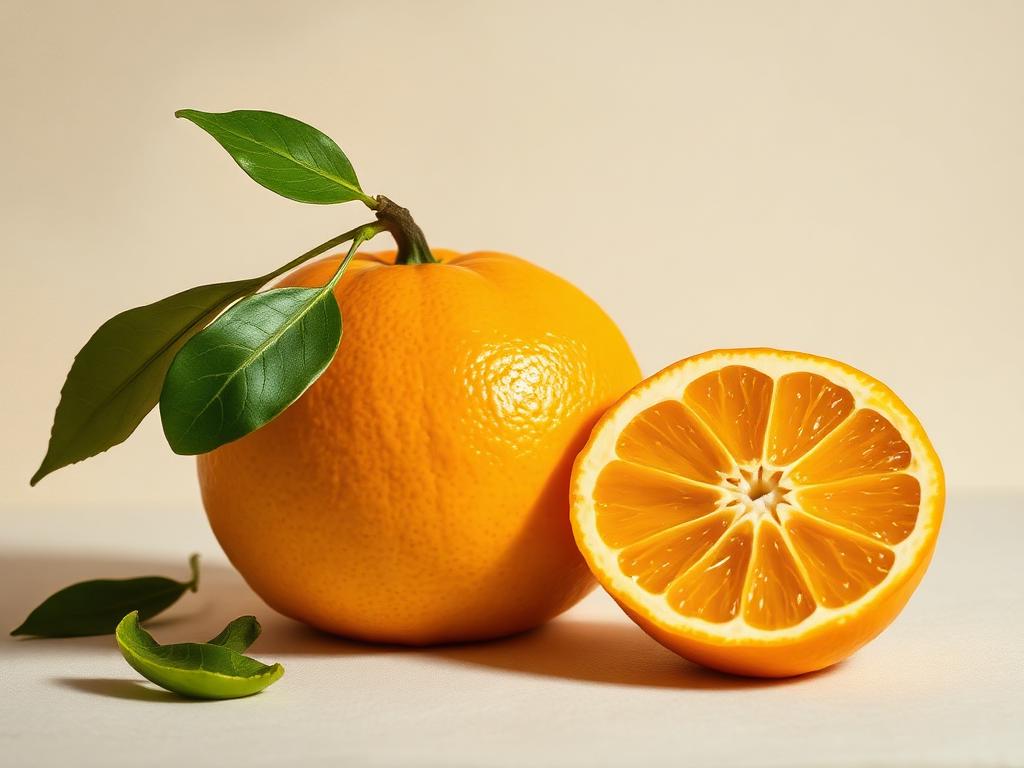
Orange
Vitamin-C powerhouse with flavonoids that support immunity, heart health, and skin.

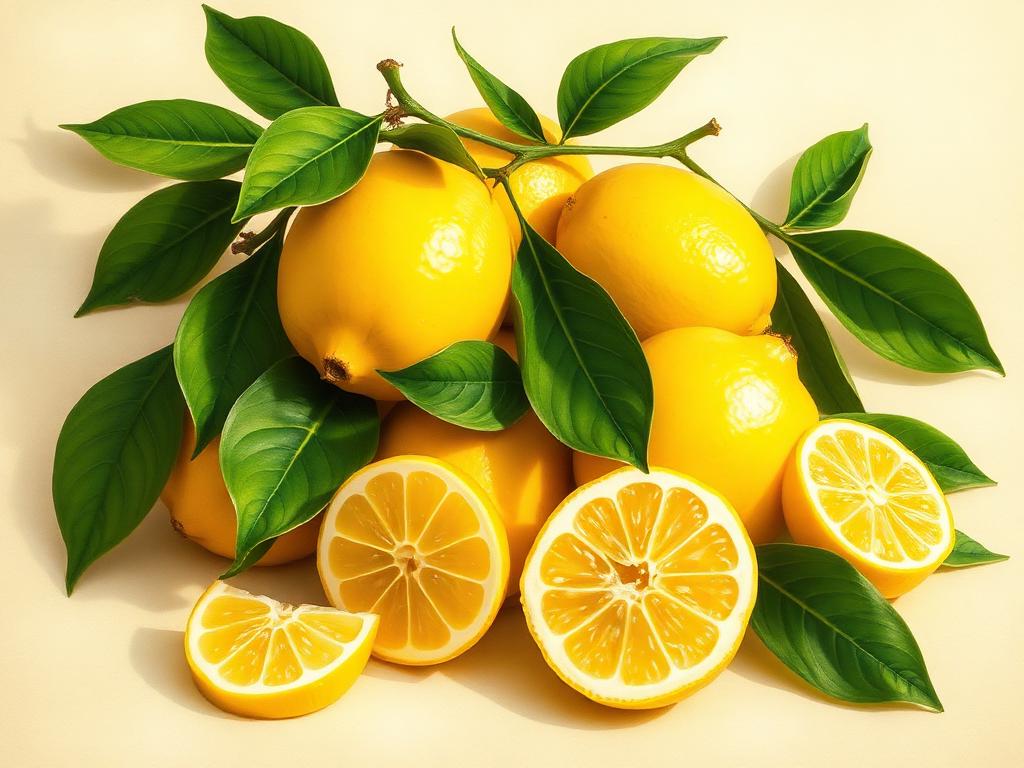
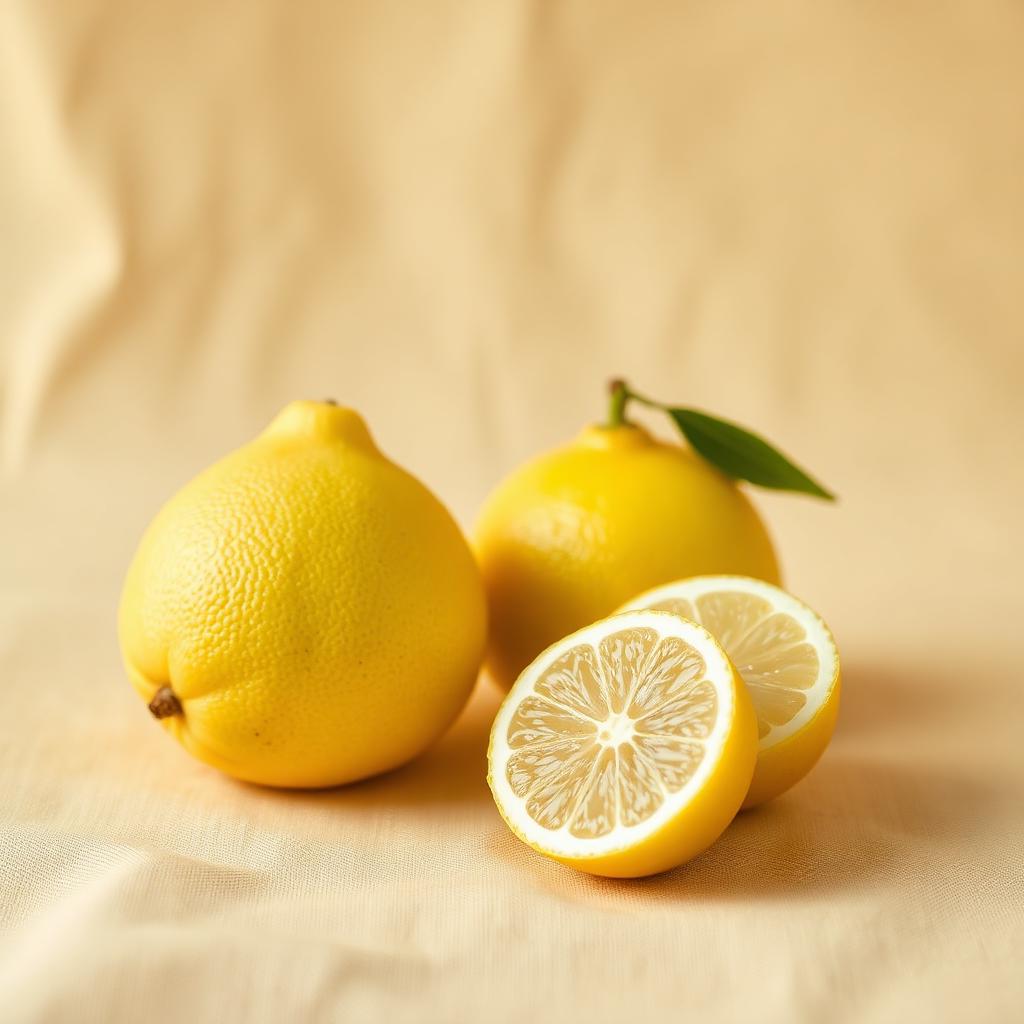
Lemon
Bright citrus that supports digestion, hydration, and vitamin-C status.

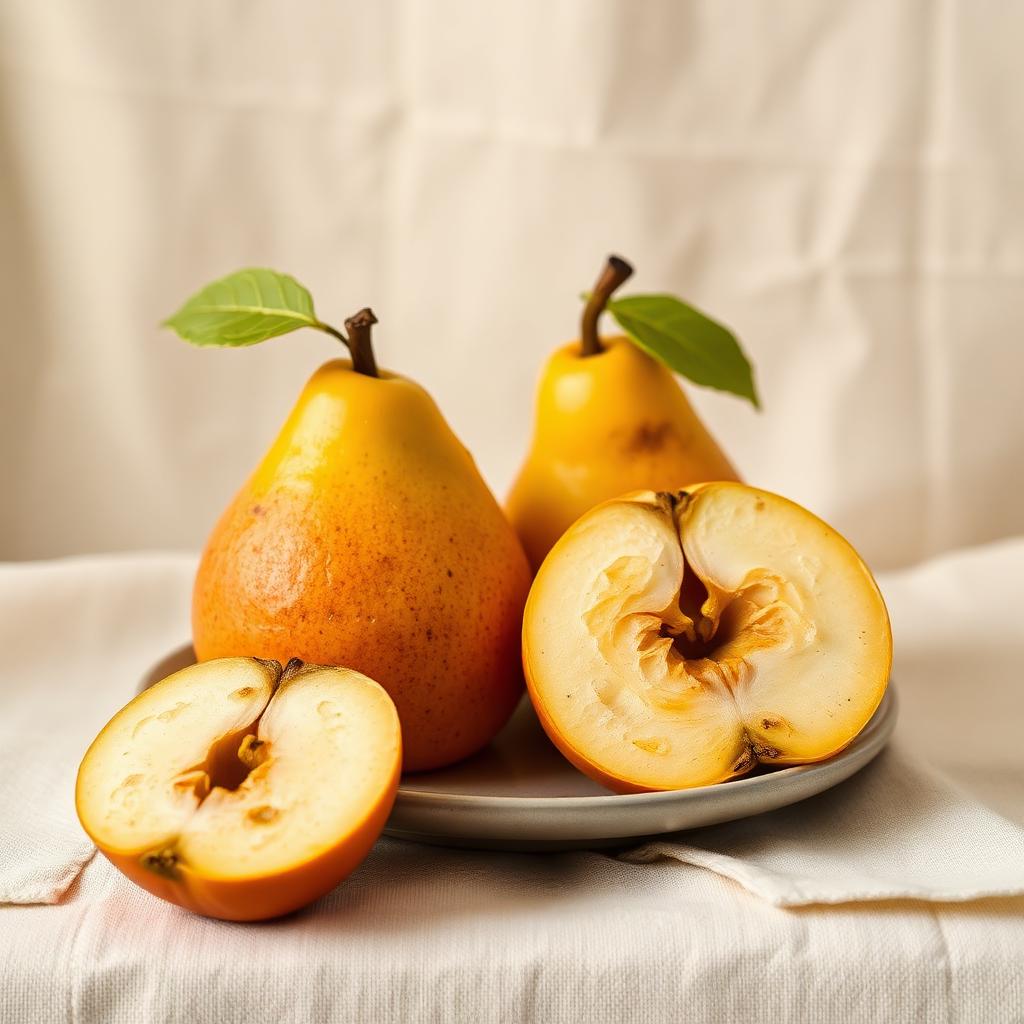
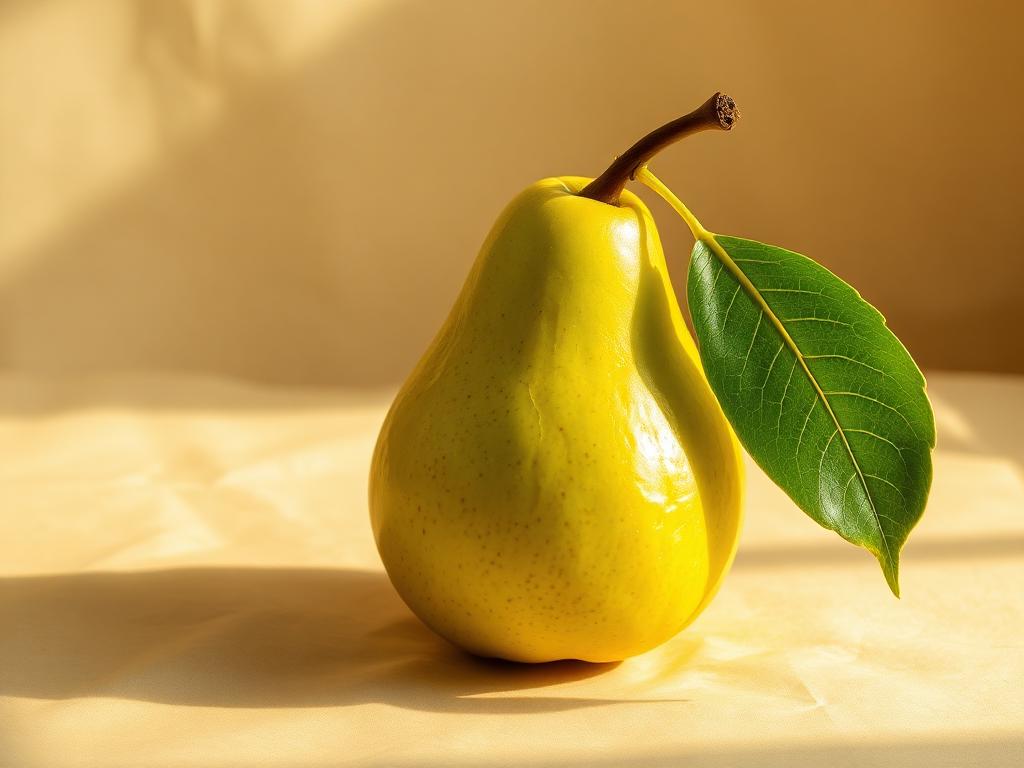
Pear
Hydrating, fiber-rich fruit that soothes the chest and supports gentle digestion.

Jujube
Persian annab — a calming, sleep-friendly fruit traditionally used to nourish the blood.

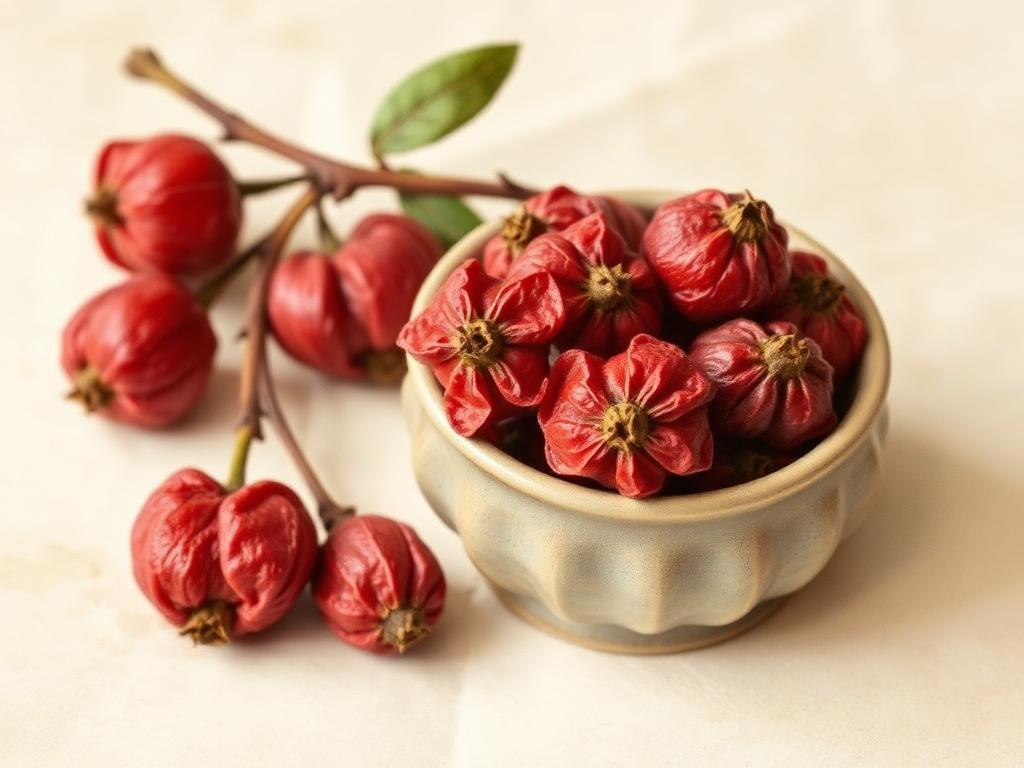
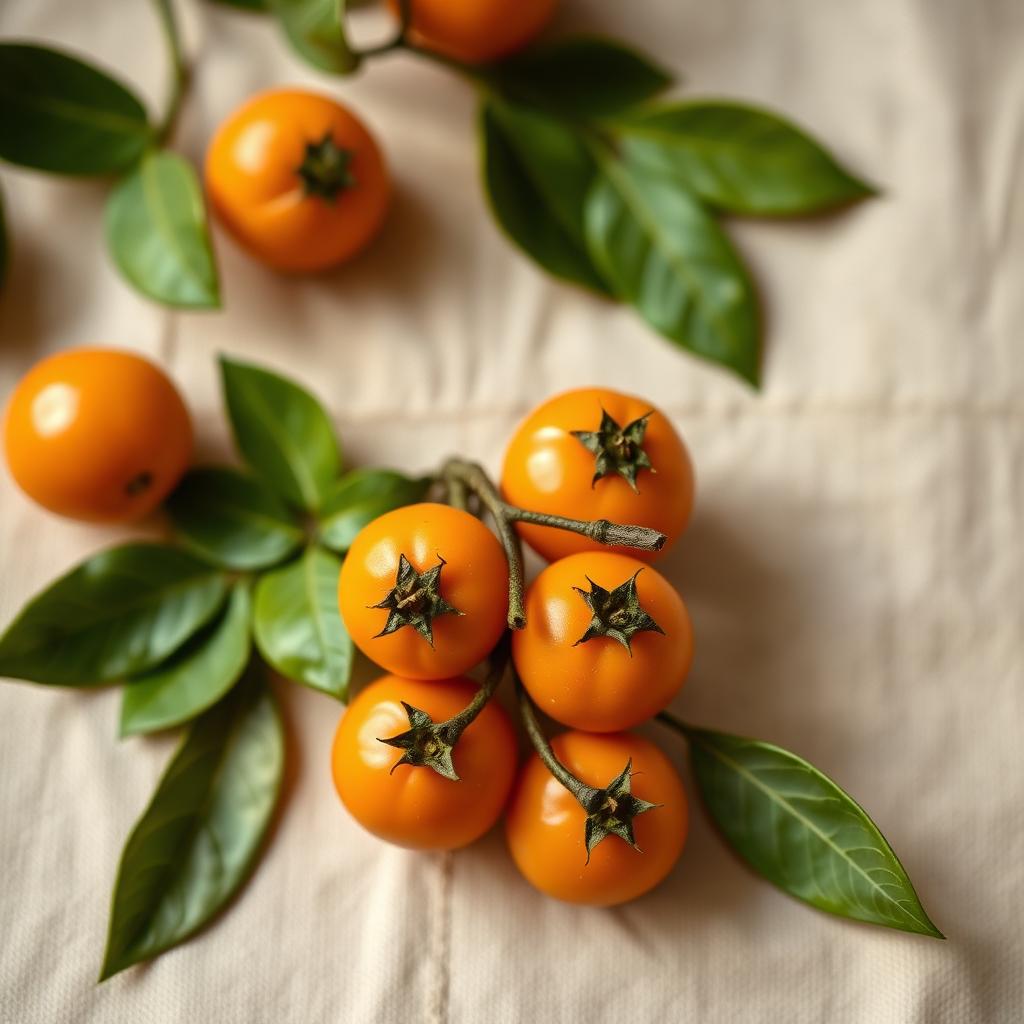
Cornelian Cherry
Persian zoghal akhteh — tart, antioxidant-rich fruit traditionally used to cool and tonify.

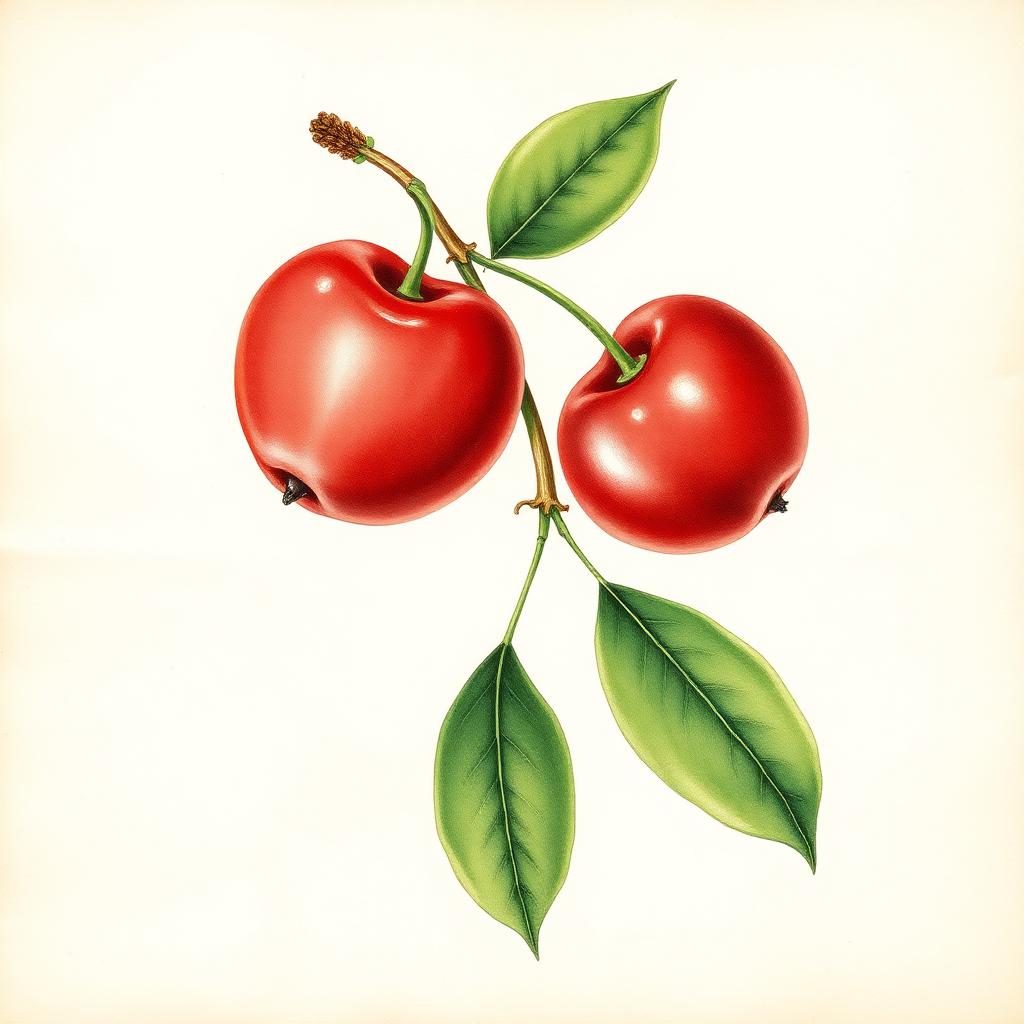
Cherry
Gilās — sweet summer fruit traditionally used to cool the blood and ease joint inflammation.

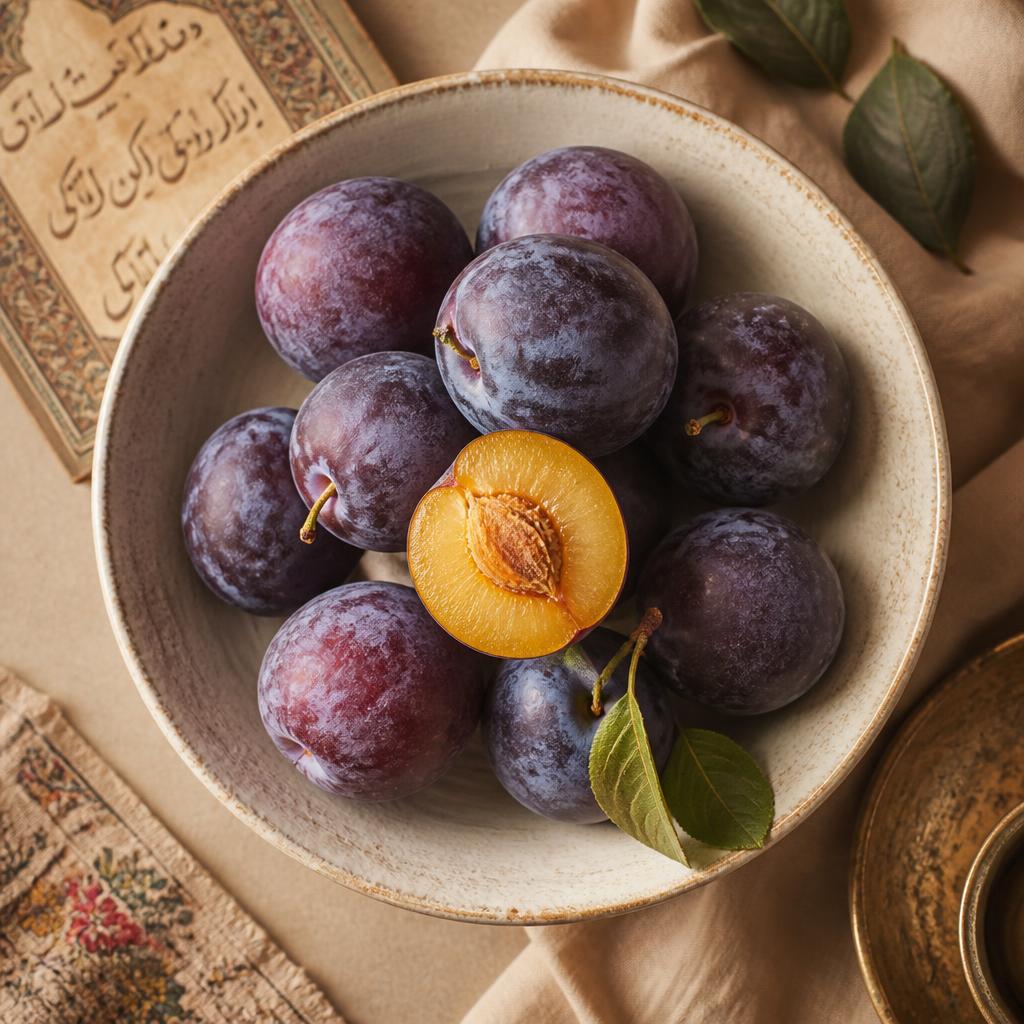
Plum
Ālu — juicy summer stone fruit traditionally used to cool heat, moisten the gut, and ease constipation.

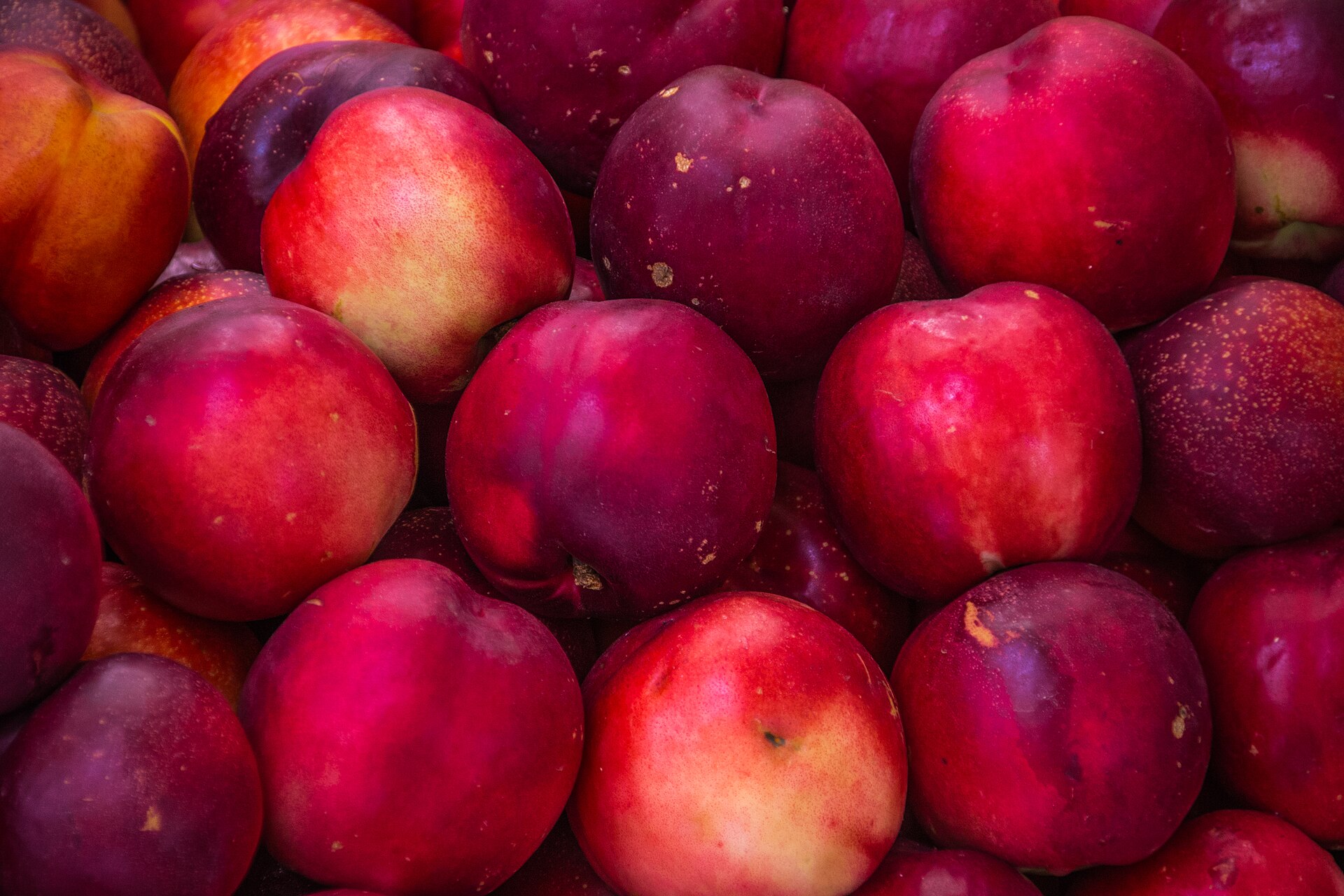
Nectarine
Shalil — smooth-skinned cousin of the peach; refreshes the body and gentles summer heat.

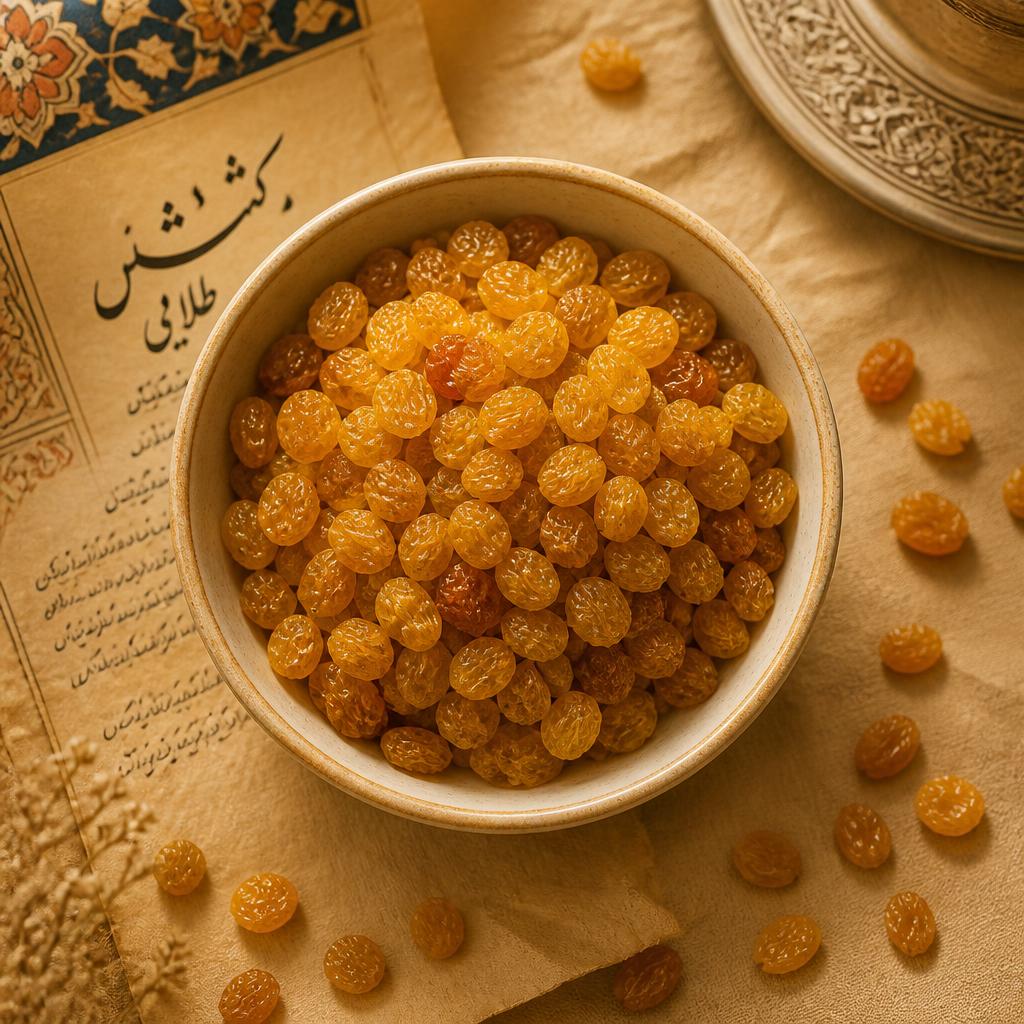
Raisins
Keshmesh — sun-dried grapes prized as a heart tonic, blood builder, and gentle daily energy.

Banana
Moz — potassium-rich fruit that steadies energy, soothes the gut, and supports the heart.

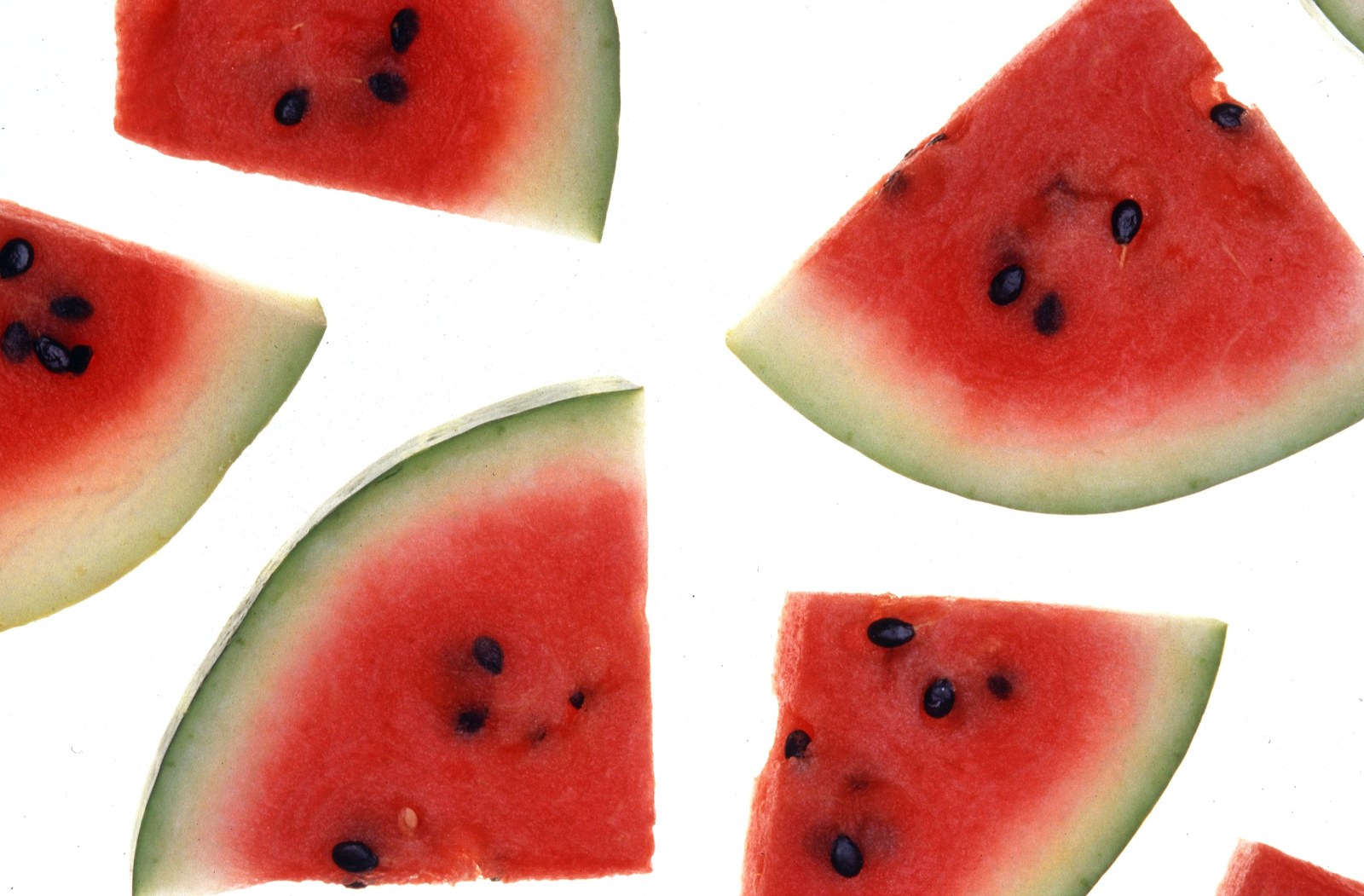
Watermelon
Hendevāneh — the classic Persian summer fruit; hydrates, cools, and flushes the kidneys.

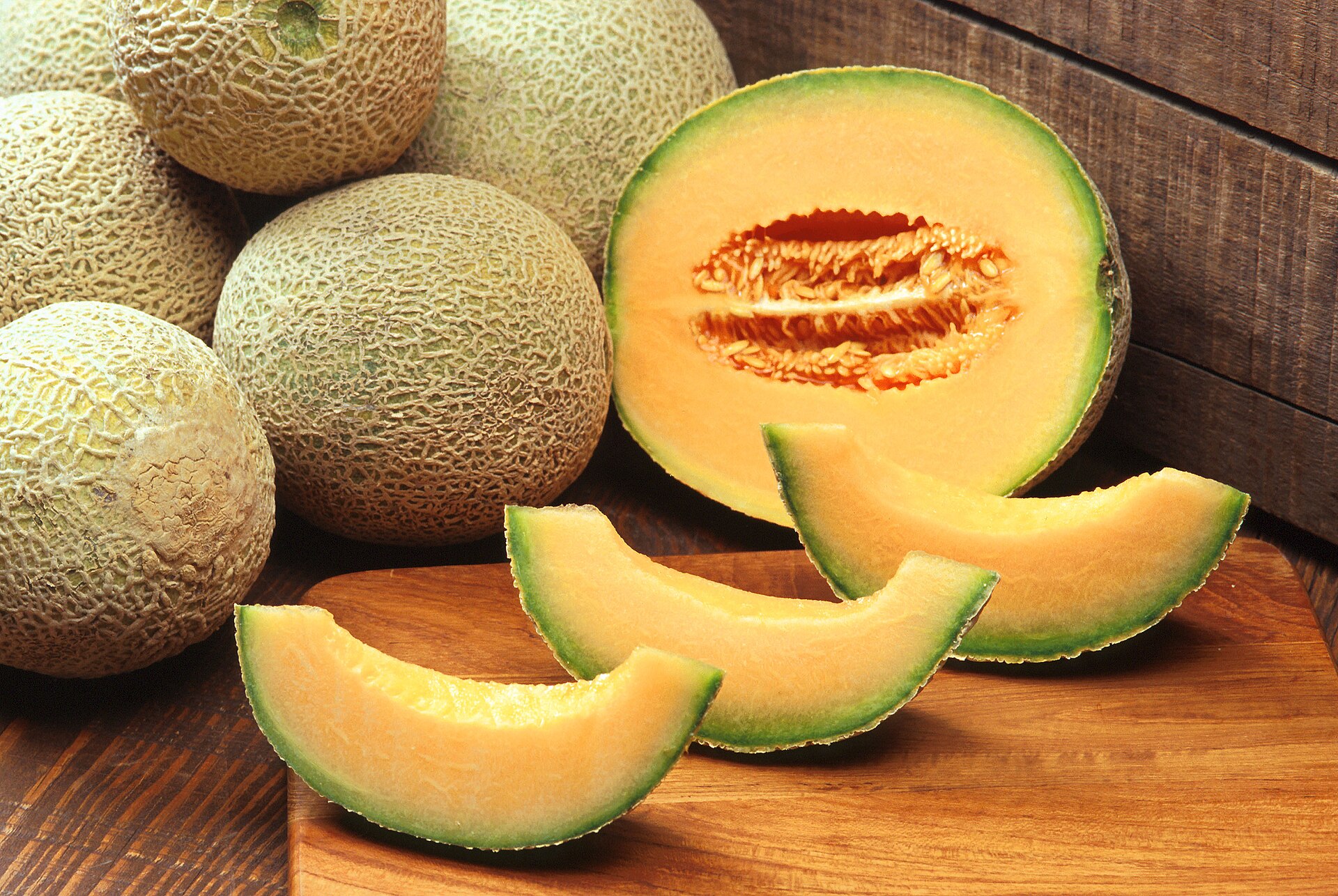
Cantaloupe
Tālebi — fragrant Persian musk melon that hydrates, cools the liver, and refreshes the spirit.

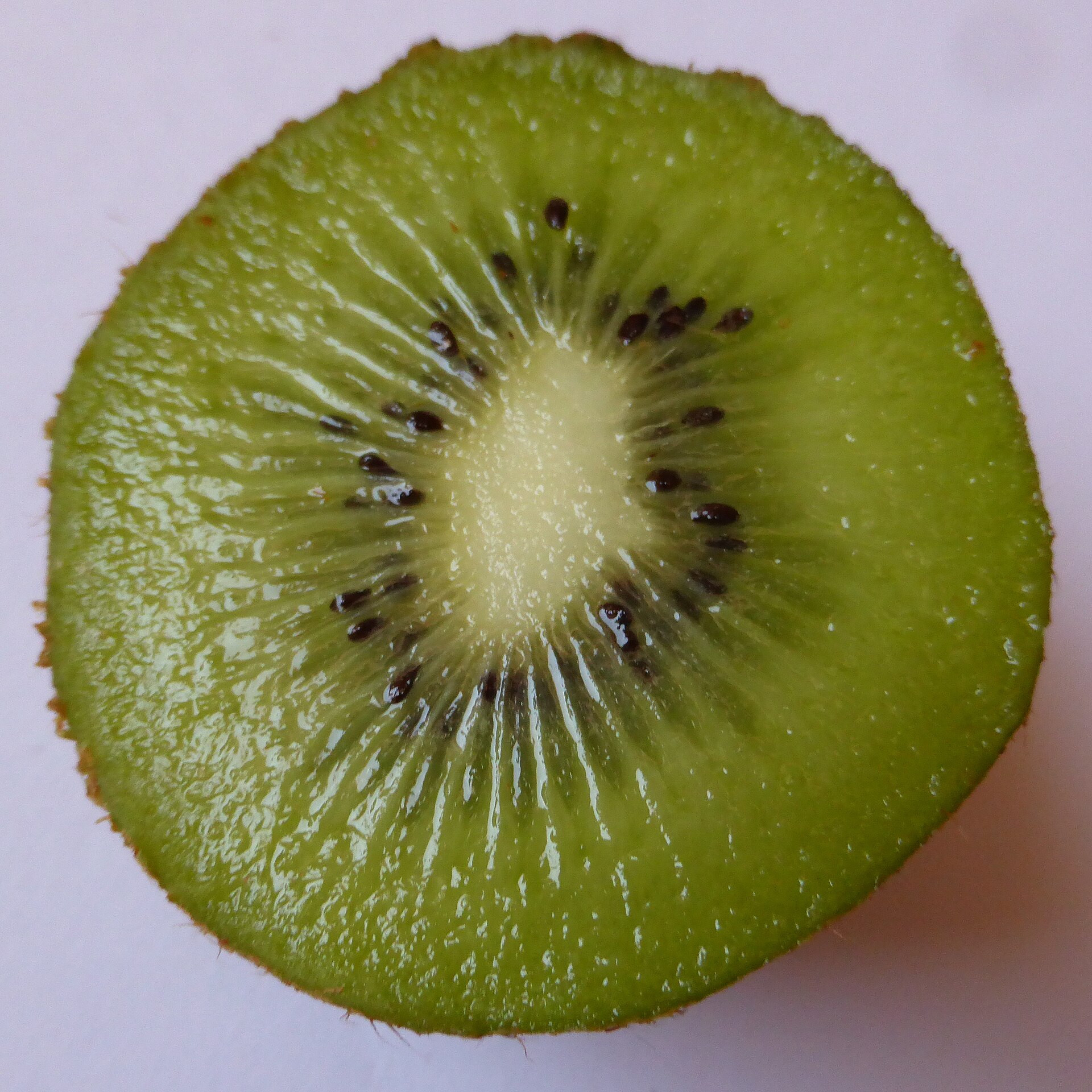
Kiwi
Kivi — vitamin-C powerhouse that supports immunity, digestion, and vascular health.

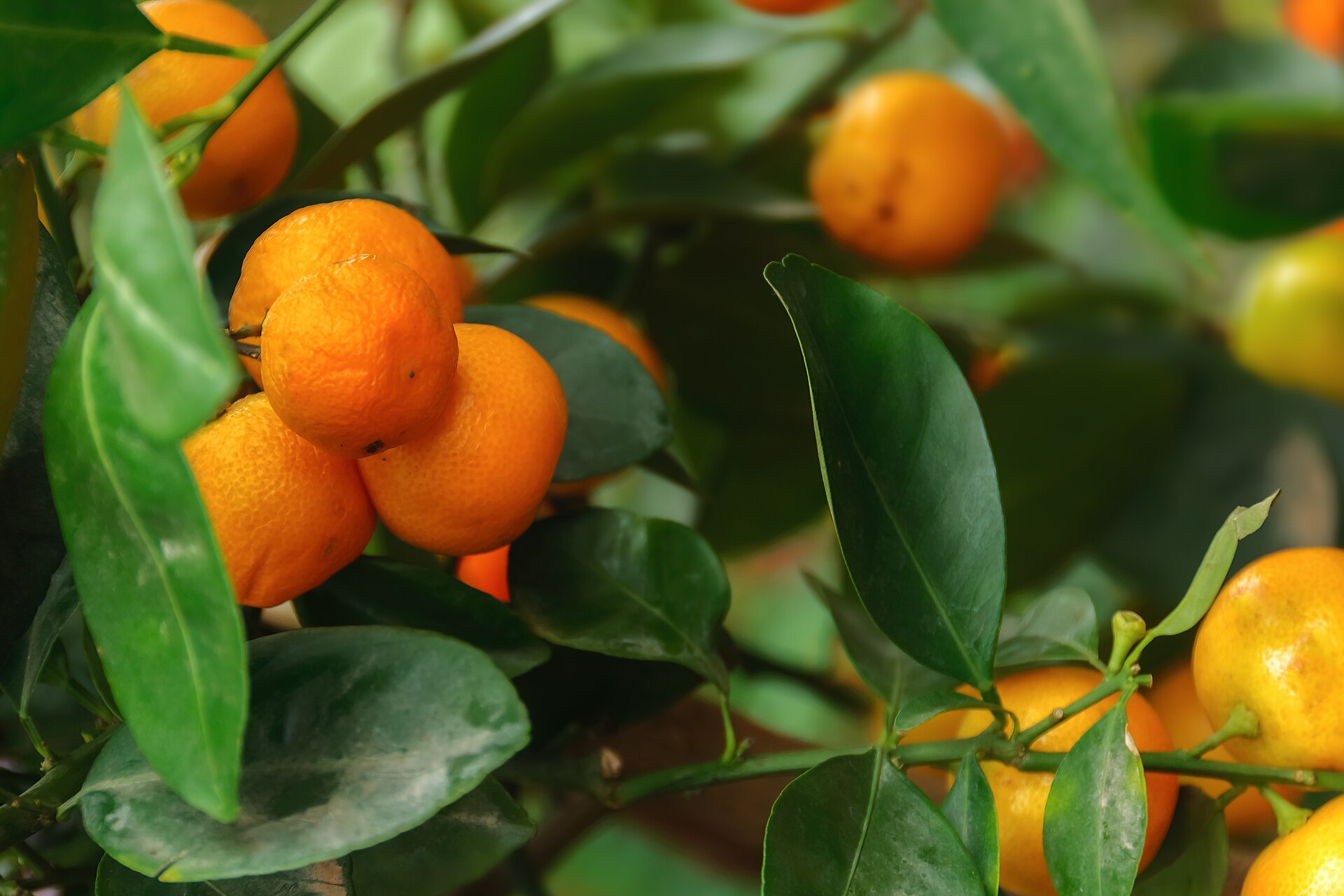
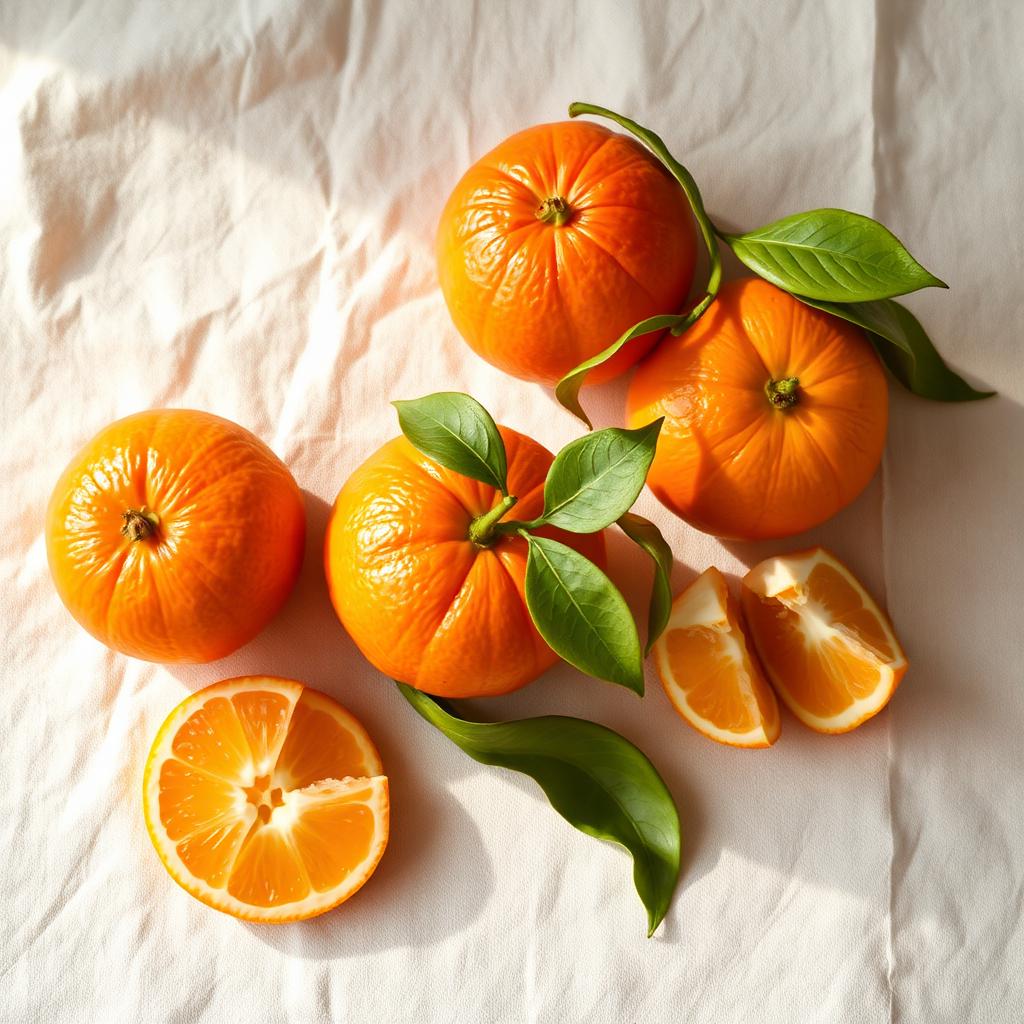
Mandarin
Nārengi — easy-peel citrus rich in vitamin C and flavonoids; a gentle winter immune ally.

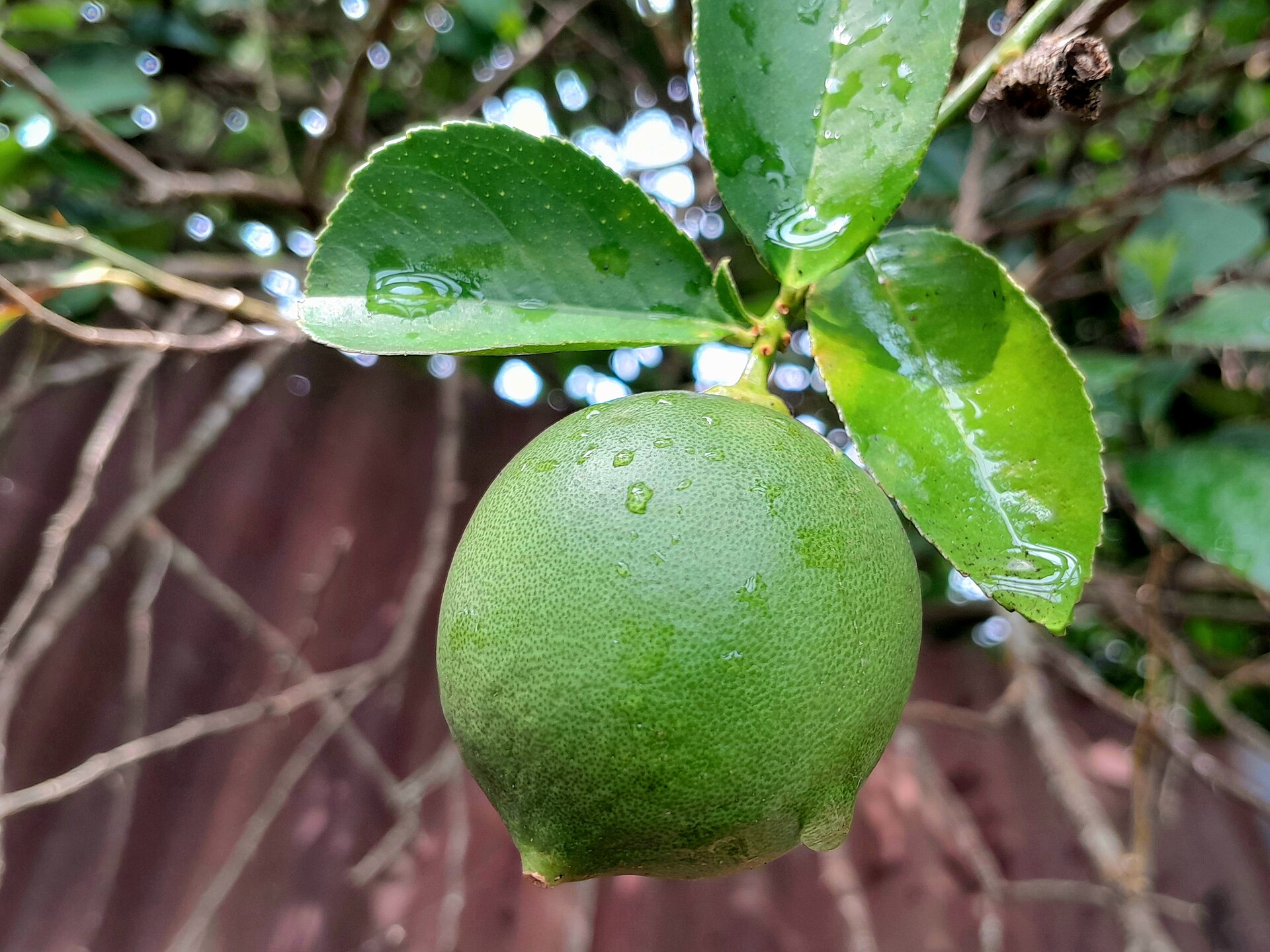
Lime
Limu torsh — Persian kitchen essential; brightens digestion, freshens the palate, and supports vitamin C.

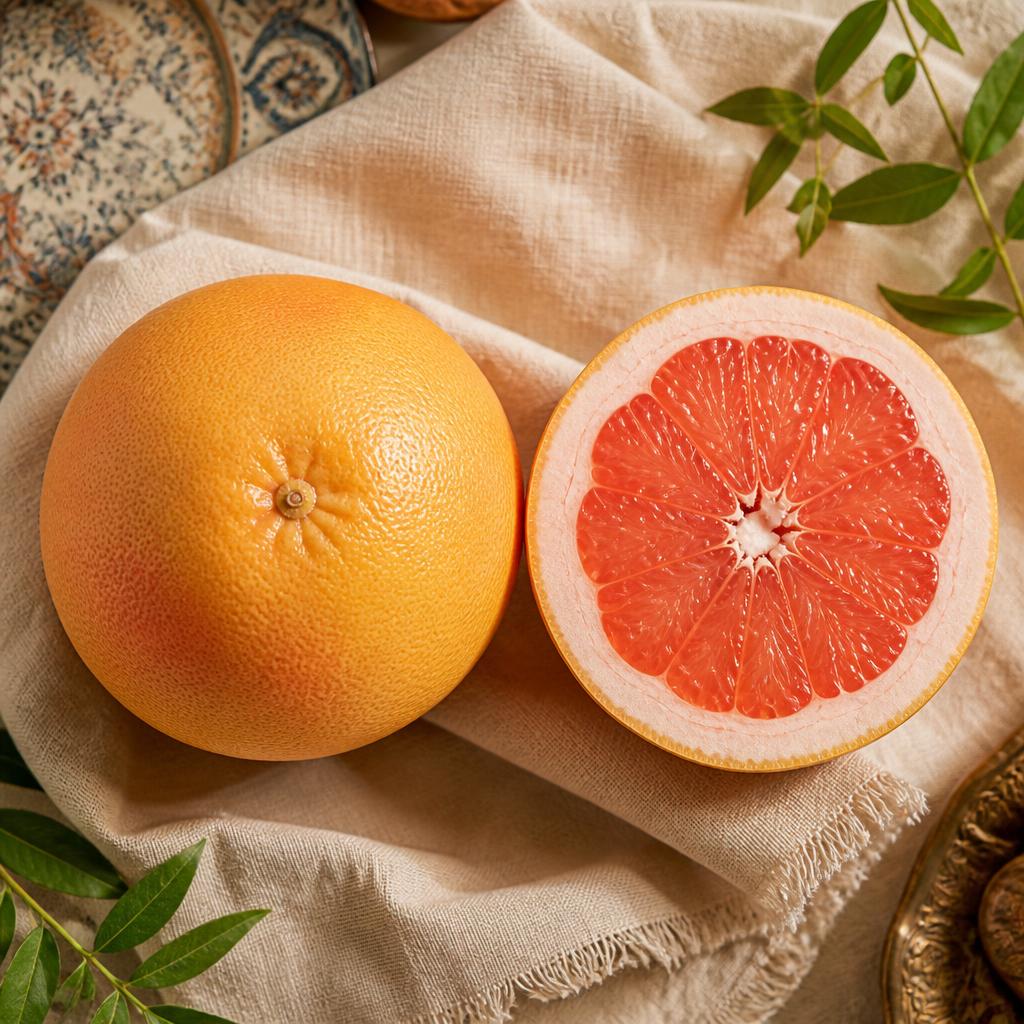
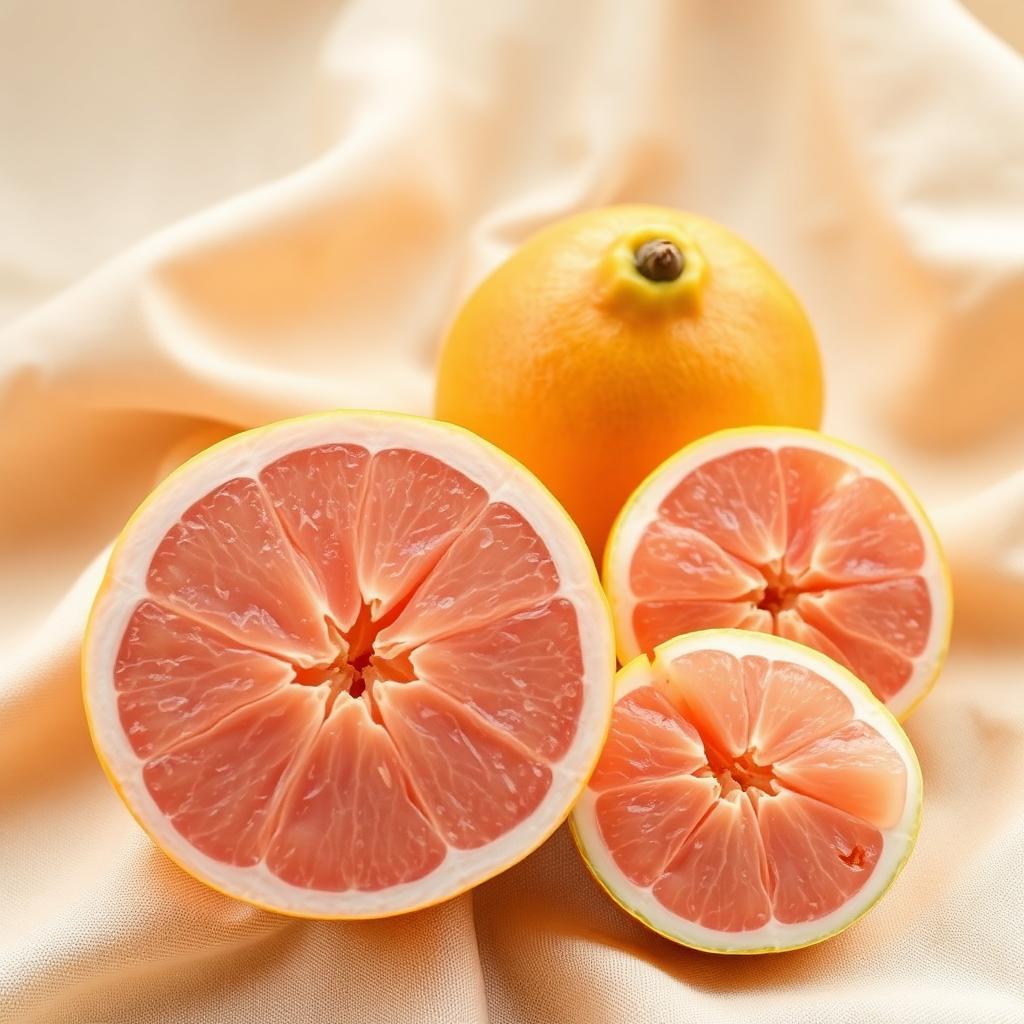
Grapefruit
Greypfrut — bitter-sweet citrus rich in flavonoids that support metabolism, heart, and liver.

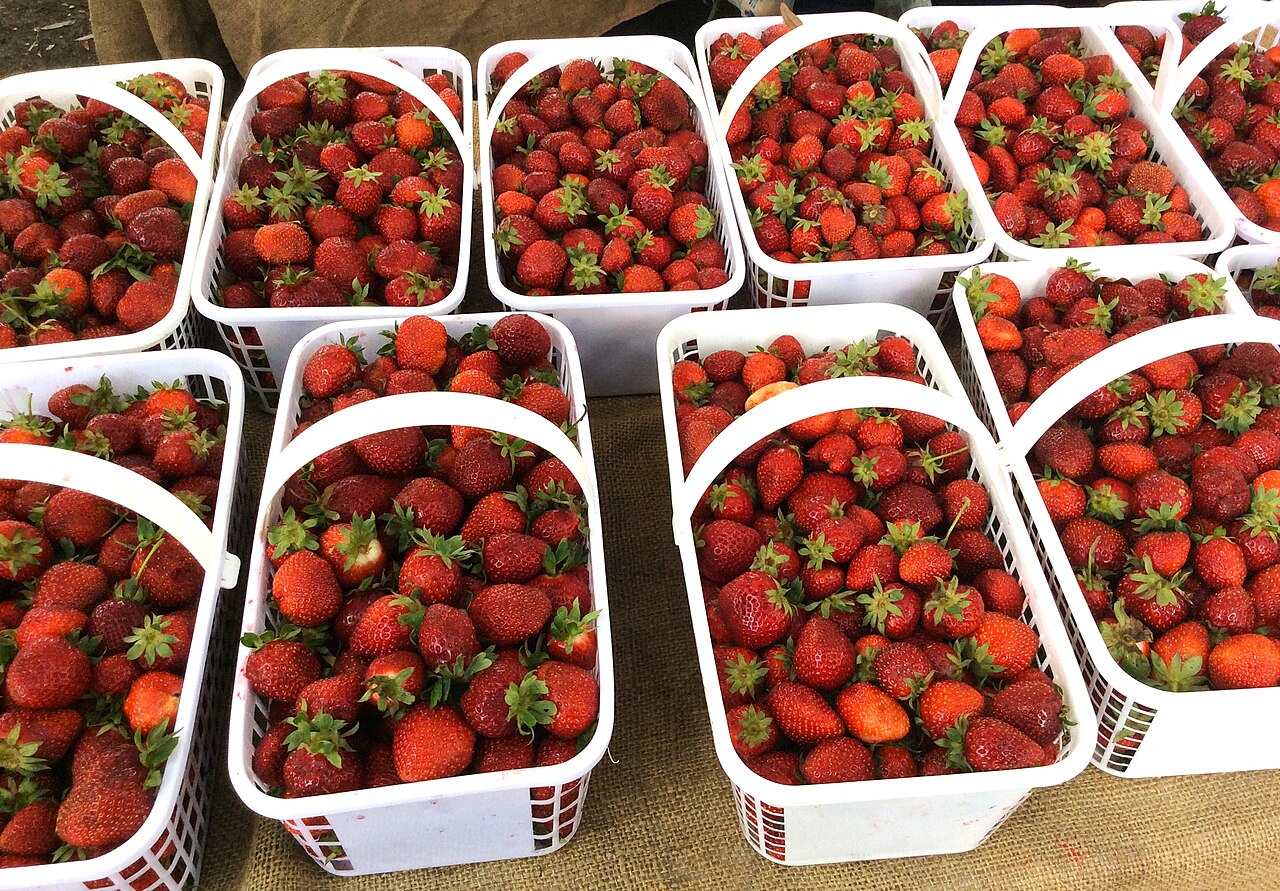
Strawberry
Tut-farangi — polyphenol-rich berry linked to heart, brain, and blood-sugar health.

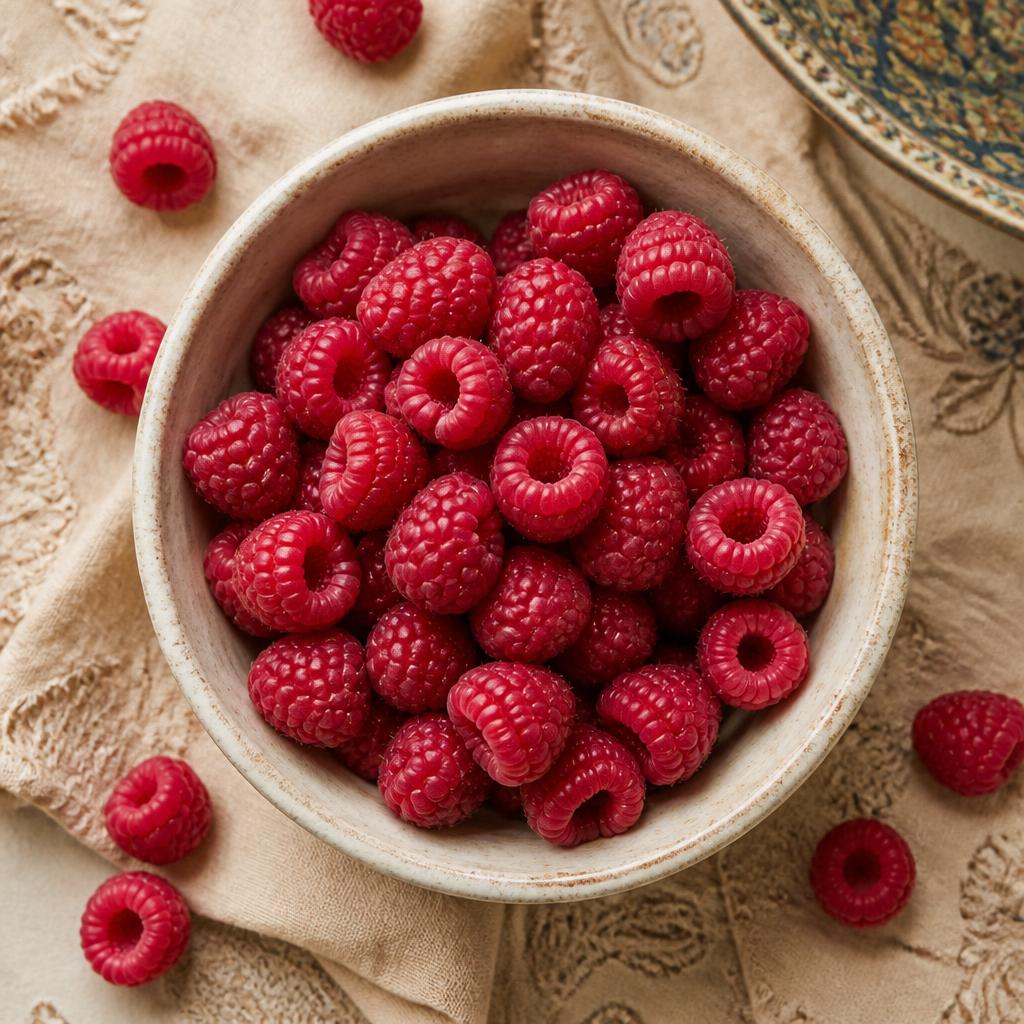
Raspberry
Tameshk — delicate berry rich in ellagitannins and fiber; supports the gut and vascular system.

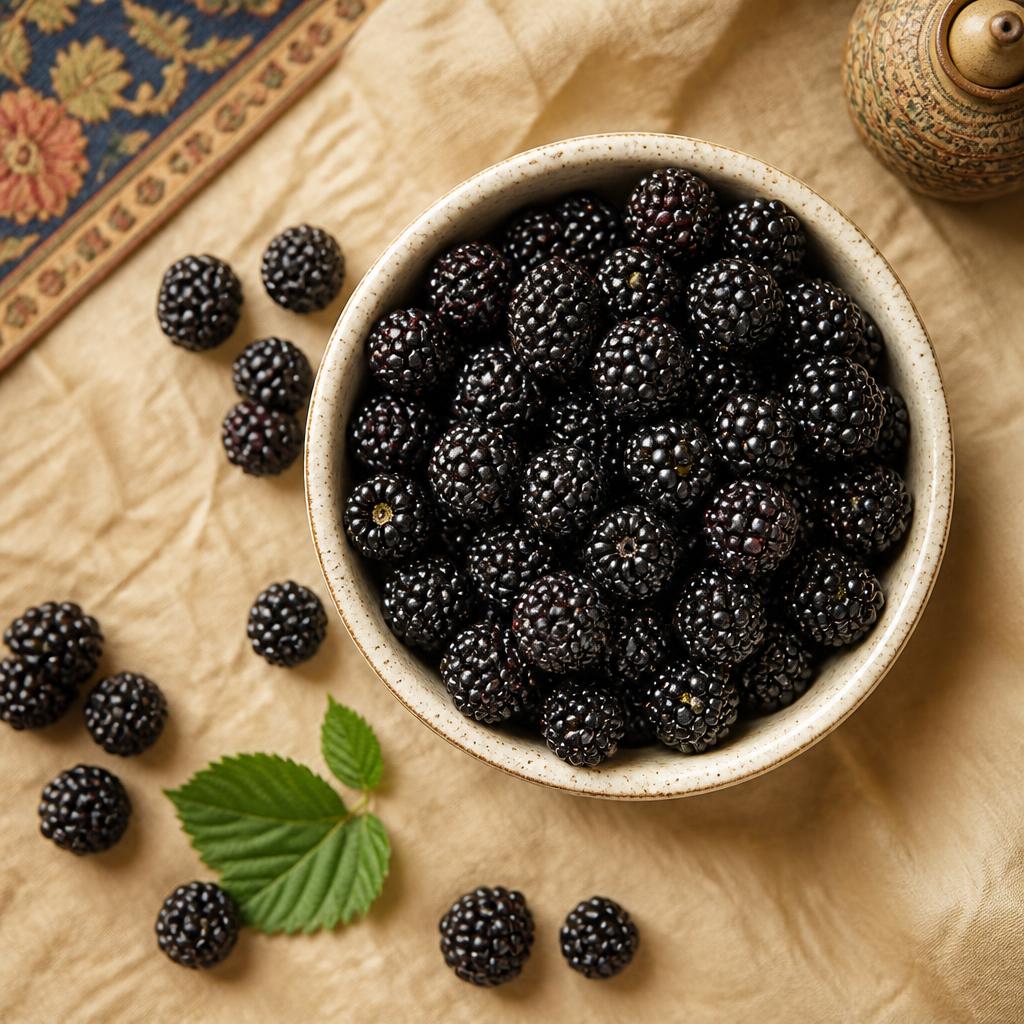
Blackberry
Tut-e siāh — dark drupelet berry packed with anthocyanins that support brain and heart health.

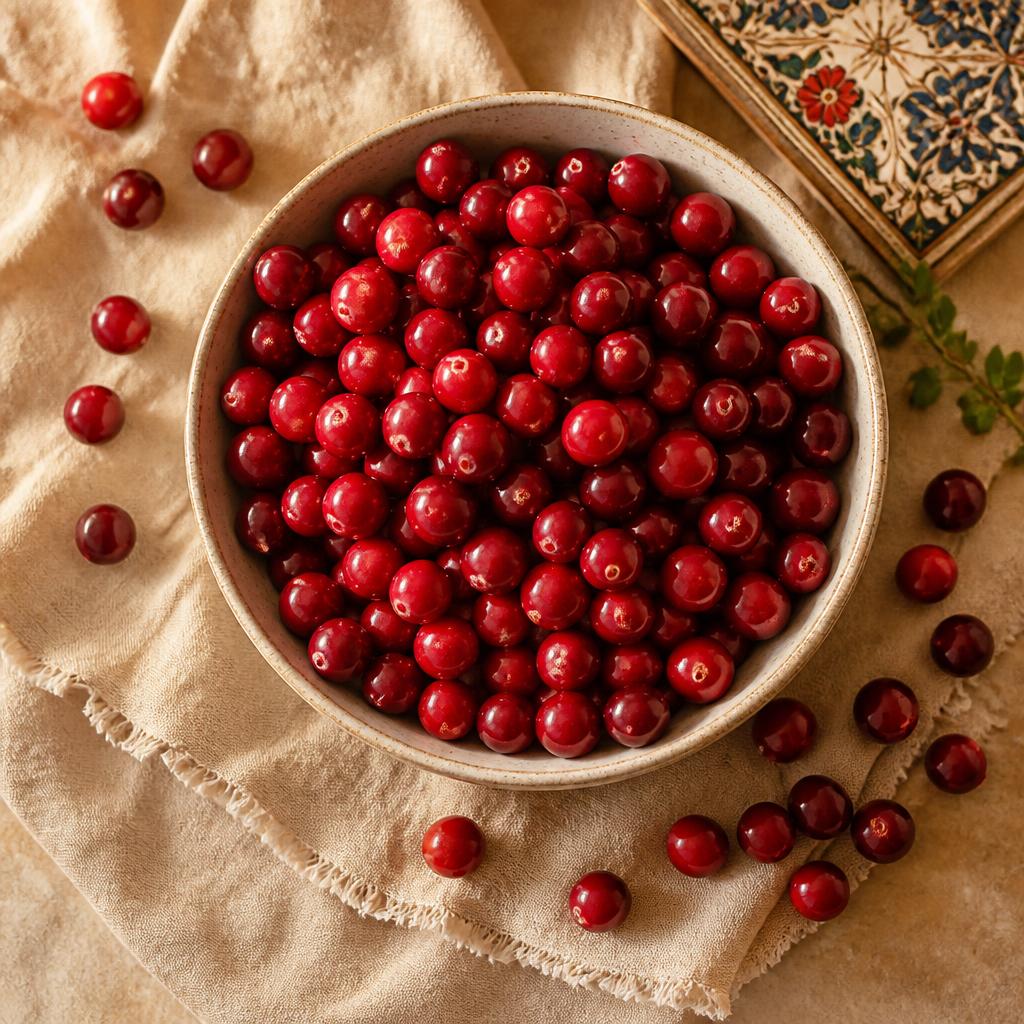
Cranberry
Kranberi — tart berry classically studied for urinary tract and vascular health.

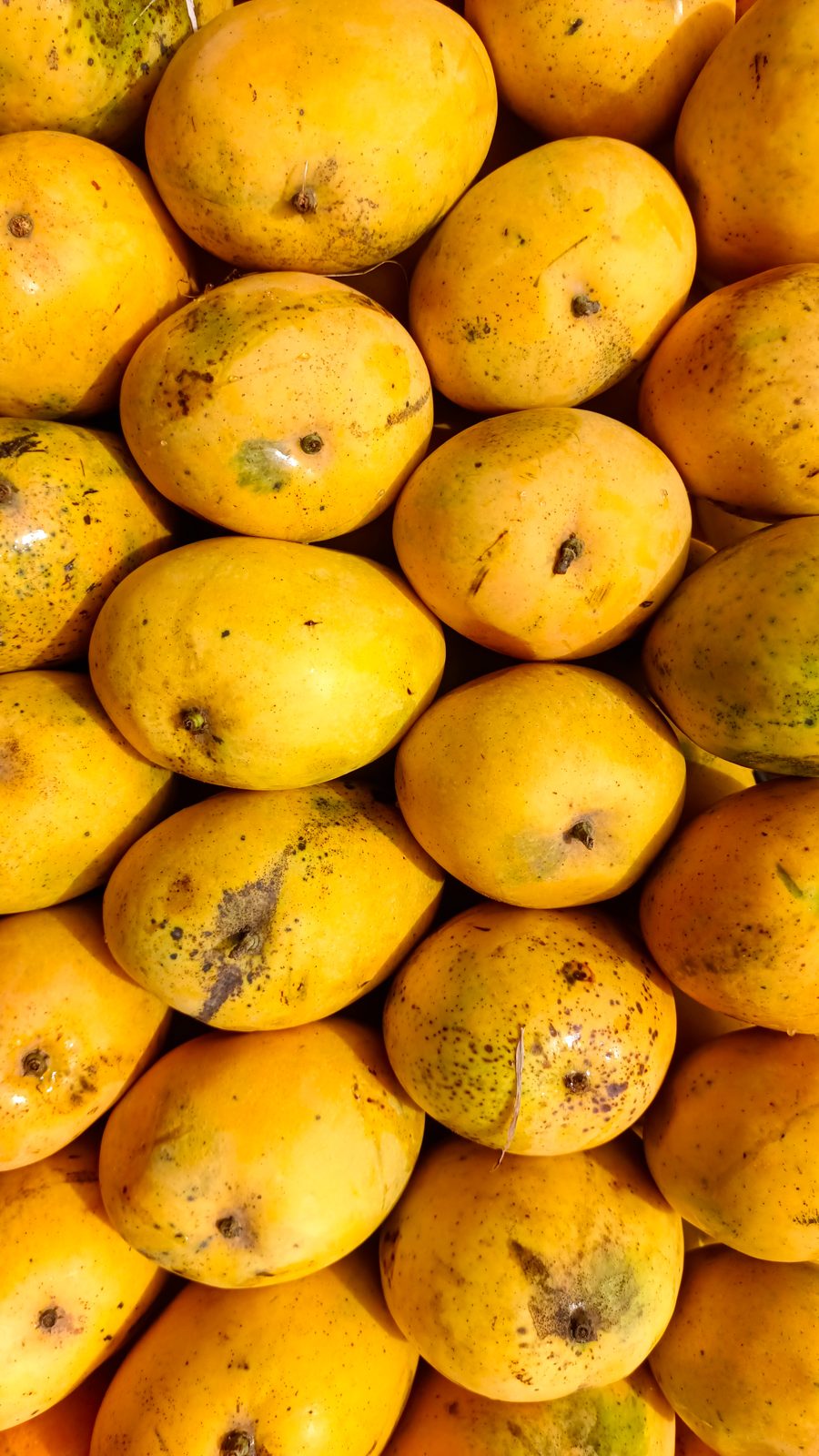
Mango
Anbeh — tropical stone fruit rich in vitamin A, C, and polyphenols that nourish skin and immunity.

Pineapple
Ānānās — bromelain-rich tropical fruit that supports digestion and gentle recovery from inflammation.

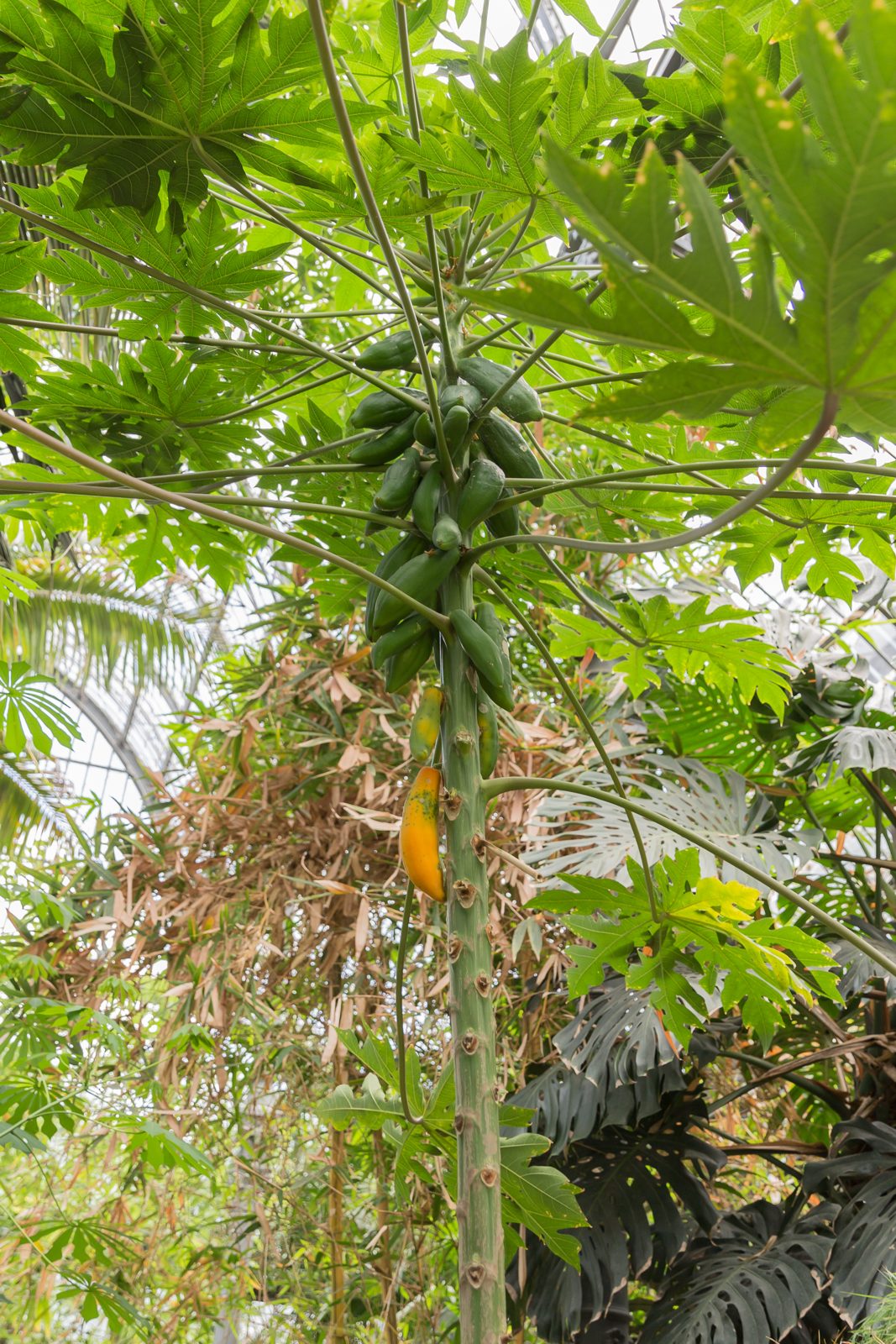
Papaya
Pāpāyā — enzyme-rich tropical fruit that aids digestion and delivers vitamins A and C.

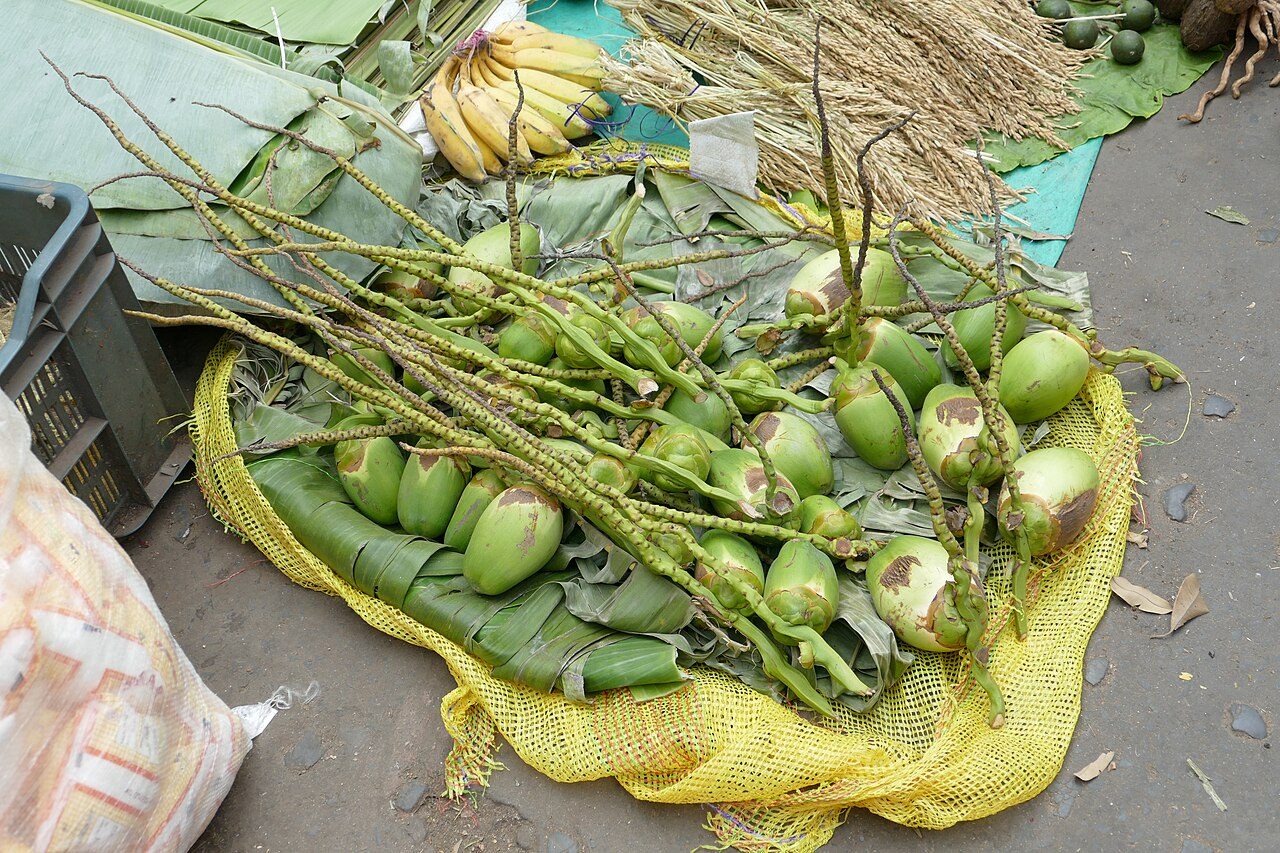
Coconut
Nārgil — tropical drupe whose water hydrates and flesh nourishes; source of medium-chain fats.

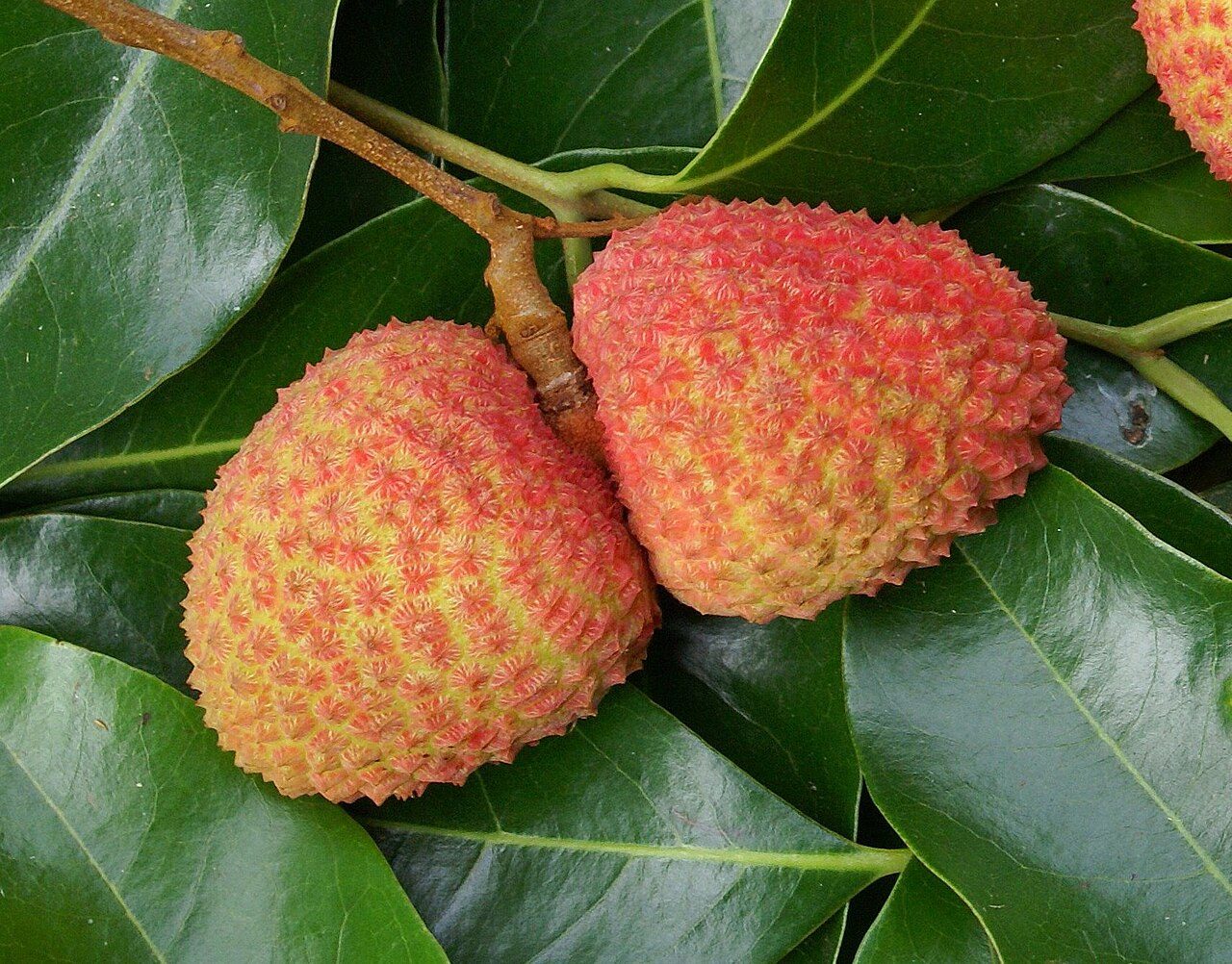
Lychee
Lichi — fragrant tropical fruit rich in vitamin C and polyphenols; a delicate summer refresher.

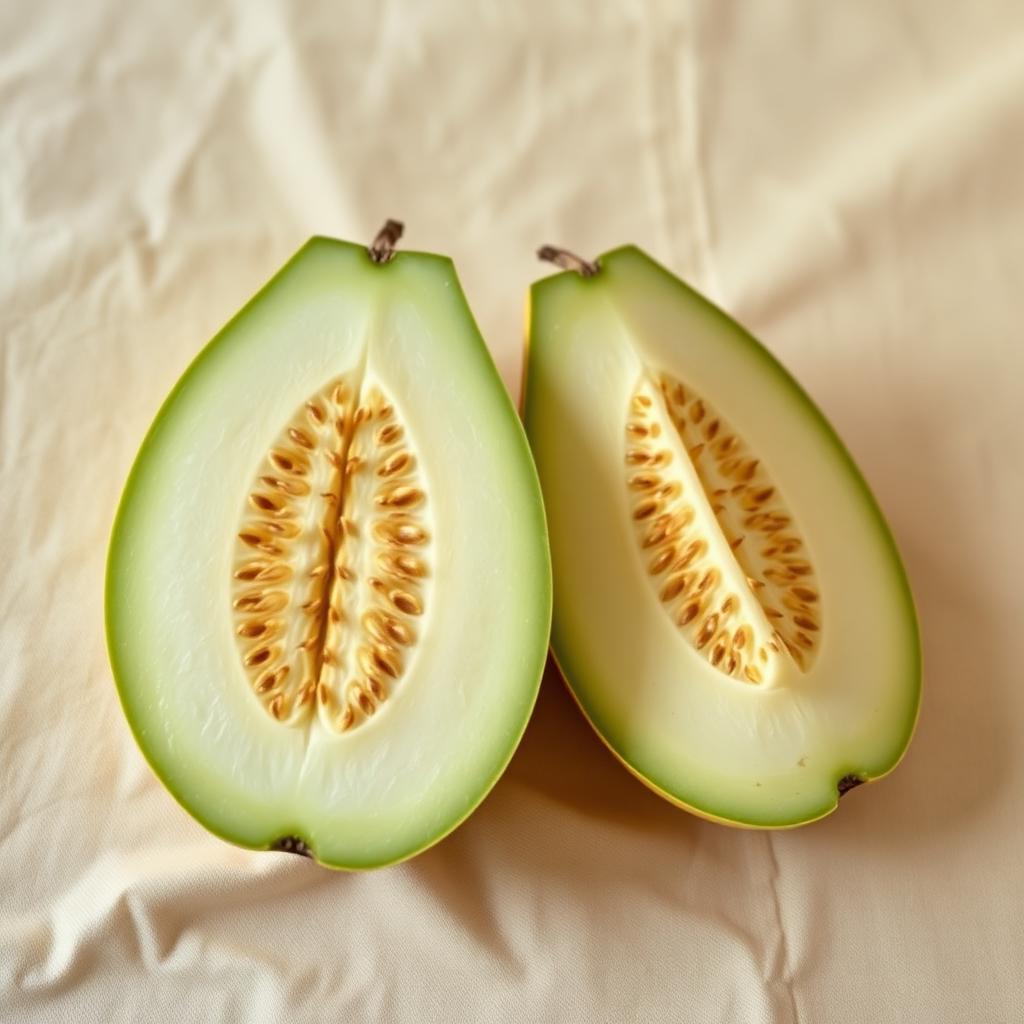
Honeydew
Kharbozeh-ye asali — pale green melon that hydrates the body and cools summer heat.

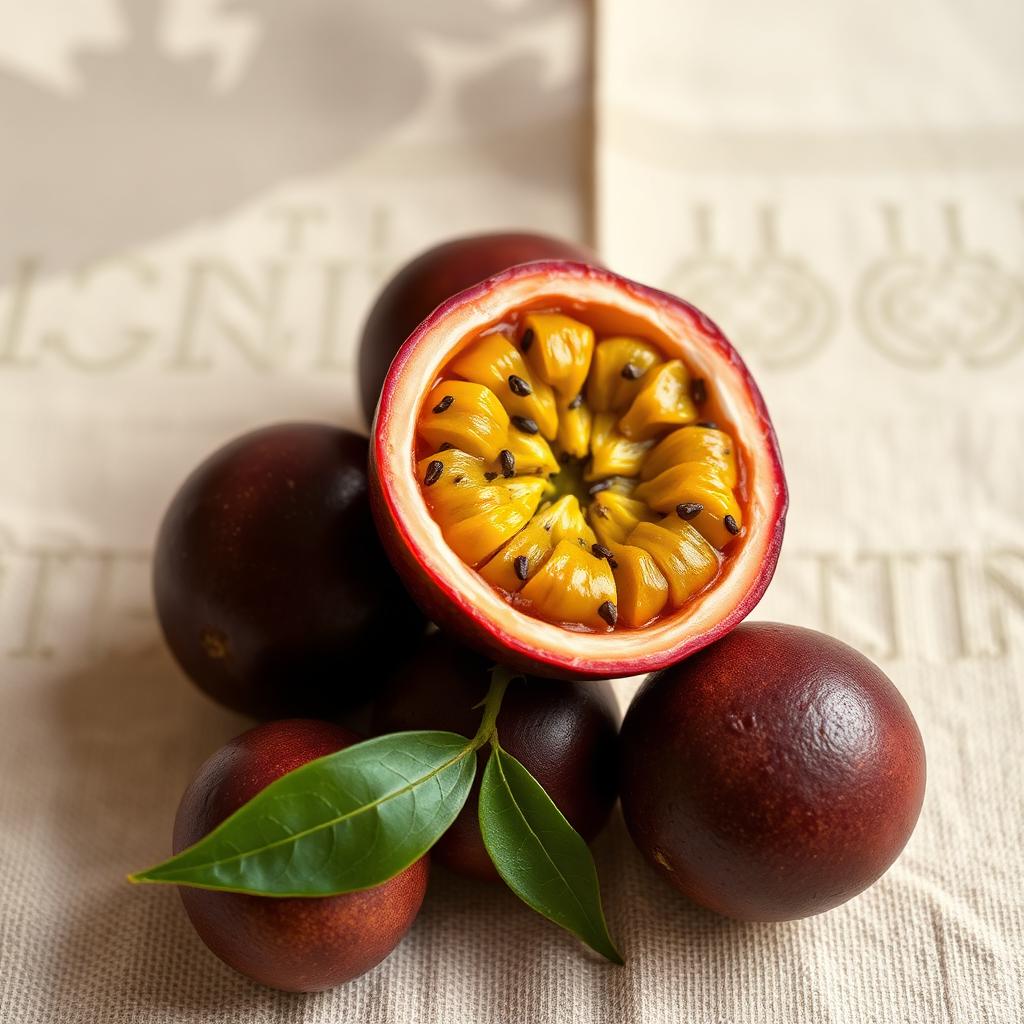
Passion Fruit
Fragrant tropical fruit rich in vitamin C, fiber, and polyphenols that support digestion and immunity.

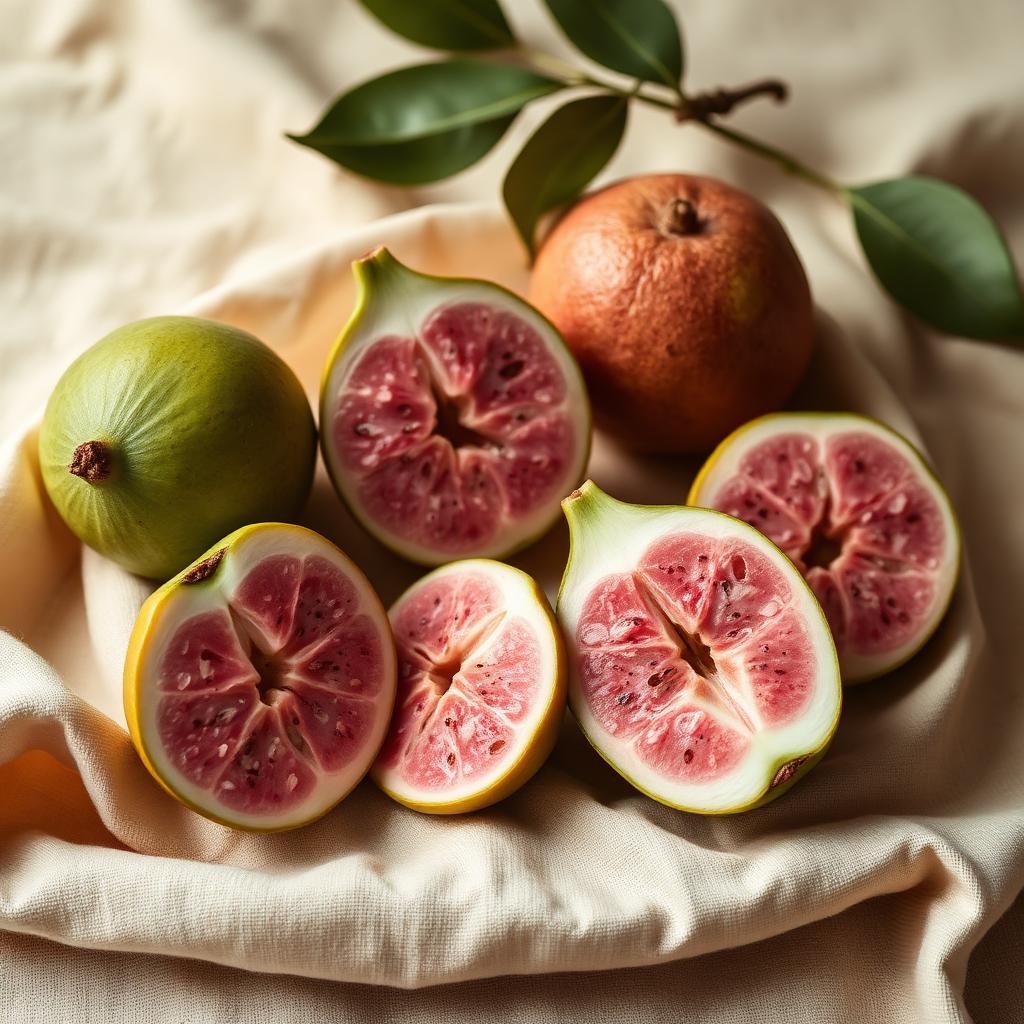
Guava
Vitamin-C powerhouse whose pink flesh supports immunity, skin, and gentle digestion.

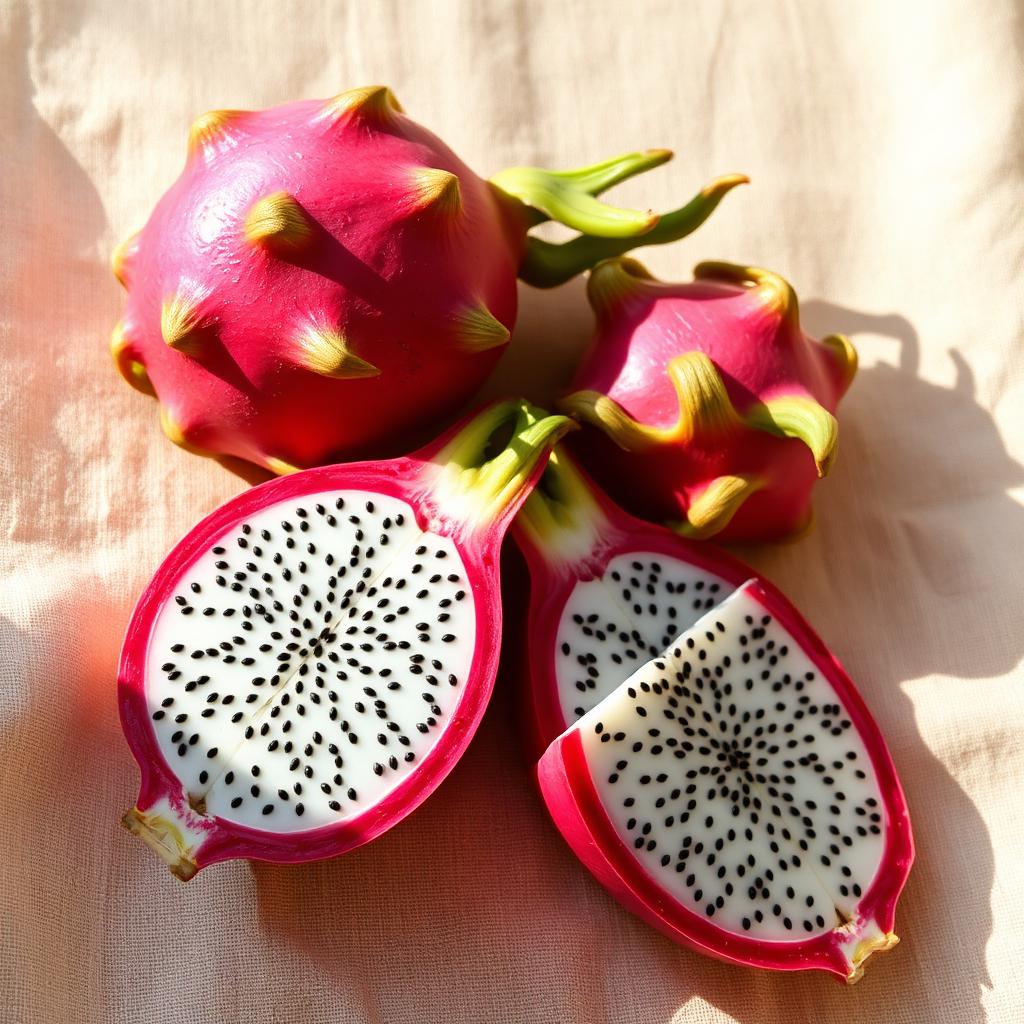
Dragon Fruit
Pitaya — hydrating tropical fruit rich in prebiotic fiber and antioxidants; refreshes the body.

Star Fruit
Carambola — tart-sweet tropical fruit rich in vitamin C. Caution: not safe with kidney disease.

Pomelo
Large citrus ancestor of grapefruit; hydrates, supports vitamin C status, and freshens digestion.

Clementine
Sweet, easy-peel citrus rich in vitamin C and flavonoids — a gentle daily immune ally.

Kumquat
Tiny whole-eaten citrus with edible peel; concentrates flavonoids and vitamin C.

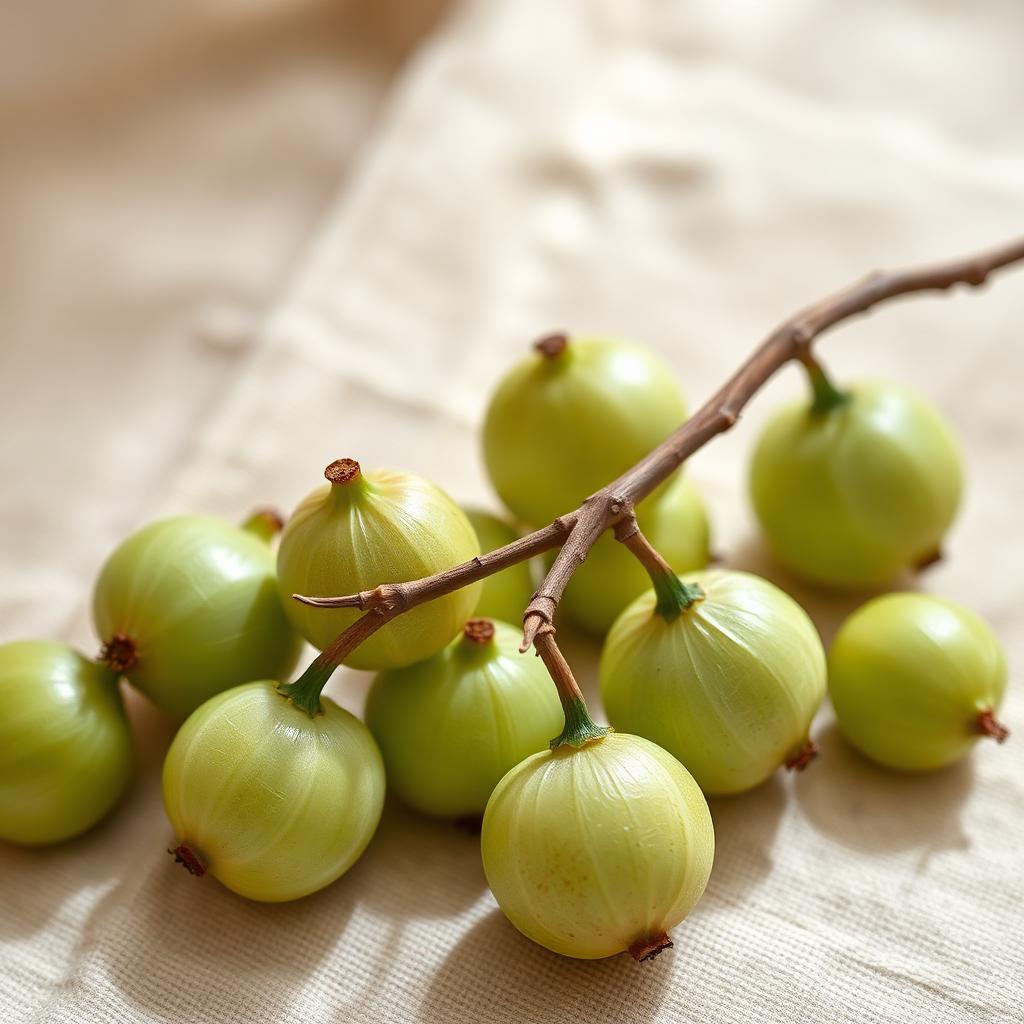
Gooseberry
Angur-farangi — tart translucent berry rich in vitamin C, fiber, and polyphenols.

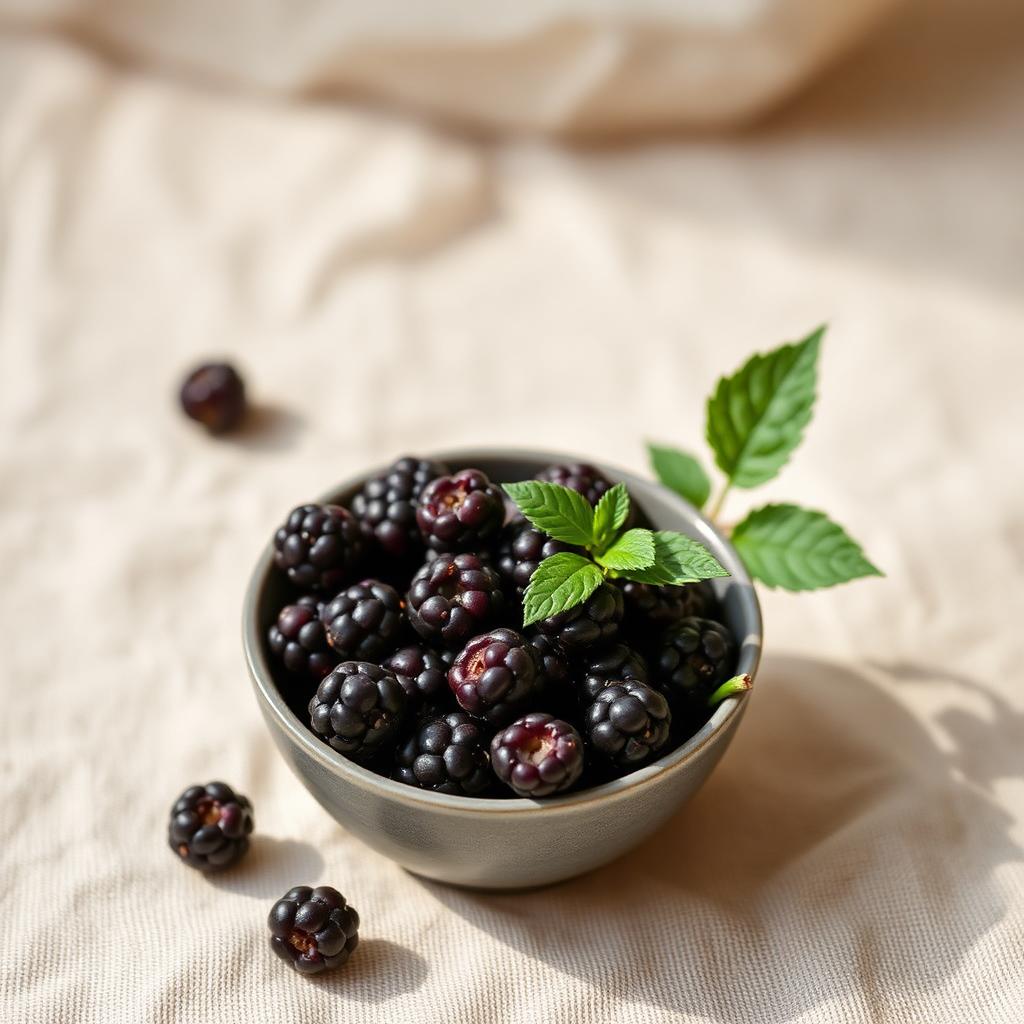
Boysenberry
Deep-purple cross of raspberry and blackberry — rich in anthocyanins that support heart and brain.

Elderberry
Āqti — dark berry traditionally used to support immunity, especially during cold and flu season. Cook before eating.

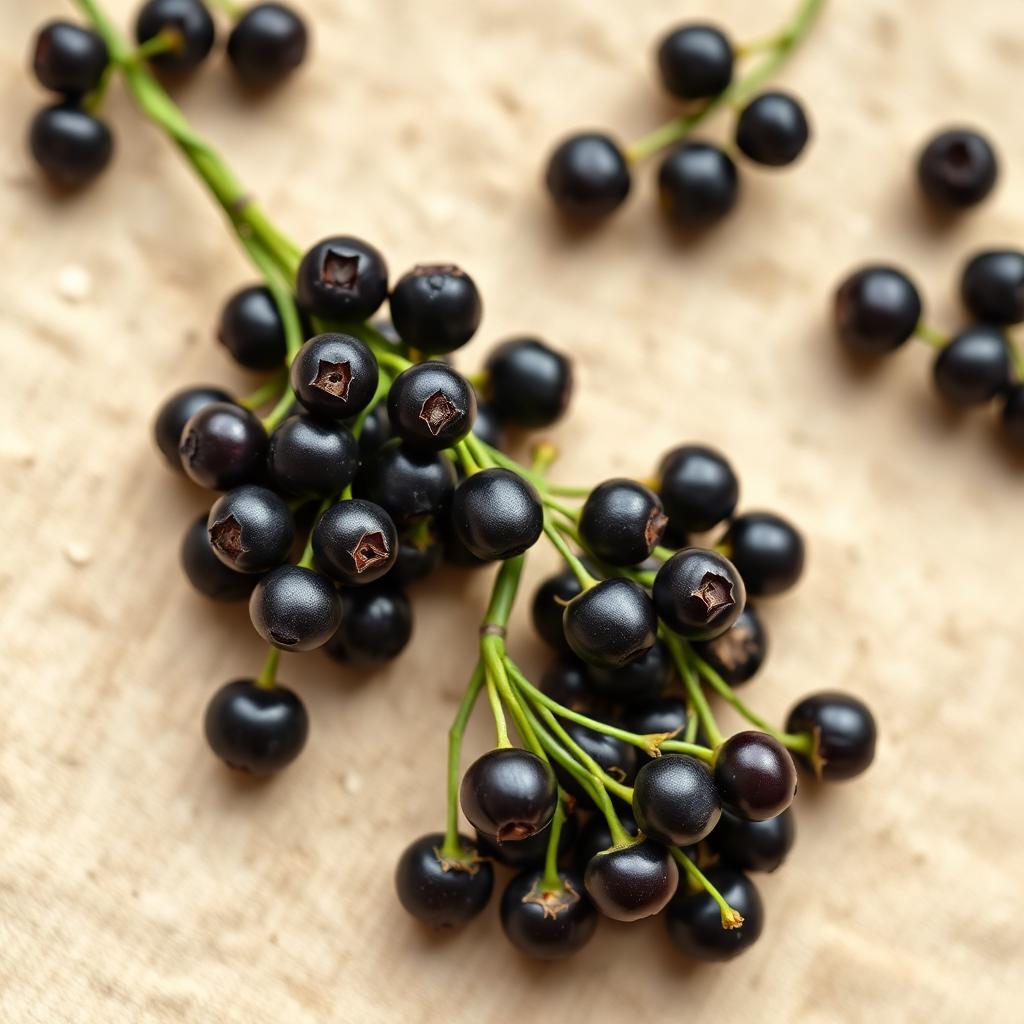
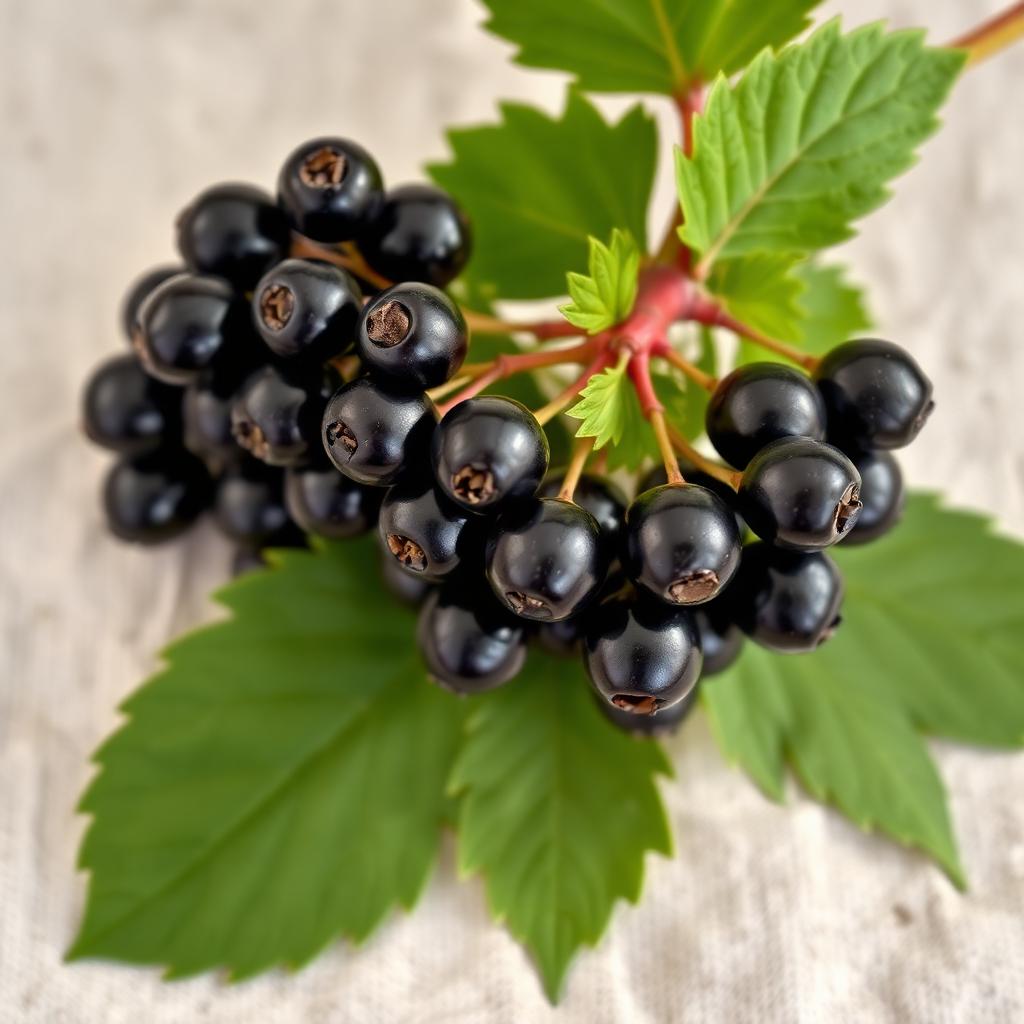
Blackcurrant
Anthocyanin-rich dark berry — one of the most vitamin-C-dense fruits; supports vascular and eye health.

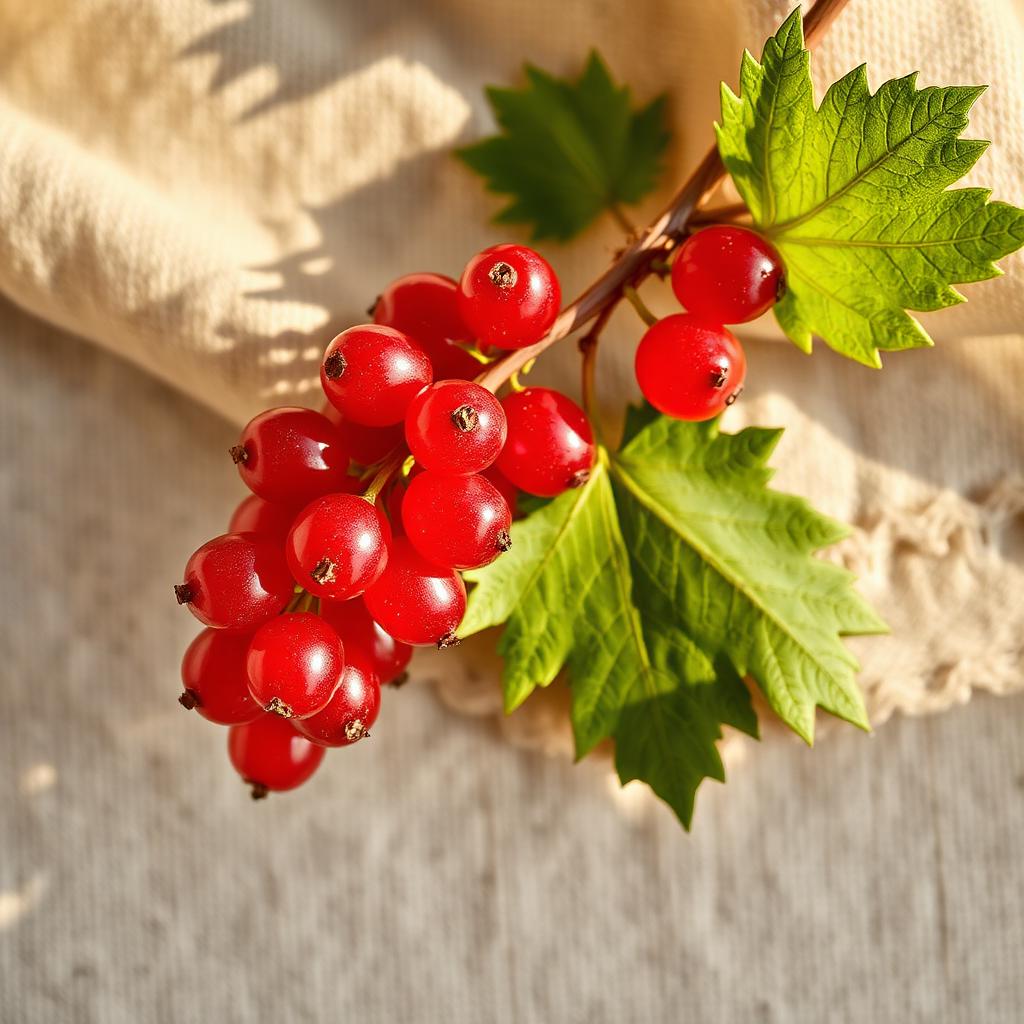
Redcurrant
Translucent red berry rich in vitamin C and pectin; tart, refreshing, and gentle on the gut.

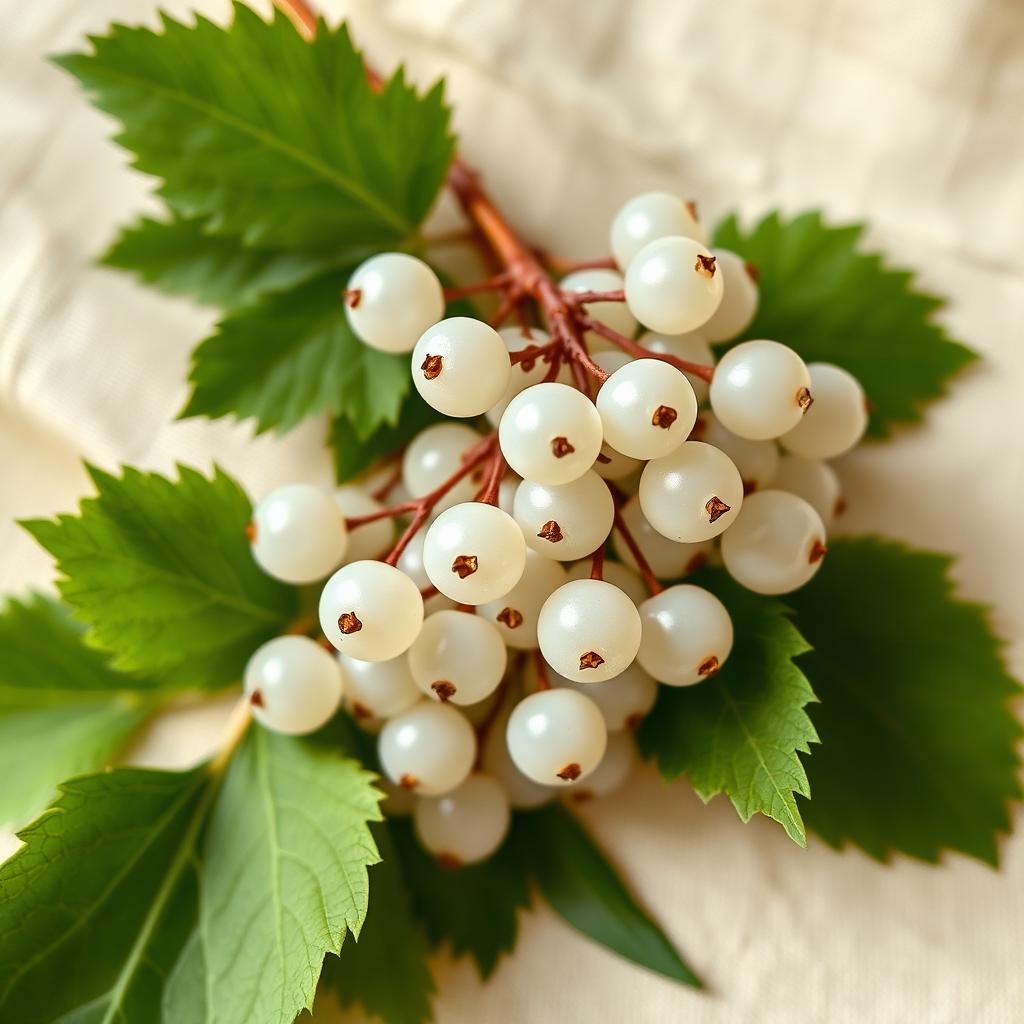
Whitecurrant
Sweetest of the currants — pale, translucent berry rich in vitamin C and gentle fiber.

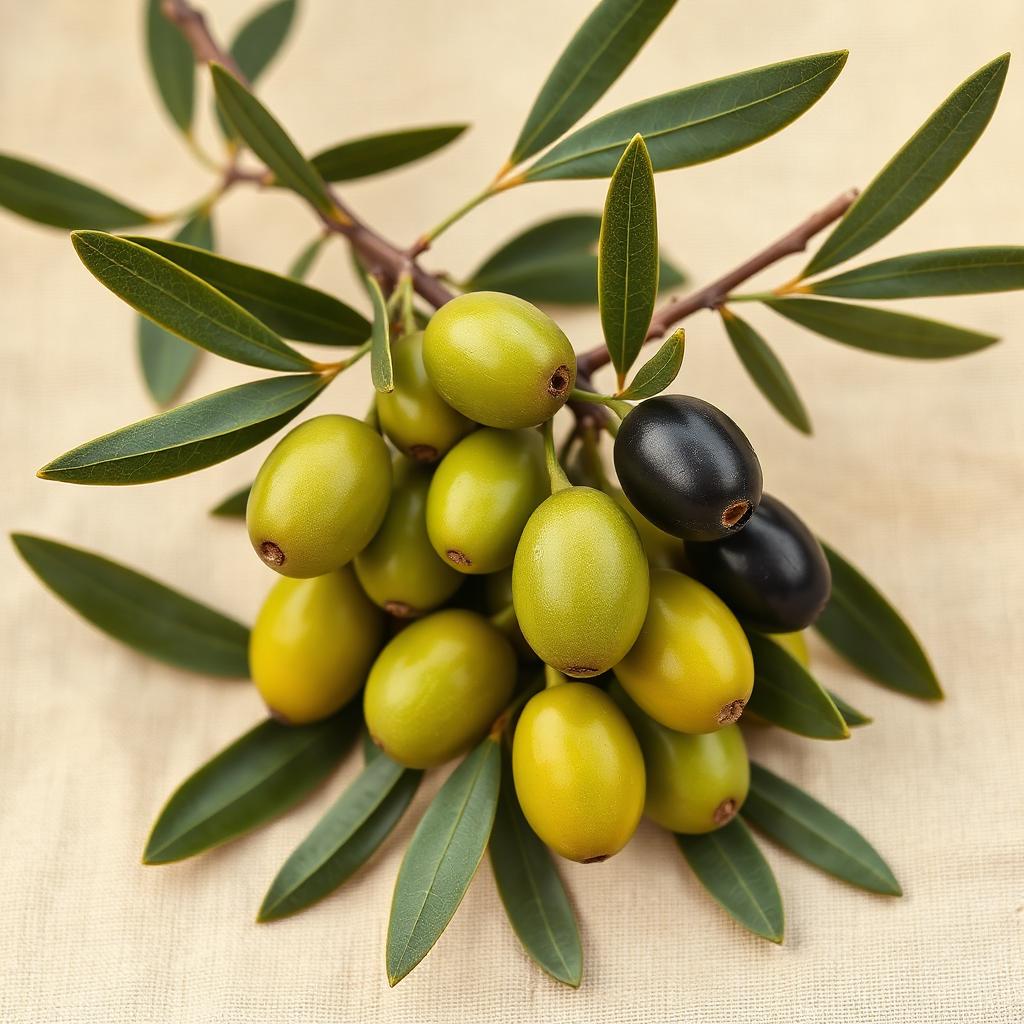
Olive (Fruit)
Zeytoon — the fruit itself; source of monounsaturated fats, polyphenols, and Mediterranean tradition.

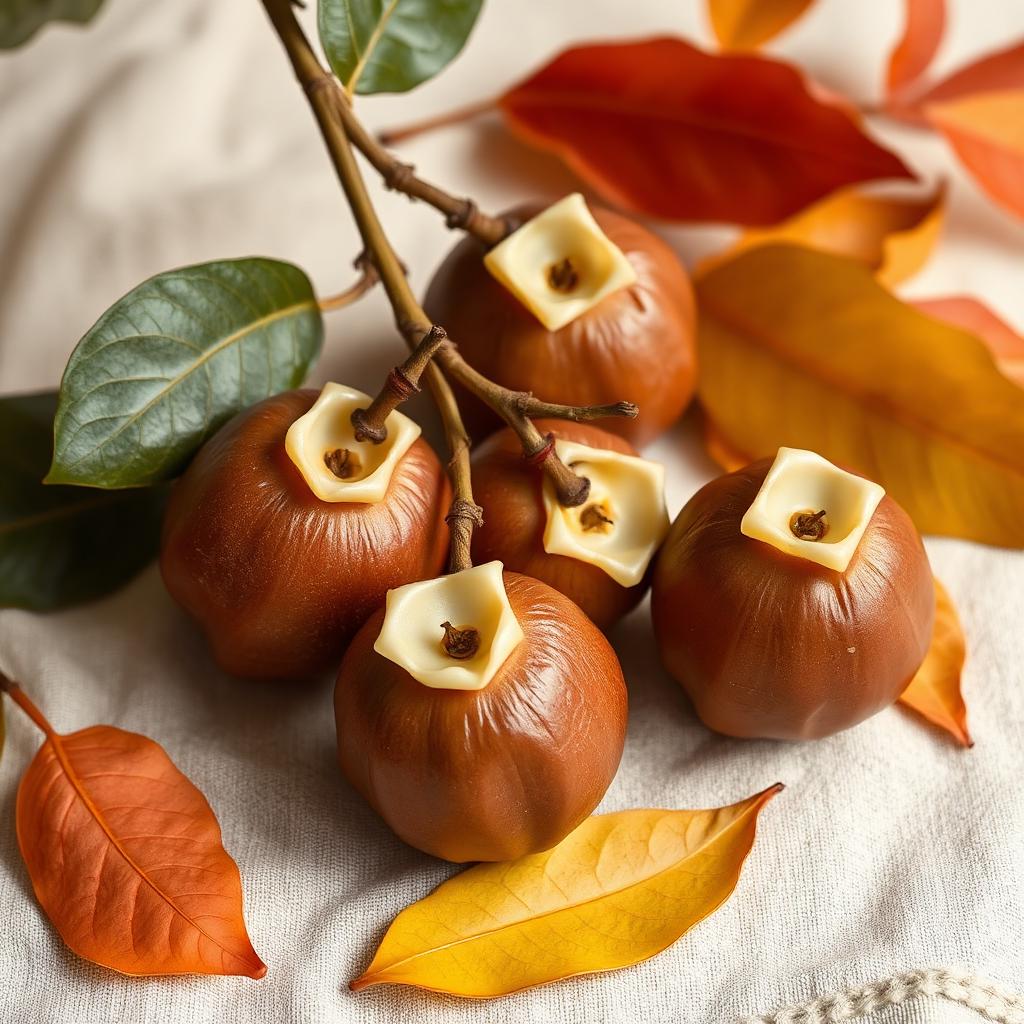
Medlar
Azgil — ancient Persian autumn fruit eaten bletted; astringent and traditionally used to settle the gut.

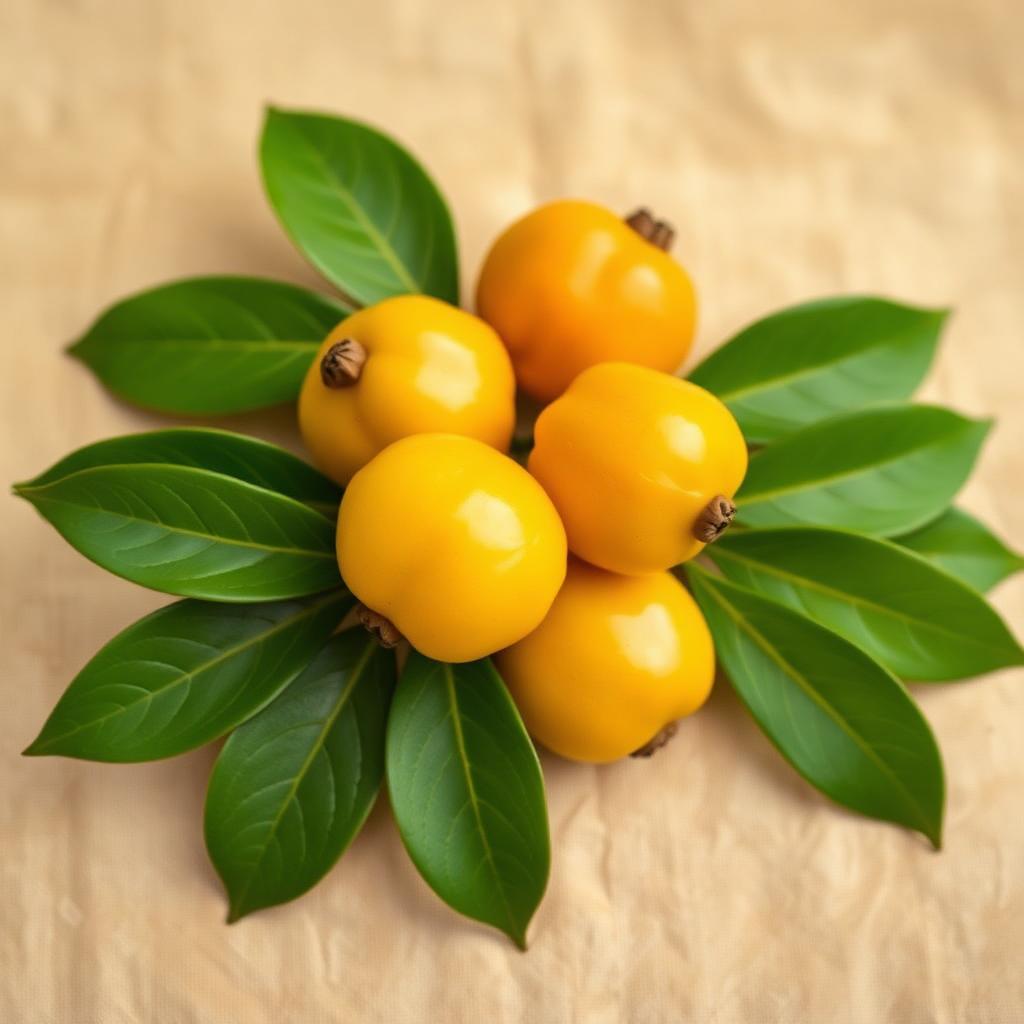
Loquat
Azgil-e zhāponi — golden spring fruit traditionally used to moisten the lungs and ease cough.

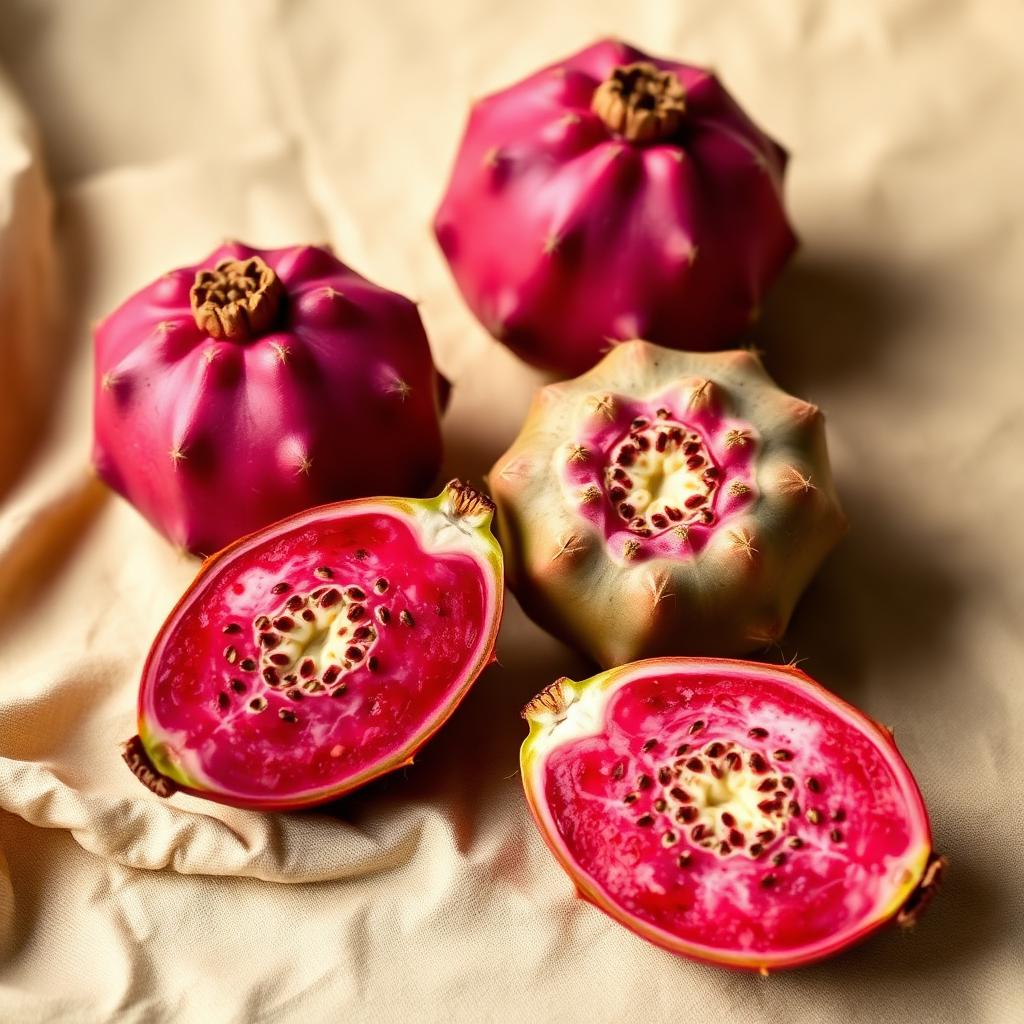
Prickly Pear
Anjir-e hendi — cactus fruit rich in betalains, fiber, and vitamin C; hydrates and supports metabolism.

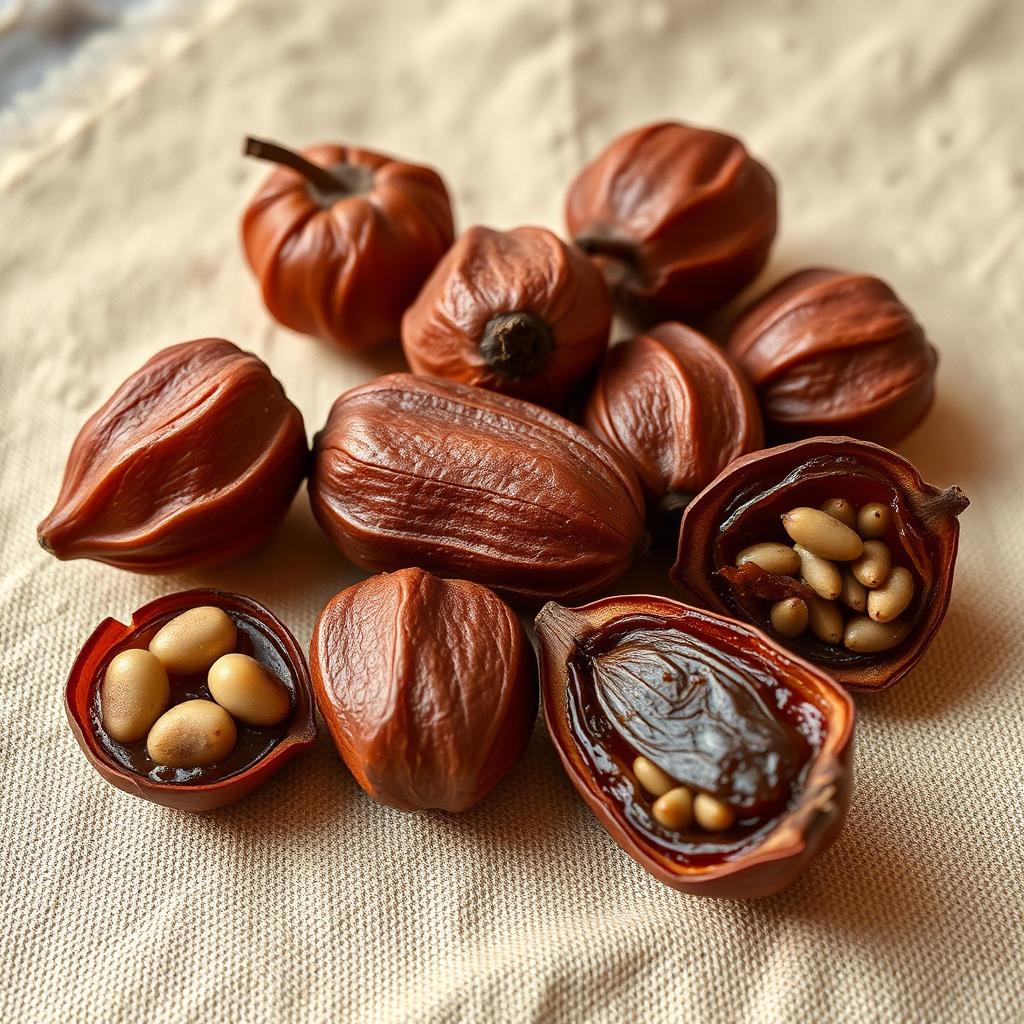
Tamarind
Tamr-e hendi — sweet-tart pod traditionally used to cool the body, aid digestion, and gently move the bowels.

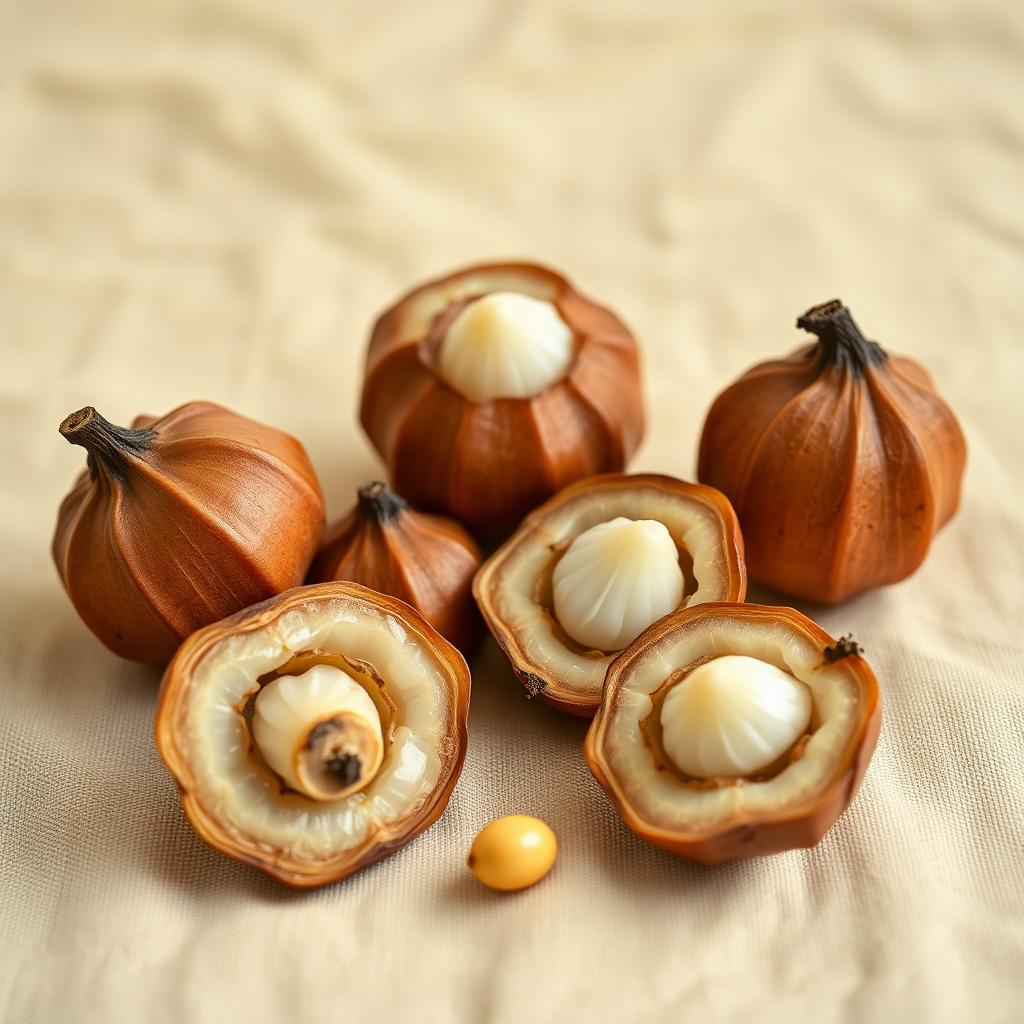
Longan
Dragon-eye fruit — translucent tropical drupe traditionally used to nourish the blood and calm the mind.

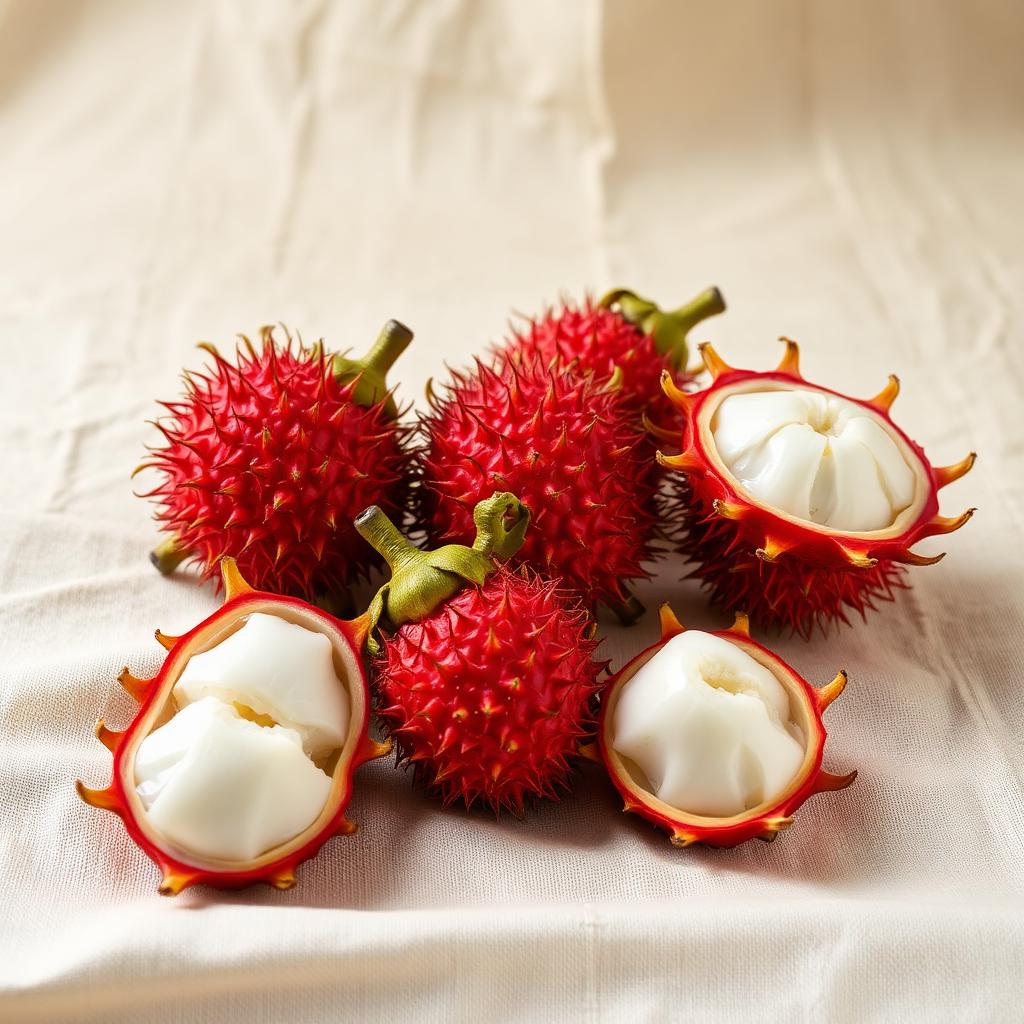
Rambutan
Hairy red tropical fruit related to lychee; sweet translucent flesh rich in vitamin C.

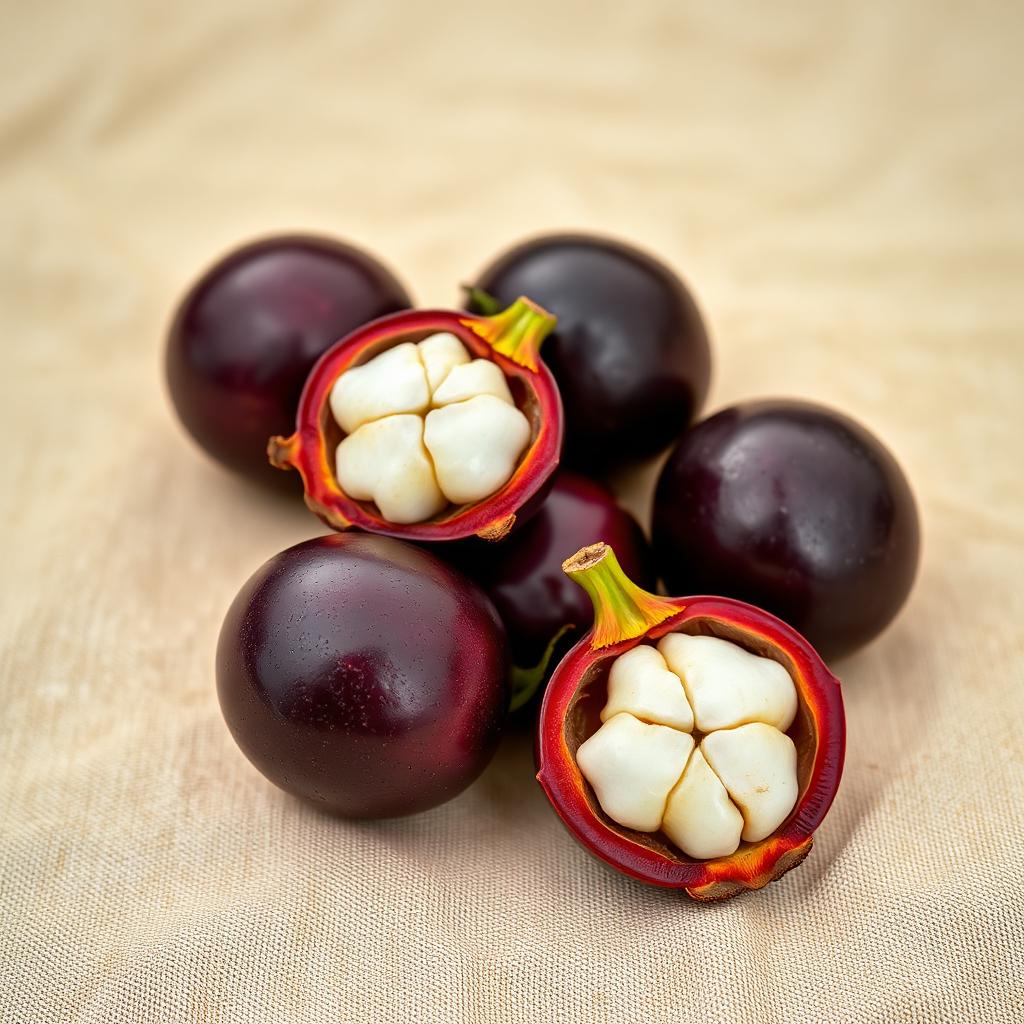
Mangosteen
Queen of tropical fruits — segmented white flesh rich in xanthones and antioxidants.

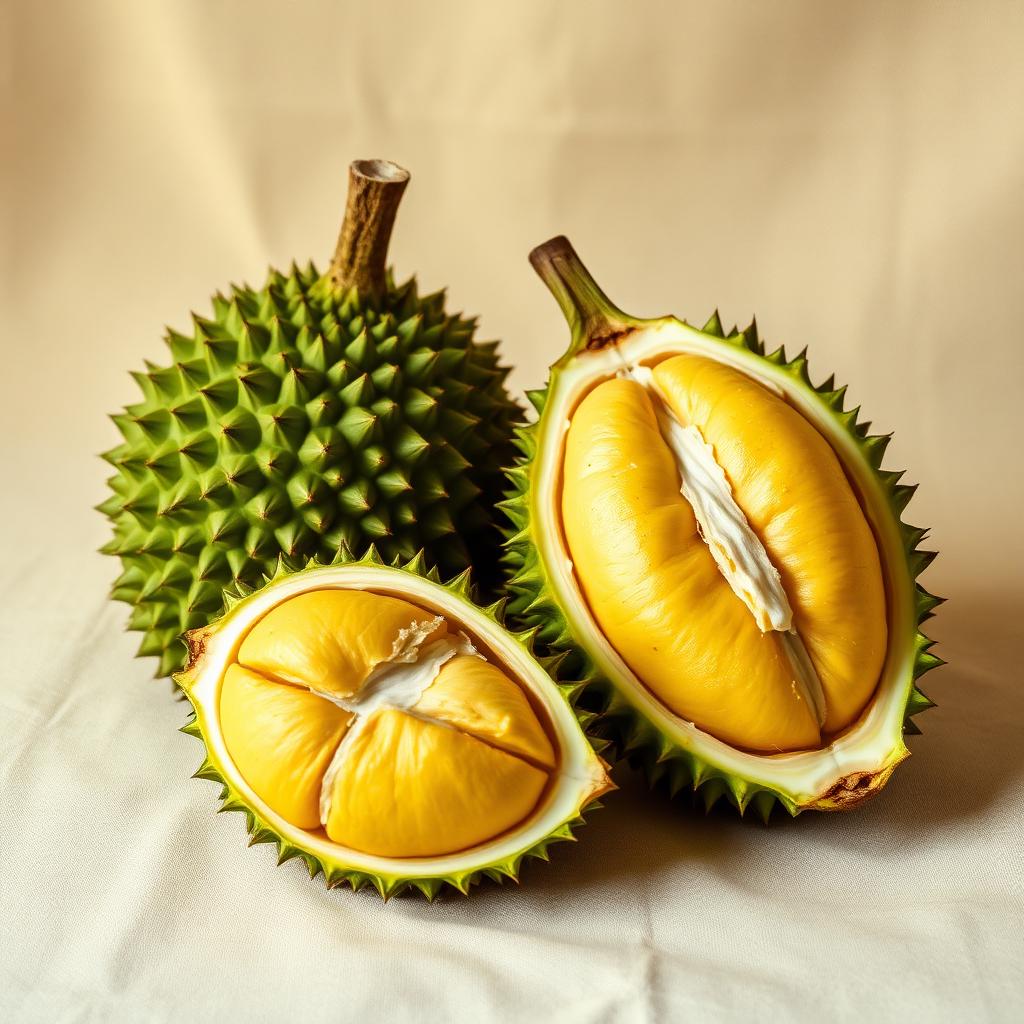
Durian
King of tropical fruits — custardy, aromatic flesh rich in healthy fats, potassium, and B vitamins.

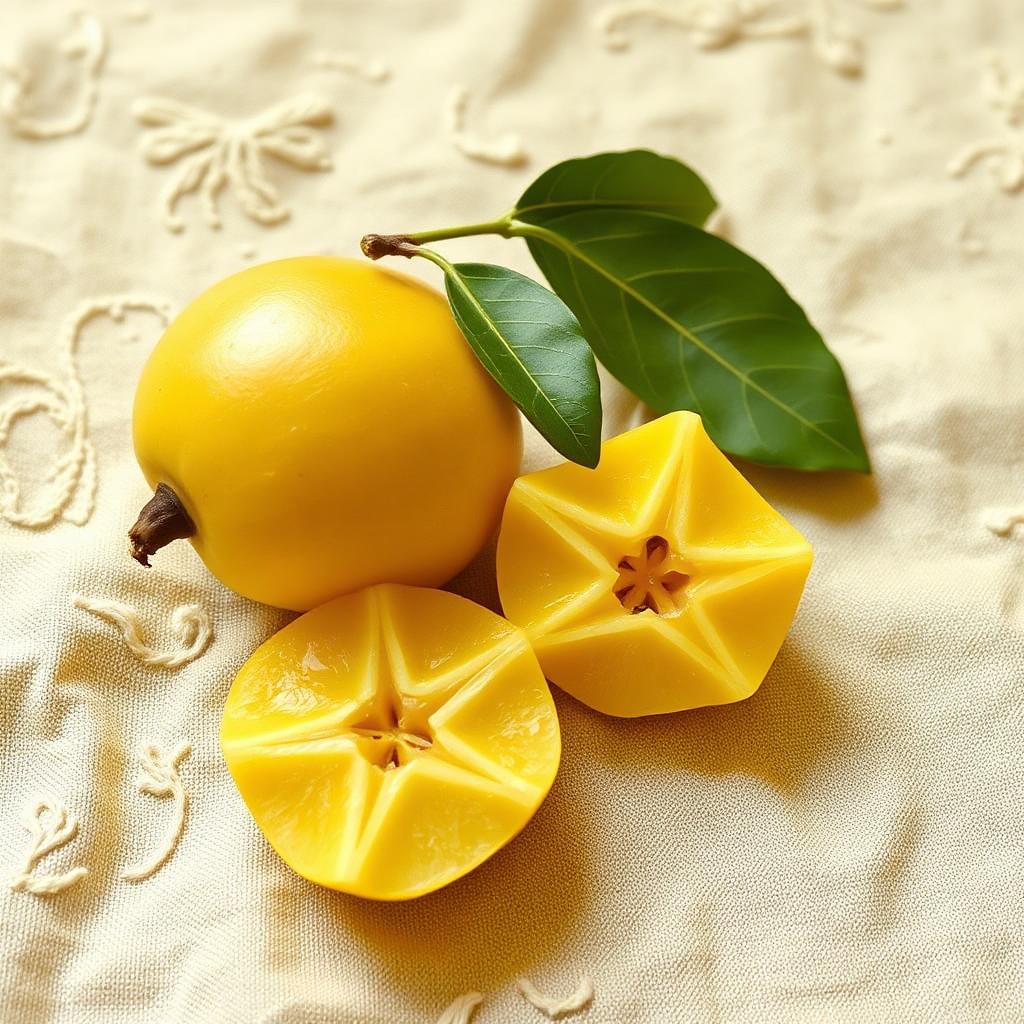
Persian Sweet Lemon
Limu shirin — Persian sweet lemon with pale-yellow rind and mild, low-acid flesh; traditionally sipped to hydrate, soothe colds, and support digestion.
Fruits — Nature's Functional Foods
From pomegranate and dates to apple and quince, fruits deliver fiber, polyphenols, and micronutrients in a naturally portioned package. Persian medicine reads each fruit as a precise tool for temperament and season.
Why this matters
- Whole fruit intake is inversely associated with cardiovascular disease, stroke, type 2 diabetes, and total mortality.
- Fiber and polyphenols feed the gut microbiome — the foundation of immune, mood, and metabolic health.
- Seasonal fruit is one of the cheapest, most accessible upgrades to any diet.
- Pomegranate juice lowers systolic blood pressure by ~5 mmHg in meta-analyses (Pharmacol Res, 2017).
- Daily date consumption (3–7/day) improves lipid profile and bowel regularity without raising blood sugar in healthy adults (Br J Nutr, 2014).
- Apple intake is linked to lower stroke risk and improved gut barrier function (BMJ, 2013).
- Polyphenols like ellagic acid (pomegranate), anthocyanins (sour cherry, mulberry), and quercetin (apple) protect blood vessels and brain.
- Fiber from whole fruit supports stable blood sugar — critical for healthy aging.
- Vitamin C from citrus and barberry supports collagen and immune resilience.
- Eat fruit whole rather than juiced to preserve fiber and slow glucose absorption.
- Pair fruit with nuts or yogurt to blunt blood sugar spikes.
- Dried fruit (dates, figs, apricots) is concentrated — use 2–4 pieces, not handfuls.
Related Conditions
Explore Related Libraries
Frequently Asked Questions
How much fruit per day is ideal?
Most guidelines recommend 2–4 servings (about 2 cups) of whole fruit per day. People with diabetes should favor lower-glycemic fruits — berries, apple, pear, sour cherry — and pair with protein or fat.
Is dried fruit as healthy as fresh?
Dried fruit keeps most fiber and minerals but concentrates sugar. A handful of dates or apricots equals several pieces of fresh fruit — portion accordingly.