Overview
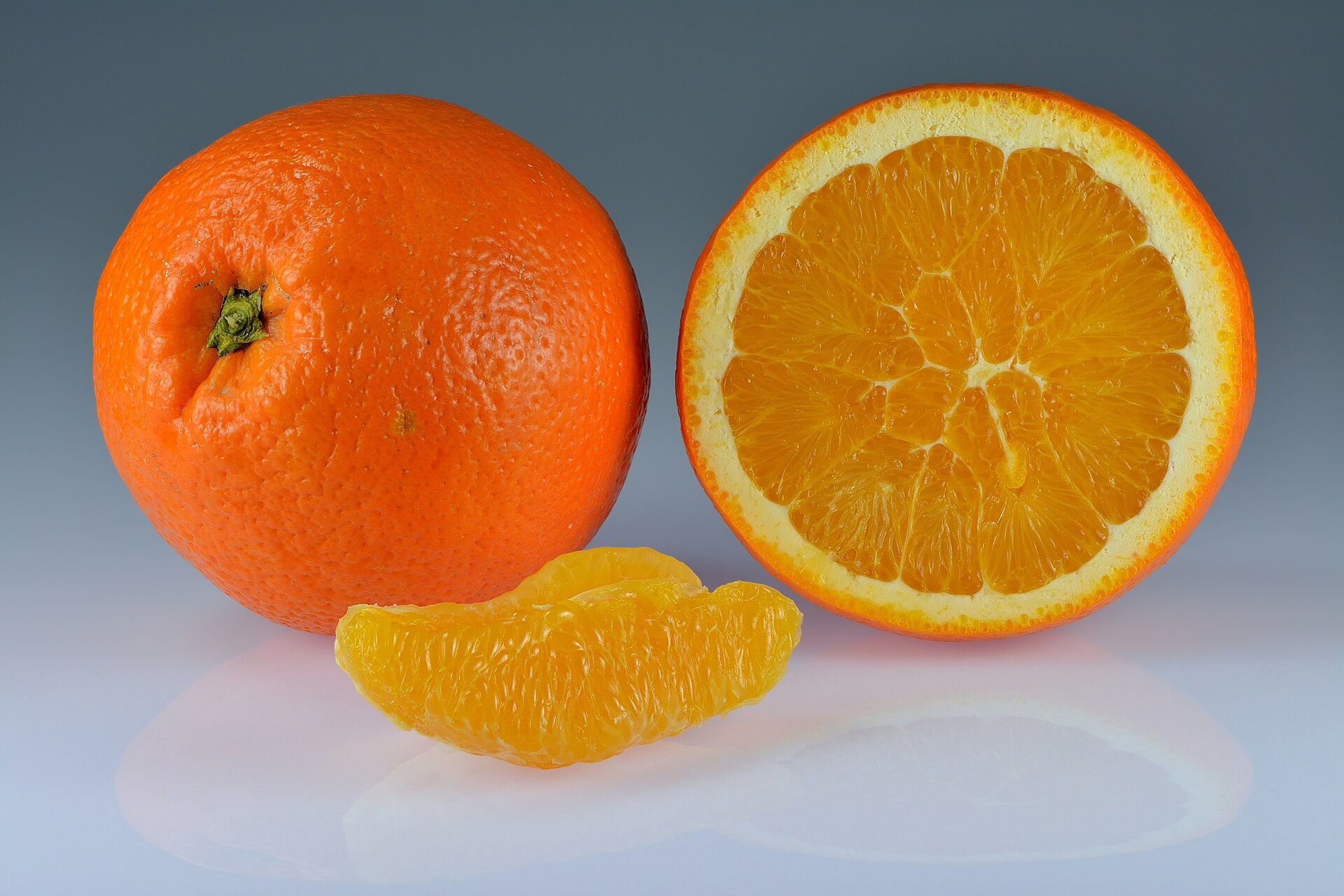
Sweet oranges arrive in Iranian and Mediterranean kitchens through the winter — eaten in slices, juiced fresh, or blossom-distilled into bahar narenj for nerves and sleep. Beyond vitamin C they deliver flavonoids like hesperidin that support blood vessels.
What to know in 30 seconds
- Vitamin C supports immunity and collagen
- Hesperidin and naringenin support blood vessels
- Soluble fiber (whole fruit) supports cholesterol and gut
- Hydrating with natural electrolytes
Why this matters for everyday wellness
Orange earns a place in a healthy-aging routine because it combines vitamin c supports immunity and collagen with hesperidin and naringenin support blood vessels — a rare combination that supports the cardiovascular, metabolic, and cellular systems that drive how we age.
Practical everyday uses
- Eat the whole fruit for fiber instead of juice
- Squeeze fresh juice — drink within minutes for highest vitamin C
- Add zest to salads, yogurt, and saffron rice
Traditional Persian perspective
Historical & cultural knowledge passed down through generations — not a medical claim.
Persian medicine considers orange cool and moist — refreshing the heart, lifting mood, and supporting the lungs in winter.
Vitamin C supports immunity and collagen · Hesperidin and naringenin support blood vessels · Soluble fiber (whole fruit) supports cholesterol and gut
Orange-blossom water (bahar narenj) is one of Persia's prized distillates, sprinkled into sweets and stirred into calming bedtime drinks.
Healthy aging relevance
Vitamin C is one of the most studied nutrients for healthy aging — supporting immunity, collagen, and antioxidant defenses. Whole oranges deliver vitamin C alongside hesperidin, a flavonoid linked to vascular health. A daily orange is a quietly powerful aging-well habit, especially in winter when fresh produce is limited.
Modern scientific evidence
Benefits supported by peer-reviewed studies & contemporary nutrition science — informational only, not medical advice.
- Vitamin C supports immunity and collagen
- Hesperidin and naringenin support blood vessels
- Soluble fiber (whole fruit) supports cholesterol and gut
- Hydrating with natural electrolytes
Nutritional profile
- Vitamin C
- Folate
- Thiamin (B1)
- Potassium
- Calcium
- Hesperidin
- Naringenin
- Beta-cryptoxanthin
Traditional Persian medicine uses
- Fresh orange juice (ab-porteghal) at breakfast as a winter immune tonic
- Orange-blossom water (bahar narenj) stirred into warm water for nerves and sleep
- Orange peel candied with sugar and saved as a digestif
- Sliced oranges with cinnamon as a winter dessert in Iran
How it's commonly used
- Eat the whole fruit for fiber instead of juice
- Squeeze fresh juice — drink within minutes for highest vitamin C
- Add zest to salads, yogurt, and saffron rice
Safety & cautions
- Juice is concentrated sugar — pair with protein or eat whole fruit
- Citrus may interact with certain blood-pressure and cholesterol medications
Traditional preparation methods
- Eat the whole fruit for fiber, instead of relying on juice
- Drink fresh juice within minutes — vitamin C degrades quickly with air
- Add zest to dressings and rice for hesperidin-rich flavor
- Eat with the white pith — it holds much of the flavonoid content
Related conditions
Traditionally associated — not a treatment claim
Ask Holistic Health AI about Orange
Personalized, evidence-informed guidance from your AI Wellness Coach.
Related Herbs
Related Foods
Related articles
- ImmunityEveryday Habits That Genuinely Support Your Immune System
Beyond echinacea: sleep, diet, movement, and herbs that actually move the needle on immune function.
- Heart Health12 Foods That Genuinely Support Heart Health
A clear, evidence-based food list for protecting your heart — drawn from Mediterranean and traditional dietary patterns.
Frequently asked questions
+How is orange traditionally used?
Persian medicine considers orange cool and moist — refreshing the heart, lifting mood, and supporting the lungs in winter.
Sources & references
- Vitamin C — NIH Office of Dietary Supplements — US NIH ODS
- Hesperidin and vascular function — Meta-analysis — European Journal of Nutrition (PubMed)
- Citrus consumption and cardiovascular disease — Systematic review — Nutrients (NIH PMC)
- Office of Dietary Supplements — Fact Sheets — US National Institutes of Health (NIH)
- Herbal Database — Memorial Sloan Kettering Cancer Center
- Herbs at a Glance — US NIH National Center for Complementary and Integrative Health (NCCIH)
- FoodData Central — searchable nutrient database — US Department of Agriculture (USDA)
- The Nutrition Source — Harvard T.H. Chan School of Public Health
- PubMed — peer-reviewed biomedical literature — US National Library of Medicine