Overview
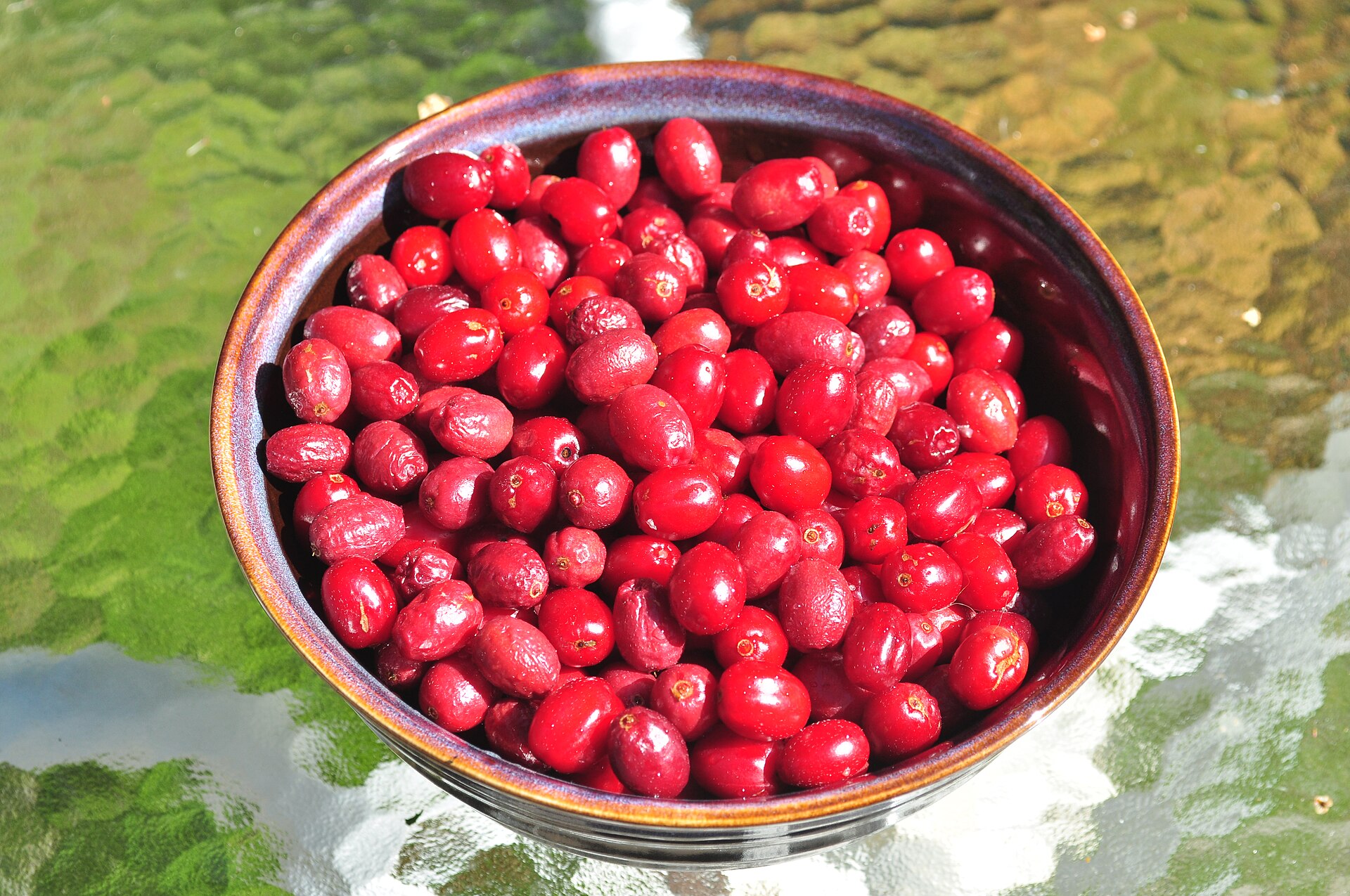
Cornelian cherries are small, oval, ruby fruits with a sharp, tart flavor — eaten fresh in late summer, dried into a tangy snack, or simmered into syrups (sharbat) across Iran, Turkey, and the Caucasus. They are exceptionally rich in anthocyanins and vitamin C.
What to know in 30 seconds
- Anthocyanin antioxidants studied for blood sugar and lipids
- Vitamin C and iron support immunity and blood-building
- Traditional cooling remedy for hot, irritated states
- Astringent tannins support gut tone
Why this matters for everyday wellness
Cornelian Cherry earns a place in a healthy-aging routine because it combines anthocyanin antioxidants studied for blood sugar and lipids with vitamin c and iron support immunity and blood-building — a rare combination that supports the cardiovascular, metabolic, and cellular systems that drive how we age.
Practical everyday uses
- Eat fresh in late summer — sprinkle with salt Iranian-style
- Steep dried fruit in hot water for a tart, ruby tea
- Simmer with sugar into sharbat-e zoghal akhteh
Traditional Persian perspective
Historical & cultural knowledge passed down through generations — not a medical claim.
Persian medicine considers cornelian cherry cool and dry — cooling for the liver, refreshing for the blood, and supportive of healthy blood sugar and lipids.
Anthocyanin antioxidants studied for blood sugar and lipids · Vitamin C and iron support immunity and blood-building · Traditional cooling remedy for hot, irritated states
Tehran's summer streets sell zoghal akhteh sprinkled with salt — a beloved sour-fruit snack of Iranian childhood.
Healthy aging relevance
Cornelian cherries are one of the most anthocyanin-dense fruits on earth — supporting cardiovascular, metabolic, and cellular aging. Early clinical work suggests benefit for blood sugar and lipid markers. A small daily portion (fresh, dried, or as unsweetened sharbat) is a flavorful way to add deeply pigmented antioxidants to an aging-well pattern.
Modern scientific evidence
Benefits supported by peer-reviewed studies & contemporary nutrition science — informational only, not medical advice.
- Anthocyanin antioxidants studied for blood sugar and lipids
- Vitamin C and iron support immunity and blood-building
- Traditional cooling remedy for hot, irritated states
- Astringent tannins support gut tone
Nutritional profile
- Vitamin C (very high)
- Vitamin A
- Iron
- Potassium
- Calcium
- Anthocyanins
- Loganic acid
- Ellagic acid
Traditional Persian medicine uses
- Sharbat-e zoghal akhteh — cornelian cherry syrup with cold water as a summer cooler
- Dried cornelian cherries brewed into a tart, ruby tea
- Fresh zoghal akhteh with salt as an Iranian street snack
- Traditional decoctions for diarrhea and digestive astringency
How it's commonly used
- Eat fresh in late summer — sprinkle with salt Iranian-style
- Steep dried fruit in hot water for a tart, ruby tea
- Simmer with sugar into sharbat-e zoghal akhteh
Safety & cautions
- Highly tart — protect tooth enamel by rinsing after eating
- Pits — eat around them
Traditional preparation methods
- Wash and eat fresh in late summer when in season
- Simmer dried fruit with water and a little honey for a tart drink
- Add a tablespoon of dried fruit to ash and stews for a Caucasian-Persian tang
- Avoid crushing pits — eat around them
Related conditions
Traditionally associated — not a treatment claim
Ask Holistic Health AI about Cornelian Cherry
Personalized, evidence-informed guidance from your AI Wellness Coach.
Related articles
- NutritionAnti-Inflammatory Foods That Actually Earn Their Reputation
Cutting through 'superfood' marketing to focus on the foods with the strongest evidence for reducing chronic inflammation.
- Healthy AgingHealthy Aging Starts in the Kitchen
Dietary patterns that quietly add years and quality of life — drawn from the world's longest-lived populations.
Frequently asked questions
+How is cornelian cherry traditionally used?
Persian medicine considers cornelian cherry cool and dry — cooling for the liver, refreshing for the blood, and supportive of healthy blood sugar and lipids.
Sources & references
- Cornus mas — Phytochemistry and biological activities review — Journal of Ethnopharmacology (PubMed)
- Cornelian cherry and glycemic control in type 2 diabetes — RCT — Journal of Endocrinological Investigation (PubMed)
- Anthocyanin-rich fruits and cardiometabolic health — Review — Nutrients (NIH PMC)
- Office of Dietary Supplements — Fact Sheets — US National Institutes of Health (NIH)
- Herbal Database — Memorial Sloan Kettering Cancer Center
- Herbs at a Glance — US NIH National Center for Complementary and Integrative Health (NCCIH)
- FoodData Central — searchable nutrient database — US Department of Agriculture (USDA)
- The Nutrition Source — Harvard T.H. Chan School of Public Health
- PubMed — peer-reviewed biomedical literature — US National Library of Medicine