Overview
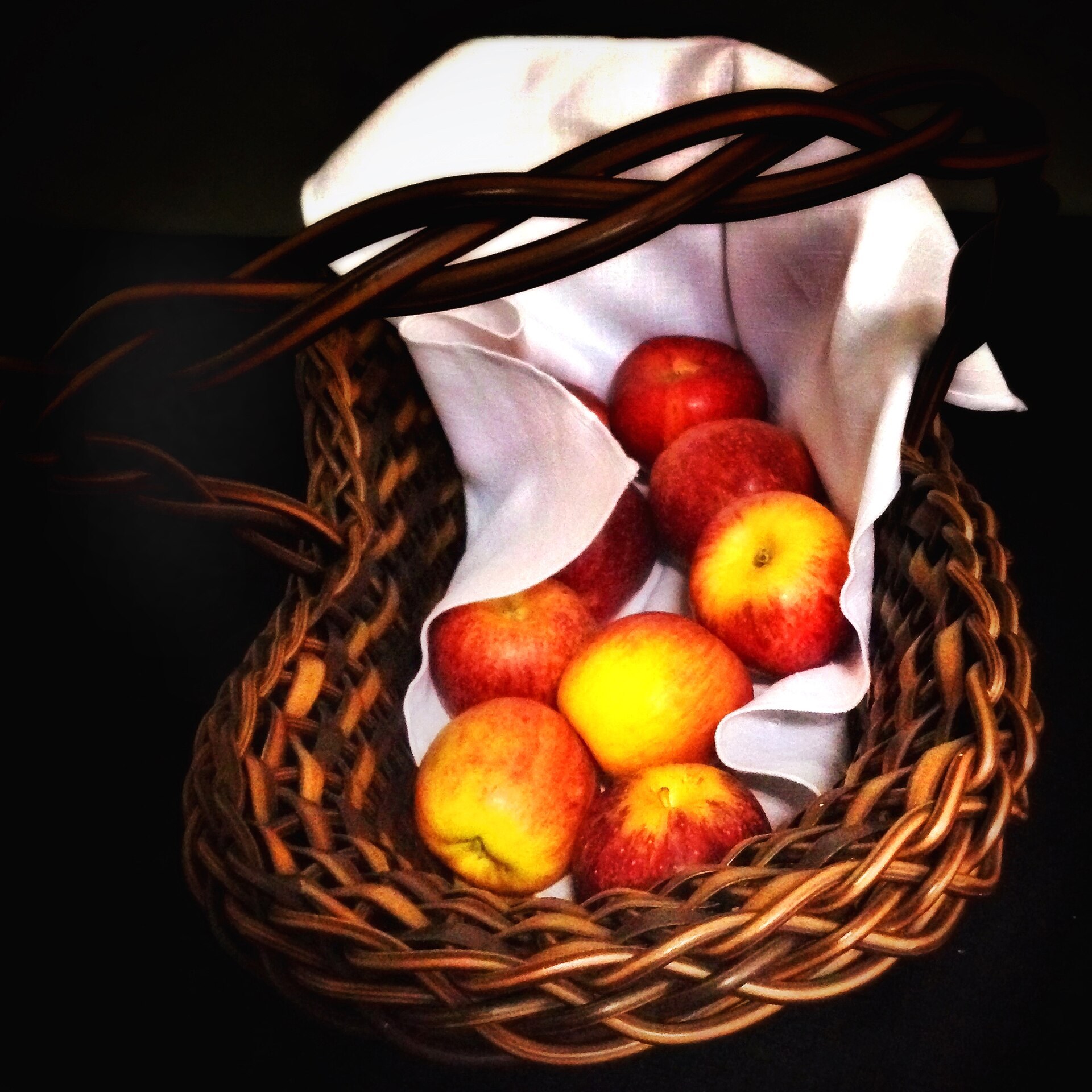
Apples are among the most studied everyday fruits — soluble pectin fiber, polyphenols like quercetin, and a low glycemic load make them a quiet powerhouse for daily wellness. Persian and European traditions share the wisdom of a daily apple for digestion and longevity.
What to know in 30 seconds
- Soluble pectin fiber supports gut bacteria and cholesterol
- Quercetin and catechins linked to heart and respiratory health
- Steady, low glycemic energy
- Hydrating and naturally sweet
Why this matters for everyday wellness
Apple earns a place in a healthy-aging routine because it combines soluble pectin fiber supports gut bacteria and cholesterol with quercetin and catechins linked to heart and respiratory health — a rare combination that supports the cardiovascular, metabolic, and cellular systems that drive how we age.
Practical everyday uses
- Eat whole with the peel — most polyphenols are in the skin
- Grate raw into yogurt and oats for breakfast
- Stew with cinnamon and a splash of water for a gentle gut soother
Traditional Persian perspective
Historical & cultural knowledge passed down through generations — not a medical claim.
Persian and Greek medicine consider apples cool and moist — gentle on the heart, calming for the spirit, and steadying for digestion when eaten with the peel.
Soluble pectin fiber supports gut bacteria and cholesterol · Quercetin and catechins linked to heart and respiratory health · Steady, low glycemic energy
Apples appear on the Yalda night table alongside pomegranate and watermelon — fruits of long life and the winter solstice.
Healthy aging relevance
Apples deliver soluble pectin fiber and quercetin — both linked in population studies to lower cardiovascular and respiratory disease. A daily apple is one of the simplest, most accessible aging-well habits, and the prebiotic fiber feeds a diverse gut microbiome that becomes harder to maintain with age.
Modern scientific evidence
Benefits supported by peer-reviewed studies & contemporary nutrition science — informational only, not medical advice.
- Soluble pectin fiber supports gut bacteria and cholesterol
- Quercetin and catechins linked to heart and respiratory health
- Steady, low glycemic energy
- Hydrating and naturally sweet
Nutritional profile
- Vitamin C
- Vitamin K
- Potassium
- Copper
- Quercetin
- Catechin
- Chlorogenic acid
- Phloridzin
Traditional Persian medicine uses
- Persian and European tradition: an apple a day to keep the digestion regular
- Steamed apple with cinnamon as a gentle remedy for mild diarrhea in children (pectin)
- Grated apple left to brown slightly — a folk remedy for upset stomach
- Apple with walnuts and cheese as a balanced afternoon snack
How it's commonly used
- Eat whole with the peel — most polyphenols are in the skin
- Grate raw into yogurt and oats for breakfast
- Stew with cinnamon and a splash of water for a gentle gut soother
Safety & cautions
- Choose organic when possible — conventional apples carry higher pesticide residue
- Apple seeds contain trace cyanogenic compounds — do not chew handfuls
Traditional preparation methods
- Eat whole, with the skin on — most polyphenols and fiber are in the skin
- Choose organic when possible — apples carry one of the higher pesticide loads
- Bake or stew with cinnamon for a warming winter dessert
- Pair with a source of protein or fat to slow blood-sugar rise
Related conditions
Traditionally associated — not a treatment claim
Ask Holistic Health AI about Apple
Personalized, evidence-informed guidance from your AI Wellness Coach.
Related Herbs
Related Foods
Related articles
Frequently asked questions
+How is apple traditionally used?
Persian and Greek medicine consider apples cool and moist — gentle on the heart, calming for the spirit, and steadying for digestion when eaten with the peel.
Sources & references
- Apple intake and cardiovascular disease — Prospective cohort — American Journal of Clinical Nutrition (PubMed)
- Quercetin and respiratory health — Review — Nutrients (NIH PMC)
- Apple polyphenols and the gut microbiome — Food & Function (PubMed)
- Office of Dietary Supplements — Fact Sheets — US National Institutes of Health (NIH)
- Herbal Database — Memorial Sloan Kettering Cancer Center
- Herbs at a Glance — US NIH National Center for Complementary and Integrative Health (NCCIH)
- FoodData Central — searchable nutrient database — US Department of Agriculture (USDA)
- The Nutrition Source — Harvard T.H. Chan School of Public Health
- PubMed — peer-reviewed biomedical literature — US National Library of Medicine