Herb Library
Peach Blossom
گل هلو

Peach Blossom

Prunus persica (flos)
Cool · Moist

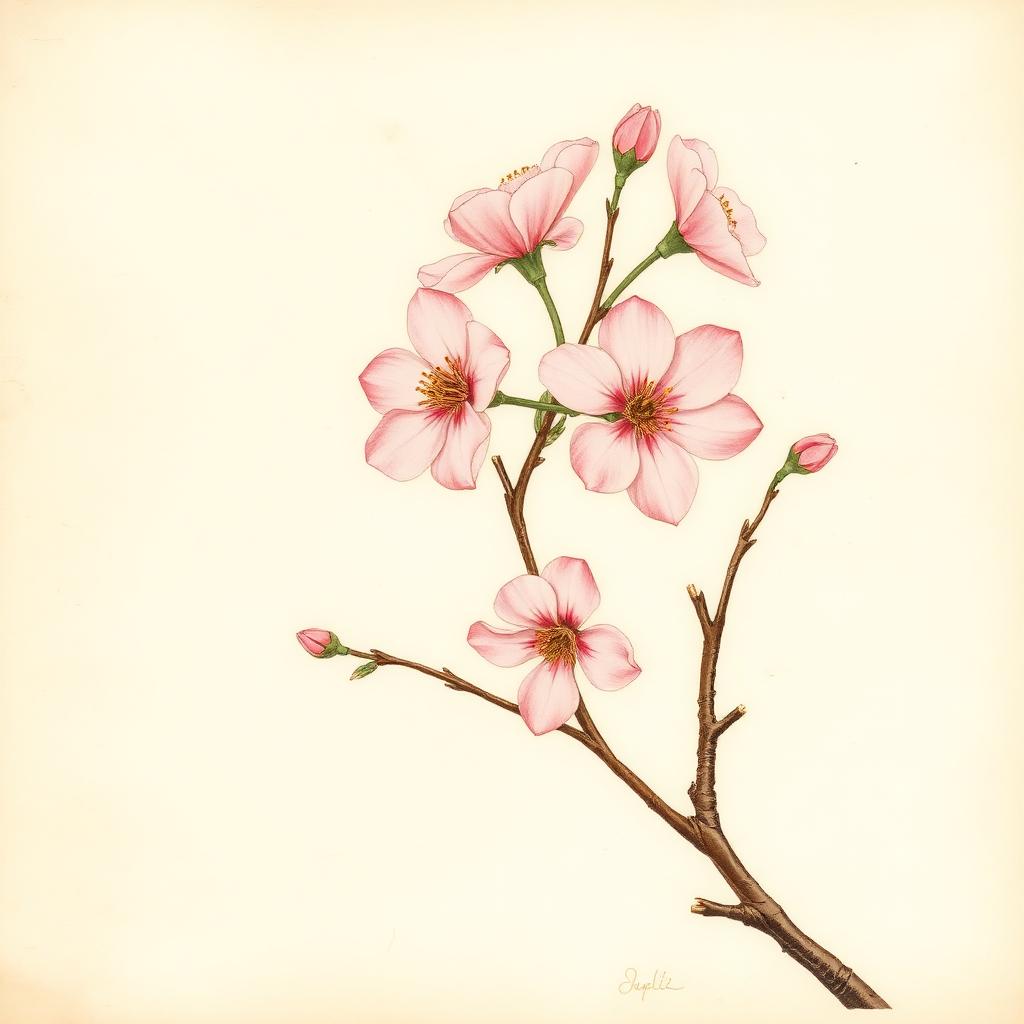
Peach blossom — Persian gol-e holu (گل هلو). Delicate spring flower traditionally used as a gentle laxative, calming infusion, and skin-soothing wash.

Overview

When the peach orchards of northern Iran bloom in early spring, the petals are gathered and shade-dried for use throughout the year. Classical Persian medicine considers the flower distinctly different from the fruit — softer, slightly cooler, and gently laxative. It is one of the traditional first-line remedies for stubborn constipation in elders and for restless, overheated children.

Scientific name
Prunus persica (flos)
Plant family
Rosaceae (rose family)

Botanical descriptionSoft pink five-petaled blossoms appearing in early spring on bare peach branches before leaves emerge. Only the dried flowers (gol-e holu) are used in traditional Persian medicine — distinct from the fruit (holu) and the leaf.

Key Takeaways

What to know in 30 seconds

  • Traditional mild and gentle laxative — safer than stimulant herbs for elders
  • Mild anti-inflammatory polyphenols
  • Calming for an overheated, restless mizāj
  • Skin-soothing topical applications
Why It Matters

Why this matters for everyday wellness

Peach Blossom earns a place in a healthy-aging routine because it combines traditional mild and gentle laxative — safer than stimulant herbs for elders with mild anti-inflammatory polyphenols — a rare combination that supports the cardiovascular, metabolic, and cellular systems that drive how we age.

Practical Everyday Uses

Practical everyday uses

  • Tea: 1 tsp dried blossoms in 1 cup just-boiled water, steep 10 min, drink warm
  • Children's blend: peach blossom + rose + a little honey (over age 1)
  • Topical: cool the strained tea, use as a gentle face splash
Source: Traditional Persian Wisdom

Traditional Persian perspective

Historical & cultural knowledge passed down through generations — not a medical claim.

Historical use

Persian medicine considers gol-e holu cool and moist (سرد و تر) — gently softening, moistening for a dry intestine, and calming for an overheated mind. Avicenna lists it among the safest mild laxatives, paired with rose and violet for the elderly.

Traditional applications

Traditional mild and gentle laxative — safer than stimulant herbs for elders · Mild anti-inflammatory polyphenols · Calming for an overheated, restless mizāj

Cultural significance

Used across household wellness traditions as a culinary herb with daily-life relevance.

Healthy Aging

Healthy aging relevance

In a healthy-aging context, peach blossom bridges tradition and science: persian medicine considers gol-e holu cool and moist (سرد و تر) — gently softening, moistening for a dry intestine, and calming for an overheated mind. Avicenna lists it among the safest mild laxatives, paired with rose and violet for the elderly, while modern research highlights its role in the same pathways — inflammation, vascular health, and cellular resilience — that compound over decades to shape how we feel in our 60s, 70s, and beyond.

Source: Modern Scientific Research

Modern scientific evidence

Benefits supported by peer-reviewed studies & contemporary nutrition science — informational only, not medical advice.

  • Traditional mild and gentle laxative — safer than stimulant herbs for elders
  • Mild anti-inflammatory polyphenols
  • Calming for an overheated, restless mizāj
  • Skin-soothing topical applications

Nutritional profile

Antioxidants
  • Polyphenols
  • Flavonoids (kaempferol, quercetin glycosides)
Other notable nutrients
  • Cyanogenic glycosides (in seeds, not flowers — but pick carefully)
Historical Uses

Historical uses across cultures

From classical Persian, Greek, and Islamic-Golden-Age sources.

  • Mild infusion for chronic constipation in older adults
  • Calming tea for restless, overheated children
  • Cooling face wash for sun-irritated skin
  • Component of traditional anti-fever herbal blends
Internal Uses

Taken internally

  • Damkardeh: 1 tsp dried blossoms in 1 cup hot water, 10 min, sipped warm at bedtime for gentle laxative effect
  • Combined with rose petals and violet for children's calming tea
External Uses

Applied externally

  • Cooled infusion as a face splash for hot, irritated skin
  • Petal-infused oil for dry, reactive skin
Traditional Formulas

Named traditional formulas

  • Gentle Spring Laxative Teaدمنوش ملین بهاری

    Equal parts peach blossom, rose petals, and violet flowers — 1 tsp blend per cup, steeped 10 min, taken at bedtime.

Contraindications

Who should avoid this — and known interactions

  • Pregnancy and breastfeeding (medicinal doses)
  • Children under 1 year
  • Active diarrhea or inflammatory bowel disease
Everyday Use

How it's commonly used

  • Tea: 1 tsp dried blossoms in 1 cup just-boiled water, steep 10 min, drink warm
  • Children's blend: peach blossom + rose + a little honey (over age 1)
  • Topical: cool the strained tea, use as a gentle face splash
Safety

Safety & cautions

  • Use the flowers only — peach seeds contain amygdalin and should not be consumed
  • Avoid medicinal doses in pregnancy
  • Mild laxative — do not combine with other laxatives

Ask Holistic Health AI about Peach Blossom

Personalized, evidence-informed guidance from your AI Wellness Coach.

Open AI Wellness Coach

Related Herbs

Related Foods

Related articles

Frequently asked questions

+How is peach blossom traditionally used?

Persian medicine considers gol-e holu cool and moist (سرد و تر) — gently softening, moistening for a dry intestine, and calming for an overheated mind. Avicenna lists it among the safest mild laxatives, paired with rose and violet for the elderly.

+How do people commonly use Peach Blossom?

Tea: 1 tsp dried blossoms in 1 cup just-boiled water, steep 10 min, drink warm Children's blend: peach blossom + rose + a little honey (over age 1) Topical: cool the strained tea, use as a gentle face splash

References

Sources & references

Reviewed by Holistic Health AI Editorial Team Last updated Traditional wisdom + modern evidence Educational, not medical advice