Herb Library
Cypress
سرو

Cypress

Cupressus sempervirens (Cupressaceae)
Warm · Dry

Cypress — Persian sarv (سرو). Astringent, aromatic cones and foliage traditionally used to tone weak veins, calm excessive sweating, and support respiratory and circulatory health.

Overview

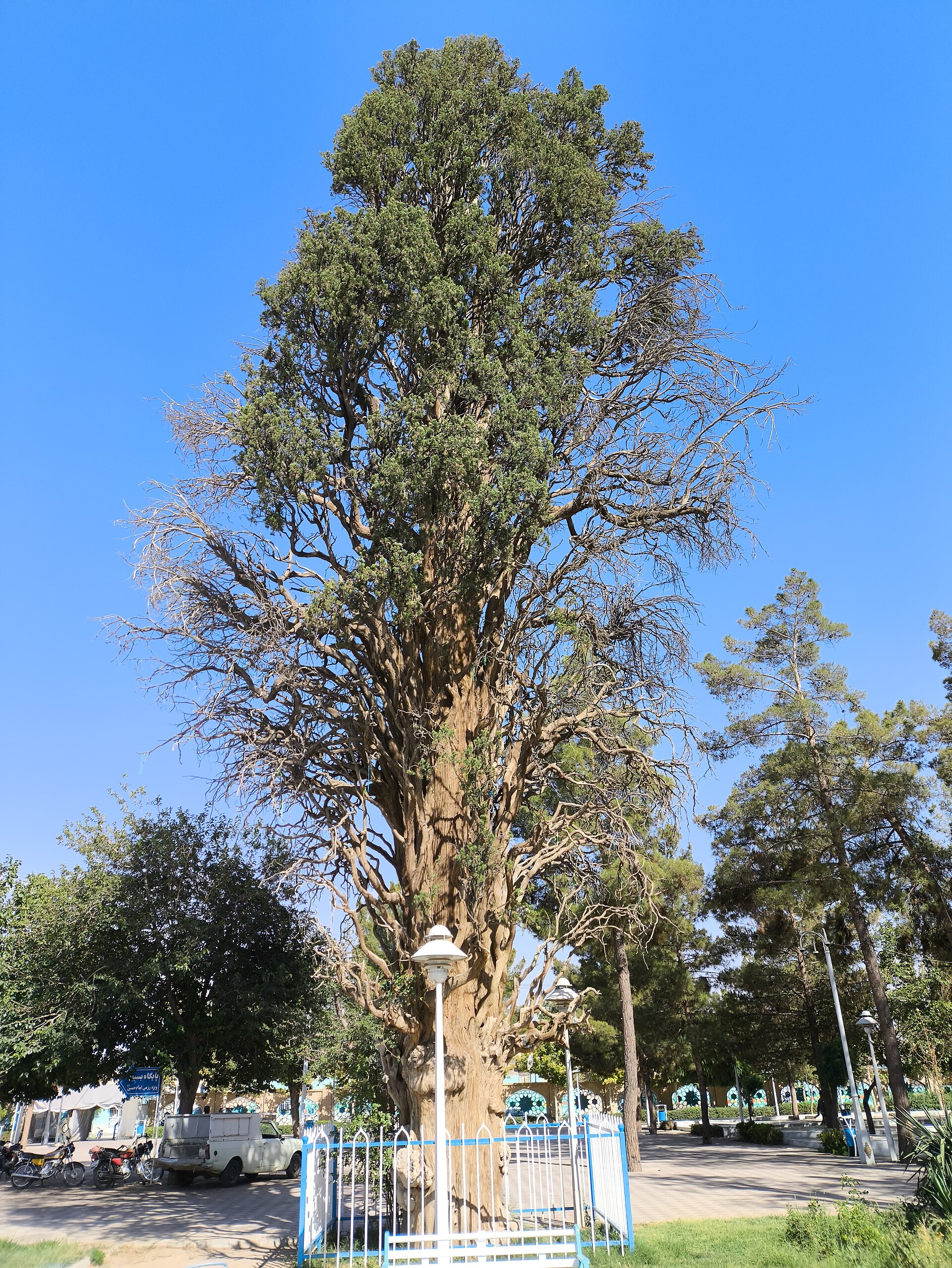
The Mediterranean cypress (Cupressus sempervirens) is one of the oldest cultivated trees of the Persian world. In Saadi's Gulistan and Hafez's Divan the tall, upright سرو is a symbol of dignity, longevity, and resilience — a tree that stays green through every season. Beyond the poetry, traditional Persian and Greco-Arabic medicine has used the small woody cones (jowz-e sarv) and young leafy branches for over two thousand years as a powerful astringent and respiratory tonic.

Key Takeaways

What to know in 30 seconds

  • Astringent cones traditionally used for varicose veins, hemorrhoids, and heavy menstrual flow.
  • Aromatic essential oil (rich in α-pinene and cedrol) supports respiratory tone.
  • A Persian symbol of healthy aging — long-lived, evergreen, upright.
  • Used externally far more than internally in modern herbalism.
Why It Matters

Why this matters for everyday wellness

Vascular tone, lymphatic flow, and steady respiration are quiet pillars of healthy aging. Cypress is one of the few classical Persian medicines specifically prized for the venous and capillary side of circulation — the side modern medicine often ignores until symptoms appear.

Practical Everyday Uses

Practical everyday uses

  • Foot bath: simmer a handful of crushed cones in 2 L water 15 minutes; soak tired, swollen legs.
  • Diluted essential oil (1–2%) in a carrier oil, massaged upward along the legs for vein tone.
  • Steam inhalation for lingering coughs and congested sinuses.
  • Drop the oil on a tissue at the bedside for an evening forest-like calm.
Source: Traditional Persian Wisdom

Traditional Persian perspective

Historical & cultural knowledge passed down through generations — not a medical claim.

Historical use

Persian medicine classifies cypress (سرو) as warm and dry, with strong astringent (qābiḍ) action. Avicenna's Canon recommends the cones for excessive sweating, loose bowels, weakness of veins, and night urination in older men. Externally it was used as a poultice for hernias, swollen testicles, and varicose veins — the classical 'tightening' remedy par excellence. The smoke of cypress wood was burned in sickrooms as a purifier.

Traditional applications

Astringent tannins and proanthocyanidins traditionally tone weakened venous walls · Volatile oil (α-pinene, δ-3-carene, cedrol) shows mild antimicrobial and bronchodilator activity in lab studies · Traditional use for excessive sweating supported by small clinical reports

Cultural significance

Planted beside Persian shrines, gardens, and graves, the cypress is the living emblem of Iranian wellness culture — endurance, uprightness, and quiet longevity. The 4,000-year-old Sarv-e Abarkuh in Yazd is one of the oldest living things in Asia and a national symbol of healthy aging.

Healthy Aging

Healthy aging relevance

Venous insufficiency, urinary frequency, and tissue laxity are some of the most common — and most under-treated — markers of biological aging. Cypress is one of the few traditional Persian botanicals specifically directed at this 'gravity side' of aging, and it is also one of the safest when used externally.

Source: Modern Scientific Research

Modern scientific evidence

Benefits supported by peer-reviewed studies & contemporary nutrition science — informational only, not medical advice.

  • Astringent tannins and proanthocyanidins traditionally tone weakened venous walls
  • Volatile oil (α-pinene, δ-3-carene, cedrol) shows mild antimicrobial and bronchodilator activity in lab studies
  • Traditional use for excessive sweating supported by small clinical reports
  • External applications generally well tolerated when properly diluted

Nutritional profile

Antioxidants
  • Proanthocyanidins
  • Catechins
  • Flavonoids
Other notable nutrients
  • Astringent tannins
  • Volatile oils (α-pinene, cedrol, δ-3-carene)
Traditional Persian Medicine

Traditional Persian medicine uses

  • Varicose veins, hemorrhoids, and heavy menstrual bleeding
  • Excessive sweating (including night sweats and sweaty feet)
  • Loose stools and weak digestion in older adults
  • Lingering wet coughs and bronchial irritation
  • Topical wash for oily scalp and hair loss
Everyday Use

How it's commonly used

  • Decoction wash for hemorrhoids and varicose veins (cooled, applied with a cloth)
  • Leg-tone massage oil: 5 drops cypress essential oil in 1 Tbsp sweet almond oil
  • Steam inhalation: 2 drops oil in a bowl of just-boiled water, breathe under a towel 5 min
  • Cooled decoction as a final hair rinse for oily scalp
Safety

Safety & cautions

  • Internal use of the essential oil is NOT recommended — use externally only
  • Avoid during pregnancy and breastfeeding
  • May potentiate the effect of vasoconstrictor or hormone-sensitive medications — consult a clinician
  • Always patch-test diluted oil before applying to large areas of skin
Preparation

Traditional preparation methods

  • Decoction (jushandeh) — 1 Tbsp crushed cones simmered 15 min in 2 cups water; used as a wash or sitz bath
  • Tincture — 1:5 in 45% alcohol, 20–40 drops up to 3× daily (practitioner guidance)
  • Essential oil — diluted 1–2% in carrier oil for external massage only; never ingested
  • Fumigation — dried foliage burned on charcoal as a traditional air purifier
Persian Remedies

Traditional remedies

  • Cypress cone + witch hazel sitz bath — Persian-style hemorrhoid soak
  • Cypress + rosemary leg oil — daily massage for tired, heavy legs
  • Cypress + thyme steam — lingering chest cold remedy

Related conditions

Traditionally associated — not a treatment claim

Ask Holistic Health AI about Cypress

Personalized, evidence-informed guidance from your AI Wellness Coach.

Open AI Wellness Coach

Related Herbs

Related Foods

Related articles

Frequently asked questions

+What is sarv (سرو)?

Sarv is the Persian name for the Mediterranean cypress (Cupressus sempervirens) — a long-lived evergreen tree whose cones and foliage have been used in Persian medicine for thousands of years, and whose form is a poetic symbol of resilience and graceful aging.

+Is cypress essential oil safe to ingest?

No. Cypress essential oil is for external use only. Traditional preparations are decoctions of the dried cones taken in small, supervised amounts; the concentrated oil is far stronger and not appropriate for internal use.

+How does cypress help varicose veins?

Astringent tannins and proanthocyanidins in the cones traditionally tone the walls of weakened veins. Diluted essential oil massaged upward along the legs, plus a cooled decoction compress, is the classic external protocol.

References

Sources & references

Reviewed by Holistic Health AI Editorial Team Last updated Traditional wisdom + modern evidence Educational, not medical advice