Herb Library
Lilac
یاس بنفش

Lilac

Syringa vulgaris
Cool · Dry

Lilac — Persian yās-e banafsh (یاس بنفش). Fragrant purple blossom traditionally used in cooling infusions, aromatic waters, and gentle febrifuge teas.

Overview

Native to the Balkans but cultivated in Persian gardens for centuries, yās-e banafsh perfumes the courtyards of Tehran and Isfahan every spring. Traditional Persian and Anatolian medicine used the flowers and bark as a gentle cooling febrifuge — an alternative to the more intense Cinchona bark — and the aromatic water as a mood-lifting tonic.

Scientific name
Syringa vulgaris
Plant family
Oleaceae (olive family)

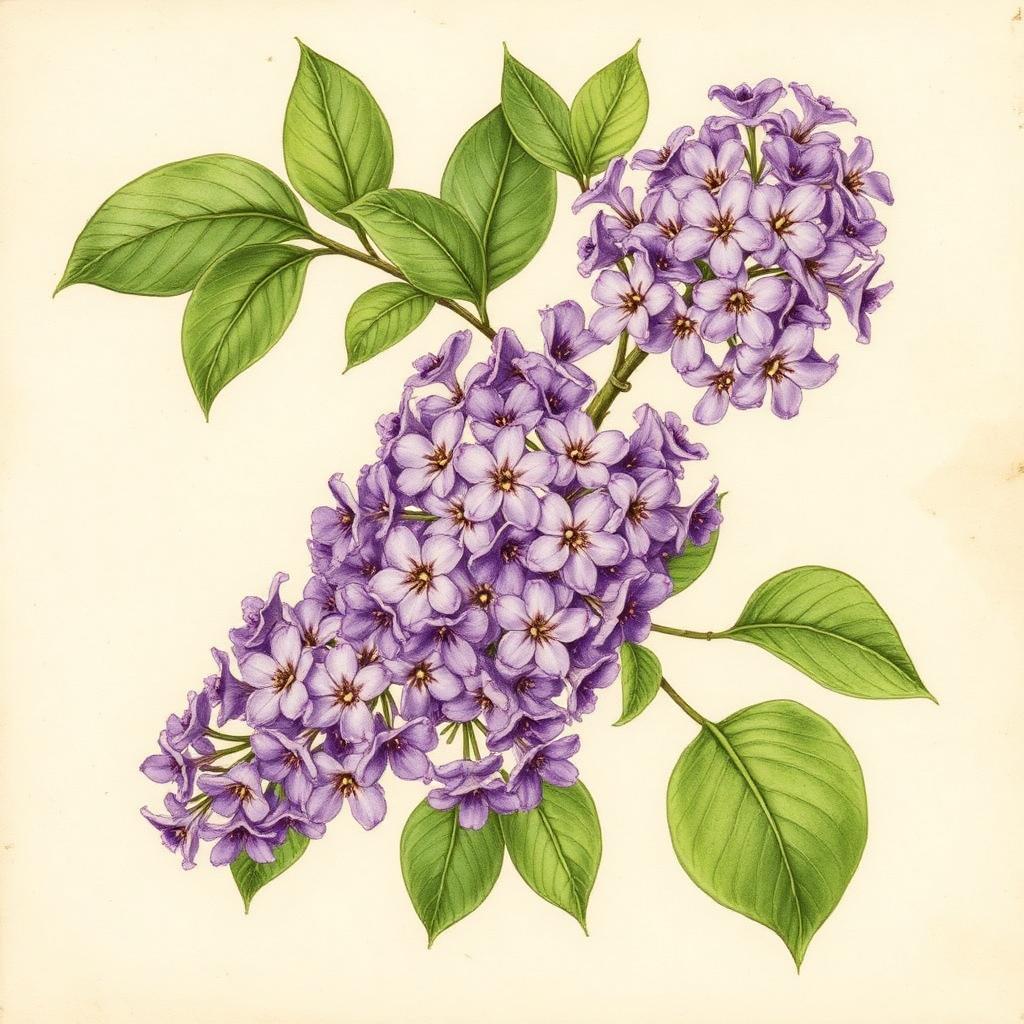
Botanical descriptionDeciduous shrub or small tree 2–7 m tall with heart-shaped leaves and pyramidal clusters (panicles) of intensely fragrant lilac, purple, or white flowers in late spring.

Key Takeaways

What to know in 30 seconds

  • Traditional mild febrifuge for low-grade fevers
  • Aromatic essential oils may lift mood and ease tension
  • Bitter glycoside syringin shows mild anti-inflammatory activity in lab studies
  • Polyphenol antioxidants support cellular health
Why It Matters

Why this matters for everyday wellness

Lilac earns a place in a healthy-aging routine because it combines traditional mild febrifuge for low-grade fevers with aromatic essential oils may lift mood and ease tension — a rare combination that supports the cardiovascular, metabolic, and cellular systems that drive how we age.

Practical Everyday Uses

Practical everyday uses

  • Tea: 1 tsp dried flowers in 1 cup just-boiled water, steep 8 min
  • Floral water: distill or buy food-grade lilac water; 1 tsp in cool water as a tonic
  • Aromatherapy: dried flowers in a small sachet at the bedside
Source: Traditional Persian Wisdom

Traditional Persian perspective

Historical & cultural knowledge passed down through generations — not a medical claim.

Historical use

Persian medicine classifies lilac as cool and dry — cooling for low-grade fevers, gently bitter for sluggish digestion, and aromatically uplifting for heavy spirits. The flower water (golāb-e yās) was a popular springtime perfume and mild calming tonic.

Traditional applications

Traditional mild febrifuge for low-grade fevers · Aromatic essential oils may lift mood and ease tension · Bitter glycoside syringin shows mild anti-inflammatory activity in lab studies

Cultural significance

Used across household wellness traditions as a culinary herb with daily-life relevance.

Healthy Aging

Healthy aging relevance

In a healthy-aging context, lilac bridges tradition and science: persian medicine classifies lilac as cool and dry — cooling for low-grade fevers, gently bitter for sluggish digestion, and aromatically uplifting for heavy spirits. The flower water (golāb-e yās) was a popular springtime perfume and mild calming tonic, while modern research highlights its role in the same pathways — inflammation, vascular health, and cellular resilience — that compound over decades to shape how we feel in our 60s, 70s, and beyond.

Source: Modern Scientific Research

Modern scientific evidence

Benefits supported by peer-reviewed studies & contemporary nutrition science — informational only, not medical advice.

  • Traditional mild febrifuge for low-grade fevers
  • Aromatic essential oils may lift mood and ease tension
  • Bitter glycoside syringin shows mild anti-inflammatory activity in lab studies
  • Polyphenol antioxidants support cellular health

Nutritional profile

Antioxidants
  • Syringin
  • Verbascoside
  • Phenylpropanoids
  • Flavonoids
Other notable nutrients
  • Aromatic volatile oils
  • Iridoid glycosides
Historical Uses

Historical uses across cultures

From classical Persian, Greek, and Islamic-Golden-Age sources.

  • Flower infusion as a gentle febrifuge for low-grade fevers
  • Aromatic water (distillate) as a mood-lifting perfume
  • Bark decoction as a bitter for sluggish digestion (historical)
  • Petal poultice for hot, swollen joints
Internal Uses

Taken internally

  • Damkardeh: 1 tsp dried flowers per cup hot water, 8 min, up to 2× daily
  • Lilac flower water: 1 tsp in cool water as a refreshing spring tonic
External Uses

Applied externally

  • Distilled flower water as a calming facial mist
  • Cooled infusion compress for hot, swollen joints
Traditional Formulas

Named traditional formulas

  • Yās Spring Tonicتونیک بهاری یاس

    Lilac flowers + rose petals + a thread of saffron, steeped 8 min, cooled and sipped as an aromatic afternoon refreshment.

Contraindications

Who should avoid this — and known interactions

  • Pregnancy and breastfeeding (medicinal doses)
  • Known Oleaceae allergy
  • Active ulcer (bitter compounds may irritate)
Everyday Use

How it's commonly used

  • Tea: 1 tsp dried flowers in 1 cup just-boiled water, steep 8 min
  • Floral water: distill or buy food-grade lilac water; 1 tsp in cool water as a tonic
  • Aromatherapy: dried flowers in a small sachet at the bedside
Safety

Safety & cautions

  • Use only the flowers of common lilac (S. vulgaris) — not all 'lilac' species are edible
  • Modest doses only — large amounts may cause nausea
  • Avoid medicinal doses in pregnancy

Ask Holistic Health AI about Lilac

Personalized, evidence-informed guidance from your AI Wellness Coach.

Open AI Wellness Coach

Related Herbs

Related articles

Frequently asked questions

+How is lilac traditionally used?

Persian medicine classifies lilac as cool and dry — cooling for low-grade fevers, gently bitter for sluggish digestion, and aromatically uplifting for heavy spirits. The flower water (golāb-e yās) was a popular springtime perfume and mild calming tonic.

+How do people commonly use Lilac?

Tea: 1 tsp dried flowers in 1 cup just-boiled water, steep 8 min Floral water: distill or buy food-grade lilac water; 1 tsp in cool water as a tonic Aromatherapy: dried flowers in a small sachet at the bedside

References

Sources & references

Reviewed by Holistic Health AI Editorial Team Last updated Traditional wisdom + modern evidence Educational, not medical advice