Heart Health
Protect your heart with daily food, movement, and calm.
Traditional wisdom · Modern scientific evidence · Personalized guidance
Before you start: This guide is educational, not medical advice. If you're managing heart disease, high blood pressure, or high cholesterol, talk to your doctor before changing your diet, supplements, or routine — especially if you take medication. See our full Safety First guidance.
Overview
Your heart health supports a long life, and small, steady habits can make a real difference — what you eat, how you move, how well you sleep, and how you manage stress.
Modern cardiology research suggests that a Mediterranean-style way of eating, daily walking, and emotional balance may prevent much heart disease.
What matters most
What this tends to feel like, and what commonly drives it.
Common symptoms
- •Chest tightness or pressure, especially with exertion
- •Shortness of breath climbing stairs or walking
- •Unusual fatigue or weakness
- •Swelling in the ankles or legs
- •Heart palpitations or a racing pulse at rest
Possible contributing factors
- •Diet high in ultra-processed food, refined sugar, and trans fats
- •Sedentary days — less than 30 minutes of movement
- •Chronic, unmanaged stress
- •Poor or short sleep
- •Smoking, excess alcohol, untreated high blood pressure or cholesterol
- •Family history of early heart disease
What the research shows
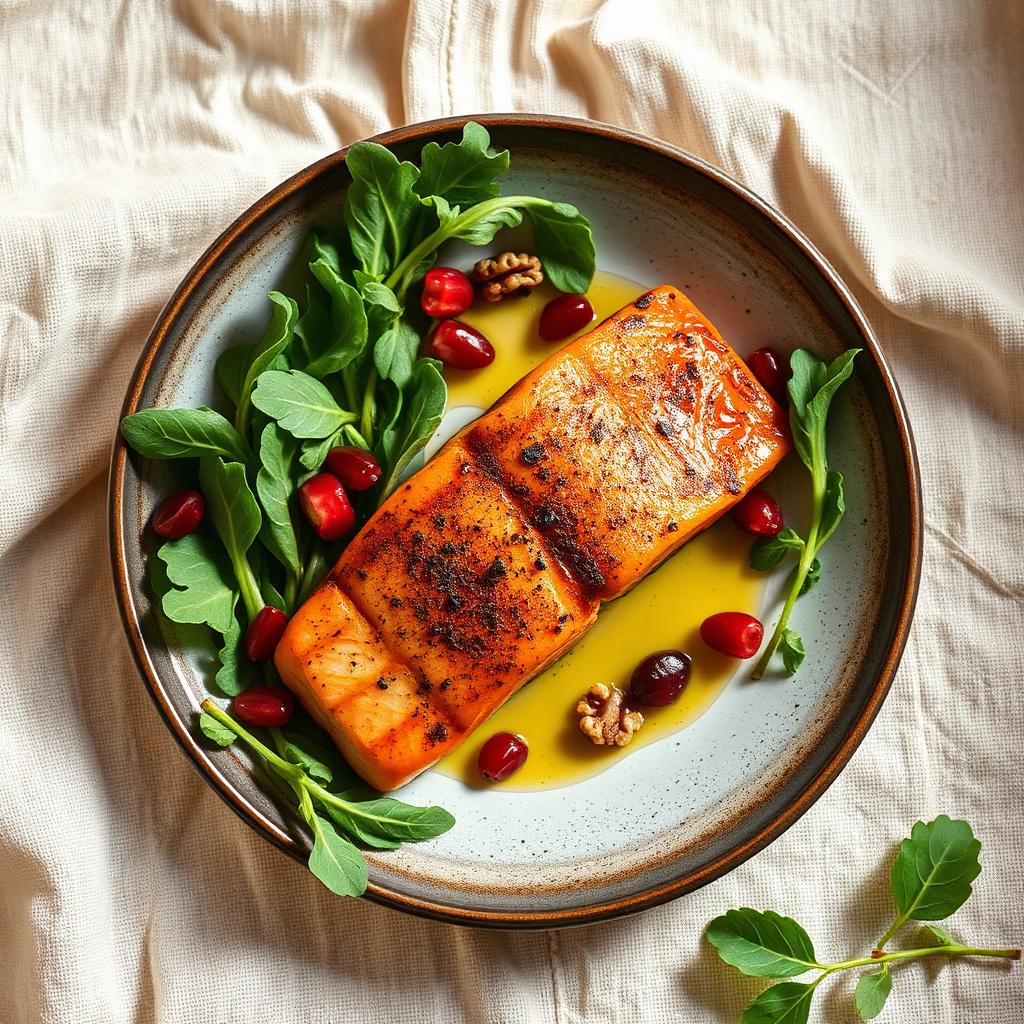
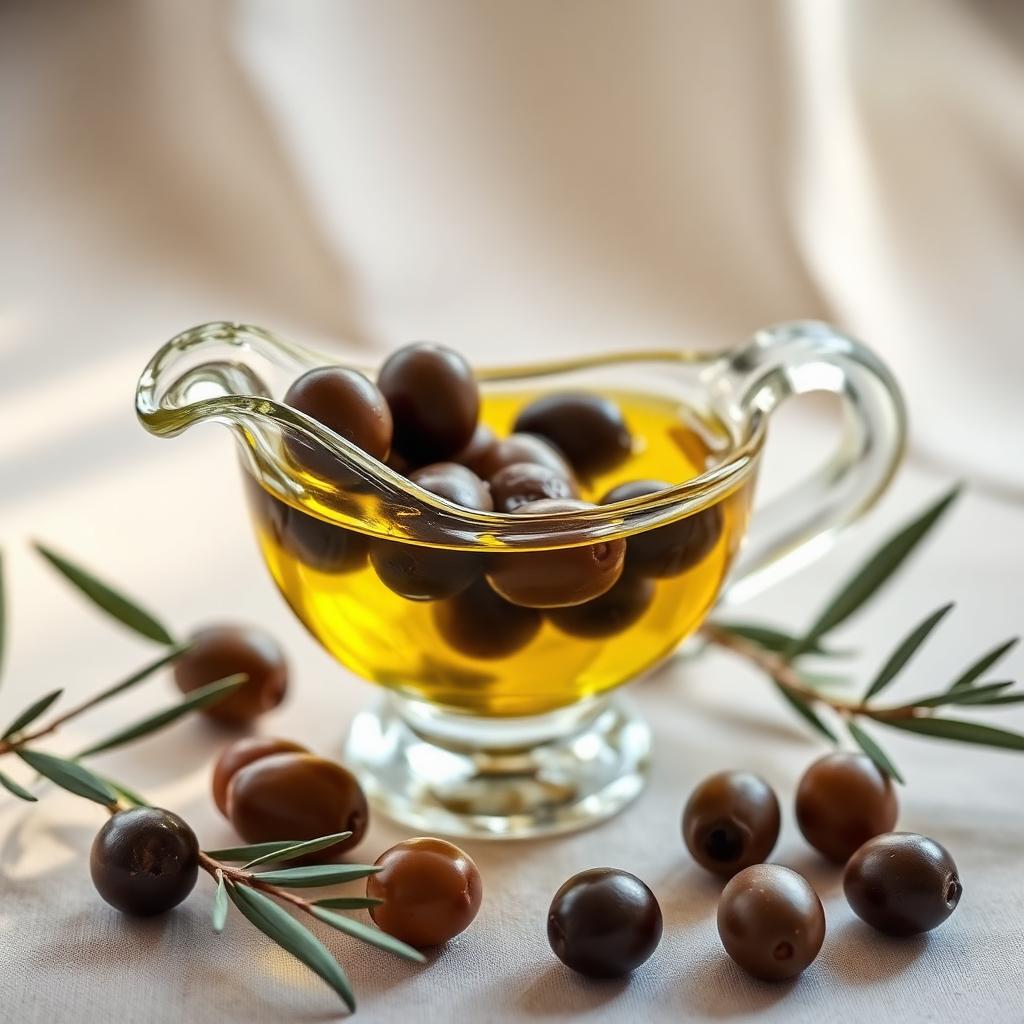
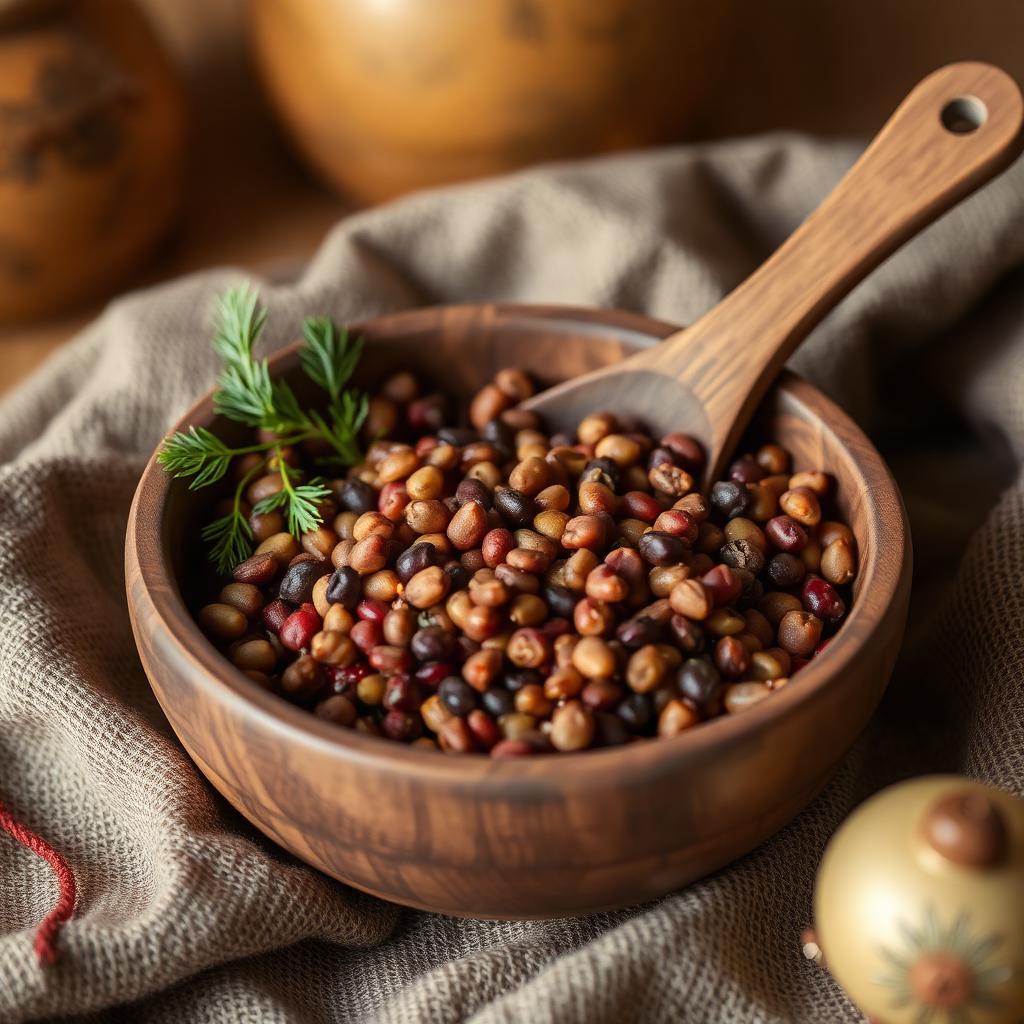
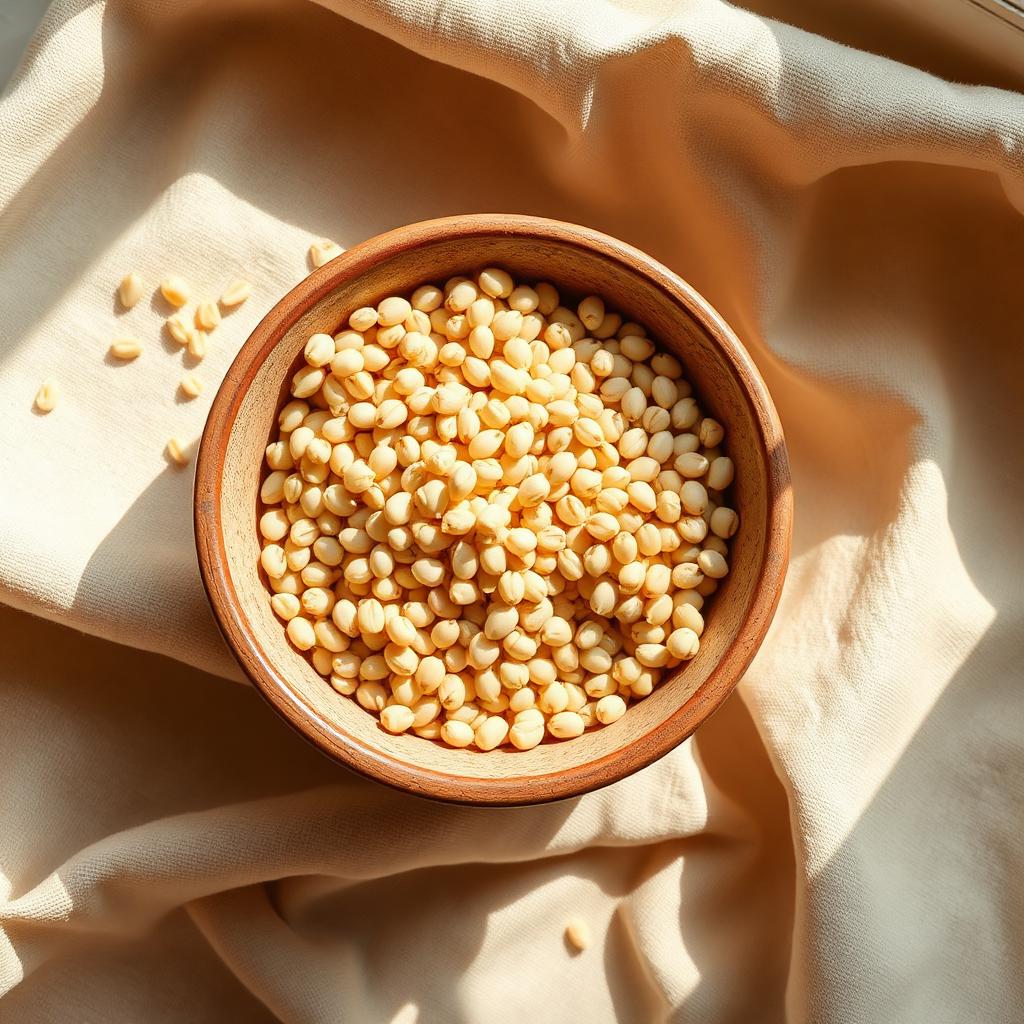
Large studies tell a consistent story: a Mediterranean-style diet — olive oil, vegetables, legumes, nuts, fish, whole grains — cuts cardiovascular events by 25–30%.
You do not need extreme exercise, either. 150 minutes of moderate movement per week lowers heart disease risk by roughly a third.
Rest and calm matter too: quality sleep (7–9 hours) and stress reduction lower blood pressure and inflammation, both major drivers of heart disease.
Evidence-based actions
Movement, sleep, stress, and practical daily habits.
Movement
- •Walk briskly for 30 minutes most days — even split into 3 × 10 minutes.
- •Add two short strength sessions a week to protect the heart muscle.
- •Try gentle Zone 2 cardio (you can still hold a conversation) twice a week.
Sleep
- •Aim for 7–9 hours. Short sleep raises blood pressure overnight.
- •Keep a consistent bedtime — irregular sleep schedules raise cardiovascular risk independently of total hours.
Stress management
- •Five slow breaths (4 in, 6 out) before meals and at bedtime activates the calming branch of the nervous system.
- •Daily 10-minute walks outdoors lower cortisol and blood pressure.
Lifestyle habits
- •Eat your largest meal at midday when digestion is strongest.
- •Share at least one meal a day with someone you love — strong social bonds are independently protective.
- •Limit alcohol to small amounts with food, or skip it.
Nutrition
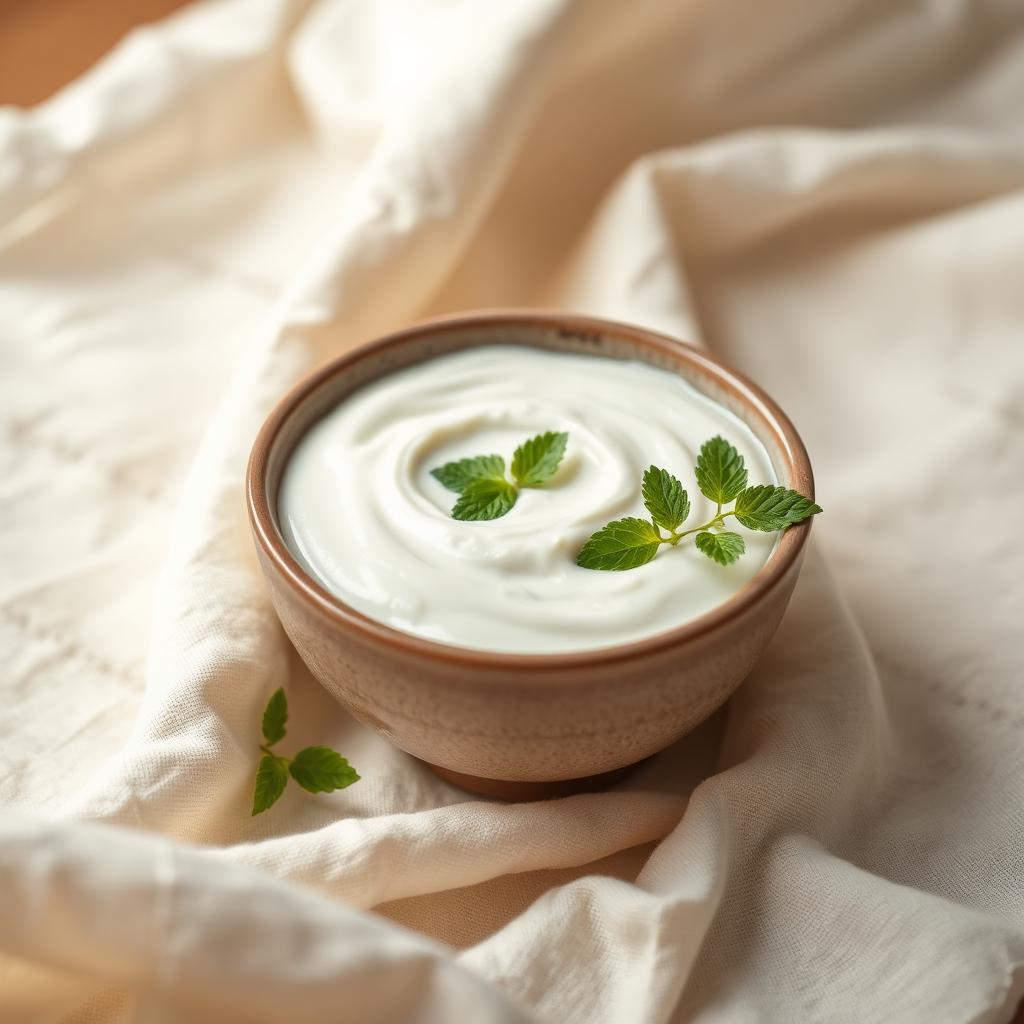
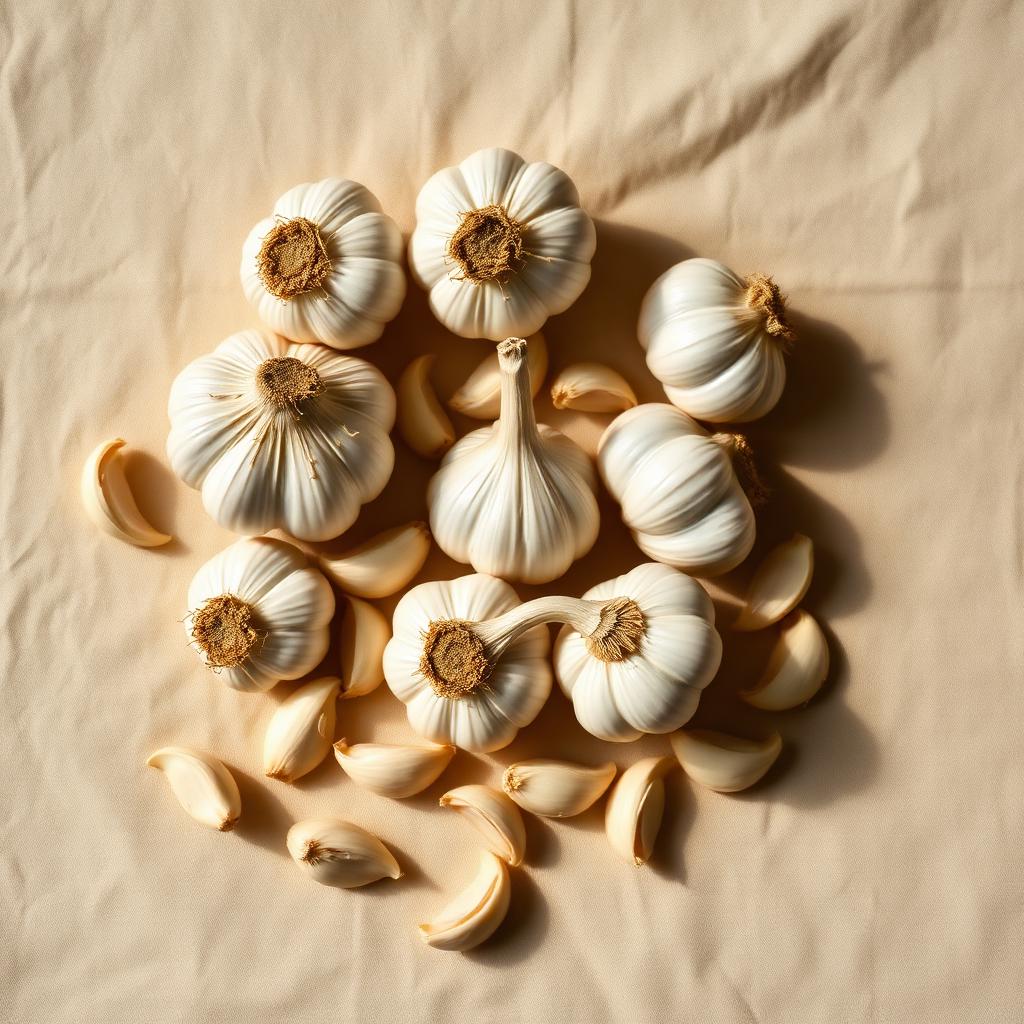
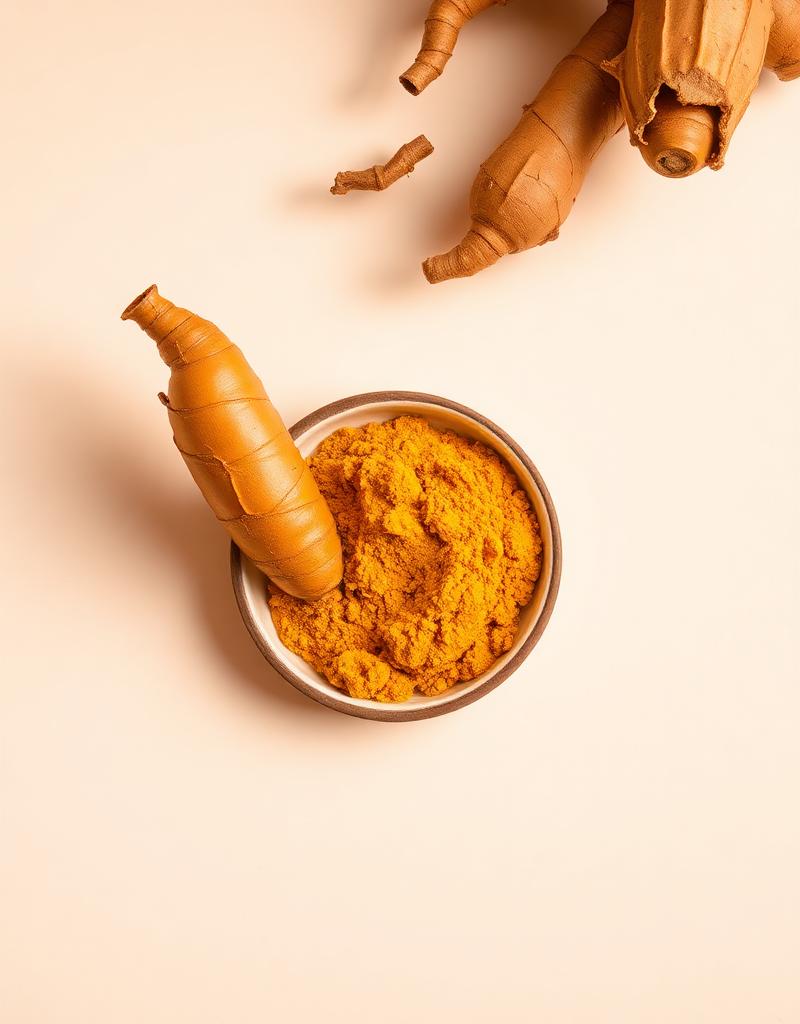
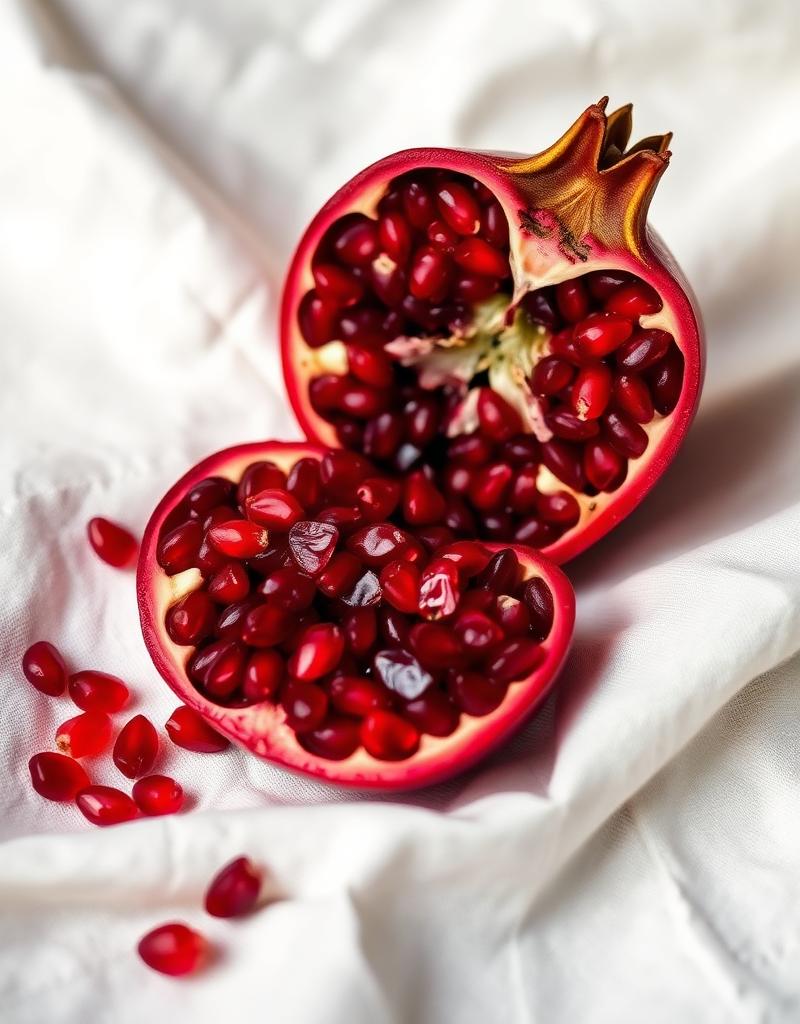
What to eat and drink — every item links to its own guide.





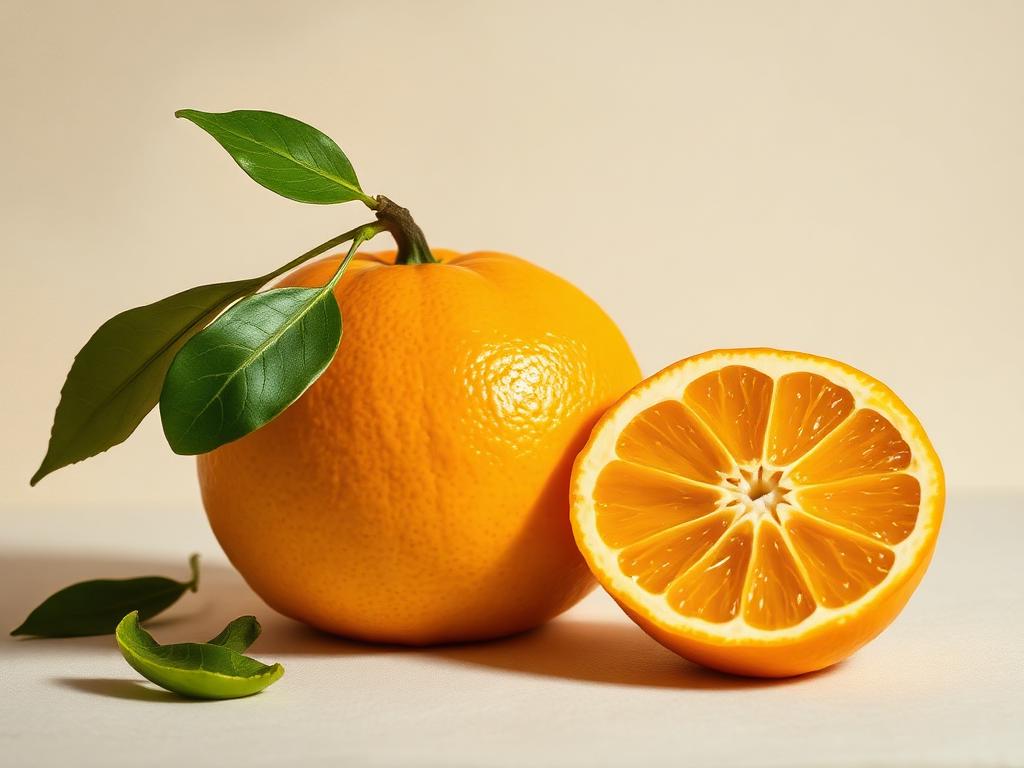

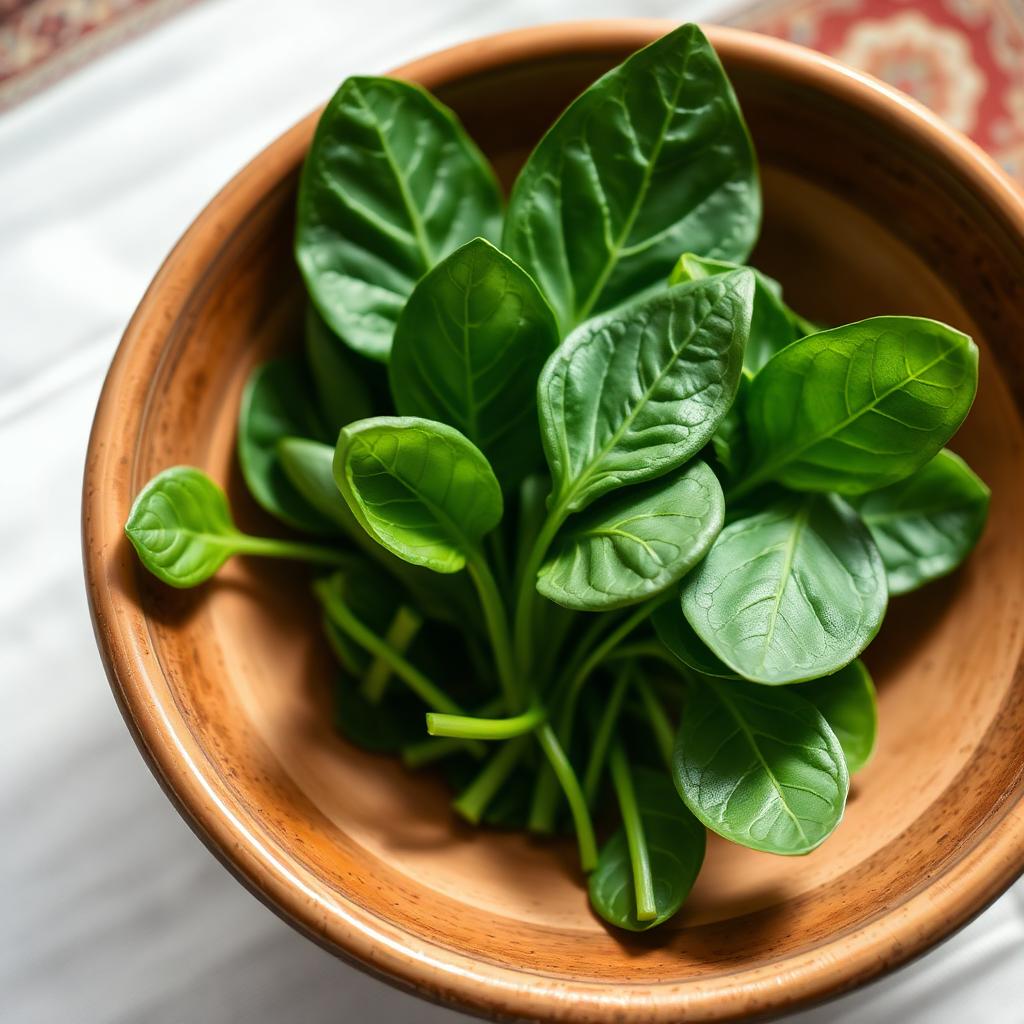

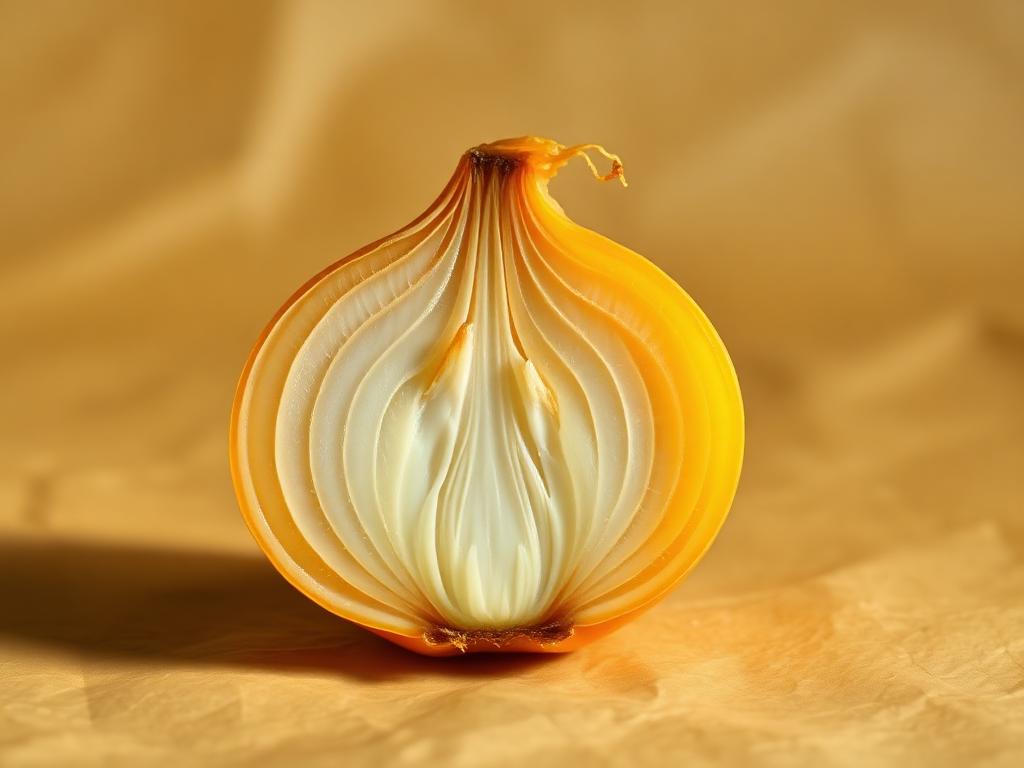
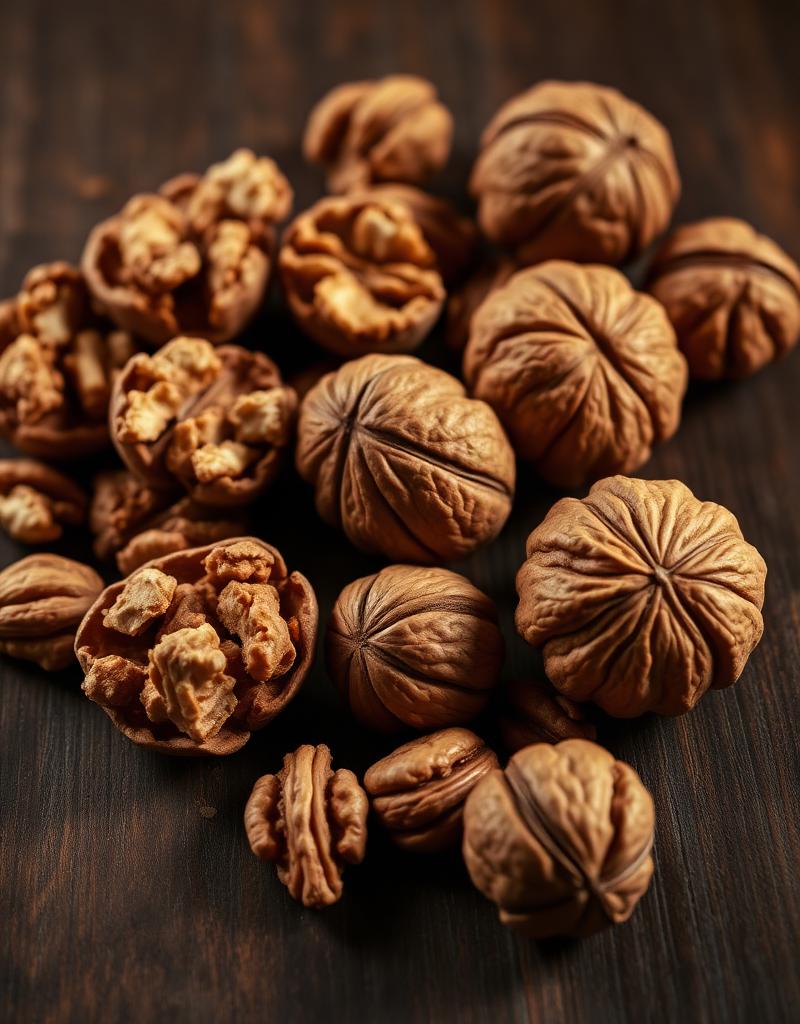
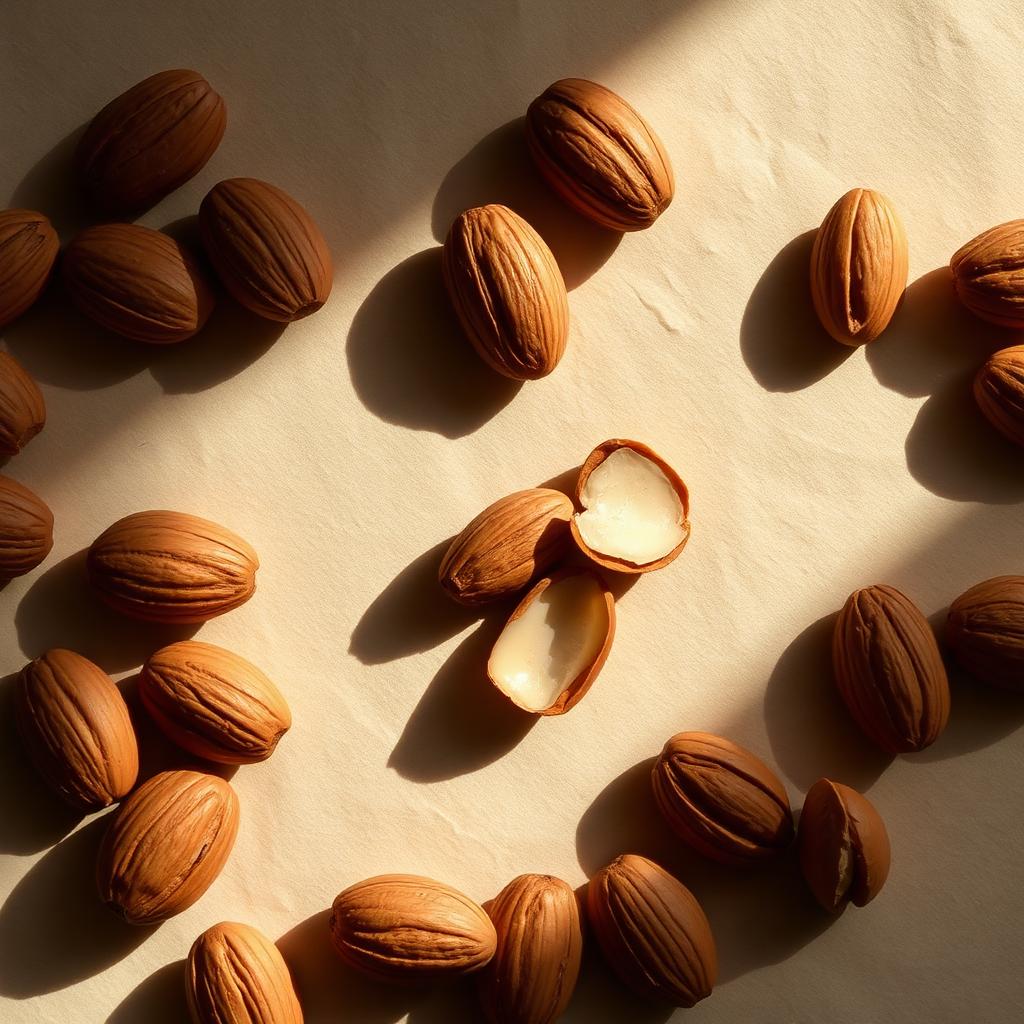
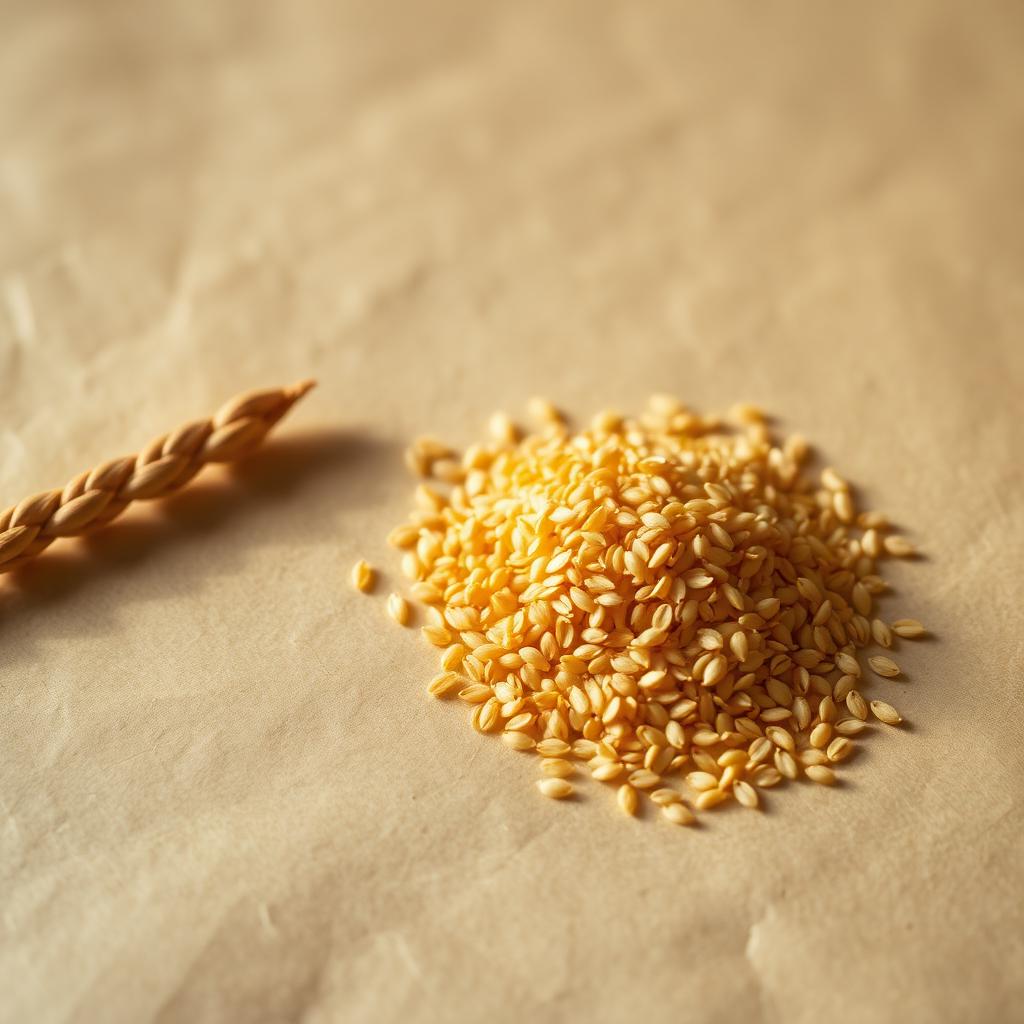
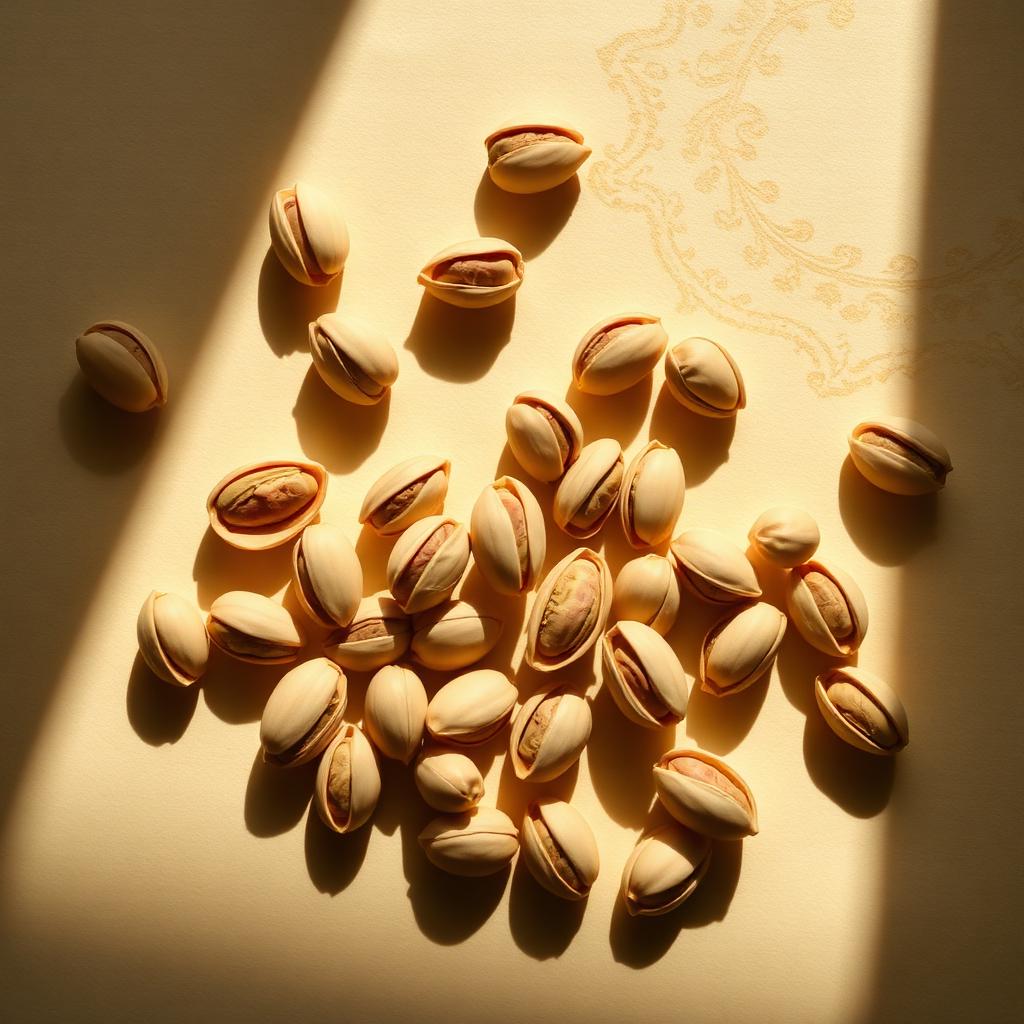
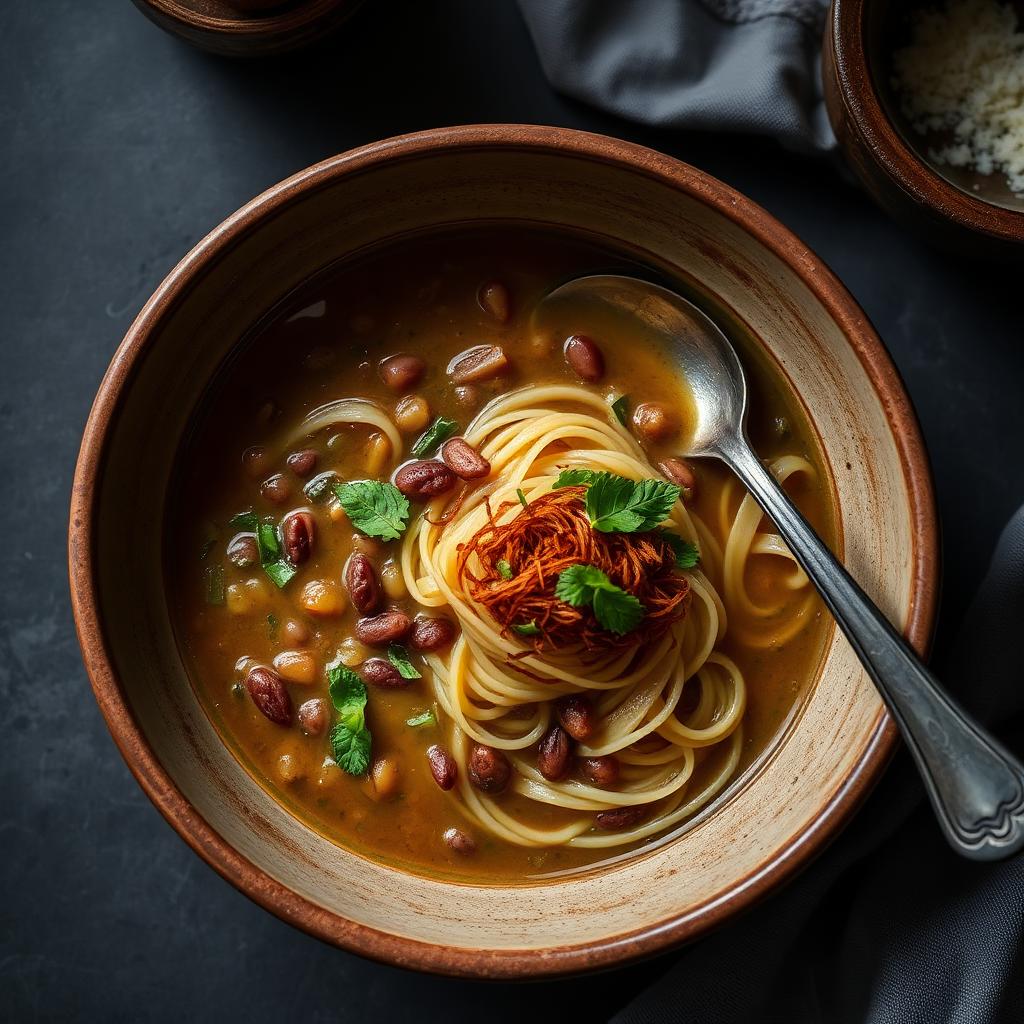
Traditional Persian Perspective
Classical Persian medicine placed the heart at the centre of the rūḥ — the vital breath carried in the blood. Avicenna devotes a section of the Qānūn to adwiya qalbiyya, the 'cardiac medicines', and the ones he names most often are still on the Iranian table: rose (gol-e Mohammadi), saffron, borage (gol-e gāv-zabān) and quince.
The heart was read as warm and dry in mizāj, so the traditional corrective is cooling and moistening: pomegranate, quince, sekanjabin (vinegar-and-honey syrup), and rose water. Anything strongly heating — hard liquor, excess salt, prolonged rage — was treated as an insult to the heart, close to how modern cardiology reads blood pressure and stress.
Jorjānī's Zakhīreye Khwārazmshāhī links palpitation (khafaqān) to grief and to a heated stomach in the same chapter. Persian practice never treated the heart in isolation from digestion and emotional life — a view cardiovascular research increasingly supports.
When to seek professional care
Signs that call for a clinician rather than self-care.
This guide is educational. It complements, but never replaces, care from a qualified healthcare professional.
- •Sudden chest pain, pressure, or pain radiating to the arm or jaw — call emergency services immediately.
- •Blood pressure consistently above 135/85, or cholesterol you don't know — see your doctor for a baseline check.
- •Family history of early heart disease (before 55 in men, 65 in women) — ask about earlier screening.
Meditation & Mindfulness
Calm practices matched to this goal.
The heart responds beautifully to calm. Slow breathing lowers blood pressure, softens the vascular system, and brings the nervous system out of high-alert.
Hand on chest. Breathe in for 5, out for 5, for 90 seconds.
End the day with a few minutes of heart coherence breath in a quiet room.
Before a doctor's visit, after hard news, or any moment the heart feels tight.
Begin practiceBefore a hard conversation, between meetings, or any moment you feel scattered.
Begin practiceWhen relationships feel strained, or to deepen the ones you cherish.
Begin practiceAfter a meal, between work blocks, or on any quiet walk.
Begin practiceFrequently asked questions
Short answers to the questions readers ask most.
Do I have to give up red meat?
No. Think smaller portions, less often. Lean cuts a few times a week, with plenty of vegetables, is the pattern that holds up in long-term studies.
Can I use pomegranate instead of my blood pressure medication?
No. It can support healthy blood pressure as part of a broader pattern, but never replace prescribed medication without your doctor.
When might I notice a difference?
You may notice better energy and sleep in 1–2 weeks. Blood pressure and cholesterol typically begin shifting in 4–12 weeks of consistent change.
Related guides
A few places to go next.
Build your personalized Heart Health plan
Your AI Hakim weaves your goals, your mizāj, and trusted guidance into a roadmap — not a single answer.
Ask Hakim about Heart Health