Pomegranate: Persian Tradition Meets Modern Research
One fruit, two kinds of knowledge — the Persian table, and the laboratory.
Pomegranate in Persian cooking and tradition — and what modern research has actually looked at in the fruit, its juice, and its extracts.
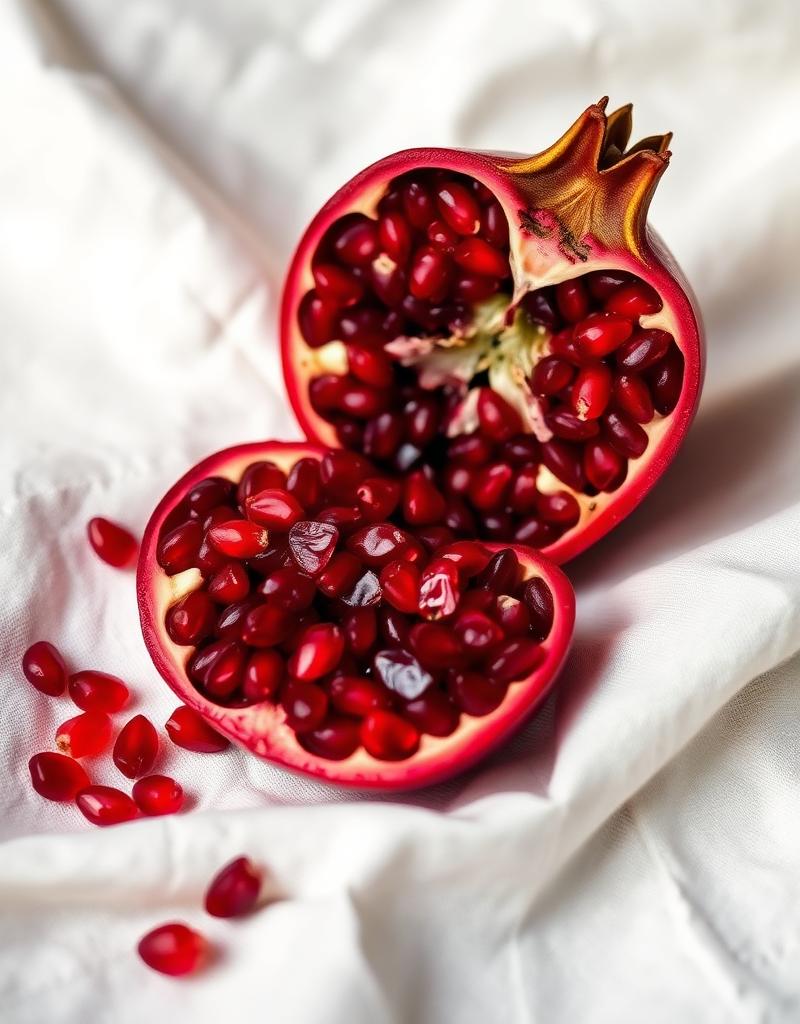
Two kinds of knowledge, kept apart on purpose: tradition speaks as tradition, research speaks as research.
The pomegranate (Punica granatum) is one of the oldest cultivated fruits on earth and a fixture of Persian, Mediterranean and South Asian cooking. Crack one open and the arils spill out like garnets — deep red from anthocyanins, and rich in punicalagins, the polyphenols that first drew researchers to the fruit.
Before anything else: the fruit, the juice and concentrated preparations are not the same thing, and most research has studied the concentrated ones.
Pomegranate takes different forms
Arils eaten as food, with fibre from the edible seeds.
Pomegranate on the Persian table
In Persian kitchens pomegranate is an everyday ingredient, not a remedy. Arils are scattered over chelow and herb salads, folded through Shirazi salad, and pressed into juice while the short autumn season lasts.
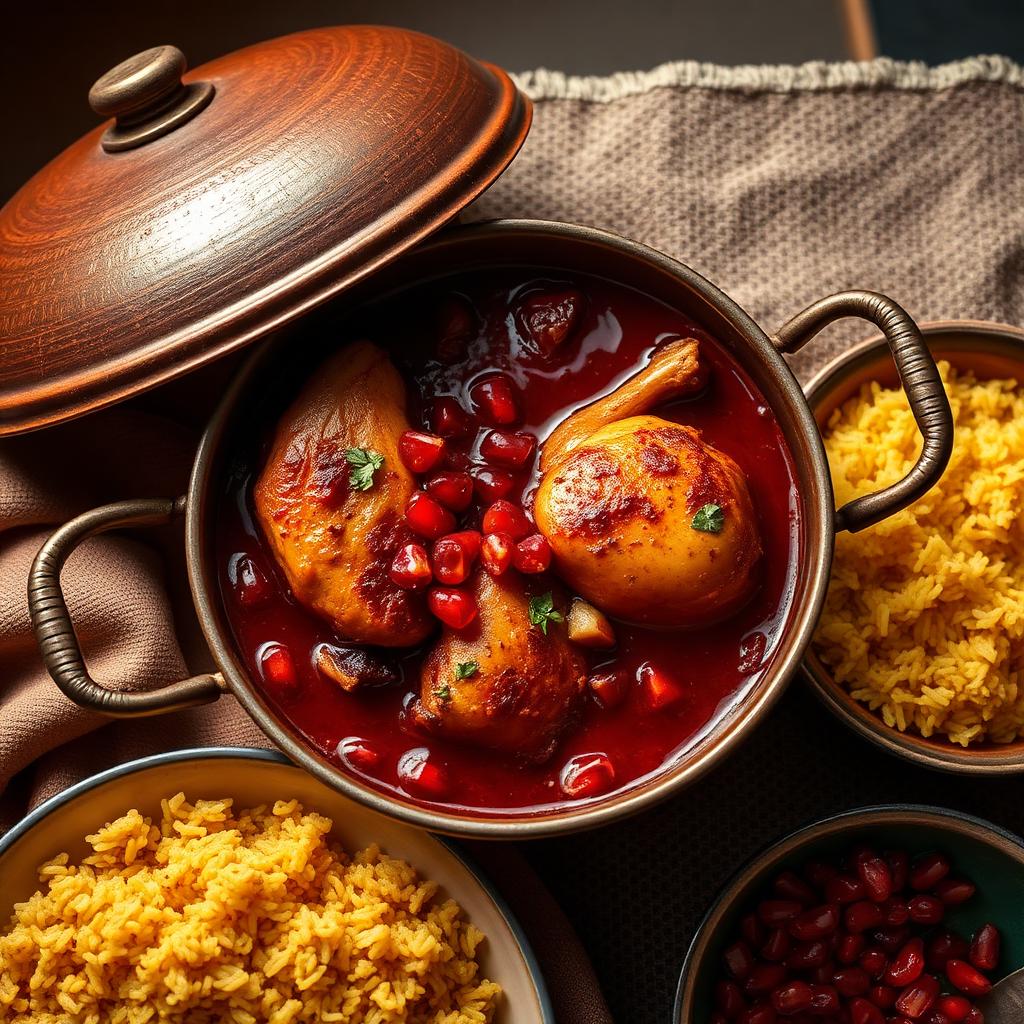
Boiled down, it becomes rob-e anar — the dark, sour syrup that gives fesenjan its depth alongside ground walnuts. Anar is sold by the crate in autumn markets, ruby and cracked open, and cooks use it while they can.
It also carries meaning. On Shab-e Yalda, the longest night of the year, pomegranate and watermelon sit on the table with poetry and nuts, their red standing for the return of the sun.
In Traditional Persian Medicine, foods are read through temperament: pomegranate is described as cooling and drying, suited to warm constitutions and hot seasons, with sour varieties treated differently from sweet ones. That is a way of thinking about food developed over centuries, and worth knowing on its own terms.

Anar is a season, not a supplement — you cook with it while it lasts.
Blood pressure and blood vessels
This is where pomegranate has been studied most seriously in people. Trials have given participants pomegranate juice daily for weeks to months and measured blood pressure and arterial stiffness; reviews of those trials report small average reductions.
The most promising modern research on pomegranate is cardiovascular.
A little more detail
The trials differ in dose, duration and who was studied, so this is a promising line of research rather than a settled number.
Cholesterol and oxidised LDL
Some of the most interesting cardiovascular work looks at oxidised LDL — cholesterol that has been chemically damaged, and the form most often discussed in artery disease. Trials of pomegranate juice and extract have measured this marker, and several reported movement in it.
Whether a moving marker turns into fewer heart attacks is still an open question.
Prostate and PSA
This is the one place on the page where the detail really matters.
Early uncontrolled studies gave men with prostate cancer pomegranate juice or extract and reported longer PSA-doubling times. The finding attracted enormous attention. When later placebo-controlled trials were run, they did not confirm a reliable clinical benefit.
The picture is genuinely mixed. Pomegranate is not a treatment for prostate cancer: if you are under cancer care, do not substitute juice, extract or supplements for treatment, and tell your oncology team about anything you take.
The compounds behind the colour
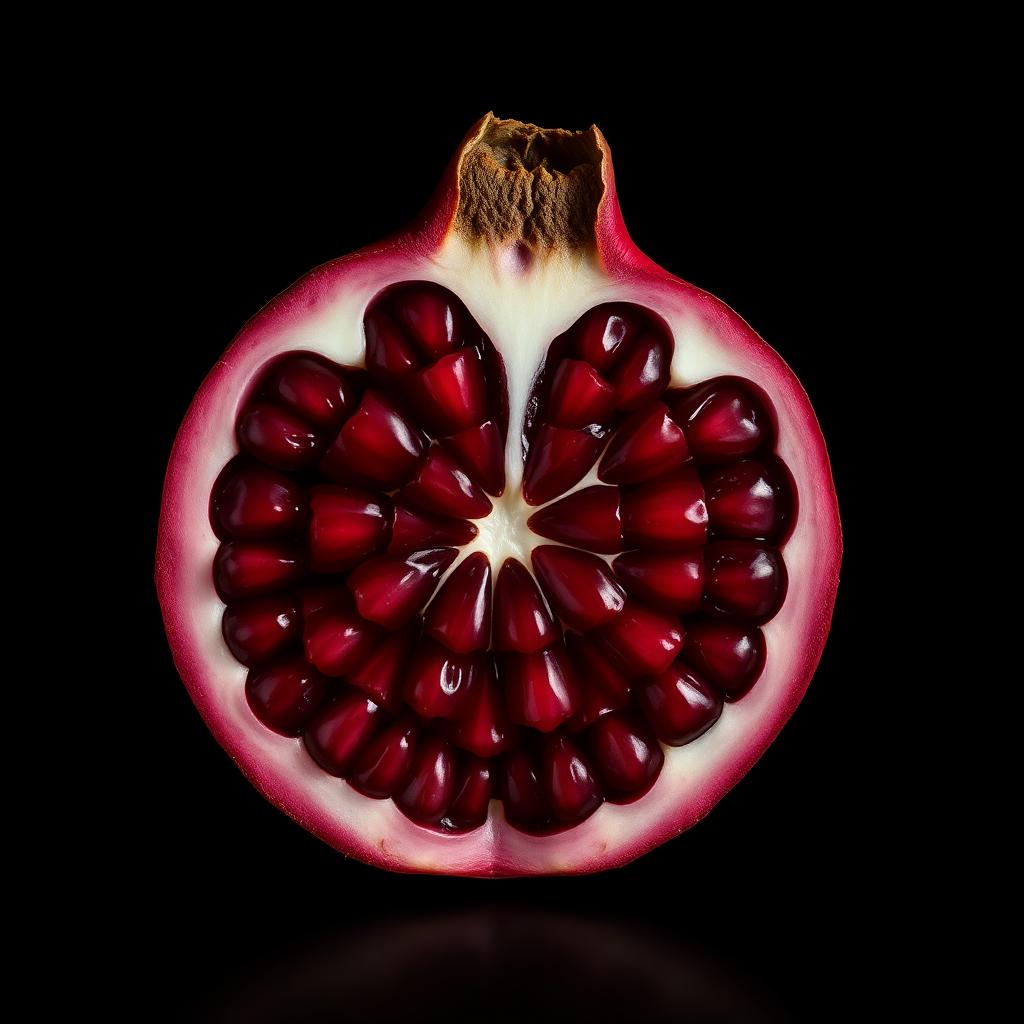
Pomegranate's red comes largely from anthocyanins, while punicalagins — unusually large polyphenols found in the peel and juice — are what made the fruit a magnet for antioxidant research. Few common foods carry punicalagins at all, which is part of why laboratories keep returning to it.
Memory and thinking
A handful of short trials have given older adults daily pomegranate juice and put them through memory tasks; some reported better scores at the end, usually explained through blood flow. The studies are small and short, so this is early research rather than a finding to rely on.
Skin
Pomegranate compounds — ellagic acid and urolithins — turn up regularly in skin research on UV-related oxidative stress and collagen, which is why cosmetic formulators took an interest. It remains laboratory work.
Your gut bacteria make something new
One of the genuinely surprising facts about pomegranate: you do not absorb its ellagitannins directly. Gut bacteria convert them into a compound called urolithin A — and people differ widely in how much they produce, which is an active research question in itself.
A little more detail
Urolithin A is now studied for muscle and mitochondrial effects, but as a manufactured supplement at controlled doses. Those findings belong to the supplement.
Muscles and joints
Sports-nutrition researchers have tracked soreness and strength recovery in athletes given concentrated pomegranate around training, with results going both ways. Animal work and a few small human pilots have looked at pomegranate extract in osteoarthritis. Both lines are exploratory, and both used concentrates.
A sweet fruit that comes with fibre
Arils are one of the few fruits where you eat the seed as well as the pulp, and those crunchy seeds are why a bowl of pomegranate delivers fibre along with its sugar.
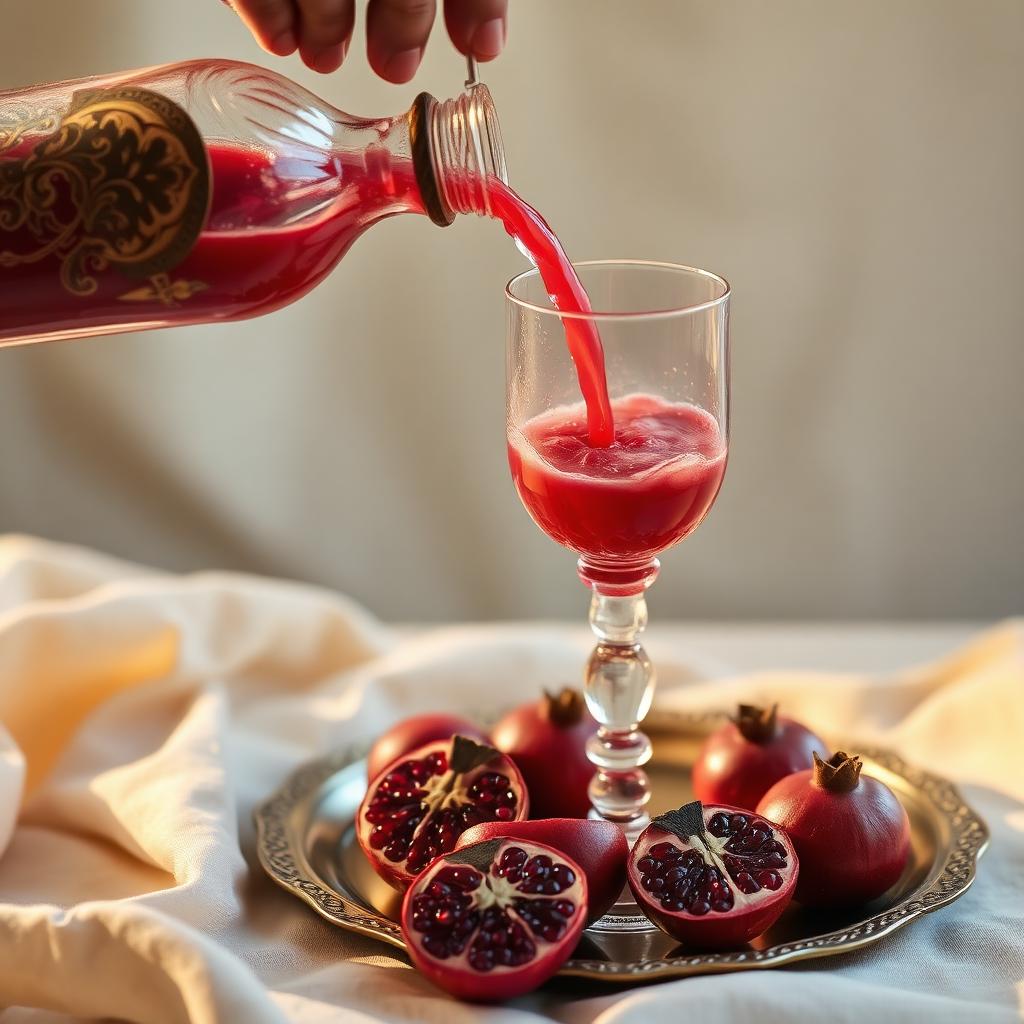
Treat juice as a sweet drink, and the arils as fruit.
Safety and medications
Pomegranate juice has been reported to interact with some blood pressure and cholesterol medications, including statins. The evidence on individual interactions is mixed, which is a reason for care rather than alarm: if you take prescription medication, check with your clinician or pharmacist before drinking pomegranate juice daily or taking a pomegranate supplement.
Concentrated extracts and supplements are not food and carry different risks — and if you are under cancer care, discuss them with your oncology team first. Everything on this page is general information, not medical advice.
Ways pomegranate appears on the Persian table
Eat it the way it has long been enjoyed in Persian cooking — as food, in season, and in many forms.
- Fresh arilsOver chelow or saffron rice, through herb and Shirazi salads, on thick yoghurt with honey and walnut, or scattered on roast aubergine, squash or chicken. Add them at the end — heat dulls the colour and the crunch.
- Rob-e anarThe workhorse: souring fesenjan alongside ground walnuts, glazing meatballs and roast vegetables, whisked into dressings with olive oil and garlic. Taste first — brands run from sharply sour to almost sweet.
- Whole fruitPomegranate is traditionally an autumn fruit; choose fruit that feels heavy for its size. Kept cool, it lasts weeks. To open one cleanly, score the skin into quarters, submerge in water and break it apart — the arils sink, the pith floats.
- JuiceBest unsweetened and cold — its own thing rather than a stand-in for the fruit.
Frequently asked questions
+Is pomegranate juice the same as the fruit?
No. Juice is denser in polyphenols per ounce but has the fibre removed, and most human research actually used juice or extract rather than arils. Whole arils are the everyday food; juice is a sweet drink that happens to be what several studies tested.
+What does traditional Persian use actually tell us?
It tells us how a food was understood and used across generations — which varieties were chosen, when, and alongside what. That history is real knowledge and worth knowing. It is a different kind of knowledge from a clinical trial, and neither one erases the other.
+Are there interactions with medication?
Pomegranate juice can interact with some blood pressure and cholesterol medications. The evidence on specific interactions is mixed, so the sensible precaution stands: ask your clinician or pharmacist if you take medication regularly.
+Are pomegranate supplements worth taking?
They are a different product from the fruit, usually a concentrated extract, and much of the research people cite for them was done on juice or on isolated compounds like urolithin A. If you enjoy pomegranate, eating it is the well-tested pleasure; supplements are a decision to make with a clinician.
Sources & references
Background reading
- Office of Dietary Supplements — Fact Sheets — US NIH
- The Nutrition Source — Harvard T.H. Chan School of Public Health