Stress & Emotional Wellness
Steady your nervous system with breath, ritual, nature, and connection.
Traditional wisdom · Modern scientific evidence · Personalized guidance
Overview
Stress that never quite switches off quietly shapes almost everything else — your heart, your sleep, your weight, your digestion, your mood. Here's the encouraging part: your nervous system can be retrained, and it learns faster than you might think.
Small rituals such as tea, poetry, gardens, and family meals can build calm into ordinary days. Modern science now studies related effects through vagal tone, social regulation, and parasympathetic activation.
What matters most
What this tends to feel like, and what commonly drives it.
Common symptoms
- •Tight shoulders, jaw, or chest
- •Racing mind, especially at bedtime
- •Quick irritability or low mood
- •Trouble enjoying things you used to
- •Shallow, fast breathing
Possible contributing factors
- •Constant phone and email
- •Poor sleep
- •Low daily movement
- •Limited sunlight or nature time
- •Isolation
- •Unprocessed grief, anger, or worry
What the research shows
A slow exhale is one of the fastest tools you own: it switches on the vagus nerve, and your body settles within minutes.
Step outside, and your body starts cooperating — cortisol and blood pressure begin dropping within 20 minutes.
And don't underestimate people. Strong social bonds are linked to longer life about as strongly as not smoking is.
Evidence-based actions
Movement, sleep, stress, and practical daily habits.
Movement
- •Daily walking — outdoors when possible — is the most reliable stress medicine.
- •Try Zone 2 cardio, gentle yoga, or stretching twice a week.
Sleep
- •Consistent sleep amplifies every other stress practice.
Stress management
- •Box breathing (4-4-4-4) for 2 minutes resets the nervous system.
- •20 minutes outdoors in nature lowers cortisol noticeably.
- •Daily gratitude (3 things) shifts emotional baseline over weeks.
Lifestyle habits
- •Carve a daily 10-minute quiet pause — tea, garden, balcony, walk.
- •Protect at least one meal a day with someone you love.
- •Limit news and social media windows.
Nutrition
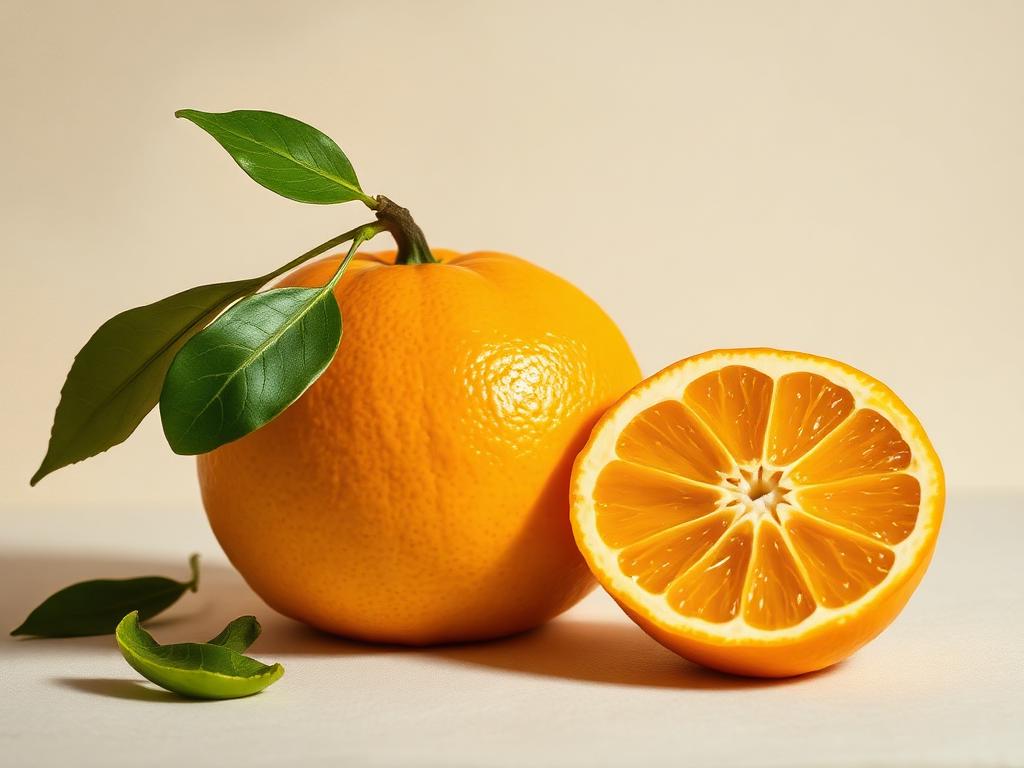
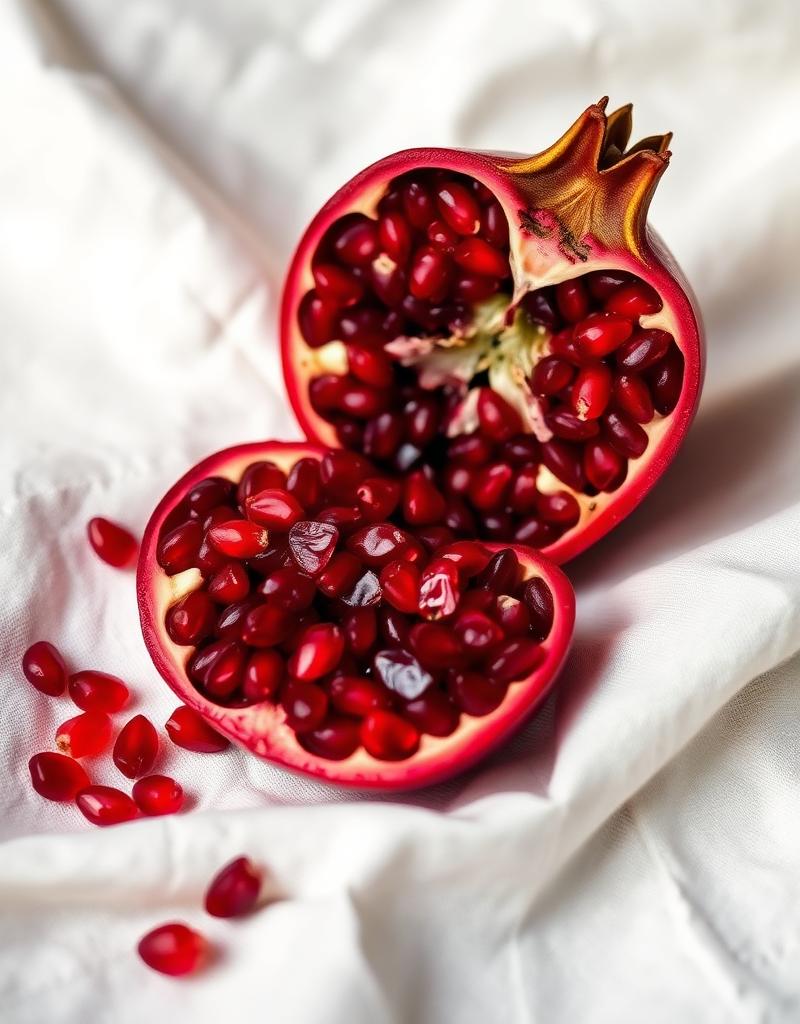
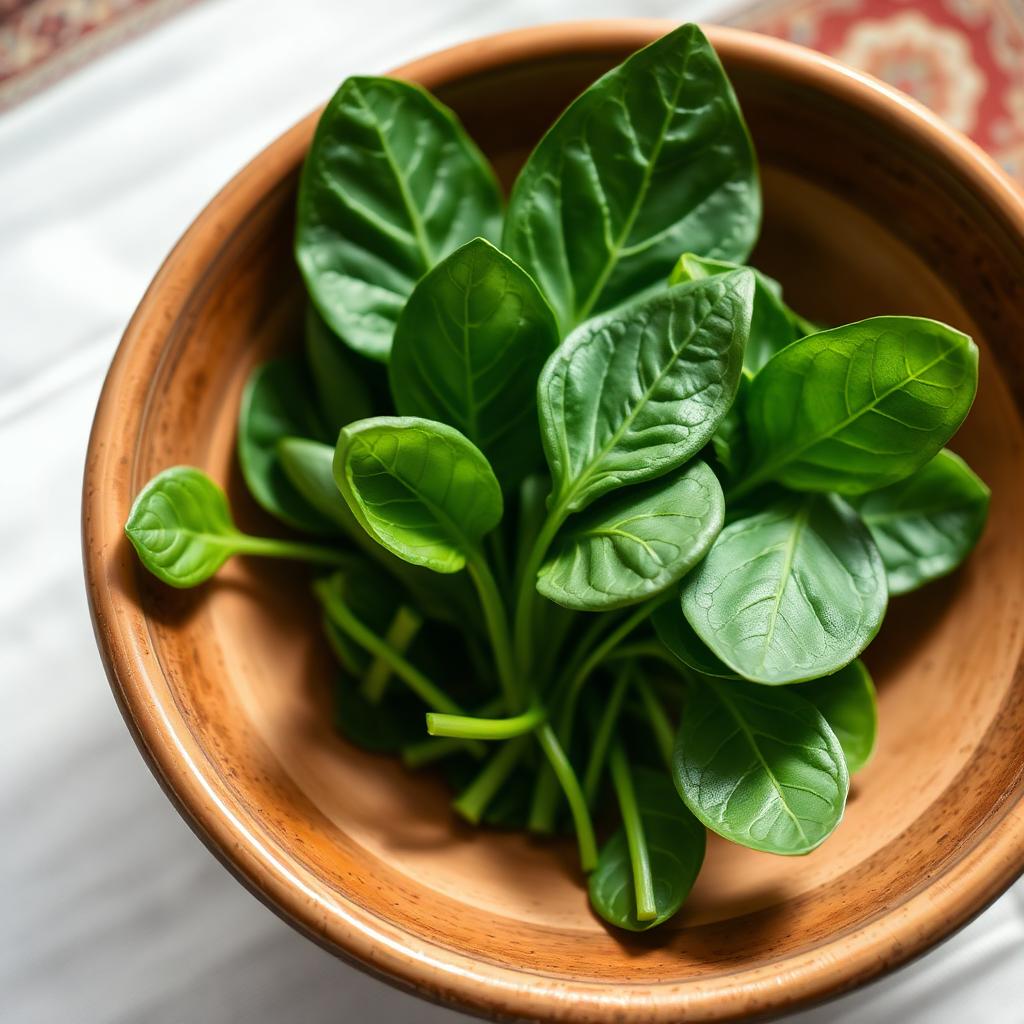
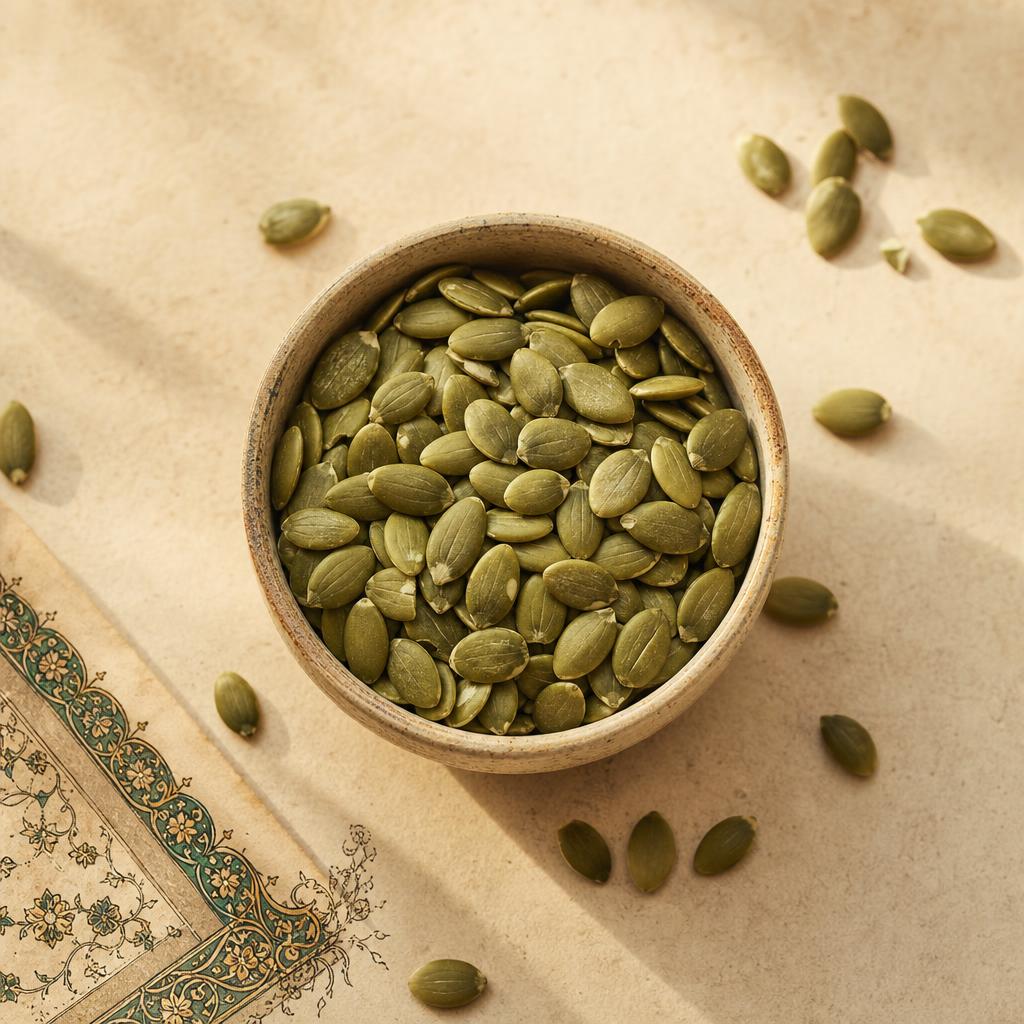
What to eat and drink — every item links to its own guide.





Traditional Persian Perspective
The states of the soul (*aḥwāl-e nafsāniyya*) are one of the six essentials — Persian physicians treated grief, anger and worry as medical causes with physical consequences, and wrote reg…
The states of the soul (aḥwāl-e nafsāniyya) are one of the six essentials — Persian physicians treated grief, anger and worry as medical causes with physical consequences, and wrote regimens for them. Avicenna's chapter on joy and sorrow sits alongside his chapters on food and air, not in an appendix.
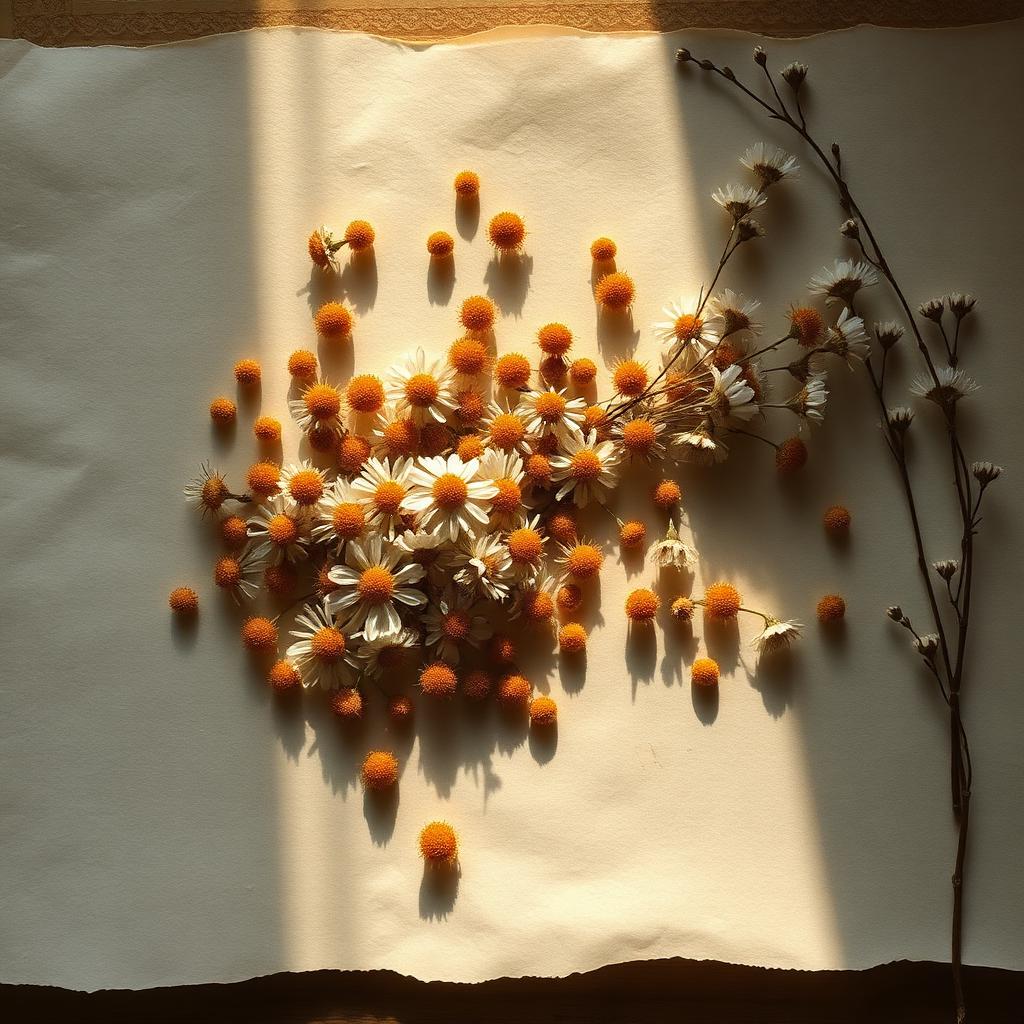
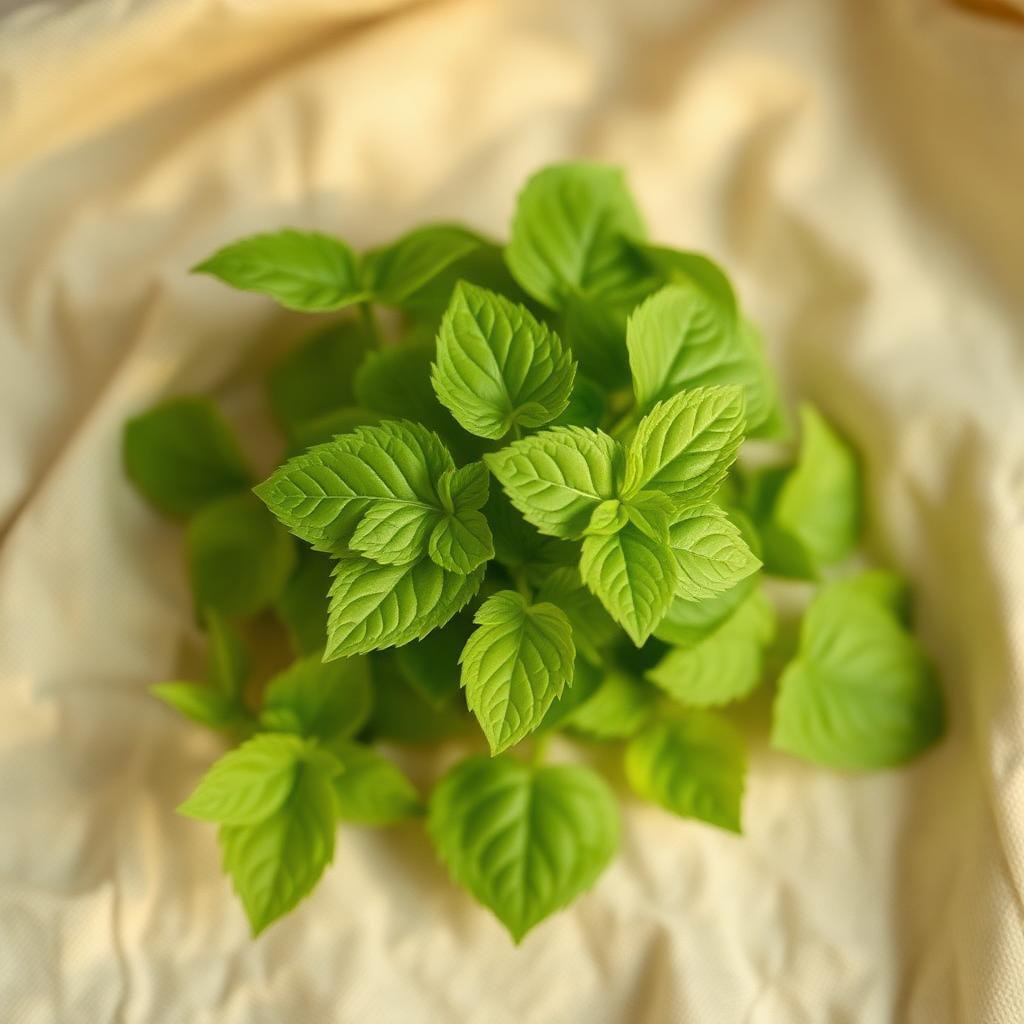
Anxiety and low mood were often read as a heated, dry derangement, so the classical corrections are cooling, moistening and aromatic: borage (gol-e gāv-zabān), violet, rose water, lemon balm, and saffron. Borage with rock sugar remains the Iranian household's first response to a shaken nerve.
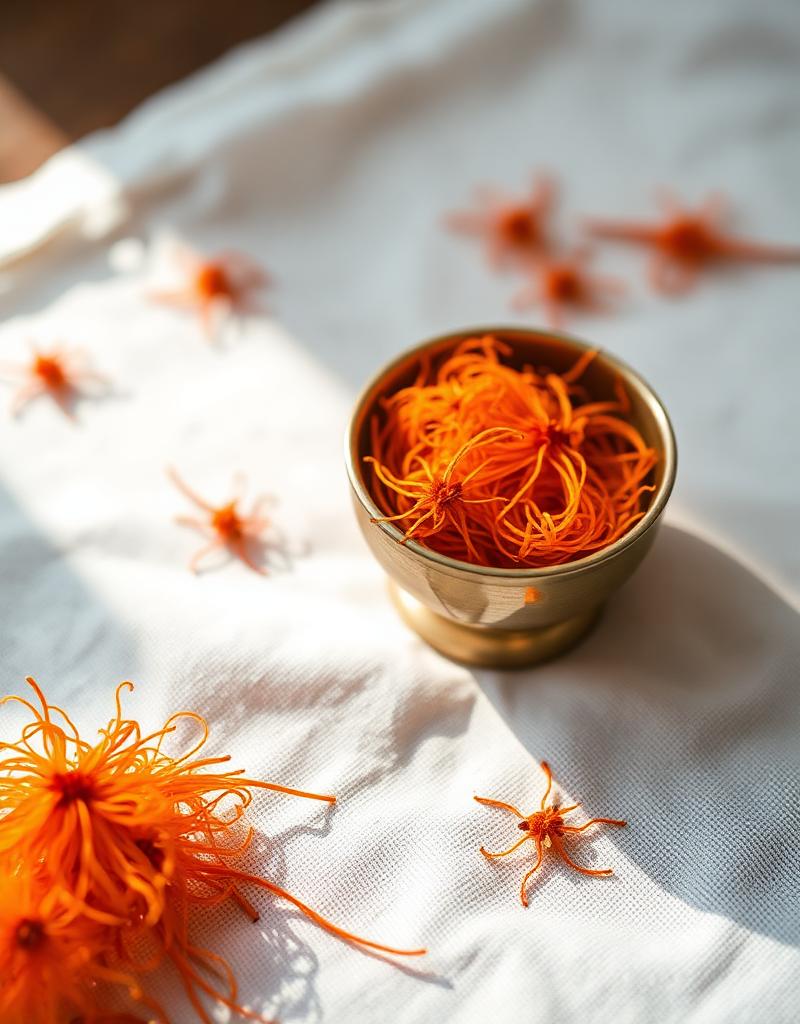
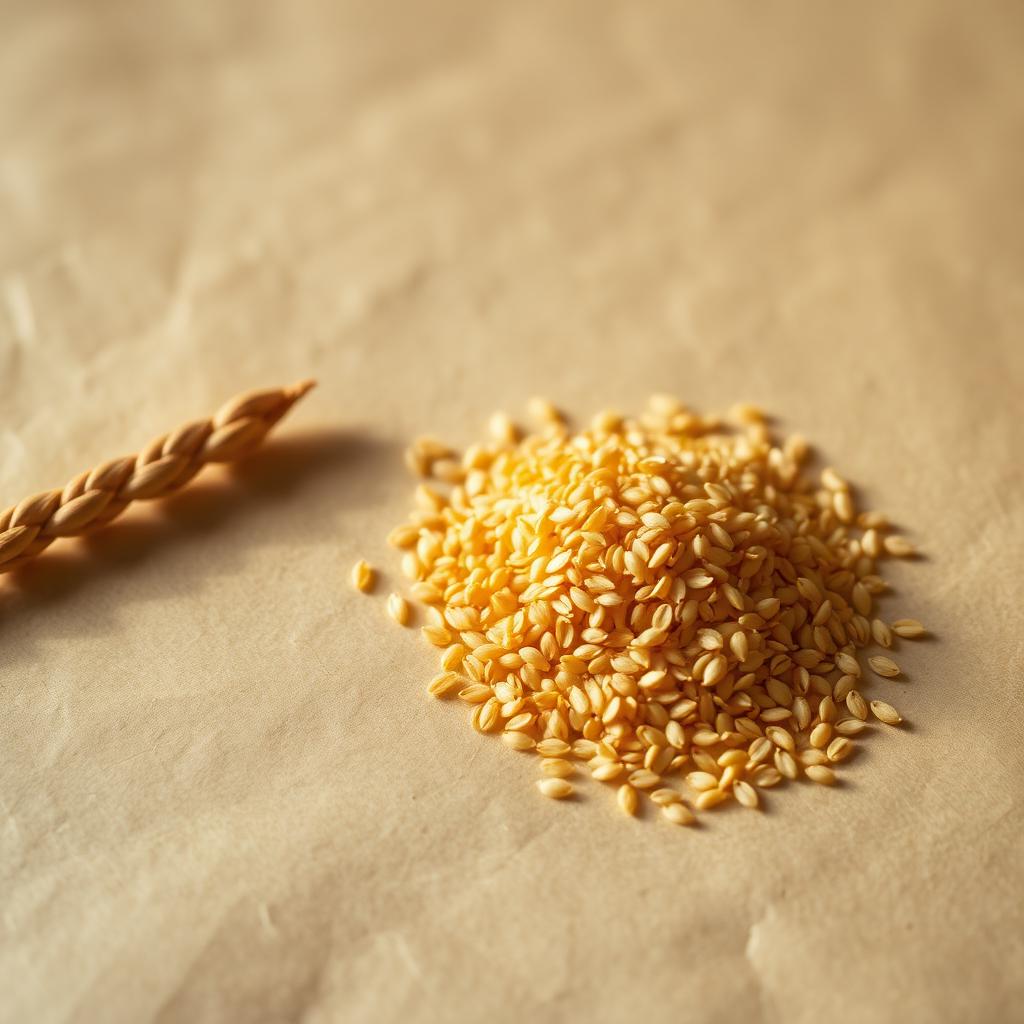
Saffron for low mood is not a modern invention: it appears for melancholy (mālīkhūliyā) in Persian formularies, and it is the one Persian herb with repeated randomised trials for depressive symptoms.
Your Calm Journey
A slow, steady sequence for a lighter mind through food, herbs, breath, and ritual.
- UnderstandStress & Emotional Wellness
Why this next. See how a steady routine can help *soothe* the nervous system, not conquer it.
- Daily routineA daily reset for stress
Why this next. One quiet moment in the day matters more than an occasional long practice.
- HerbSaffron — a gentle mood herb
Why this next. A pinch a day has been studied for mild low mood and steadier emotional tone.
- HerbRose — the fragrance of a calm heart
Why this next. Rose tea and rosewater have a long traditional use for quieting anxious minds.
- FoodPomegranate — the fruit of vitality
Why this next. A daily handful of arils supports the heart and, through it, the mood.
- RitualSlow breathing — 4 in, 6 out
Why this next. The single fastest way to move from a sympathetic state into calm.
- AttariDigital Attari — the calm shelf
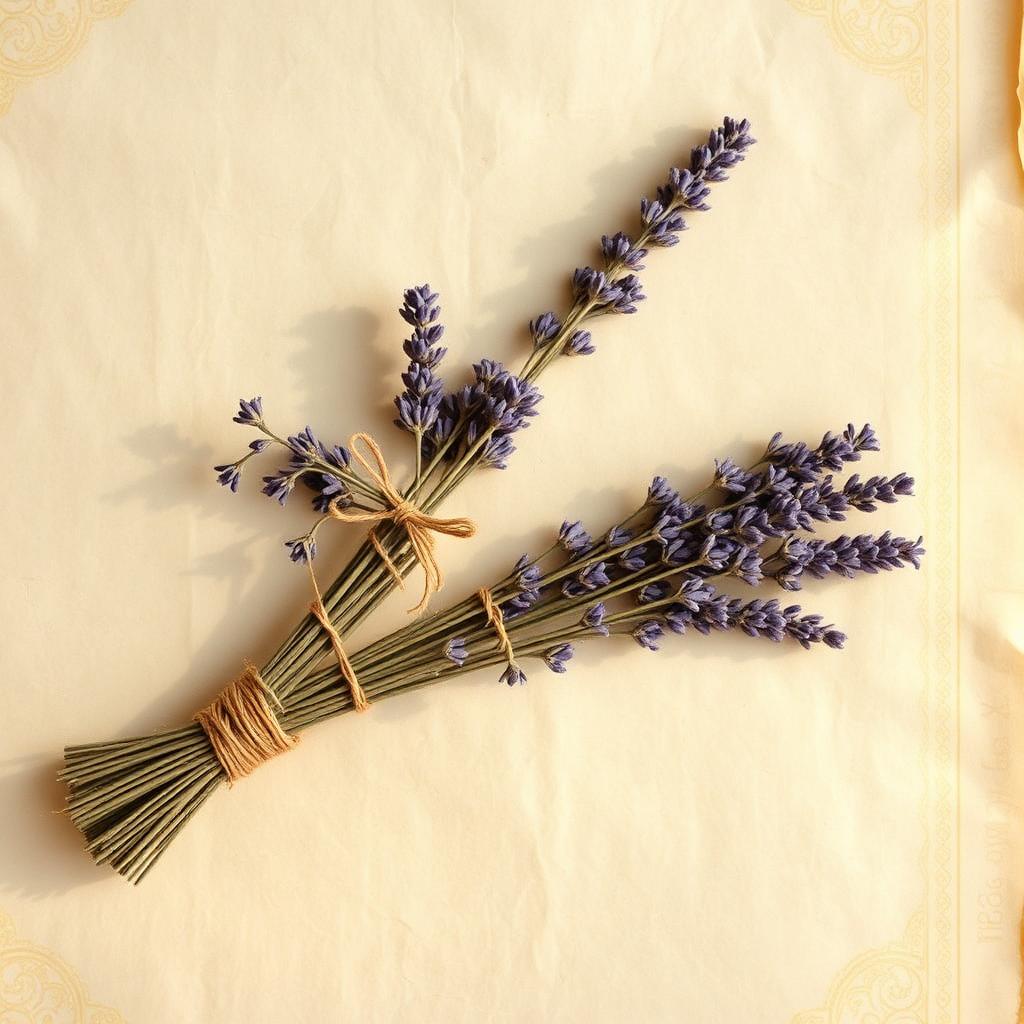
Why this next. Lavender, lemon balm, and linden are traditional herbs for a settled mind.
- CompanionTalk it through with Hakim
Why this next. Turn today's tension into one small change your Hakim can hold you to.
One connected path · Never a list of articles
When to seek professional care
Signs that call for a clinician rather than self-care.
This guide is educational. It complements, but never replaces, care from a qualified healthcare professional.
- •Persistent sadness, hopelessness, or anxiety for 2+ weeks — talk to a clinician.
- •Any thoughts of self-harm — please reach out to a crisis line or emergency care immediately.
Meditation & Mindfulness
Calm practices matched to this goal.
This is the heart of the practice. A small daily commitment — three minutes is enough — quietly changes how the whole day lands.
When overwhelm rises: 5-4-3-2-1 grounding, then breathe out twice as long as you breathe in.
A short body scan in bed releases the day from the body before sleep.
Before a hard conversation, between meetings, or any moment you feel scattered.
Begin practiceMid-day, when stress has built up. Before opening the next email.
Begin practiceWhen relationships feel strained, or to deepen the ones you cherish.
Begin practiceAt the end of the day, before sleep — or any time the day feels heavy.
Begin practiceWithin the first hour of waking, before screens.
Begin practiceThe hour before bed.
Begin practiceFrequently asked questions
Short answers to the questions readers ask most.
Does meditation really work?
It does — even 5–10 minutes a day, kept up for 4–8 weeks, measurably lowers stress markers.
Is journaling helpful?
Yes. A few minutes of journaling in the evening helps you set the day's worries down on paper instead of carrying them to bed — and sleep tends to follow.
What about saffron?
There's modest evidence that saffron (30 mg/day) can help with mild depression. If you take any medications, check with your doctor first.
Related guides
A few places to go next.
Build your personalized Stress & Emotional Wellness plan
Your AI Hakim weaves your goals, your mizāj, and trusted guidance into a roadmap — not a single answer.
Ask Hakim about Stress & Emotional Wellness