Brain Health & Memory
Keep your mind sharp and clear with foods, movement, sleep, and rituals that protect the brain for decades.
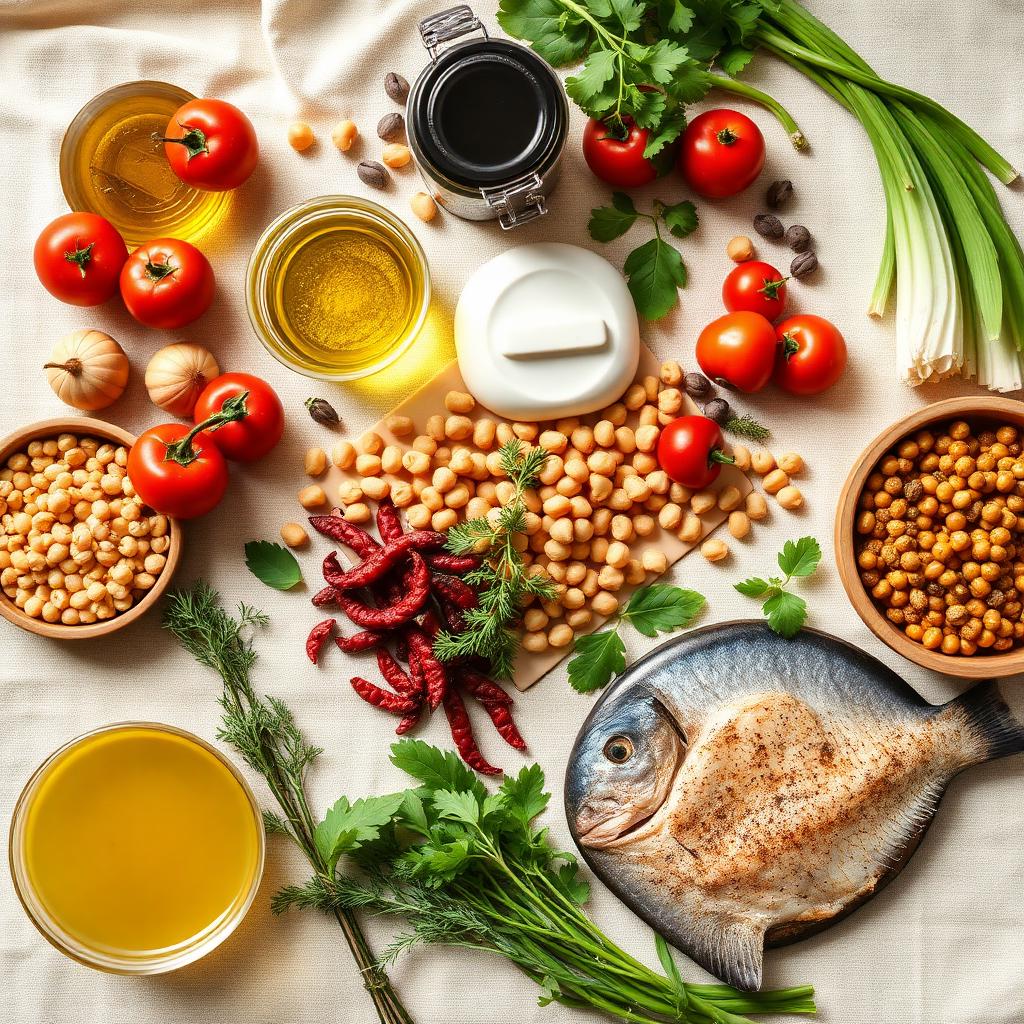
Traditional wisdom · Modern scientific evidence · Personalized guidance
Overview
Your brain responds to how you eat, move, sleep, and connect with other people. Most cognitive decline is not inevitable — much of it is preventable.
Food, movement, sleep, quiet reflection, and regular connection all help shape brain health. Modern neuroscience suggests that several of these habits may help protect memory and mood.
What matters most
What this tends to feel like, and what commonly drives it.
Common symptoms
- •Forgetting names, words, or appointments more than usual
- •Brain fog, especially after meals or poor sleep
- •Difficulty focusing on reading or conversation
- •Slower mental recall under stress
Possible contributing factors
- •Poor sleep — the brain detoxifies itself overnight
- •Ultra-processed food, low omega-3 intake
- •Sedentary days
- •Social isolation
- •Untreated high blood pressure, diabetes, or hearing loss
What the research shows
Food patterns matter: the MIND diet — a hybrid of Mediterranean and DASH — lowers Alzheimer's risk by up to 53% in highest adherence.
Movement matters too. Aerobic exercise grows hippocampal volume (the memory center) even in older adults.
And while you sleep, the brain does important housekeeping: 7–9 hours of sleep enables glymphatic clearance of amyloid — a key Alzheimer's protein.
Evidence-based actions
Movement, sleep, stress, and practical daily habits.
Movement
- •150 minutes of aerobic movement per week — the brain loves cardio.
- •Add 2 strength sessions a week; muscle strength tracks with cognitive aging.
- •Try learning a new skill (an instrument, a language, dance) — novelty builds brain reserve.
Sleep
- •7–9 hours, consistent. Deep sleep clears brain waste; REM consolidates memory.
Stress management
- •Chronic stress shrinks the hippocampus over time. Daily breath, walks, and connection may help counter this.
Lifestyle habits
- •Stay socially connected — call, share meals, join groups.
- •Treat hearing loss; it's one of the largest modifiable dementia risks.
- •Read, write, learn — keep the mind engaged.
Nutrition
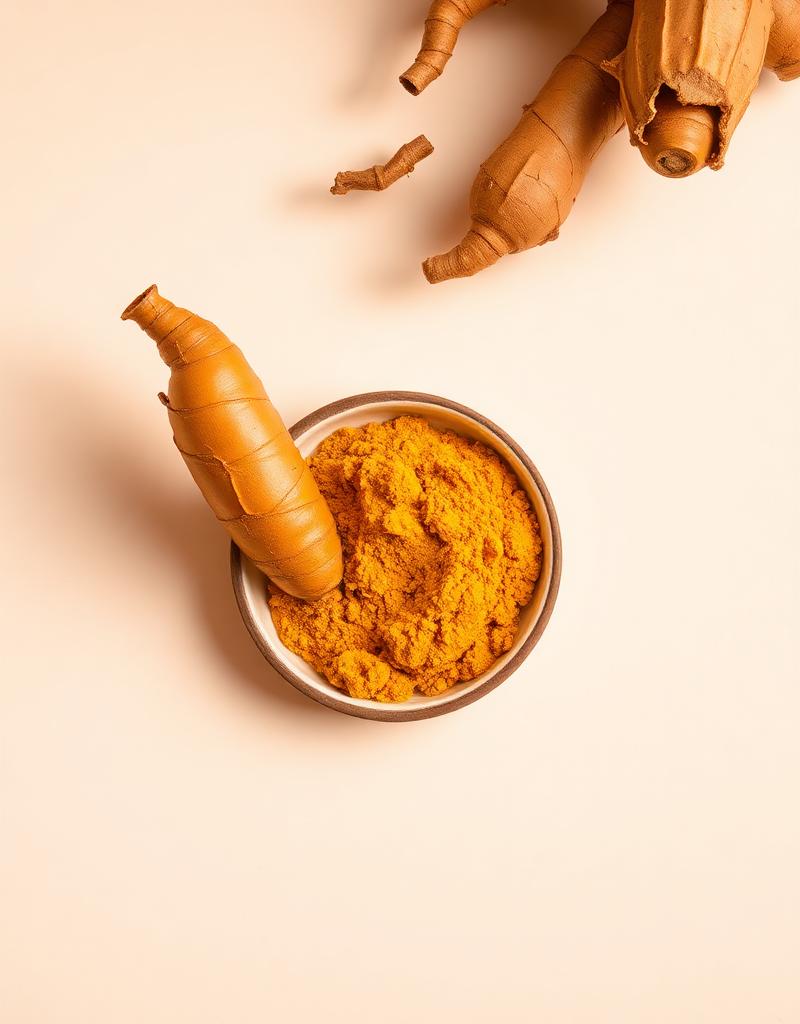
What to eat and drink — every item links to its own guide.



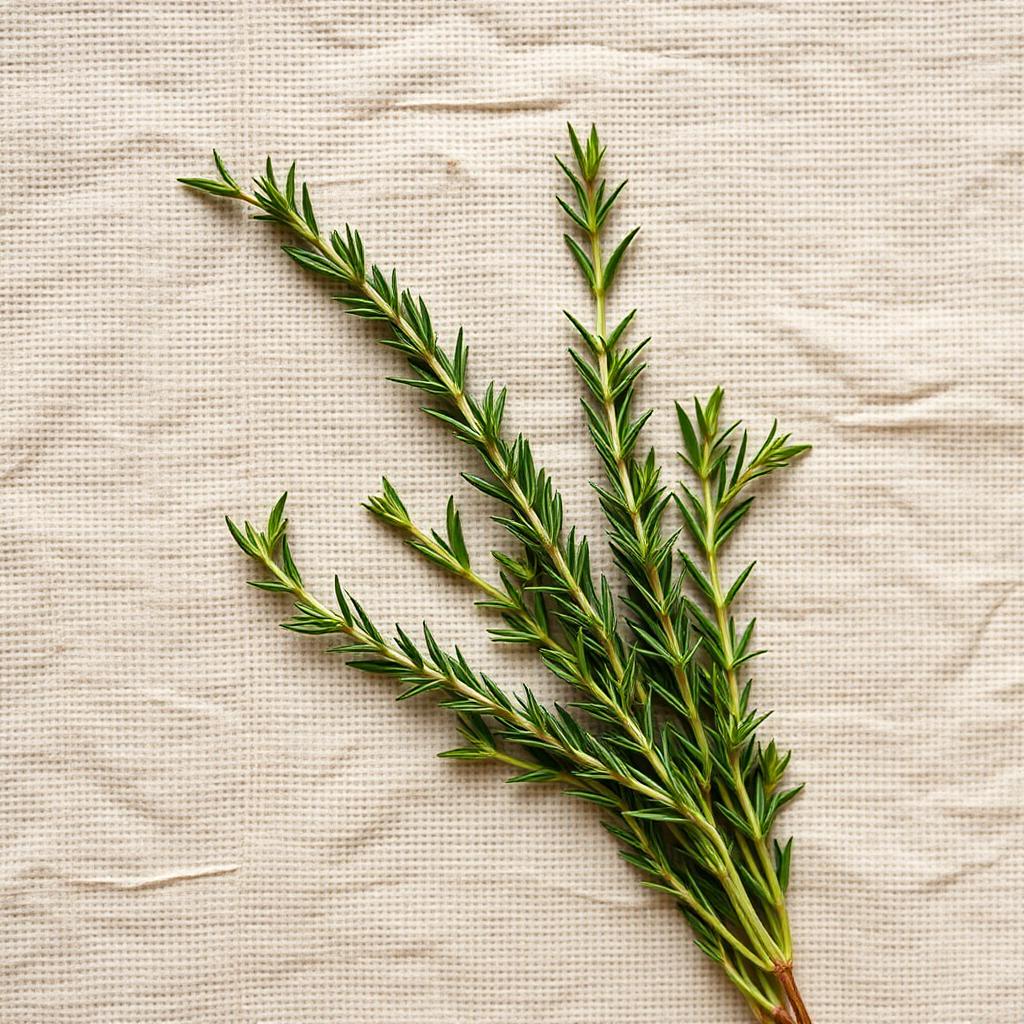






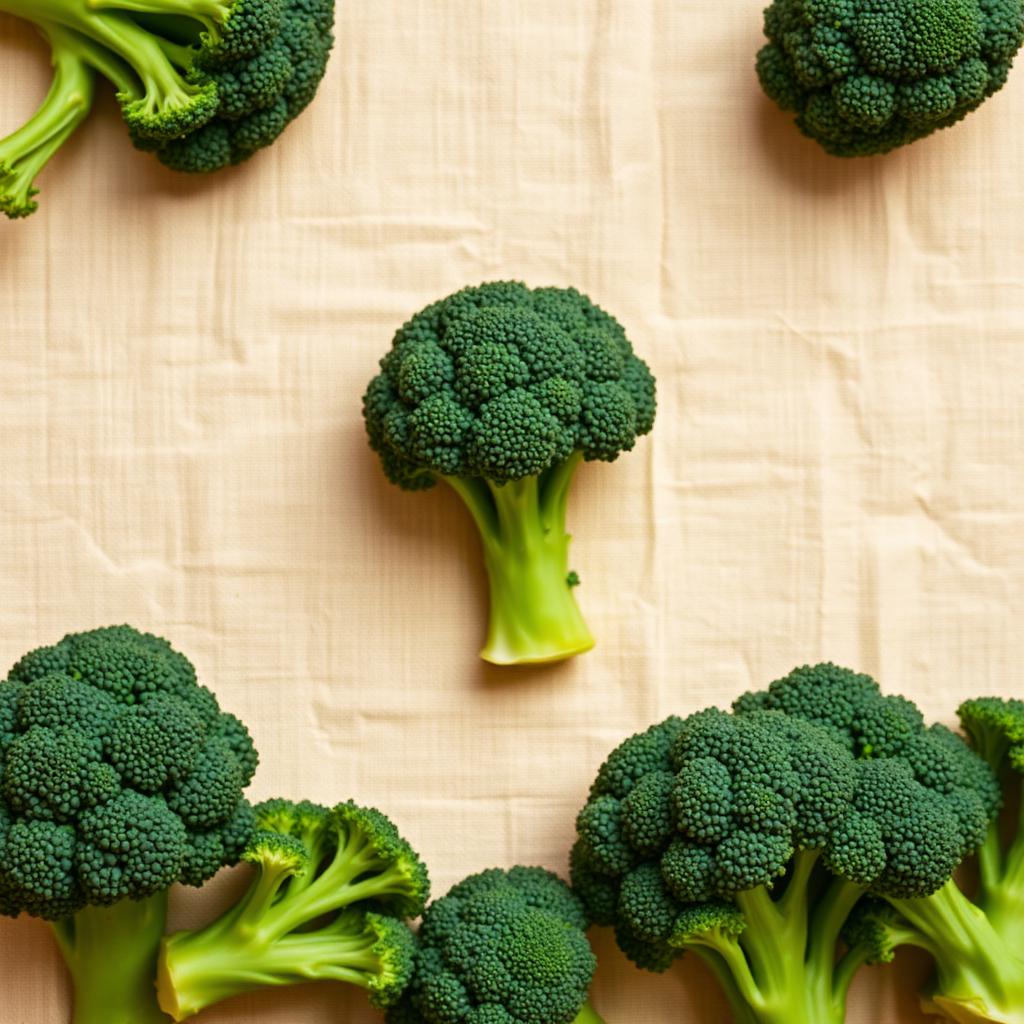

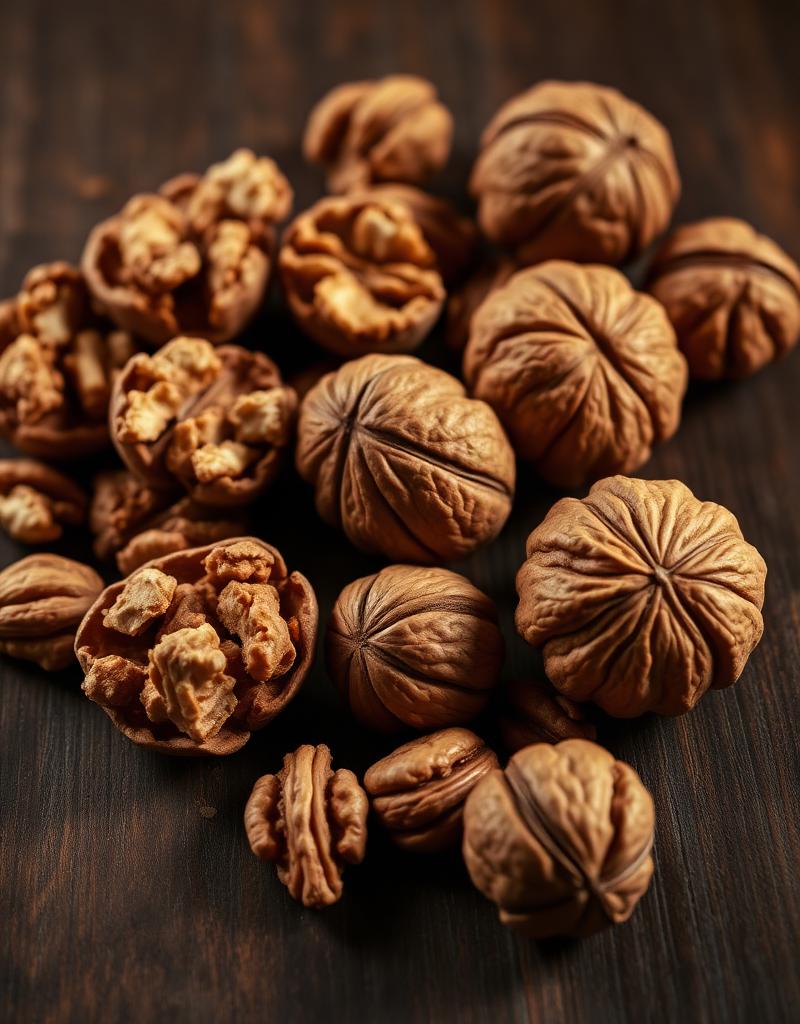
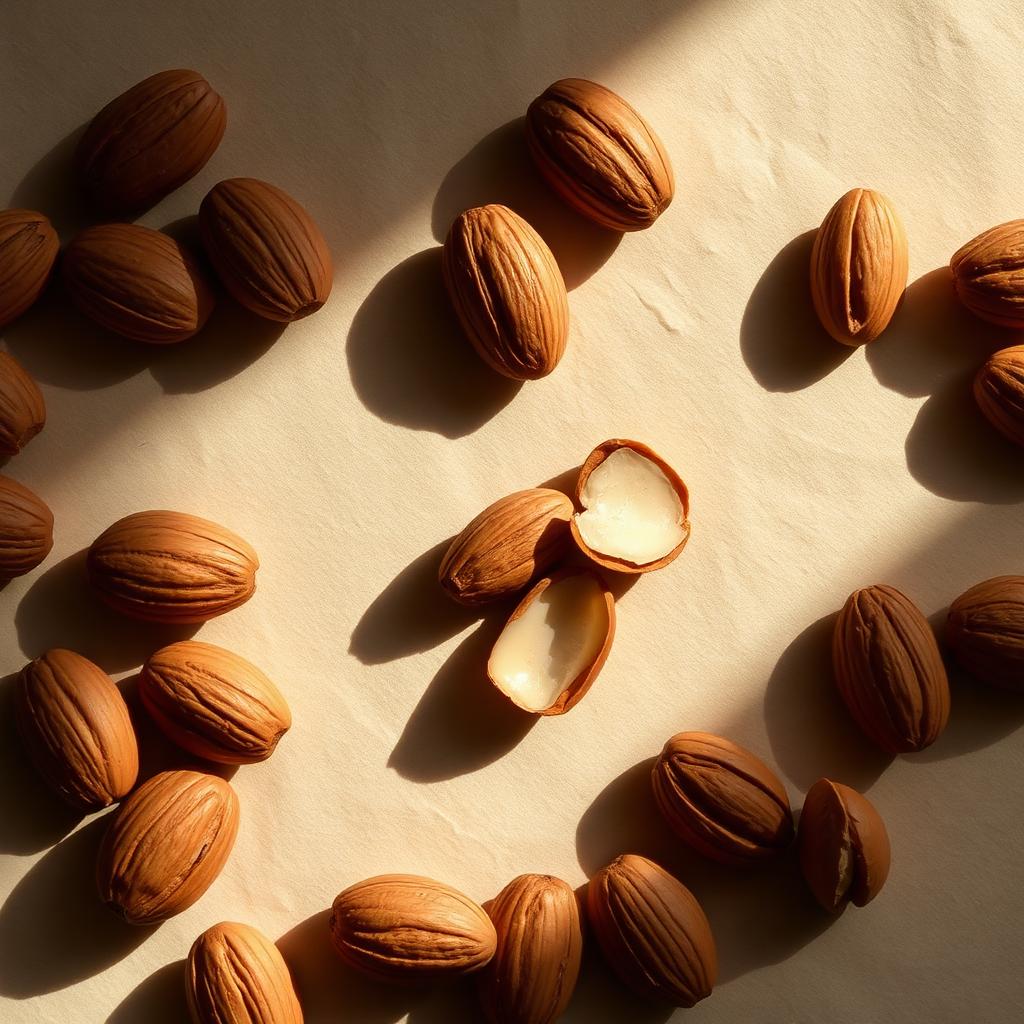
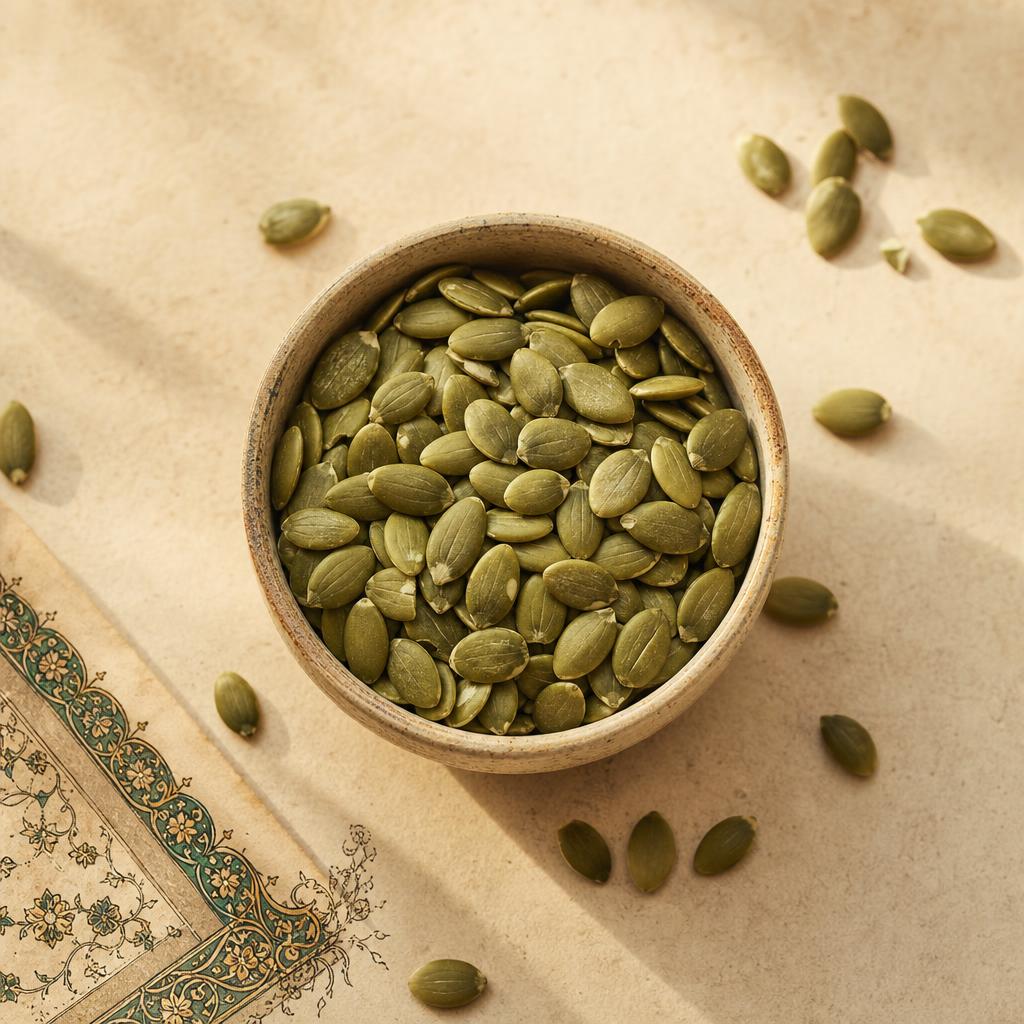
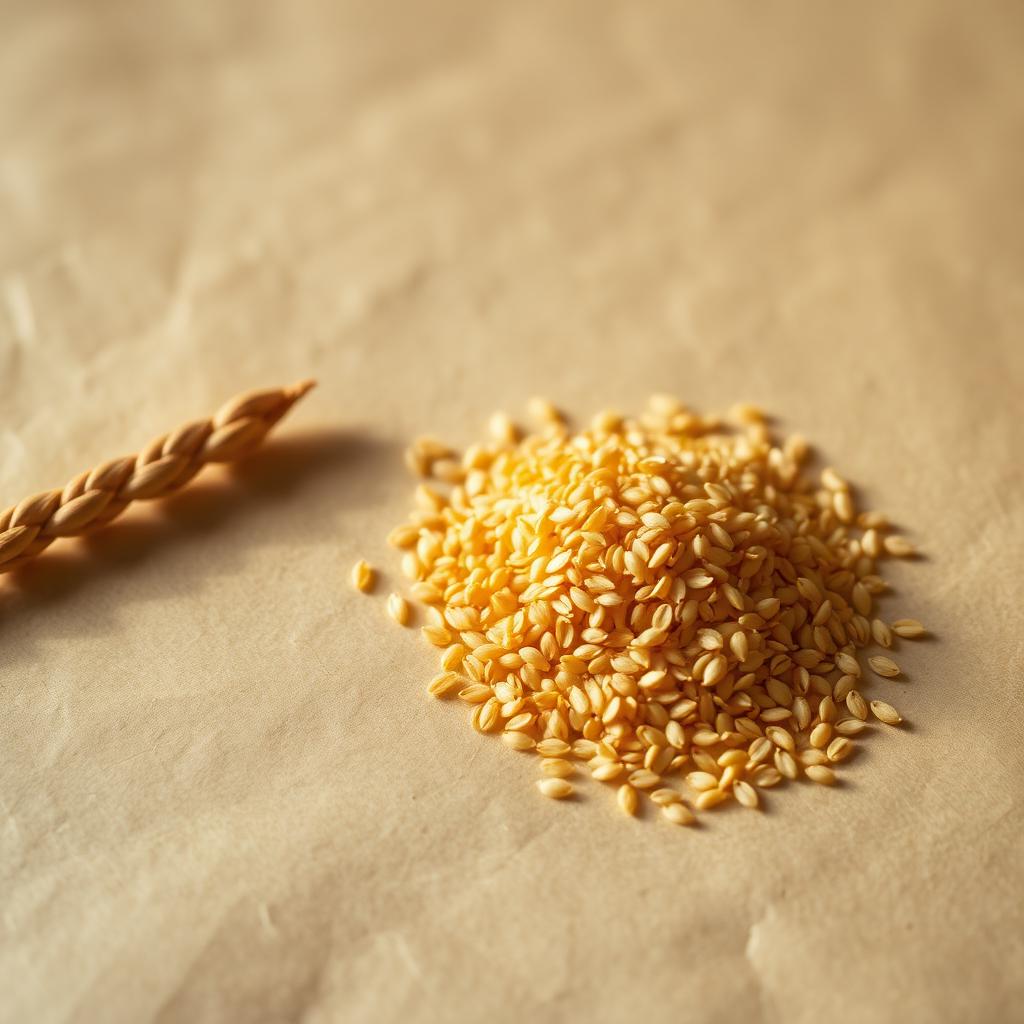
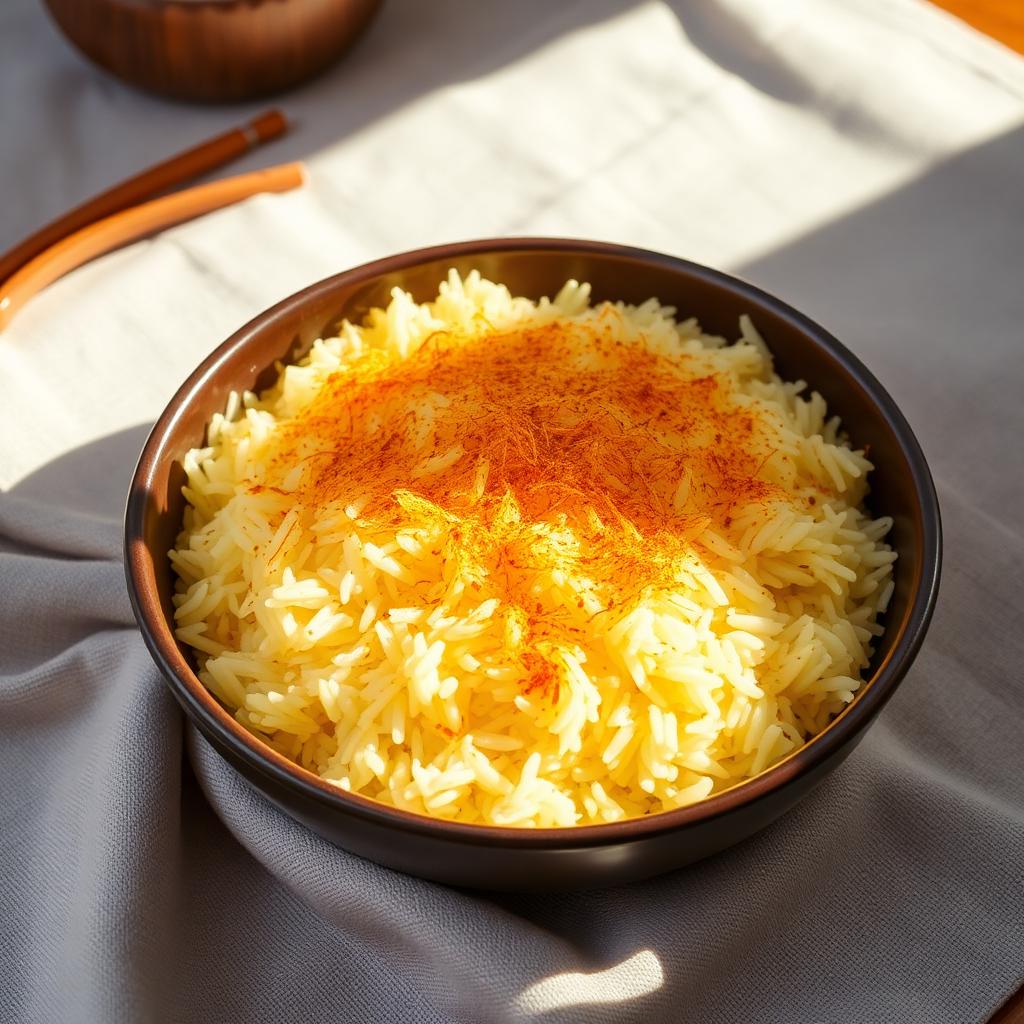
Traditional Persian Perspective
Memory (ḥifẓ) has its own chapters in Persian medical texts. Avicenna locates it in the posterior ventricle of the brain and prescribes for its weakness (nisyān) with warming, aromatic drugs — the same category that produces frankincense (kondor), rosemary, sage and saffron.
The brain was read as cold and moist in mizāj, so excess phlegm was the classical explanation for dullness and forgetting. Treatment therefore warms and dries: aromatic herbs, honey, walnut, and avoidance of heavy, cold, damp food late at night.
Kondor chewed for memory is still a living Iranian habit, and Persian mothers still press walnuts on students during exams — the shape-signature of the nut was not the reason it worked, but the omega-3 content may be.
Your Brain & Memory Journey
A steady path through walnuts, saffron, olive oil, and habits that support memory.
- UnderstandBrain & Memory — the whole picture
Why this next. Understand why the same habits that protect the heart also protect the brain.
- Daily routineA morning focus practice
Why this next. Start the day with attention — the single most protective habit for a clear mind.
- FoodWalnuts — the brain-shaped nut
Why this next. A small daily handful is one of the most consistently studied foods for memory and mood.
- HerbSaffron — a quiet nootropic
Why this next. Small studies suggest saffron may gently support mood and cognitive performance.
- FoodOlive oil — the daily golden pour
Why this next. The single food most linked to protection against age-related cognitive decline.
- RitualWalk after meals
Why this next. Post-meal walking steadies blood sugar — one of the brain's quiet, daily protectors.
- AttariDigital Attari — nuts, spices, and oils
Why this next. Explore the wider pantry and the foods that support these daily habits.
- CompanionContinue with Hakim
Why this next. Turn these foods and habits into a rhythm you can actually keep, one week at a time.
One connected path · Never a list of articles
When to seek professional care
Signs that call for a clinician rather than self-care.
This guide is educational. It complements, but never replaces, care from a qualified healthcare professional.
- •Memory changes that interfere with daily life — see your doctor for evaluation.
- •Sudden confusion, severe headache, weakness on one side — emergency care immediately.
Meditation & Mindfulness
Calm practices matched to this goal.
Attention is the muscle of memory. Brief daily practice measurably sharpens focus, working memory, and emotional steadiness.
Before any task that needs full attention: one minute of breath counting.
Right before starting a task that needs your full attention.
Begin practiceWithin the first hour of waking, before screens.
Begin practiceBefore a hard conversation, between meetings, or any moment you feel scattered.
Begin practiceAfter a meal, between work blocks, or on any quiet walk.
Begin practiceFrequently asked questions
Short answers to the questions readers ask most.
Will puzzles like Sudoku keep my mind sharp?
Mental challenge helps, but exercise, sleep, and social life have larger effects on long-term brain health.
Do I need supplements?
Most people do better with whole foods. Omega-3 and vitamin D may help when low — test first.
Is it normal to forget names as I get older?
Some name-finding slowdown is normal. New problems with familiar tasks deserve evaluation.
Related guides
A few places to go next.
Build your personalized Brain Health & Memory plan
Your AI Hakim weaves your goals, your mizāj, and trusted guidance into a roadmap — not a single answer.
Ask Hakim about Brain Health & Memory