Healthy Aging & Longevity
Add healthy years to your life — and life to your years — through simple daily habits.
Traditional wisdom · Modern scientific evidence · Personalized guidance
Before you start: This guide is educational, not medical advice. If you're managing a chronic condition or take daily medication, talk to your doctor before changing your diet, supplements, or routine — especially if you take medication. See our full Safety First guidance.
Overview
Longevity isn't one magic food or supplement — it never is. It's the small habits, repeated day after day, that protect your heart, brain, muscle, mood, and sense of meaning.
The world's longest-lived populations look remarkably alike in how they live: real food, daily movement, deep social bonds, purpose, and calm.
What matters most
What this tends to feel like, and what commonly drives it.
Common symptoms
- •Loss of muscle strength or balance
- •Slower recovery from activity
- •Memory or mood changes
- •Loss of meaning or social connection
Possible contributing factors
- •Sedentary days, lost muscle
- •Ultra-processed food, low protein, low plant variety
- •Poor sleep, chronic stress
- •Social isolation
- •Untreated medical conditions (BP, sugar, cholesterol, hearing)
What the research shows
Blue Zones — the places with the longest healthy lifespans — all share the same basics: plant-rich diets, daily movement, strong family ties, purpose, and low stress.
Strength training in midlife and beyond supports muscle strength and physical function as we age.
And loneliness rivals smoking as a mortality risk — your social bonds matter as much as your diet.
Evidence-based actions
Movement, sleep, stress, and practical daily habits.
Movement
- •Walk daily — most longevity studies hinge on this single habit.
- •Strength train 2–3x per week through life.
- •Add balance, flexibility, and gentle play — dancing, gardening, swimming.
Sleep
- •7–9 hours, consistent. Treat sleep apnea if suspected.
Stress management
- •Daily quiet pause; nature, gratitude, breath, ritual.
Lifestyle habits
- •Eat with other people daily. Shared meals are one of the best-evidenced longevity factors there is.
- •Keep up a regular oil massage and warm bath — a real help for skin, circulation and sleep.
- •Walk in company every day. Making movement social helps it last into old age.
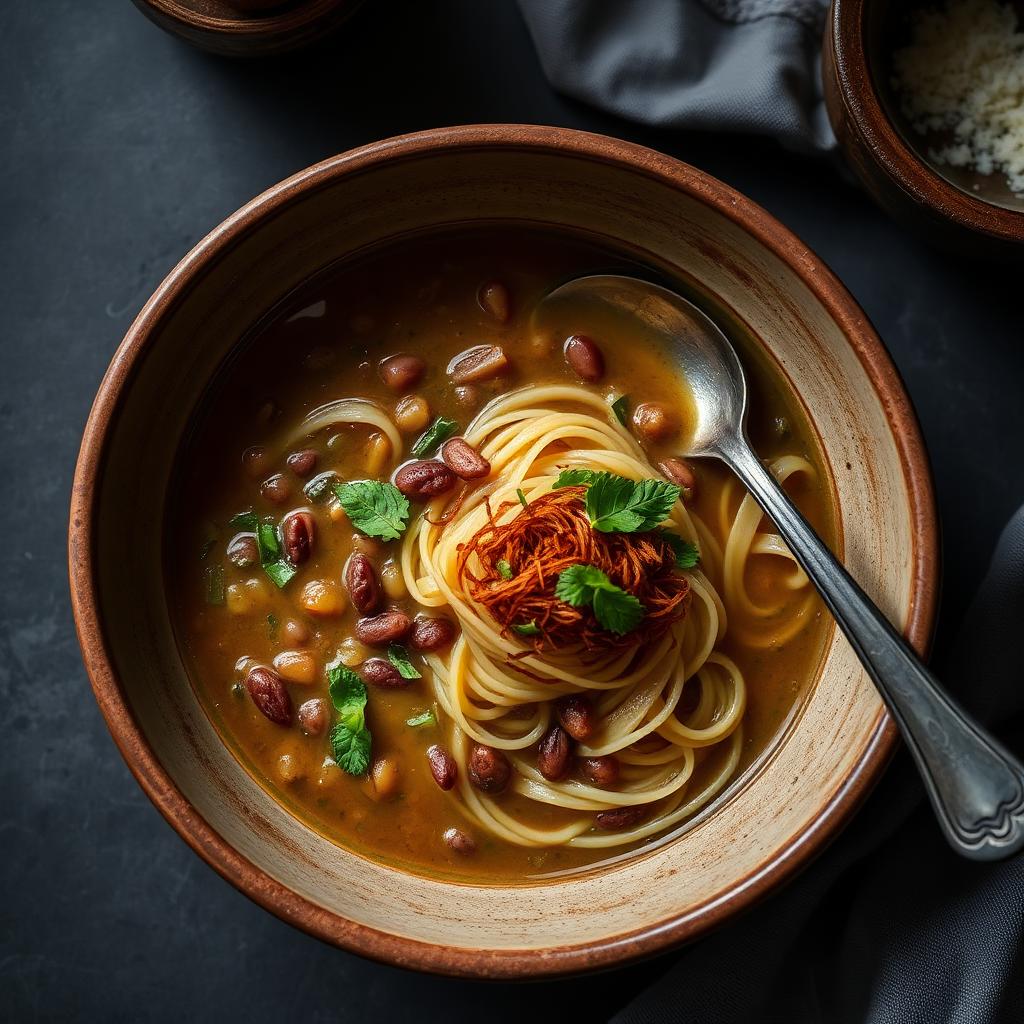
- •Favour soft, warm, freshly cooked food — āsh, khoresh, soups — over cold and dry meals.
- •Stay useful. Having an occupation matters in later life as much as food does.
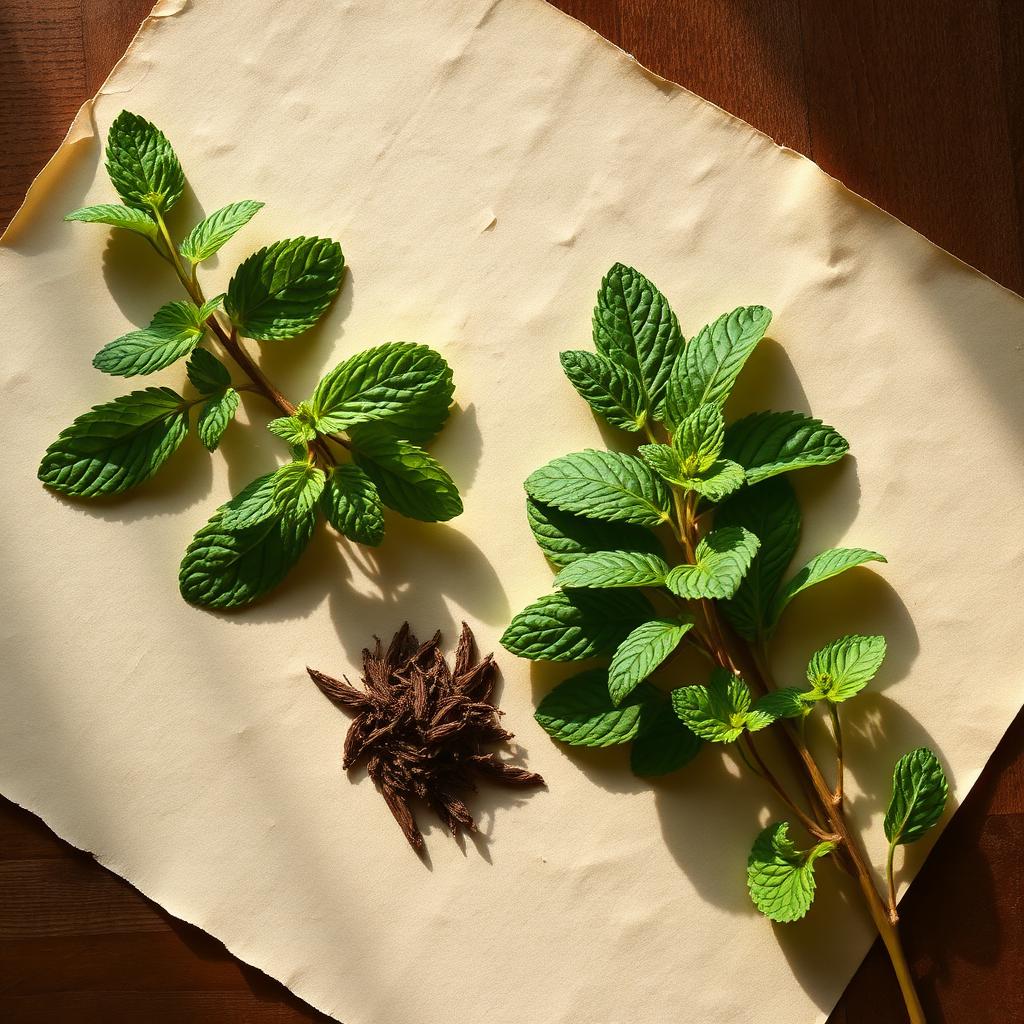
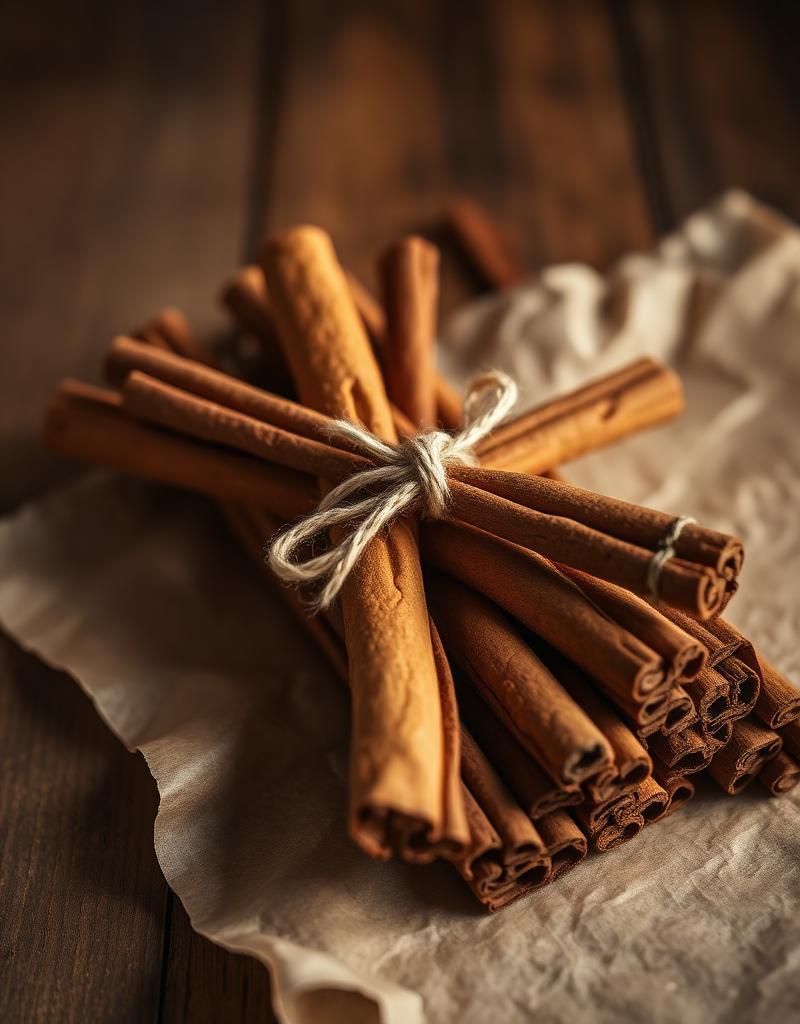
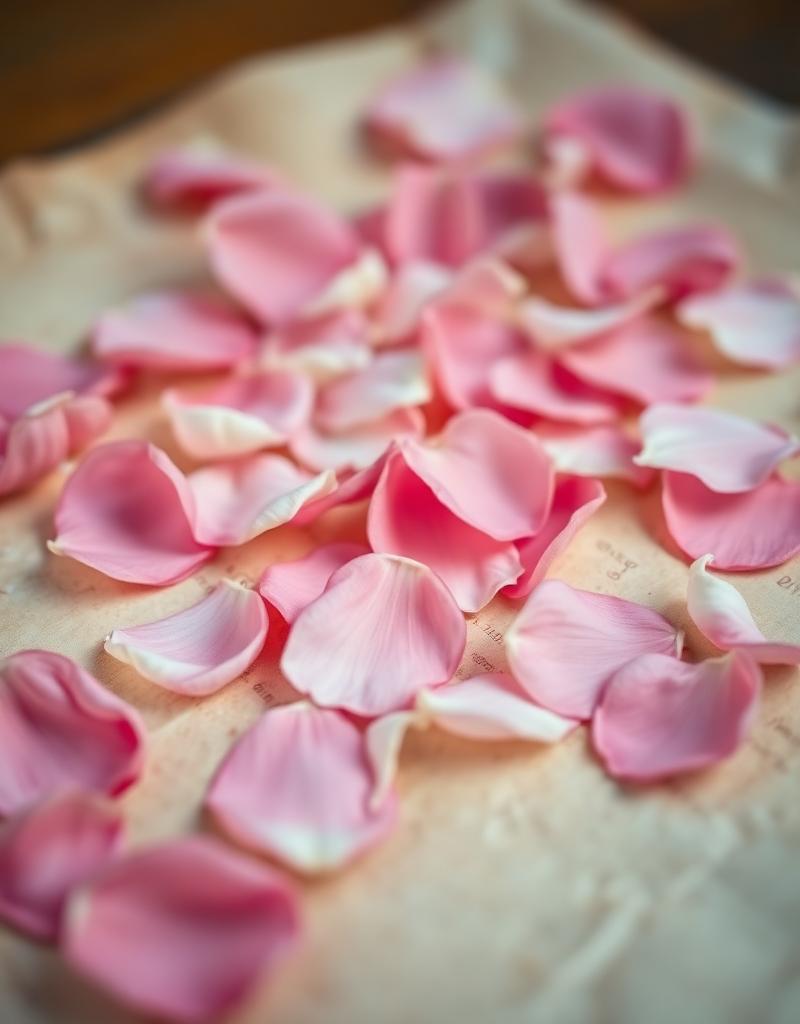
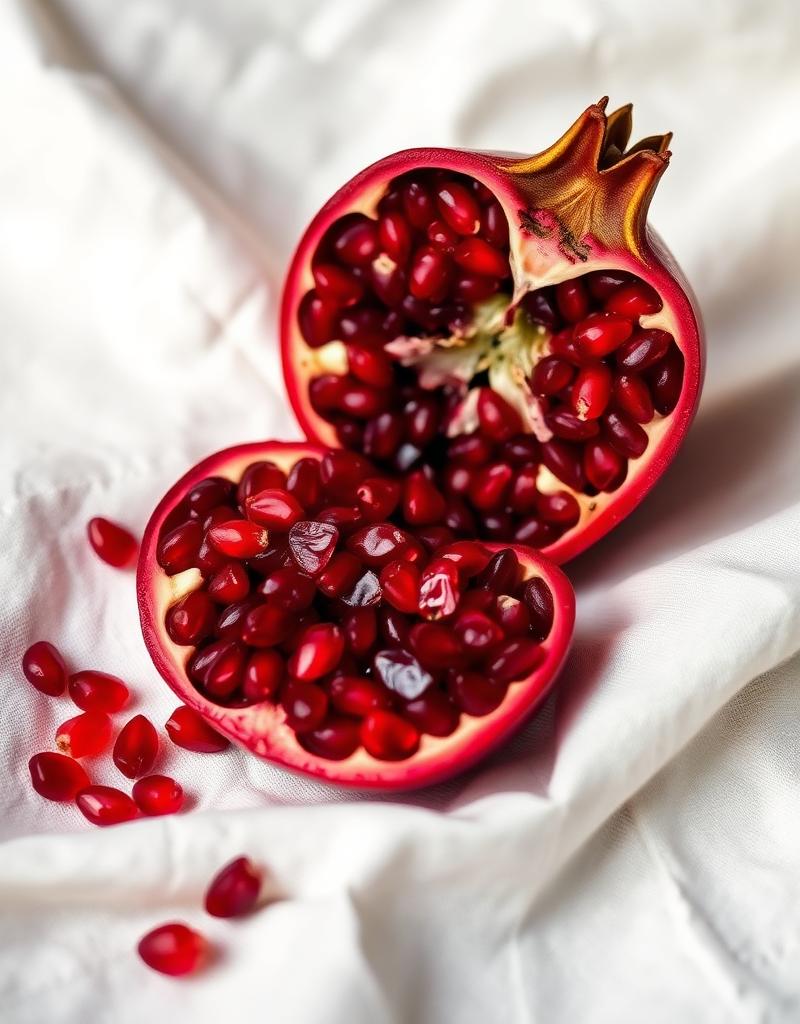
Nutrition
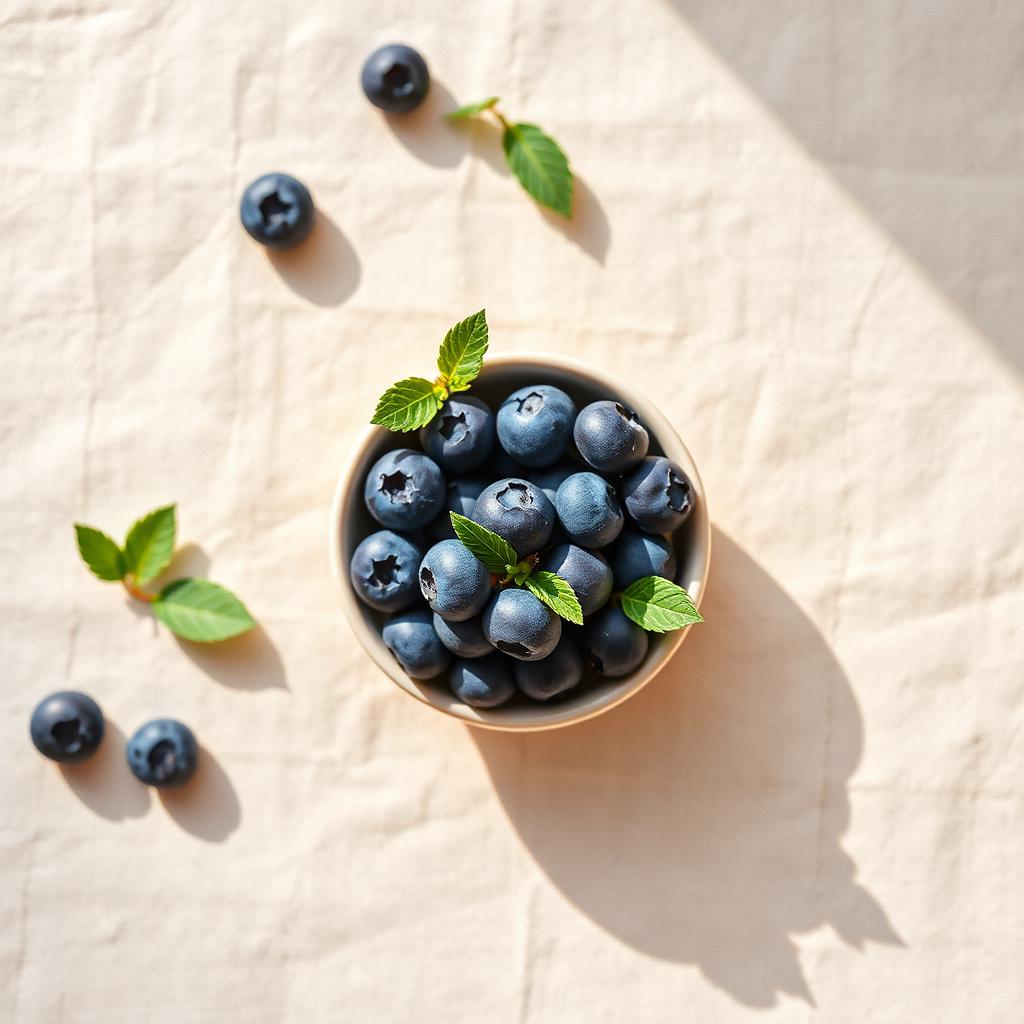
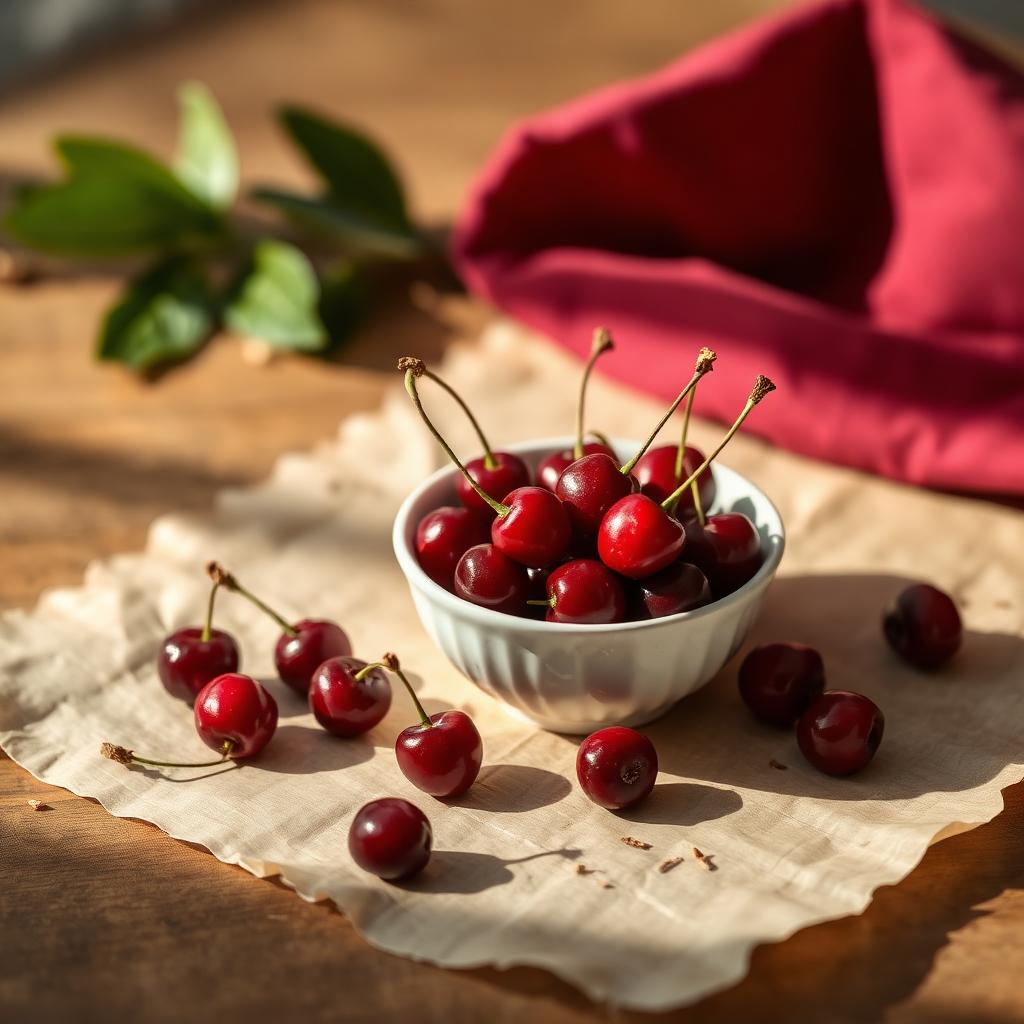
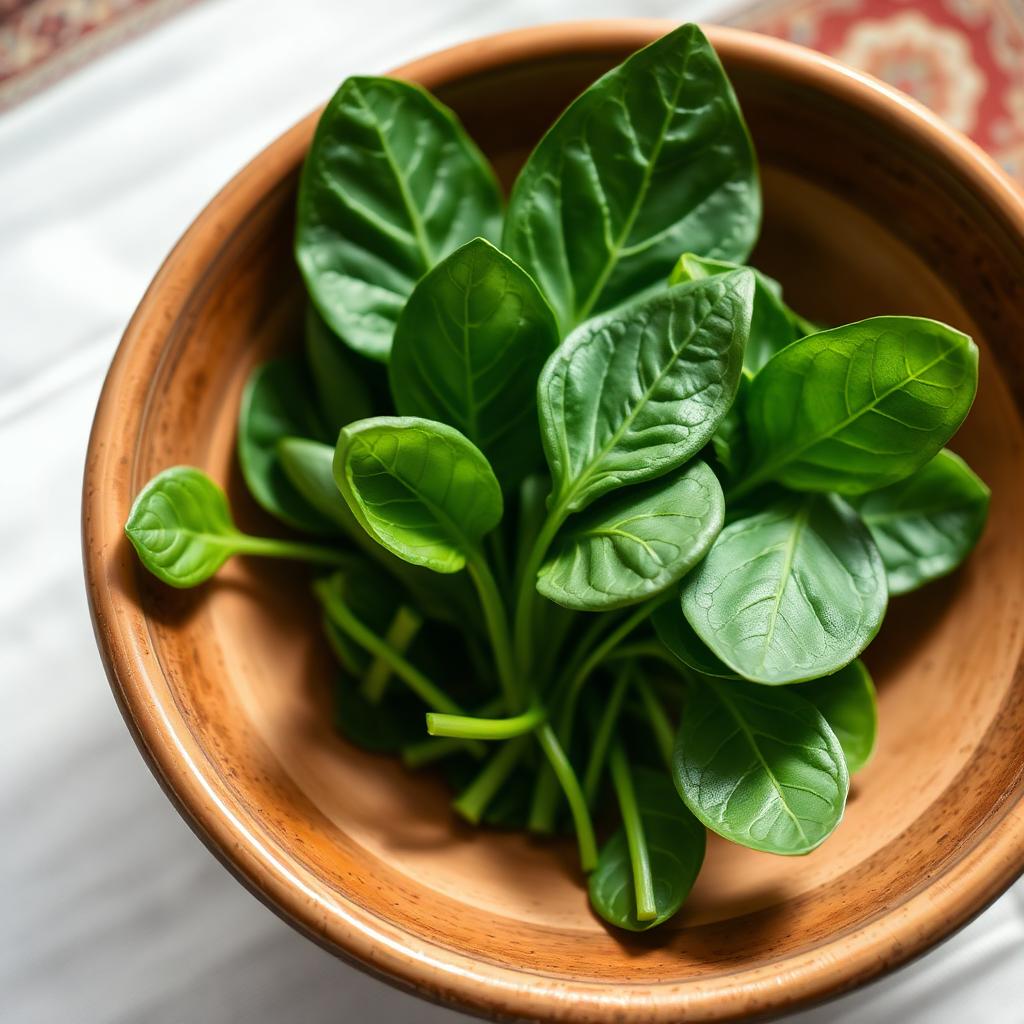
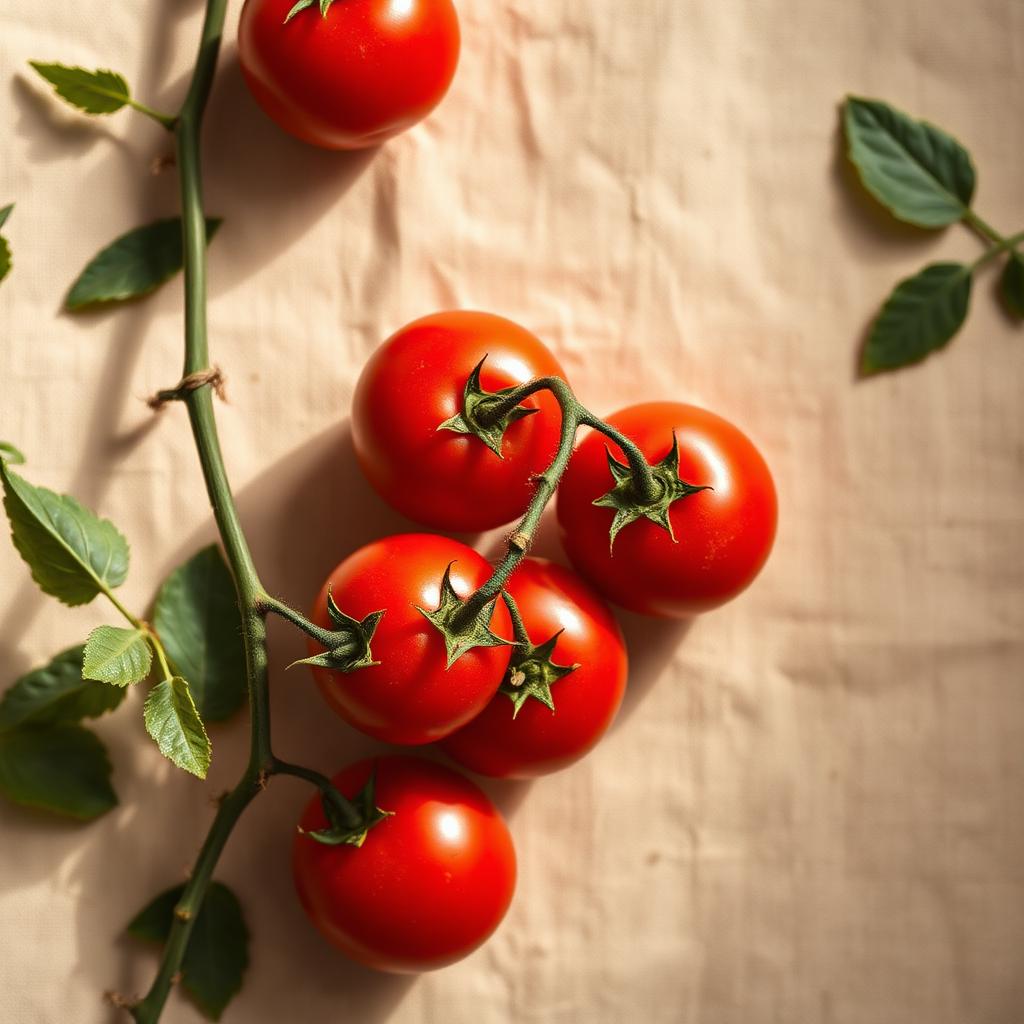
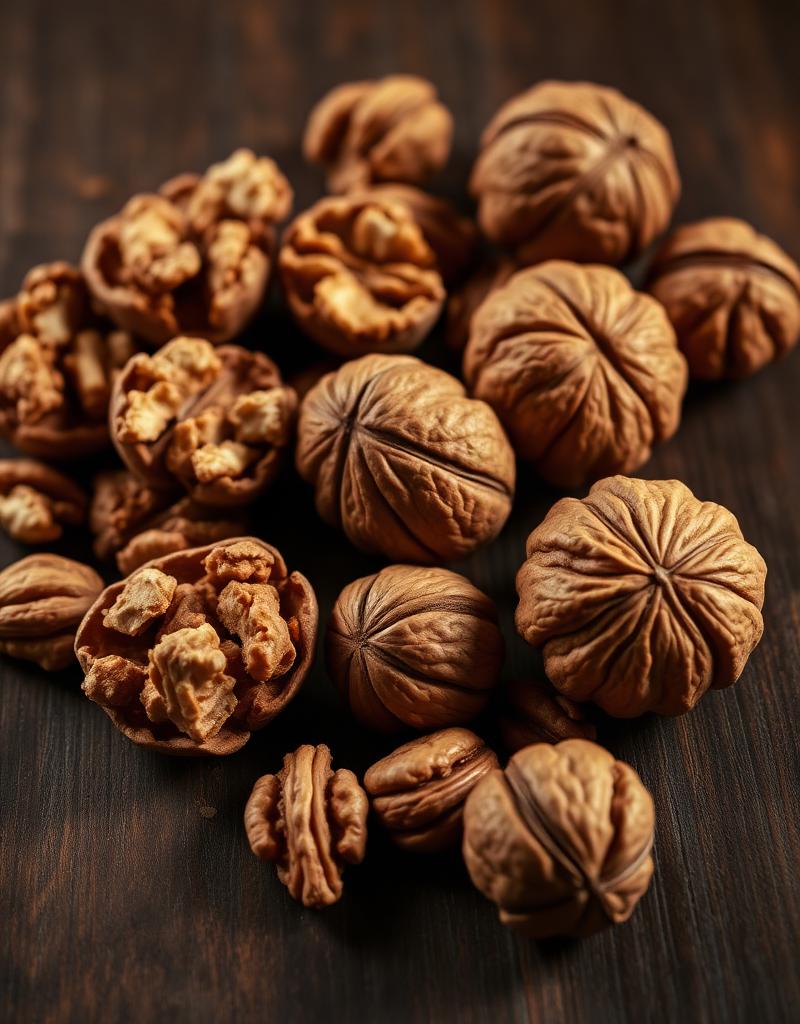
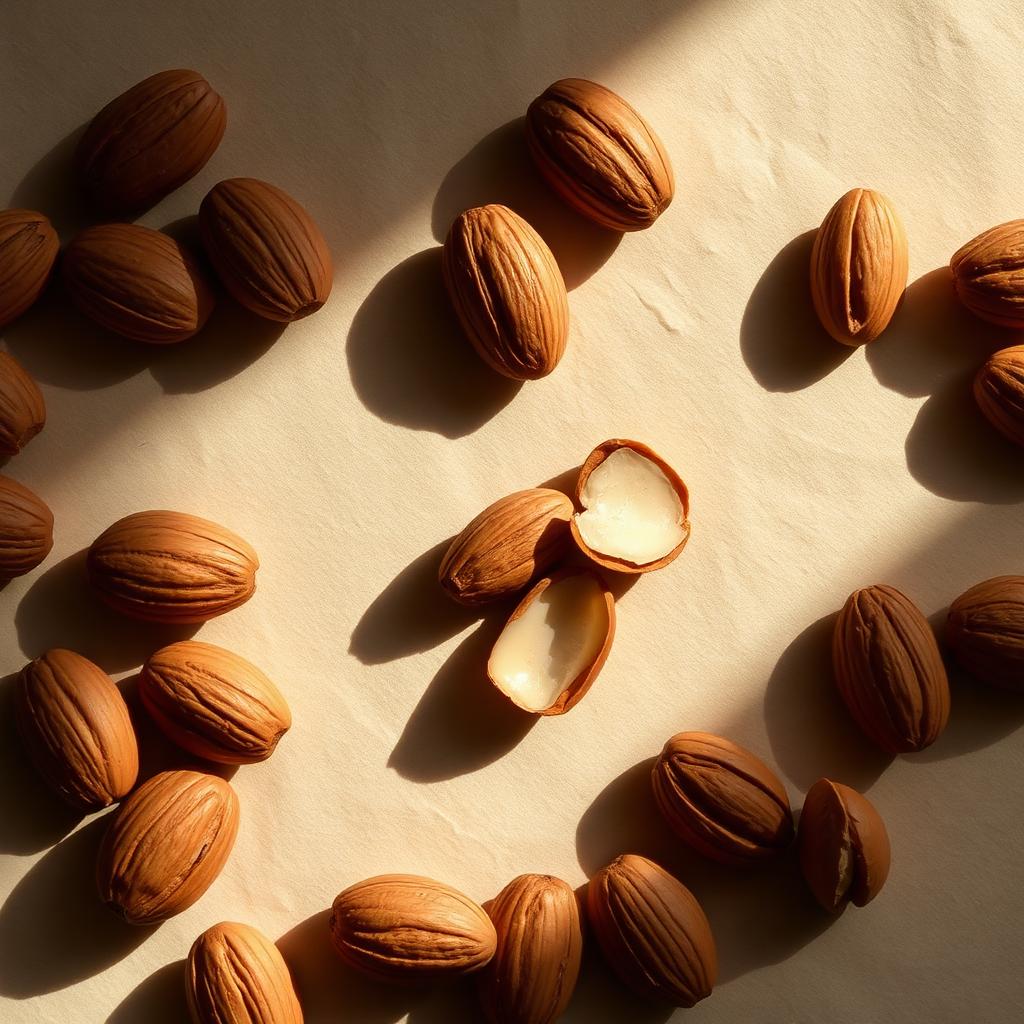
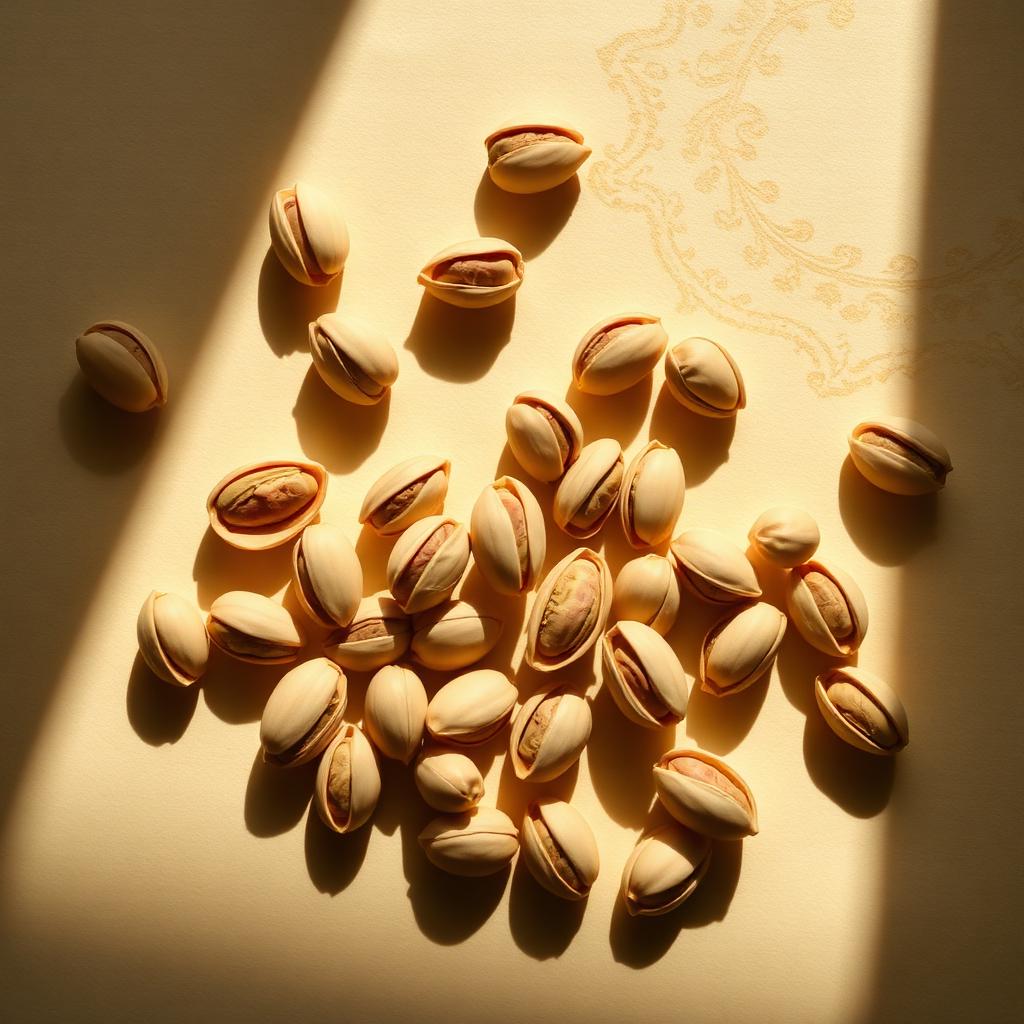
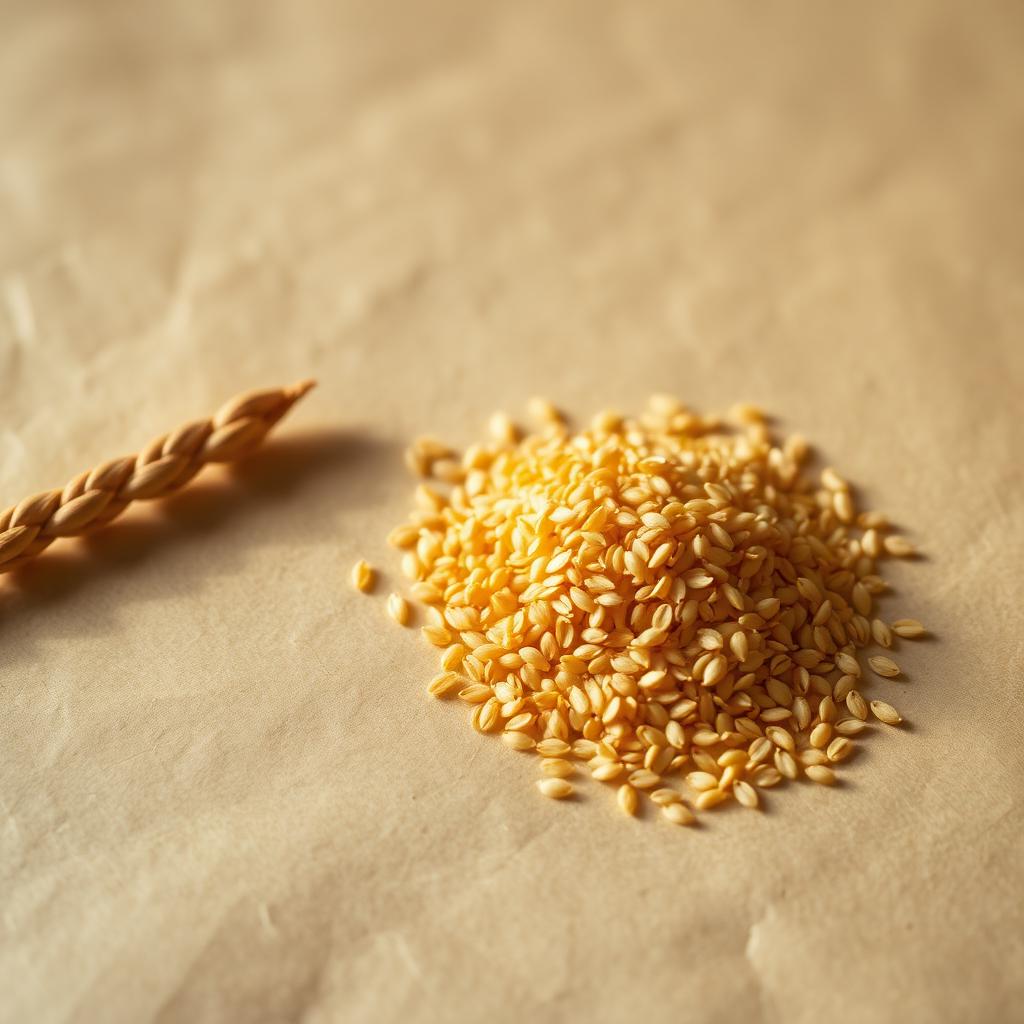
What to eat and drink — every item links to its own guide.
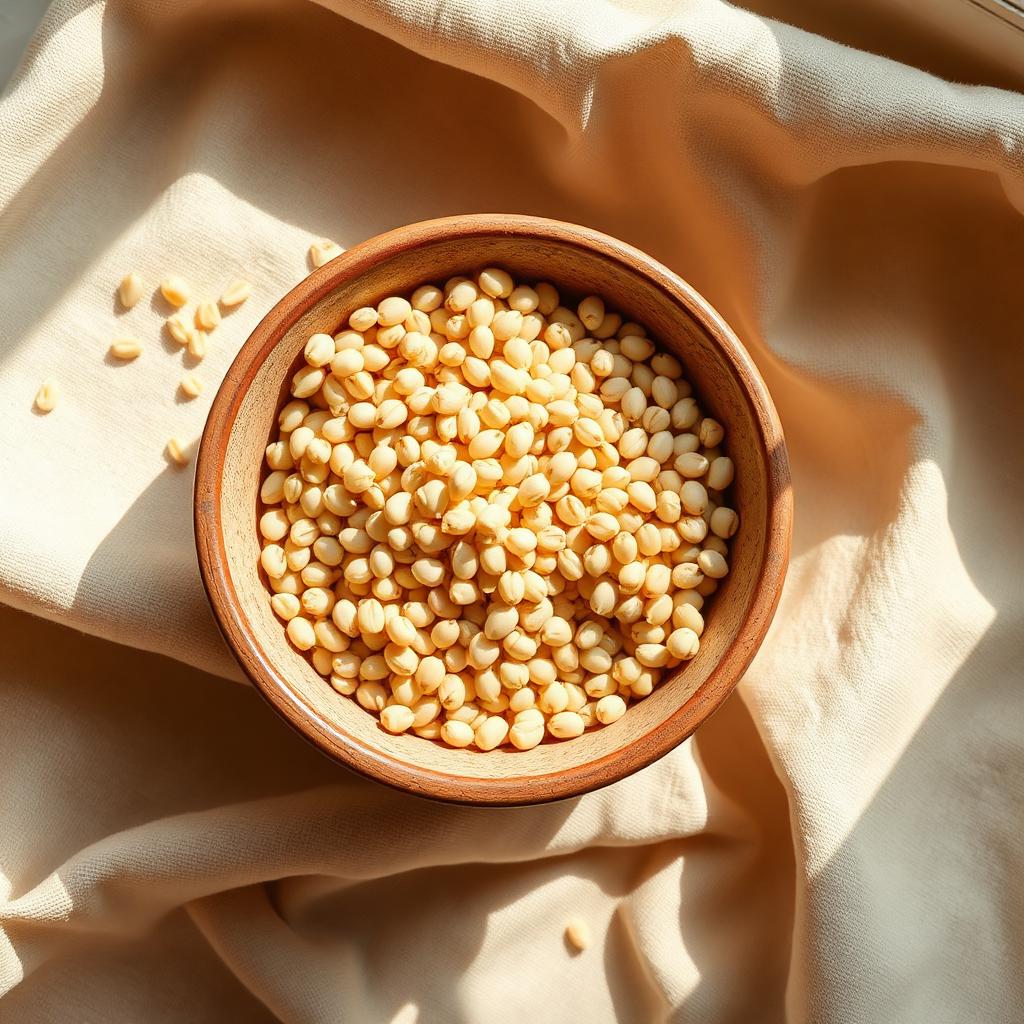
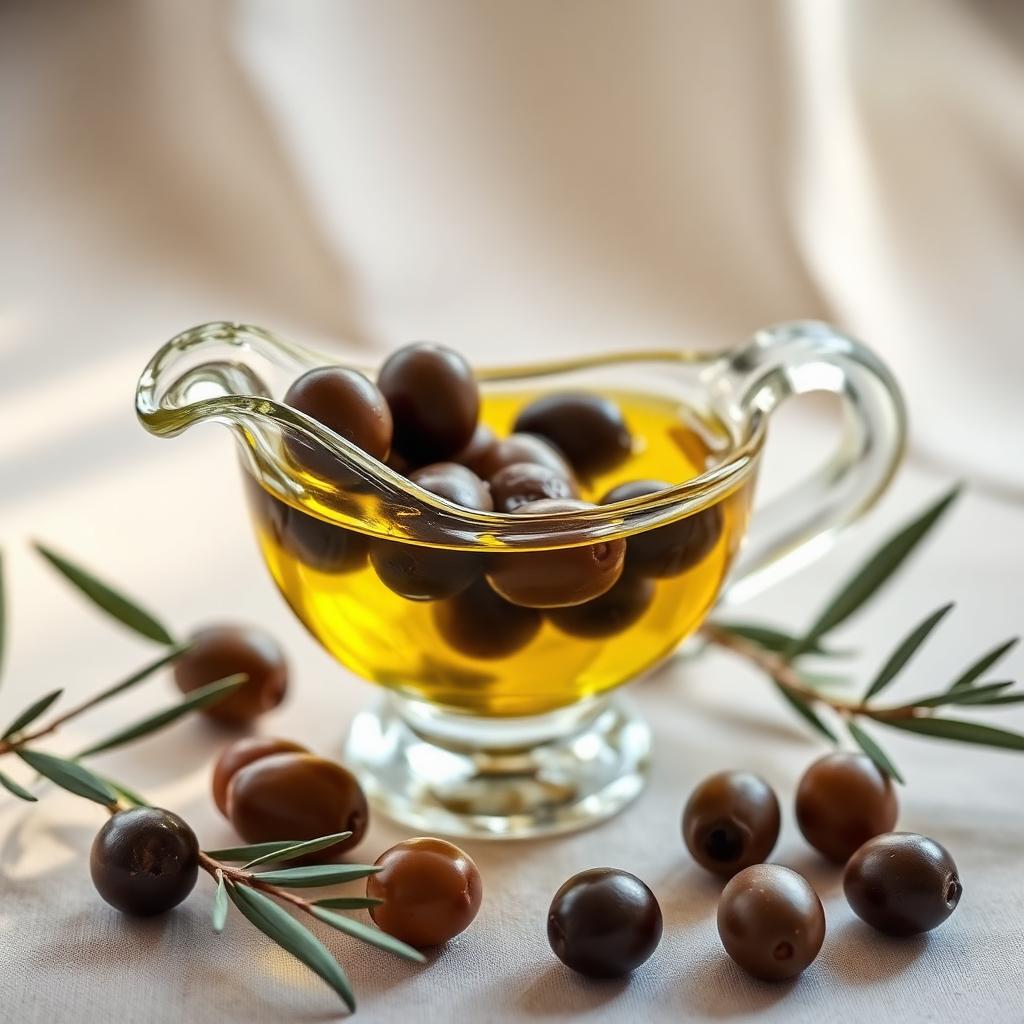
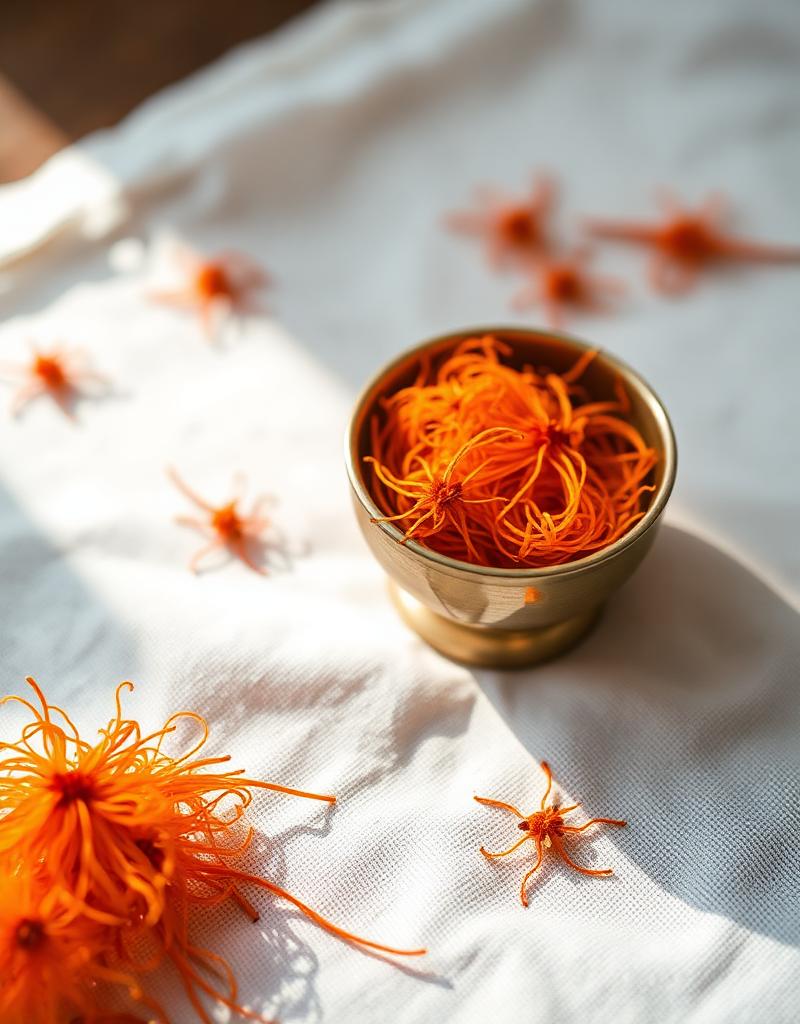
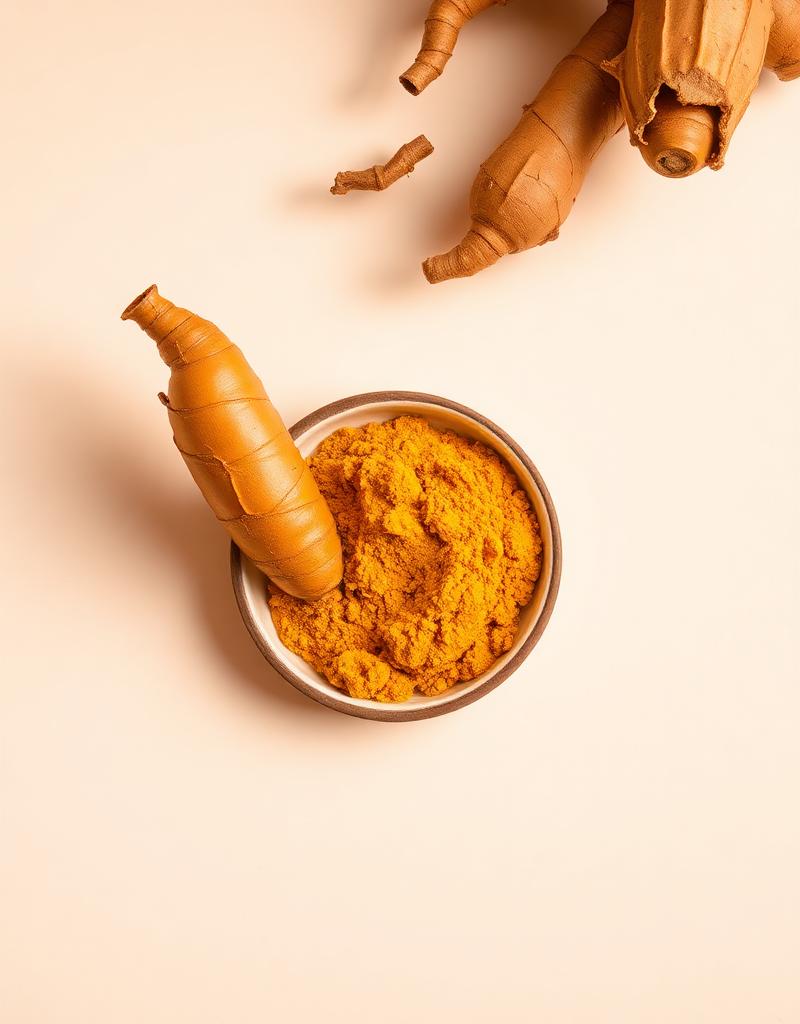
Traditional Persian Perspective
Classical Persian medicine has a whole branch on caring for older people, called tadbīr al-mashāyikh (the regimen of the old). Avicenna (Ibn Sīnā) described ageing as the body slowly becoming colder and drier. So his advice for later life aims to warm and moisten: oil massage, warm baths, soft cooked food, milk, and unhurried movement.
He also treated isolation as an illness of old age, not just a social circumstance. Company and a useful occupation were prescribed as firmly as food.
In the traditional multi-generational household, elders eat with the family, are consulted, and stay part of daily life.
When to seek professional care
Signs that call for a clinician rather than self-care.
This guide is educational. It complements, but never replaces, care from a qualified healthcare professional.
- •Stay on top of routine screenings: BP, cholesterol, blood sugar, colon, breast/cervical/prostate per guidelines.
- •Address hearing loss early — protective for cognition.
- •Discuss medications with your doctor regularly; fewer is often better.
Meditation & Mindfulness
Calm practices matched to this goal.
Long-lived people share a calm relationship to time. Daily stillness, gratitude, and connection are among the most reliable longevity habits.
Close each day with three good things. A small practice, a long life.
At the end of the day, before sleep — or any time the day feels heavy.
Begin practiceWhen relationships feel strained, or to deepen the ones you cherish.
Begin practiceAfter a meal, between work blocks, or on any quiet walk.
Begin practiceWithin the first hour of waking, before screens.
Begin practiceThe hour before bed.
Begin practiceFrequently asked questions
Short answers to the questions readers ask most.
Is there a longevity supplement worth taking?
Vitamin D and omega-3 are reasonable for many people. Most other 'longevity' supplements are oversold — real food, sleep, movement, and connection do far more.
Is fasting the secret?
Some forms (a 12-hour overnight fast, the occasional longer one) help many people. But for most, protein, strength, and sleep matter more.
What's one useful daily habit for longevity?
Daily walking — it has been consistently associated with a lower risk of early death, and strong social bonds matter too.
Related guides
A few places to go next.
Build your personalized Healthy Aging & Longevity plan
Your AI Hakim weaves your goals, your mizāj, and trusted guidance into a roadmap — not a single answer.
Ask Hakim about Healthy Aging & Longevity