Bone & Joint Health
Keep your bones strong and joints supple through strength training, smart nutrition, and gentle movement.
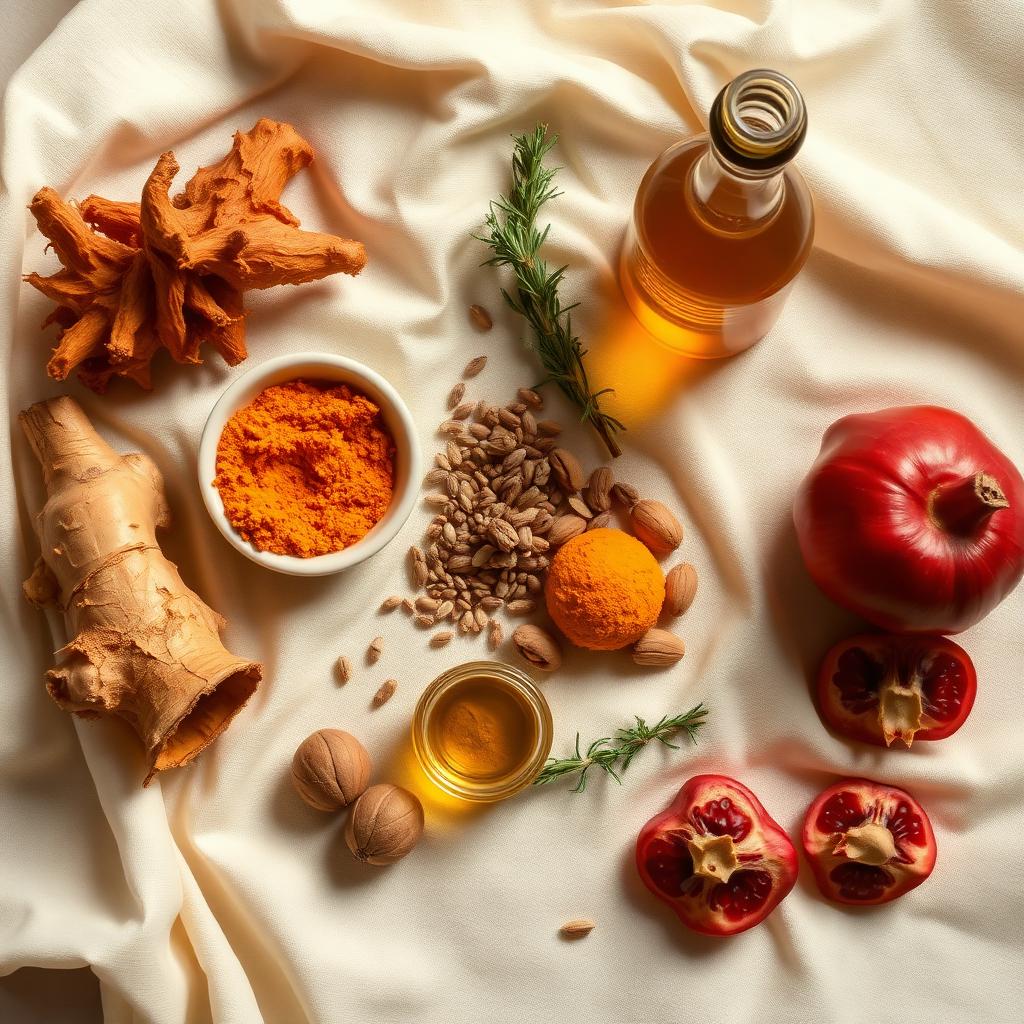
Traditional wisdom · Modern scientific evidence · Personalized guidance
Before you start: This guide is educational, not medical advice. If you're managing osteoporosis, arthritis, or a joint condition, talk to your doctor before changing your diet, supplements, or routine — especially if you take medication. See our full Safety First guidance.
Overview
Your bones and joints aren't static — they're living tissue that responds to what you ask of them. Give them the right loading, nutrition, and rest, and they'll stay strong well into late life.
Warming foods, gentle daily movement, and sesame-rich eating can fit comfortably alongside modern guidance for bones and joints.
What matters most
What this tends to feel like, and what commonly drives it.
Common symptoms
- •Stiffness in the morning or after sitting
- •Joint pain with activity or weather changes
- •Loss of grip strength
- •Loss of height
- •Fractures from minor falls
Possible contributing factors
- •Sedentary lifestyle
- •Low calcium, vitamin D, or protein intake
- •Smoking, excess alcohol
- •Hormonal changes (especially menopause)
- •Chronic inflammation
What the research shows
If you pick just one habit for your bones and joints, make it resistance training — nothing else comes close.
Calcium (from food), vitamin D, and enough protein are what actually build and protect bone.
And here's what surprises people: daily walking and gentle movement generally support joint function better than prolonged inactivity.
Evidence-based actions
Movement, sleep, stress, and practical daily habits.
Movement
- •Strength train 2–3x per week with progressive overload.
- •Walk daily — bone-loading impact protects density.
- •Add balance work (single-leg stands, gentle yoga) to prevent falls.
Sleep
- •Quality sleep enables tissue repair.
Stress management
- •Chronic stress raises inflammation and joint pain; daily calm helps.
Lifestyle habits
- •Protein at every meal, especially with strength training.
- •Adequate calcium (mostly food-based) and vitamin D.
- •Stop smoking; limit alcohol.
Nutrition
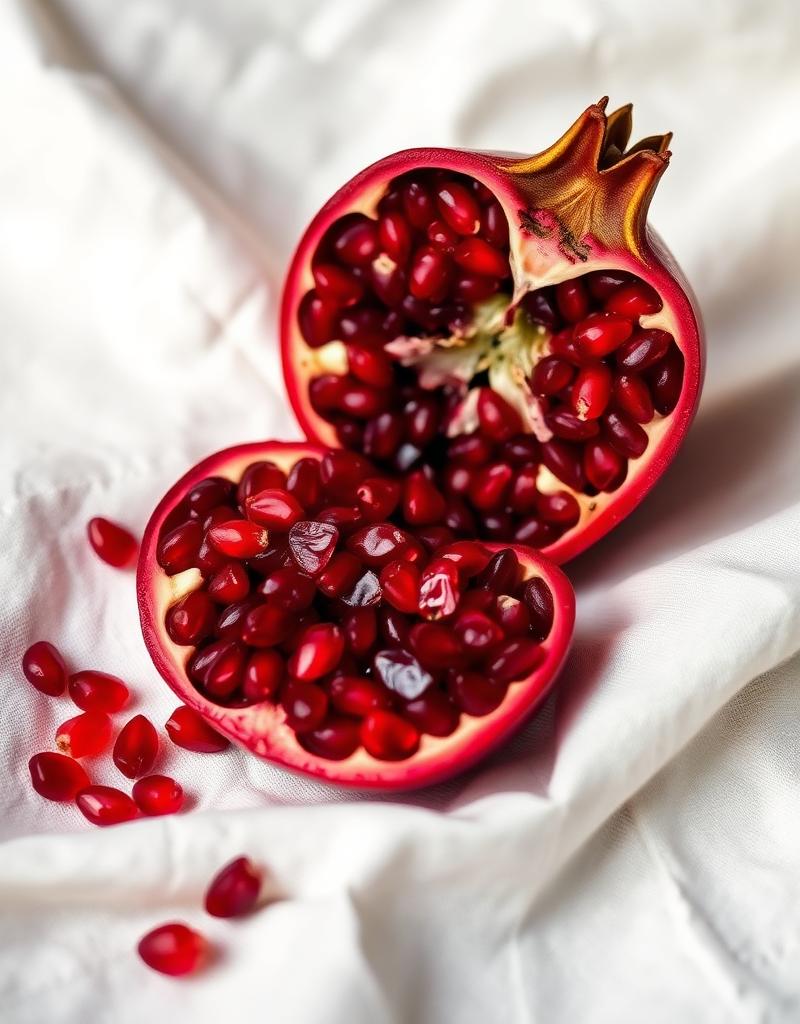
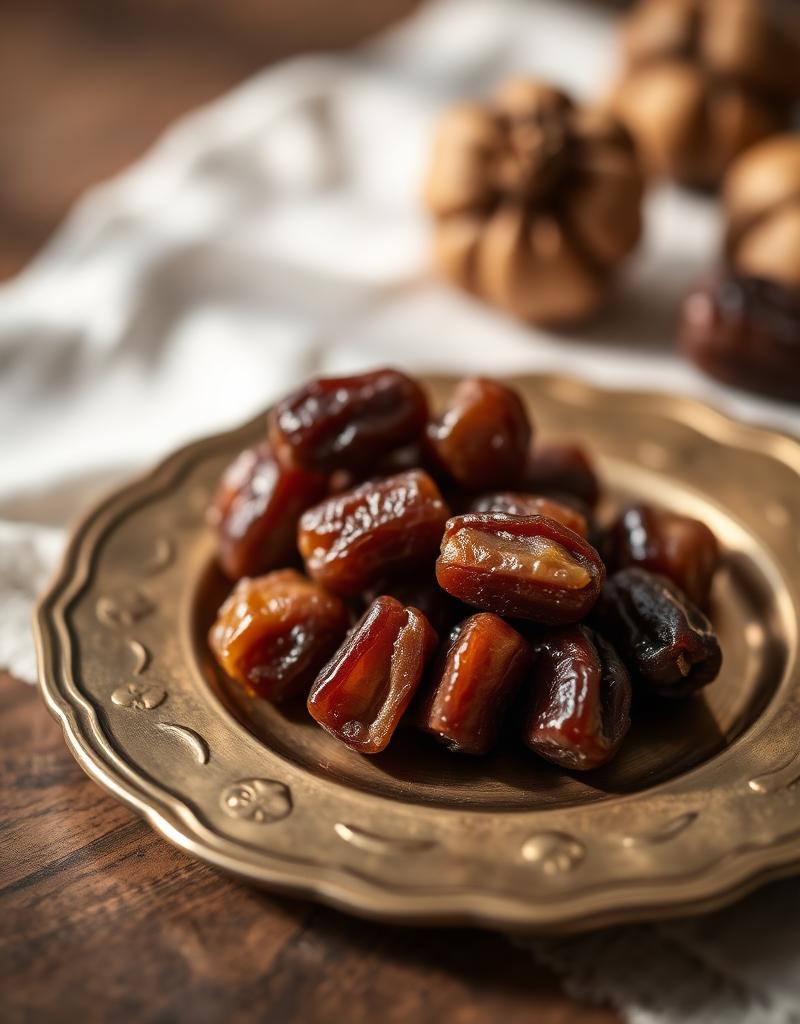
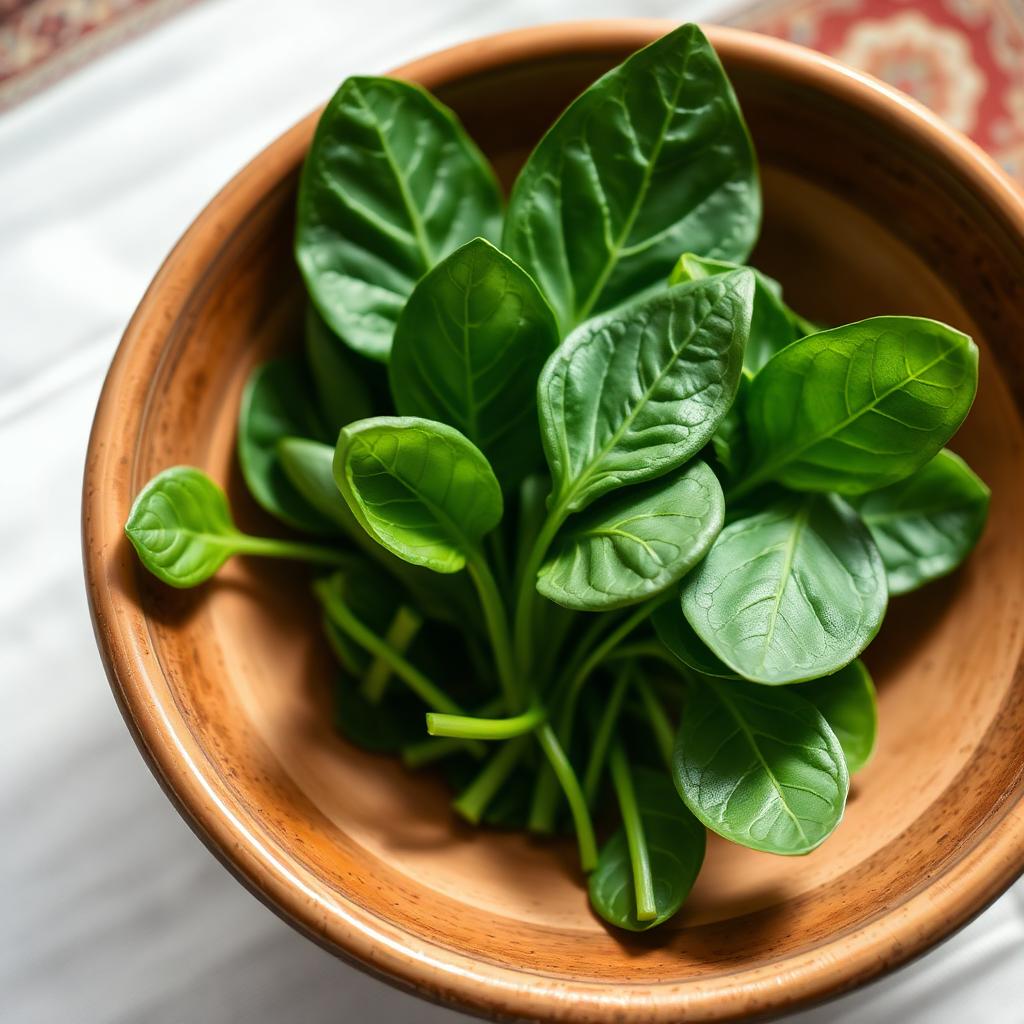
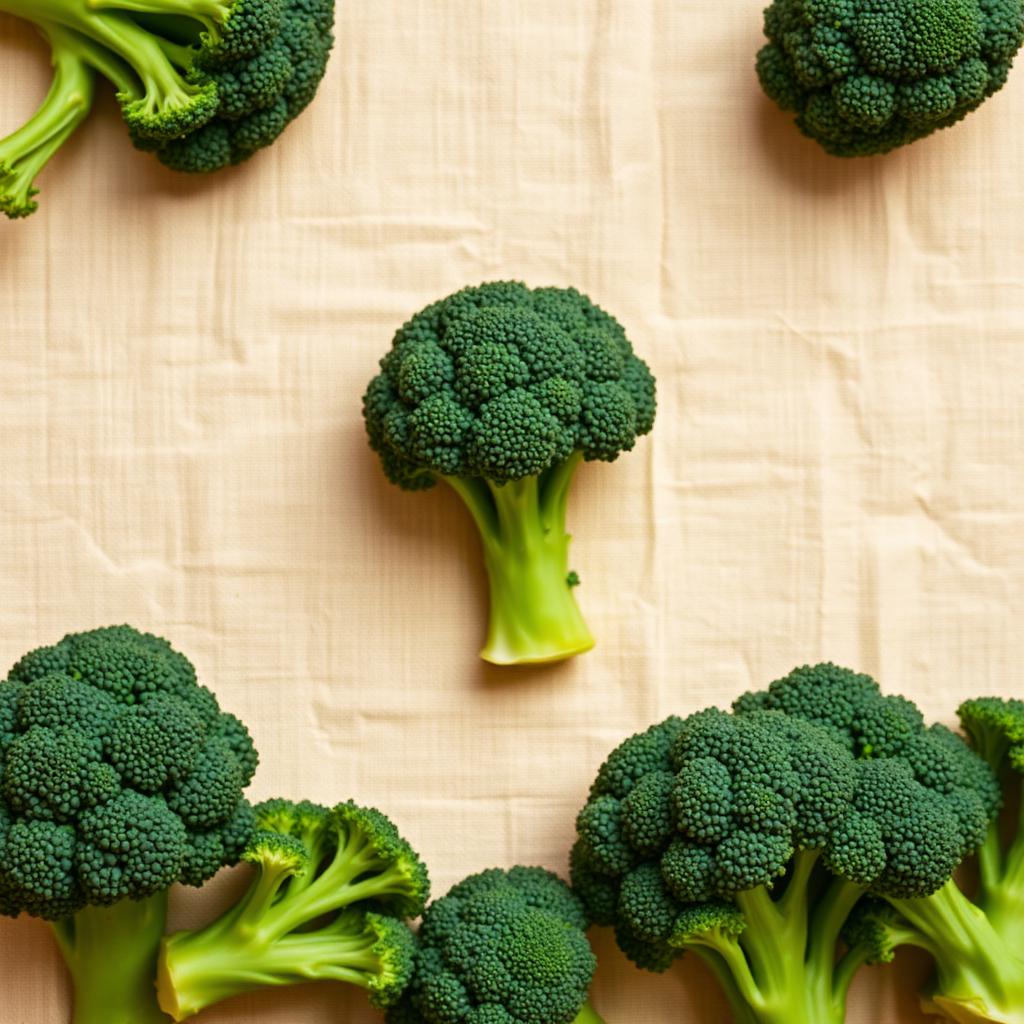
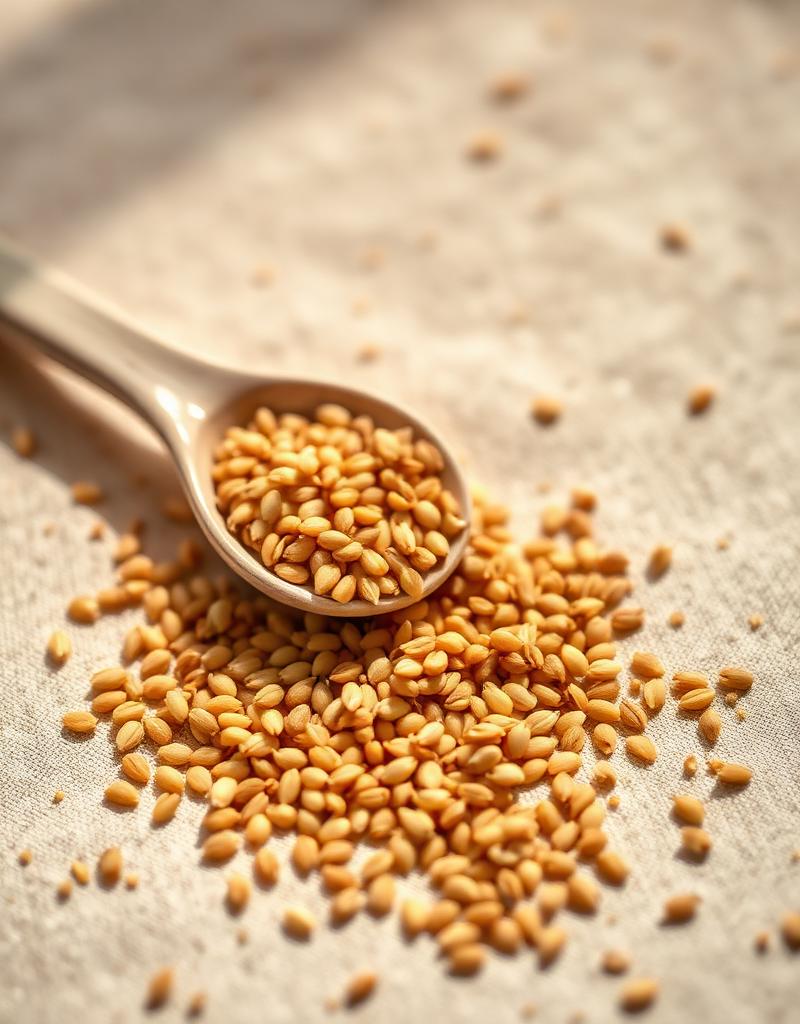
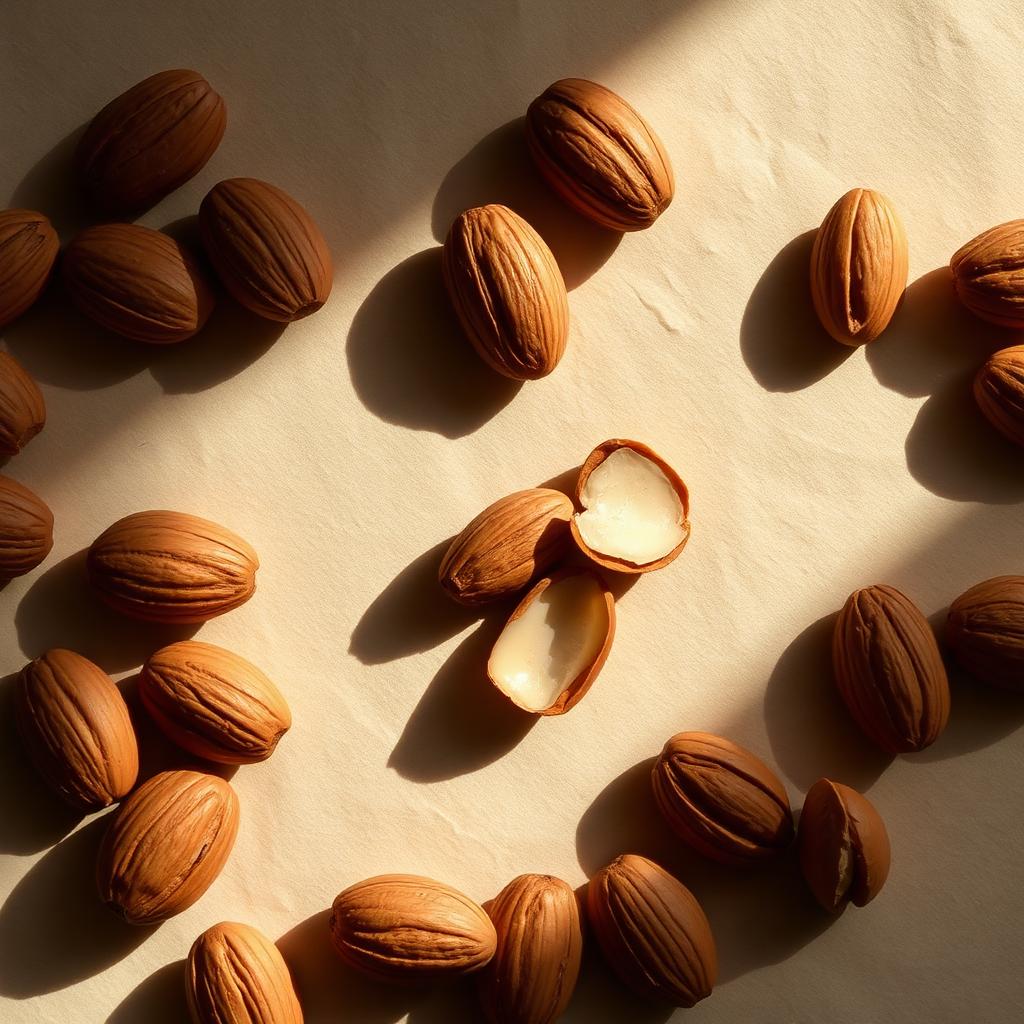
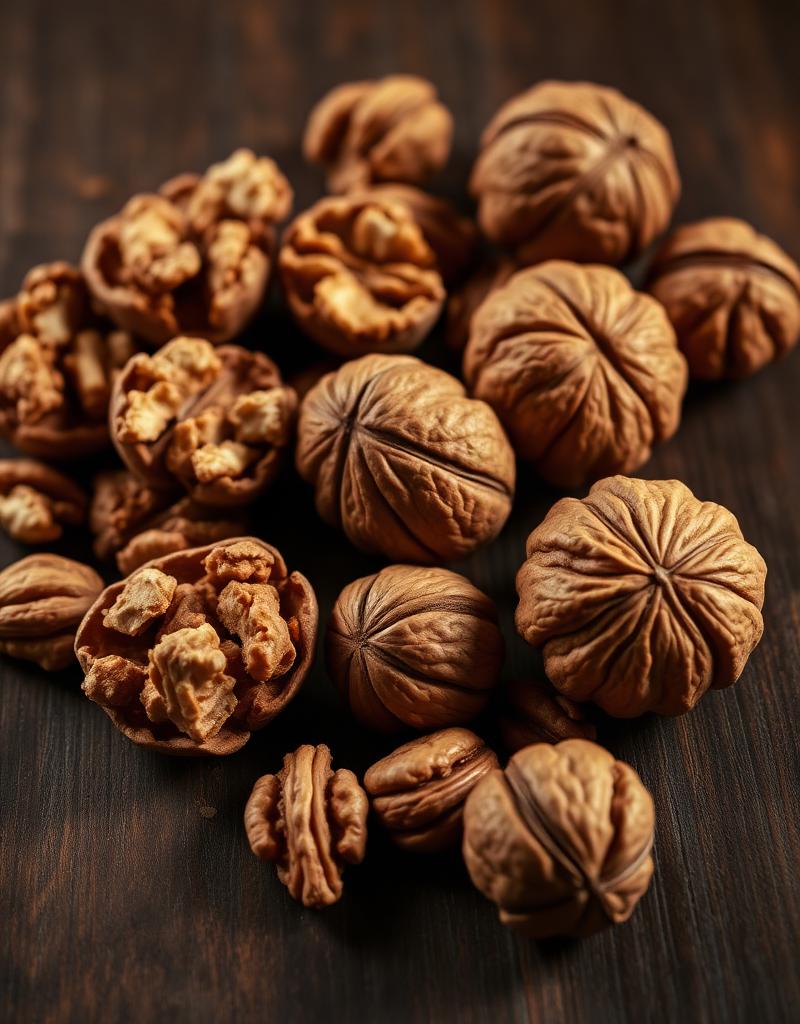
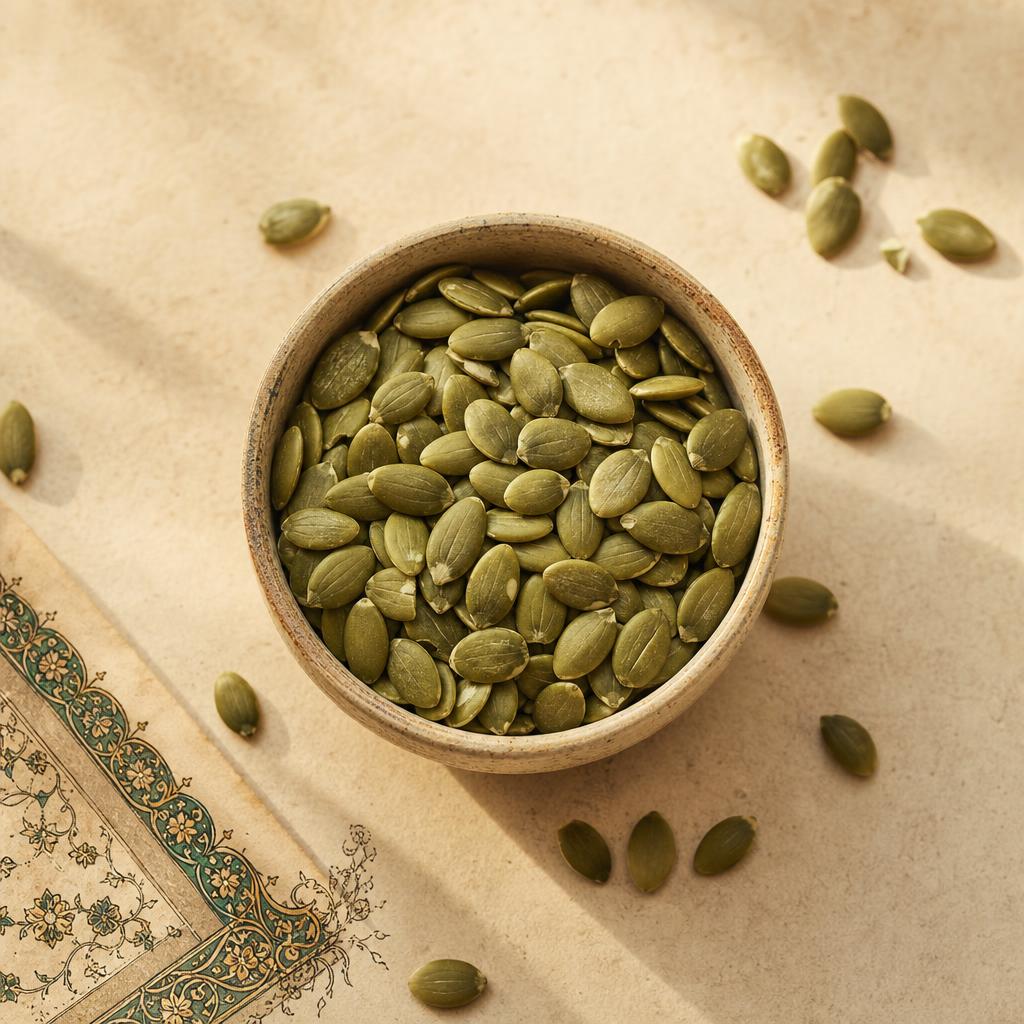
What to eat and drink — every item links to its own guide.
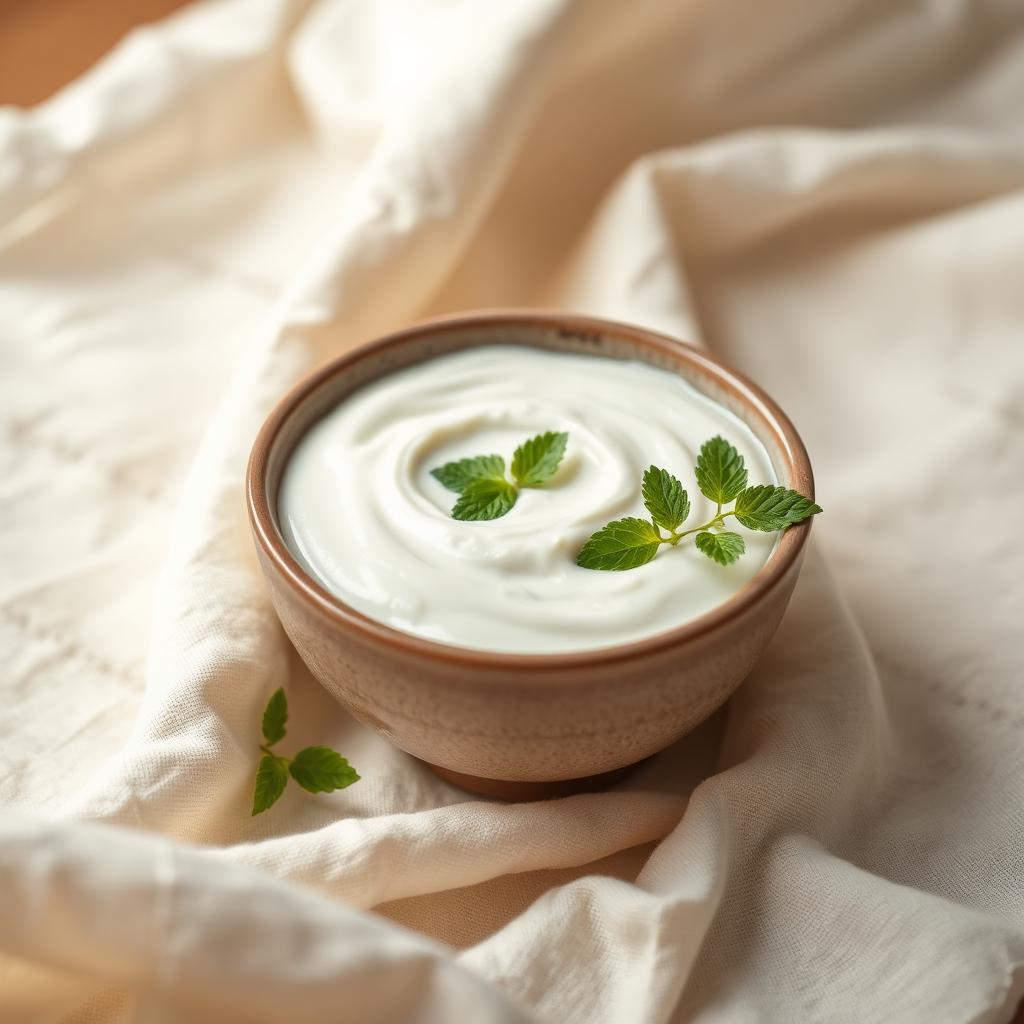
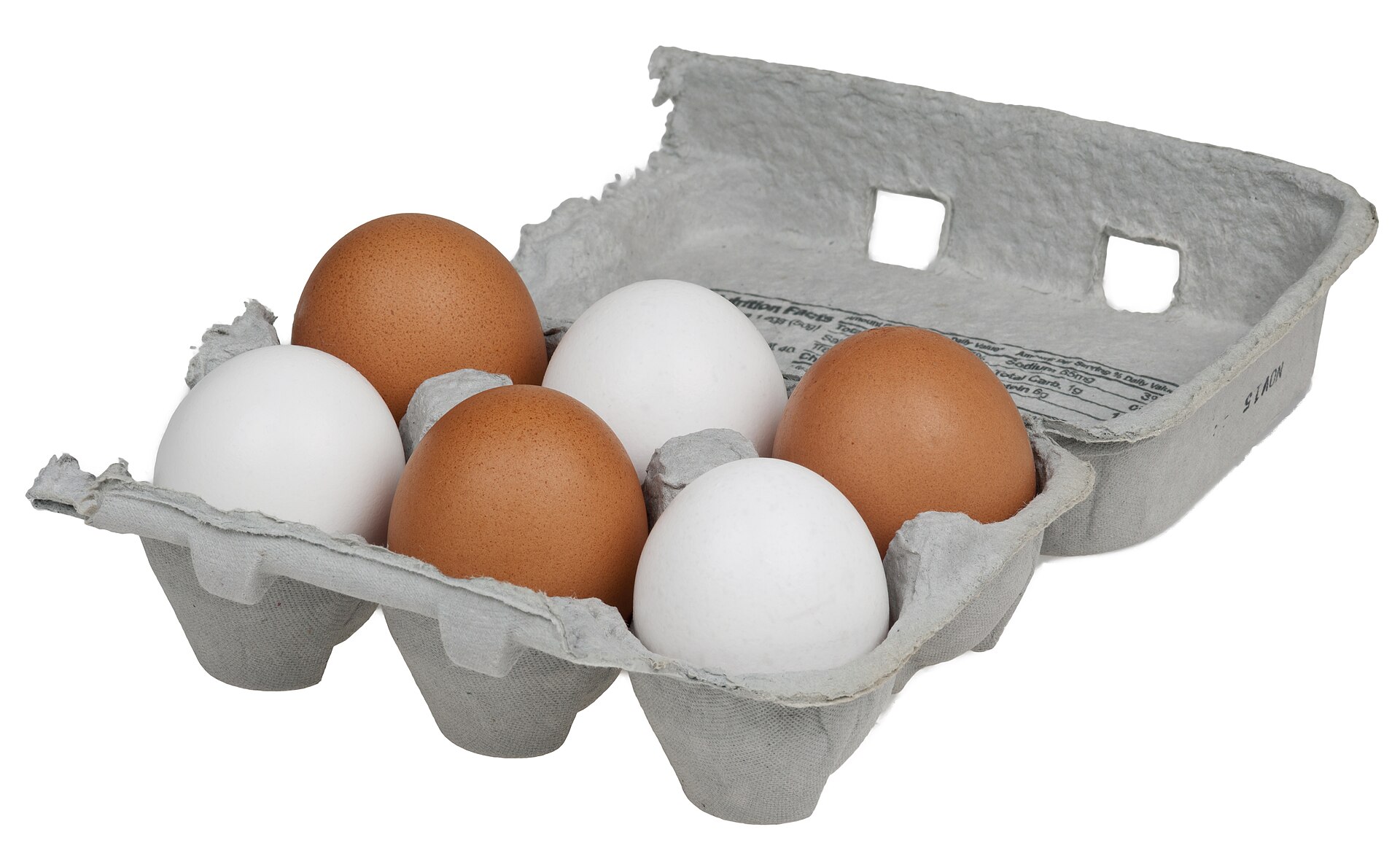
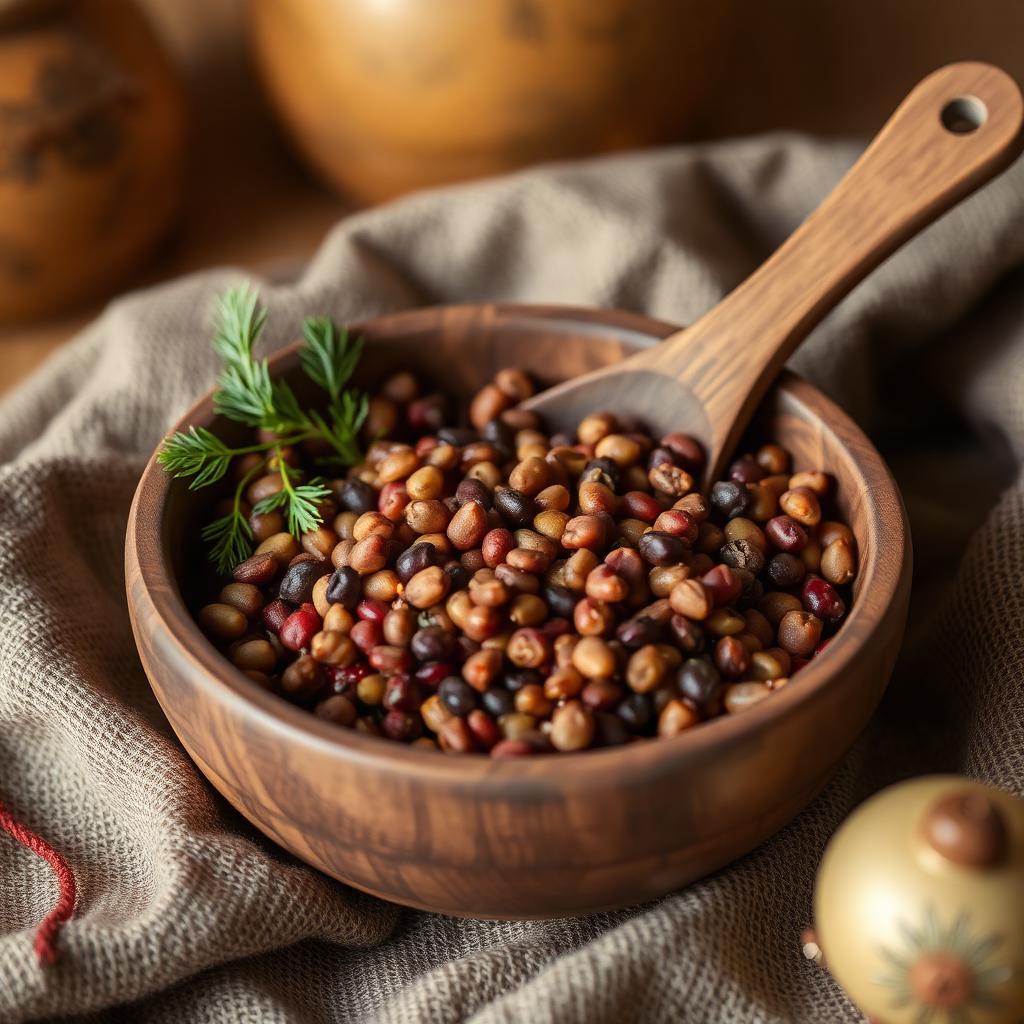

Traditional Persian Perspective
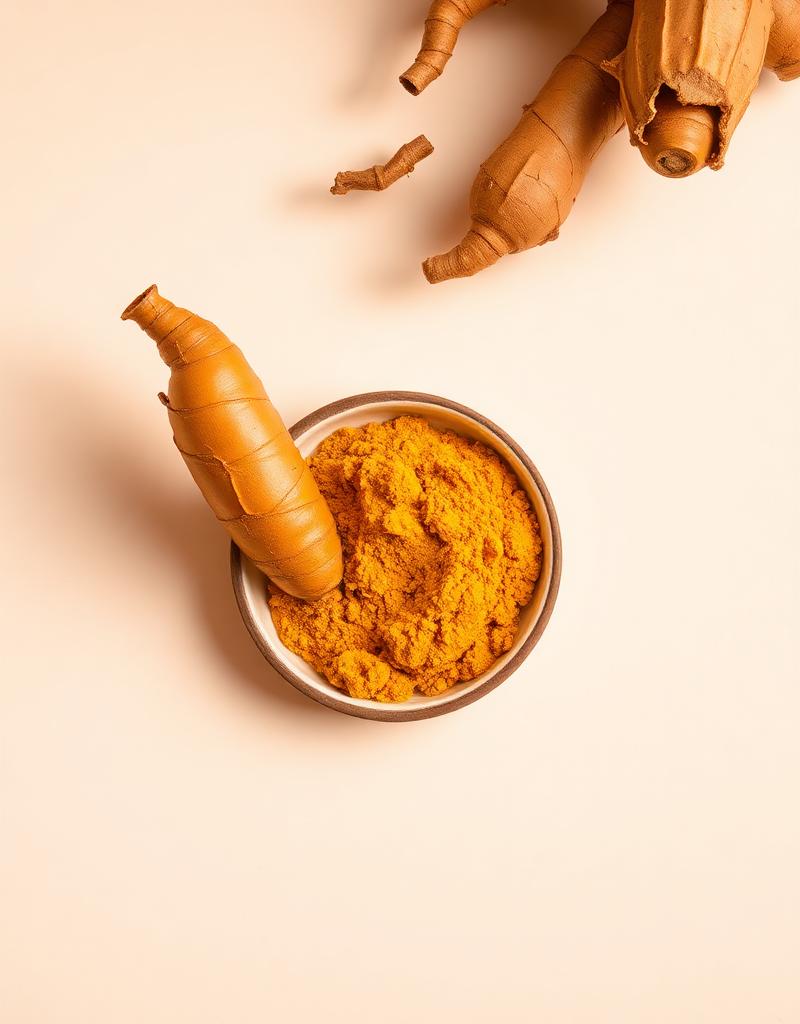
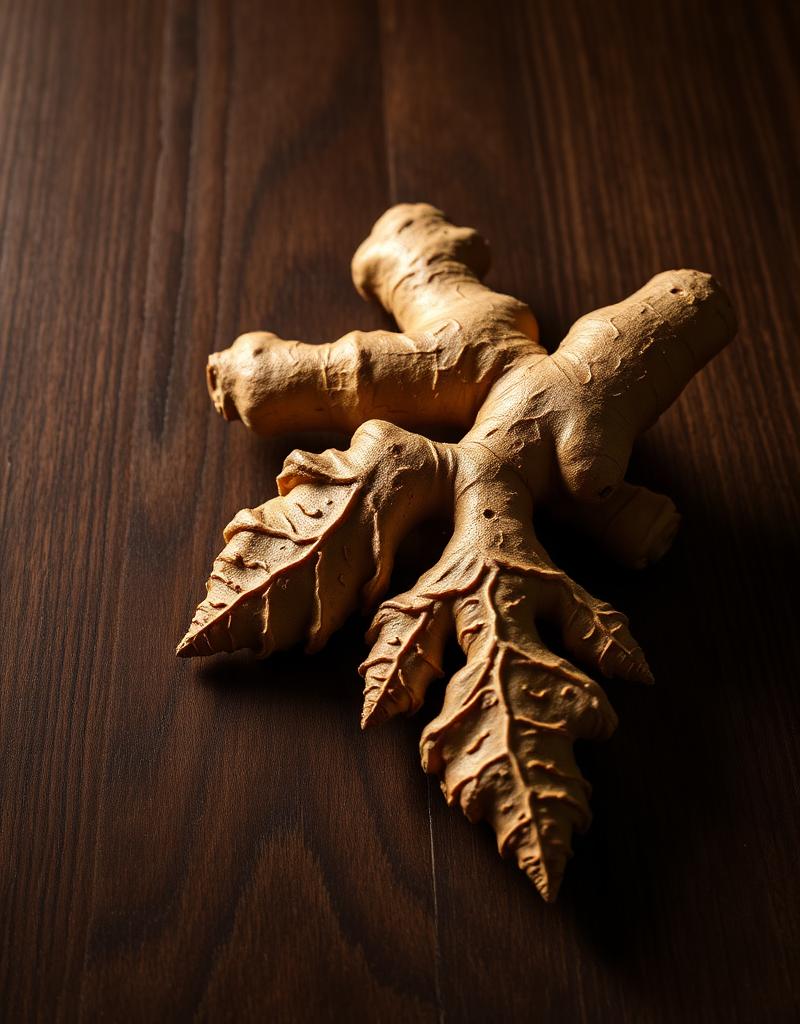
Joint pain (*dard-e mafāṣil*) is usually read as a cold, damp derangement in Persian medicine — which is why the remedies warm: ginger, turmeric, black seed, mustard poultices, and oil ma…
Joint pain (dard-e mafāṣil) is usually read as a cold, damp derangement in Persian medicine — which is why the remedies warm: ginger, turmeric, black seed, mustard poultices, and oil massage (rowghan-māli).
Avicenna's regimen for the joints combines internal warming drugs with external application, and Persian households still do both: turmeric in the pot, warm oil on the knee. Modern anti-inflammatory research has landed on much the same short list of plants.
Kaleh-pācheh and bone broths were the traditional food for weak joints and convalescence — collagen-rich, warming, and eaten specifically in winter, when the cold-damp reading predicts the most trouble.
When to seek professional care
Signs that call for a clinician rather than self-care.
This guide is educational. It complements, but never replaces, care from a qualified healthcare professional.
- •Sudden severe joint pain, swelling, or fever — see your doctor.
- •Bone density screening per age and risk; ask your doctor.
- •Persistent or worsening joint pain — physical therapy is often the most effective intervention.
Meditation & Mindfulness
Calm practices matched to this goal.
Pain and tension feed each other. A short relaxation practice softens the body's guarding pattern and supports recovery.
In bed, lights out, ready for sleep.
Begin practiceBefore or after meals, especially when the belly feels tight.
Begin practiceAfter a meal, between work blocks, or on any quiet walk.
Begin practiceFrequently asked questions
Short answers to the questions readers ask most.
Should I take a calcium supplement?
Most people do better getting calcium from food. Only supplement when your food intake falls short — ideally with your doctor's guidance.
Is running bad for knees?
No — recreational running, done with good form and gradual progress, generally protects knees rather than harming them.
Do I need vitamin D?
Most adults do benefit from a modest dose, especially in winter or if you get little sun. Testing is best if you can.
Related guides
A few places to go next.
Build your personalized Bone & Joint Health plan
Your AI Hakim weaves your goals, your mizāj, and trusted guidance into a roadmap — not a single answer.
Ask Hakim about Bone & Joint Health