Women's Wellness
Honor every stage — from cycle to perimenopause to beyond — with food, movement, and thoughtful care.
Traditional wisdom · Modern scientific evidence · Personalized guidance
Before you start: This guide is educational, not medical advice. If you're managing pregnancy, a hormonal condition, or perimenopause symptoms, talk to your doctor before changing your diet, supplements, or routine — especially if you take medication. See our full Safety First guidance.
Overview
A woman's body keeps changing through every stage — the cycle, pregnancy, perimenopause, and beyond — and each stage deserves its own care, not a one-size-fits-all plan.
Women's wellbeing is supported by nourishing food, appropriate movement, calm routines, and care matched to each life stage. Modern medicine adds essential screening, diagnosis, and treatment.
What matters most
What this tends to feel like, and what commonly drives it.
Common symptoms
- •Irregular or painful cycles
- •Heavy bleeding or fatigue around your period
- •Hot flashes, sleep disruption, or mood shifts in perimenopause
- •Low energy, brain fog, or libido changes
Possible contributing factors
- •Iron, vitamin D, or B12 deficiency
- •Thyroid imbalance
- •Chronic stress
- •Poor sleep
- •Low intake of whole foods, protein, or healthy fats
What the research shows
Lifting weights in midlife is a useful way to support your health — it helps protect bone density and may modestly reduce fracture risk.
A Mediterranean-style diet eases perimenopausal symptoms and lowers the cardiovascular risk that climbs after menopause.
And the quiet trio — enough sleep, daily movement, and looking after your stress — does more for hormonal balance than almost anything else.
Evidence-based actions
Movement, sleep, stress, and practical daily habits.
Movement
- •Strength train 2–3x a week — especially through and after midlife.
- •Daily walking, with sunlight when possible.
- •Gentle yoga or stretching for cycle and stress support.
Sleep
- •7–9 hours; consistent schedule. Cool room helps with hot flashes.
Stress management
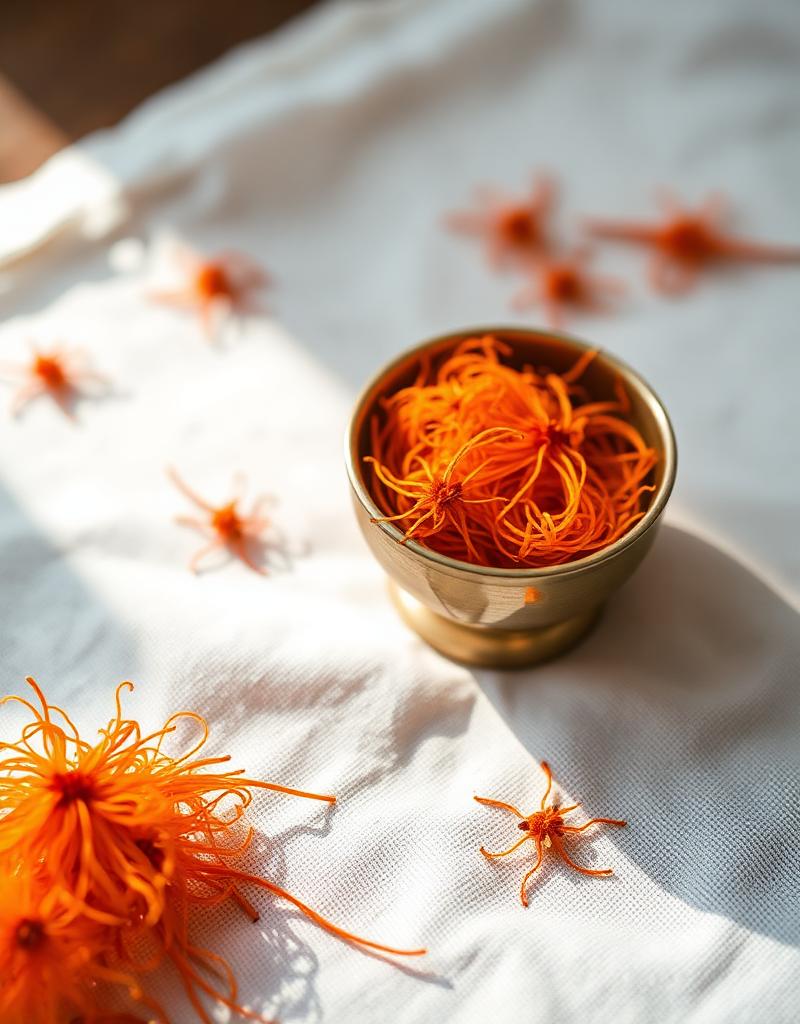
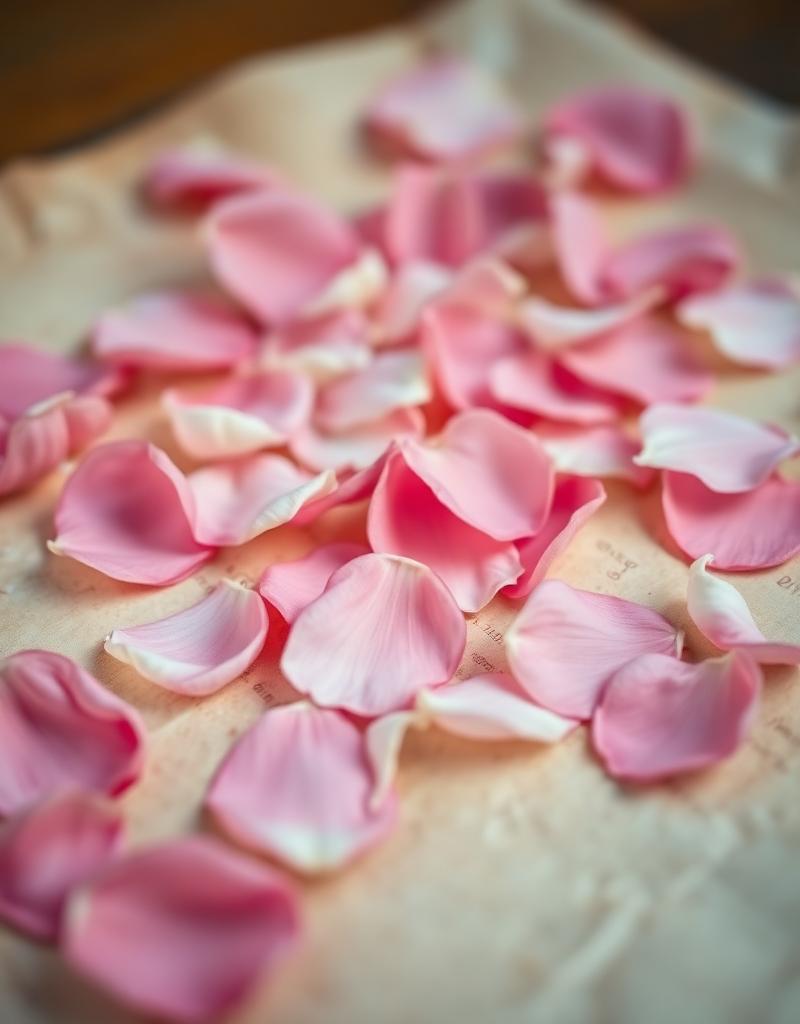
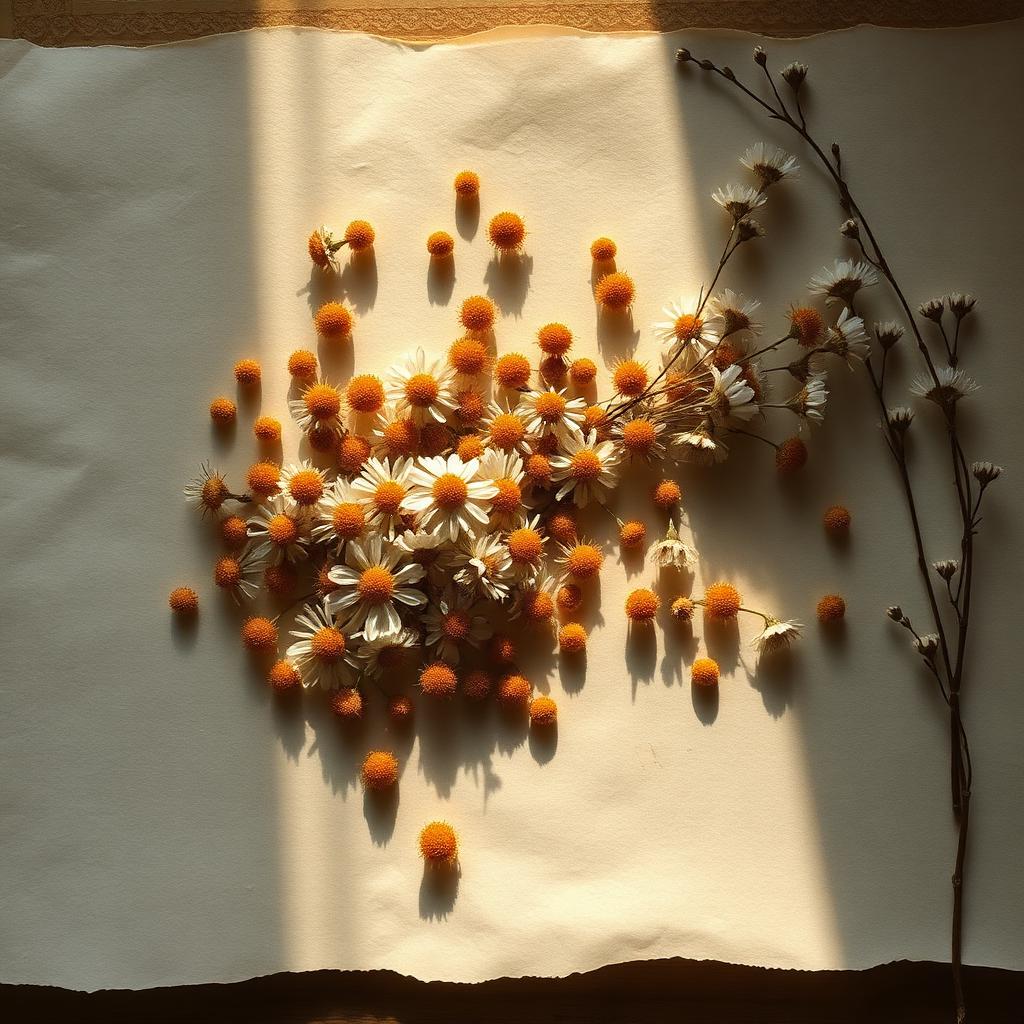
- •Daily quiet pause, breath, or nature time; saffron, rose, or chamomile tea as ritual.
Lifestyle habits
- •Protein at every meal — protects muscle and bone over time.
- •Iron-rich foods regularly; test ferritin if fatigued.
- •Calcium and vitamin D for bone health, especially after 40.
Nutrition
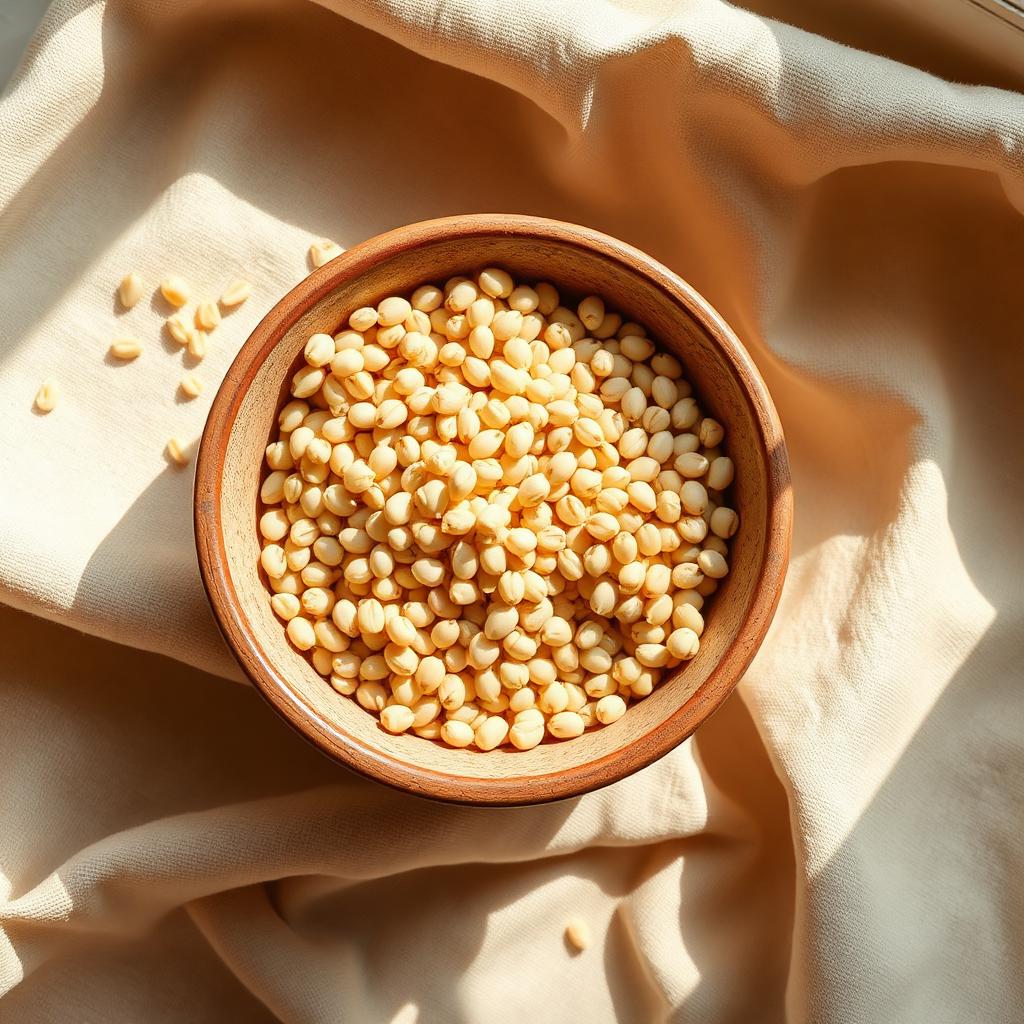
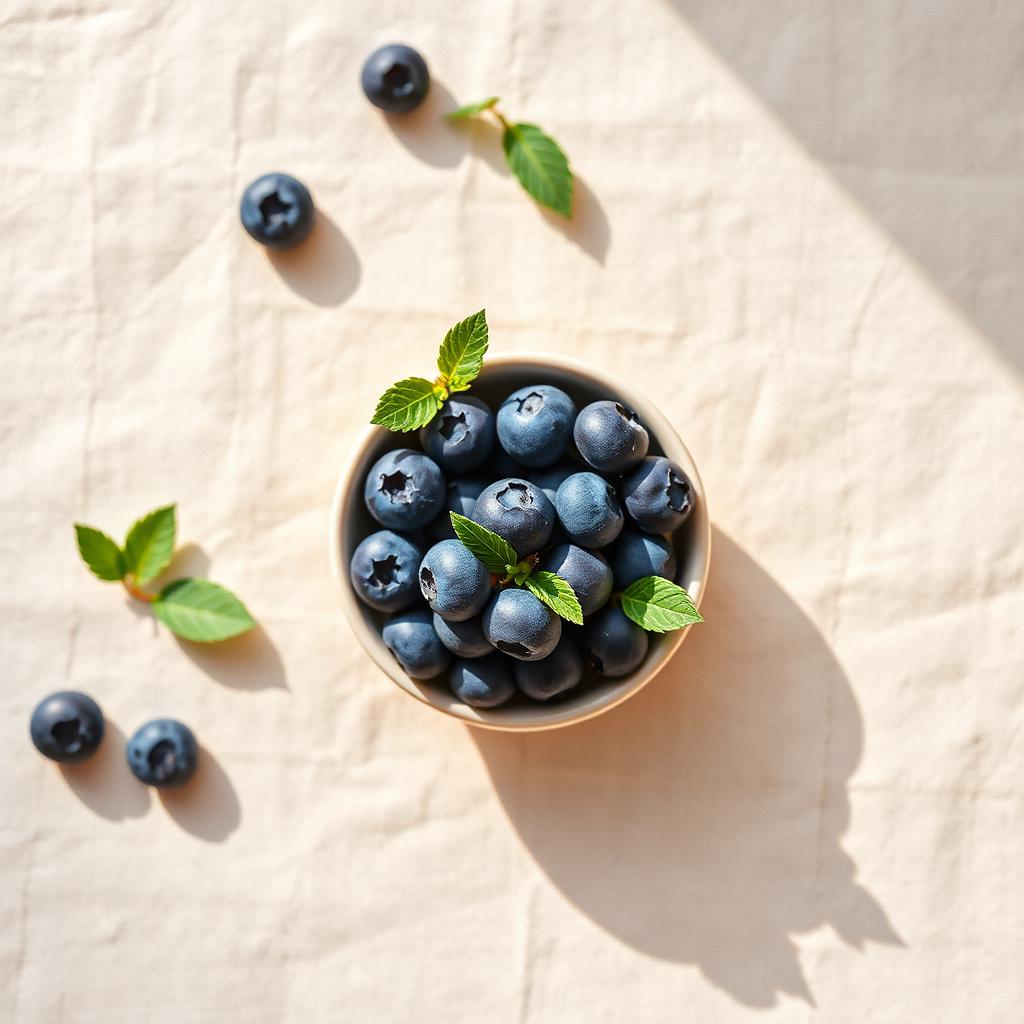
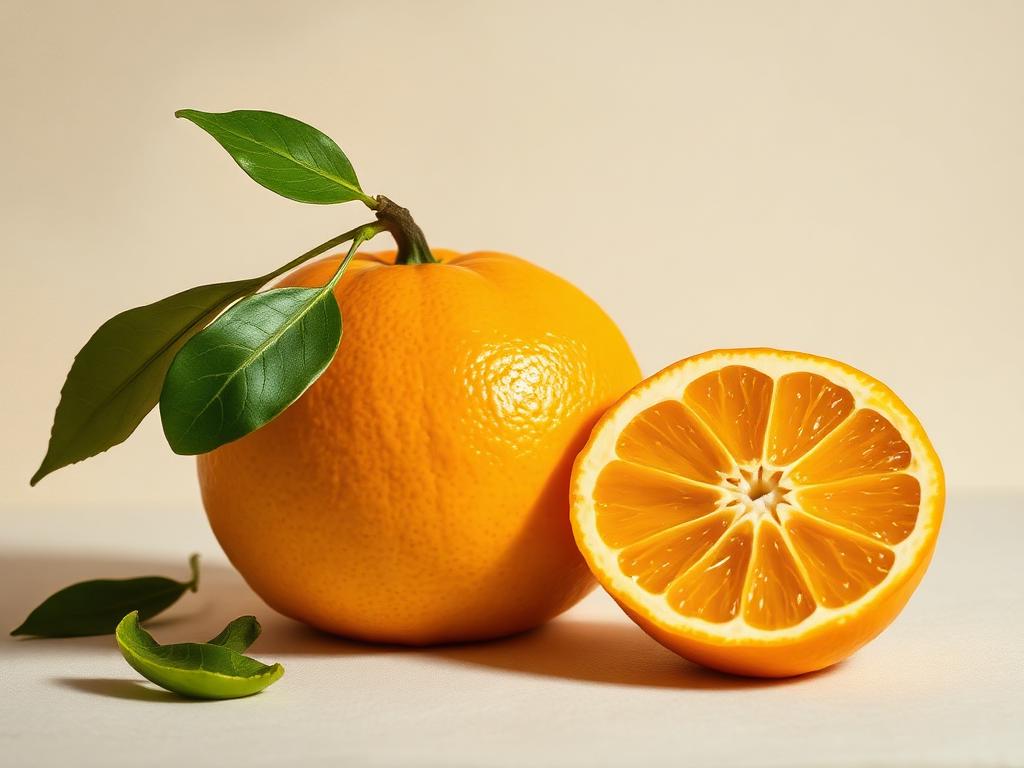
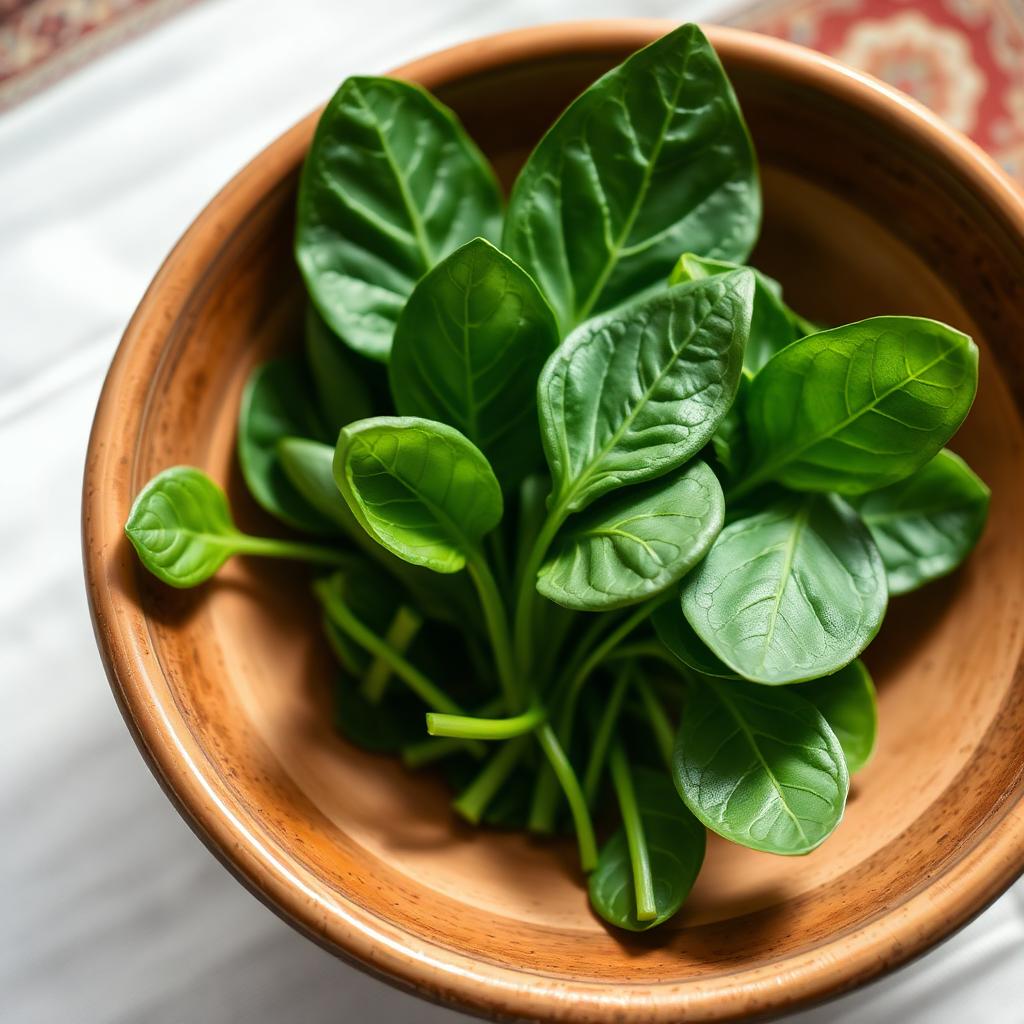
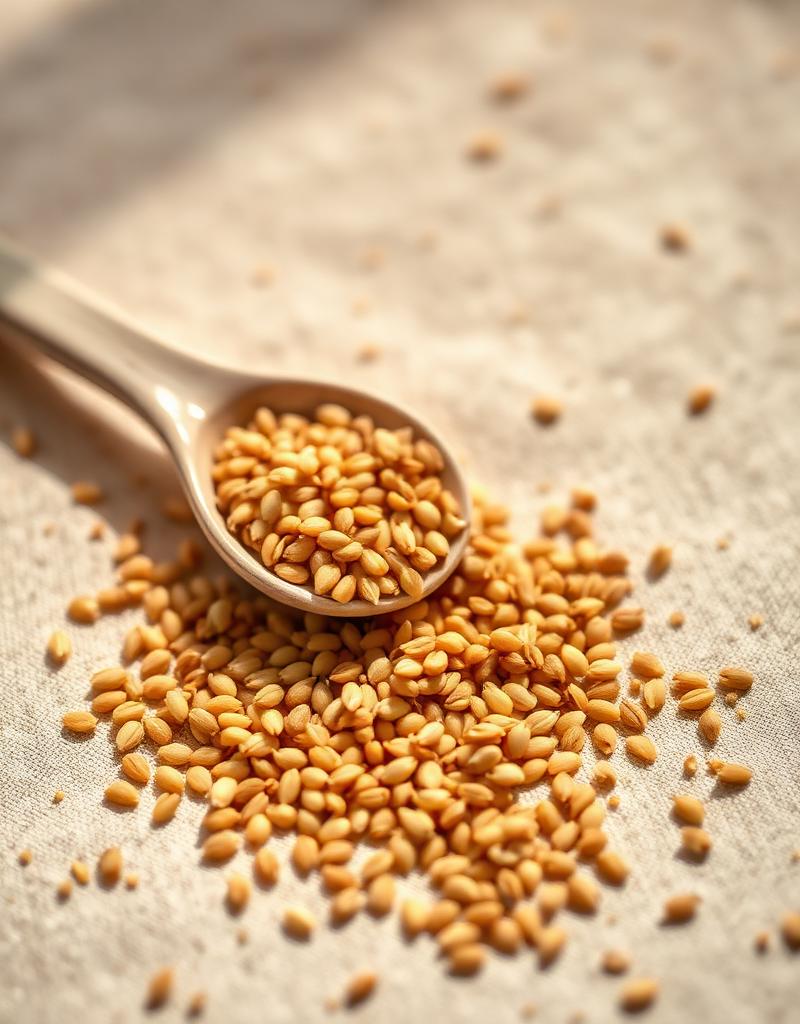
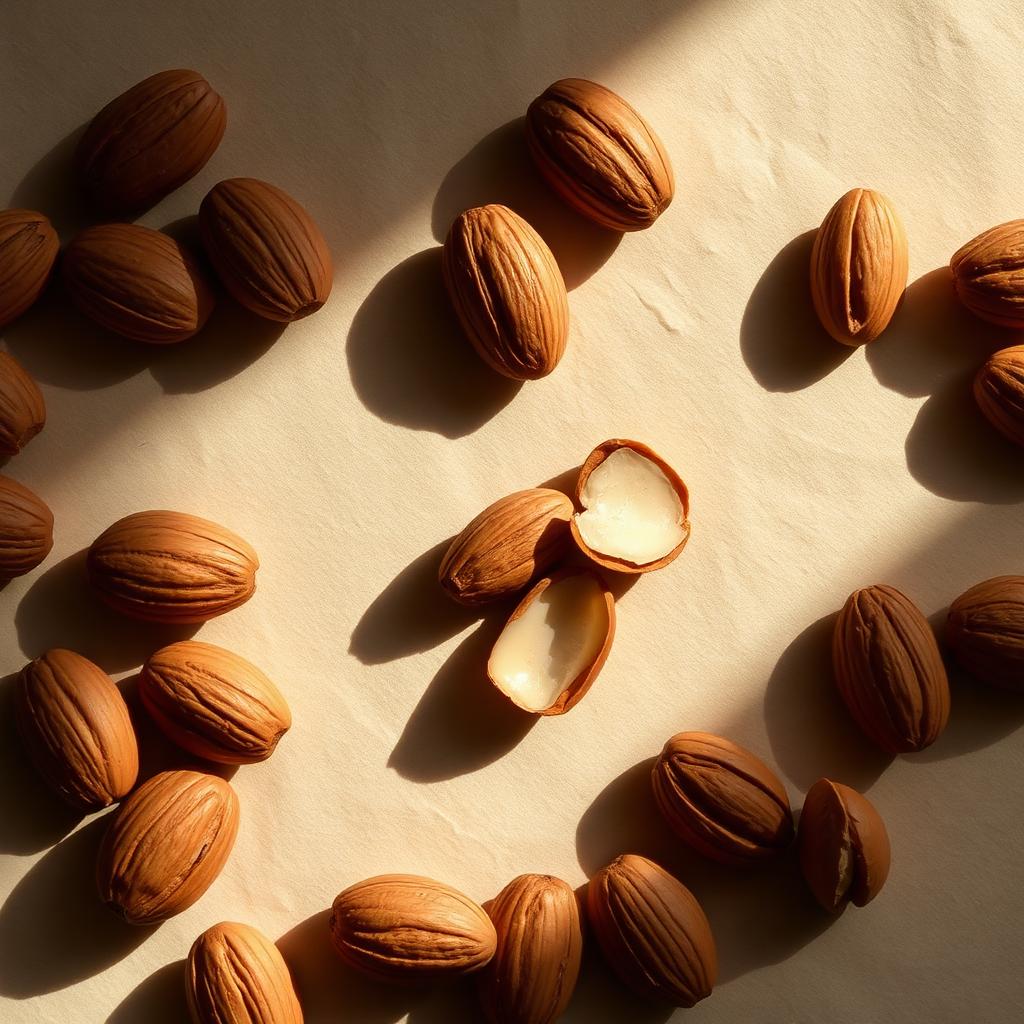
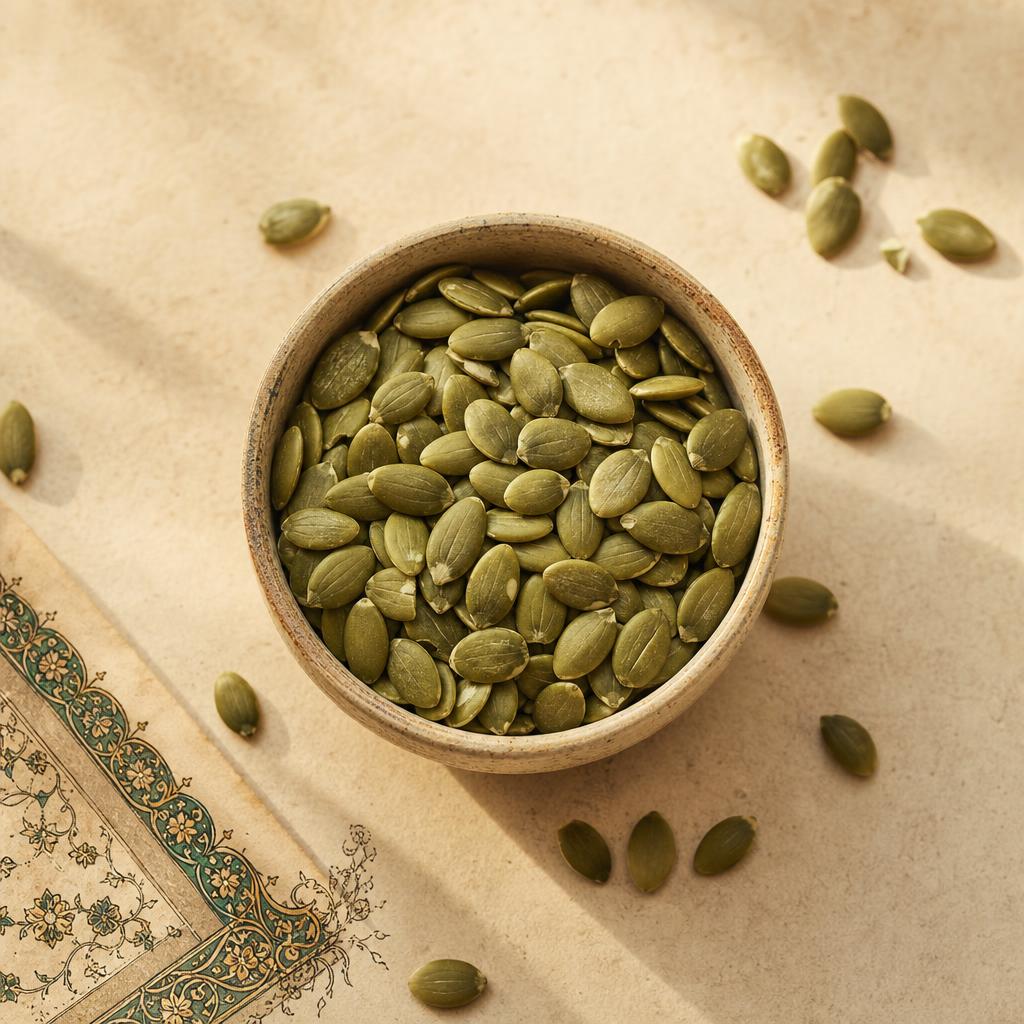
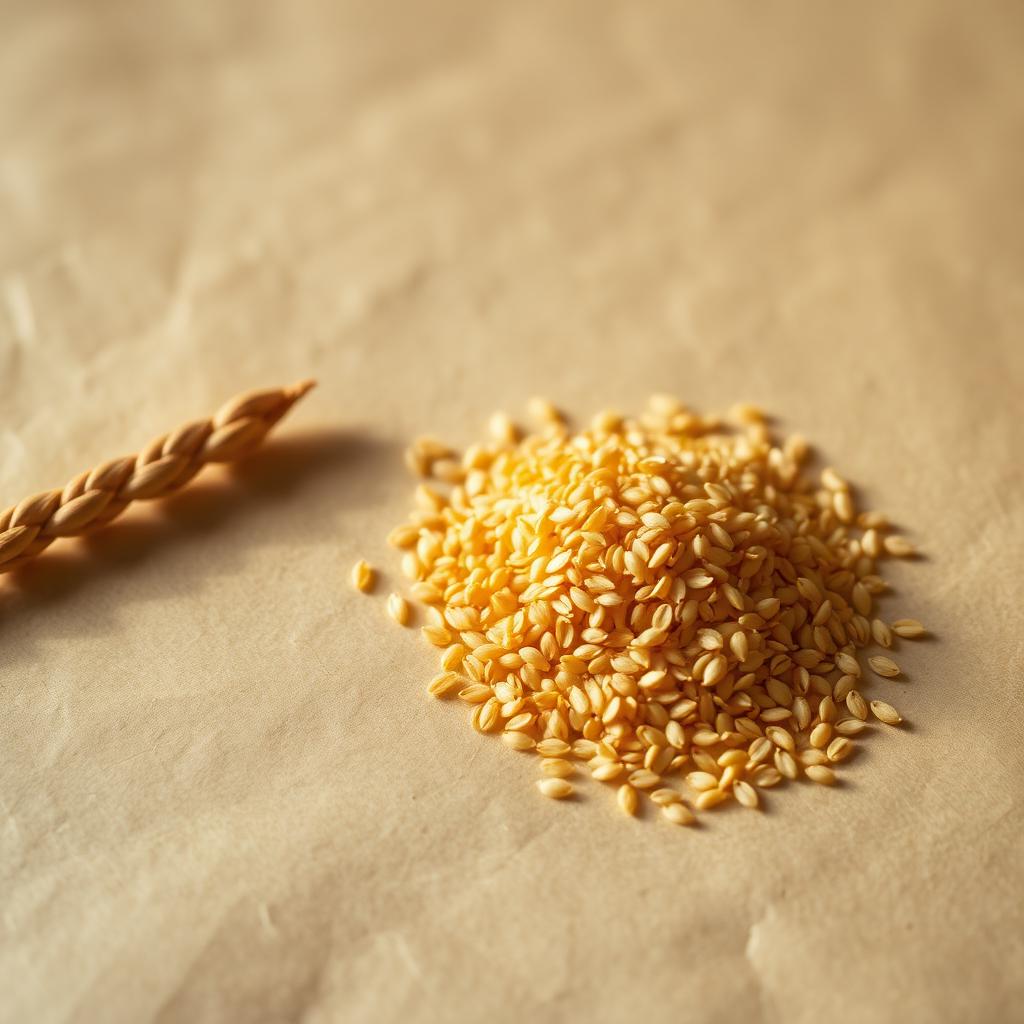
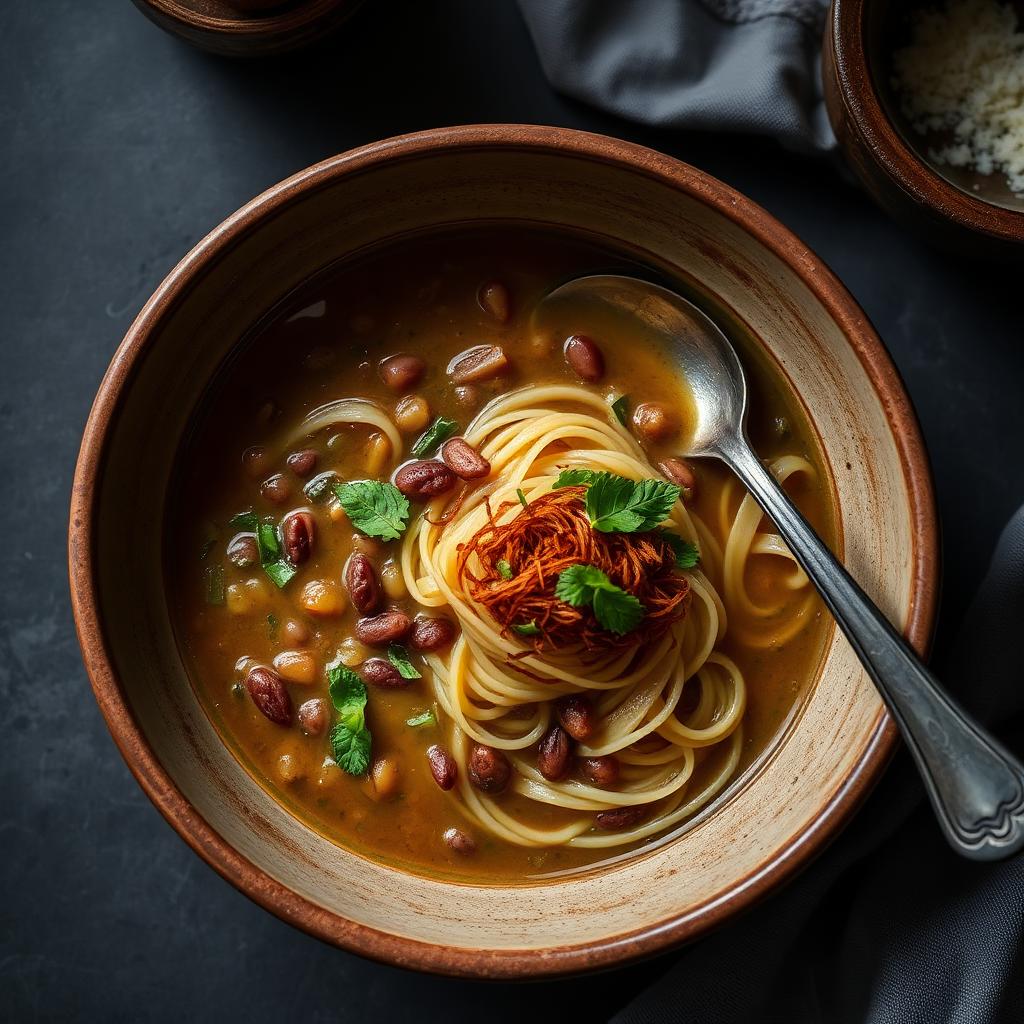
What to eat and drink — every item links to its own guide.
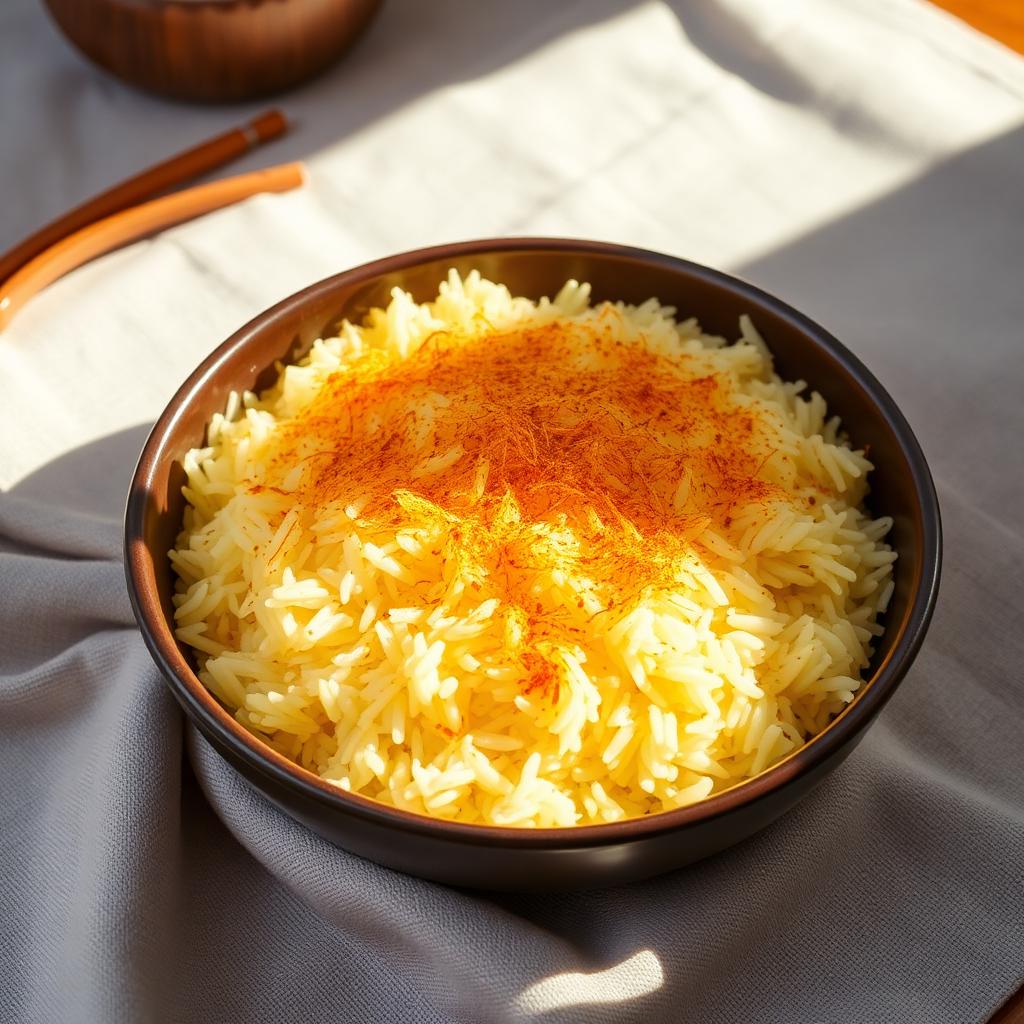
Traditional Persian Perspective
Persian medical texts treat women's health at length: Avicenna's Qānūn and Jorjānī's Zakhīreh both carry sections on menstruation, conception, pregnancy and the post-partum period, with d…
Persian medical texts treat women's health at length: Avicenna's Qānūn and Jorjānī's Zakhīreh both carry sections on menstruation, conception, pregnancy and the post-partum period, with detailed dietary regimens for each.
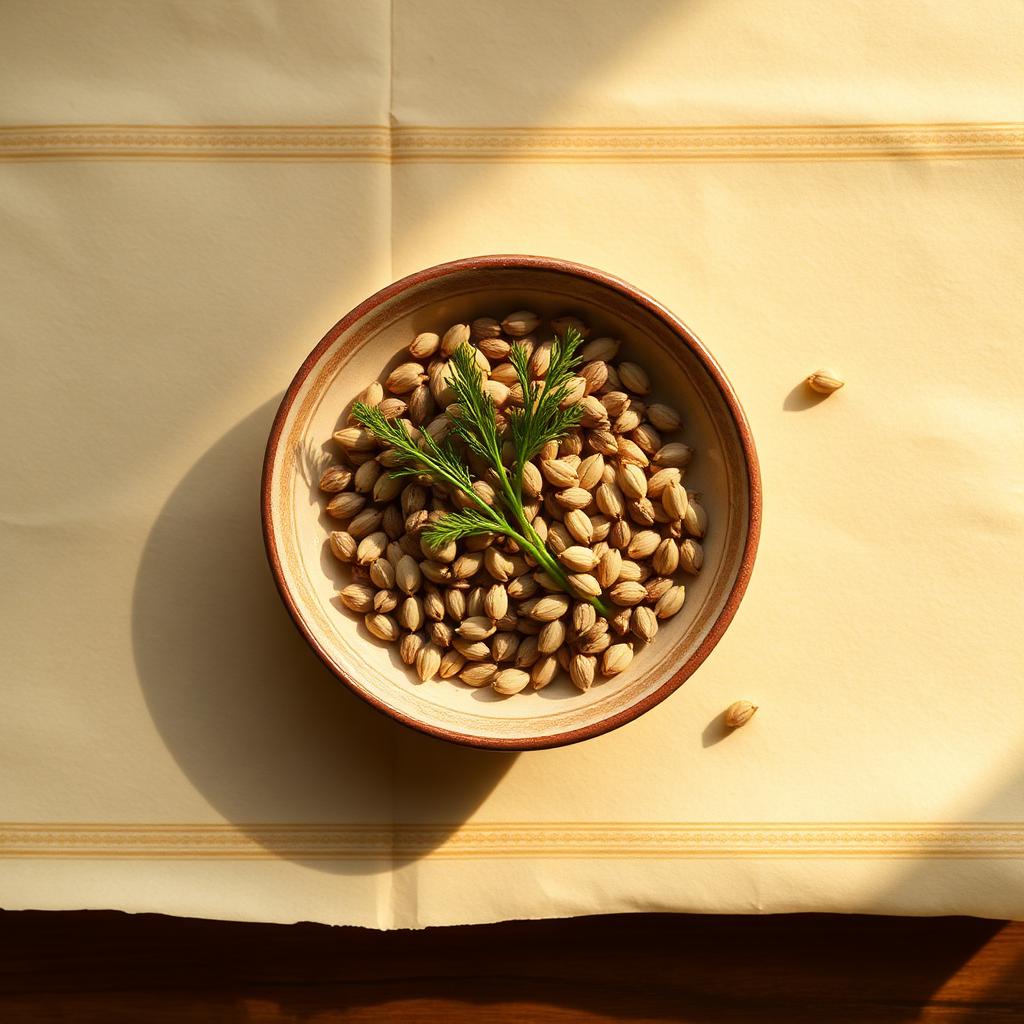
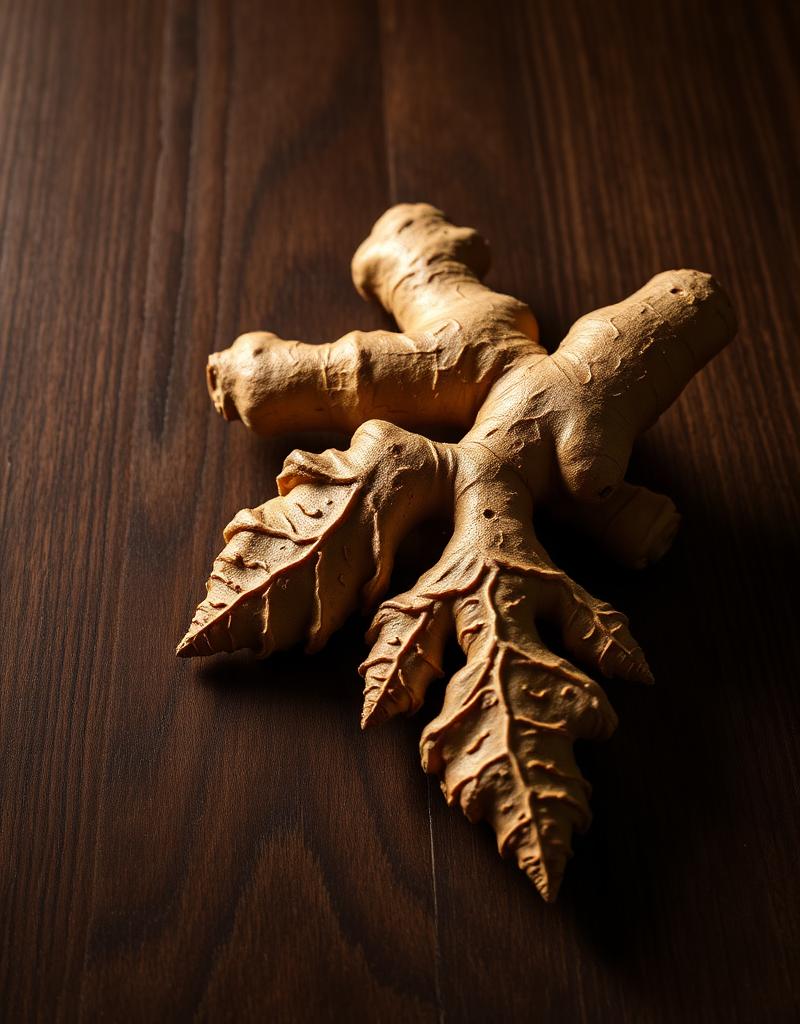
Menstrual difficulty was usually read as a cold, congested mizāj of the womb, so the remedies warm and move: cinnamon, ginger, fennel, chamomile and saffron. The classic Iranian remedy for cramping — cinnamon and ginger tea — comes directly out of this reasoning.
The forty-day post-partum period (chelleh) has its own regimen: warming foods, kaleh-joosh and ash, rest, and the sustained presence of family. It is one of the few traditional practices with an obvious modern parallel in post-natal recovery care.
When to seek professional care
Signs that call for a clinician rather than self-care.
This guide is educational. It complements, but never replaces, care from a qualified healthcare professional.
- •Heavy bleeding, severe cramping, irregular cycles, or pelvic pain — see your doctor.
- •Perimenopause symptoms affecting daily life — modern treatments (including hormone therapy) can be very effective; discuss with a knowledgeable clinician.
- •Routine screenings (mammogram, cervical, bone density per guidelines).
Meditation & Mindfulness
Calm practices matched to this goal.
Hormonal rhythms respond gently to a calm nervous system. Brief daily practices support mood, sleep, and energy across every life stage.
Before a doctor's visit, after hard news, or any moment the heart feels tight.
Begin practiceWhen relationships feel strained, or to deepen the ones you cherish.
Begin practiceThe hour before bed.
Begin practiceAt the end of the day, before sleep — or any time the day feels heavy.
Begin practiceFrequently asked questions
Short answers to the questions readers ask most.
Is hormone therapy safe?
For most women in early menopause without contraindications, modern HRT can be safe and genuinely helpful. The key is talking it through with a clinician who knows the current evidence.
Should I take iron?
Only if you're actually low — get tested first. Taking iron you don't need can do harm.
Best foods for perimenopause?
Protein at every meal, plenty of vegetables, fish, legumes, fermented foods, and enough calcium and vitamin D.
Related guides
A few places to go next.
Build your personalized Women's Wellness plan
Your AI Hakim weaves your goals, your mizāj, and trusted guidance into a roadmap — not a single answer.
Ask Hakim about Women's Wellness