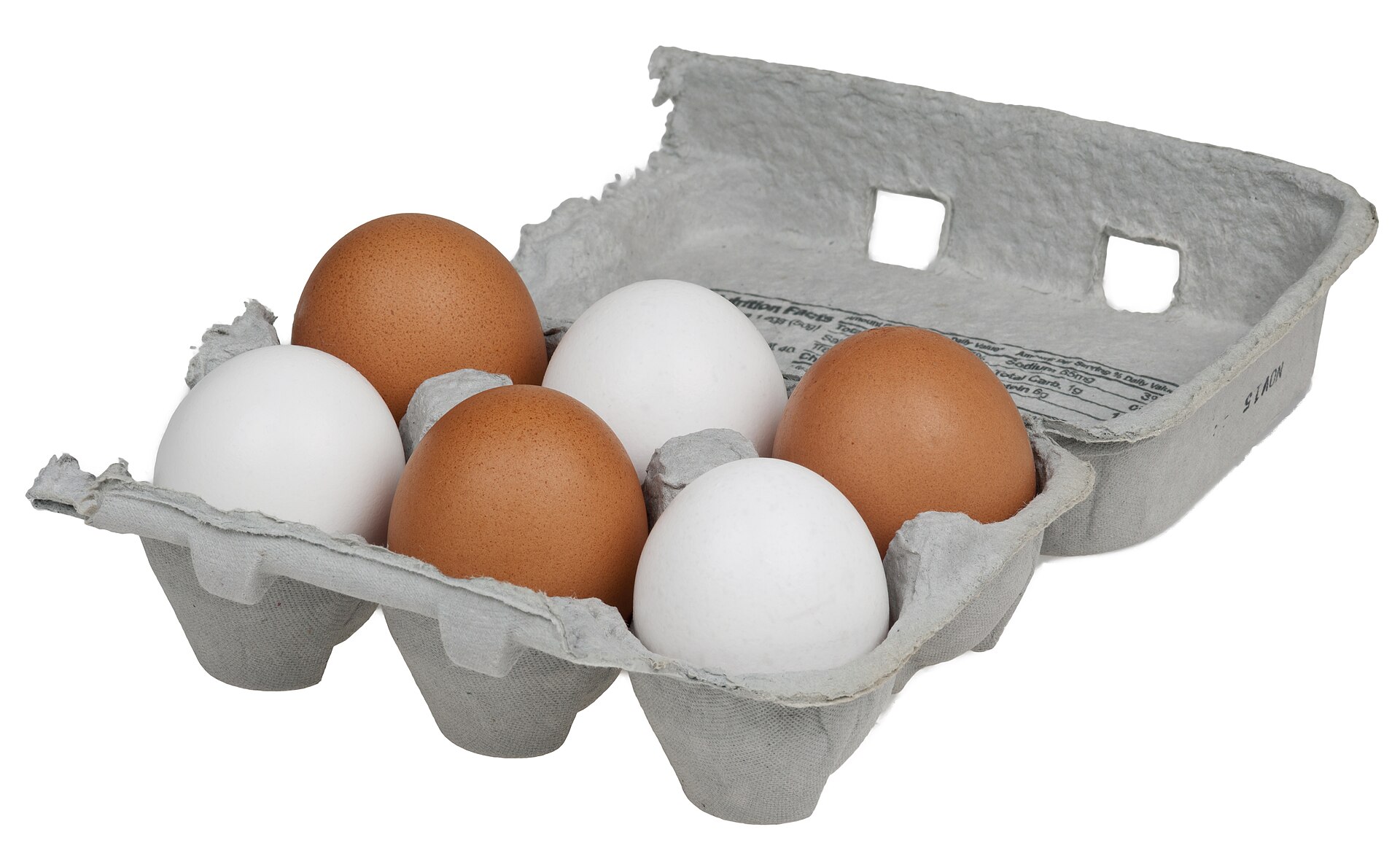
Eggs
Tokhm-e morgh — the protein at the centre of nimroo and every kuku; complete protein with choline and vitamin B12.
Traditional wisdom and modern evidence—clearly explained.
- Evidence
- Traditional
“Before we go deeper into Eggs, step through — even people who have known it all their lives rarely notice these small things.”
A curiosity cabinet. Open each drawer.
5 small things about Eggs that quietly surprise most people.
Complete protein
One of the richest common food sources of choline
Provides vitamin B12, vitamin D, selenium, lutein and zeaxanthin
Painted eggs on the haft-sin table
In a healthy-aging context, eggs bridges tradition and science
“People have practiced this quietly for centuries — long before we had a science to explain why it worked.”
How Persian physicians understood eggs
Traditionally read as warm and moist and considered strengthening, with the yolk regarded as the nourishing part and the white as lighter.
Traditional Persian physicians developed these observations over centuries. The next section explores which of these ideas have been investigated by modern scientific research.
The Persian breakfast egg is nimroo — fried in butter or oil, often with tomato, eaten with bread. The same egg binds kuku sabzi, enriches ash, and sits on the sofreh at Nowruz as a symbol of new life.
The pomegranate opens
and shows the sky its rubies.
“And in their own careful language, the modern laboratories have been quietly agreeing.”
What tradition and modern nutrition agree on.
A plain-English read of the research. Each line says what was studied and what was found — links go to the original source. The tag on the right notes how strong the evidence is today, and what still remains uncertain.
Complete protein — about 6 g per egg
Traditional and editorial synthesisOne of the richest common food sources of choline
Traditional and editorial synthesisProvides vitamin B12, vitamin D, selenium, lutein and zeaxanthin
CompositionTraditional and editorial synthesis
Nutrient composition is well established; the safety guidance on undercooked eggs reflects standard public-health advice rather than a contested claim.
“Knowing all this, one small question remains — are you preparing Eggs the way it deserves? Most people are not.”
How to prepare eggs, step by step.
Most people prepare Eggs incorrectly. Can you guess how?
- Nimroo
fry gently in a little butter, with or without tomato, and eat with sangak
- Beat with chopped herbs for kuku sabzi
A traditional preparation of eggs.
- Boil and slice over salad shirazi or an ash bowl
A traditional preparation of eggs.
The remedy is often already in the kitchen. We simply forgot to look.
“This shifts the moment you bring Eggs into your own kitchen. Here are two gentle ways to begin.”
A gentle word of care.
- Allergy risk
Egg is one of the most common childhood food allergens; reactions can be severe A severe allergic reaction (anaphylaxis) is a medical emergency: use an adrenaline auto-injector if you have one and call emergency services immediately. Watch for cross-contact in shared kitchens and packaged foods.
“So — if you were to sit across from me and ask quietly what to do, this is what I would say.”
Dear friend,
One egg is a complete protein with choline, vitamin B12 and vitamin D in a form most people digest easily — useful at any age, and especially in later life.
Warmly,
One more note —
In a healthy-aging context, eggs bridges tradition and science: traditionally read as warm and moist and considered strengthening, with the yolk regarded as the nourishing part and the white as lighter, while modern research highlights its role in the same pathways — inflammation, vascular health, and cellular resilience — that compound over decades to shape how we feel in our 60s, 70s, and beyond.
— With warmth, Hakim
Short days, long teas. The kitchen becomes the whole house again.
“Before you leave, one small thread to pull — Eggs rarely travels alone.”