Healthy Weight
Reach a healthy weight gently — through real food, daily movement, and patience. No crash diets.
Traditional wisdom · Modern scientific evidence · Personalized guidance
Overview
Your weight often reflects many other habits working together: sleep, stress, food quality, movement, and the rhythm of meals.
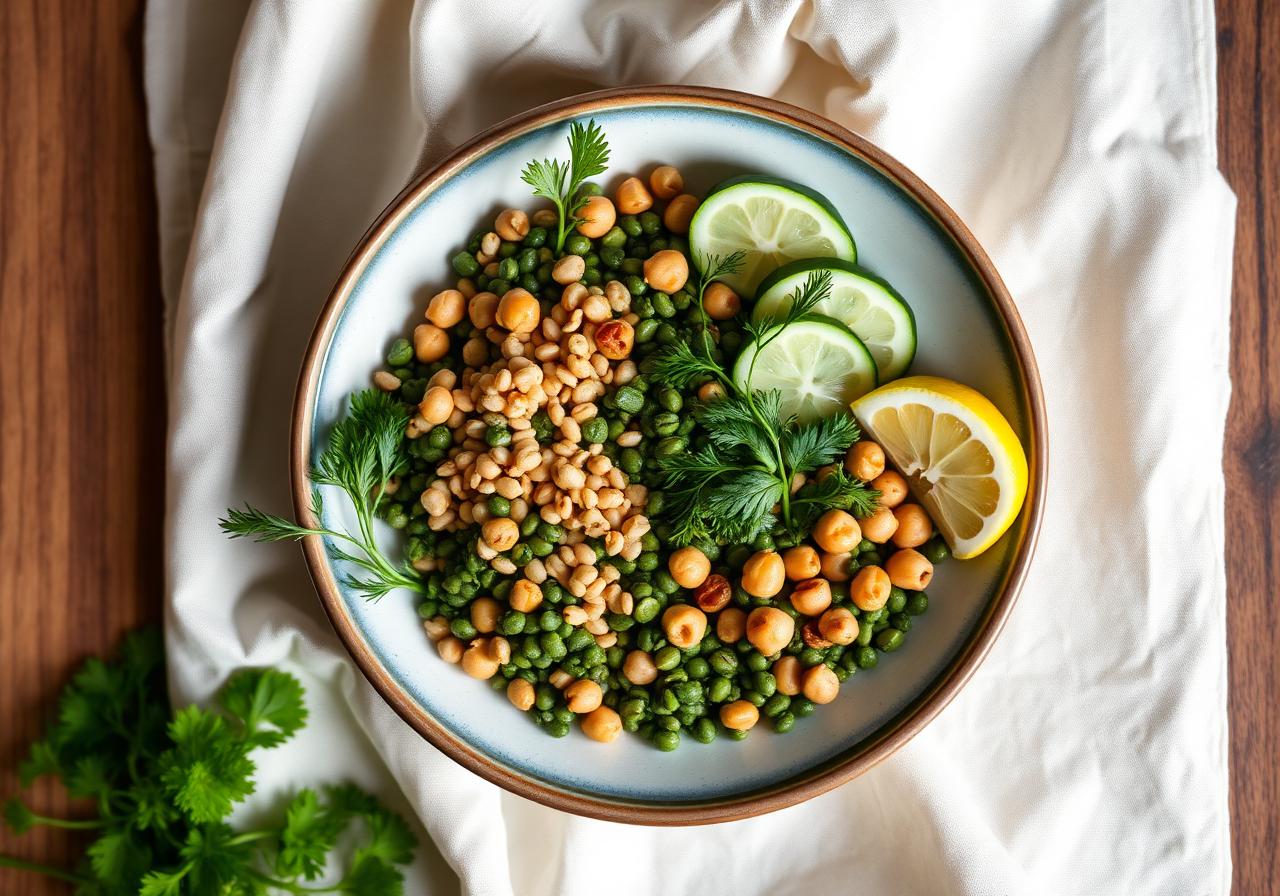
Warm, freshly cooked meals eaten without rush can support a steady routine. Modern science suggests that meal pattern, protein, fiber, and sleep matter more than calorie counting.
What matters most
What this tends to feel like, and what commonly drives it.
Common symptoms
- •Steady weight gain despite no clear change in food
- •Strong cravings, especially in the evening
- •Energy crashes after meals
- •Difficulty losing weight that previously came off easily
Possible contributing factors
- •Ultra-processed food, sugary drinks, and snacking
- •Poor sleep (raises hunger hormones)
- •Chronic stress and emotional eating
- •Sedentary days, especially after meals
- •Skipping protein or eating it only at dinner
What the research shows
Start with what helps you feel satisfied: protein and fiber are the most satiating nutrients — they reduce later hunger without willpower.
Sleep plays a bigger role than many people realize. Sleep loss raises ghrelin (hunger) and lowers leptin (fullness). Even one short night drives overeating.
For many people, time-restricted eating (e.g. 12-hour overnight fast) also helps without counting calories.
Evidence-based actions
Movement, sleep, stress, and practical daily habits.
Movement
- •Walk 7,000–10,000 steps most days — split however suits your life.
- •Two strength sessions a week protect muscle (which keeps metabolism healthy).
- •A 10-minute walk after meals helps both blood sugar and weight.
Sleep
- •7+ hours protects appetite hormones; short sleep makes weight loss far harder.
Stress management
- •Notice emotional hunger — it usually comes on suddenly and craves specific foods. Pause, breathe, drink water.
Lifestyle habits
- •Eat at the table, slowly, off a plate, with someone when possible.
- •Front-load protein and vegetables, eat starches last.
- •Drink water before meals; skip sugary drinks entirely.
Nutrition
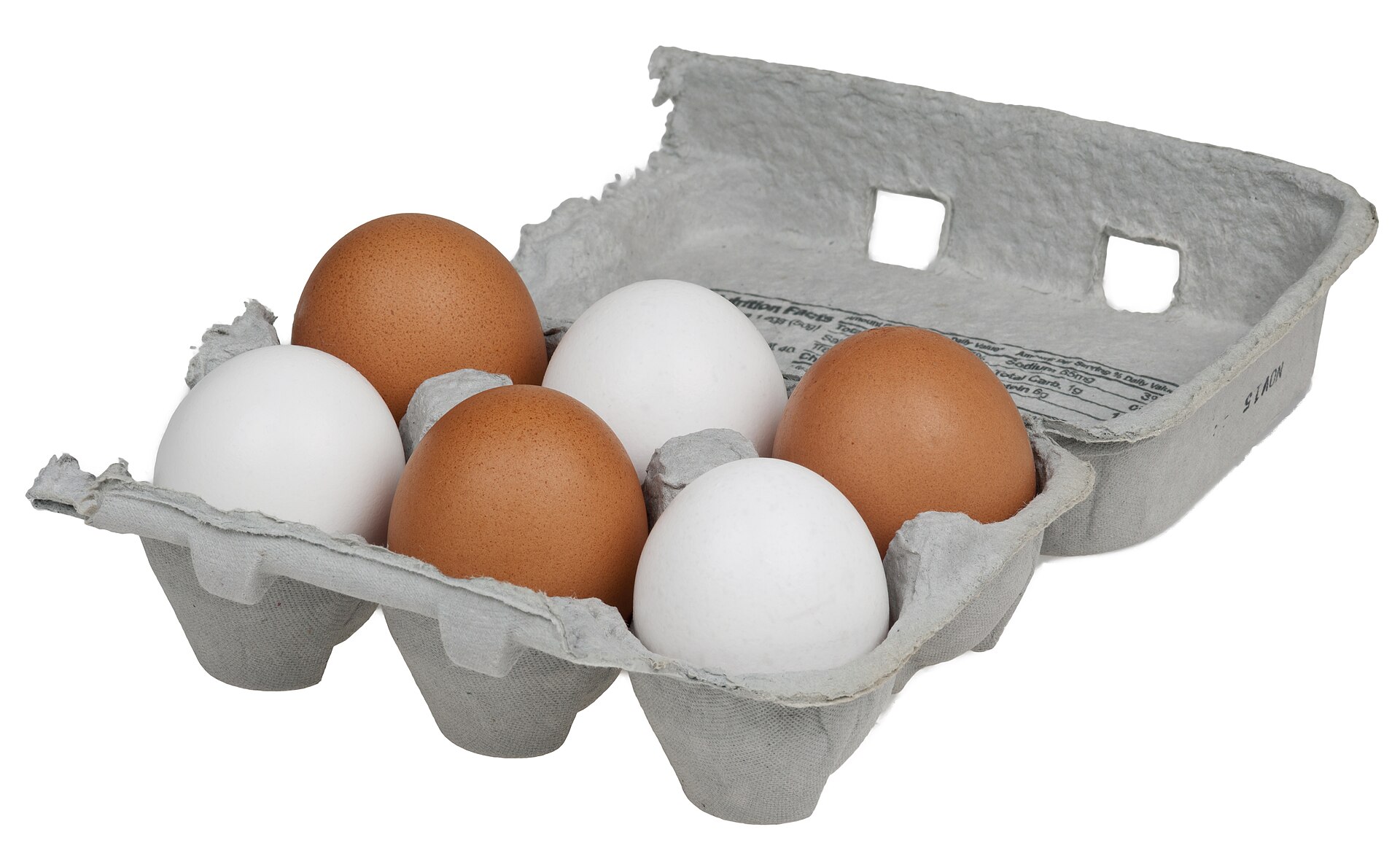
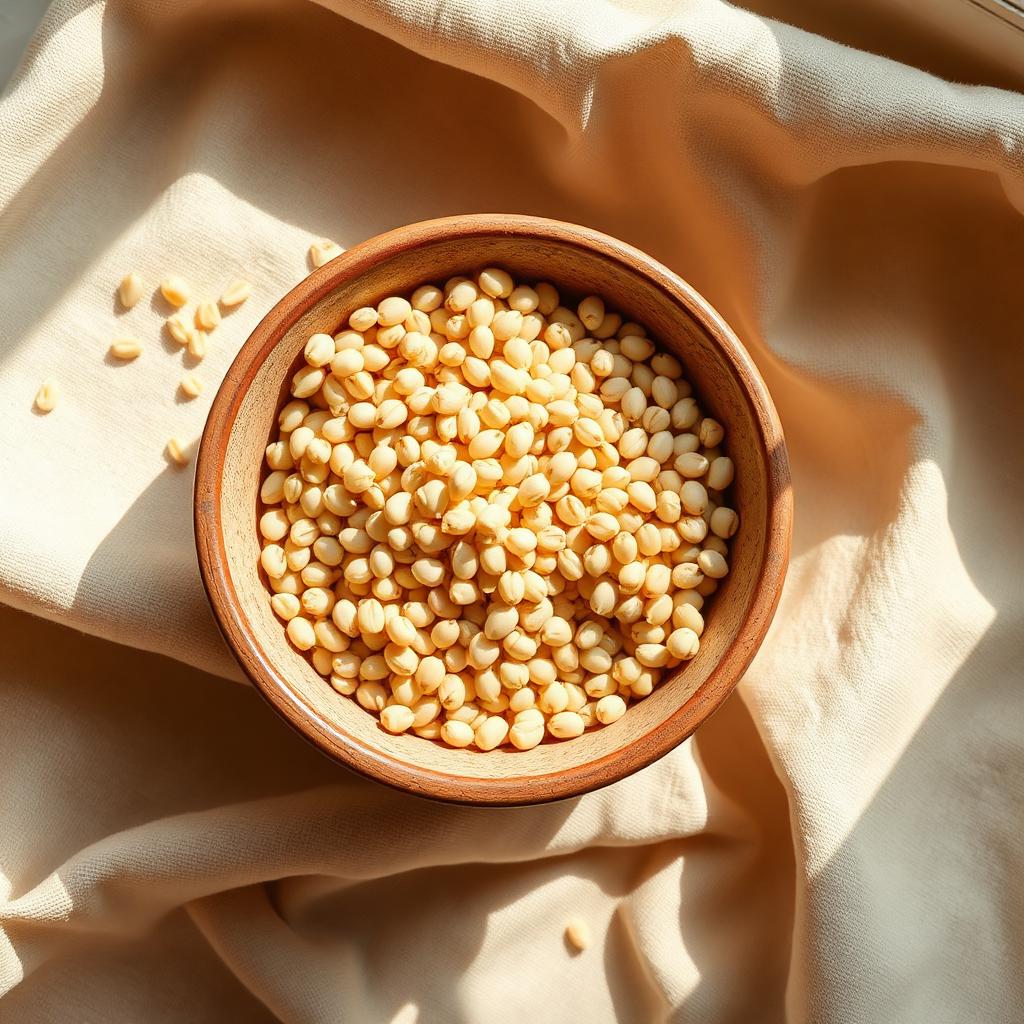
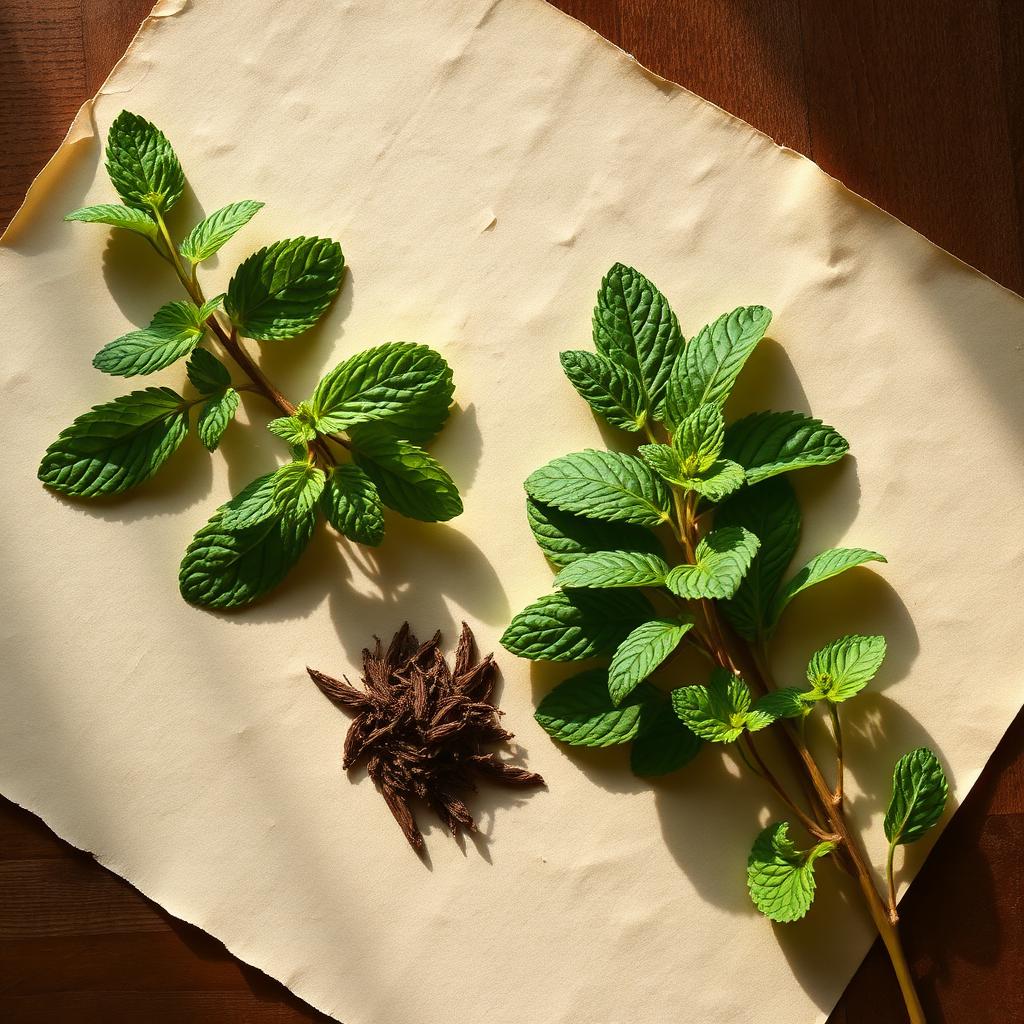
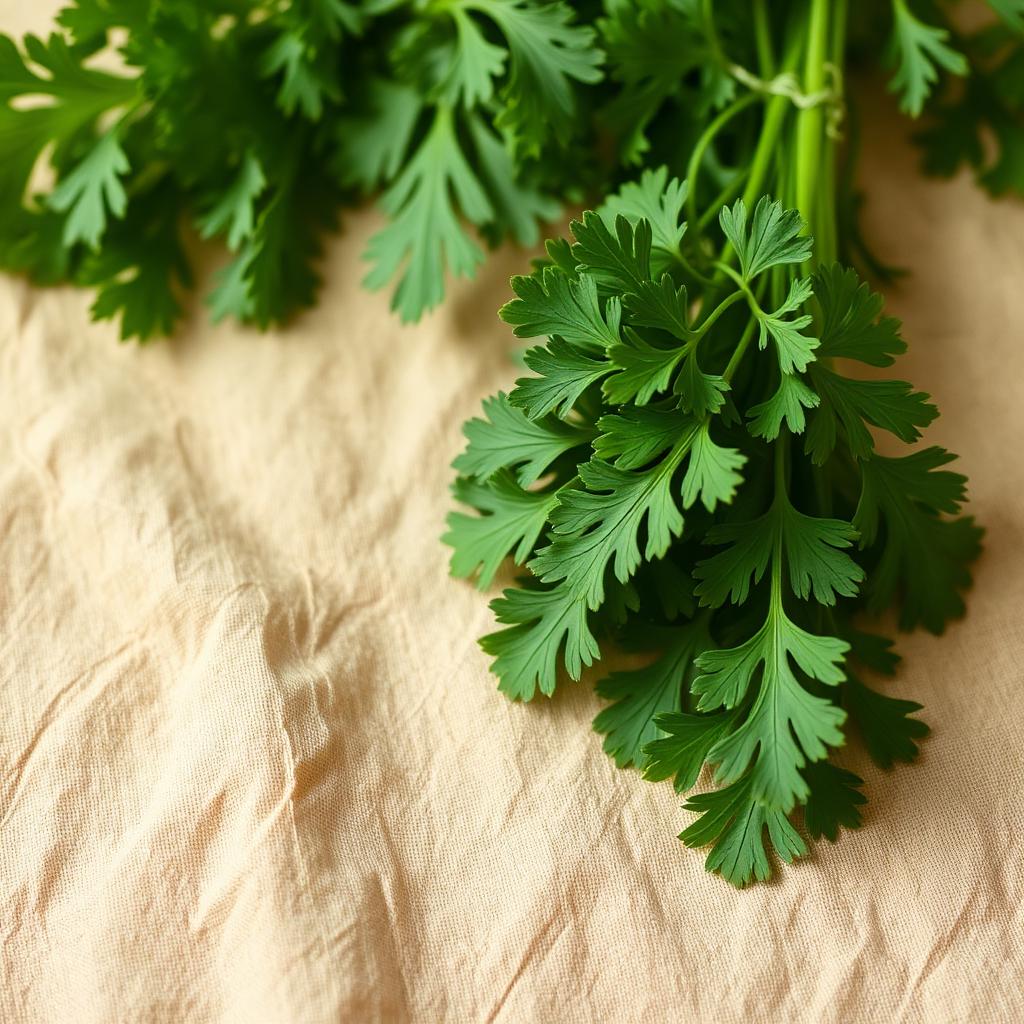
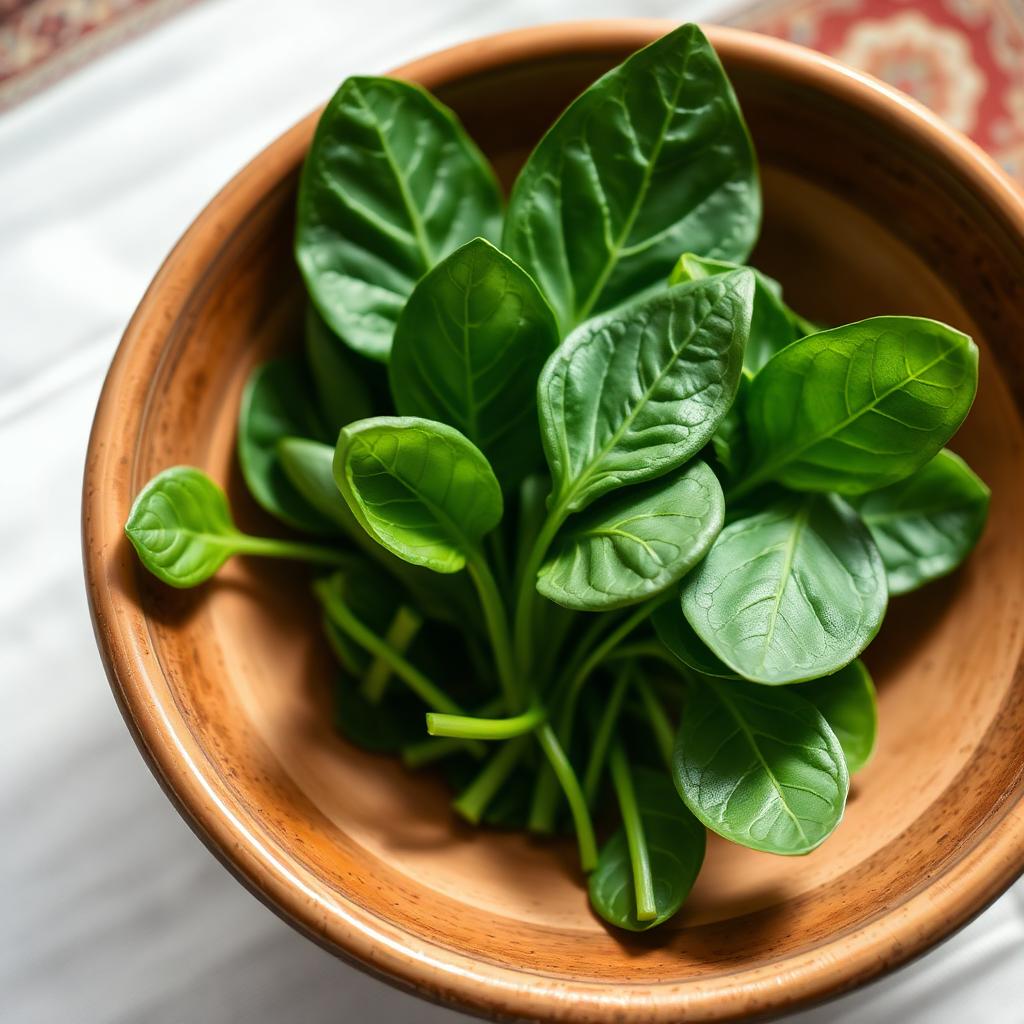
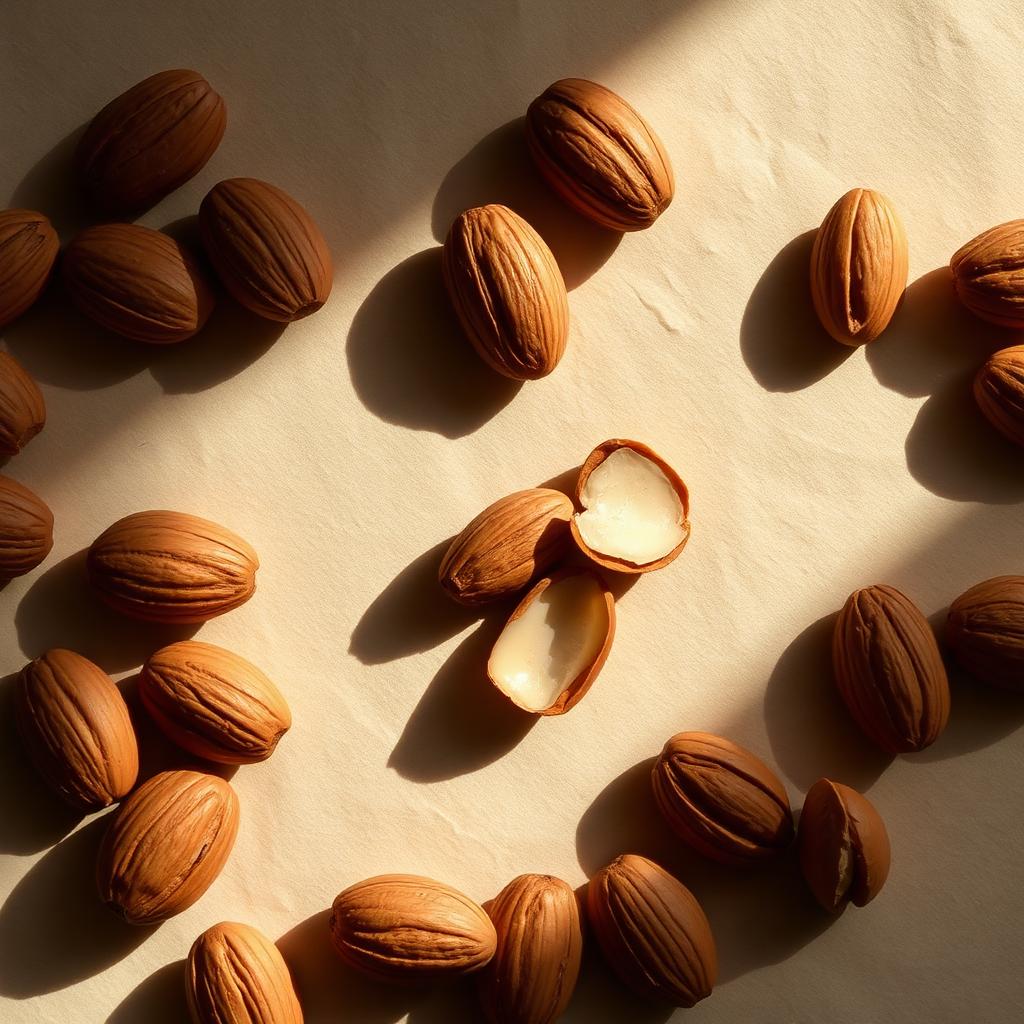
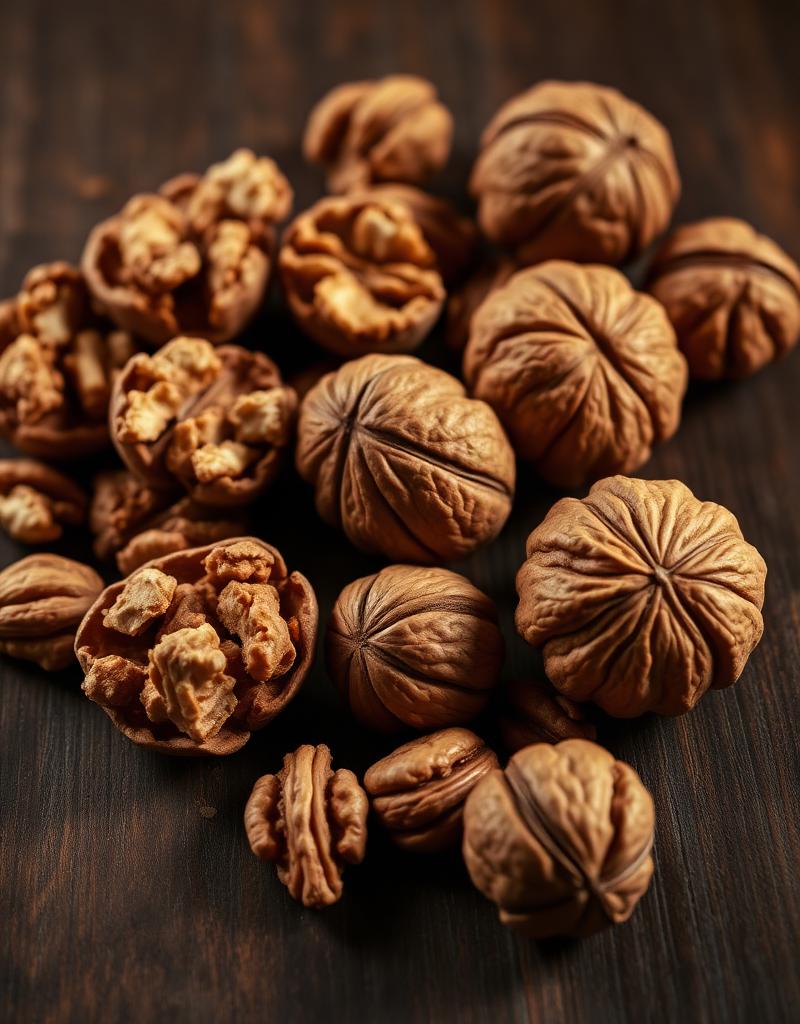
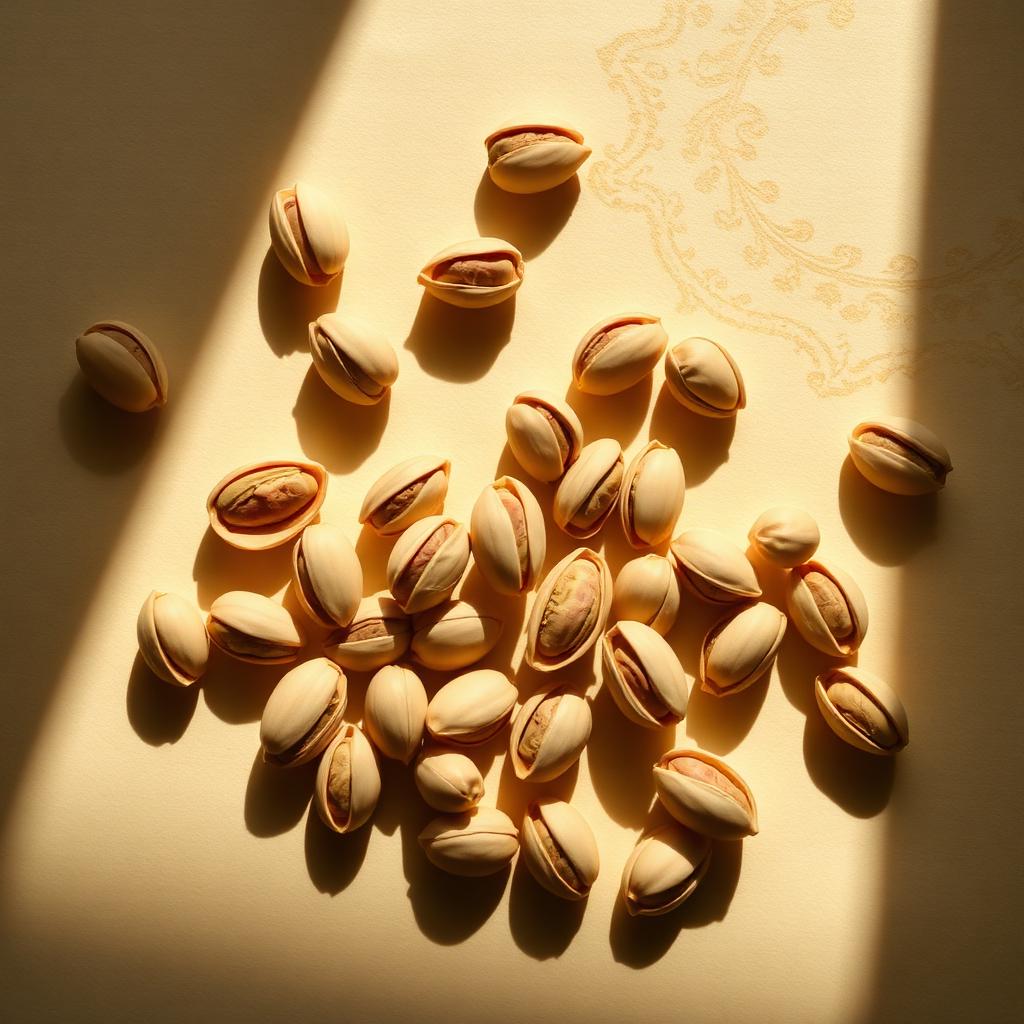
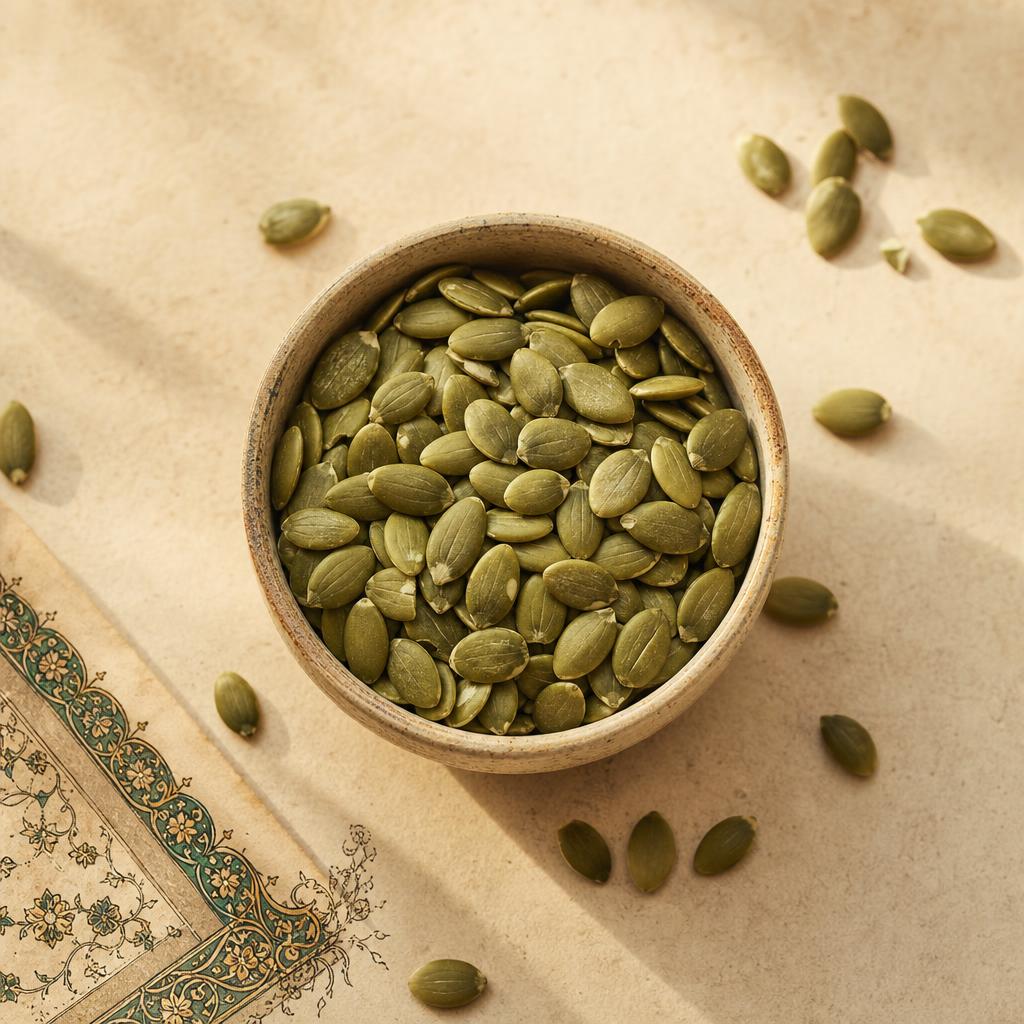
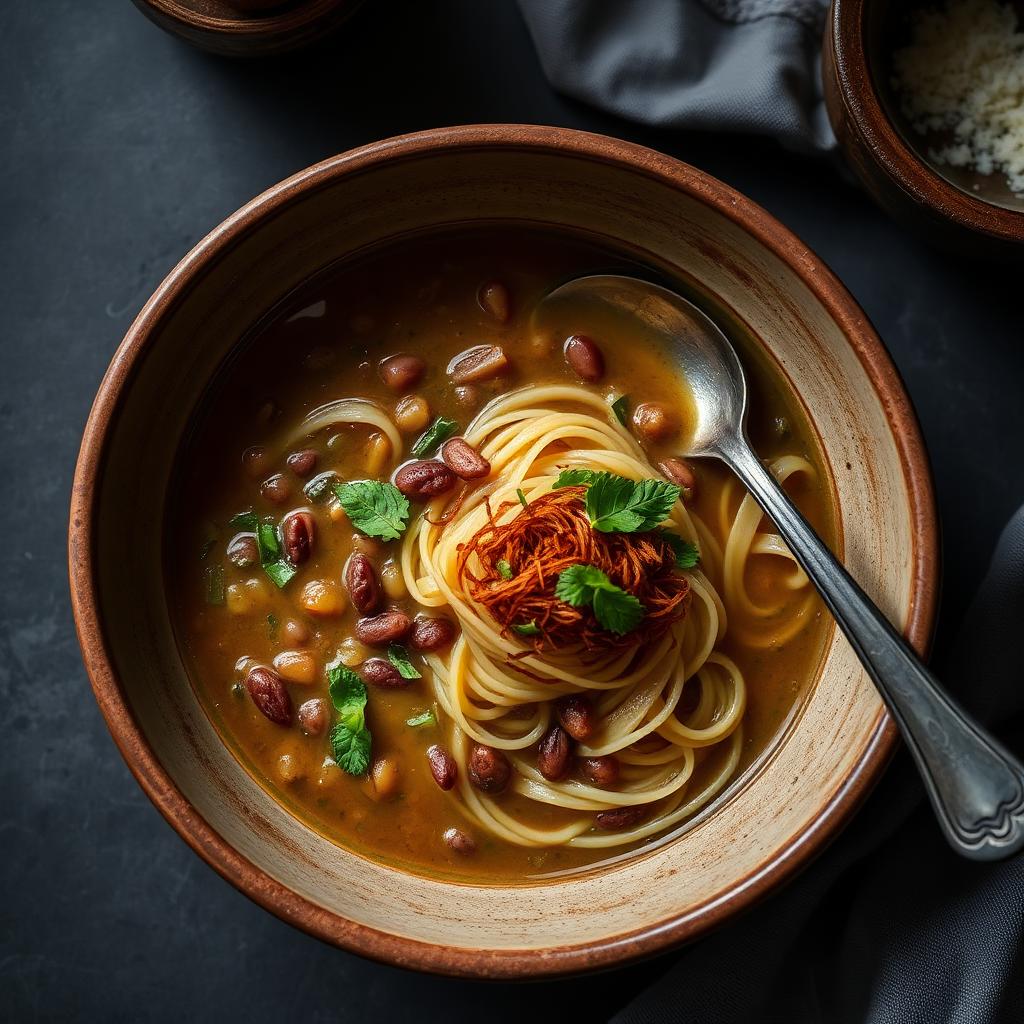
What to eat and drink — every item links to its own guide.
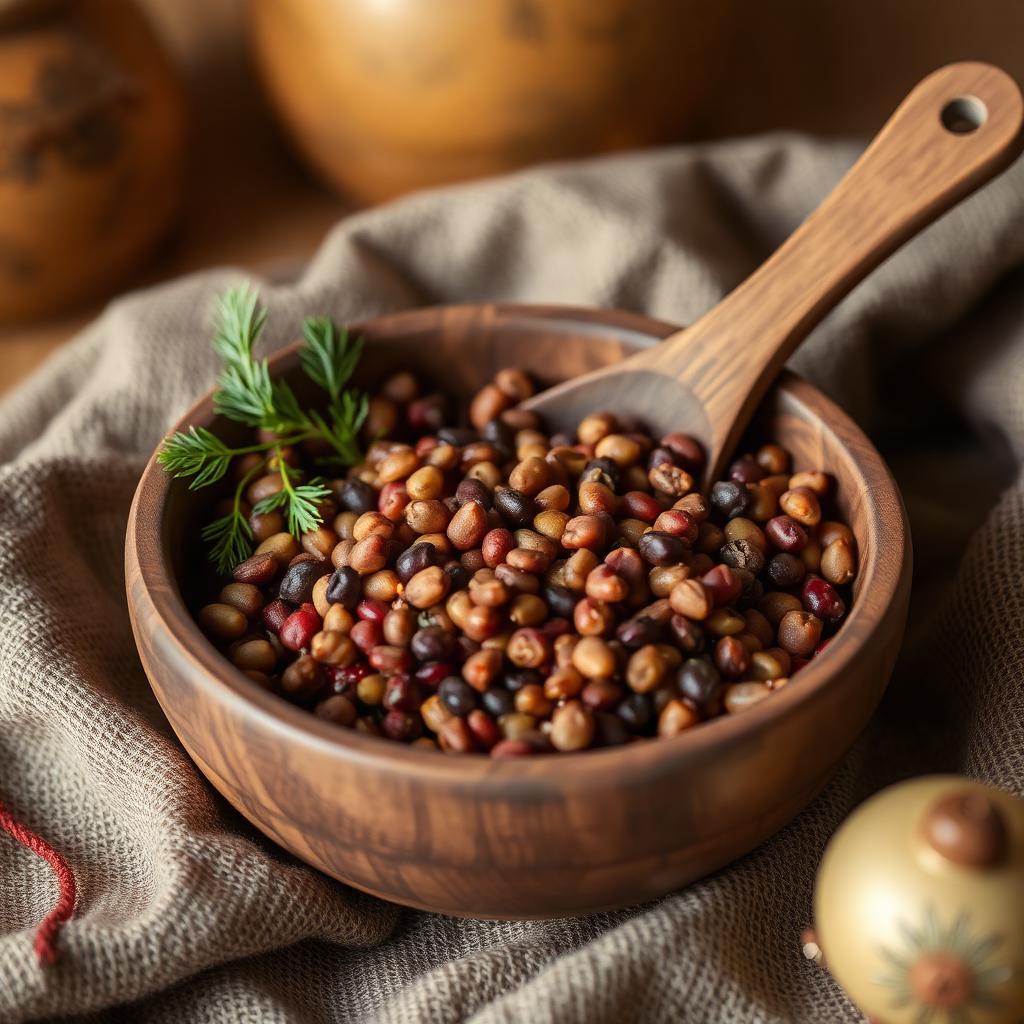
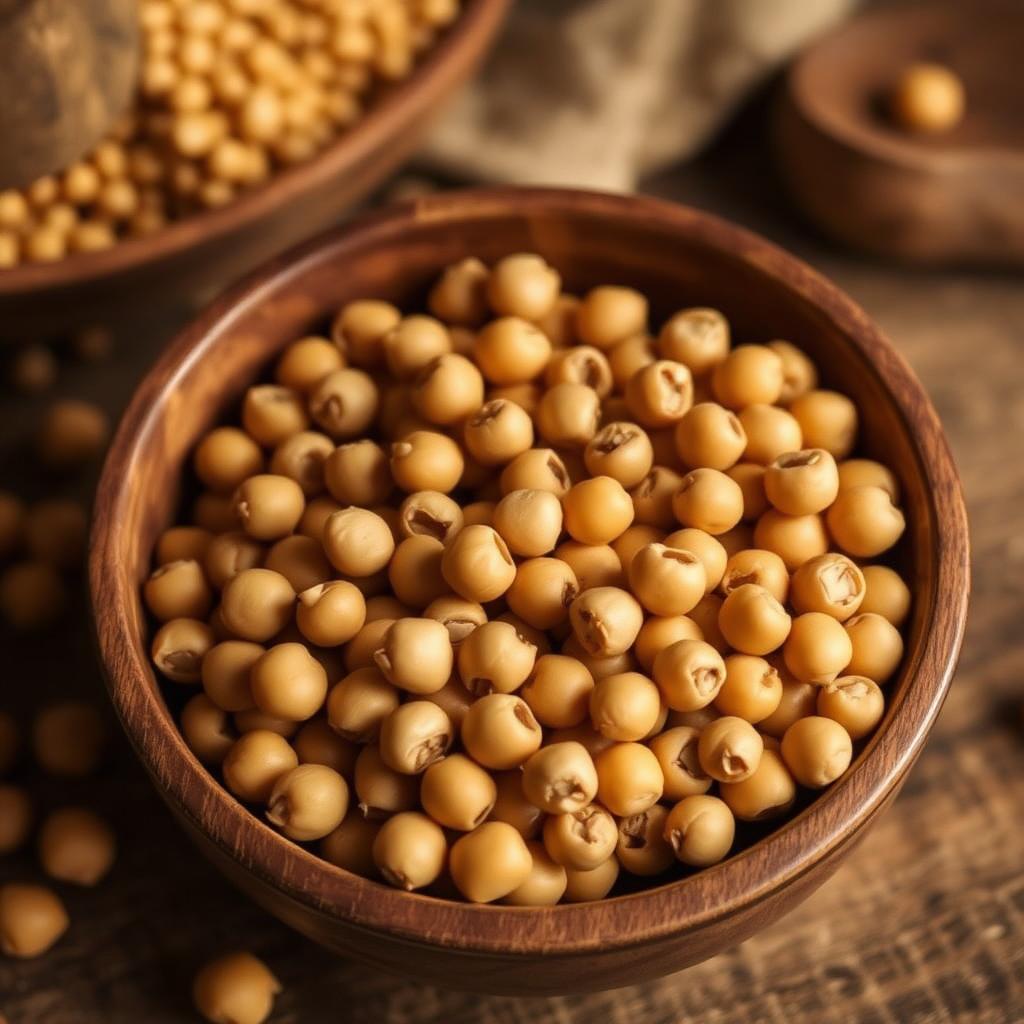
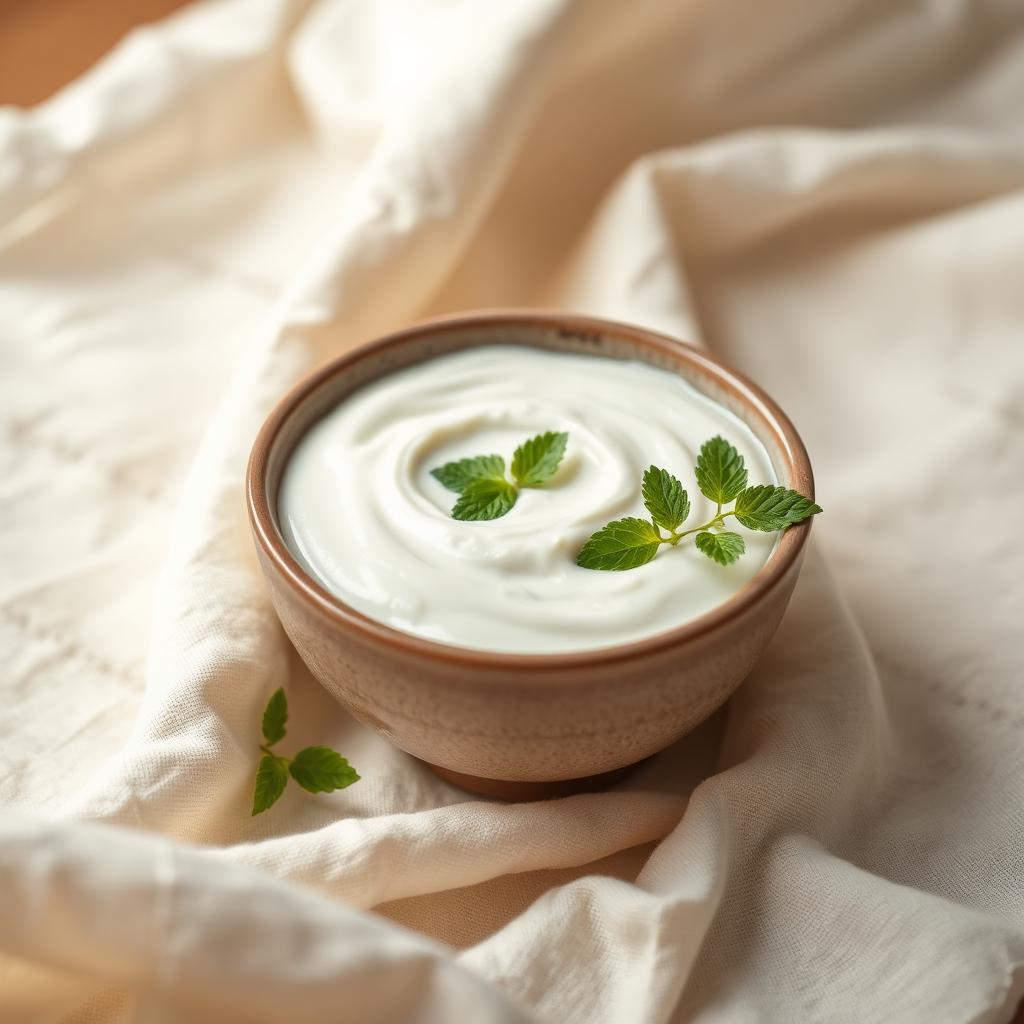





Traditional Persian Perspective
Persian medicine treated excess flesh (semen, farbehi) as a problem of a cold, moist mizāj with sluggish digestion, not as a moral failing. Avicenna's regimen for it is unglamorous and modern: reduce the quantity, increase movement, favour foods that are warm and light, and avoid eating before the previous meal is digested.
The rule of hazm — never begin a meal until the last one is fully digested — is the classical version of meal spacing, and it is repeated in the Qānūn and in Jorjānī. So is the instruction to leave the table before satiety, which appears in Persian dietary literature long before anyone counted a calorie.
Warming, digestive spices (ginger, cumin, black pepper, cinnamon) and sour agents (sumac, verjuice, dried lime) were used to make heavy foods lighter — a technique still visible in every Persian kabab and khoresh.
When to seek professional care
Signs that call for a clinician rather than self-care.
This guide is educational. It complements, but never replaces, care from a qualified healthcare professional.
- •Unexplained, rapid weight loss or weight gain — see your doctor.
- •BMI over 30 with health conditions — discuss options including medical support.
- •History of eating disorders — work with a qualified clinician, not a general wellness plan.
Meditation & Mindfulness
Calm practices matched to this goal.
Stress eating, poor sleep, and rushed meals all feed weight gain. Calming the nervous system makes every other habit easier.
Before each meal: three slow breaths. Notice you are about to eat.
Before or after meals, especially when the belly feels tight.
Begin practiceAfter a meal, between work blocks, or on any quiet walk.
Begin practiceMid-day, when stress has built up. Before opening the next email.
Begin practiceFrequently asked questions
Short answers to the questions readers ask most.
Do I need to count calories?
Most people do better when they focus on food quality, protein, fiber, and meal rhythm. Calorie counting can help short-term but rarely lasts.
Do I have to give up bread?
No. Whole-grain breads in modest portions, with protein and vegetables, fit well.
What is a steady pace for weight loss?
Roughly 0.5–1 kg per week is sustainable. Faster usually returns within a year.
Related guides
A few places to go next.
Build your personalized Healthy Weight plan
Your AI Hakim weaves your goals, your mizāj, and trusted guidance into a roadmap — not a single answer.
Ask Hakim about Healthy Weight