Digestive Health
Calm, regular digestion through warm foods, herbs, and the simple rhythm of meals.
Traditional wisdom · Modern scientific evidence · Personalized guidance
Overview
When your digestion feels calm, the benefits often ripple outward to your energy, mood, immunity, and weight. Good digestion supports nearly every other aspect of health.
Strong digestion supports energy, nourishment, and comfort. Modern microbiome science is adding detail about the community of bacteria living in the gut and its wider effects.
What matters most
What this tends to feel like, and what commonly drives it.
Common symptoms
- •Bloating, gas, or discomfort after meals
- •Irregular bowel movements (constipation or loose stools)
- •Heartburn or reflux, especially at night
- •Feeling heavy or sluggish after meals
Possible contributing factors
- •Low fiber, ultra-processed food
- •Eating in a rush or under stress
- •Inadequate water
- •Sedentary days
- •Late, heavy meals
- •Some medications (ask your pharmacist)
What the research shows
Variety helps your gut thrive: 30+ different plant foods per week support the most diverse, resilient gut microbiome.
Fermented foods can help too. Yogurt, kefir, doogh, and pickles modestly improve gut diversity and inflammation.
And one of the simplest habits is a walk after meals, which helps gastric emptying and reduces reflux.
Evidence-based actions
Movement, sleep, stress, and practical daily habits.
Movement
- •Walk after meals; even 10 minutes helps. Daily movement supports regularity.
Sleep
- •Finish dinner 3 hours before bed when possible; left-side sleeping eases reflux.
Stress management
- •The gut and brain are deeply connected — daily calm is digestive medicine.
Lifestyle habits
- •Eat slowly; chew well.
- •Drink water steadily through the day, less with meals if reflux is a problem.
- •Aim for 30+ plant foods per week.
Nutrition
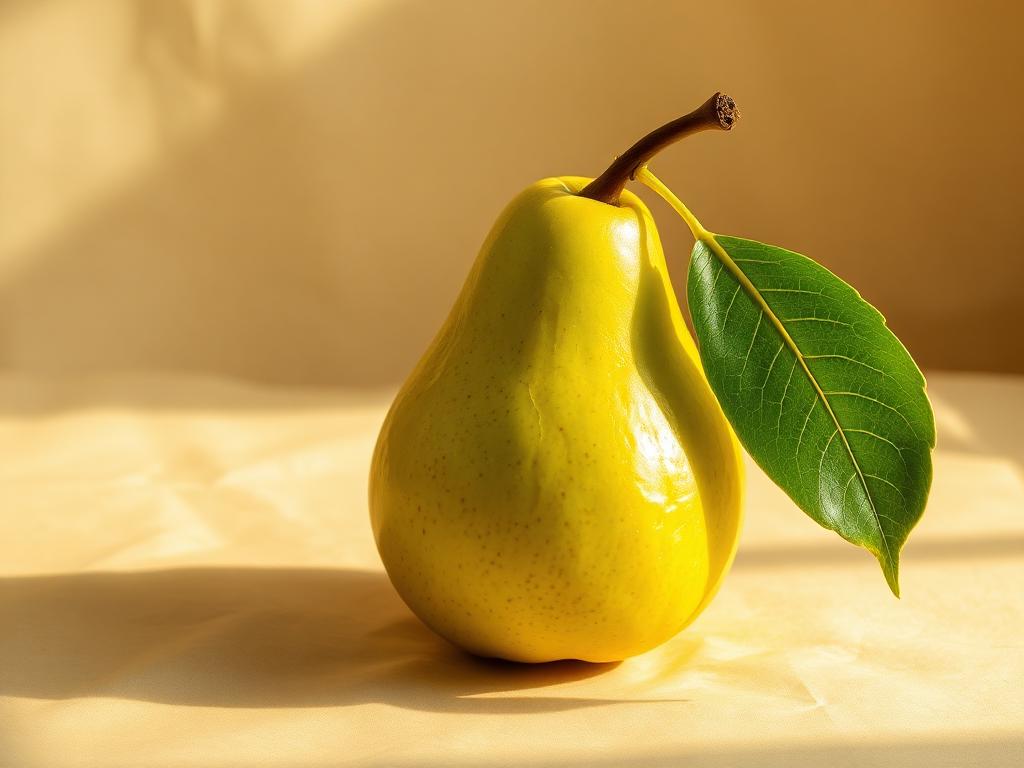
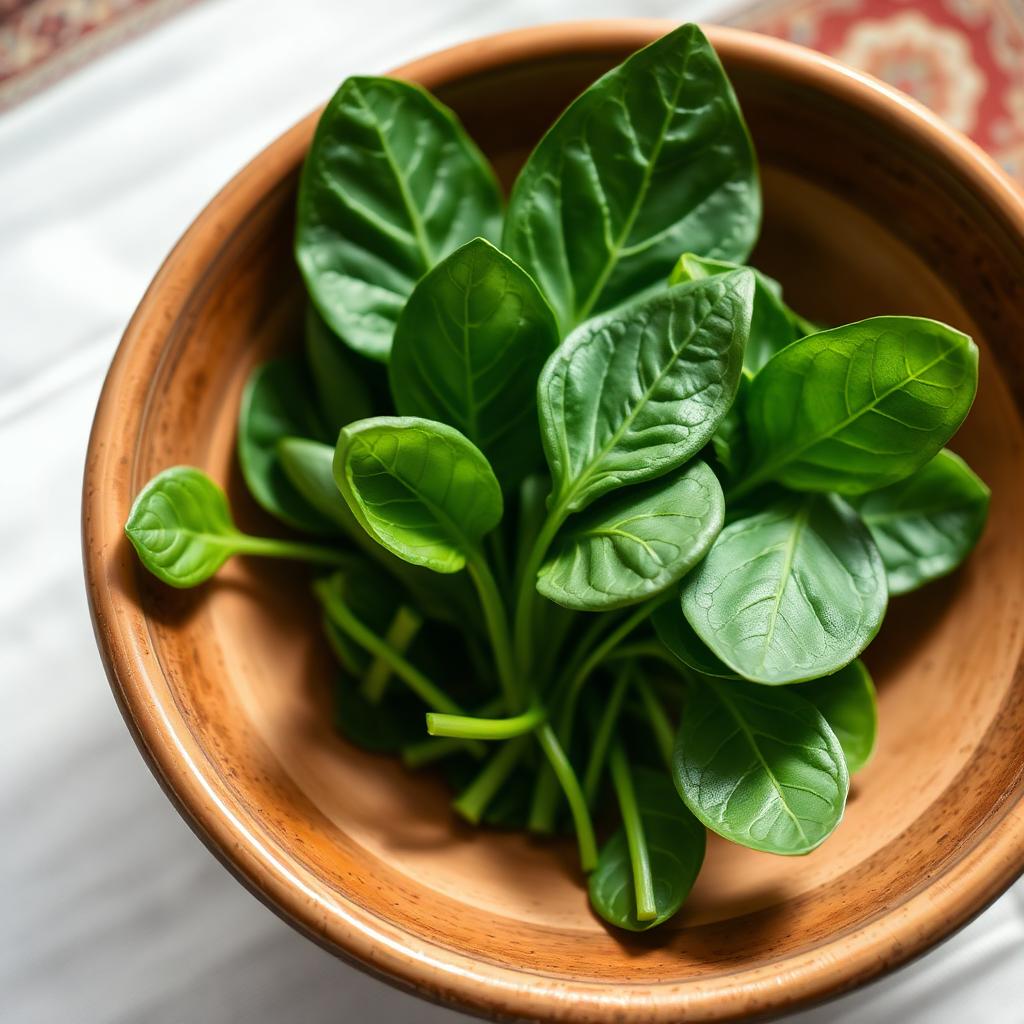
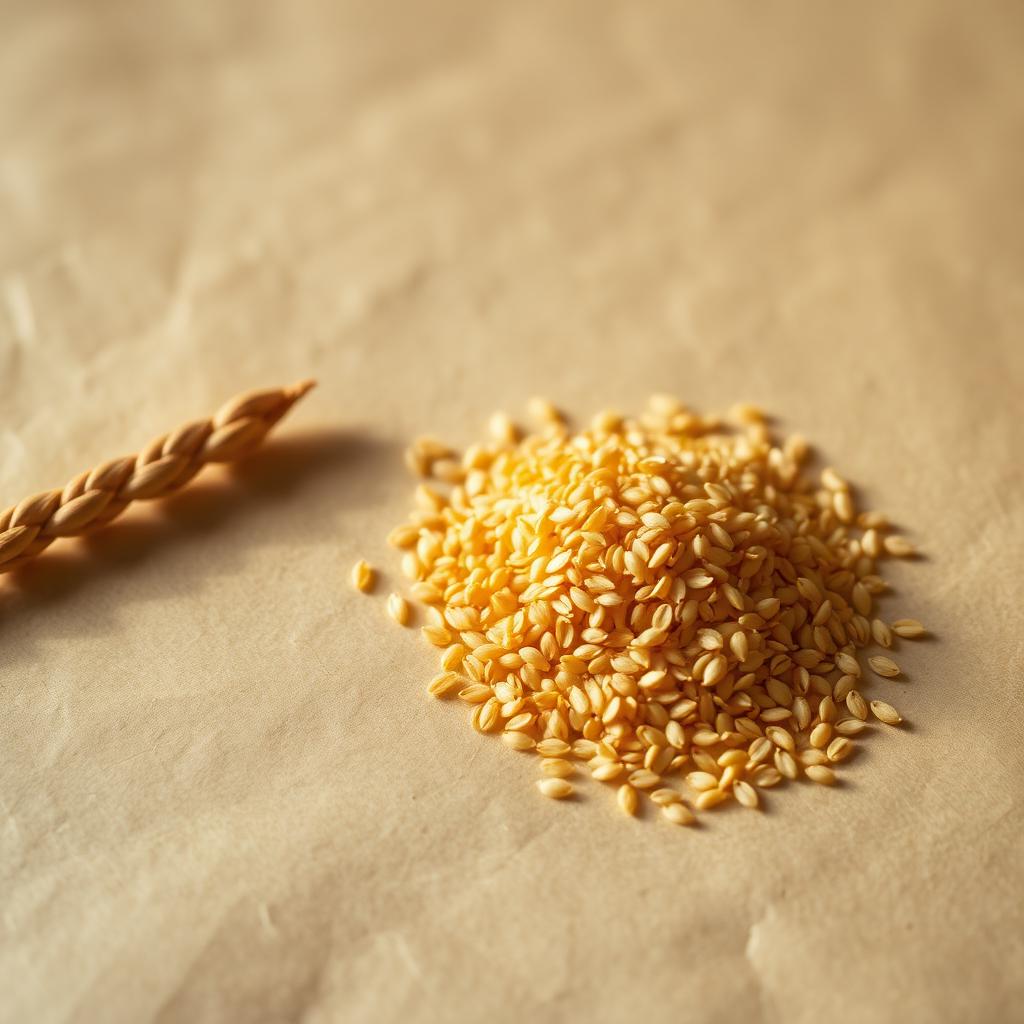
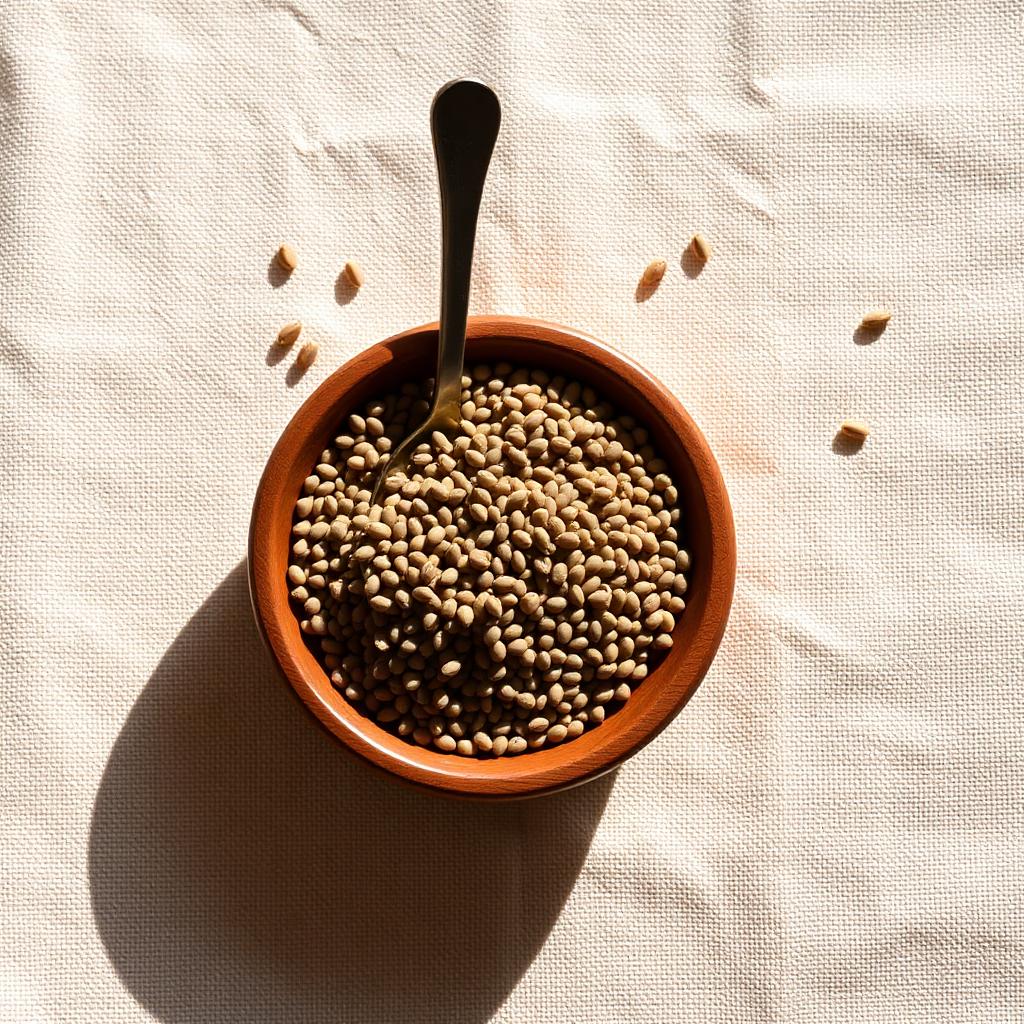
What to eat and drink — every item links to its own guide.


Traditional Persian Perspective
Digestion is the hinge of the entire Persian system. Avicenna describes four stages of hazm — in the stomach, the liver, the vessels and the tissues — and holds that a fault at the first stage corrupts everything after it. This is why Persian medicine reads bloating and irregularity as systemic news, not a local complaint.
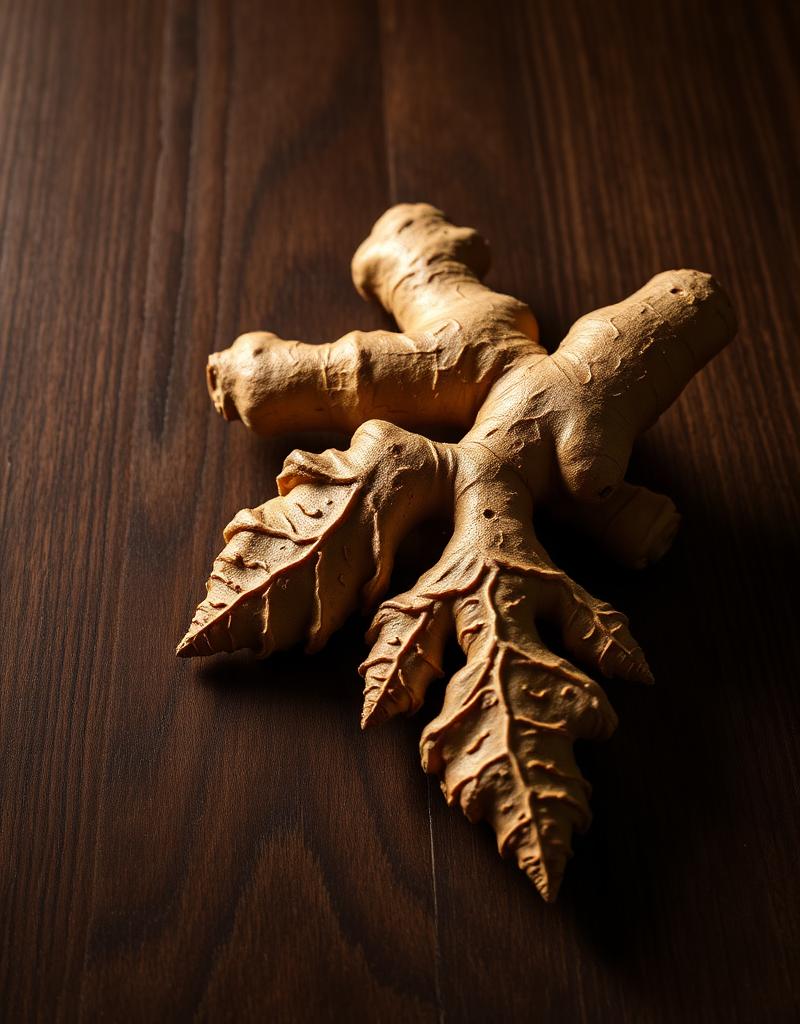
Foods carry a mizāj: yogurt, cucumber and coriander are cooling (sardi); walnut, date, cinnamon and ginger are warming (garmi). A meal is balanced by pairing across that axis — which is why yogurt arrives with warm rice, and why walnut arrives with pomegranate.
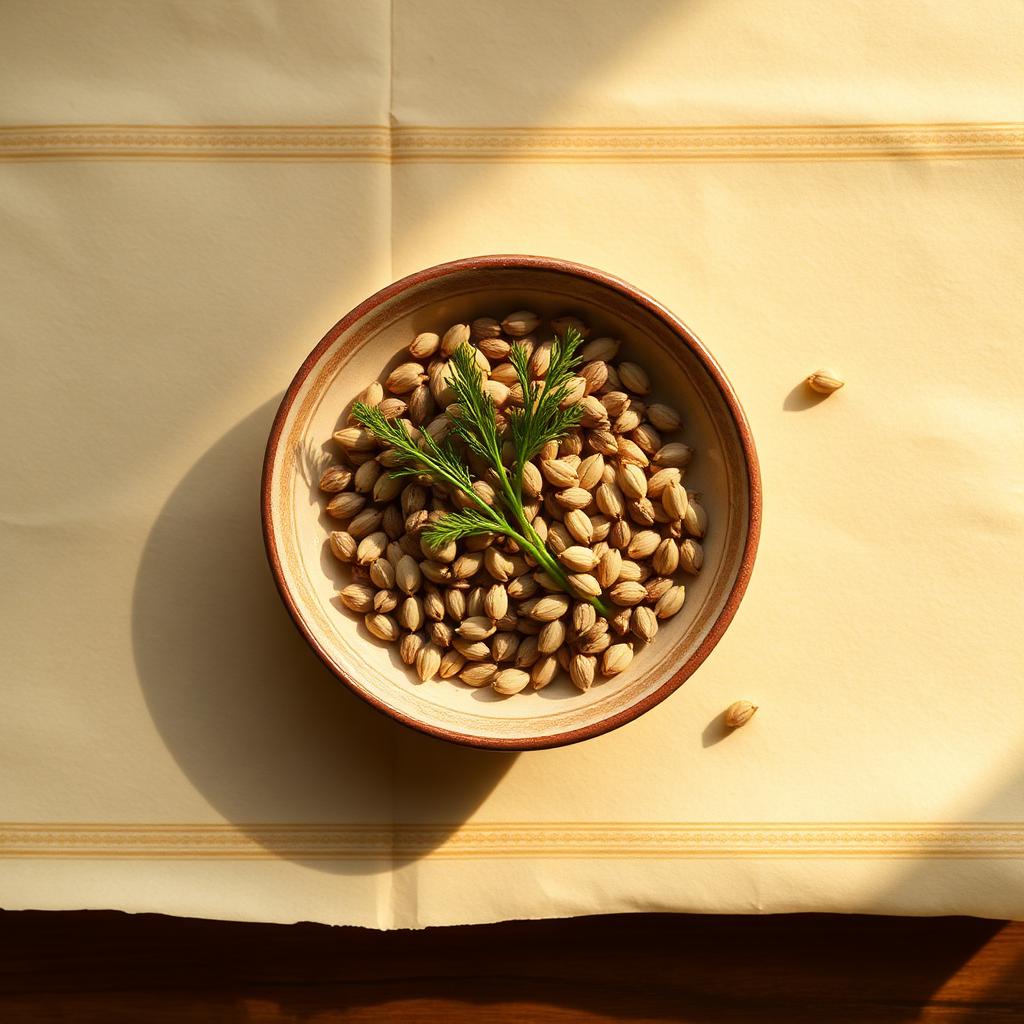
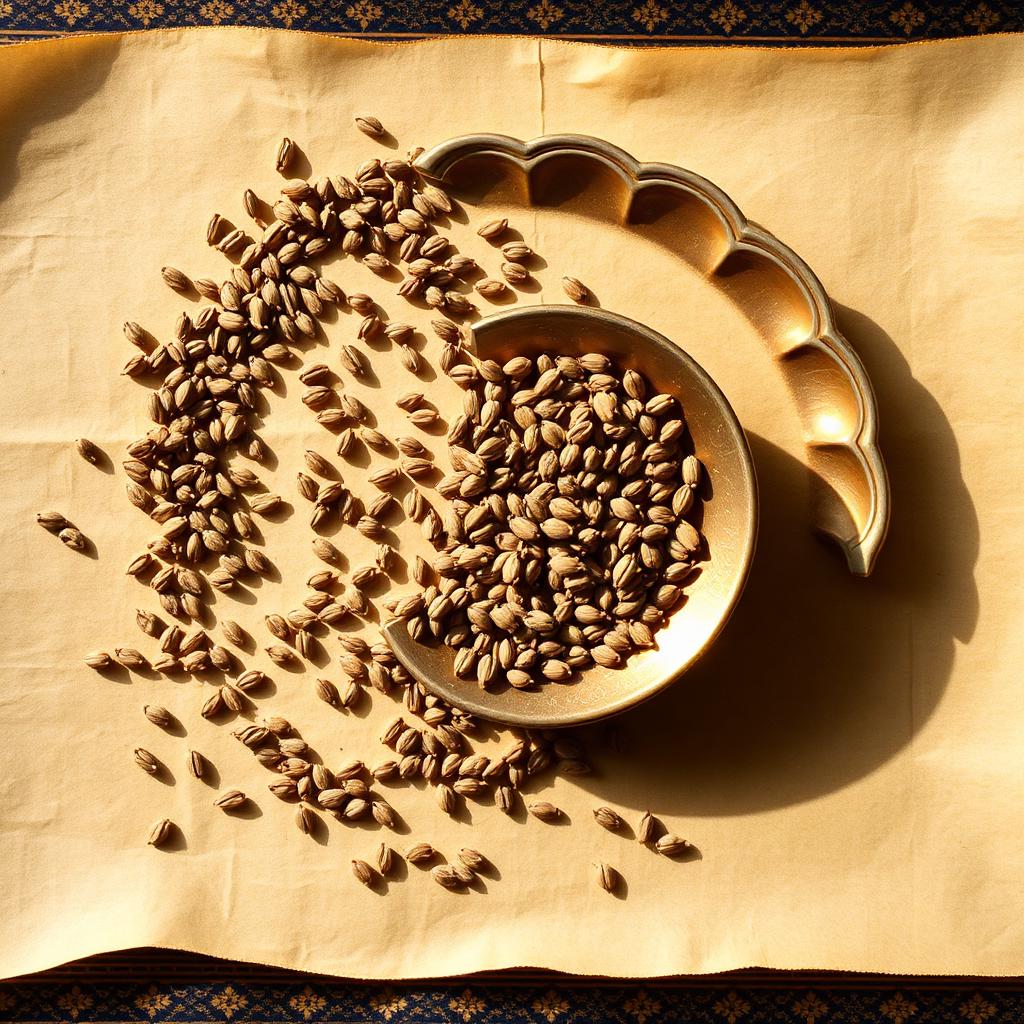
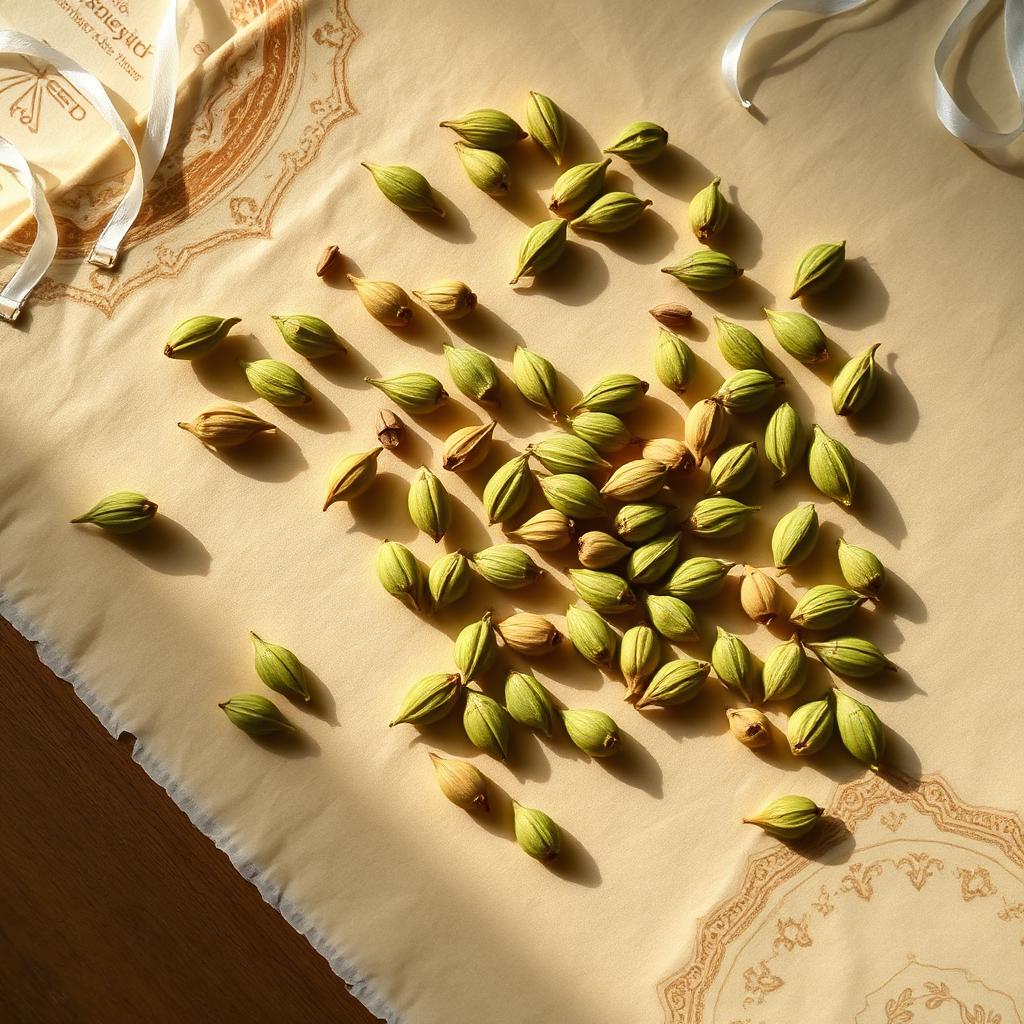
The carminatives Persian households still use after meals — fennel, cumin, anise, caraway — are the same ones listed in Jorjānī for wind and fullness. The practice survived intact because it works.
When to seek professional care
Signs that call for a clinician rather than self-care.
This guide is educational. It complements, but never replaces, care from a qualified healthcare professional.
- •Blood in stool, unintended weight loss, persistent pain, or trouble swallowing — see your doctor.
- •Symptoms more than 2–3 times per week despite lifestyle changes — ask for evaluation.
Meditation & Mindfulness
Calm practices matched to this goal.
The gut and the nervous system are deeply connected. A calm body before and after meals supports digestion for many people.
Before eating: hand on belly, three soft breaths, lengthen the exhale.
Before or after meals, especially when the belly feels tight.
Begin practiceAfter a meal, between work blocks, or on any quiet walk.
Begin practiceMid-day, when stress has built up. Before opening the next email.
Begin practiceFrequently asked questions
Short answers to the questions readers ask most.
Should I take a probiotic supplement?
Most people do better with food-based probiotics (yogurt, kefir, doogh, pickles, sauerkraut) and a varied plant diet.
Could gluten be causing my symptoms?
Only for celiac disease or non-celiac gluten sensitivity. Most people tolerate whole grains well.
Why does bloating feel worse at night?
Often it comes down to late, heavy meals, low daily movement, or stress. Smaller, earlier dinners and a walk often help.
Build your personalized Digestive Health plan
Your AI Hakim weaves your goals, your mizāj, and trusted guidance into a roadmap — not a single answer.
Ask Hakim about Digestive Health