Immune Health
Build a resilient immune system with whole foods, sleep, movement, and well-chosen herbs.
Traditional wisdom · Modern scientific evidence · Personalized guidance
Before you start: This guide is educational, not medical advice. If you're managing an autoimmune condition or take immune-modulating medication, talk to your doctor before changing your diet, supplements, or routine — especially if you take medication. See our full Safety First guidance.
Overview
Your immune system is shaped a little every day — by how you sleep, eat, stress, and move. No one thing 'boosts' it overnight, but it responds beautifully to steady, consistent care.
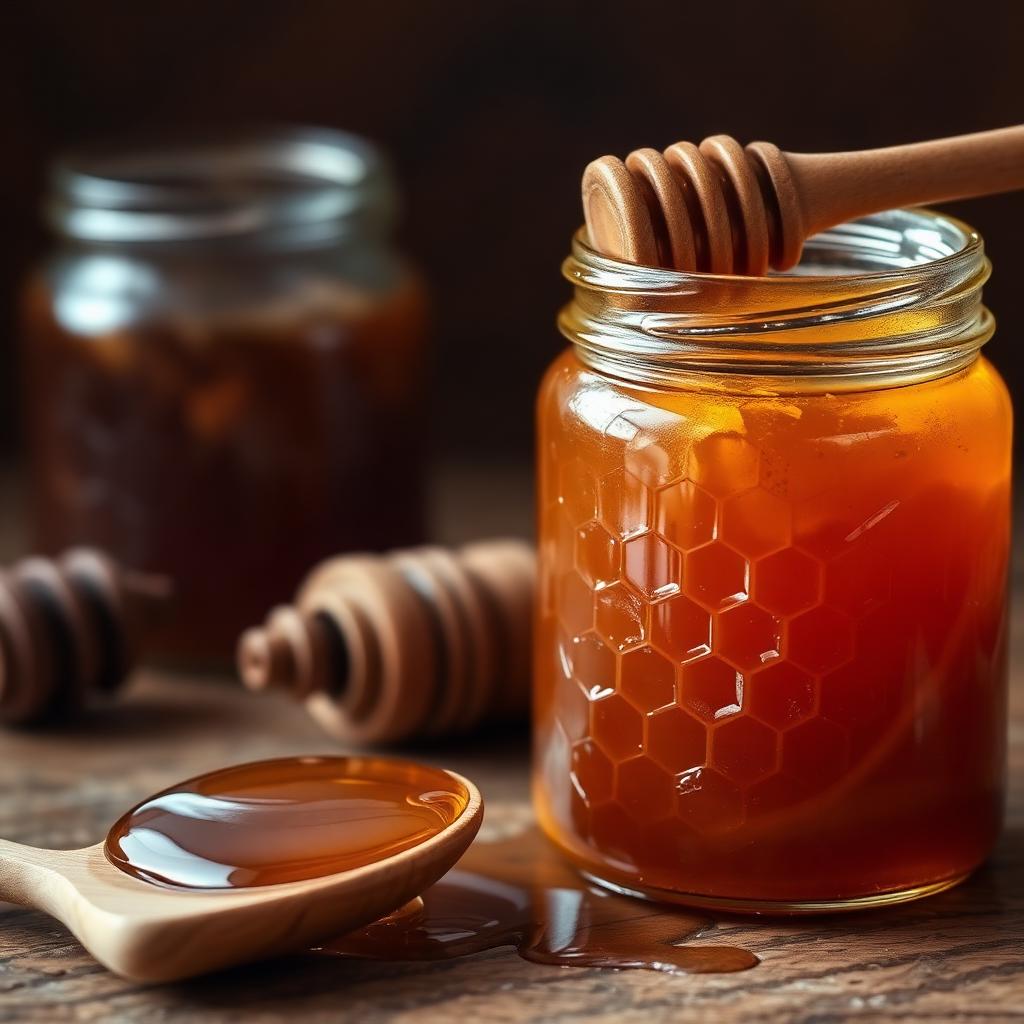
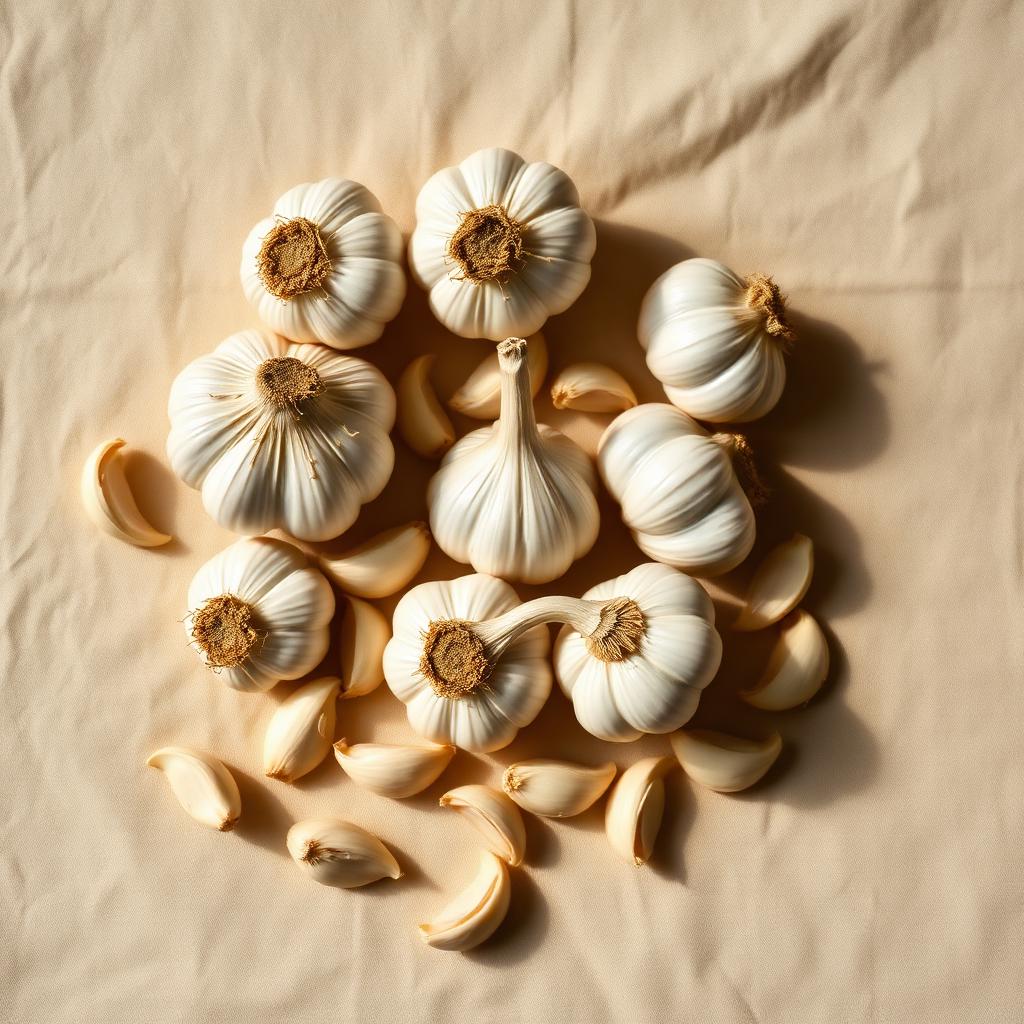
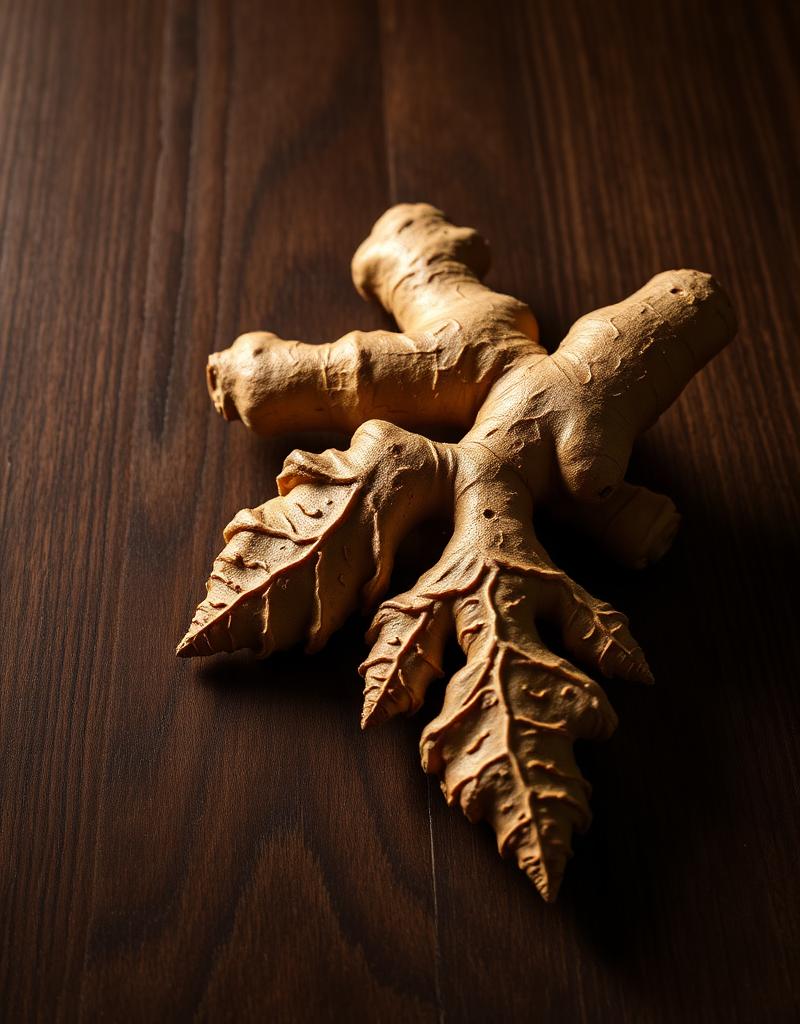
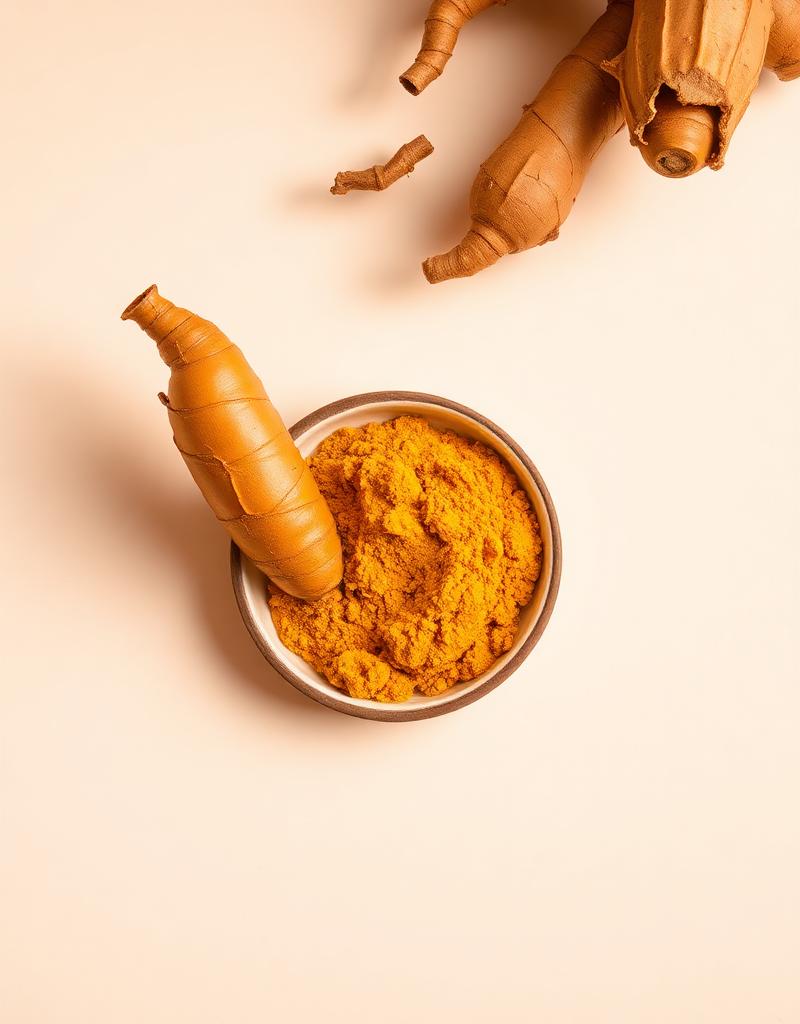
Warming foods, ginger, garlic, turmeric, and honey are common household choices when resilience is needed. Modern studies suggest that some may offer specific benefits.
What matters most
What this tends to feel like, and what commonly drives it.
Common symptoms
- •Frequent colds or infections
- •Slow recovery from illness
- •Persistent fatigue
- •Slow wound healing
Possible contributing factors
- •Short or poor sleep
- •Chronic stress
- •Ultra-processed food, low fiber
- •Vitamin D, zinc, or iron deficiency
- •Sedentary days
What the research shows
Losing sleep measurably weakens immunity — even one short night reduces your antibody response.
Low vitamin D and zinc are common culprits behind a weakened immune system; get tested if infections keep recurring.
Moderate daily exercise strengthens immune function — but over-training temporarily suppresses it, so there's a balance to strike.
Evidence-based actions
Movement, sleep, stress, and practical daily habits.
Movement
- •Daily walking; moderate exercise most days.
- •Avoid heavy training while fighting an infection.
Sleep
- •7–9 hours, consistent — the single highest-leverage immune habit.
Stress management
- •Chronic stress suppresses immunity. Daily calm matters.
Lifestyle habits
- •Vary your plants — 30+ per week.
- •Hydrate steadily.
- •Wash hands, ventilate rooms, vaccinate per medical guidance.
Nutrition
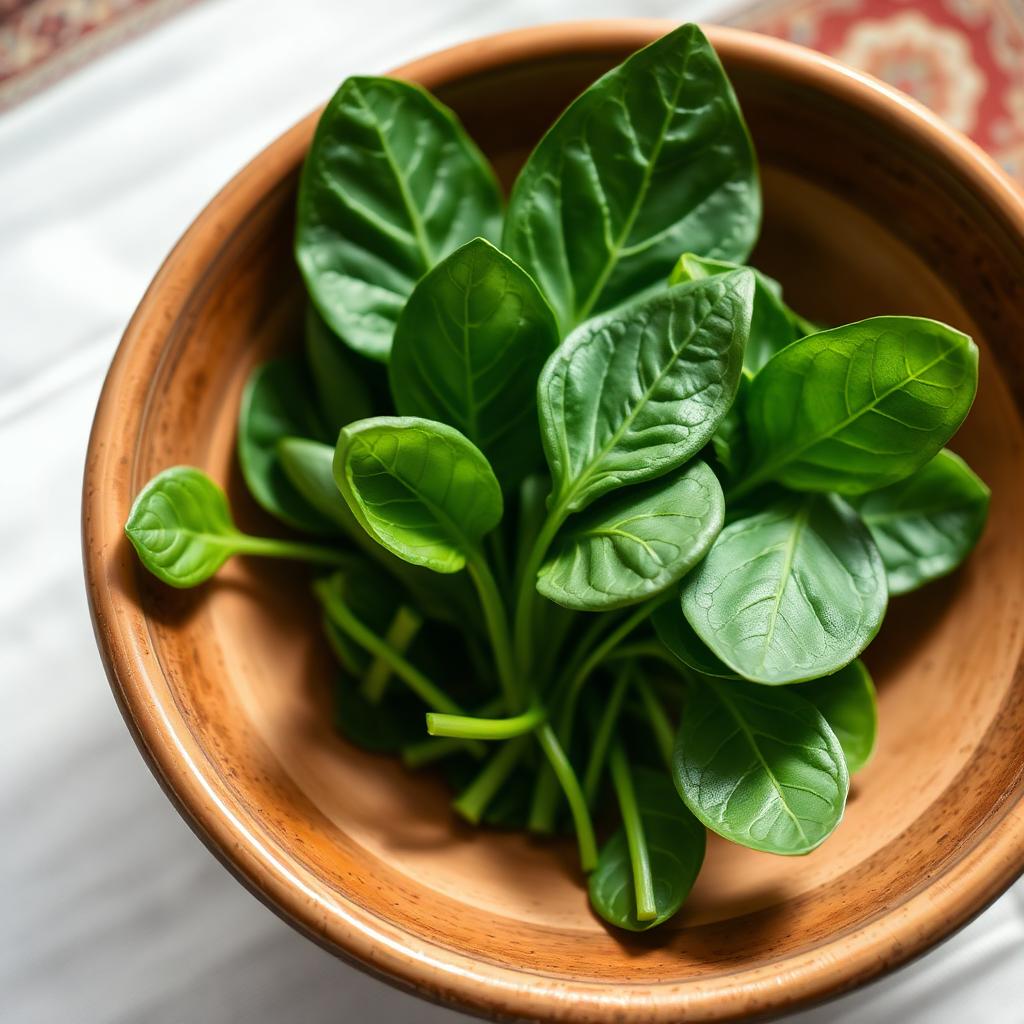
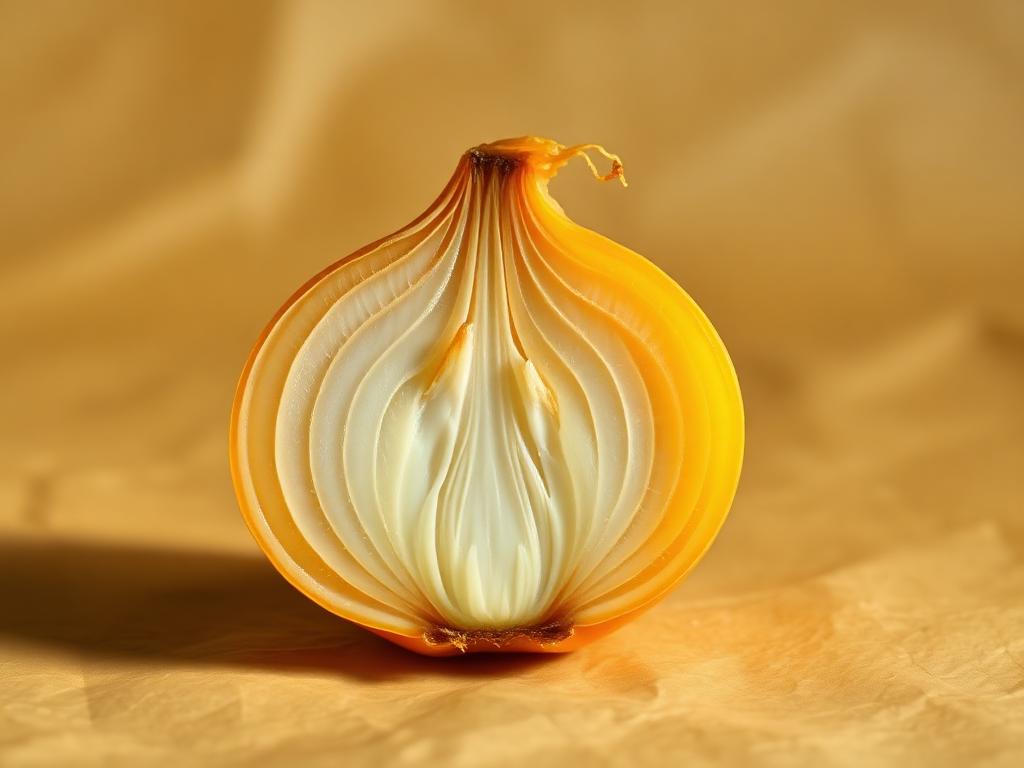
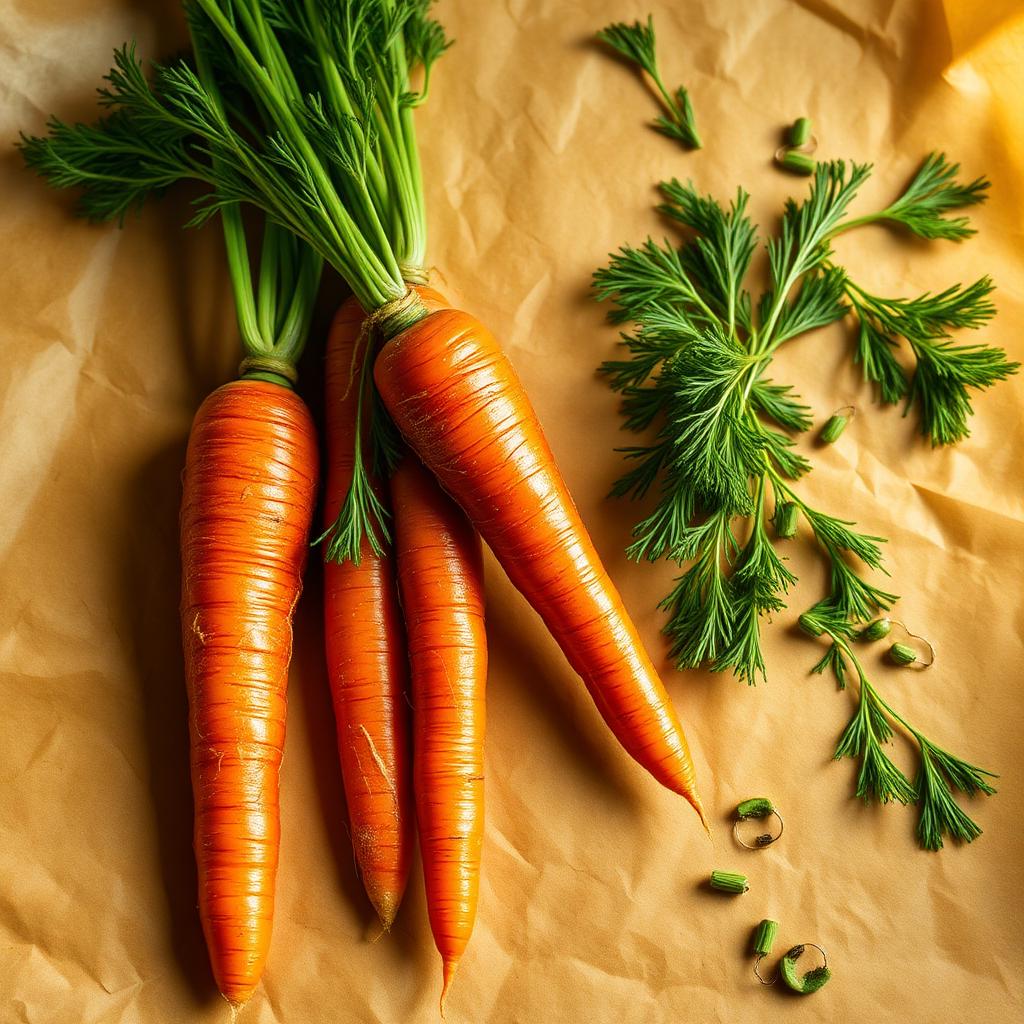
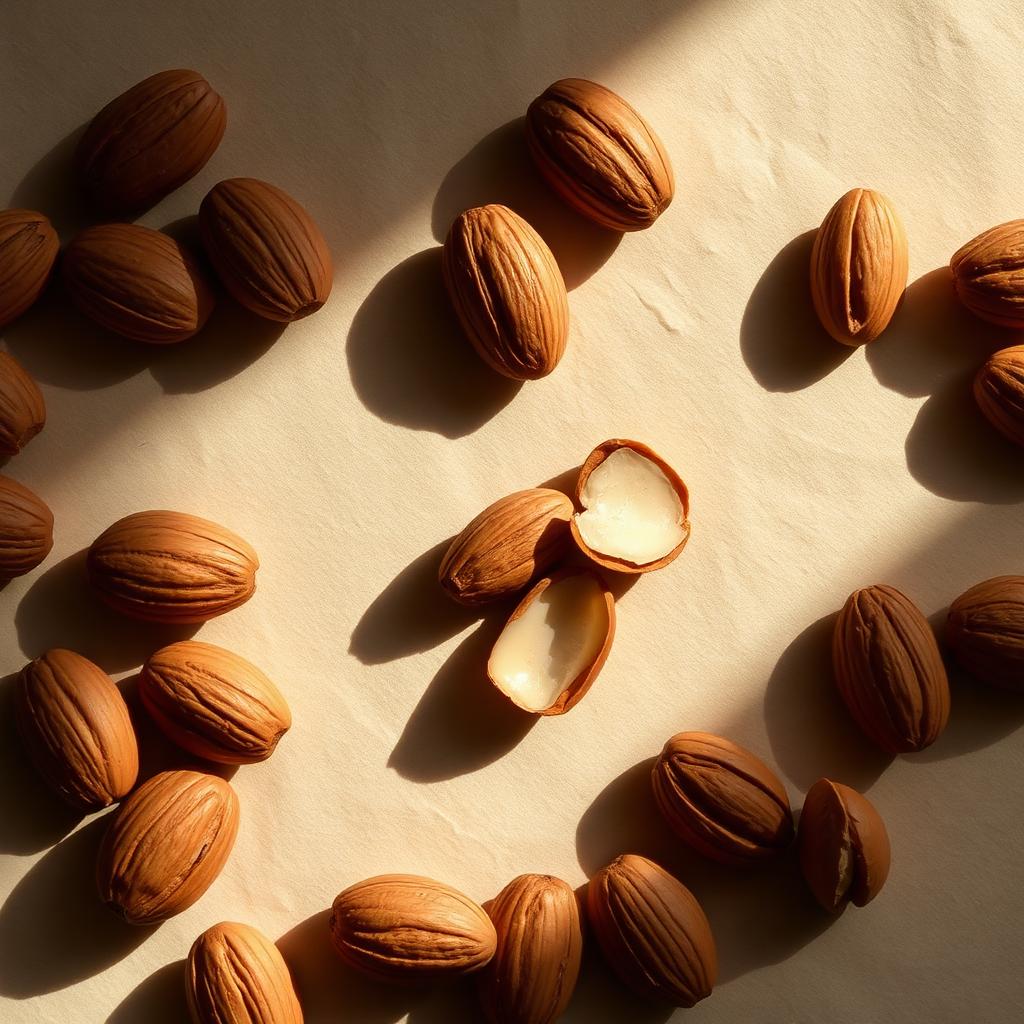
What to eat and drink — every item links to its own guide.
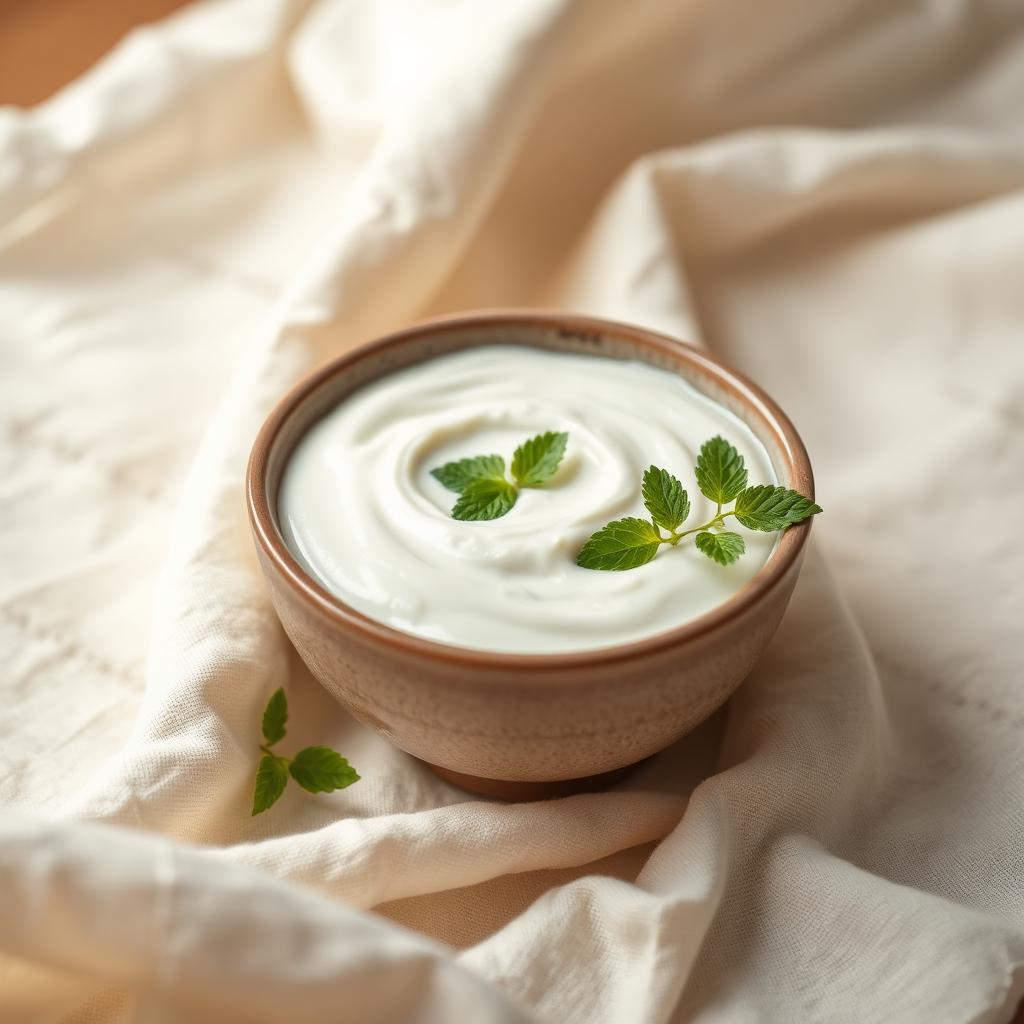

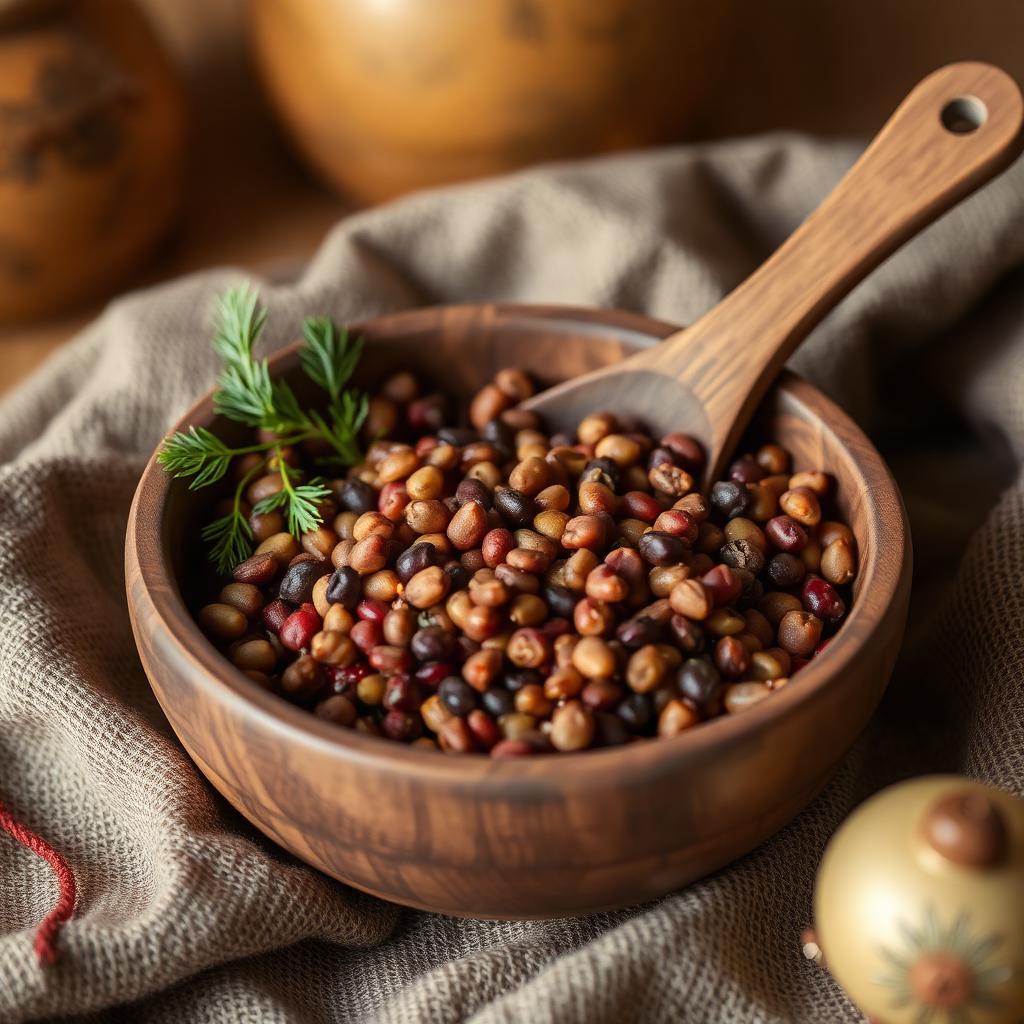
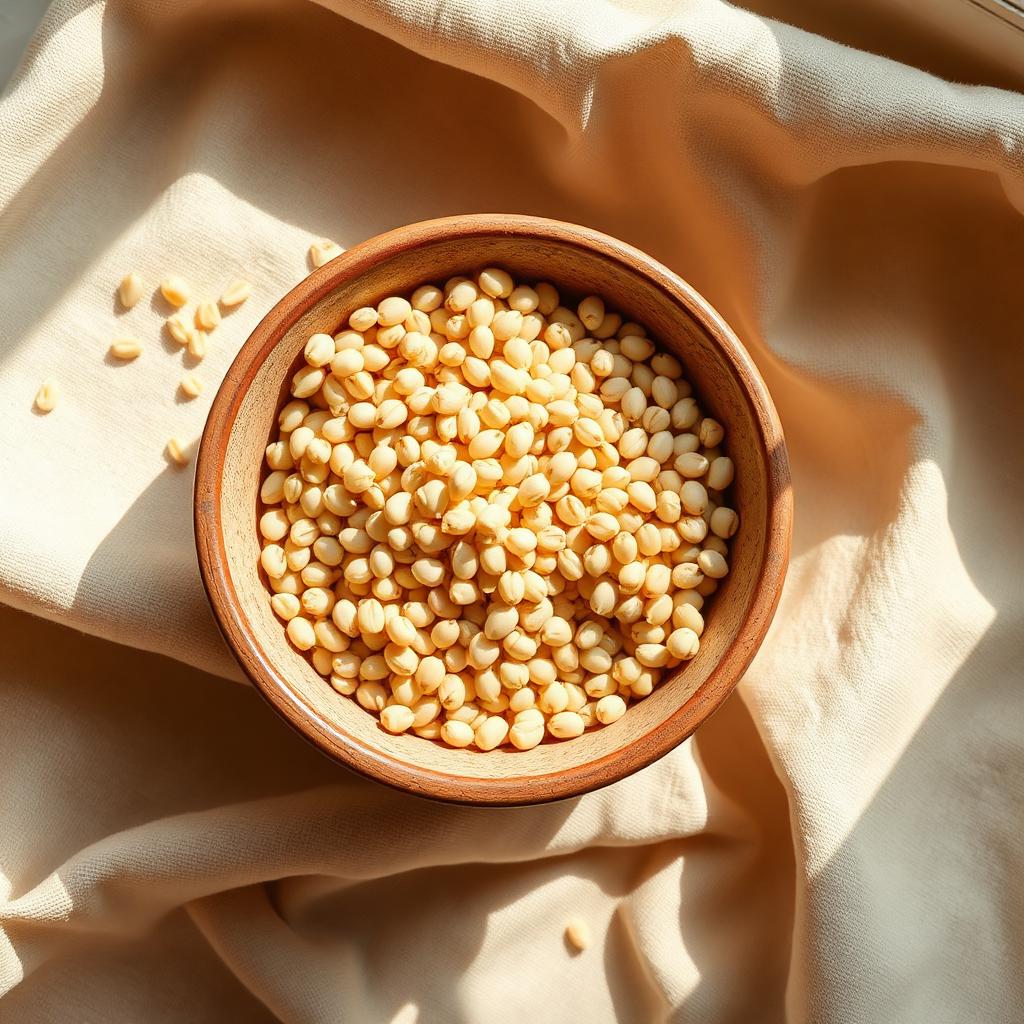
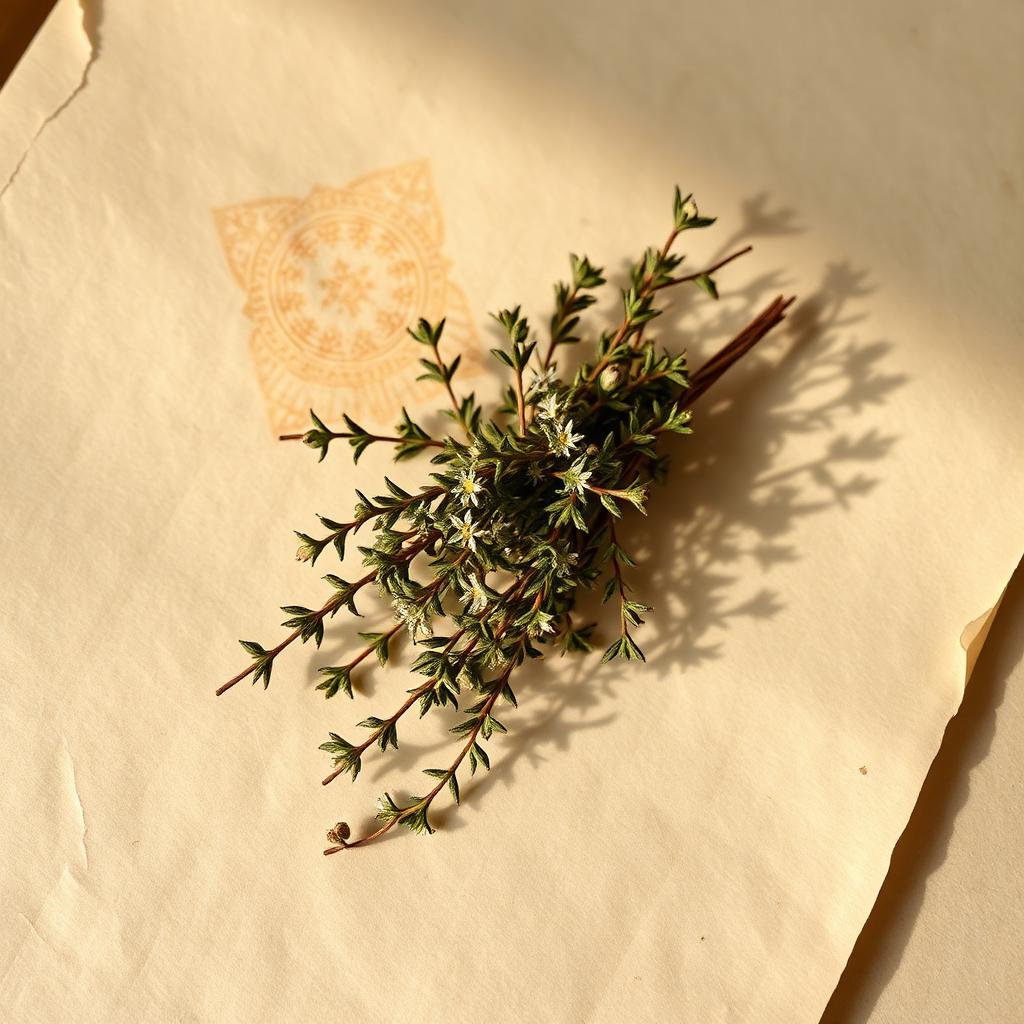
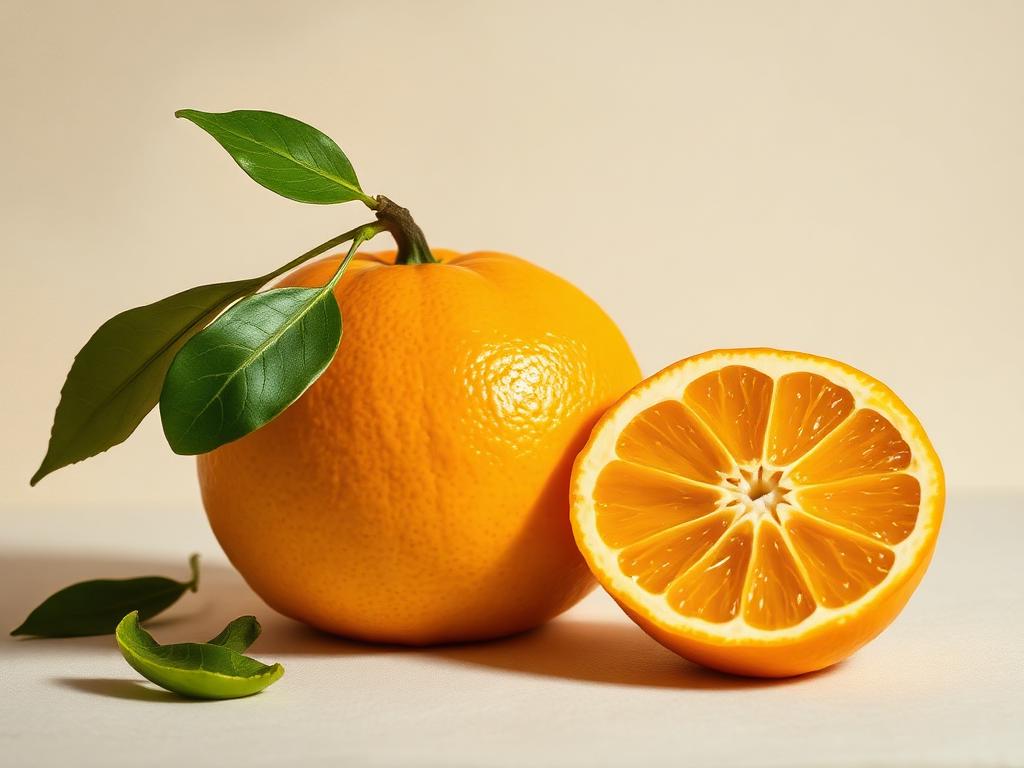
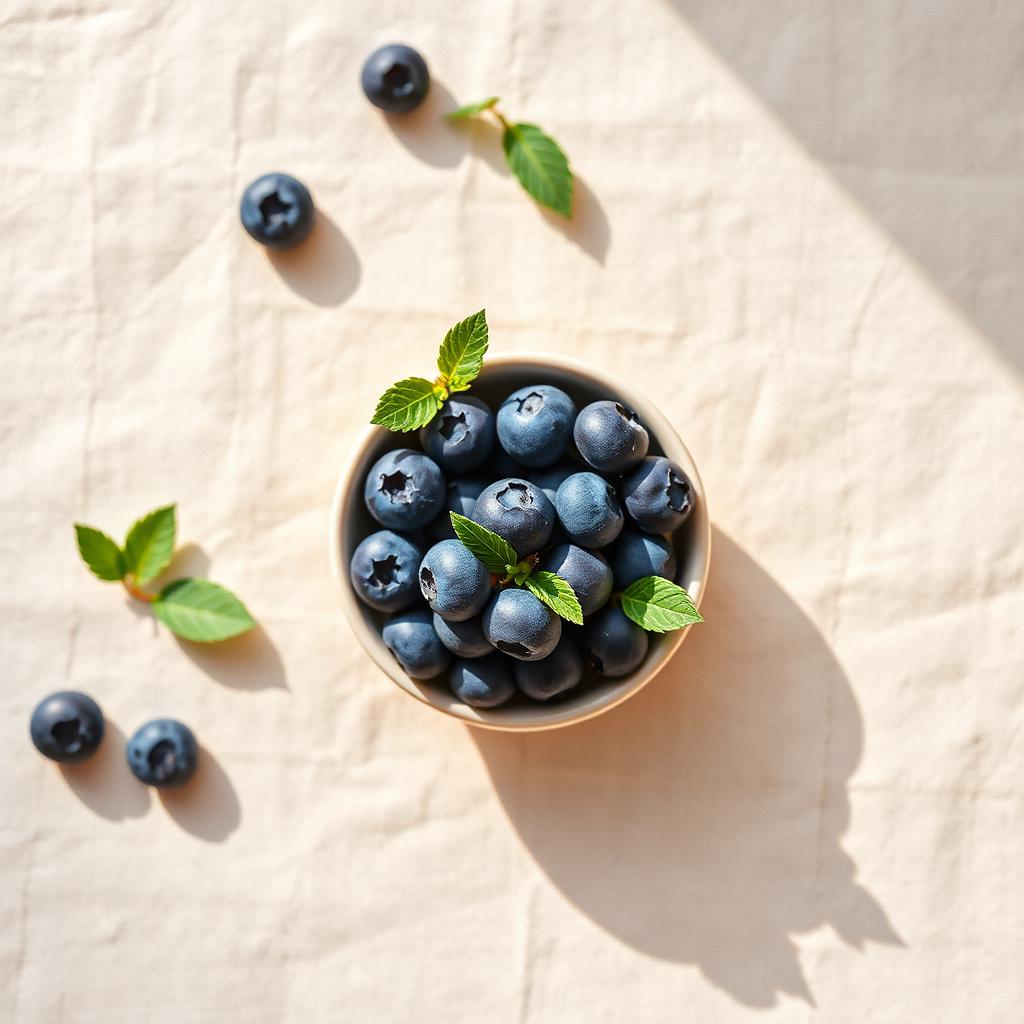
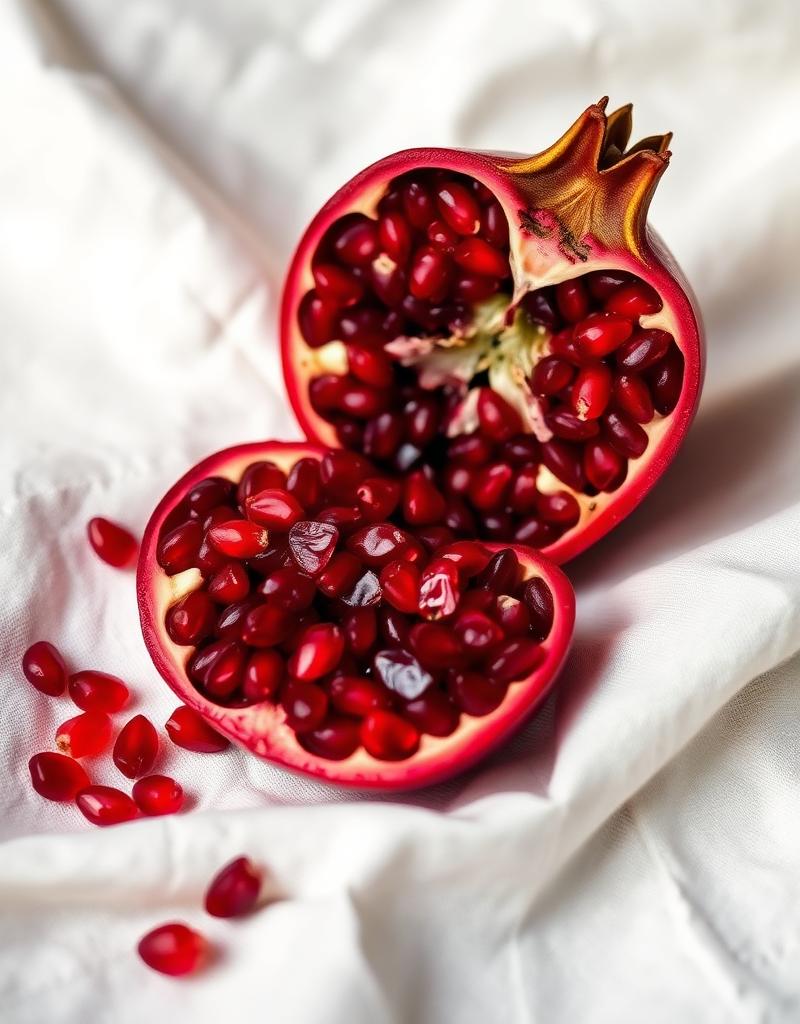
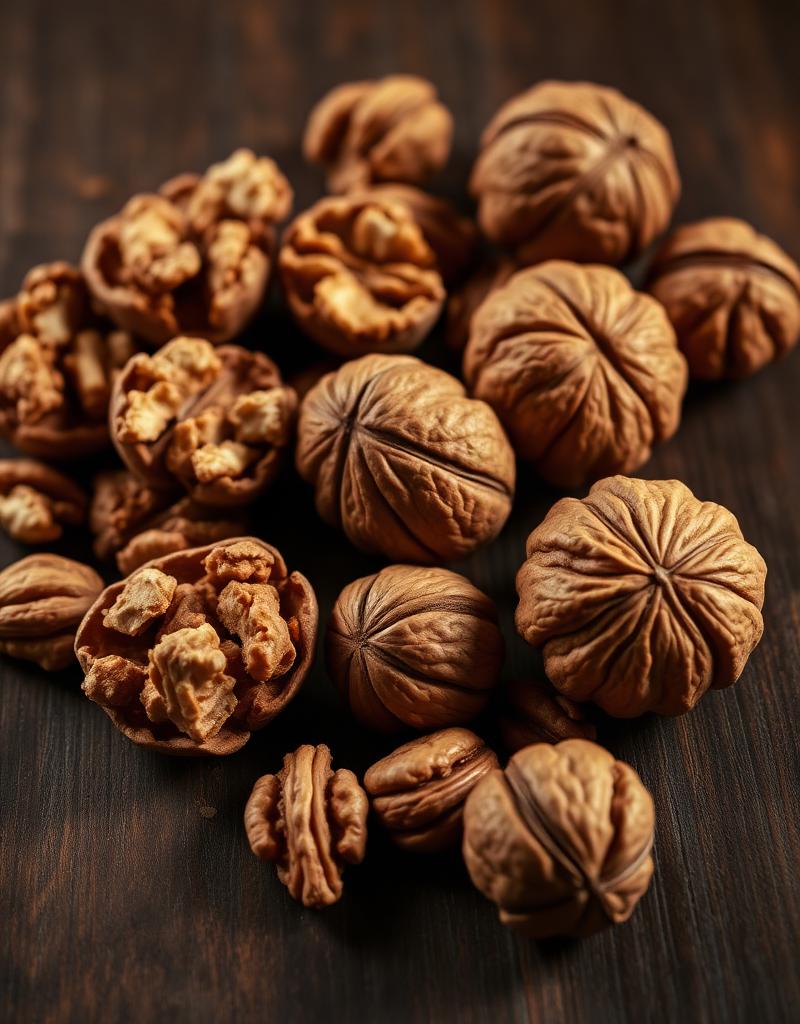
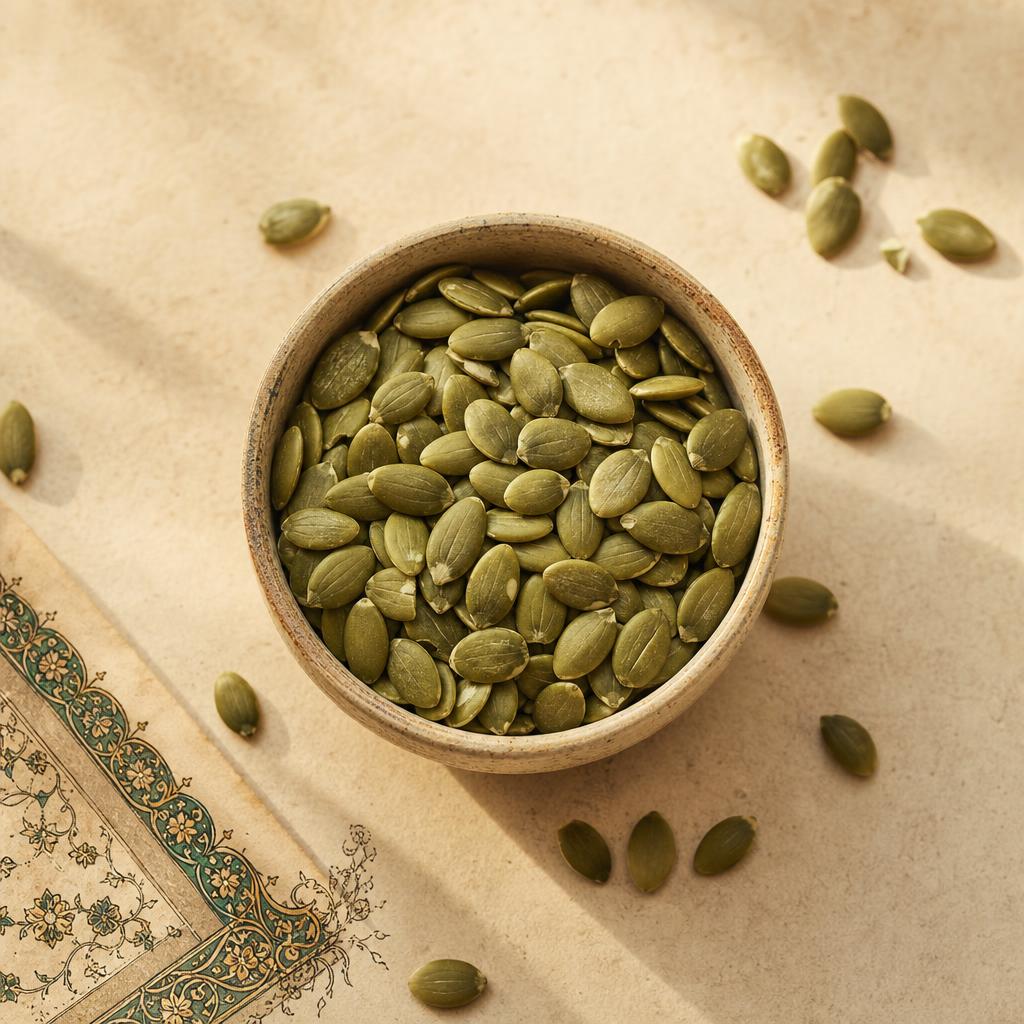
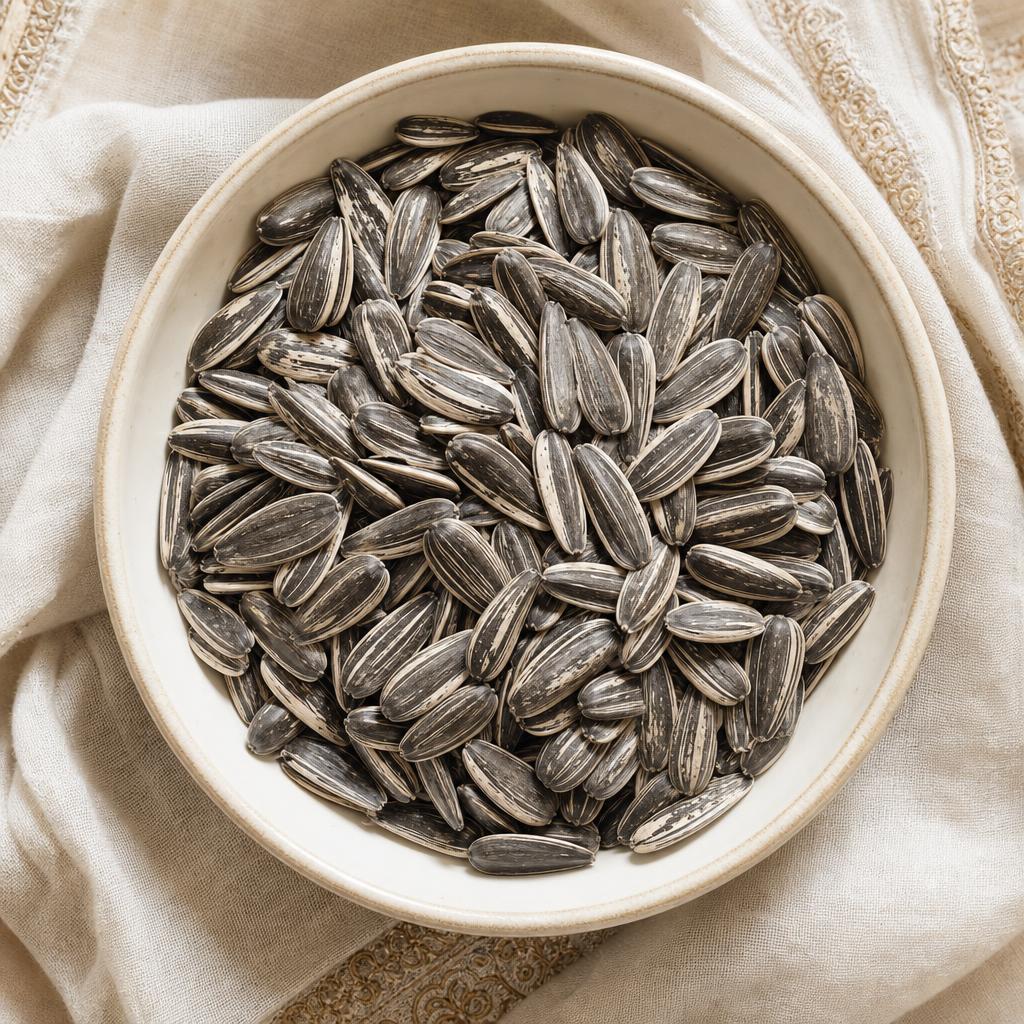
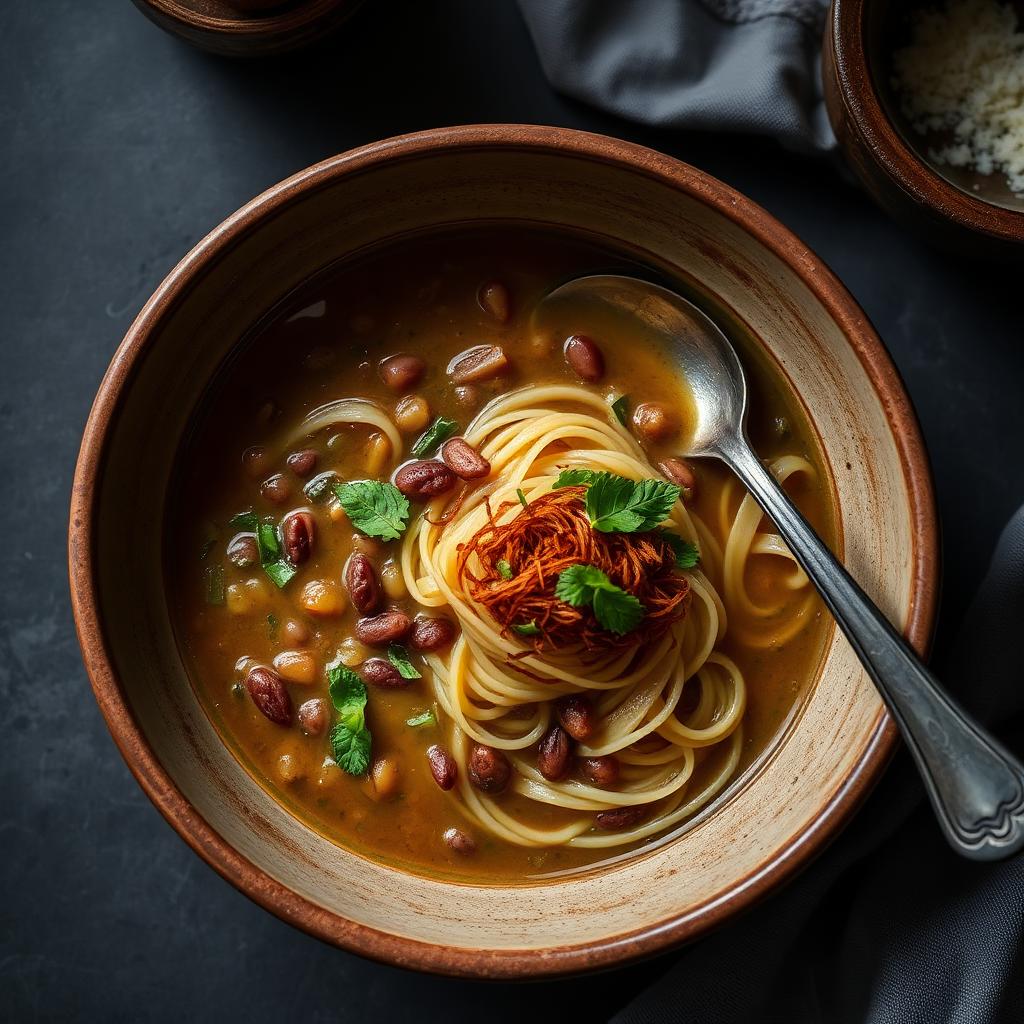
Traditional Persian Perspective
Persian medicine has no word for immunity, but it has a precise account of resistance: a balanced mizāj, strong digestion, and the six essentials kept in order. Illness enters where the balance is already lost — which is why the tradition treats prevention as regimen rather than as a remedy.
The winter pharmacy is specific and warming: ginger, cinnamon, thyme (āvishan), black seed, honey, and āsh — the thick herb soup made whenever anyone in the house is unwell. Cold and damp were the seasonal threats, so the counter is heat and dryness.
Honey occupies its own category in Persian texts, generally as a carrier for other drugs rather than a medicine in itself. That distinction survives in the household practice of taking honey with thyme or ginger, not alone.
When to seek professional care
Signs that call for a clinician rather than self-care.
This guide is educational. It complements, but never replaces, care from a qualified healthcare professional.
- •Recurrent or severe infections, persistent fevers, or unexplained weight loss — see your doctor.
- •Follow recommended vaccinations for your age and risk.
Meditation & Mindfulness
Calm practices matched to this goal.
Chronic stress dampens immunity. Calm sleep, gentle daily practices, and gratitude are quietly protective.
At the end of the day, before sleep — or any time the day feels heavy.
Begin practiceThe hour before bed.
Begin practiceMid-day, when stress has built up. Before opening the next email.
Begin practiceFrequently asked questions
Short answers to the questions readers ask most.
Does vitamin C prevent colds?
The evidence is modest — it may slightly shorten a cold rather than prevent one. Whole foods rich in vitamin C are your best bet.
Is elderberry helpful?
Some evidence suggests it may shorten cold and flu symptoms, and its safety record is generally good. Check with your doctor if you take medications.
Do I need probiotics for immunity?
Fermented foods are the steady win here. Specific probiotic supplements have mixed evidence.
Build your personalized Immune Health plan
Your AI Hakim weaves your goals, your mizāj, and trusted guidance into a roadmap — not a single answer.
Ask Hakim about Immune Health