Better Sleep
Sleep deeply and wake calm with gentle evening rituals and modern sleep science.

Traditional wisdom · Modern scientific evidence · Personalized guidance
Last reviewed: July 13, 2026 by Moji Tehrani, founder.
Overview
Sleep is a vital daily repair process for the body. During deep sleep, almost every system in your body gets time to repair: heart, brain, immune system, metabolism, mood.
A light, warm dinner, calming tea, gentle conversation, and an early bedtime can help make the evening restful. Modern sleep science supports much of that rhythm.
What matters most
What this tends to feel like, and what commonly drives it.
Common symptoms
- •Trouble falling asleep within 20–30 minutes
- •Waking in the middle of the night, mind racing
- •Waking unrested even after 7+ hours
- •Daytime fatigue, brain fog, or short fuse
- •Relying on caffeine or alcohol to manage the day
Possible contributing factors
- •Late or heavy meals
- •Caffeine after noon
- •Bright screens and overhead lights in the evening
- •Inconsistent bedtime and wake time
- •Stress and unprocessed worry
- •Bedroom too warm, too bright, or too noisy
What the research shows
If you change one thing, start with timing: consistent sleep and wake times (within 30 minutes) are one of the most useful sleep habits to build.
Light helps set that rhythm. Bright light in the morning and dim, warm light in the evening reset the circadian rhythm (your body's roughly 24-hour internal clock).
And remember that caffeine lingers: it has a half-life of 5–6 hours — afternoon coffee still affects deep sleep that night.
The core sleep-hygiene practices in this guide — consistent bedtime, morning light, cool dark bedroom, CBT-I for chronic insomnia, and cutting evening caffeine and alcohol — are backed by decades of high-quality randomized and clinical-guideline evidence.
Evidence-based actions
Movement, sleep, stress, and practical daily habits.
Movement
- •Walk outdoors in the morning sunlight — even 10 minutes resets your sleep clock.
- •Move daily, but finish vigorous exercise at least 2–3 hours before bed.
Sleep
- •Same bedtime and wake time, every day — including weekends.
- •Cool, dark, quiet bedroom. Phone outside the room when possible.
- •If awake more than 20 minutes, get up, sit in dim light, return when sleepy.
Stress management
- •A 4-7-8 breath or box breathing for 2 minutes before bed quiets a racing mind.
- •Write tomorrow's three priorities on paper before bed — it offloads the worry loop.
Lifestyle habits
- •Light dinner, finished 3 hours before bed when possible.
- •No caffeine after 12 noon; alcohol disrupts deep sleep even in small amounts.
- •Dim the lights an hour before bed.
Nutrition
What to eat and drink — every item links to its own guide.
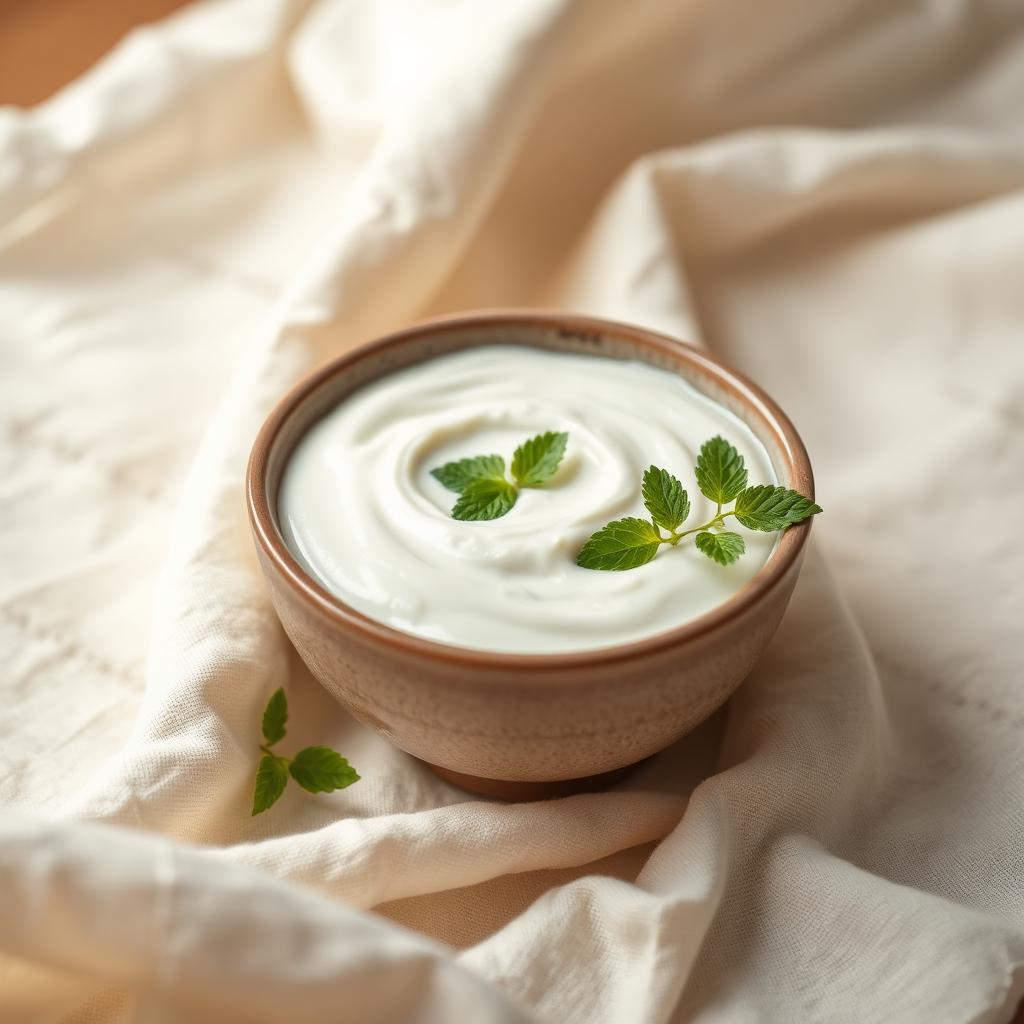












Traditional Persian Perspective
Sleep is one of the *sitte zarūriyya*, the six non-naturals Avicenna lists as the pillars of health alongside air, food and drink, movement and rest, retention and evacuation, and the sta…
Sleep is one of the sitte zarūriyya, the six non-naturals Avicenna lists as the pillars of health alongside air, food and drink, movement and rest, retention and evacuation, and the states of the soul. Losing sleep was not a lifestyle failing in this system; it was a disturbance of one of the six things a physician is obliged to correct.
Insomnia (bī-khābi) was usually attributed to a hot, dry derangement — an overheated brain or a heated stomach keeping the body from cooling into rest. The remedies are correspondingly cooling and moistening: violet (banafsheh), water lily (nilufar), lettuce seed, and warm milk with a little saffron or rose water.
Jujube (annāb) and lettuce-seed preparations appear in Persian formularies specifically for restless nights, and the evening massage of the soles with violet oil is recorded in more than one classical regimen.
Your Sleep Journey
A calm, guided path from understanding why sleep matters to closing your day with a steady routine.
- UnderstandBetter Sleep — the whole picture
Why this next. Begin by understanding why rest is a foundation of health.
- Daily routineA gentle evening wind-down
Why this next. One small change to your evening tends to move sleep more than any herb or supplement.
- HerbChamomile — a classic nightcap
Why this next. Traditionally the first tea offered before rest, and gently supported by modern trials for calm and sleep quality.
- HerbSaffron — a quieter mind at night
Why this next. A small pinch, taken with warm milk in the evening, has centuries of use for calm and low mood.
- FoodWarm milk with cardamom
Why this next. A gentle bedtime ritual: warm milk soothes while cardamom settles digestion.
- RitualA five-minute breathing practice
Why this next. Long, slow exhales quiet the nervous system before you lie down.
- AttariExplore the Digital Attari
Why this next. The complete pantry — rose, lavender, linden — for the evenings you want to try something new.
- CompanionContinue with Hakim
Why this next. Bring what you have learned into a short daily check-in, and let it become a personal evening plan.
One connected path · Never a list of articles
Safety, interactions & life-stage guidance
Cautions, medicine interactions and guidance by life stage.
Medication & supplement interactions
Applies to the herbs, supplements, and lifestyle recommendations in this guide — including how they interact with common medications used for better sleep.
- Prescription sedatives — benzodiazepines (lorazepam, diazepam), Z-drugs (zolpidem, eszopiclone, zaleplon)high
Additive sedation, dizziness, and morning grogginess when layered with supplement-dose valerian, high-dose chamomile extract, passionflower extract, cannabis products, or evening alcohol. Weakly brewed chamomile, rose, or lemon-balm tea is generally fine; concentrated extracts and tinctures are not without prescriber sign-off.
- Antidepressants (SSRIs, SNRIs) and MAOIsmoderate
St John's Wort, SAM-e, and supplement-dose saffron (>100 mg/day standardised extract) have serotonergic activity and should not be stacked without clinician oversight — rare but serious serotonin-syndrome reports exist. Culinary saffron in food (a few threads) is not the concern.
- Melatoninlow
Generally low-risk for short-term use and jet lag; lower doses, such as 0.3–1 mg, often worked as well as larger doses in studies, though the right amount is not the same for every person. Coordinate with your clinician if you take blood-pressure, diabetes, immunosuppressant, or blood-thinning medications, and avoid stacking with other sedating supplements.
- Anticoagulants and antiplatelets (warfarin, DOACs, aspirin)moderate
Chamomile contains coumarin-like compounds; high daily intake alongside anticoagulants warrants clinician awareness. St John's Wort strongly induces liver enzymes and can lower warfarin, DOAC, and many other drug levels — avoid without oversight.
- Oral contraceptives, transplant medications (cyclosporine, tacrolimus), HIV antiretroviralshigh
St John's Wort — sometimes recommended for mood-related sleep issues — meaningfully lowers blood levels of these medications and can cause contraceptive failure or transplant rejection. Do not combine.
- Anaesthesia (planned surgery)moderate
Pause supplement-dose valerian, high-dose chamomile, kava, St John's Wort, and melatonin at least two weeks before elective surgery.
- Alcohol as a nightcapmoderate
May shorten sleep-onset time but fragments deep and REM sleep and worsens next-day fatigue; combines dangerously with prescription sedatives and sedating herbs.
Contraindications
- •Do not start, stop, or change dose of a prescribed sleep or psychiatric medication based on this guide — that decision belongs with your prescriber.
- •Do not combine supplement-dose sedative herbs (valerian, kava, passionflower extract, high-dose chamomile) with prescription sedatives, opioids, alcohol, or cannabis without clinician oversight.
- •Do not use kava if you have any liver condition or drink alcohol regularly — kava has been linked to serious liver injury.
- •Do not use St John's Wort if you take an SSRI/SNRI/MAOI, oral contraceptive, warfarin/DOAC, transplant medication, or HIV antiretrovirals.
- •Do not use supplement-dose saffron (more than 100 mg a day) alongside some antidepressants — including medicines in the SSRI, SNRI and MAOI families — without clinician oversight. Culinary saffron in food is not the concern. Do not stop or change a prescribed antidepressant without talking to your doctor.
- •Do not give melatonin, valerian, kava, or St John's Wort to a child without a paediatrician's involvement.
- •Do not treat loud snoring with witnessed pauses in breathing as an insomnia problem — evaluate for sleep apnoea first; sedating strategies can be dangerous in undiagnosed apnoea.
Sleep changes are extremely common in pregnancy — early-pregnancy fatigue, mid-pregnancy vivid dreams, late-pregnancy waking. The lifestyle guidance here (consistent timing, morning light, cool room, side-sleeping in later pregnancy, wind-down ritual) is safe and often especially helpful. On herbs: chamomile, rose, and linden in normal tea amounts are considered safe. Avoid supplement-dose saffron (>100 mg/day), concentrated valerian, passionflower extracts, kava, and St John's Wort in pregnancy. Melatonin in pregnancy is not well studied — do not start without your obstetrician. Persistent insomnia, loud snoring, or restless-legs symptoms in pregnancy deserve a clinician conversation, not more supplements.
Most lifestyle guidance is fully compatible with breastfeeding. Weakly brewed chamomile, rose, or lemon-balm tea is generally considered fine. Avoid supplement-dose valerian, kava, and St John's Wort while nursing — data are limited and some pass into milk. Melatonin naturally rises in breastmilk at night; supplemental melatonin while breastfeeding is not well studied and should be a decision made with your clinician. Fragmented sleep is expected in the newborn period; if low mood, hopelessness, or intrusive thoughts appear alongside sleep loss, please talk to a clinician — postpartum depression and anxiety are common and treatable.
For children, focus on the ritual — dim lights an hour before bed, warm bath, story, consistent bedtime and wake time, screens out of the bedroom. This is the highest-yield intervention at every age. Weakly brewed chamomile or linden tea (small cup) is a gentle family ritual from around age 2. Do not give children valerian, kava, St John's Wort, passionflower extract, or 'sleep formula' supplements without a paediatrician. Melatonin in children has become common but is not benign — dose, timing, and duration should be set by a paediatrician (especially for children with ADHD or autism), and it is not a substitute for behavioural sleep work. Persistent snoring, mouth-breathing at night, bedwetting after age 6, or extreme daytime sleepiness in a child deserves a paediatric evaluation.
Sleep architecture shifts naturally with age — earlier bedtime, earlier waking, lighter sleep, and one or two brief night wakings are normal, not insomnia. Focus on morning daylight, daily walking, a stable evening rhythm, and a warm foot soak before bed. Coordinate herbs with a clinician if on multiple prescriptions — polypharmacy raises the chance of subtle interactions with sedative herbs, and sedating supplements meaningfully raise fall risk overnight. Melatonin is sometimes appropriate in older adults but should be low-dose and clinician-guided. New or worsening insomnia in an older adult can be an early sign of depression, thyroid change, pain, sleep apnoea, or medication side effect — bring it to a clinician rather than layering supplements.
Red flags — stop self-directed strategies and see a clinician
- •Loud snoring with witnessed pauses in breathing, gasping, or choking overnight — evaluate for sleep apnoea before using any sedating strategy.
- •Morning headaches, unrefreshing sleep despite 7+ hours, or falling asleep at the wheel — see a clinician; this can point to sleep apnoea or a circadian disorder.
- •Insomnia lasting more than three weeks without a clear trigger, or 3+ nights/week for 3+ months — CBT-I (cognitive behavioural therapy for insomnia) is the first-line treatment and is highly effective.
- •Insomnia with worsening low mood, hopelessness, or thoughts of self-harm — this is urgent; contact a clinician, a crisis line, or emergency services.
- •Sudden-onset insomnia with palpitations, tremor, unintended weight loss, or heat intolerance — possible thyroid pattern; see a clinician.
- •Acting out dreams, kicking, or shouting during sleep (particularly in an older adult) — evaluate for REM-sleep behaviour disorder.
- •Severe restless legs, uncontrollable urge to move at night, or nightly leg cramps disrupting sleep — treatable causes exist; see a clinician.
- •A child with heavy snoring, mouth-breathing, night sweats, or extreme daytime sleepiness — needs paediatric evaluation.
- •Postpartum sleep loss paired with low mood, anxiety, or intrusive thoughts — please talk to a clinician; postpartum depression and anxiety are common and treatable.
When to seek professional care
Signs that call for a clinician rather than self-care.
This guide is educational. It complements, but never replaces, care from a qualified healthcare professional.
- •Loud snoring, gasping, or witnessed pauses in breathing — ask your doctor about sleep apnea.
- •Chronic insomnia (3+ nights/week for 3+ months) — cognitive behavioral therapy for insomnia (CBT-I) is the first-line treatment.
Meditation & Mindfulness
Calm practices matched to this goal.
Sleep almost never improves without an evening that quiets the body and the mind. The right practice an hour before bed is more powerful than any supplement.
If you wake at 3am: 4-7-8 breath, 4 cycles, eyes closed.
Dim lights an hour before bed. Warm feet, calm tea, slow breath.
The hour before bed.
Begin practiceIn bed, lights out, ready for sleep.
Begin practiceIn bed, when the mind is racing and sleep won't come.
Begin practiceAt the end of the day, before sleep — or any time the day feels heavy.
Begin practiceFrequently asked questions
Short answers to the questions readers ask most.
Is it safe for me to take melatonin?
For short-term use and jet lag, generally yes. Lower doses, such as 0.3–1 mg, often worked as well as larger doses in studies — though the right amount is not the same for every person. Talk to your doctor for ongoing use.
Can I make up for lost sleep on weekends?
Partially, but irregular sleep schedules independently raise health risks. Aim for consistency.
Will a nightcap help me sleep?
It may help you fall asleep, but it fragments deep sleep and worsens overall quality.
Build your personalized Better Sleep plan
Your AI Hakim weaves your goals, your mizāj, and trusted guidance into a roadmap — not a single answer.
Ask Hakim about Better SleepHow this guide is kept honest
A Living Library page is never finished — it is reviewed, refined, and quietly kept in step with new evidence.
- Last reviewed
- Evidence reviewed
- American Academy of Sleep Medicine clinical guidelines on chronic insomnia (CBT-I as first-line)
- Meta-analyses of chamomile and lavender for sleep quality (2019–2023)
- Circadian-rhythm research on morning bright light and evening dim light exposure
- MSK Integrative Medicine reviews of valerian, lemon balm, and passionflower
- Sleep-apnea screening guidance from the AASM and American Thoracic Society
- Traditional sources consulted
- Ibn Sīnā (Avicenna) — Al-Qānūn fī al-Ṭibb, chapters on sleep, dreams, and the humors of the evening
- Ismāʿīl Jurjānī — Ẕakhīrah-yi Khwārazmshāhī, on warming feet and calming the mind before sleep
- Aḥmad Ibn Muḥammad Ṭabarī — Firdaws al-Ḥikma, on aromatic evening remedies (rose, chamomile, linden)
- Contemporary Iranian traditional-medicine writings on the evening rhythm of a household
Named sources link to the Persian Source Library.
- Scientific references
- Chronic Insomnia — Clinical Practice Guideline — American Academy of Sleep Medicine
- Chamomile for sleep quality — systematic review — PubMed 31480615
- Consistency of sleep timing and cardiometabolic risk — Journal of the American College of Cardiology (2020)
- Light exposure and circadian regulation — NIH National Institute of General Medical Sciences
By the HolisticHealthAI editorial team.
Educational content only. Never a substitute for personal medical care from a qualified clinician.