Energy & Vitality
Wake up rested, move through the day with steady energy, and end it calm.

Traditional wisdom · Modern scientific evidence · Personalized guidance
Overview
Energy is not something you have to chase — it is something you can protect. Steady energy grows from sleep, sunlight, real food, movement, and a meaningful daily rhythm.
Vitality depends on the relationship between sleep, food, movement, breath, and daily rhythm. Modern science describes parts of that picture through mitochondrial health, hormone balance, and circadian rhythm (your body's roughly 24-hour internal clock).
What matters most
What this tends to feel like, and what commonly drives it.
Common symptoms
- •Morning fatigue even after enough sleep
- •Afternoon crash, usually after lunch
- •Reliance on caffeine, sugar, or naps
- •Feeling tired but wired at bedtime
Possible contributing factors
- •Poor or short sleep
- •Low protein at breakfast and lunch
- •Blood sugar swings from refined carbs
- •Dehydration
- •Lack of daylight and movement
- •Iron, B12, or vitamin D deficiency
What the research shows
Start with light: bright morning light within 30 minutes of waking sets the energy curve for the day.
Then look at your meals. Protein at every meal may help steady blood sugar and prevent afternoon crashes.
If fatigue keeps hanging on, do not assume it is just your routine. Iron, B12, vitamin D, and thyroid issues are the most common medical causes of fatigue — test before assuming a lifestyle cause.
Evidence-based actions
Movement, sleep, stress, and practical daily habits.
Movement
- •Walk 10 minutes in morning sunlight, even on cloudy days.
- •Short movement breaks every 60–90 minutes — the body needs them.
Sleep
- •Consistent bedtime; 7–9 hours; cool, dark room.
Stress management
- •Chronic stress drains energy faster than any single habit can replace it.
Lifestyle habits
- •Eat protein at breakfast and lunch.
- •Hydrate steadily — a glass of water on waking, more through the day.
- •Limit afternoon caffeine; protect evening calm.
Nutrition
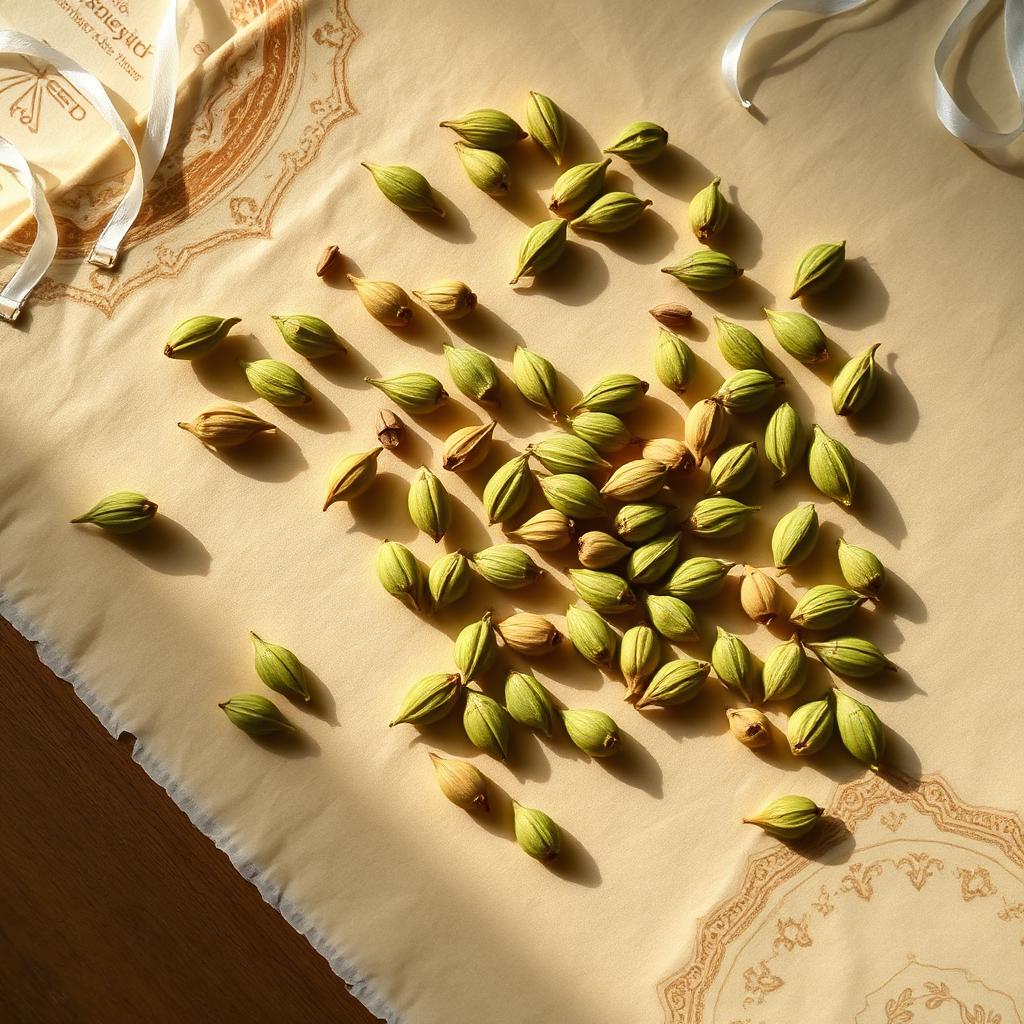
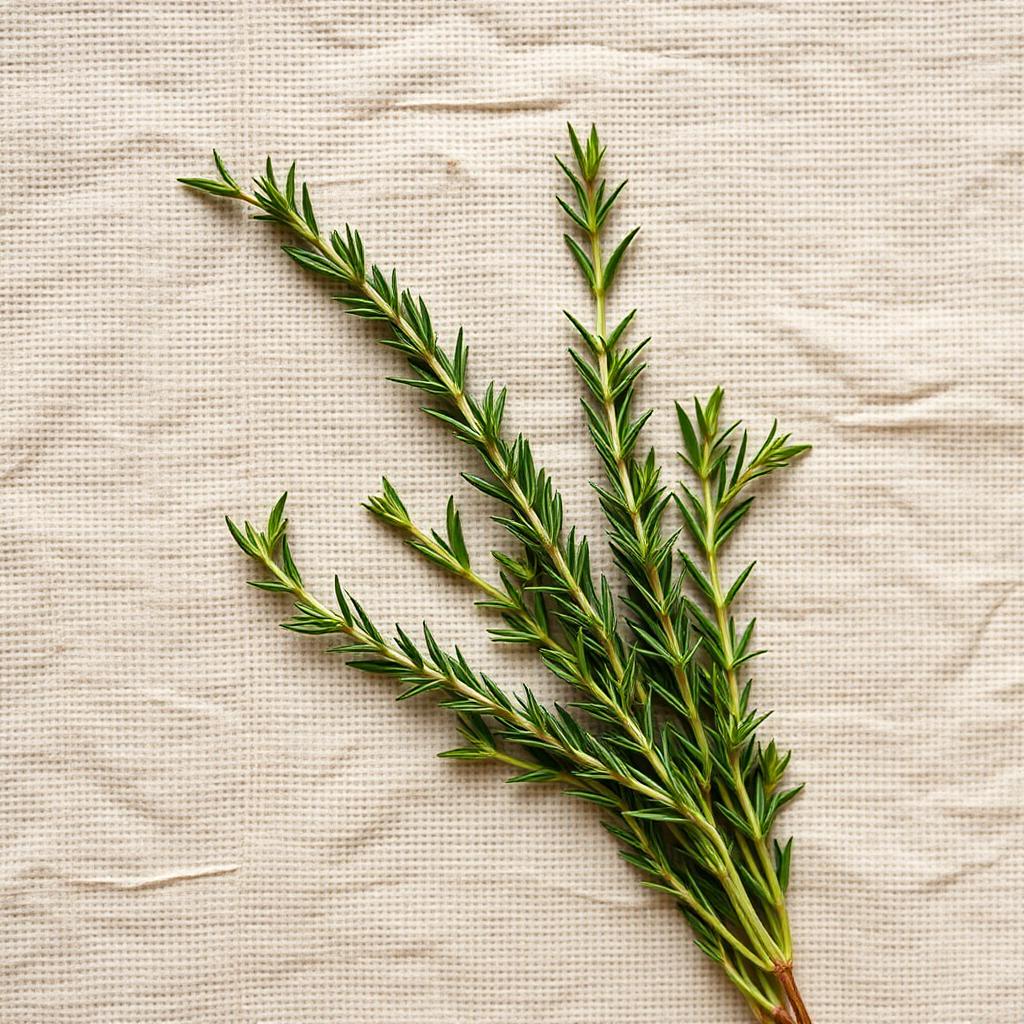
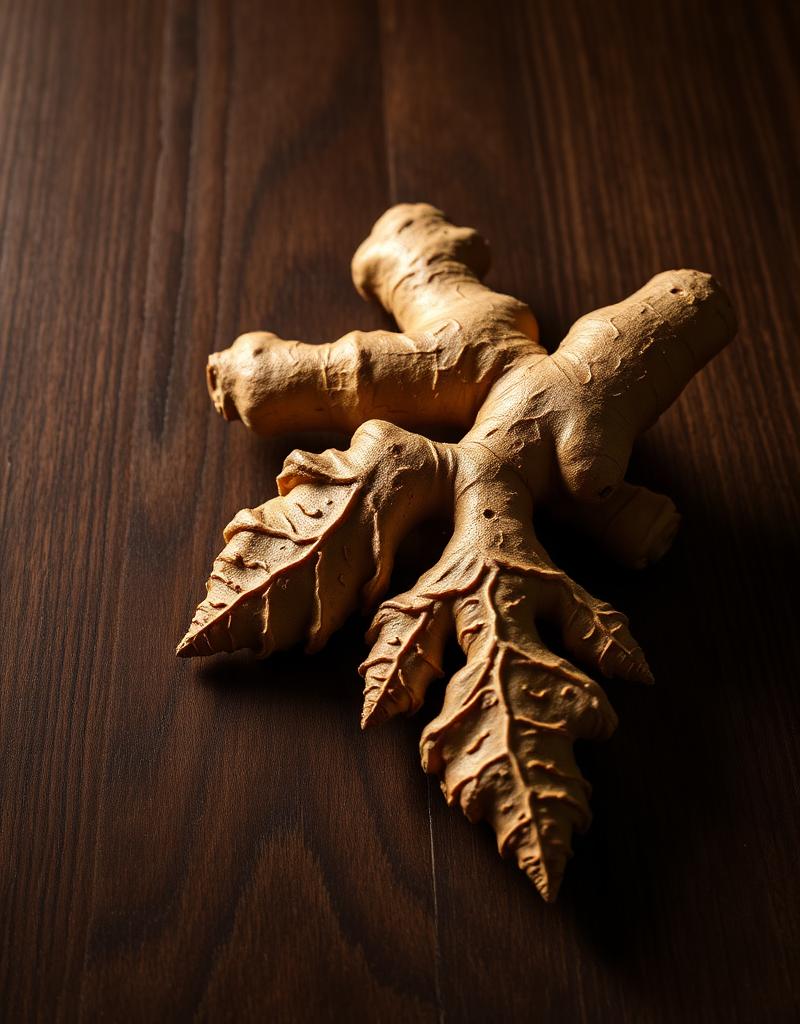
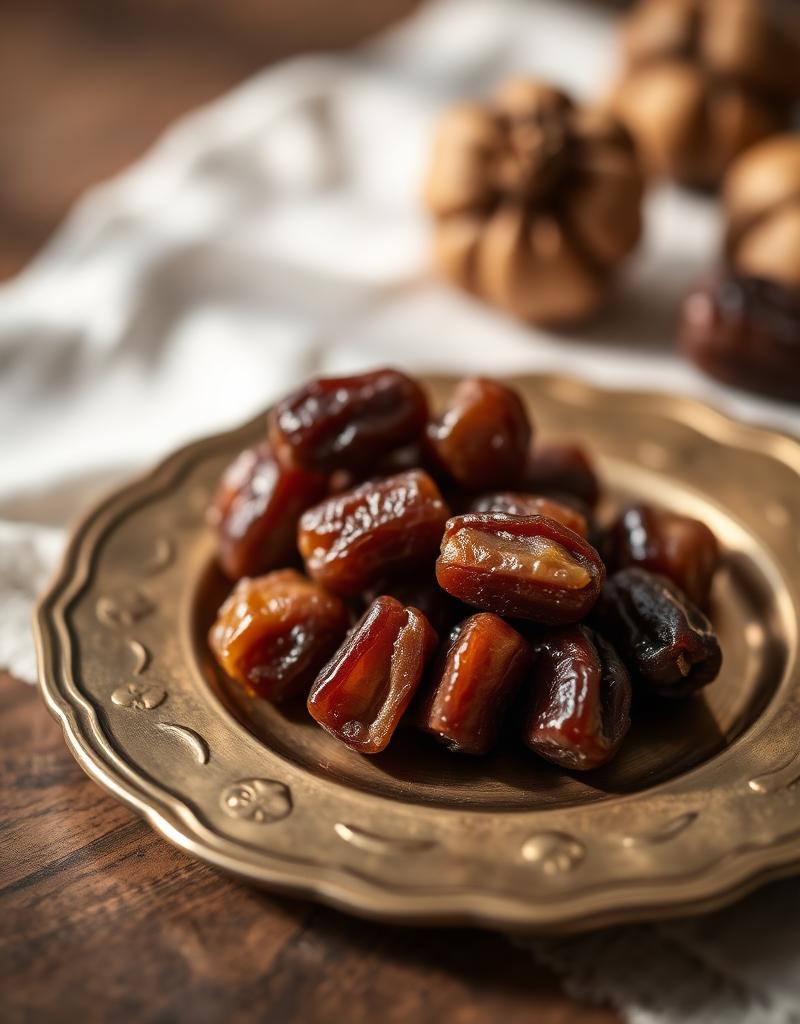
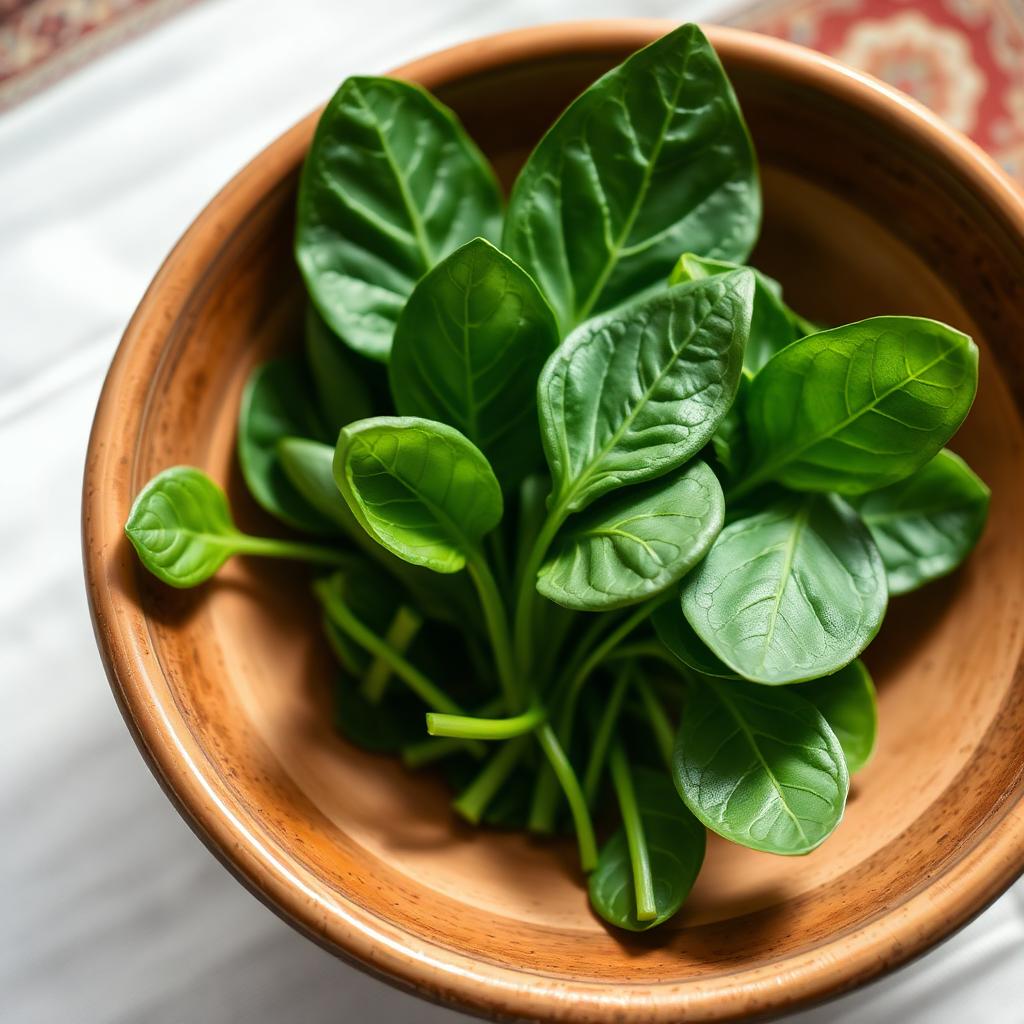
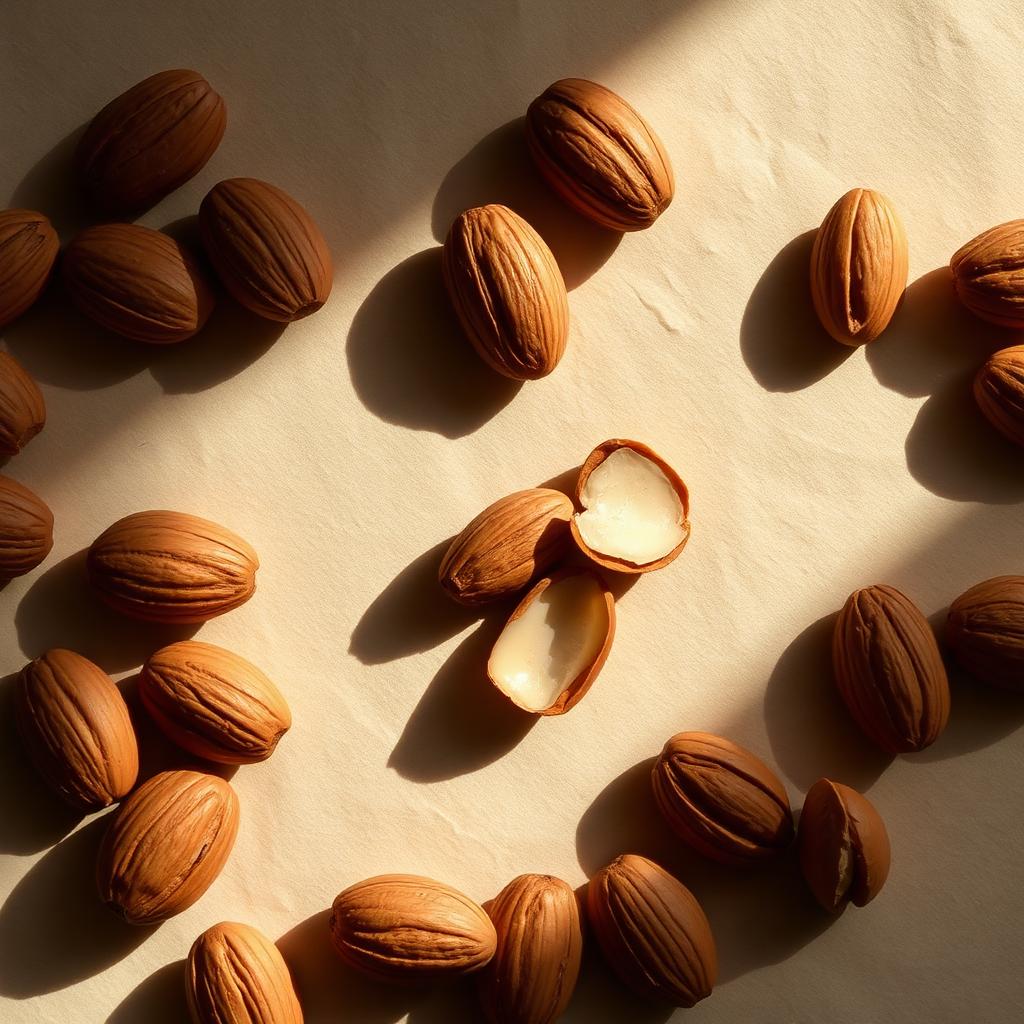
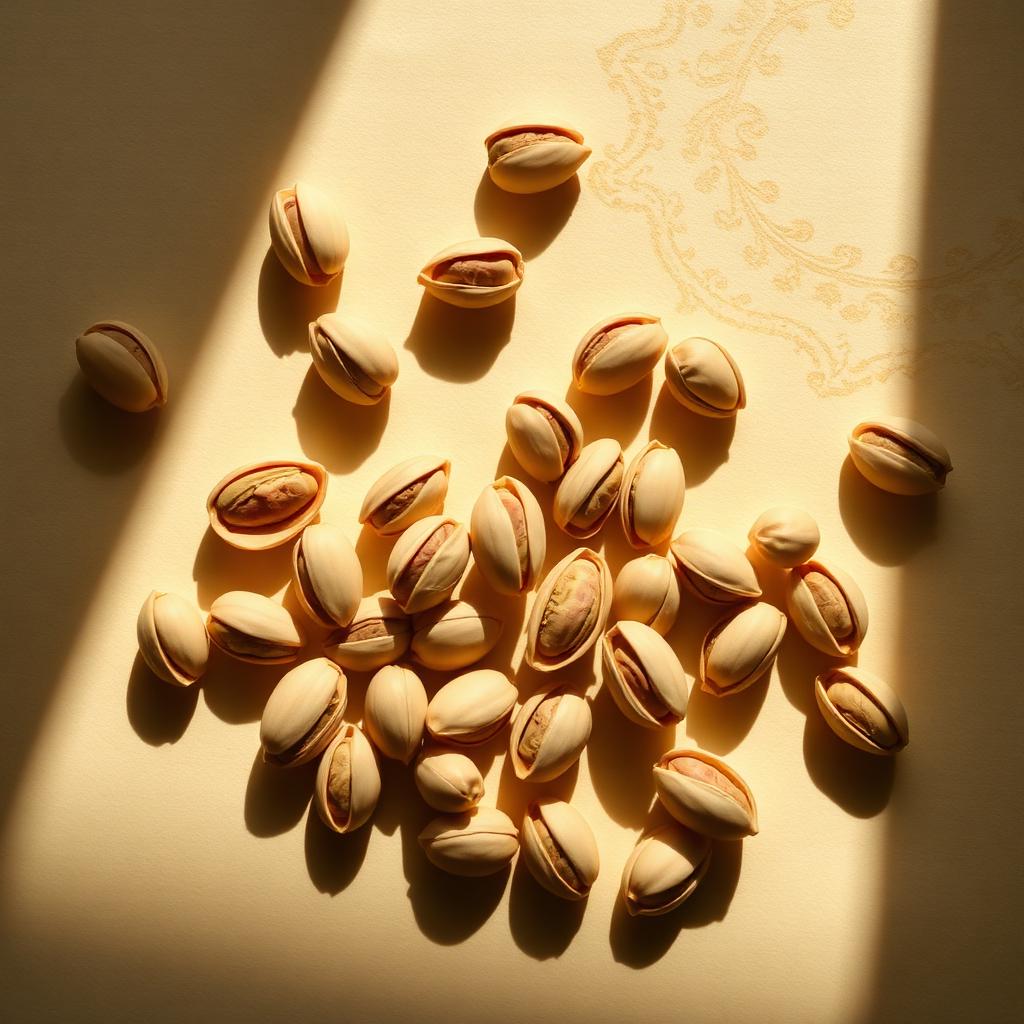
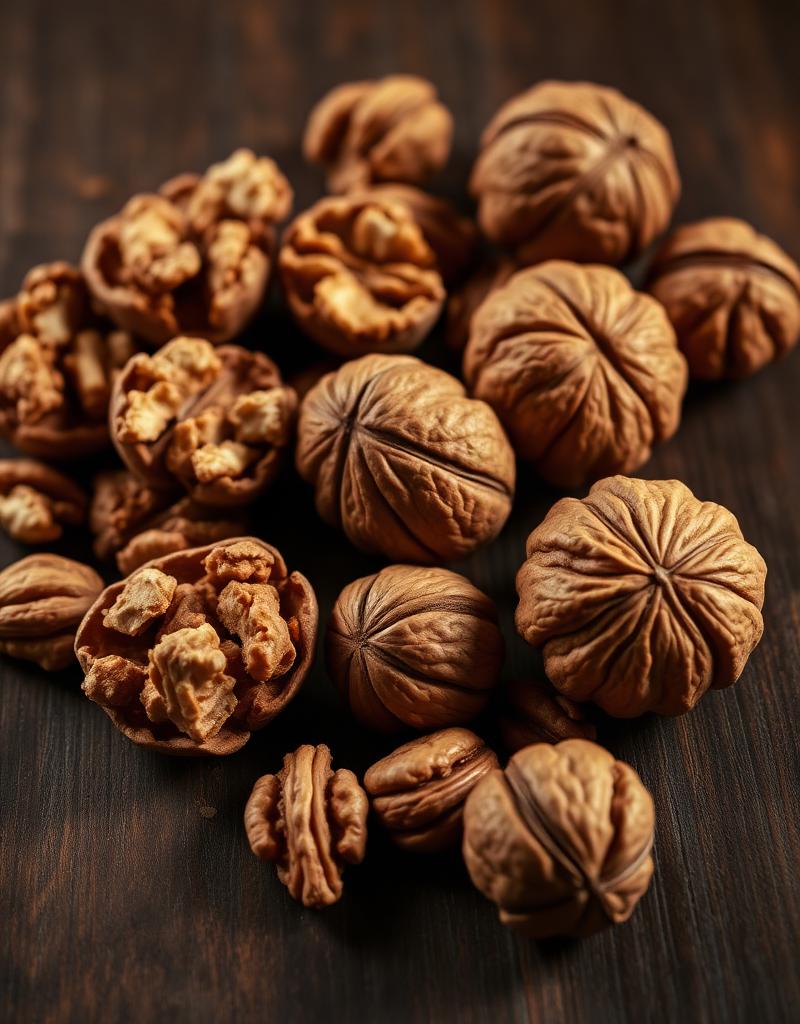
What to eat and drink — every item links to its own guide.

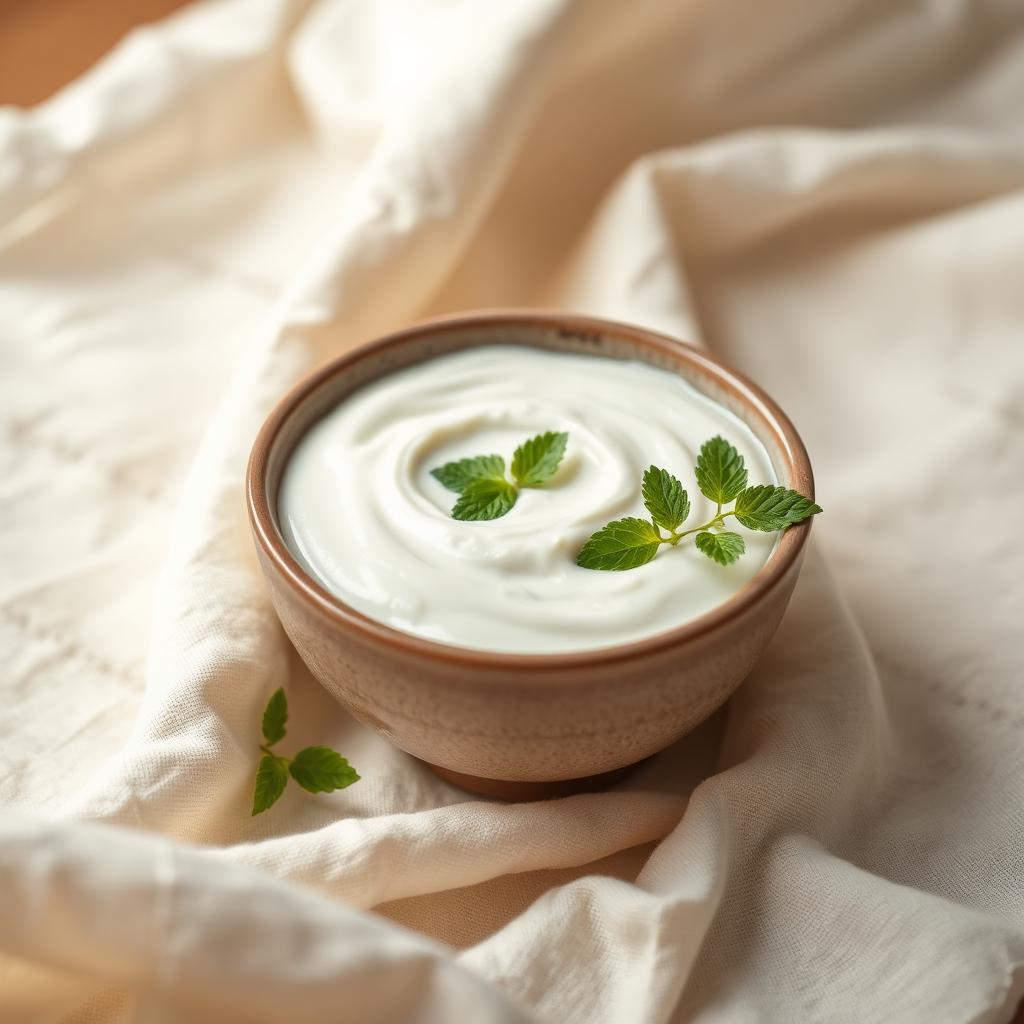
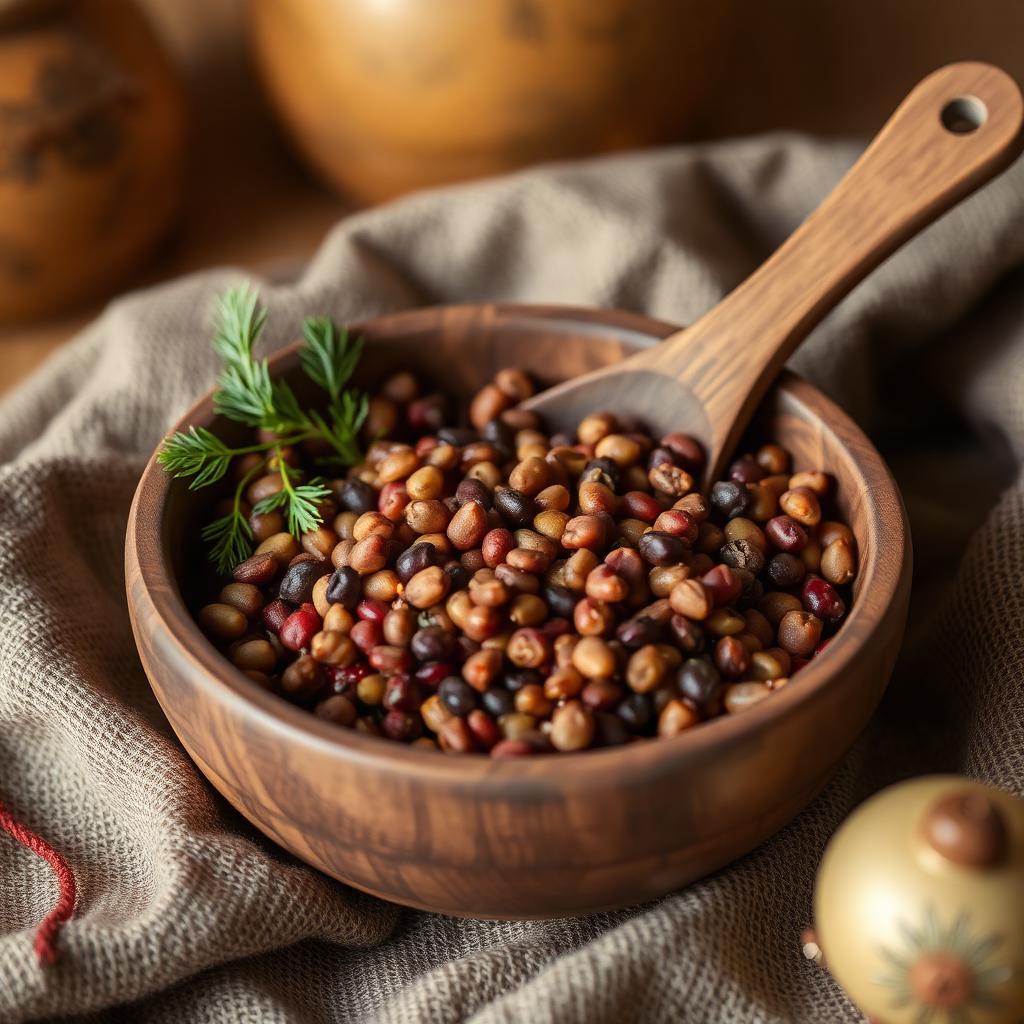
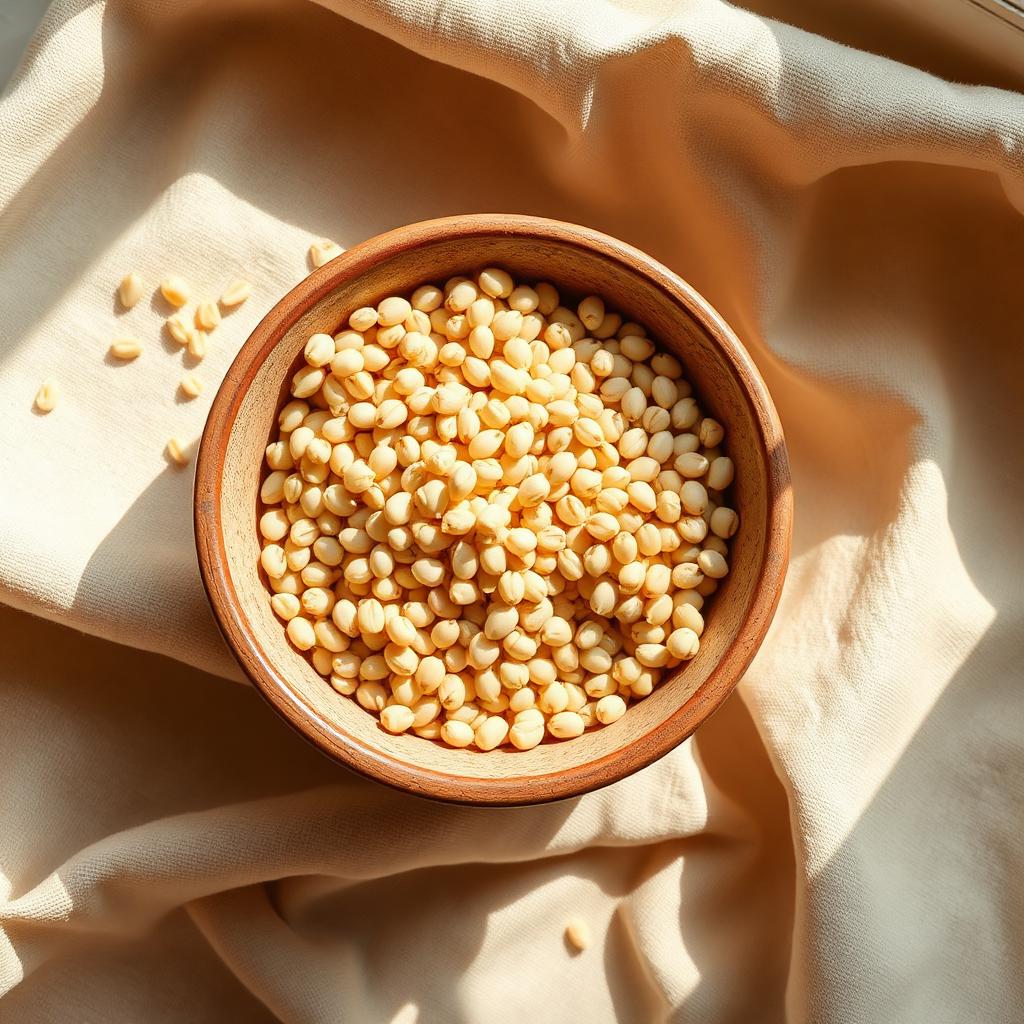
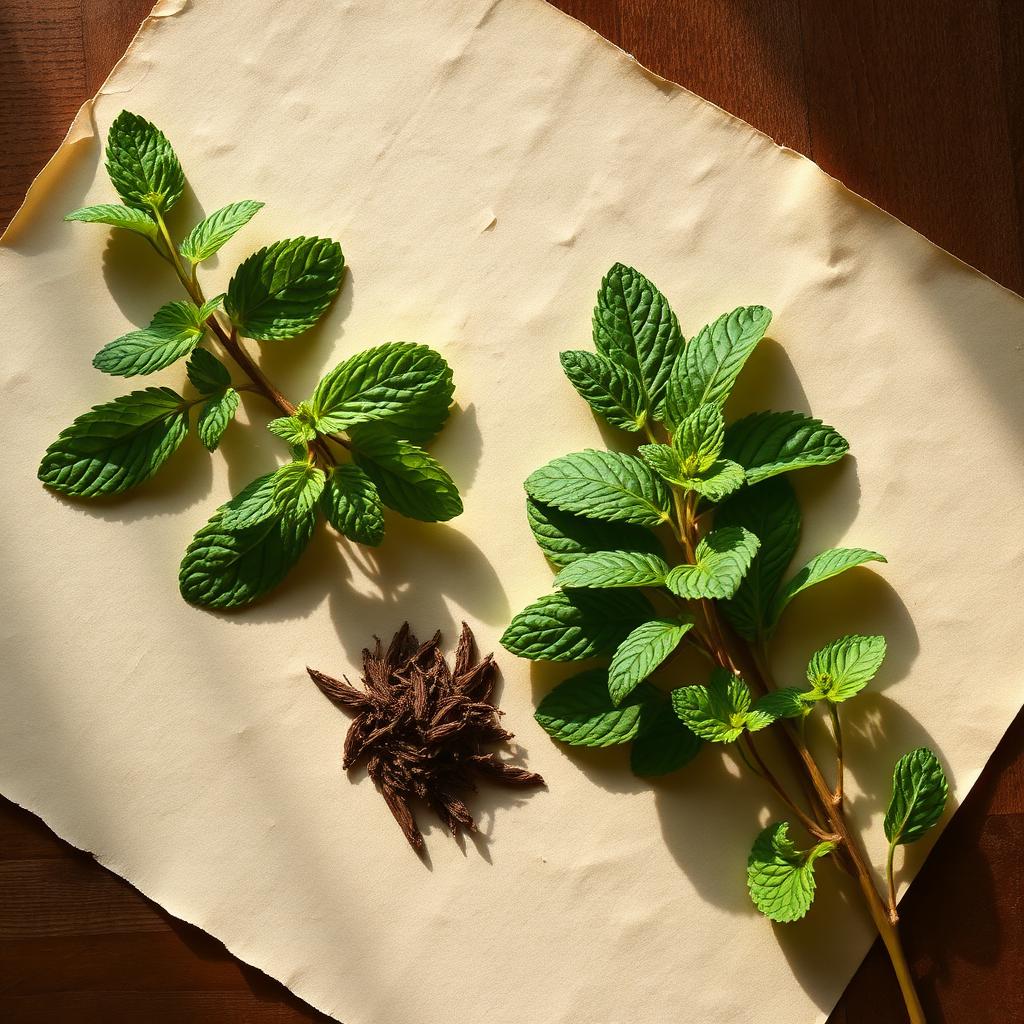


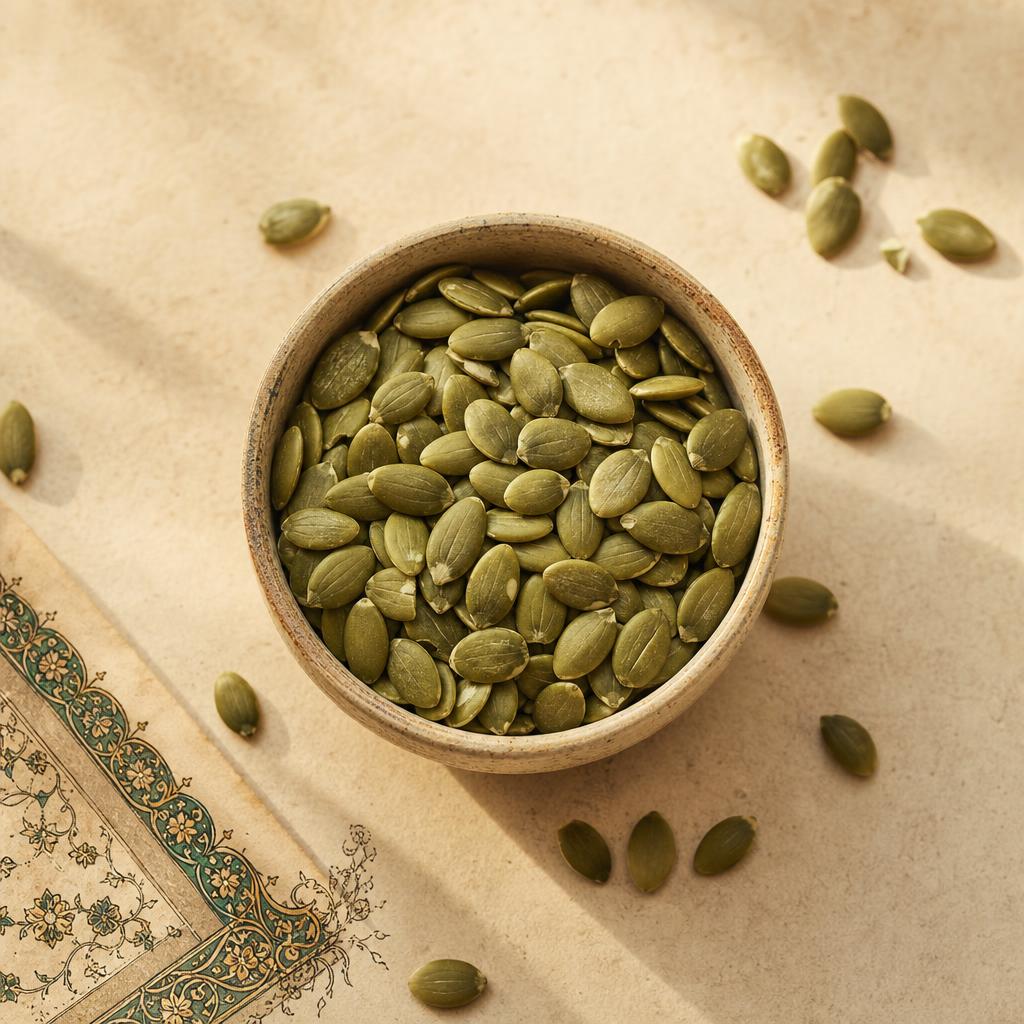
Traditional Persian Perspective
Vitality in Persian medicine is the strength of the quwwa — the faculties — and every one of them depends on hazm, digestion. Avicenna is explicit: weak digestion produces weak spirit, and no tonic corrects a stomach that is not working. Fatigue was therefore investigated at the table before it was treated with drugs.
The sitte zarūriyya frame the whole answer: air and light, food and drink, movement and rest, sleep and waking, retention and evacuation, and the states of the soul. Persian physicians expected a tired patient to have a fault in one of these six, and looked there first.
Warm, freshly cooked food was considered strengthening; cold, stale or reheated food was considered draining — a distinction with no modern equivalent, but one that reliably pushes people toward cooking.
When to seek professional care
Signs that call for a clinician rather than self-care.
This guide is educational. It complements, but never replaces, care from a qualified healthcare professional.
- •Fatigue lasting more than 4 weeks despite sleep and lifestyle changes — see your doctor; ask about iron, B12, thyroid, and vitamin D.
Meditation & Mindfulness
Calm practices matched to this goal.
True energy comes from rhythm, not stimulation. Morning light, small mindful pauses, and a calm evening protect daytime energy more than caffeine.
Between tasks: stand, three slow breaths, then continue.
Within the first hour of waking, before screens.
Begin practiceMid-day, when stress has built up. Before opening the next email.
Begin practiceAfter a meal, between work blocks, or on any quiet walk.
Begin practiceFrequently asked questions
Short answers to the questions readers ask most.
Do I need to give up caffeine?
Not necessarily — but keep it before noon and don't use it to replace sleep.
What about energy drinks?
Most contain large doses of caffeine and sugar; they worsen long-term energy patterns.
Why do I still feel tired after 8 hours?
Sleep quality matters as much as quantity. Also check iron, thyroid, vitamin D, and sleep apnea.
Build your personalized Energy & Vitality plan
Your AI Hakim weaves your goals, your mizāj, and trusted guidance into a roadmap — not a single answer.
Ask Hakim about Energy & Vitality