Adaptogens, Explained Without Hype
What adaptogens actually are, what the research really shows, and how to use ashwagandha, rhodiola, and holy basil thoughtfully.
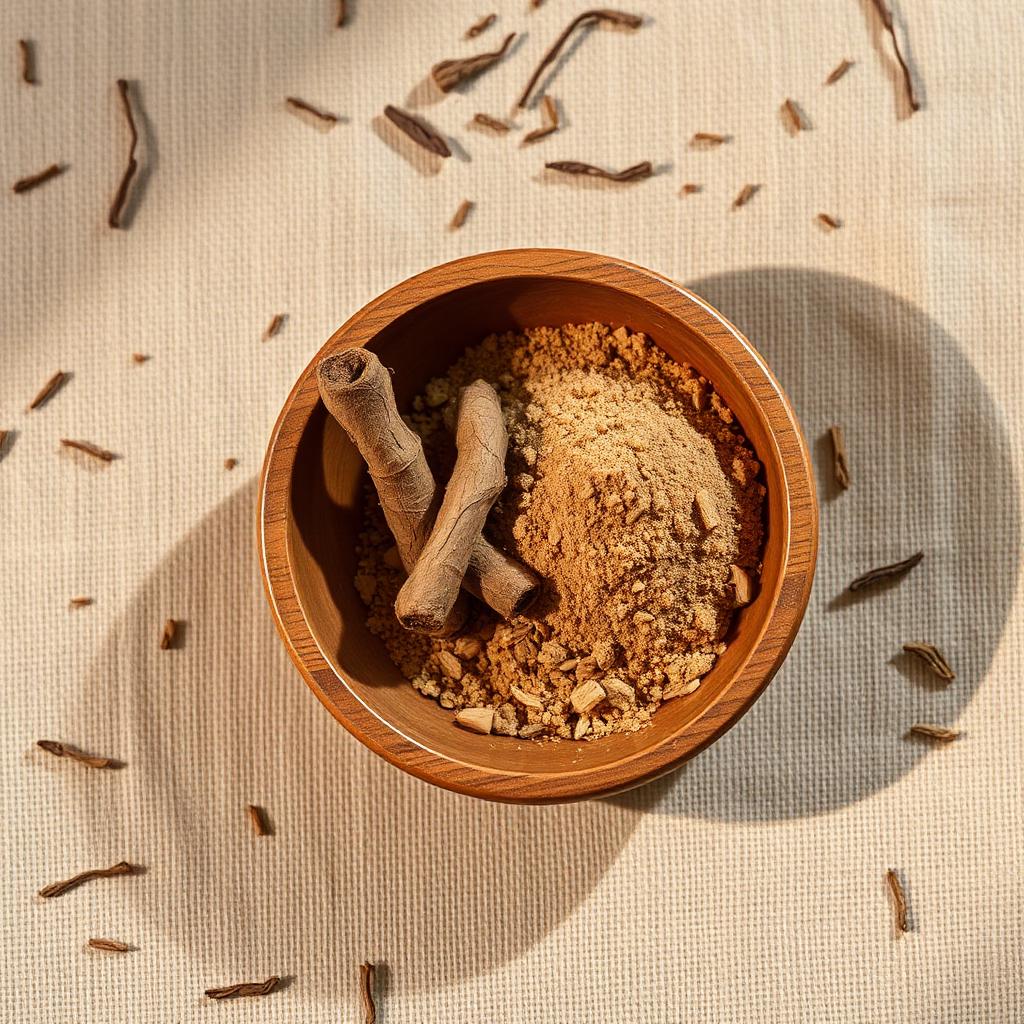
Adaptogens are a class of herbs that, in traditional use, help the body adapt to stress. The word is Russian in origin and dates to the 1940s.
Most studied
Ashwagandha (Withania somnifera), Rhodiola rosea, and holy basil (Tulsi) are the most studied. All three show modest improvements in perceived stress, fatigue, and — in some studies — cortisol patterns.
How they work
Adaptogens don't 'energize' the way stimulants do. They modulate the stress response gradually, usually over weeks.
How to use
Pick one. Use a standardized extract at studied doses. Give it 6–8 weeks. Pair with sleep, movement, and diet — not as a replacement.
Cautions
Adaptogens interact with thyroid, sedative, and immune medications. Most are not recommended in pregnancy. Always disclose them to your clinician.
Sources & references
Background reading
- Health Topics A–Z — US NIH National Center for Complementary and Integrative Health