Blood Sugar & Diabetes
Steady your blood sugar with the rhythm of real food, daily movement, and calm meals.
Traditional wisdom · Modern scientific evidence · Personalized guidance
Before you start: This guide is educational, not medical advice. If you're managing diabetes or blood-sugar issues, talk to your doctor before changing your diet, supplements, or routine — especially if you take medication. See our full Safety First guidance.
Overview
When your blood sugar stays steady, your energy, weight, mood, and heart health all benefit over time. Most type 2 diabetes is preventable — and in many people, reversible — through daily food and movement choices.
Warm, freshly cooked meals eaten without rush can make space for bitter and sour foods alongside sweetness. Modern science focuses on the resulting blood-sugar response.
What matters most
What this tends to feel like, and what commonly drives it.
Common symptoms
- •Energy crashes 1–2 hours after meals
- •Frequent thirst or urination
- •Slow-healing cuts or recurring infections
- •Blurred vision, especially after sweet meals
- •Persistent fatigue or brain fog
Possible contributing factors
- •Diet high in refined carbohydrates and sugary drinks
- •Long stretches of sitting after meals
- •Excess weight around the waist
- •Poor sleep — even one short night raises insulin resistance (when the body stops responding well to insulin, the hormone that moves sugar out of the blood)
- •Chronic stress
- •Family history of type 2 diabetes
What the research shows
Even a very short walk helps: 2–5 minutes of walking after a meal can lower the post-meal blood sugar spike by 30%.
What you swap matters too. Replacing refined grains with whole grains, legumes, and vegetables consistently improves long-term blood sugar markers (HbA1c).
For someone carrying extra weight, losing 5–10% of body weight can prevent or reverse prediabetes.
Evidence-based actions
Movement, sleep, stress, and practical daily habits.
Movement
- •Walk 10 minutes after each main meal — the single highest-impact habit for blood sugar.
- •Add 2 strength sessions per week; muscle is the largest sink for blood sugar.
Sleep
- •Protect 7+ hours. One short night raises next-day insulin resistance.
- •Keep dinner at least 3 hours before bedtime when possible.
Stress management
- •Chronic stress raises blood sugar through cortisol. Brief daily breathing or a walk in nature helps.
Lifestyle habits
- •Eat warm, freshly cooked meals when possible. Limit sugary drinks entirely.
- •Front-load protein and vegetables at each meal; eat starches last.
Nutrition
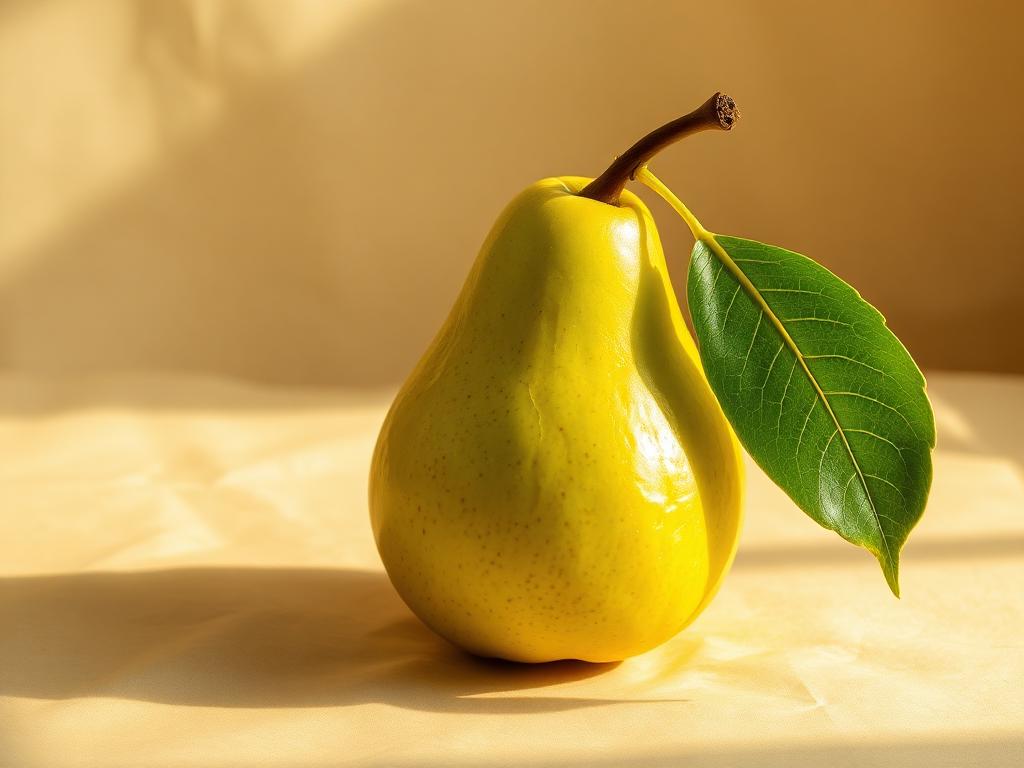
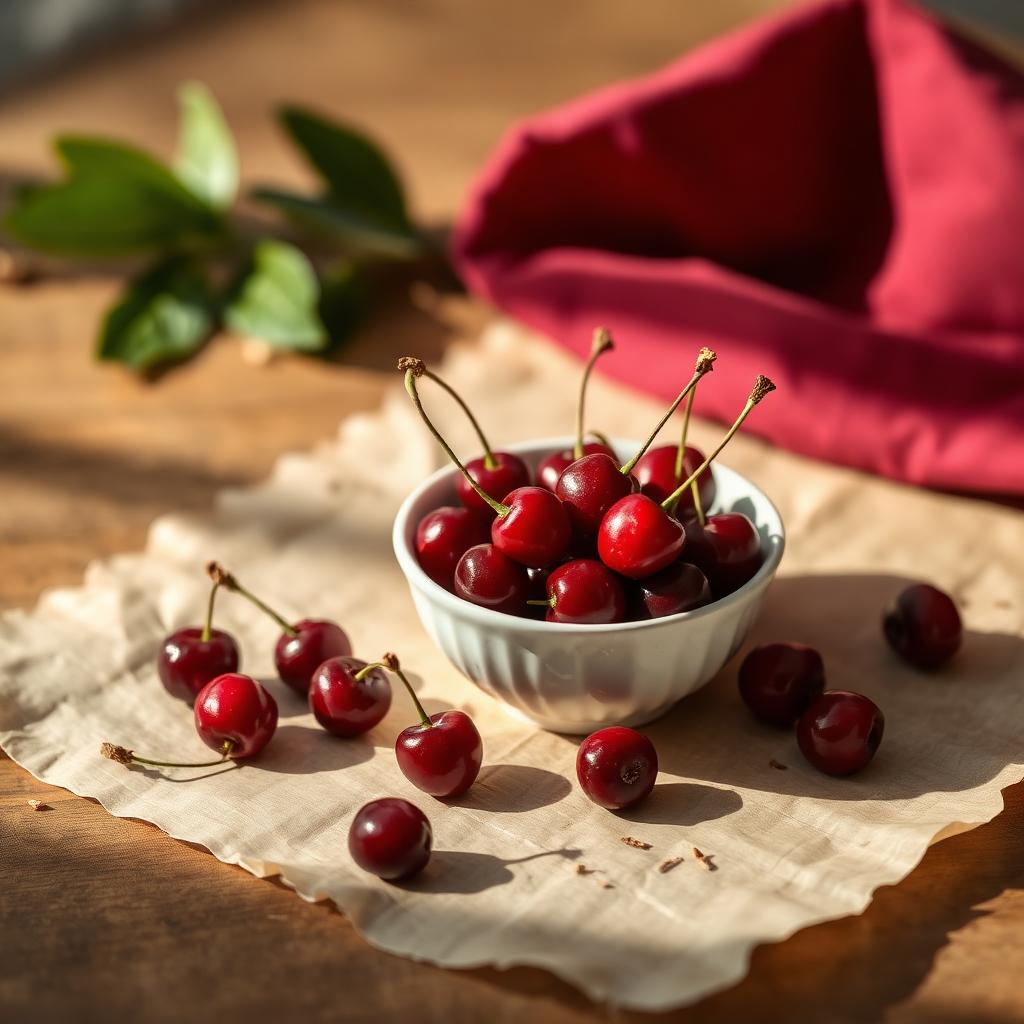
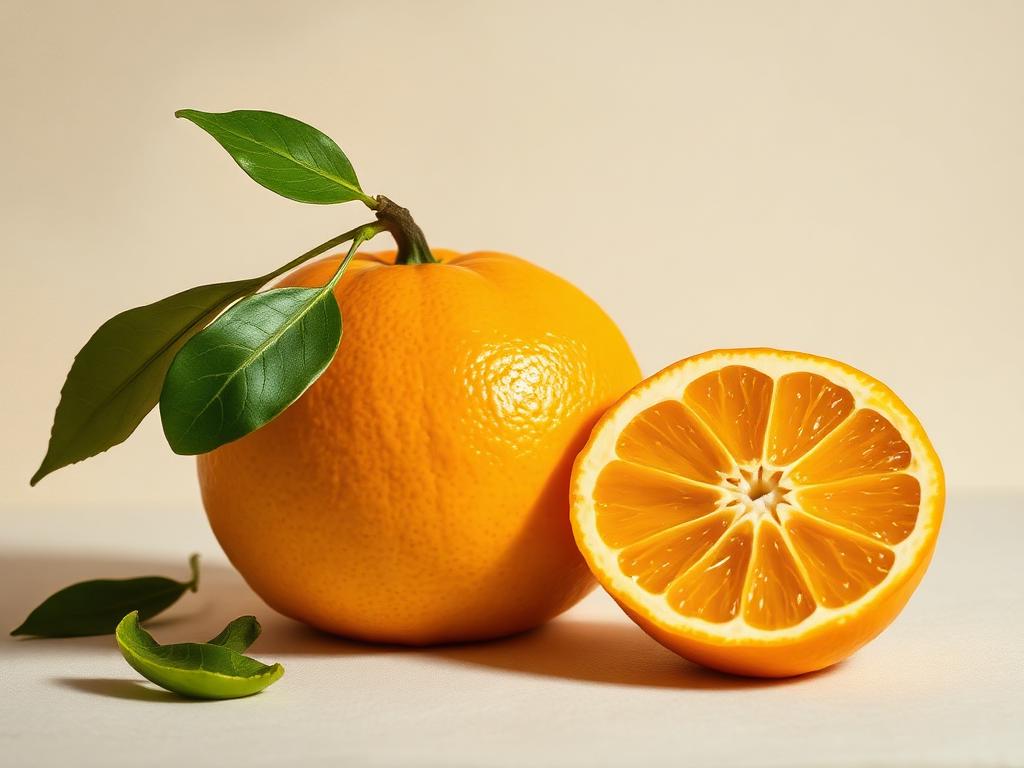
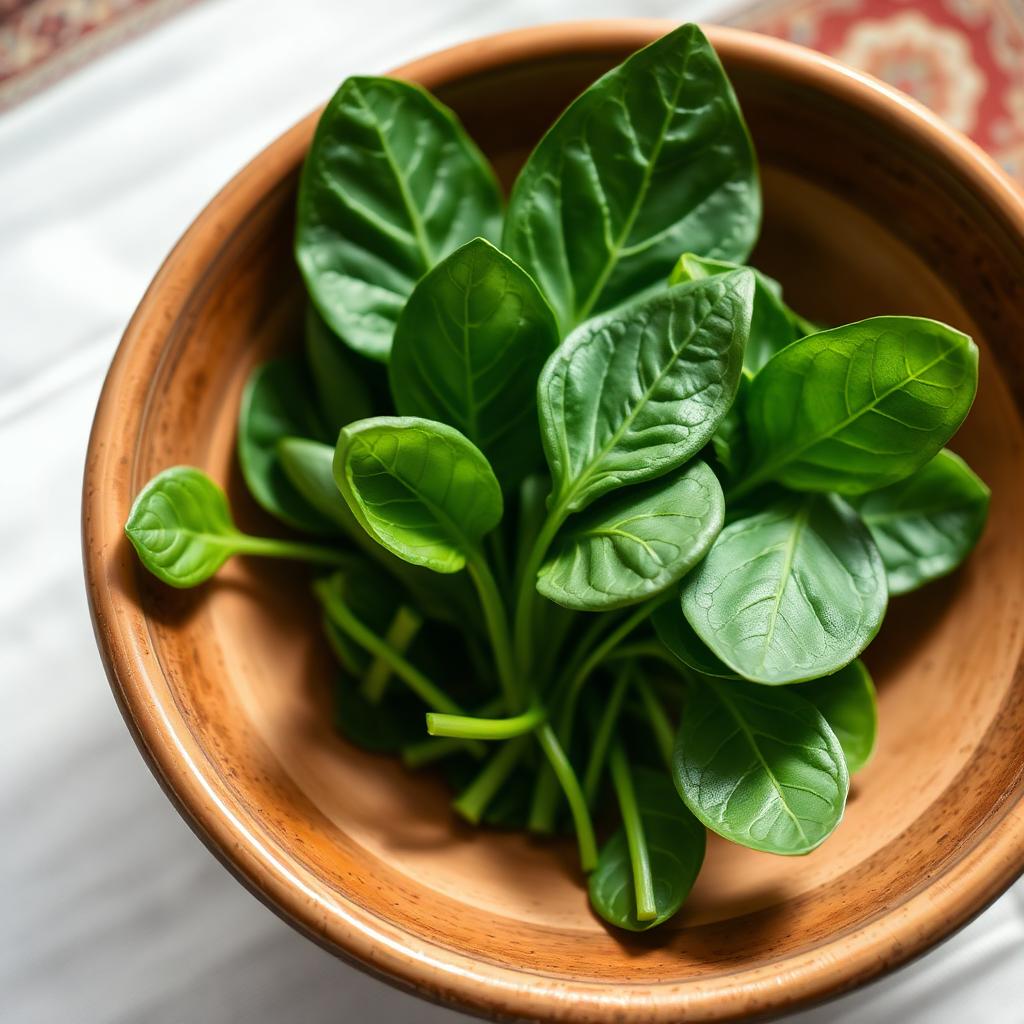
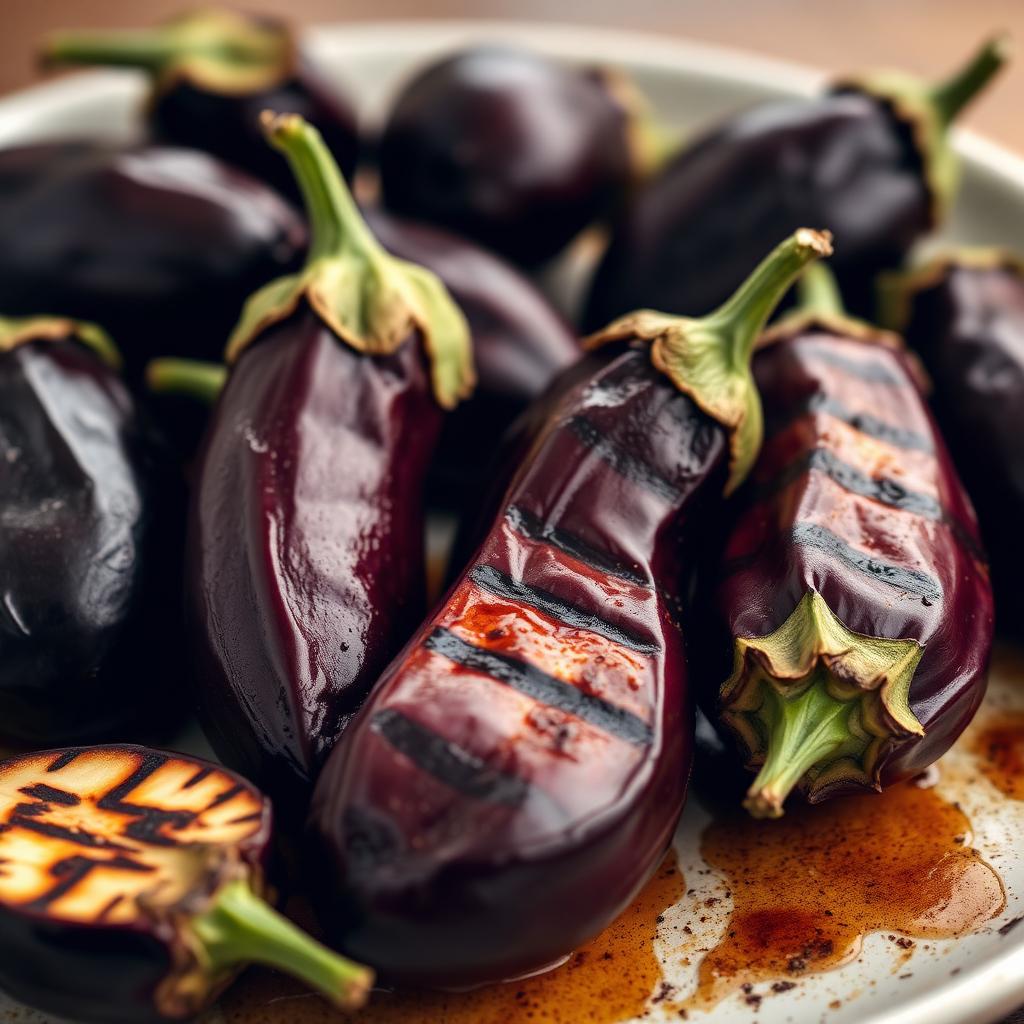
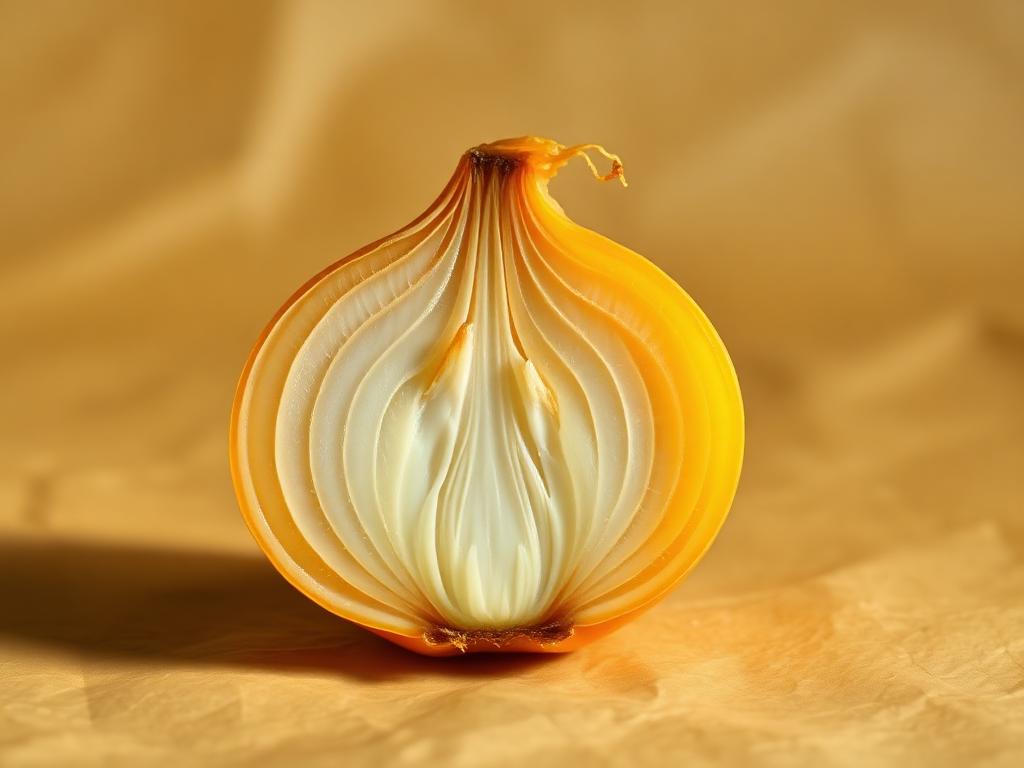
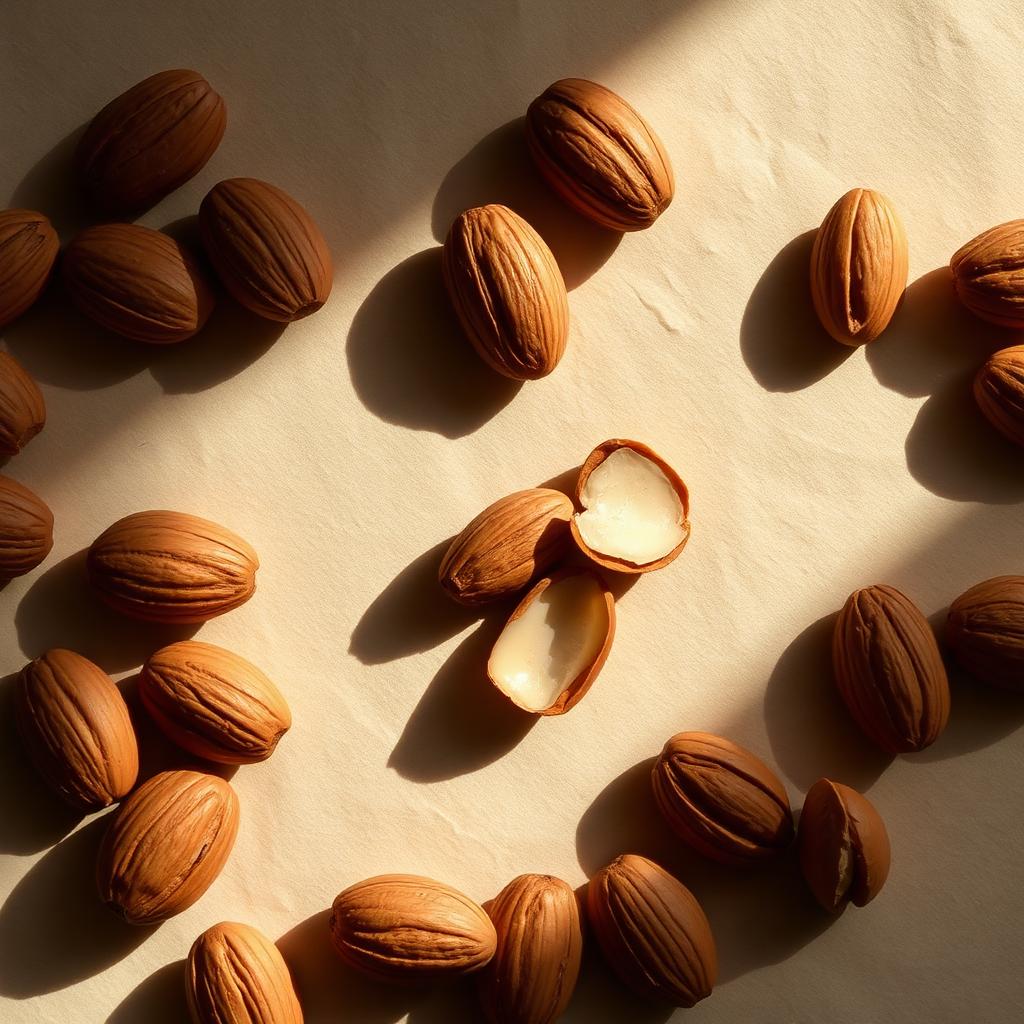
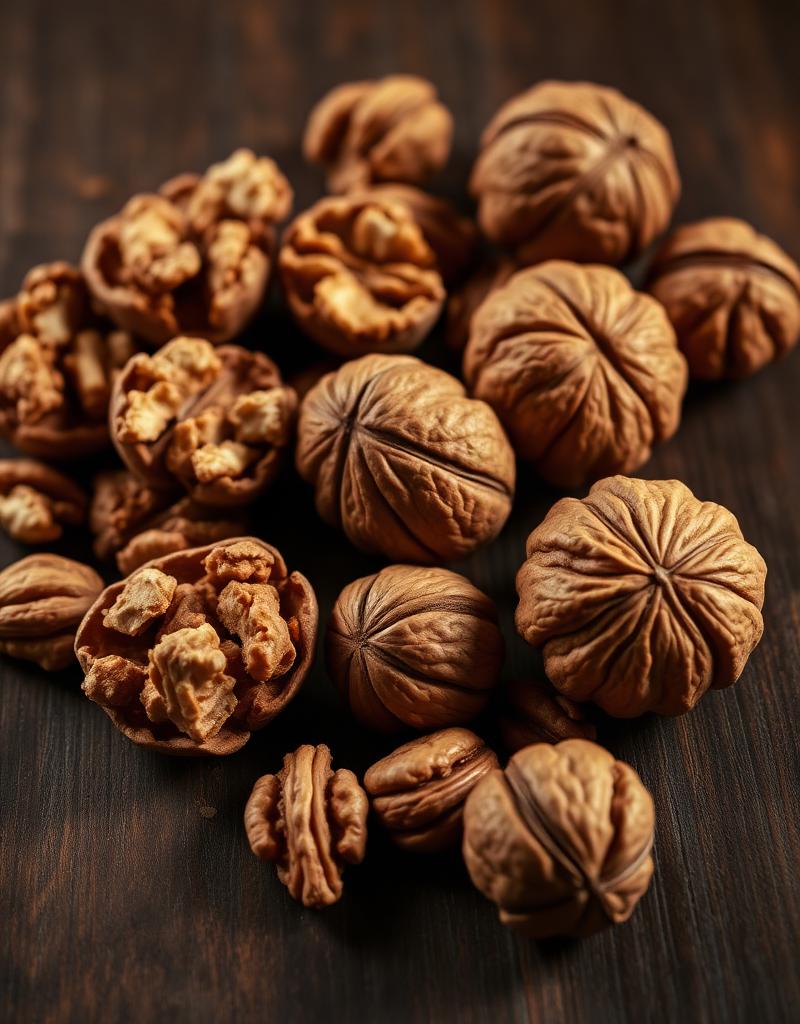
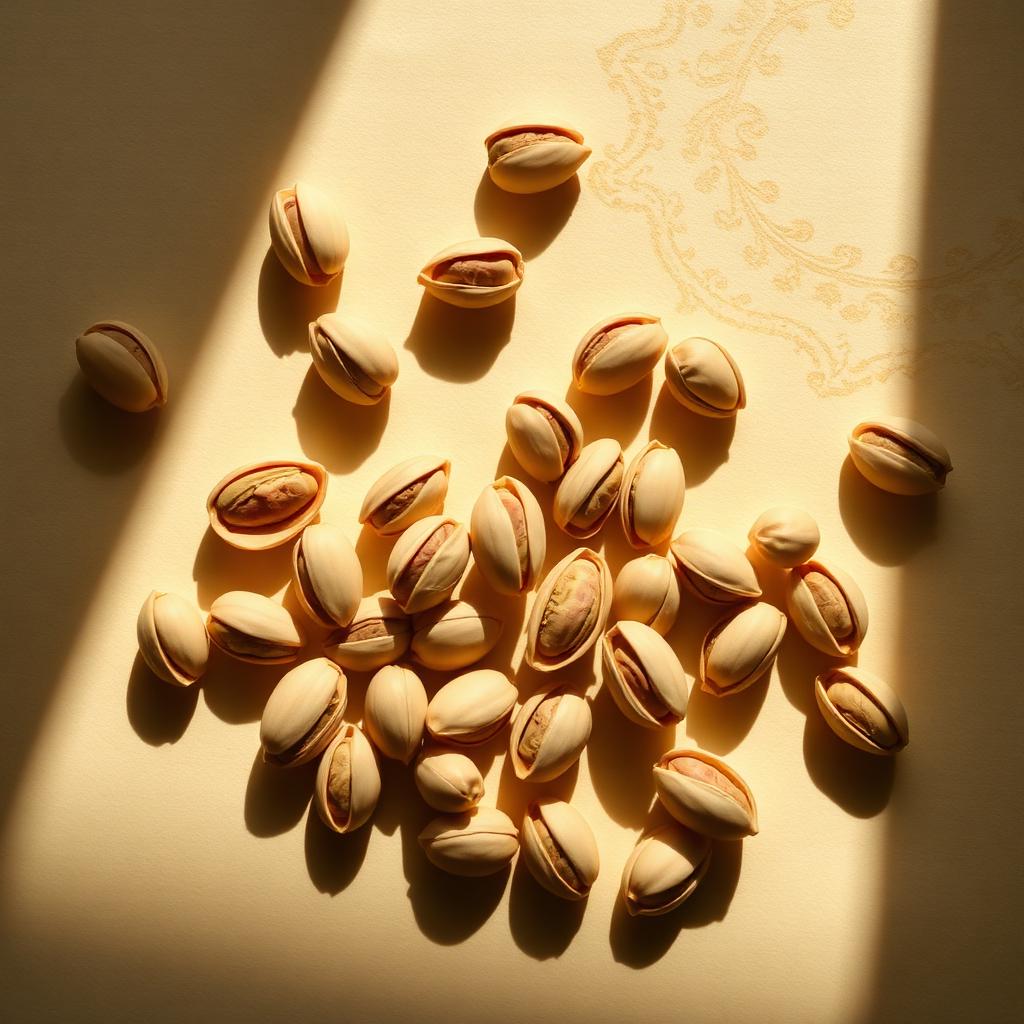
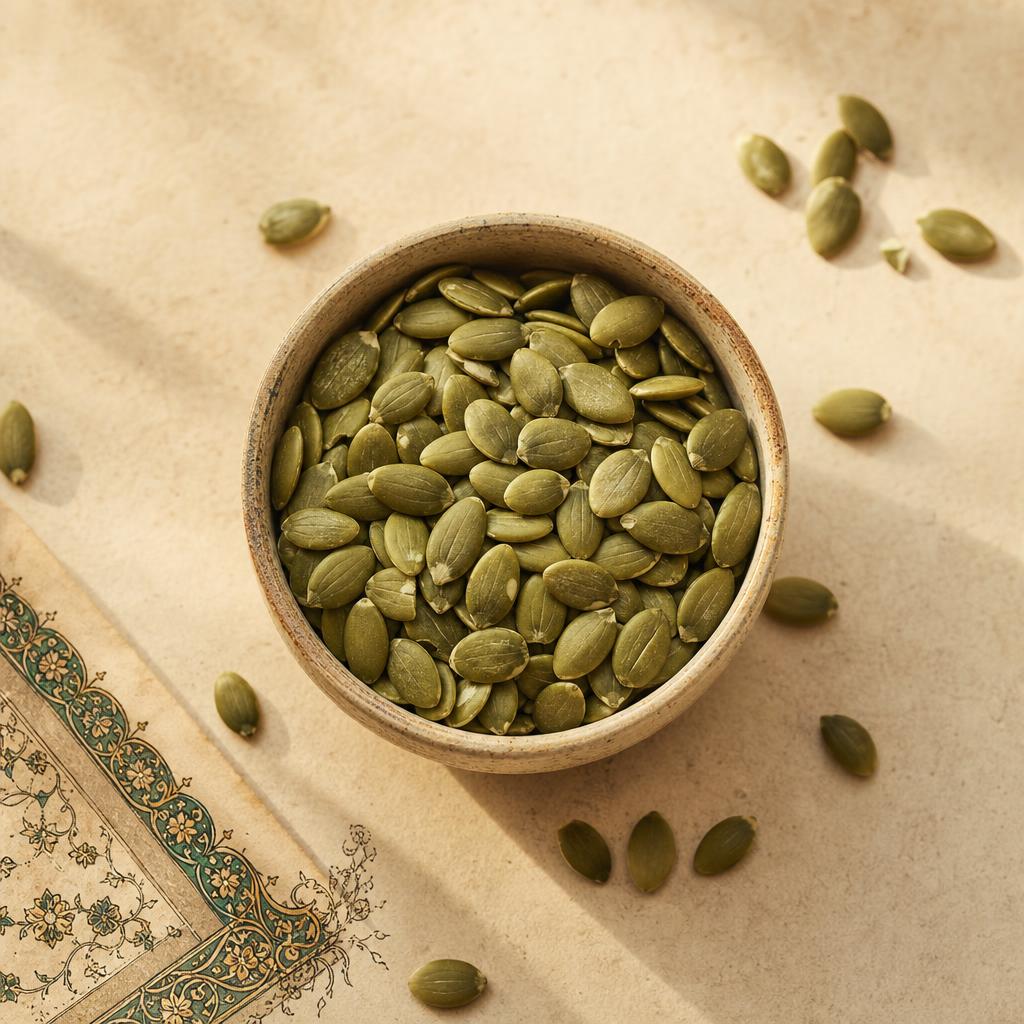
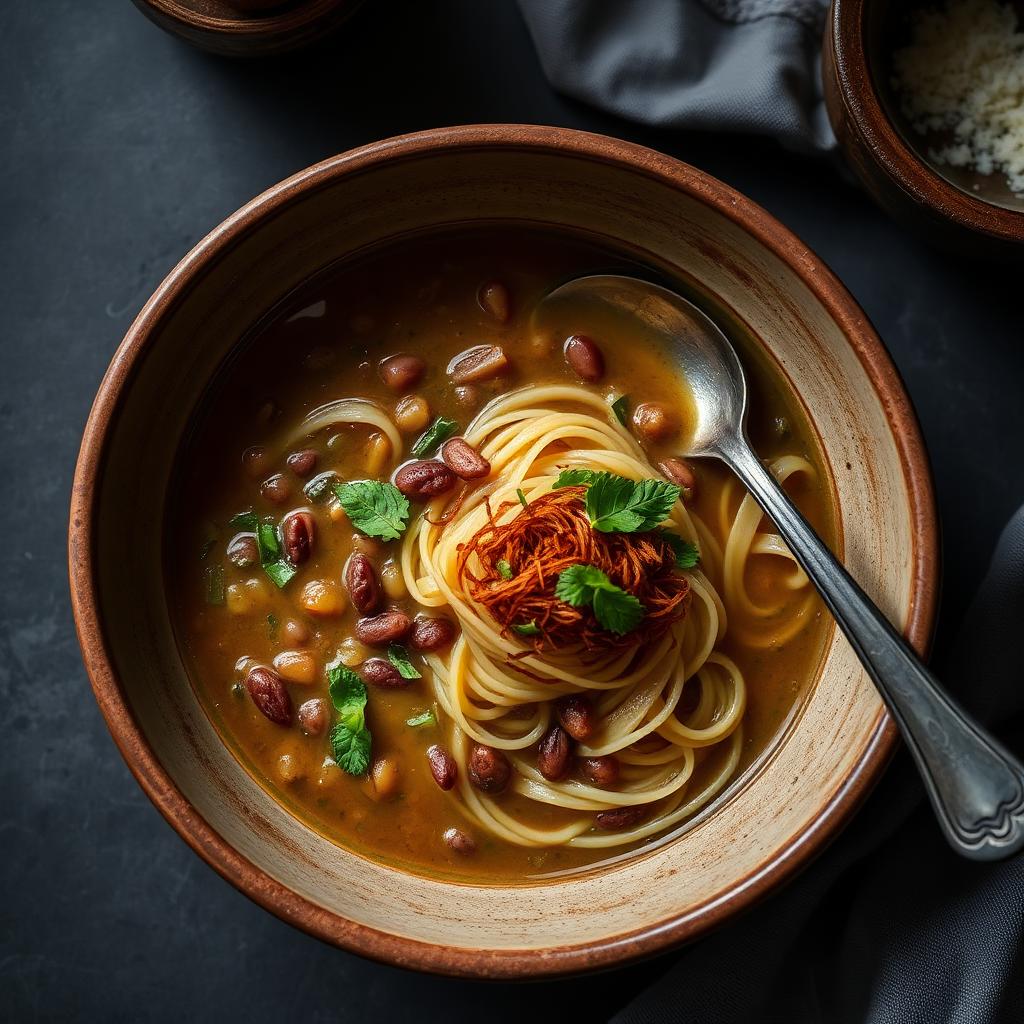
What to eat and drink — every item links to its own guide.


Traditional Persian Perspective
Persian physicians described *diyābītis* by its Greek name but explained it through mizāj: a hot, dry derangement (*sū'-e mizāj-e ḥārr*) of the liver and kidneys, with unquenchable thirst…
Persian physicians described diyābītis by its Greek name but explained it through mizāj: a hot, dry derangement (sū'-e mizāj-e ḥārr) of the liver and kidneys, with unquenchable thirst as the defining sign. Rhazes records the sweetness of the urine in al-Ḥāwī centuries before it entered European texts.
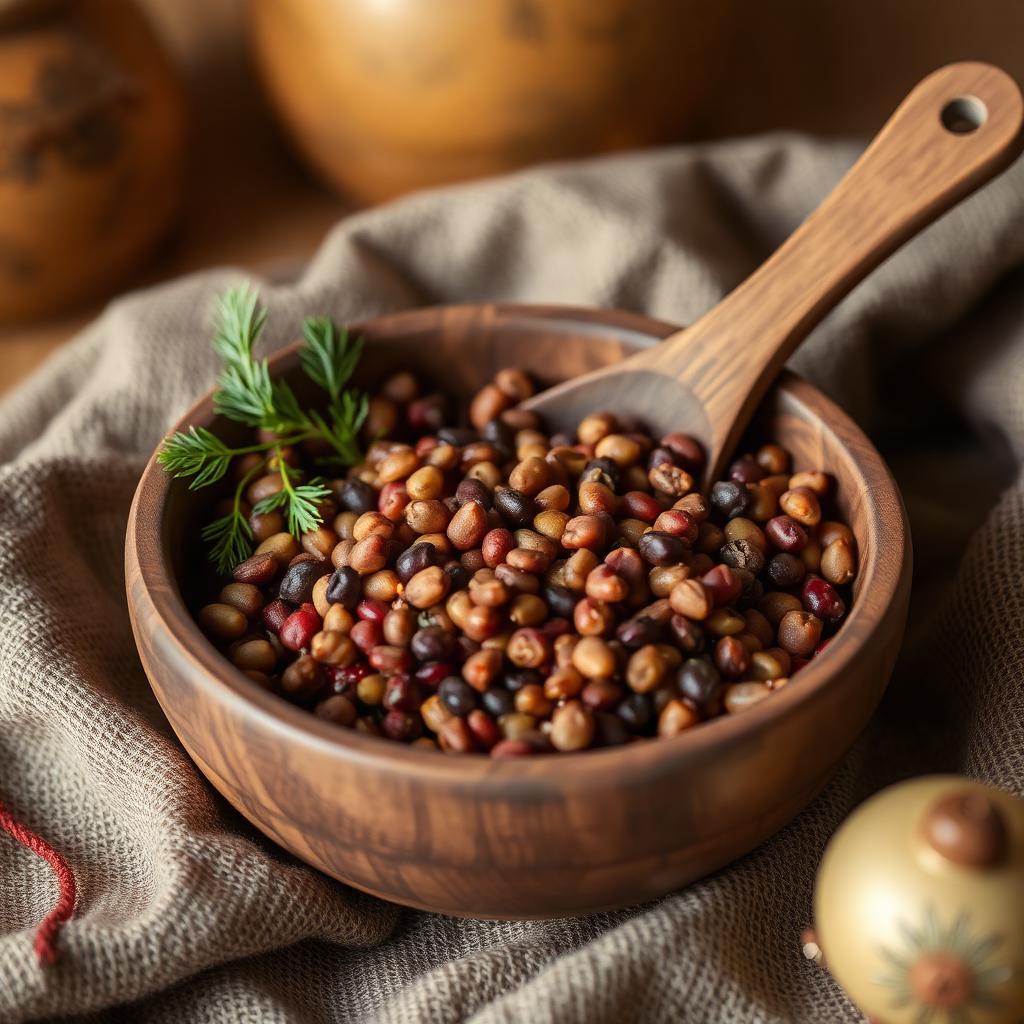
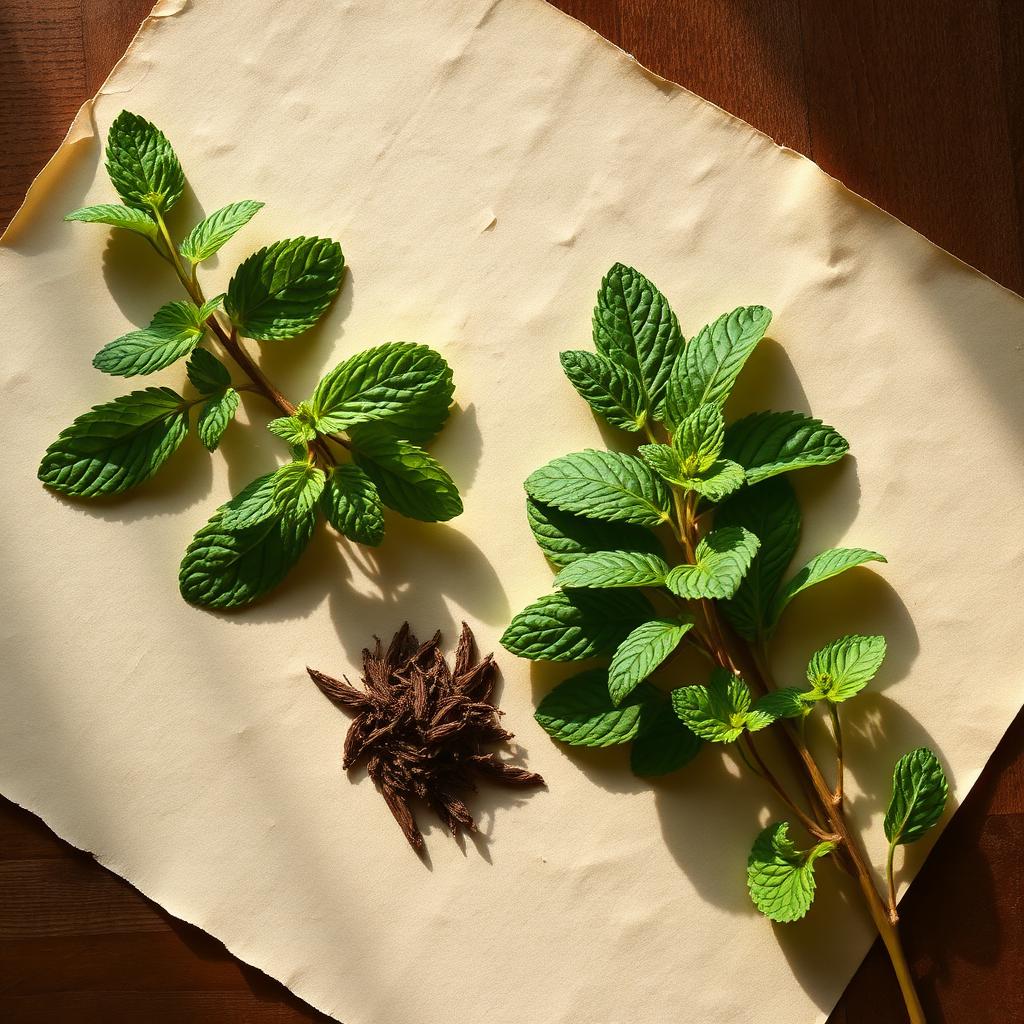
The traditional correction was cooling and moistening food: barley water (āb-e jow), cucumber, purslane, chicory (kāsni) and sekanjabin. Barley in particular is prescribed repeatedly in the Qānūn for heated constitutions — and is one of the few grains with modern trial evidence for glycaemic control.
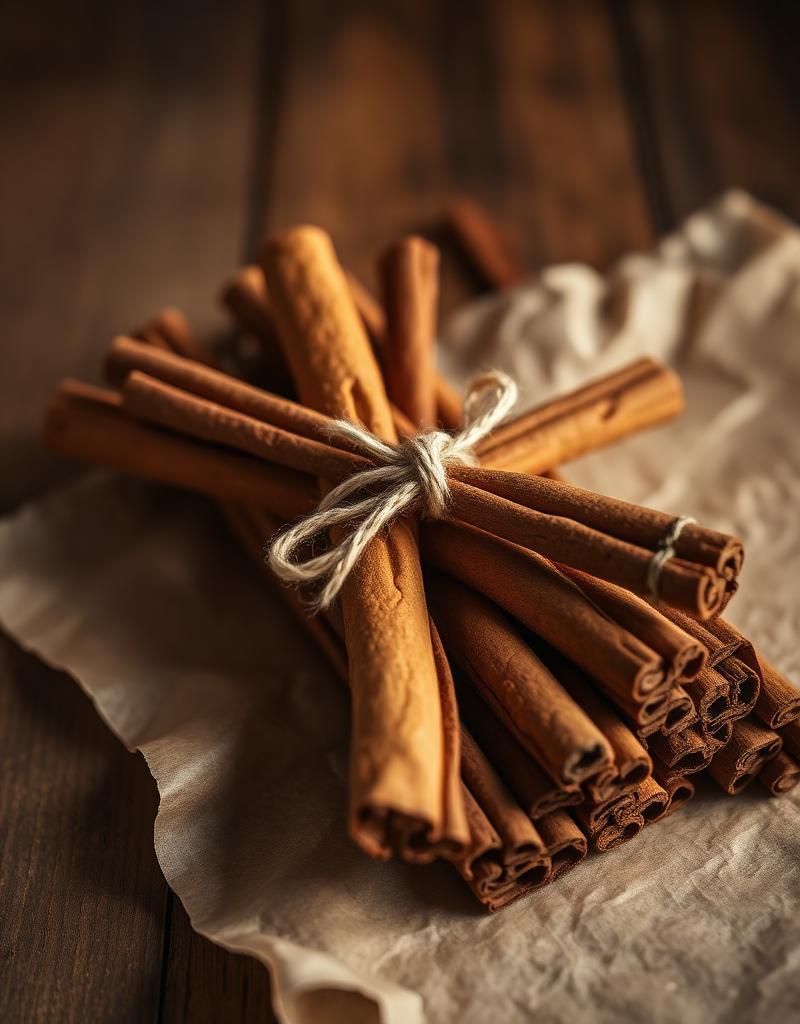
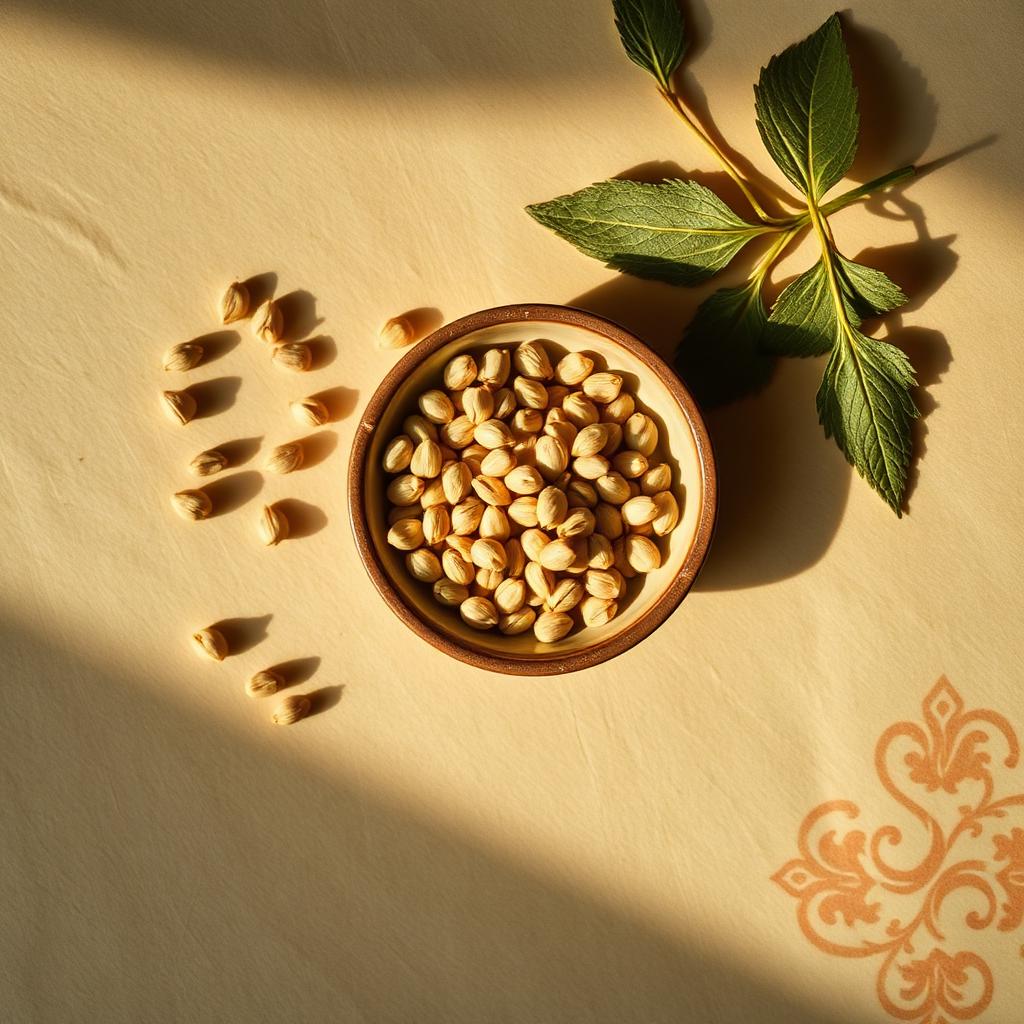
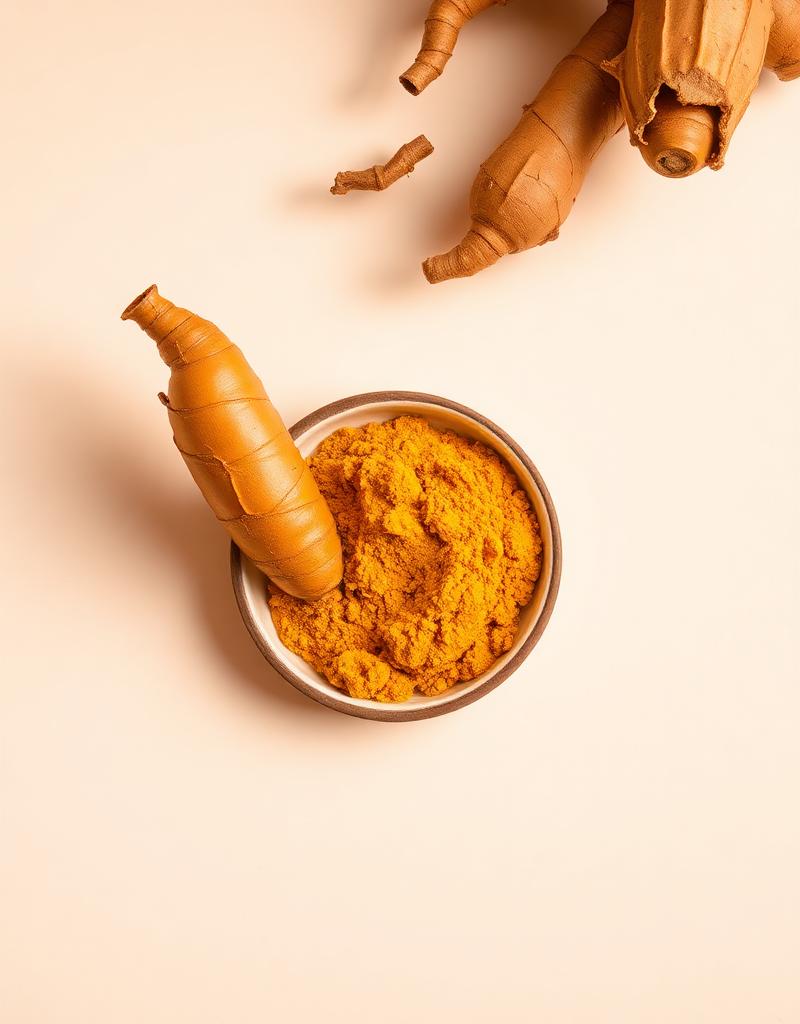
Fenugreek (shanbalileh), cinnamon (dārchin) and black seed (siyāh-dāneh) appear across Persian formularies for the same complaint. They are not substitutes for medication, but the tradition and the trial literature point at the same short list.
When to seek professional care
Signs that call for a clinician rather than self-care.
This guide is educational. It complements, but never replaces, care from a qualified healthcare professional.
- •Fasting blood sugar above 100, or HbA1c (a blood test showing average blood sugar over about three months) above 5.7 — talk to your doctor about prediabetes.
- •Any diagnosis of type 1 or type 2 diabetes — work with a clinician; this guidance complements, never replaces, medical care.
Meditation & Mindfulness
Calm practices matched to this goal.
Stress raises blood sugar through cortisol. Short, regular calming practices — especially a mindful walk after meals — complement food and movement changes.
After meals: walk slowly for 10 minutes, attention on the feet.
After a meal, between work blocks, or on any quiet walk.
Begin practiceBefore or after meals, especially when the belly feels tight.
Begin practiceMid-day, when stress has built up. Before opening the next email.
Begin practiceFrequently asked questions
Short answers to the questions readers ask most.
Can rice still fit on my plate?
Yes — try smaller portions, with plenty of herbs, vegetables, and protein, and take a walk afterward. Whole-grain or basmati cooled and reheated has a gentler effect.
Can I still enjoy fruit?
Whole fruits are generally fine. The bigger problem is juice and added sugar.
Could fasting help me?
Time-restricted eating (e.g. 12-hour overnight fast) helps many people. Talk to your doctor first if you take diabetes medication.
Related guides
A few places to go next.
Build your personalized Blood Sugar & Diabetes plan
Your AI Hakim weaves your goals, your mizāj, and trusted guidance into a roadmap — not a single answer.
Ask Hakim about Blood Sugar & Diabetes