Men's Wellness
Protect heart, hormones, and vitality with strength, real food, and daily calm.
Traditional wisdom · Modern scientific evidence · Personalized guidance
Before you start: This guide is educational, not medical advice. If you're managing a prostate, hormonal, or cardiovascular condition, talk to your doctor before changing your diet, supplements, or routine — especially if you take medication. See our full Safety First guidance.
Overview
Men's health really comes down to a handful of high-leverage habits: protect your heart, hold onto muscle as the years pass, keep your hormones healthy, and manage stress.
Warm meals, daily walking, family time, and a steady routine line up closely with what modern men's health data says actually works.
What matters most
What this tends to feel like, and what commonly drives it.
Common symptoms
- •Loss of energy or motivation
- •Decreased muscle, increased belly fat
- •Sleep disruption
- •Low libido or mood changes
- •Rising blood pressure or cholesterol
Possible contributing factors
- •Sedentary days
- •Ultra-processed food, low protein, excess alcohol
- •Poor sleep, sleep apnea
- •Chronic stress
- •Loss of muscle with age (sarcopenia)
What the research shows
Strength training 2–3x per week protects your muscle and bones; its long-term effect on resting testosterone is uncertain.
Sleep apnea is common and badly underdiagnosed in men — treating it can noticeably improve energy, mood, and heart risk.
Mediterranean-style eating looks after both your heart and your prostate.
Evidence-based actions
Movement, sleep, stress, and practical daily habits.
Movement
- •Strength train 2–3x per week — non-negotiable for protecting muscle, bone, and hormones.
- •Walk 7,000–10,000 steps most days.
- •Add Zone 2 cardio for heart health.
Sleep
- •7–9 hours, consistent. Snoring or daytime sleepiness — get evaluated for sleep apnea.
Stress management
- •Daily quiet pause, breath, or movement — chronic stress lowers testosterone and accelerates aging.
Lifestyle habits
- •Protein at every meal, especially with strength training.
- •Limit alcohol; one less drink per day is one of the highest-leverage changes.
- •Protect social bonds — call, share meals, stay connected.
Nutrition
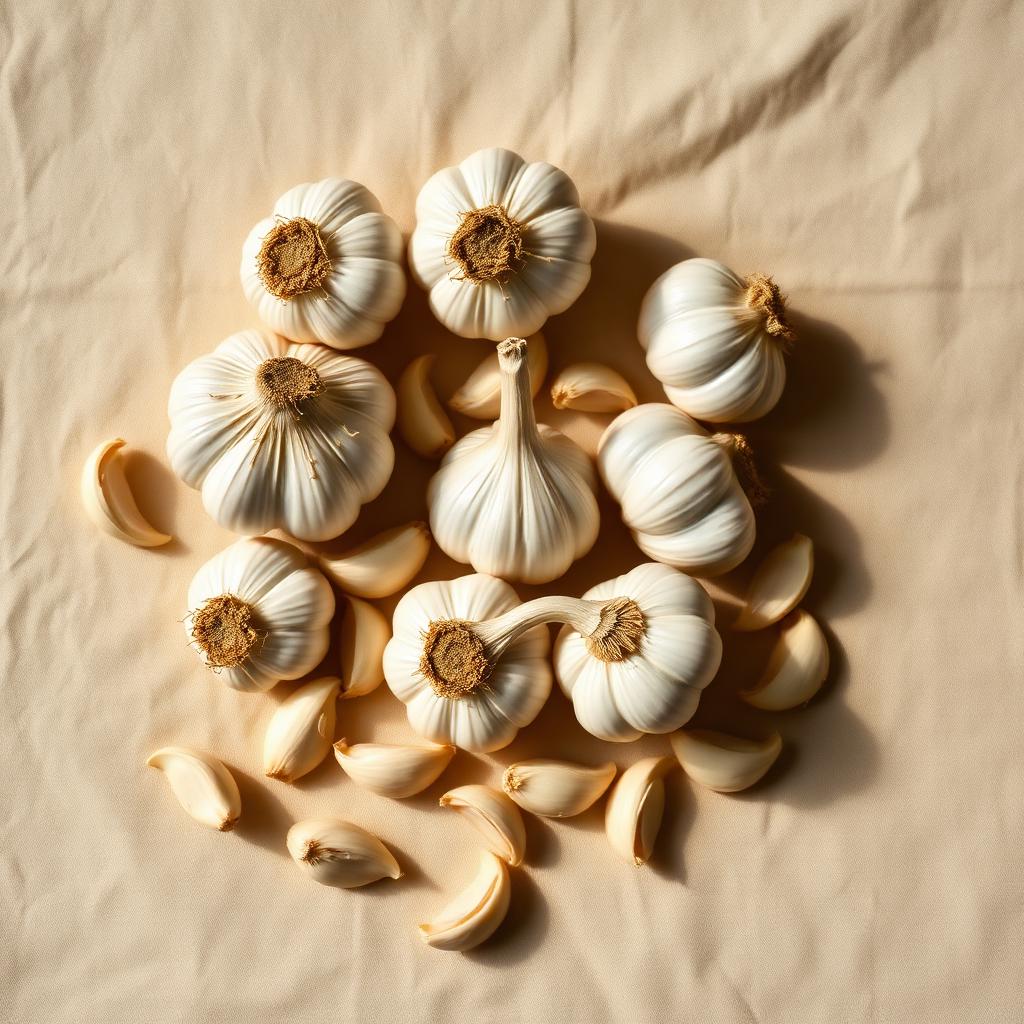
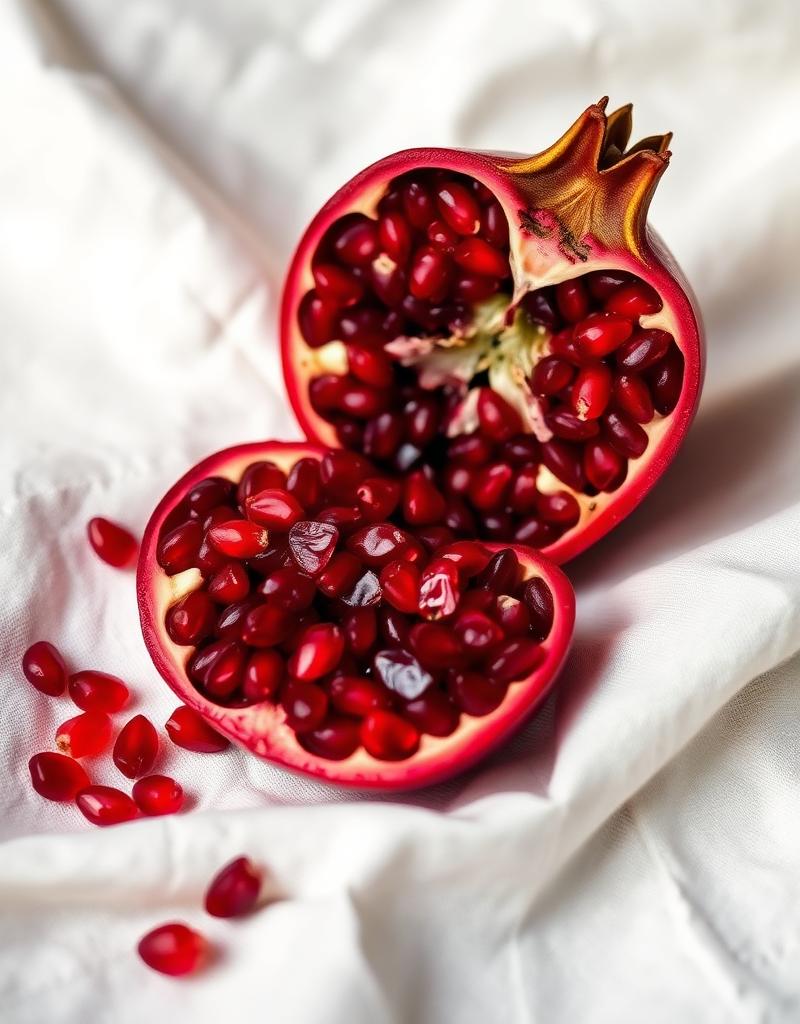
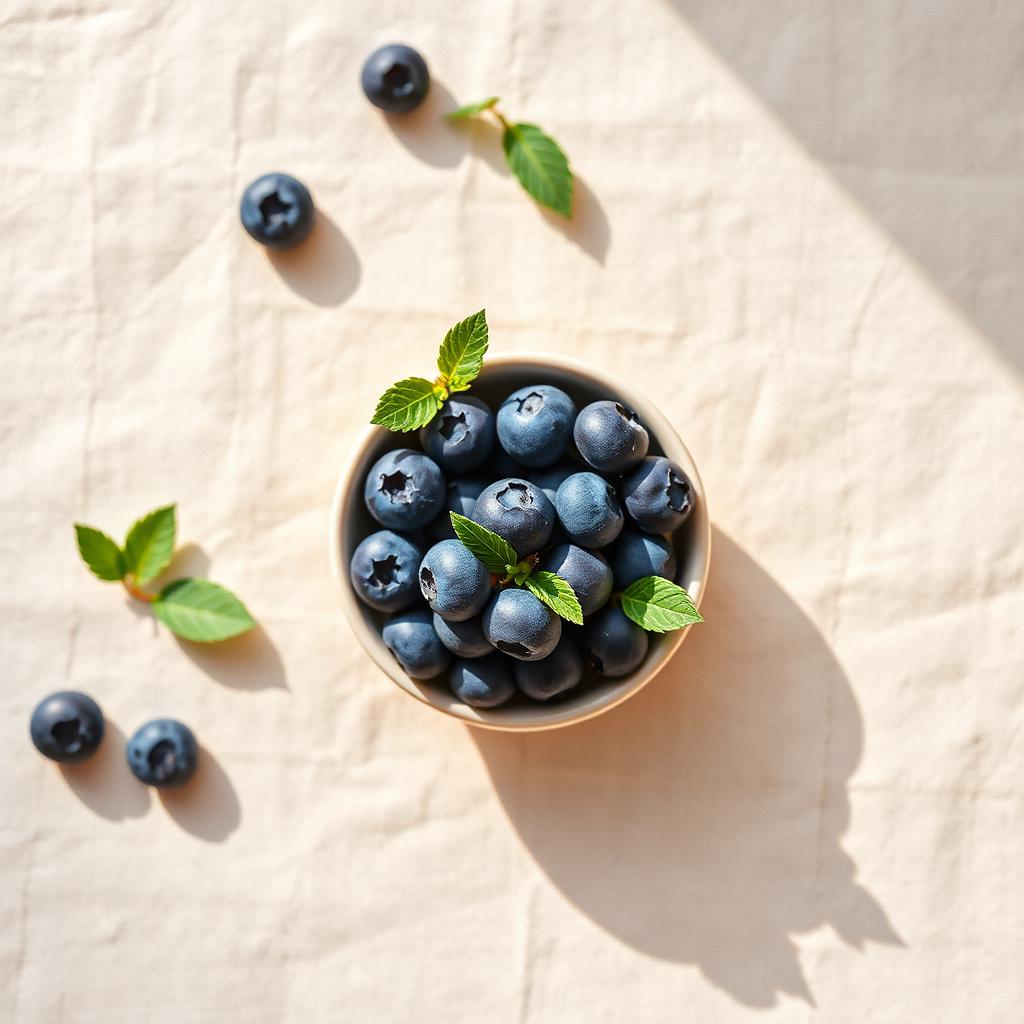
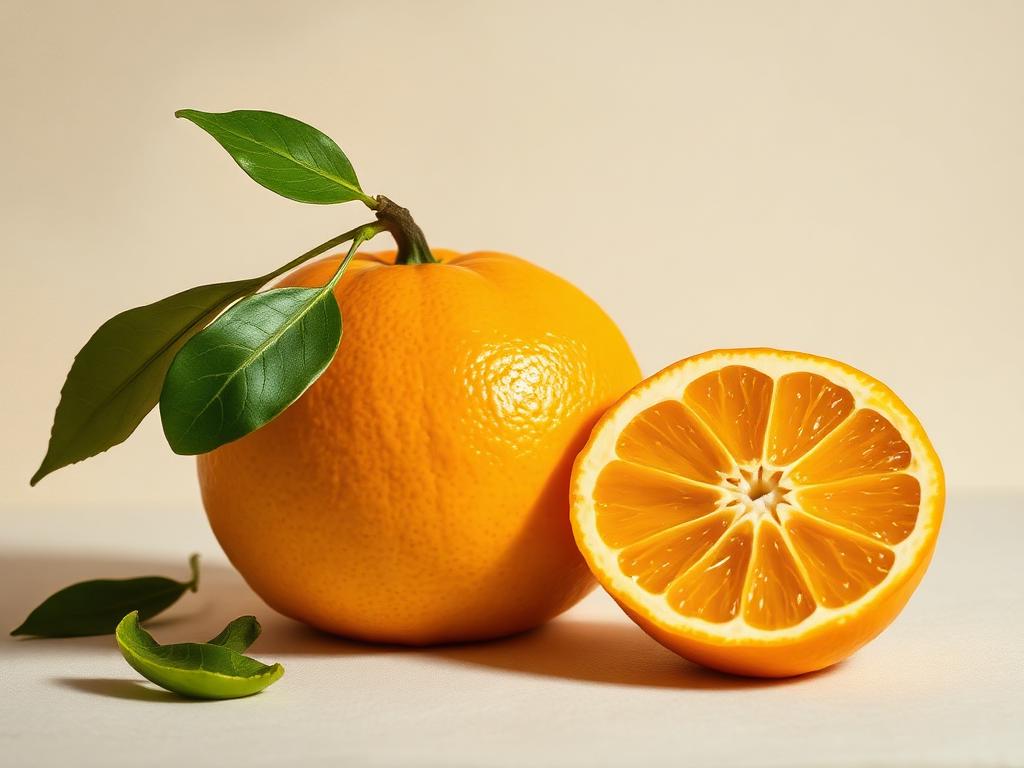
What to eat and drink — every item links to its own guide.

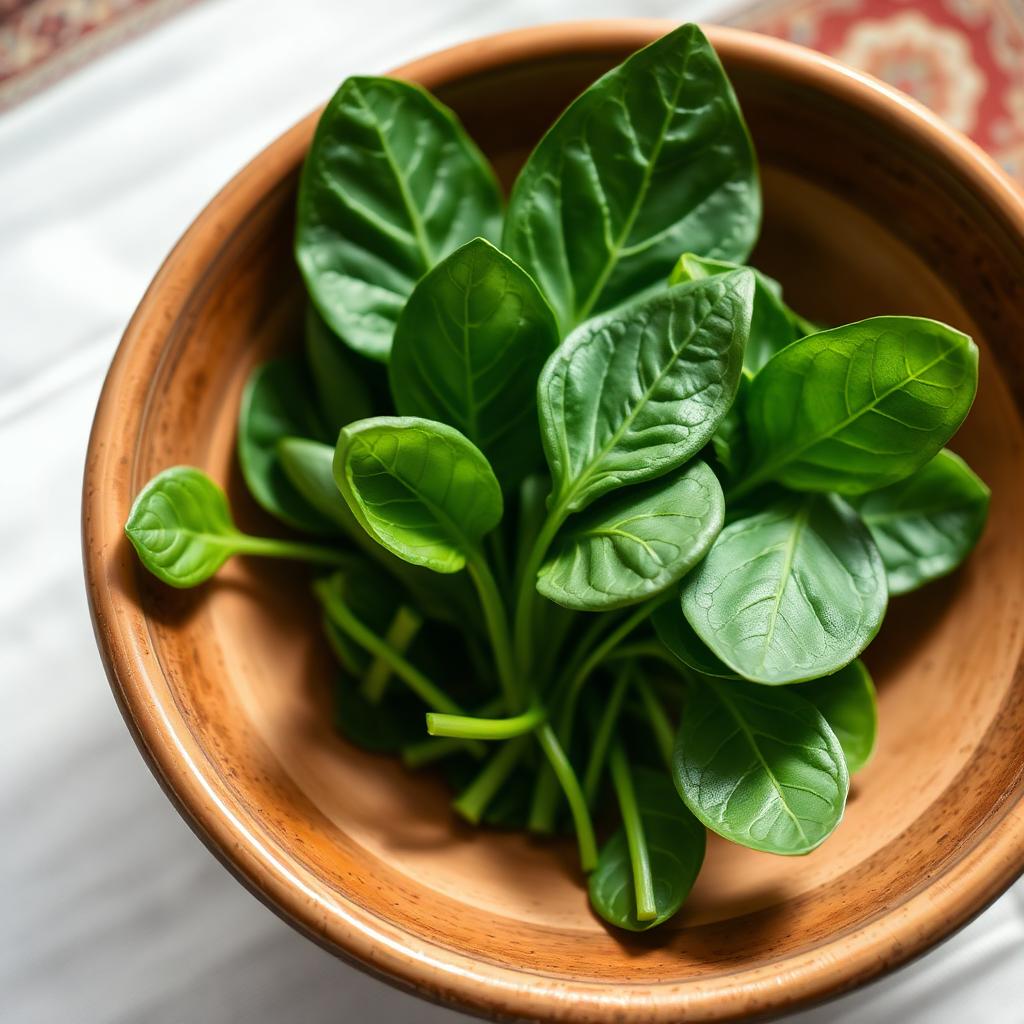

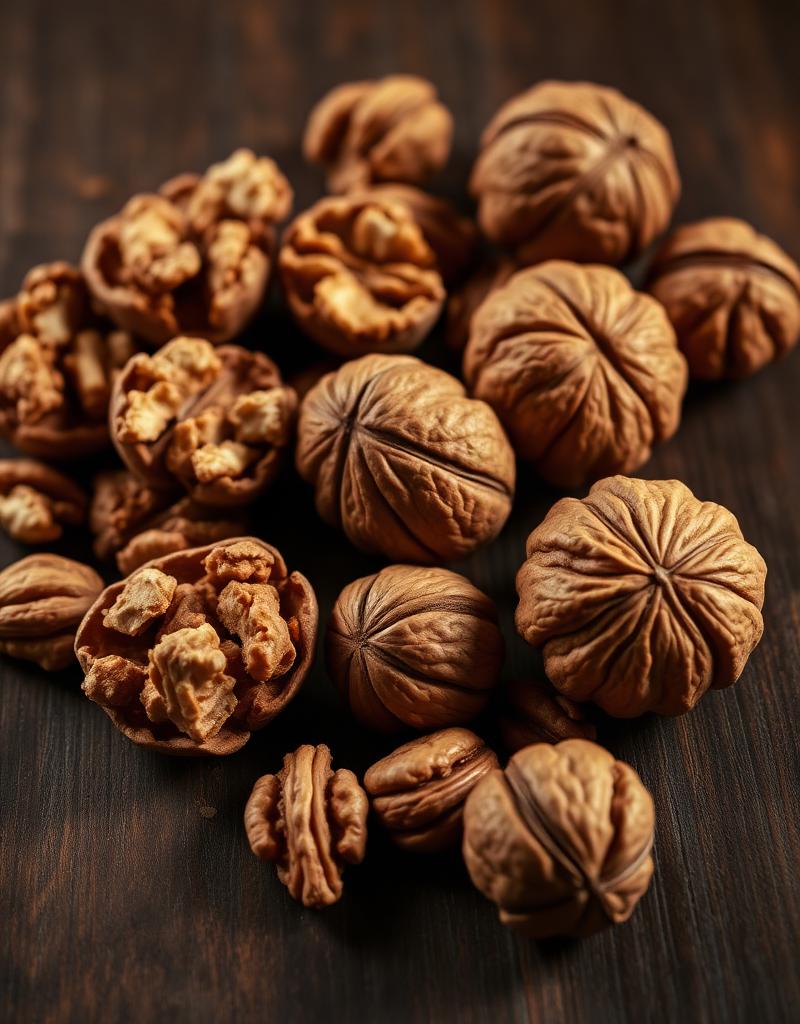
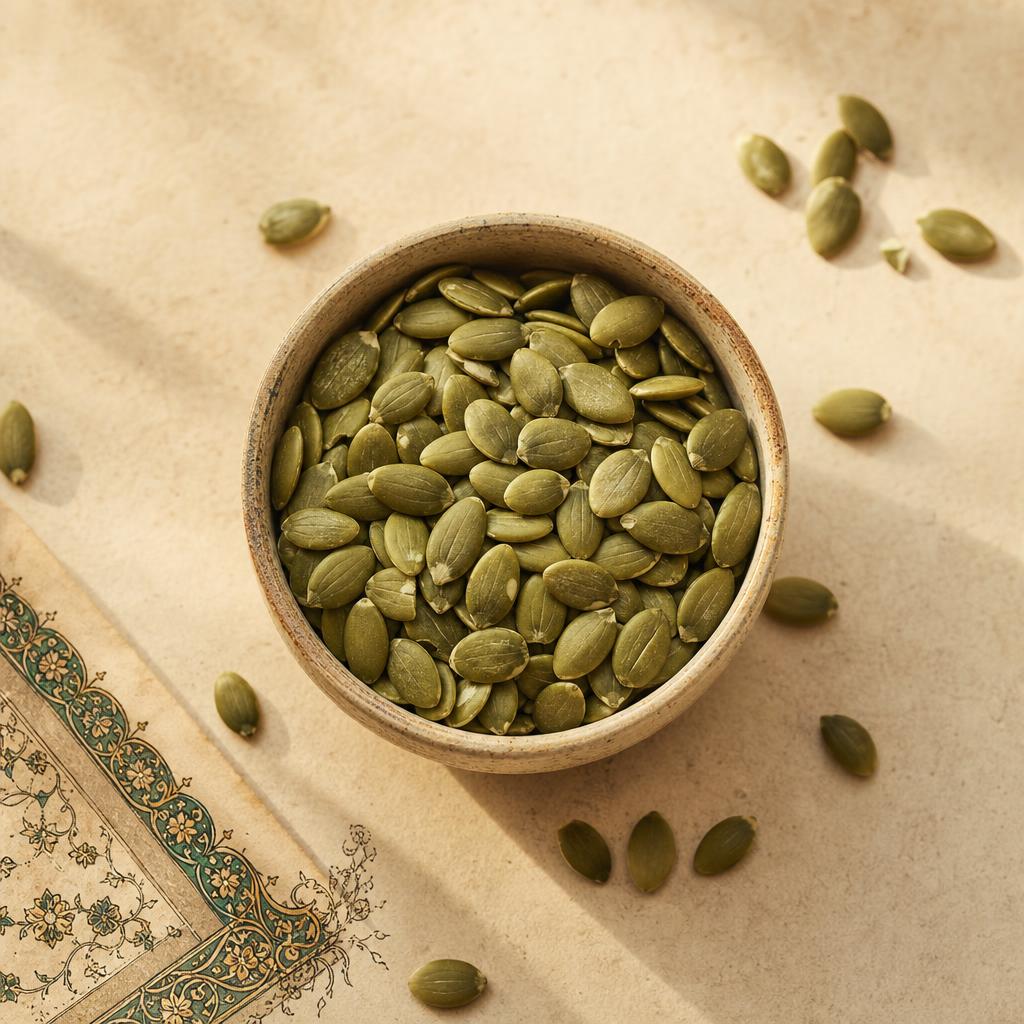
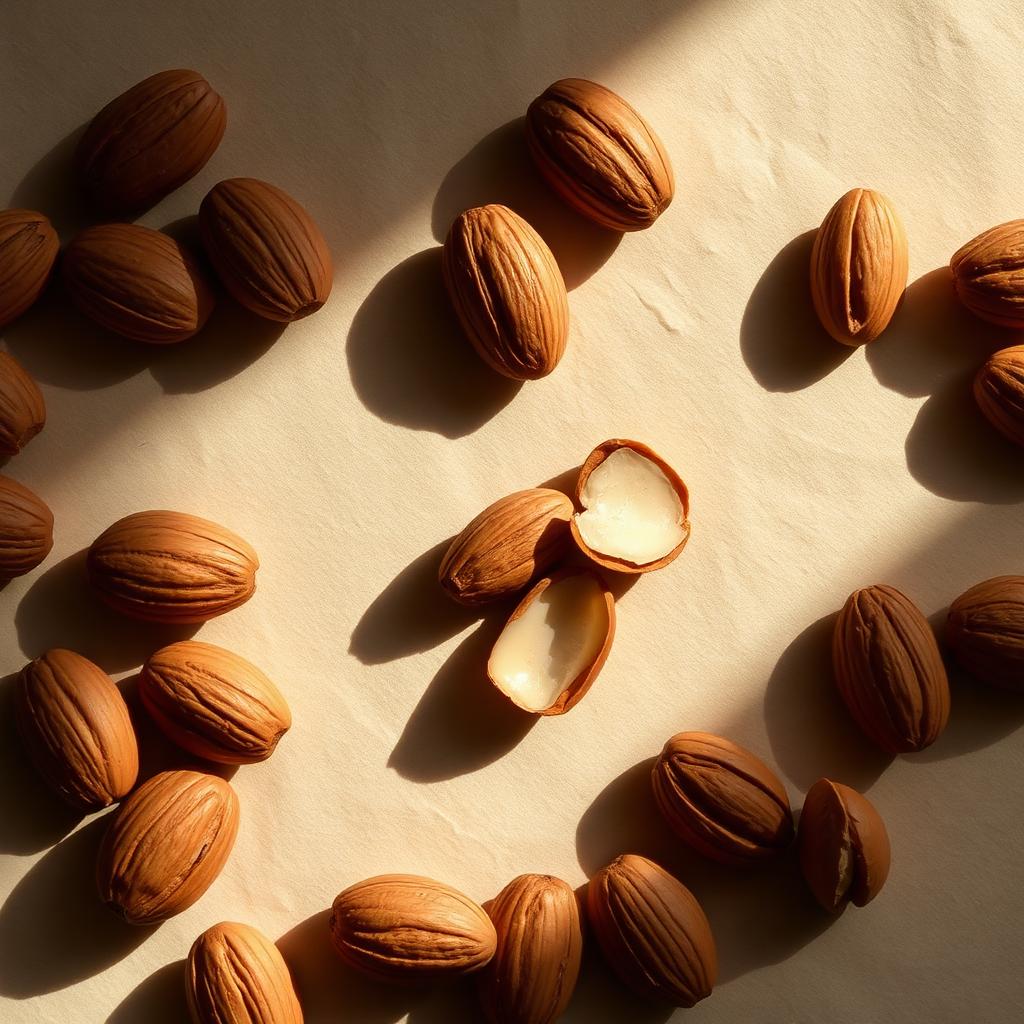
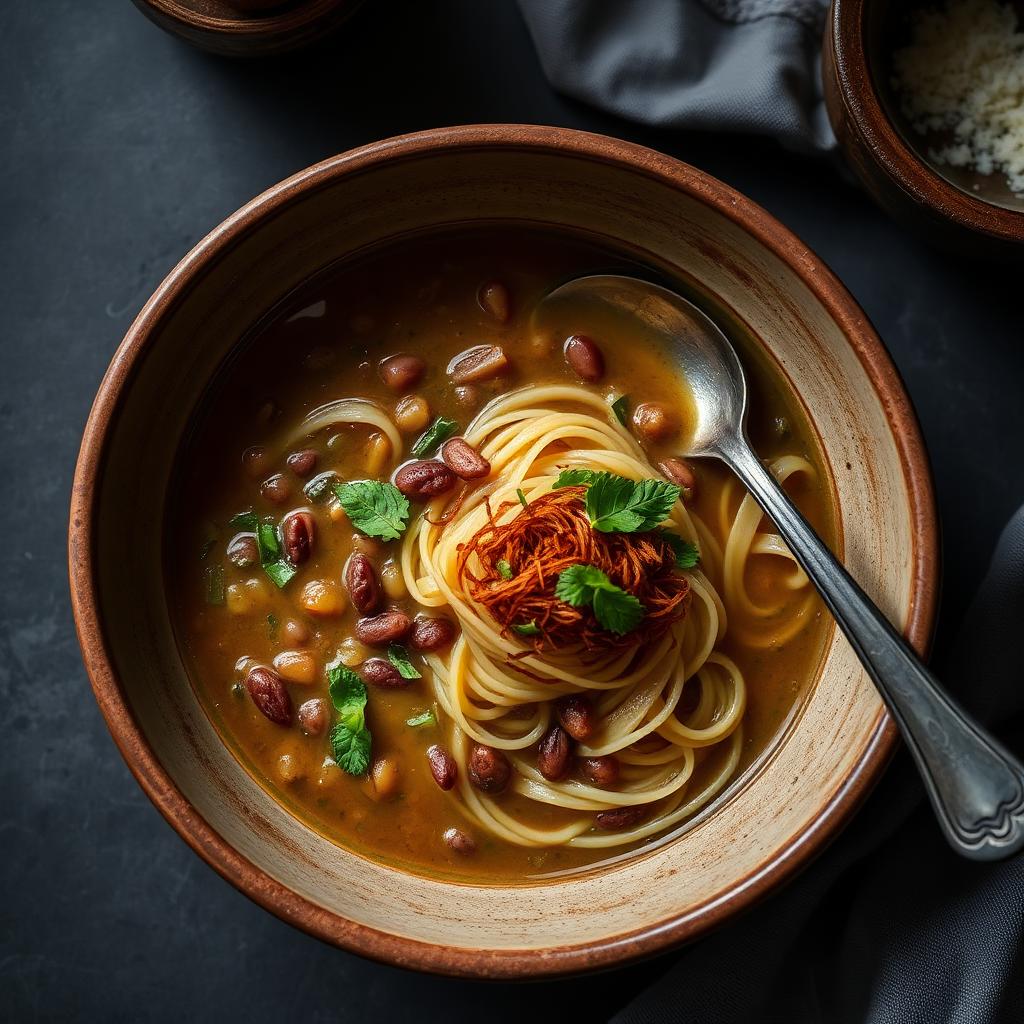
Traditional Persian Perspective
Persian medicine reads male vitality as a matter of quwwa and heat: strength follows good digestion, adequate sleep, and the moderation of the six essentials. Avicenna's regimens for men emphasise the same unglamorous factors modern urology does — weight, movement, sleep and alcohol.
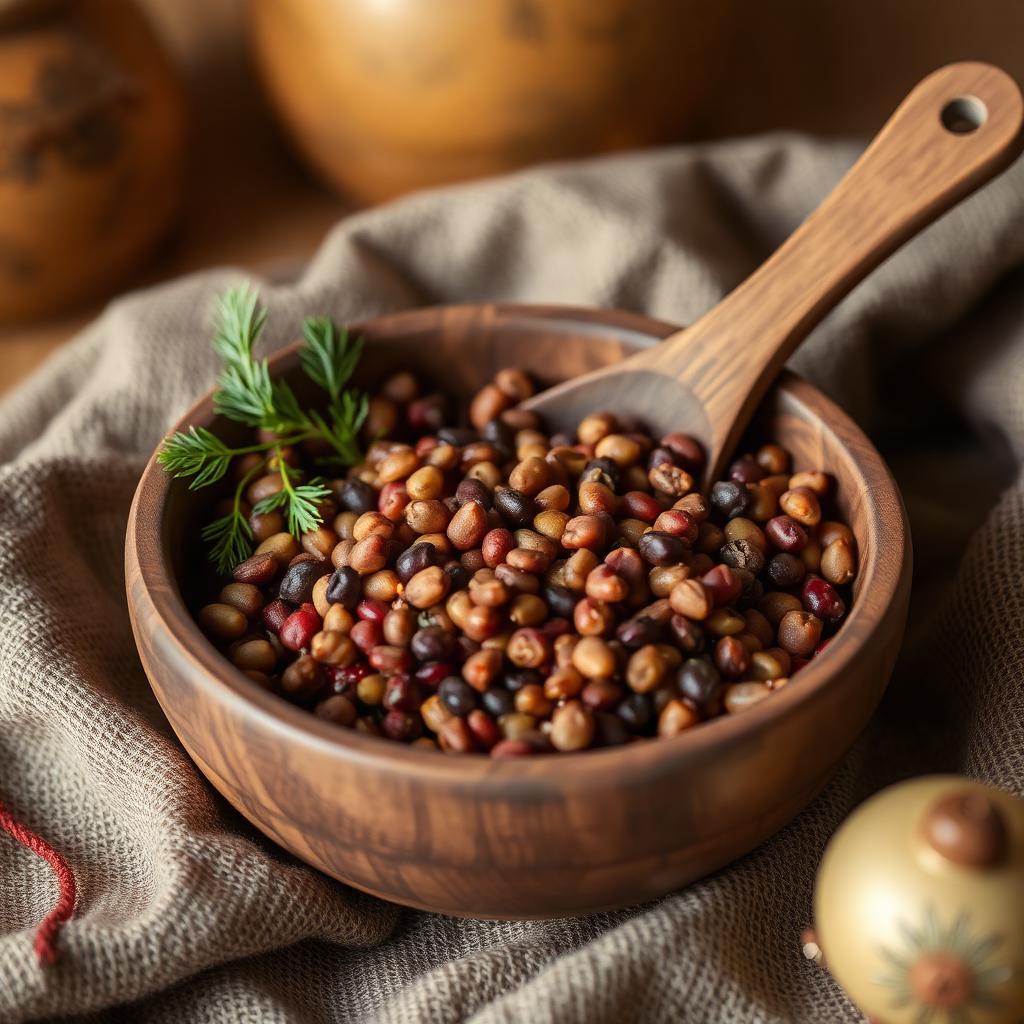
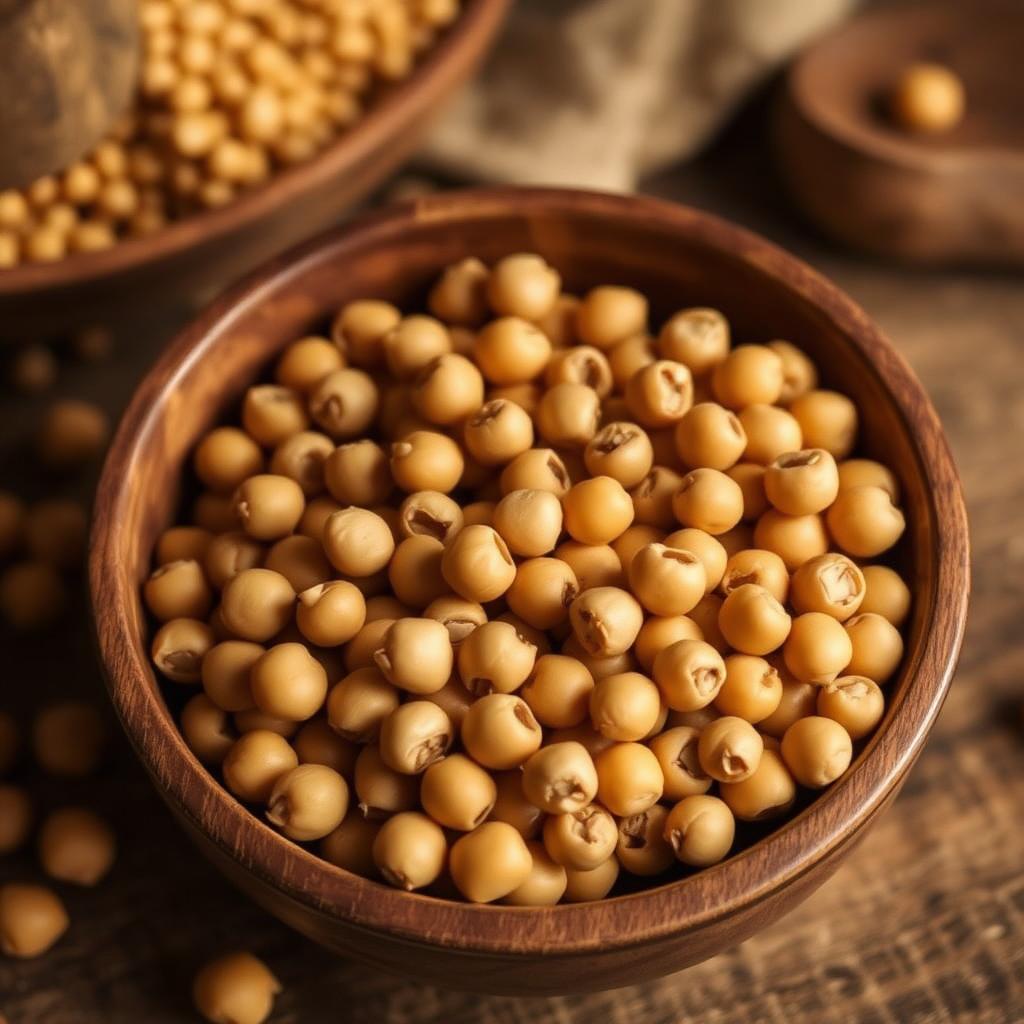
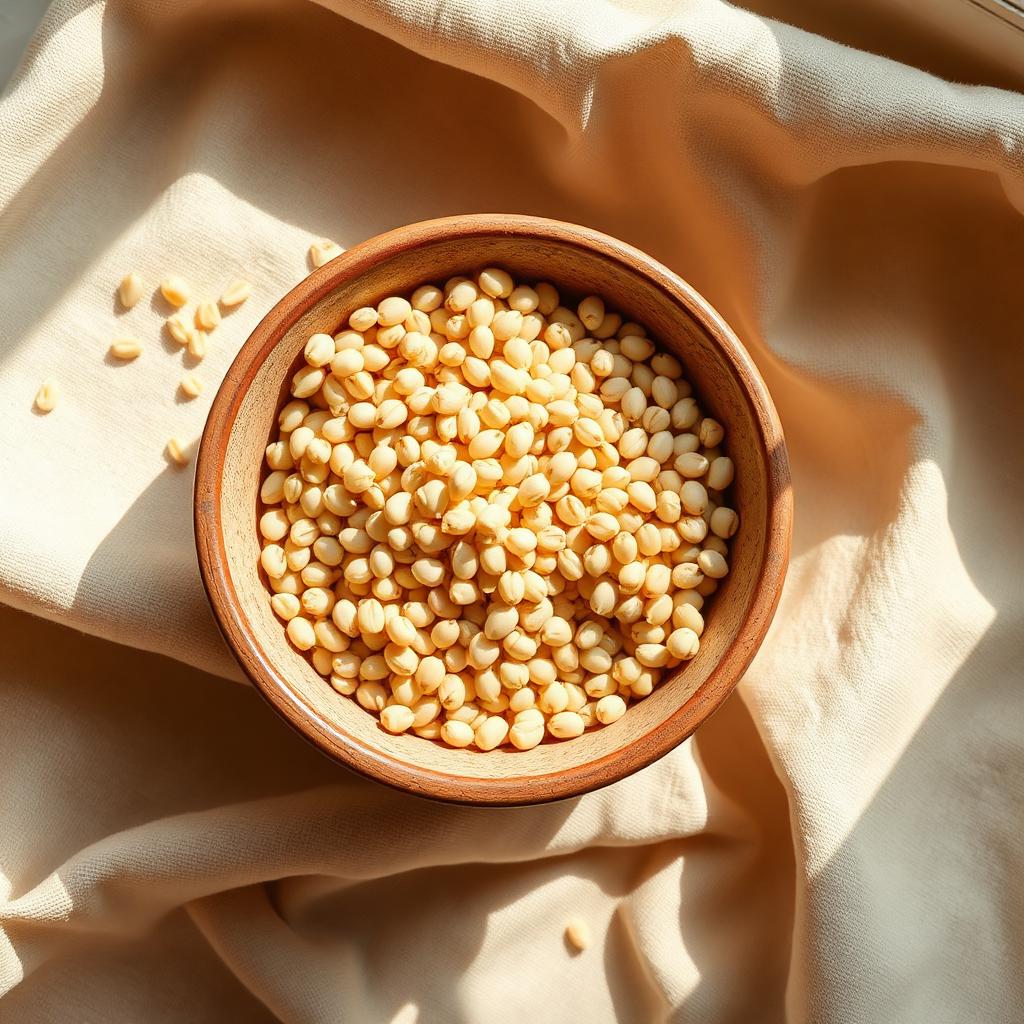
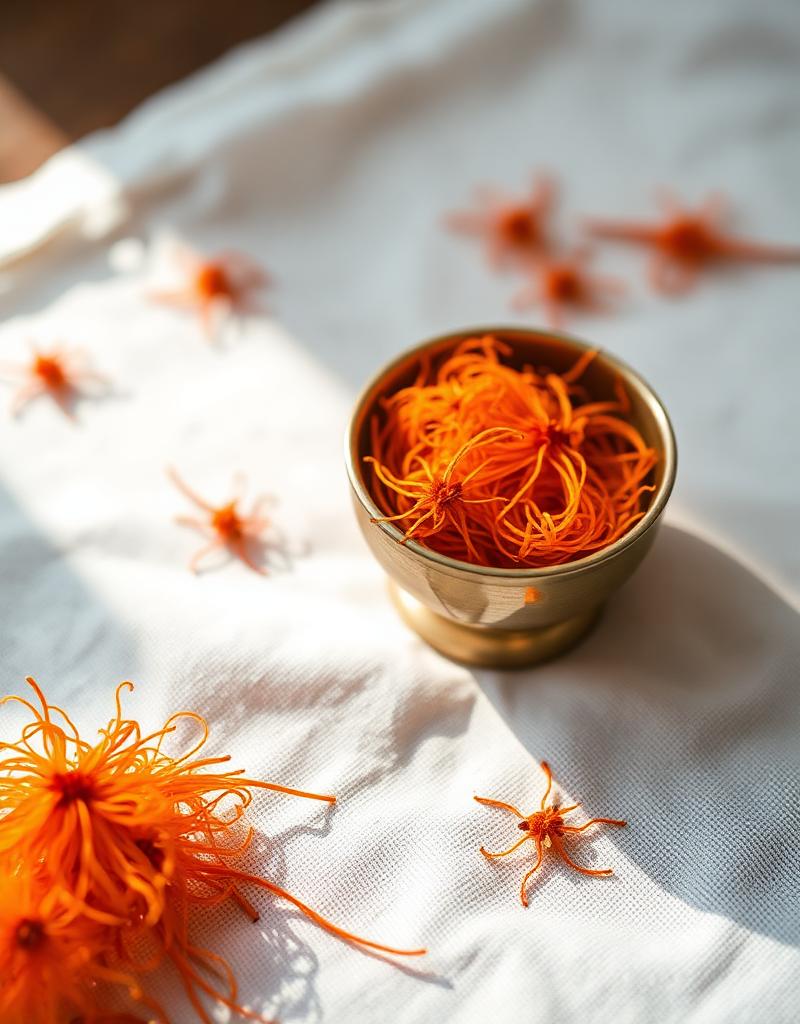
Foods classified as warming and strengthening dominate the traditional list: walnut, pistachio, date, honey, saffron, and the sesame paste ardeh. Persian formularies name them together often enough that the modern 'Mediterranean-style, nut-heavy' pattern is nearly a translation.
Excess — of food, of anger, of wakefulness — was treated as the principal threat to male health in these texts. The traditional counsel is moderation in six specific domains, which is more actionable than the modern generic version.
When to seek professional care
Signs that call for a clinician rather than self-care.
This guide is educational. It complements, but never replaces, care from a qualified healthcare professional.
- •Routine check: blood pressure, cholesterol, blood sugar, PSA per guidelines.
- •Snoring, gasping, daytime fatigue — ask about sleep apnea.
- •Low energy, libido changes, mood shifts — discuss hormone testing with your doctor.
Meditation & Mindfulness
Calm practices matched to this goal.
Steady breath and a quiet evening lower the chronic stress load that drives blood pressure, sleep loss, and irritability.
Before a hard conversation, between meetings, or any moment you feel scattered.
Begin practiceAfter a meal, between work blocks, or on any quiet walk.
Begin practiceMid-day, when stress has built up. Before opening the next email.
Begin practiceFrequently asked questions
Short answers to the questions readers ask most.
Do I need testosterone therapy?
Only if your levels are genuinely low and you have symptoms — and only under qualified medical care. Lifestyle changes often lift levels on their own first.
How much protein do I need?
Roughly 1.2–1.6 g per kg of body weight per day — especially if you're strength training or over 40.
Is intermittent fasting good for men?
A 12-hour overnight fast suits most men. Longer fasts have mixed evidence — your protein intake and strength training matter more.
Related guides
A few places to go next.
Build your personalized Men's Wellness plan
Your AI Hakim weaves your goals, your mizāj, and trusted guidance into a roadmap — not a single answer.
Ask Hakim about Men's Wellness