Arthritis & inflammation
Chronic heat and dryness in the joints — needs cooling, anti-inflammatory foods and gentle daily movement.
Traditional ritual
Daily turmeric-ginger tea with black pepper; walking 20 minutes after meals; sour-cherry compote in season.
Key takeaways
- Persian medicine groups joint pain under اوجاع المفاصل — cold, dry, or acrid humors settling in the joints.
- Warm sesame-oil massage (دلک) before a warm bath is the cornerstone of joint care.
- Nettle, rosemary, sage, and ash-leaf are the classical internal herbs.
- Daily walking is treated as more important than any single remedy.
- Walnut, olive oil, garlic, onion, and leafy greens are the recurring joint-supportive foods.
Traditional Persian perspective
Persian medicine (طب سنتی ایرانی) classifies chronic joint inflammation (التهاب مفاصل) under the broad pattern of اوجاع المفاصل — pains of the joints — and reads it as a settling of cold, dry, or acrid humors in the joint spaces, often with retained سودا (black bile) and weakened lubricating fluids. Avicenna in the Canon, and later Dr. Hossein Erfani in Sad Giah Hezar Darman (صد گیاه و هزار درمان), recommend a layered approach: warming, gently anti-inflammatory herbs taken internally; oil massages and warm compresses externally; daily movement to keep joint warmth circulating; and a steady reduction of cold, heavy, and acid-forming foods that aggravate joint humors.
Common contributing factors
- Long sedentary stretches that let cold humors settle in the joints
- Cold drafts on hips, knees, and lower back
- Refined sugar, ultra-processed foods, and excess red meat (acid-forming in classical Persian terms)
- Inadequate hydration and oil intake — joints lose their lubricating moisture
- Unresolved grief and worry (linked to سودا / black bile in Persian humoral theory)
- Carrying excess weight that loads weight-bearing joints
Supportive herbs
Foods that support balance
Traditional Persian Remedies
Household preparations drawn from Persian traditional medicine — recorded for educational and heritage value, not as medical advice.
- 1 tablespoon dried nettle leaf (برگ گزنه)
- 2 cups water
- Optional: pinch of dried rose petals
Bring the water to a boil, add the nettle, lower the heat and simmer 8–10 minutes. Strain into a warmed glass. Add rose petals at the end and cover for 2 minutes if using.
1 cup in the morning and 1 cup in the late afternoon, in courses of 3 weeks on and 1 week off. Erfani lists nettle among the foremost long-standing remedies for اوجاع المفاصل (joint pains) — mineral-dense, gently diuretic, traditionally said to clear acrid humors from the joints.
- 1/2 tsp dried rosemary (اکلیل کوهی)
- 1/2 tsp dried sage (مریمگلی)
- 1 cup just-boiled water
- Optional: 1 tsp raw honey once cool
Place the herbs in a small pot or covered cup, pour the just-boiled water over them, cover, and steep 8 minutes. Strain.
Take one cup in the morning during cold seasons or before a damp-weather walk. Warms cold-pattern joints and supports peripheral circulation.
- 1/2 cup cold-pressed sesame oil
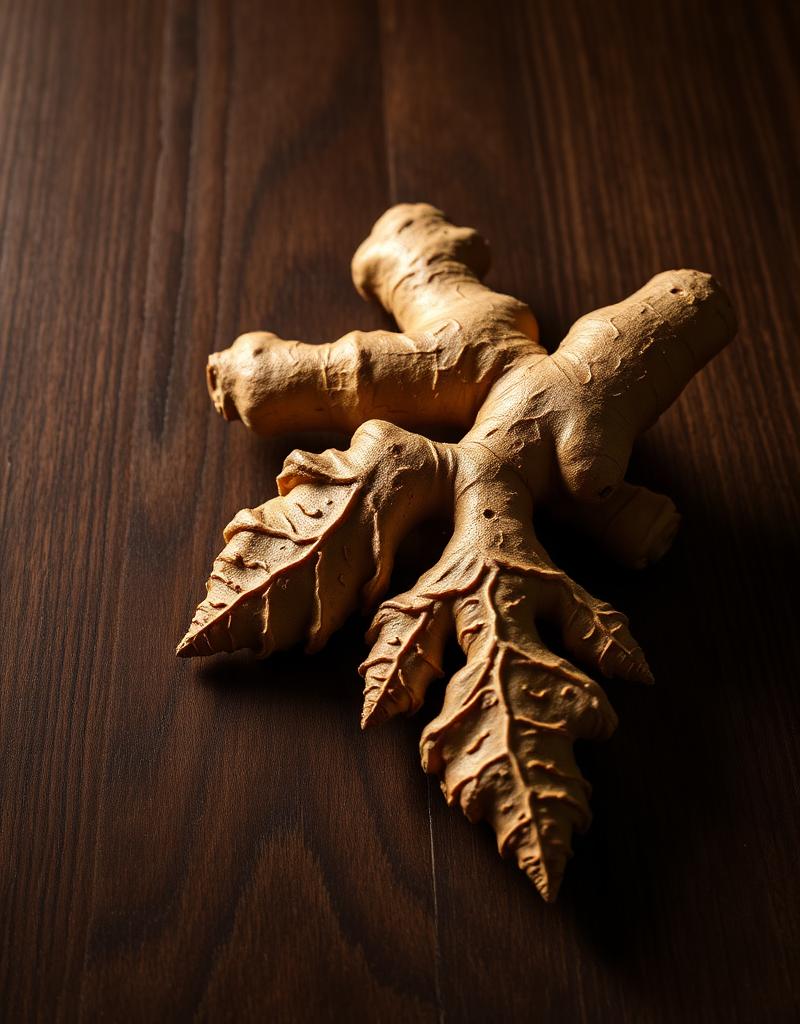
- 1 tbsp freshly grated ginger
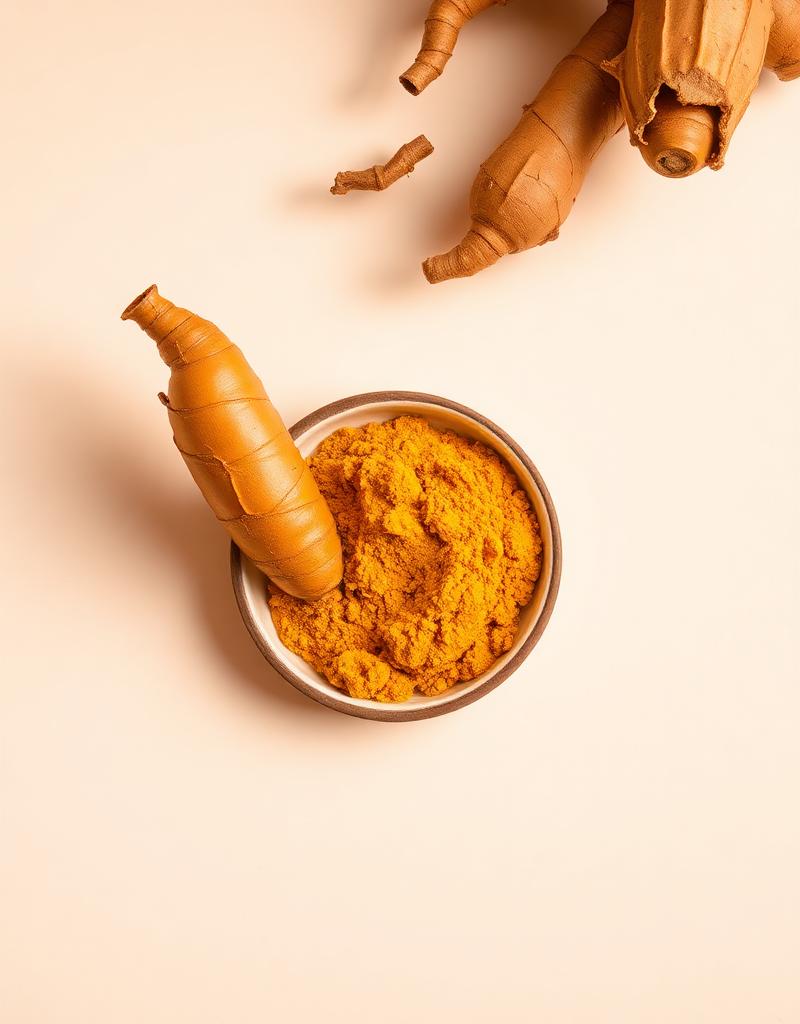
- 1/4 tsp turmeric
Warm the oil gently in a small pan (do not fry). Stir in the ginger and turmeric, remove from heat, cover and let infuse 30 minutes. Strain into a small glass jar.
Massage a small amount into stiff knees, hips or lower back before a warm bath, 2–3 evenings per week. Classical Persian دلک (warming friction) is the cornerstone of joint care in Erfani's text.
- A small handful of fresh mint leaves
- 1 tbsp dried rose petals
- 1 cup hot water
- A piece of clean muslin
Lightly bruise the mint and rose petals, pour the hot water over them and let stand 5 minutes. Wring the herbs into the muslin, fold, and apply warm — never hot — to the joint.
Apply for 15 minutes to a hot, swollen, tender joint. Cooling for acute heat, soothing for chronic ache. Repeat 1–2× daily during flares.
- 2 tbsp dried rosemary
- 1 cup coarse sea salt or Epsom salt
- 1 muslin bag
Tie the rosemary in the muslin bag. Run a warm (not hot) bath, dissolve the salt, and hang the bag under the running tap.
Soak 15–20 minutes 1–2 evenings per week. Warms cold joints, eases stiffness, and prepares the body for restorative sleep.
- 1 tbsp dried corn silk (کاکل ذرت)
- 2 cups water
Bring water to a boil, pour over the corn silk, cover, steep 10 minutes, strain.
1–2 cups daily during flare periods. Erfani recommends mild diuretics to clear retained fluids that aggravate joint pressure.
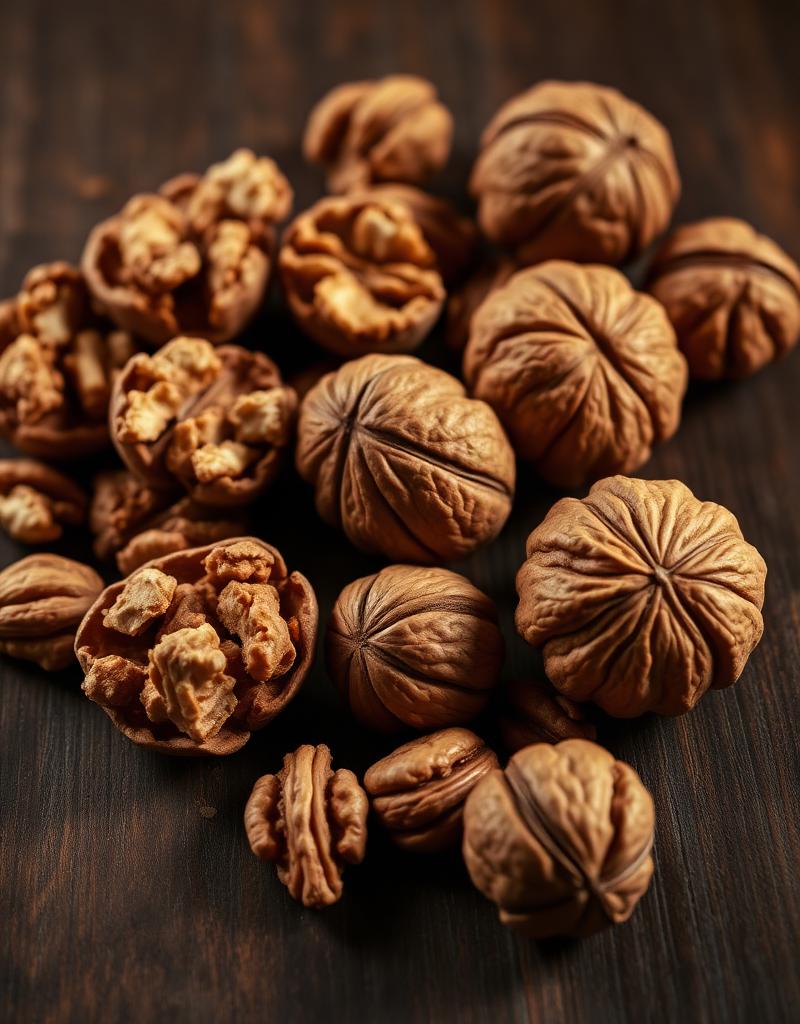
- 1 small handful of walnuts (گردو)
- 1 small clove fresh garlic (سیر), finely minced
- 1 tsp olive oil
- Pinch of dried herbs (parsley, dill, or tarragon)
Combine walnuts, garlic, oil and herbs into a small daily snack or sprinkle over warm rice.
Eat once daily through autumn and winter. The classical Persian انار-گردو-سیر trio supports joints, the heart and circulation together.
- 1 medium red onion (پیاز), thinly sliced
- 3 tbsp raw honey (عسل)
Layer onion and honey in a clean glass jar, cover loosely and let stand at room temperature overnight. The honey draws out a fragrant syrup. Strain.
1 teaspoon morning and evening during cold weeks. A household winter tonic — supports circulation, joints, and respiratory warmth.
- 1 cup warm whole milk (or oat milk)
- 3 saffron threads
- 1/2 tsp dried rose petals
- 1 tsp honey
Bloom the saffron in 1 tbsp warm water for 5 minutes. Warm the milk gently, add the saffron water, rose and honey, stir and strain.
1 small cup in the evening. Soothes the body after a stiff or active day; supports restful sleep, which is when joint tissue repairs.
- Handful of young nettle tops (briefly blanched)
- 1 small onion
- 1/4 cup chopped walnuts
- 1/4 cup lentils
- Pinch of turmeric, salt, olive oil
Sauté onion in olive oil, add turmeric, lentils, blanched nettle and 4 cups water. Simmer 30 minutes. Stir in walnuts at the end.
Eat warm at lunch 1–2× weekly in spring — a traditional Persian rural dish credited with easing rheumatic complaints across the year.
Lifestyle recommendations
- Walk 20 minutes after lunch and after dinner — gentle daily movement is the single most important joint medicine
- Warm sesame-oil self-massage on stiff joints 2–3 evenings per week, followed by a warm (not hot) bath
- Build meals around walnut, garlic, onion, celery, parsley, and dark leafy greens — Erfani's recurring joint-supportive foods
- Replace red meat 2–3 days per week with legumes, fish, and walnut-rich stews
- Keep the lower back and knees covered against cold drafts in autumn and winter
- Eat a small handful of walnuts daily — classical Persian انار-گردو combination supports joints and the heart together
Habits to ease back
- Ultra-processed foods
- Excess sugar and alcohol
- Long sedentary stretches
Prevention practices
- Build a lifelong walking habit — joints stay youngest in bodies that move daily
- Strength-train 2× weekly from middle age — muscle protects joints into old age
- Maintain a healthy weight; every extra kilo multiplies load on hips and knees
- Daily handful of walnuts + 1 tbsp olive oil — omega-3 and oleocanthal both ease joint inflammation
- Limit refined sugar and ultra-processed foods — both inflame joint tissue over years
- Keep stress, grief, and isolation in check — classical Persian medicine and modern research both link chronic stress to flares
Modern scientific understanding
Modern rheumatology confirms the value of daily movement, weight management, a Mediterranean-style diet, and omega-3-rich foods for most chronic joint conditions. Nettle, turmeric, ginger, and rosemary all have growing clinical evidence as mild anti-inflammatory supports.
Healthy aging connection
Joints stay youngest in bodies that keep moving. The Persian rhythm — gentle daily walking, oil massage, warm baths, and a plant-rich diet — is essentially the modern prescription for healthy musculoskeletal aging.
Frequently asked questions
›Is heat or cold better for arthritis?
Persian tradition favors warmth for chronic, cold, stiff joints and brief cooling for acutely hot, swollen ones. Modern practice agrees: heat for stiffness, ice for acute inflammation.
›Can diet really change joint pain?
For most people, yes — gradually. Reducing refined sugar and ultra-processed food while increasing walnuts, olive oil, leafy greens, and oily fish typically reduces flare frequency over a few months.
Further reading
Every reference page in the Living Library is written by our editorial team, cross-checked against classical Persian medical sources and peer-reviewed modern research, and reviewed on a rolling schedule. This is educational content — not a diagnosis or treatment plan. For symptoms that concern you, please consult a qualified clinician.
Continue your journey
I'm still learning about you, so these are gentle starting points near Arthritis & inflammation. As we talk more, my suggestions will become increasingly tailored.
A natural next step, chosen with your journey in mind.
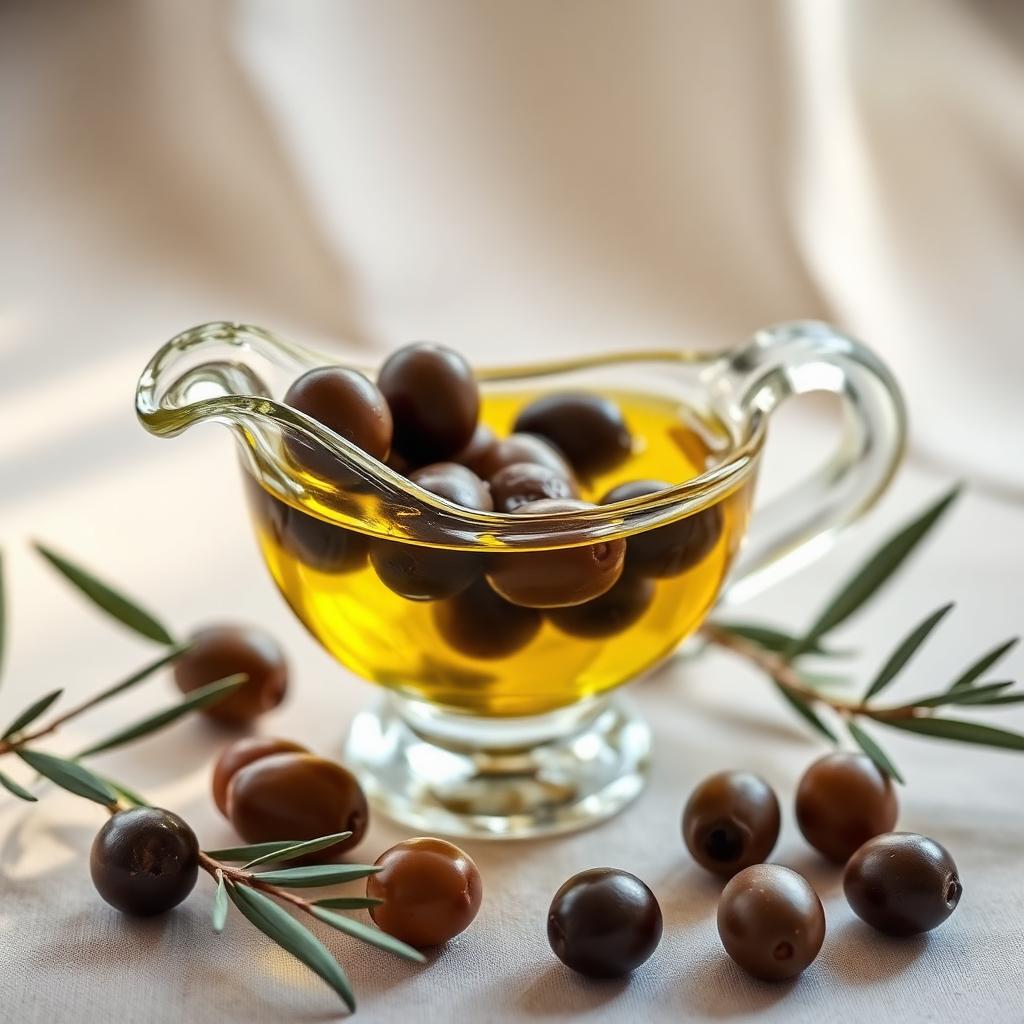
- FoodOlive Oilروغن زیتونLubricates joints, nourishes the heart.Related by season · The fat with the strongest cardiovascular trial evidence of any in the Persian or Mediterranean kitchen.
- HerbTurmericزردچوبهCleanses the liver, eases inflammation.Traditional use · Used as a wound and joint remedy long before curcumin was isolated; absorption still depends on fat and black pepper.
- HerbGingerزنجبیلKindles digestion, dispels cold.Traditional use · The traditional remedy for a cold, sluggish stomach — and the best-evidenced natural option for nausea.
- FoodWalnutsگردوOmega-3-rich brain food that supports heart and cognitive health.A place to start · One of the safest, most useful places to begin near Arthritis & inflammation.
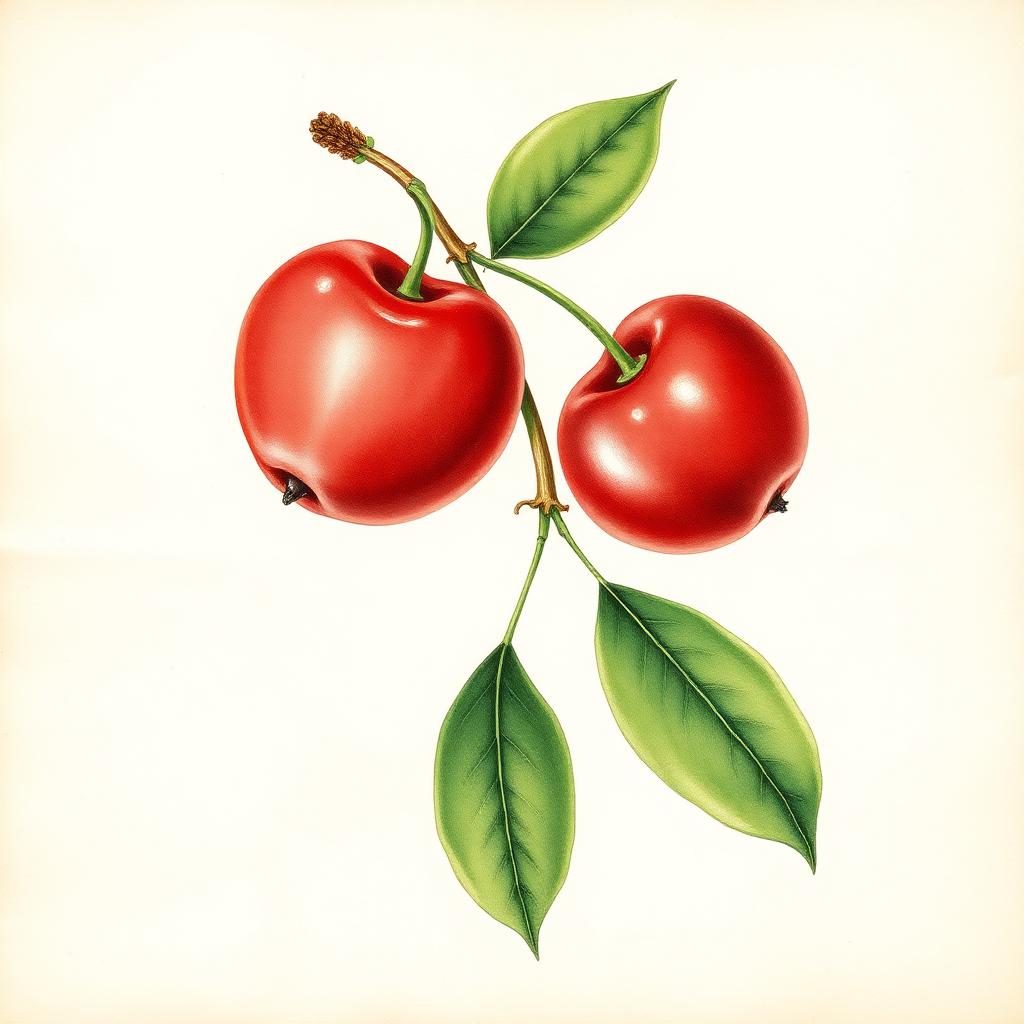
- FruitCherryگیلاسGilās — sweet summer fruit traditionally used to cool the blood and ease joint inflammation.A place to start · One of the safest, most useful places to begin near Arthritis & inflammation.
A few natural ways to bring Arthritis & inflammation into a conversation.