Low energy
Cold constitution — vital warmth needs to be kindled and nourished.
Traditional ritual
Begin the day with saffron-infused warm milk, dates, and a short walk in sunlight.
Traditional Persian perspective
Persian medicine reads persistent low energy (ضعف عمومی) as a slow depletion of vital warmth (qowwah) — the body's animating fire that powers digestion, circulation, and mental clarity. Avicenna distinguishes between two patterns: a cold-damp heaviness (phlegmatic exhaustion that comes from cold food, sluggish digestion, and too much sleep) and a hot-dry burnout (the depletion that follows prolonged stress, fever, or grief). The remedy depends on the pattern — warming, kindling foods for the first; cooling, moistening, nourishing foods for the second.
Common contributing factors
- Chronic short or fragmented sleep (the single biggest driver)
- Skipped breakfast and late, heavy dinners that reverse the body's natural energy curve
- Iron, B12, vitamin D, or magnesium deficiency
- Hidden chronic stress and adrenal depletion
- Cold, raw foods in winter for cold-pattern constitutions
- Over-reliance on caffeine that masks rather than replenishes
Supportive herbs
Foods that support balance
Traditional Persian Remedies
Household preparations drawn from Persian traditional medicine — recorded for educational and heritage value, not as medical advice.
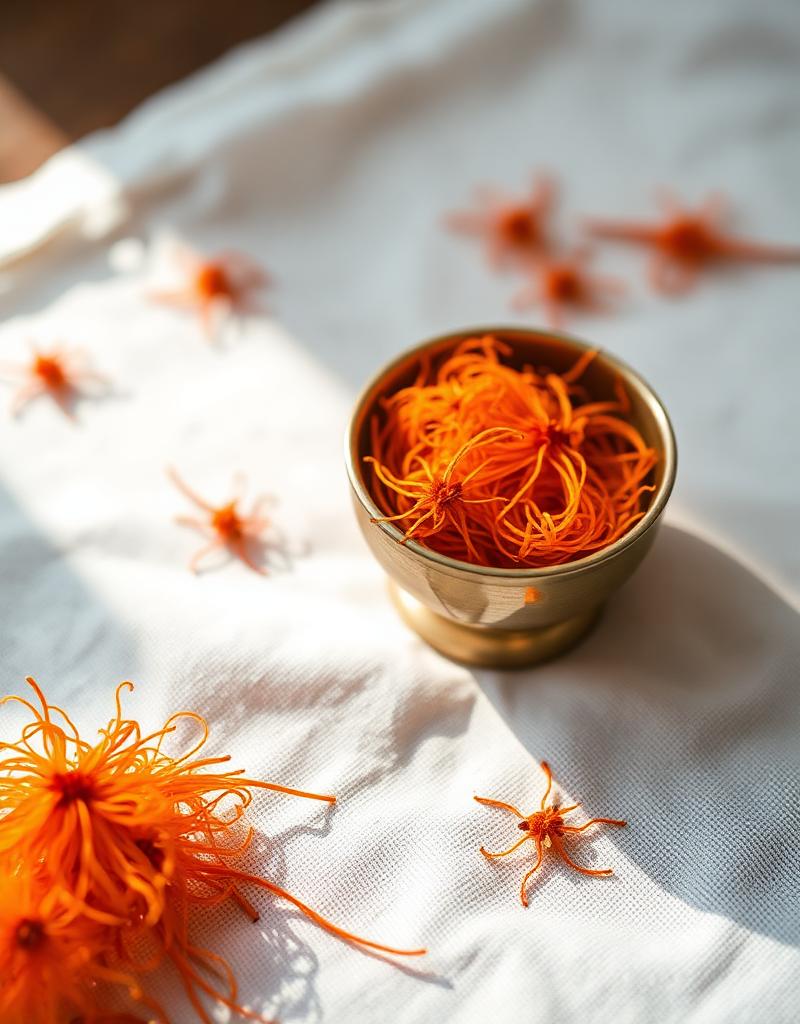
3 saffron threads + 2 crushed cardamom pods steeped 10 min — Avicenna's mufarriḥ (heart-gladdener) and gentle daily lifter.
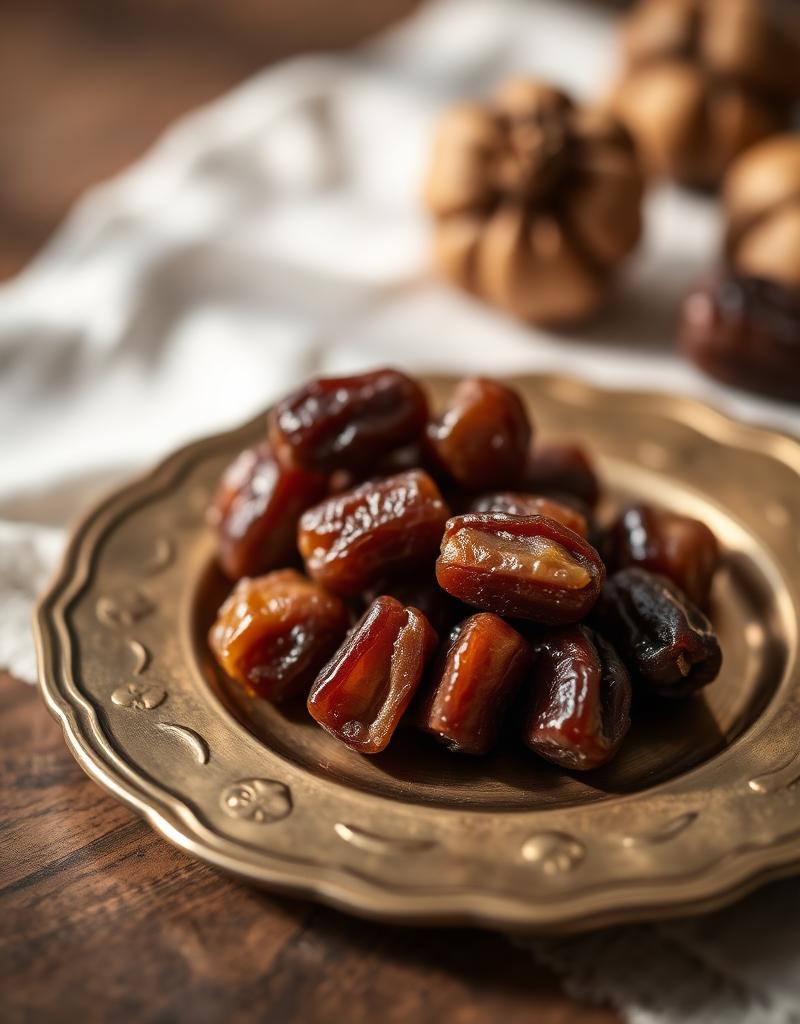
2 Medjool dates split, stuffed with a walnut half, drizzled with tahini — Persian endurance breakfast for slow-release energy.
1/2 tsp ground black seed in 1 tsp raw honey, daily on rising — classical Avicennan tonic for depleted constitutions.
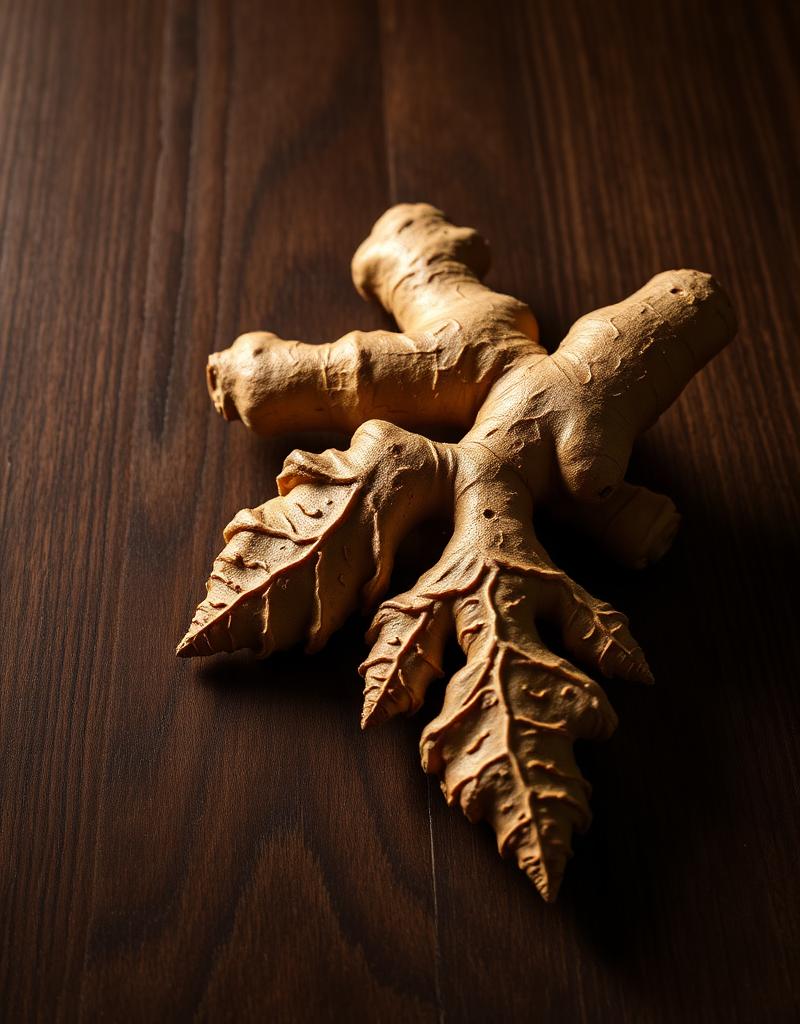
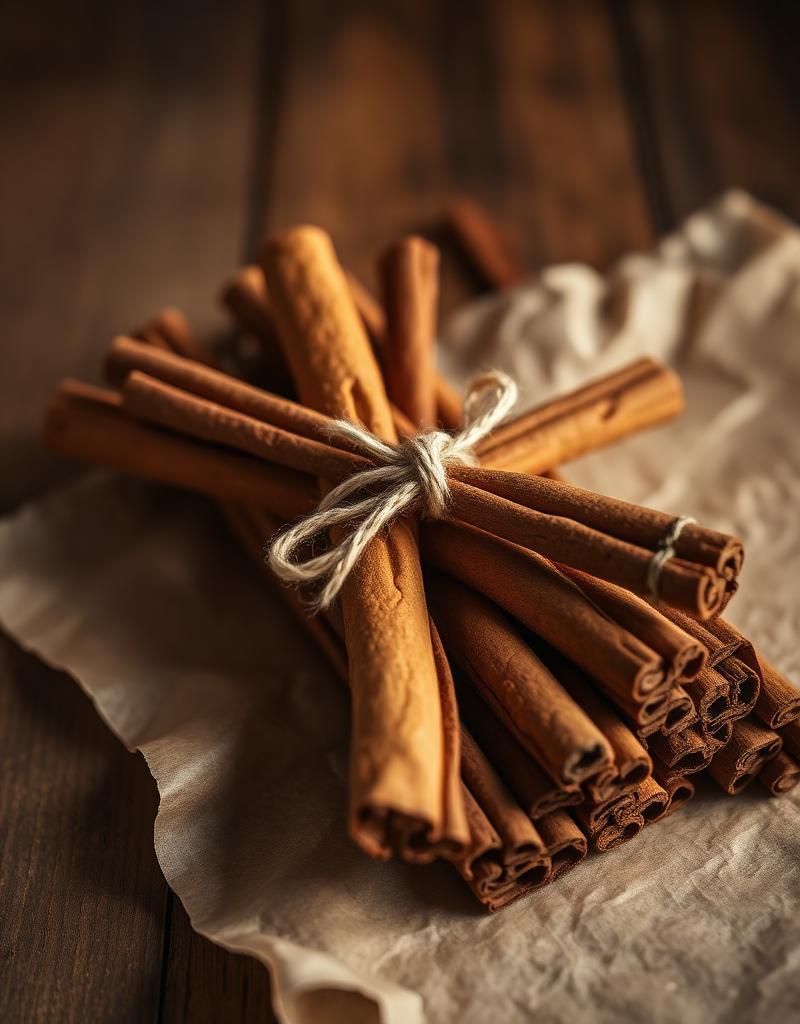
Fresh ginger slices + a cinnamon stick simmered 10 min — kindles cold-pattern morning sluggishness.
Lifestyle recommendations
- Protect a consistent 7–9 hour sleep window — same time nightly
- Eat a real breakfast within an hour of waking; never skip it
- Get 10–20 minutes of direct morning sunlight on the face
- Walk briskly for 20 minutes daily — gentle exertion builds energy, sedentary days drain it
- Make the midday meal the largest; keep dinner small and 3+ hours before bed
- Take a quiet 15–20 minute rest after lunch (the Persian چرت) instead of an afternoon coffee
Habits to ease back
- Skipping breakfast
- Cold raw foods in the morning
- Overexertion without rest
Prevention practices
- Annual labs: iron/ferritin, B12, vitamin D, thyroid (TSH), HbA1c (average blood sugar over about three months) — most fatigue has a measurable root
- Strength train 2× weekly — muscle is the body's energy reservoir into old age
- Limit caffeine to mornings only; switch to herbal teas after noon
- Build a weekly social ritual — connection is a documented energy multiplier
- Replace one daily refined-carb meal with whole grains, legumes, and good fats
- Treat sleep, sunlight, and movement as the three non-negotiable pillars
Further reading
Every reference page in the Living Library is written by our editorial team, cross-checked against classical Persian medical sources and peer-reviewed modern research, and reviewed on a rolling schedule. This is educational content — not a diagnosis or treatment plan. For symptoms that concern you, please consult a qualified clinician.
Continue your journey
I'm still learning about you, so these are gentle starting points near Low energy. As we talk more, my suggestions will become increasingly tailored.
A natural next step, chosen with your journey in mind.
- HerbSaffronزعفرانUplifts mood, supports the heart.Related by season · Three stigmas a day is the traditional Persian dose, and it is one of the few Persian herbs with repeated human trials for low mood.
- HerbCinnamonدارچینWarms circulation, balances sweetness.Related by season · Classified as strongly warming in Persian medicine, cinnamon has modern trial evidence for modest fasting-glucose improvement.
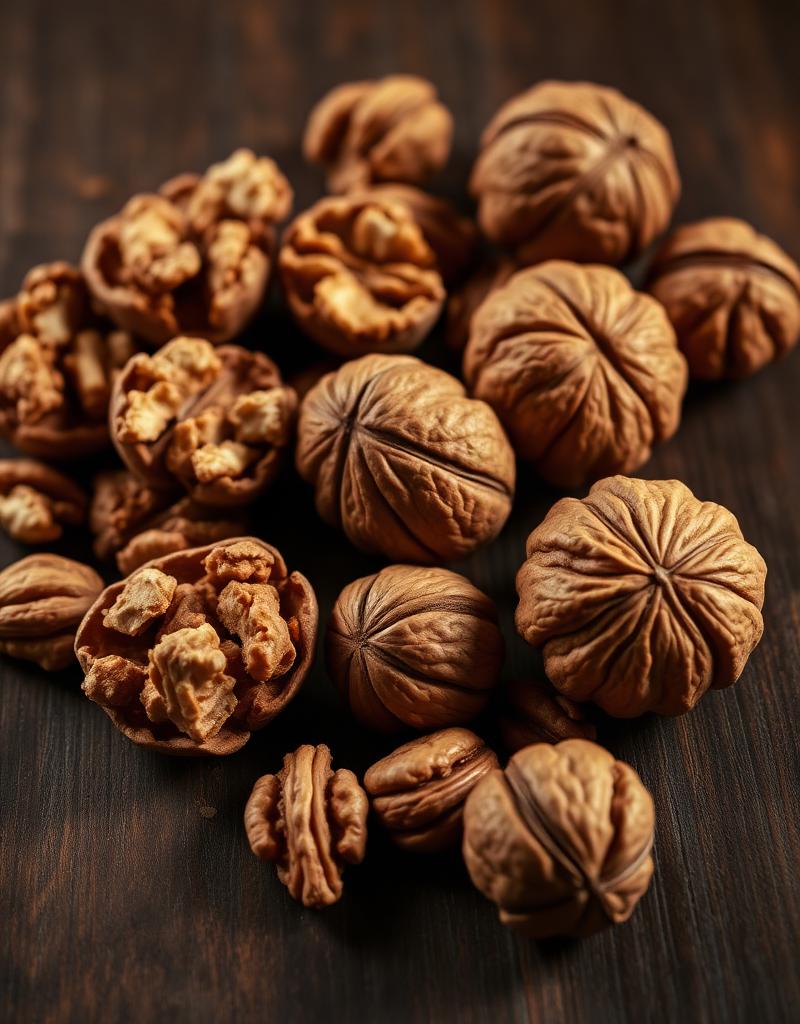
- FoodWalnutsگردوOmega-3-rich brain food that supports heart and cognitive health.A place to start · One of the safest, most useful places to begin near Low energy.
- FruitDatesخرماRestores vitality, nourishes nerves.Traditional use · Persian tradition breaks a fast with dates for a reason — fast sugars with fibre and potassium attached.
A few natural ways to bring Low energy into a conversation.