Insomnia
Excess warmth or dryness rising — the mind cannot settle.
Traditional ritual
Warm milk with cardamom and a single date; ten slow breaths in candlelight.
Key takeaways
- Persian medicine sees sleep as warmth descending from the head into the belly — insomnia means that warmth is stuck rising.
- Cooling, fragrant evening teas (linden, lemon balm, rose, violet, borage) are the classical Persian sleep aid.
- A light, early dinner is treated as more important than any herb — digestion must finish before sleep can begin.
- Warm feet, a quiet room, and a settled mind are the three Persian preconditions for deep sleep.
- Caffeine, late screens, and unresolved worry are the most common modern aggravators.
Traditional Persian perspective
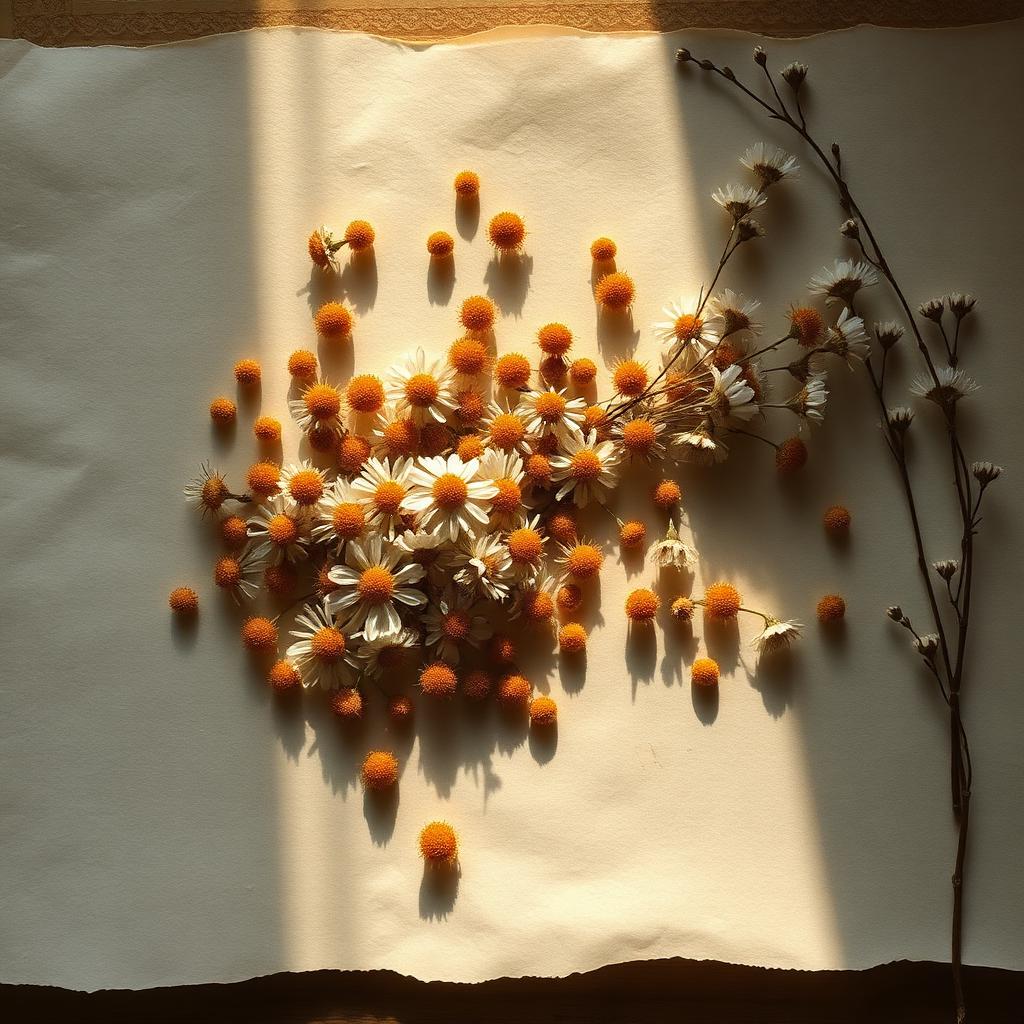
Classical Persian medicine sees sleep (خواب) as the descent of vital warmth and spirit (روح) from the head down into the digestive organs. Insomnia (بیخوابی) signals that warmth and vapors are stuck rising — usually from dry-hot disturbance of the brain, undigested food in the stomach, or unresolved emotional heat (انفعالات نفسانی). Avicenna and Erfani's Sad Giah Hezar Darman both prescribe cooling, moistening, fragrant evening rituals — linden, lemon balm, rose, violet, chamomile, borage, hawthorn — to draw the spirit gently downward and quiet the nervous fire.
Common contributing factors
- Caffeine within 8 hours of bed
- Bright screens and overhead light after sundown
- Heavy, spicy, or late dinners that keep digestion working past midnight
- Suppressed worry and unfinished mental loops
- Cold feet with a warm, busy head — the classical Persian sign of reversed vital warmth
- Irregular sleep and wake times that confuse the body's internal clock
Supportive herbs
Foods that support balance
Traditional Persian Remedies
Household preparations drawn from Persian traditional medicine — recorded for educational and heritage value, not as medical advice.
- 1 tsp dried linden flowers (گل زیرفون)
- 1 cup just-boiled water
- Optional: small piece of نبات (rock sugar)
Place the linden in a cup, pour the just-boiled water over it, cover, and steep 8 minutes. Strain.
Sip slowly 30–60 minutes before bed. Erfani's classical نرمکننده عصب — nerve-softening flower — gentle enough for nightly use.
- 1 tsp dried lemon balm (بادرنجبویه)
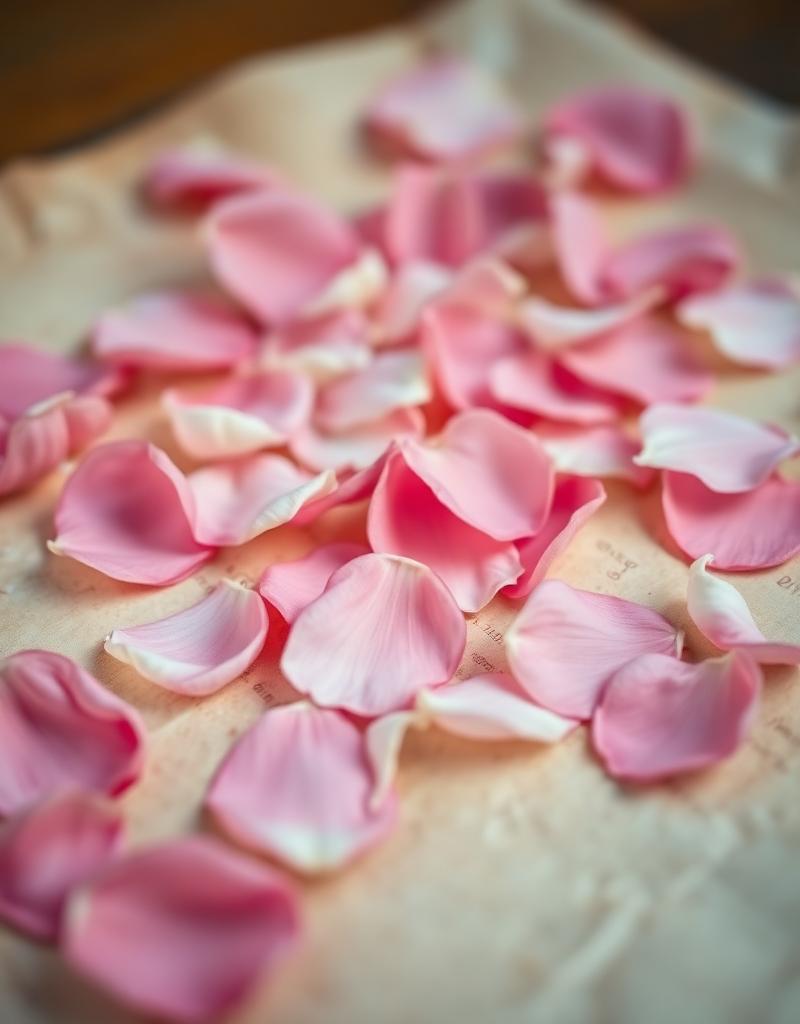
- 1 tsp dried rose petals (گل سرخ)
- 1 cup just-boiled water
Cover with the just-boiled water and steep 8 minutes. Strain.
Sip after dinner. The Persian مفرّح / heart-gladdener pairing — eases the racing mind and softens the chest before sleep.
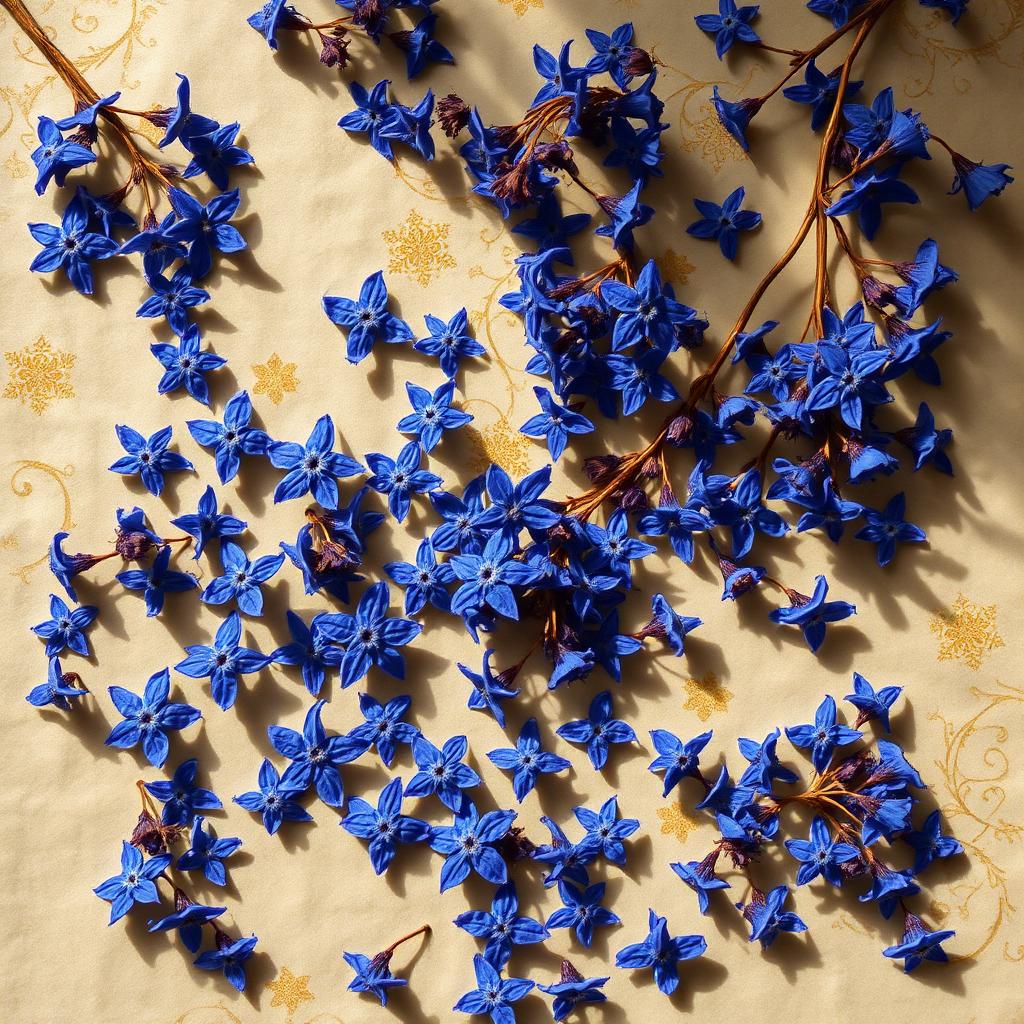
- 1 tsp violet flowers (بنفشه)
- 1 tsp borage (گل گاوزبان)
- 1 cup just-boiled water
- Small piece of نبات
Cover with just-boiled water, steep 10 minutes, strain.
Take 45 minutes before bed when the mind is overheated, dry or restless. Cools and moistens; a classical Persian shallow-sleep remedy.
- 1/2 cup dried chamomile flowers (بابونه)
- 1/4 cup dried rose petals (گل سرخ)
- 1 small muslin sachet
Mix the flowers and fill the sachet. Tie closed and tuck it inside the pillowcase.
Renew every 2–3 weeks. A Persian household practice for restless sleep — the fragrance carries the same cooling action as the tea.
- 1 tsp dried hawthorn berries (زالزالک)
- 1 tsp dried rose petals
- 2 cups water
Simmer the hawthorn 8 minutes, remove from heat, add the rose, cover and steep another 4 minutes. Strain.
Take one warm cup in the evening when insomnia comes with palpitations or chest tightness. Calms the heart and the mind together.
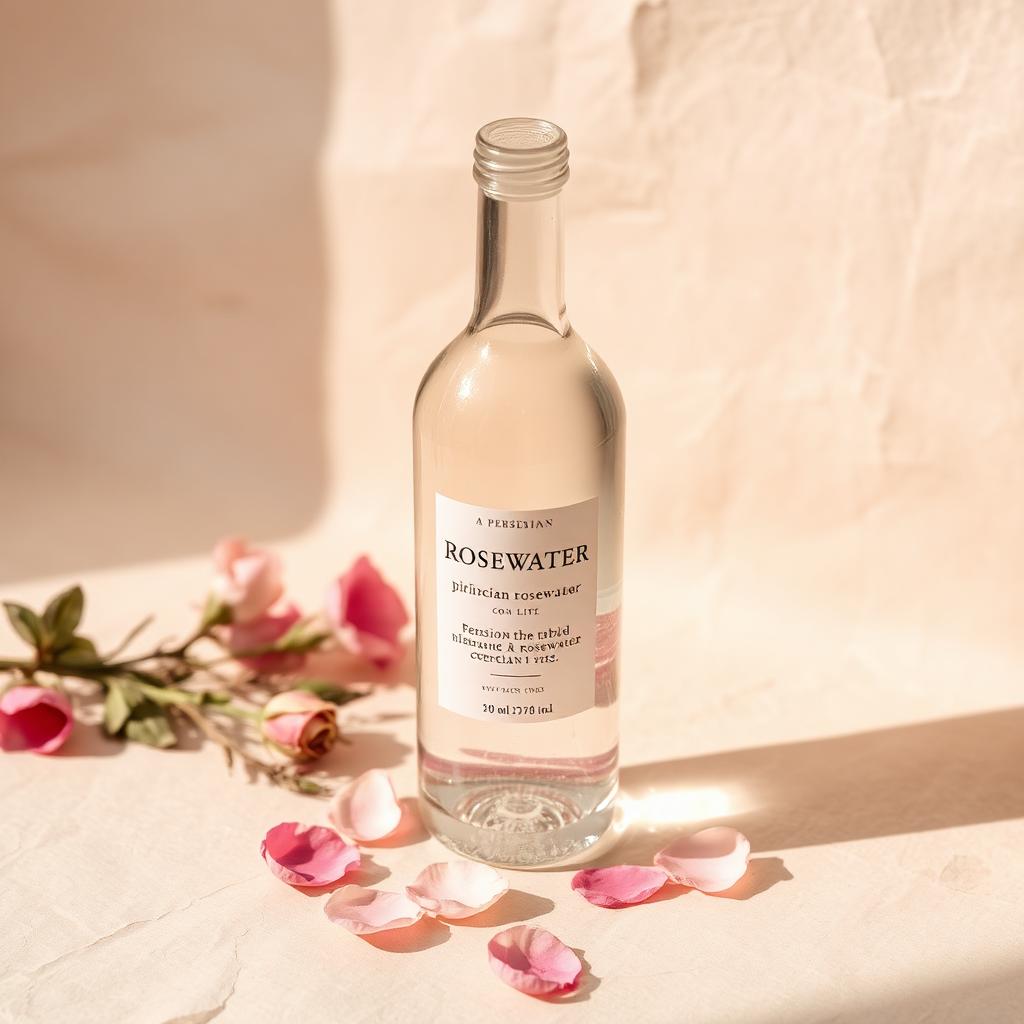
- 2 tbsp pure rosewater (گلاب)
- 1/2 cup cool water
- A soft clean cloth
Combine the rosewater and water in a small bowl. Soak the cloth, wring out, fold.
Lie back, place the cool cloth on the forehead and eyes, breathe slowly for 5 minutes. A classical Persian way to draw heat down from the head.
- A basin of warm water (deep enough to cover the ankles)
- 2 tbsp coarse salt
Dissolve the salt in the warm water in a wide basin.
Soak the feet for 15–20 minutes 30 minutes before bed. Persian tradition holds that drawing warmth into the feet eases the upward stuck heat that keeps the mind awake.
- 1 cup warm whole or oat milk
- 2 saffron threads
- 1 crushed cardamom pod
- 1 tsp honey
Bloom saffron in 1 tbsp warm water for 5 minutes. Warm the milk gently with the cardamom, add the saffron water and honey, strain.
Sip 30 minutes before bed when hunger or restlessness disturbs sleep. Light enough not to burden digestion.
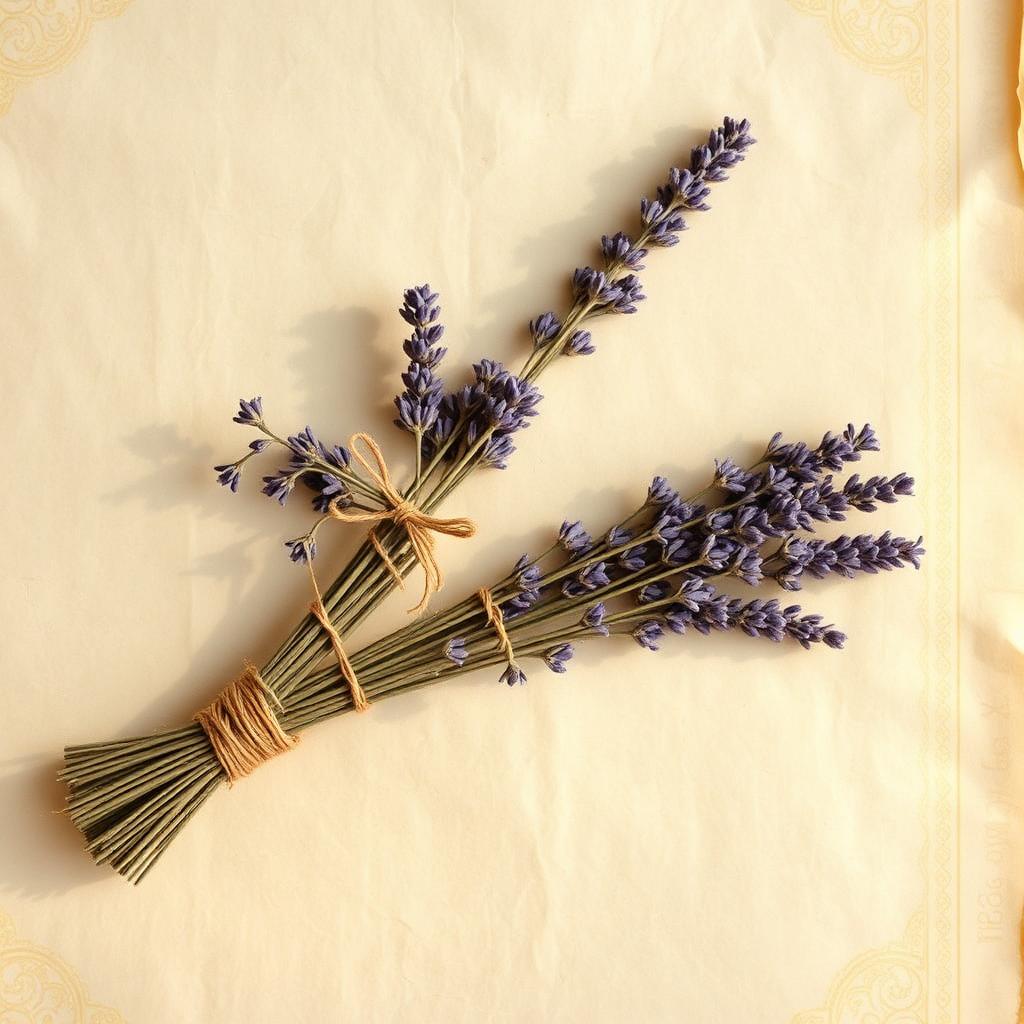
- Pure lavender essential oil
- A small linen or cotton pillowcase corner
Drop 2 drops of lavender oil onto the corner of the pillowcase furthest from the face.
Use nightly during sleepless stretches. Avicennan tradition uses lavender (اسطوخودوس) for melancholic and anxious wakefulness.
- 6–8 dried jujubes (عناب)
- 2 cups water
- Optional: pinch of saffron
Simmer the jujubes gently 15 minutes in the water until soft. Strain.
1 small cup in the evening through autumn and winter. Traditional Persian sleep-friendly fruit, said to nourish the blood and calm the heart.
Lifestyle recommendations
- Dim all lights one hour before bed; switch to candle or warm low light
- Warm foot soak with salt 20 min before sleep — pulls warmth down from the head
- Keep the bedroom slightly cool and the feet warm under blankets
- Journal one worry and one gratitude before lying down
- Aromatic evening ritual — rose, linden, or chamomile — every night, consistency matters more than the herb
- Stop eating 3 hours before bed; if hungry, a small saffron-milk cup only
Habits to ease back
- Caffeine after 2 PM
- Heavy spiced meals at night
- Bright screens past sundown
Prevention practices
- Wake and sleep at the same time, even on weekends
- Get morning sunlight on the face within 30 min of waking — anchors the body's clock
- Reserve the bed for sleep only — no work, no scrolling
- Limit caffeine to morning hours; switch to herbal teas after noon
- Address chronic worry through a daily wind-down ritual — Persian tradition treats evening calm as medicine
- Keep linden, lemon balm, rose, and chamomile always in the cupboard for the first restless night
Modern scientific understanding
Modern sleep research aligns closely with the Persian view: a cool, dark room, a consistent sleep–wake schedule, light evening meals, and reduced caffeine after midday all measurably improve sleep depth. Several herbs traditionally used in Persia — lemon balm, chamomile, valerian-family relatives, and lavender — have small but consistent clinical evidence for shortening time to fall asleep and improving subjective sleep quality. None are sedatives in the pharmaceutical sense; they support the body's own settling process.
Healthy aging connection
Deep, regular sleep is one of the strongest predictors of healthy aging. Persian tradition treats nightly sleep as the body's daily repair workshop — skin, joints, memory, and mood are all rebuilt during the night. Protecting sleep from the forties onward is one of the simplest, highest-leverage daily habits for vitality into the eighties.
Hakim's perspective
When sleep runs, do not chase it. Persian tradition teaches that the mind quiets when the body warms below and cools above — a warm foot soak, a small cup of linden, a hand on the chest, one slow breath. Give the same room, the same tea, and the same hour every night for two weeks before you judge whether it is working. Sleep is a returning guest; it comes back to familiar rooms.
Evidence strength
CBT-I has strong evidence for chronic insomnia. Saffron (30 mg/day), lemon balm, and chamomile have consistent smaller RCTs showing modest improvements in sleep latency and quality. Sleep hygiene and light exposure changes have decades of behavioural-medicine support.
Safety by life stage
Pregnancy & breastfeeding
Linden, chamomile, and rose in normal tea amounts are considered safe in pregnancy. Avoid supplement-dose saffron (>100 mg/day) and any concentrated valerian extract in pregnancy — both are traditionally avoided in the first trimester. Sleep changes in pregnancy are common; talk to your midwife or obstetrician before adding anything herbal beyond mild tea.
Children
For children, focus on the ritual — dim lights, warm bath, story, consistent bedtime — before reaching for herbs. Chamomile and linden tea (weakly brewed, small cup) are safe from around age 2. Avoid saffron supplements and valerian in children unless directed by a paediatrician.
Elderly
Sleep architecture naturally shifts with age; earlier bedtime and earlier waking are normal, not insomnia. Focus on morning daylight, daily walking, and a stable evening ritual. Coordinate herbs with a clinician if on multiple prescriptions — polypharmacy raises the chance of subtle interactions with sedative herbs.
Drug interactions
- Sedatives, benzodiazepines, Z-drugs (zolpidem, eszopiclone)moderate
Additive sedation is possible with lemon balm, chamomile, saffron, and valerian — reduce alcohol and coordinate with your prescriber before layering.
- Antidepressants (SSRIs, especially at high dose)moderate
Saffron has serotonergic activity; watch for additive effects at supplement doses. Culinary use is unaffected.
- Anticoagulants (warfarin, DOACs)low
Chamomile contains coumarin-like compounds; high daily intake alongside anticoagulants warrants clinician awareness.
- Anaesthesia (planned surgery)moderate
Pause supplement-dose herbal sedatives at least two weeks before elective surgery.
When to see a clinician
- Loud snoring with witnessed pauses in breathing (possible sleep apnoea)
- Morning headaches, unrefreshing sleep despite adequate hours
- Insomnia lasting more than three weeks without a clear trigger
- Insomnia with worsening low mood, hopelessness, or thoughts of self-harm
- Sudden onset insomnia with palpitations, weight loss, or heat intolerance (possible thyroid pattern)
Sources & citations
- · Ibn Sīnā (Avicenna) — Al-Qānūn fī al-Ṭibb, Book III on disorders of the brain and sleep
- · Ismāʿīl Jurjānī — Ẕakhīrah-yi Khwārazmshāhī, on cooling evening rituals
- · Hakīm Muʾmen Tonekābonī — Tuḥfat al-Muʾminīn, on linden, lemon balm, and rose for the restless heart
- · Dr. Hossein Erfani — Sad Giah Hezar Darman (صد گیاه و هزار درمان), chapters on nervous herbs
Cognitive-behavioural therapy for insomnia (CBT-I) is recommended as first-line treatment for chronic insomnia in adults, ahead of hypnotic medication.
Qaseem et al., American College of Physicians Clinical Practice Guideline, Annals of Internal Medicine, 2016 — PubMed 27136449 ↗Saffron (Crocus sativus) 30 mg/day for 6 weeks improved sleep quality on the Pittsburgh Sleep Quality Index in adults with insomnia versus placebo.
Lopresti et al., Journal of Clinical Sleep Medicine, 2020 — PubMed 32475724 ↗Melissa officinalis (lemon balm) reduced anxiety and sleep disturbance in a randomised trial of adults with mild-to-moderate anxiety and sleep disorders.
Cases et al., Mediterranean Journal of Nutrition and Metabolism, 2011 — PubMed 22207903 ↗Chamomile extract (270 mg twice daily) modestly improved sleep quality in older adults with insomnia in a randomised trial.
Adib-Hajbaghery & Mousavi, Complementary Therapies in Medicine, 2017 — PubMed 29154054 ↗
- · ACP 2016 Clinical Practice Guideline on chronic insomnia (CBT-I as first-line)
- · Lopresti 2020 randomised trial of saffron 30 mg/day for sleep quality
- · Cases 2011 randomised trial of lemon balm on anxiety and sleep
- · Adib-Hajbaghery 2017 randomised trial of chamomile in older adults
- · Cochrane and AASM position statements on sleep hygiene
Ask Hakim
Last updated 2026-06-21
Frequently asked questions
›What does Persian medicine say is the root cause of insomnia?
Most often a hot, dry disturbance of the head combined with undigested food in the stomach or unresolved emotional heat. The classical remedy is to cool and moisten the head while keeping the digestion light.
›Which Persian tea is best for sleep?
Linden flower (زیرفون) is the most widely used single herb. A blend of lemon balm and rose petals is the next most common. Both are drunk 30–60 minutes before bed, lightly sweetened with نبات (rock sugar) if desired.
›Is it safe to drink an herbal sleep tea every night?
Linden, lemon balm, chamomile, and rose are gentle enough for nightly use in tradition. Stronger herbs (valerian-family) are usually reserved for shorter courses. If you take prescription medication, especially sedatives or blood thinners, check with your clinician first.
Further reading
Every reference page in the Living Library is written by our editorial team, cross-checked against classical Persian medical sources and peer-reviewed modern research, and reviewed on a rolling schedule. This is educational content — not a diagnosis or treatment plan. For symptoms that concern you, please consult a qualified clinician.
Continue your journey
I'm still learning about you, so these are gentle starting points near Insomnia. As we talk more, my suggestions will become increasingly tailored.
A natural next step, chosen with your journey in mind.
- HerbChamomileبابونهQuiets the nerves, draws out tension, invites deep sleep.Traditional use · A gentle evening herb: mildly sedating, and traditionally used to loosen a nervous stomach at the same time.
- HerbLavenderاسطوخودوسLifts melancholy, quiets the mind, eases headaches.Traditional use · Inhaled lavender has small but consistent trials for anxiety before stressful events.
- FoodRosewaterگلابCalms the heart, perfumes desserts, a Persian household essence.Traditional use · Distilled rose is the everyday Persian kitchen medicine: a spoon in tea or milk to settle the stomach and soften a warm temperament.
A few natural ways to bring Insomnia into a conversation.
- The everyday preparation is damkardeh: one to two teaspoons of dried flowers per cup, covered for eight to ten minutes.
- A stronger infusion has three other uses. Soak a cloth in it as a warm compress for skin or eyes. Add it to warm water as a sitz or herbal bath for cramps. Or breathe it as a steam inhalation for sinus tension and head colds.
- Bath — strong infusion added to warm water for nervous tension
- Damkardeh (steeped tea) — 1 tsp dried petals per cup, kept covered for 5–8 min