Anxiety & racing mind
Dry-hot disturbance — the heart needs cooling moisture.
Traditional ritual
A cup of borage tea with rosewater at dusk; place a hand over your chest as you sip.
Key takeaways
- Persian medicine reads chronic anxiety (اضطراب) as restless vital spirit (روح) with too much heat in the heart and head.
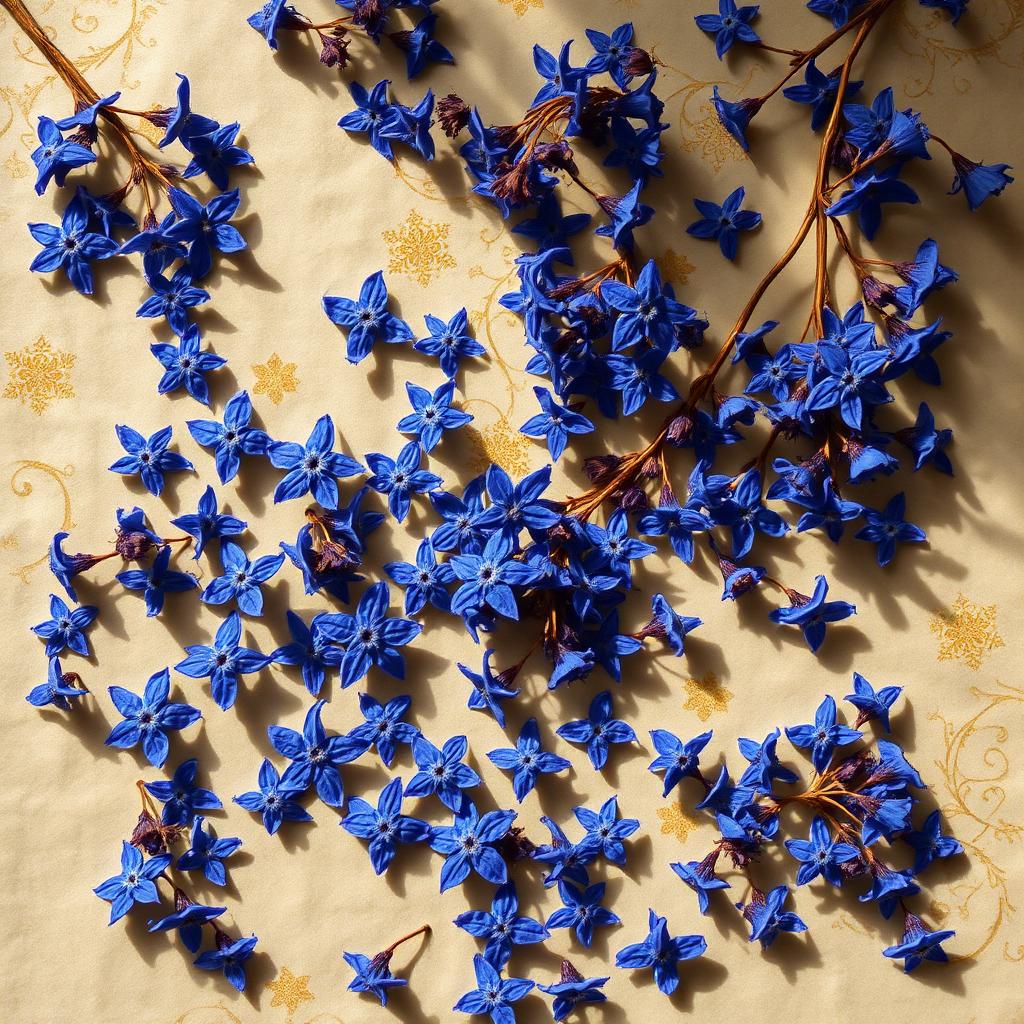
- Borage (گل گاوزبان) is the single most-used Persian herb for the anxious heart — drunk daily as a warm cordial.
- A regular meal rhythm, warm feet, and being outdoors at dawn are classical anti-anxiety habits.
- Suppressed grief and loneliness are taken seriously as physical causes, not only emotional ones.
- Modern research on borage, rose, lemon balm, and lavender supports their traditional calming reputation.
Traditional Persian perspective
Persian medicine reads anxiety and nervous tension (اضطراب و تشویش) as a dry-hot disturbance of the heart and brain — the vital spirit (روح حیوانی) burning too fast, often with sympathetic disturbance of the digestion. Avicenna and Erfani both place the cure in cooling moisture for the heart and gentle warming for the gut: rose, lemon balm, linden, borage, violet, hawthorn, and chamomile are the recurring مفرّحات — heart-gladdeners — used to soften the chest, slow the breath, and bring the spirit back to rest. Persian tradition explicitly links anxiety to disturbed digestion: a calm gut and a calm heart are inseparable.
Common contributing factors
- Excess caffeine, especially on an empty stomach
- Skipped meals and erratic blood sugar
- Chronic sleep debt that thins emotional resilience
- Suppressed grief or unspoken worry (the classical سودا pattern)
- Overhead news and screen exposure late at night
- Sedentary days without sunlight or movement
- Cold, raw, gas-forming foods that disturb digestion and feed nervous unrest
Supportive herbs
Foods that support balance
Traditional Persian Remedies
Household preparations drawn from Persian traditional medicine — recorded for educational and heritage value, not as medical advice.
- 1 tsp borage (گل گاوزبان)
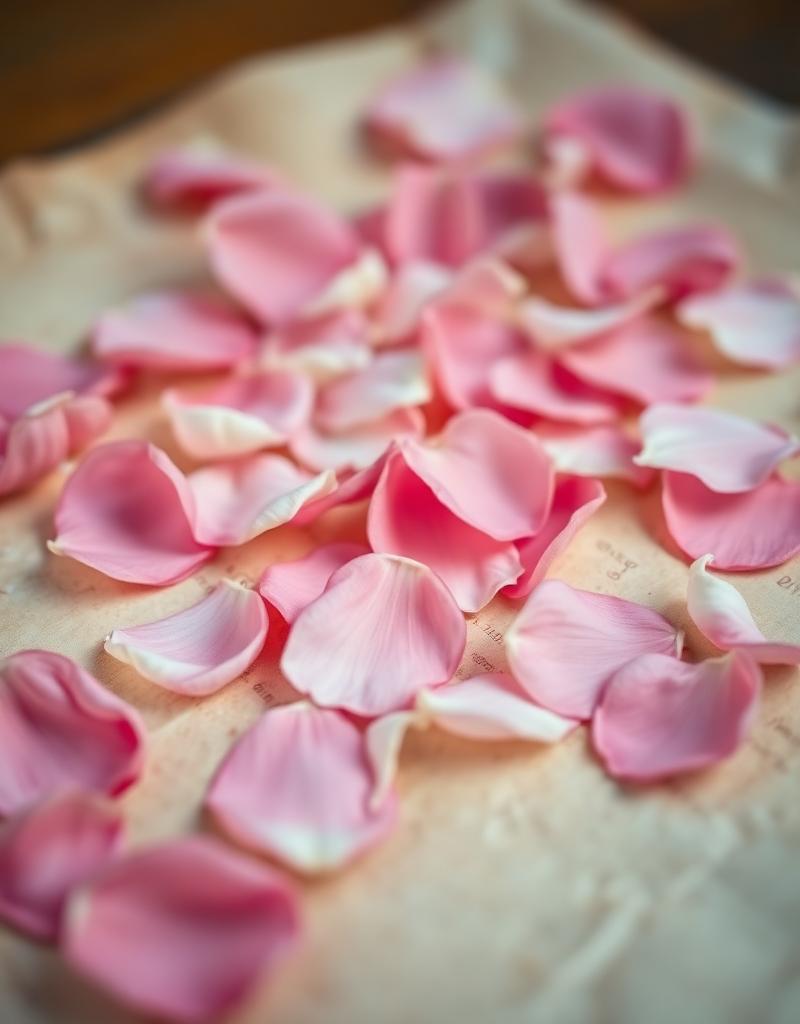
- 1 tsp rose petals (گل سرخ)
- 1 cup just-boiled water
- Small piece of نبات
Cover with just-boiled water, steep 8 minutes, strain.
1–2 cups daily on anxious days. The single most-used Persian household remedy for nervous tension — cooling, moistening, gladdening to the heart.
- 1 tbsp fresh or 1 tsp dried lemon balm
- 1 cup just-boiled water
Cover with just-boiled water, steep 8 minutes, strain.
Take after meals during stressful weeks. Avicenna calls badrandjbuyeh مفرّح القلب — that which makes the heart joyful.
- 1 tsp linden blossom (زیرفون)
- 1 cup just-boiled water
Cover and steep 10 minutes, strain.
Sip in the late afternoon. Softens taut nerves and eases the chest tightness that often accompanies anxiety.
- 1 tsp hawthorn berries (زالزالک)
- 1 tsp rose petals
- 2 cups water
Simmer hawthorn 8 minutes, off heat add rose, cover 4 minutes, strain.
Take warm for anxiety that comes with palpitations or a thudding chest.
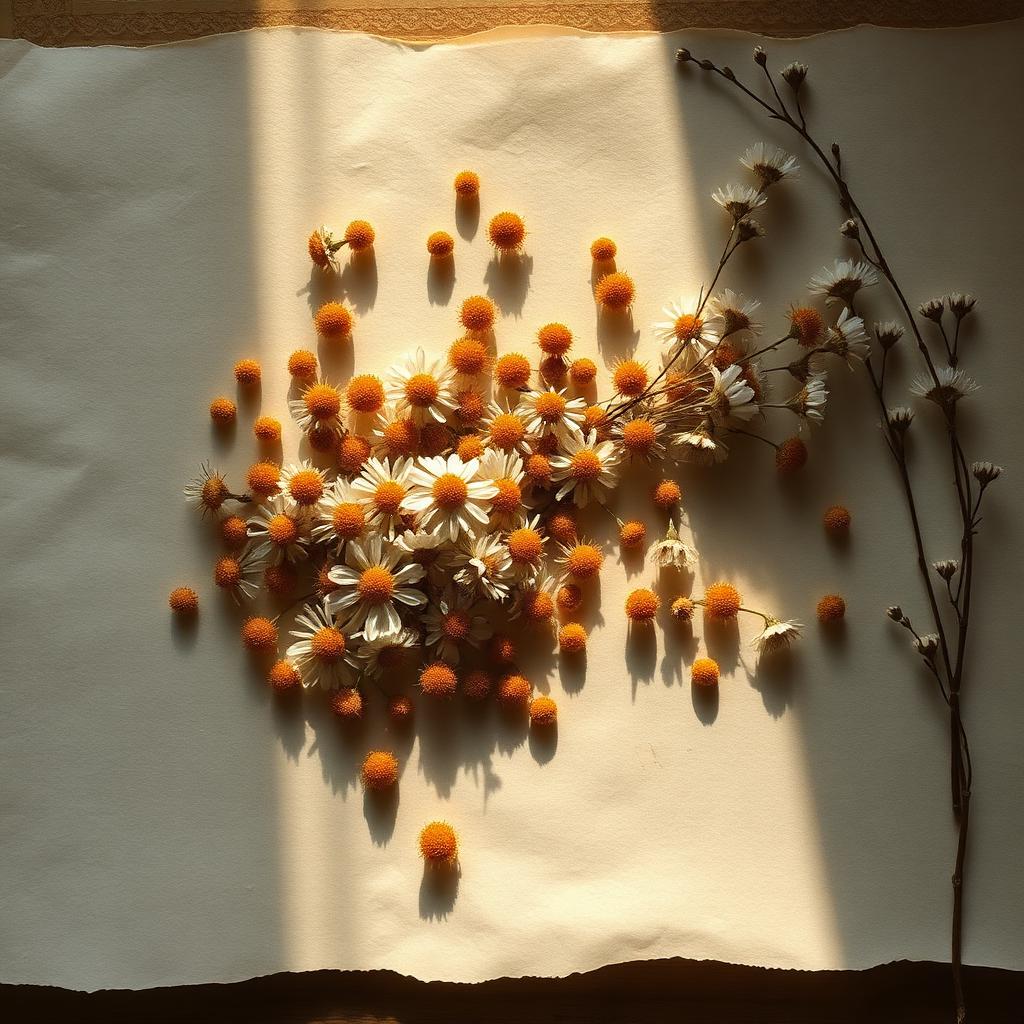
- 1 tsp chamomile (بابونه)
- 1 tsp violet flowers (بنفشه)
- 1 cup just-boiled water
Cover and steep 8 minutes, strain.
Take after dinner to ease the transition into sleep on tense days.
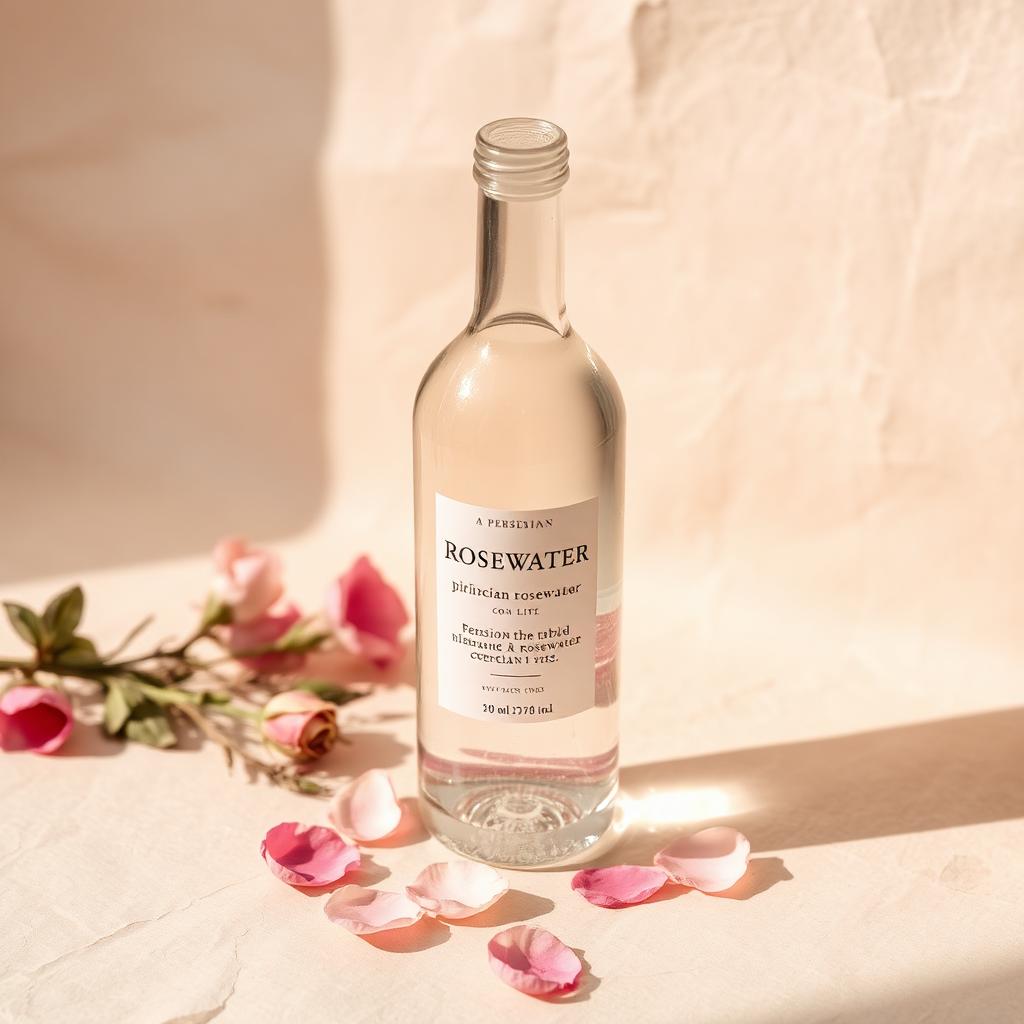
- Pure rosewater (گلاب)
Pour a drop into the palm, rub the wrists together, cup the hands near the face.
Breathe slowly five times. A quick Persian household reset for an acute anxious moment.
- 3 saffron threads
- 1 cup just-boiled water
- 1 tsp honey
Bloom the saffron in 1 tbsp warm water 5 minutes, then add the just-boiled water and honey.
Take in the morning during anxious phases. Avicenna's مفرّح — heart-gladdener — for low mood with worry.
- 2 tbsp dried marjoram (مرزنجوش)
- 1 muslin bag
- 1 warm bath
Tie marjoram in the muslin and hang under the warm running tap.
Soak 20 minutes 1–2 evenings per week. Persian tradition uses marjoram for anxious nerves and tension headaches.
- 2 Medjool dates
- A few drops of rosewater
- 1 walnut half per date
Open each date, sprinkle a drop of rosewater inside, tuck in the walnut.
Eat slowly an hour before bed when anxiety lifts blood sugar and disturbs sleep. Calming, grounding, and traditionally heart-supportive.
- 1 tsp borage flowers
- 2 saffron threads
- 1 cup just-boiled water
- 1 tsp honey
Steep borage 10 minutes in covered water with the bloomed saffron. Strain. Stir in honey once warm.
1 small cup every other afternoon during a difficult stretch. Traditional Persian formula combining the two great مفرّحات.
Lifestyle recommendations
- Eat regular, warm, cooked meals — never skip; anxious bodies destabilize on empty stomachs
- Walk outdoors 20 min daily, ideally in sunlight
- Build a fixed evening wind-down — same tea, same lights, same hour
- Limit caffeine to one cup in the morning only
- Practice slow nasal breathing — five breaths, hand on the heart, twice daily
- Talk: Persian medicine treats community, family, and confiding speech as direct medicine for the anxious heart
Habits to ease back
- Stimulants on an empty stomach
- Late-night news
- Skipping meals
Prevention practices
- Protect 7–9 hours of sleep nightly — sleep is the foundation of nervous resilience
- Eat a real breakfast every day to stabilize blood sugar and mood
- Move daily; even 20 minutes lowers baseline anxiety significantly
- Keep borage, rose, lemon balm, linden, and chamomile always stocked
- Address chronic stressors directly — Persian medicine sees unaddressed life burden as the deepest root
- Limit news and social media after dusk; cultivate evening calm as a lifelong habit
Modern scientific understanding
Clinical research increasingly recognizes the gut–heart–brain axis that Persian medicine described centuries ago: regular meals, adequate sleep, daily movement, sunlight, and social connection are first-line for mild and moderate anxiety. Several Persian herbs — borage, lemon balm, lavender, saffron — have small randomized trials suggesting modest anxiolytic effects, particularly when combined with lifestyle change. They are supports, not replacements for care when anxiety is severe.
Healthy aging connection
Chronic anxiety accelerates aging through poor sleep, elevated stress hormones, and weaker social bonds. The Persian prescription — warm cordials, daily walks, shared meals, prayer or reflection at dawn and dusk — is essentially a recipe for slow, graceful aging.
Frequently asked questions
›Is borage tea really effective for anxiety?
In Persian households it is the everyday calming drink, taken warm with a little rose water. Small modern trials show modest reductions in anxiety scores. It is mild, food-grade, and well-tolerated in normal tea amounts.
›How quickly should I expect a Persian herbal approach to help?
Persian medicine emphasizes daily rhythm over single doses. Most people who keep a steady routine — warm breakfast, a midday walk, borage or lemon balm tea, an early dinner, and a settled bedtime — feel noticeably calmer within two to three weeks.
›When should I see a clinician?
If anxiety interferes with sleep, work, or relationships for more than a few weeks, or if it comes with panic attacks, please consult a qualified professional. Persian remedies complement care; they do not replace it.
Further reading
Every reference page in the Living Library is written by our editorial team, cross-checked against classical Persian medical sources and peer-reviewed modern research, and reviewed on a rolling schedule. This is educational content — not a diagnosis or treatment plan. For symptoms that concern you, please consult a qualified clinician.
Continue your journey
I'm still learning about you, so these are gentle starting points near Anxiety & racing mind. As we talk more, my suggestions will become increasingly tailored.
A natural next step, chosen with your journey in mind.
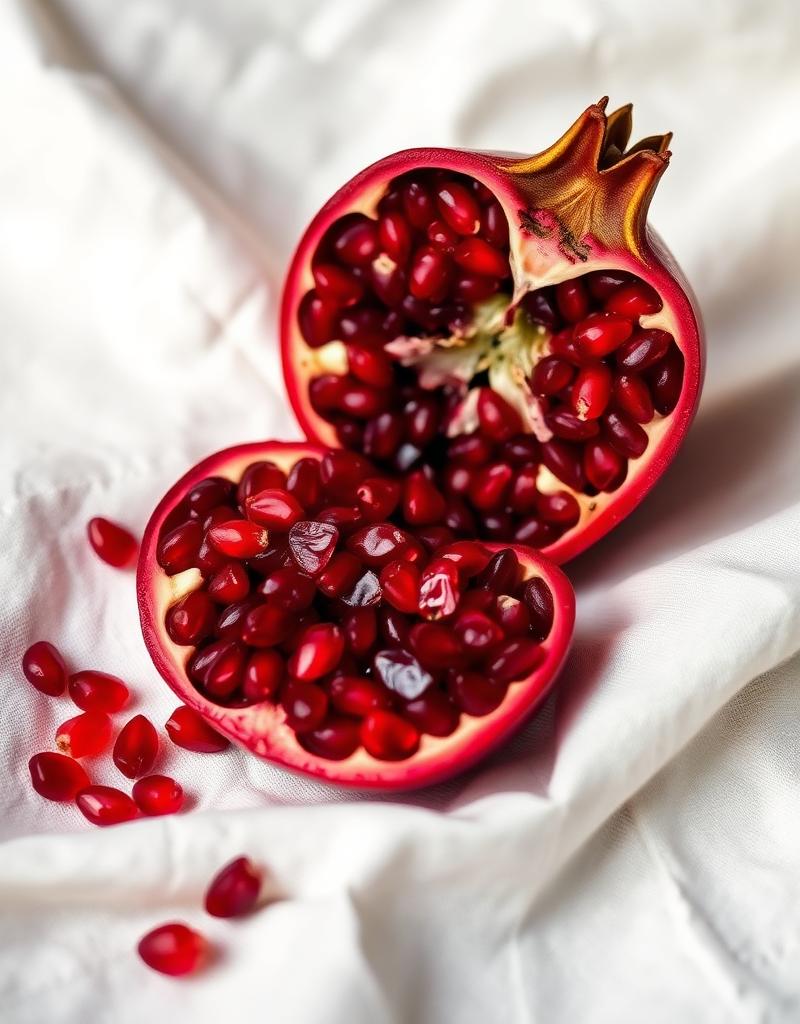
- FruitPomegranateانارCools the blood, brightens skin.Related by season · The Yalda fruit — cooling, astringent, and studied for blood pressure and arterial health.
- HerbBorageگل گاوزبانLifts melancholy, calms the heart — the classic Persian gladdener.Traditional use · Gol-e gāv-zabān is the Persian herb of the heart and the grieving mind — served hot with rock sugar.
- HerbRoseگل سرخCalms the heart, soothes the spirit.Traditional use · Persian medicine treats rose as a cooling, calming herb — it is the classic pairing for heat, irritability and restless evenings.
- FoodRosewaterگلابCalms the heart, perfumes desserts, a Persian household essence.Traditional use · Distilled rose is the everyday Persian kitchen medicine: a spoon in tea or milk to settle the stomach and soften a warm temperament.
A few natural ways to bring Anxiety & racing mind into a conversation.
- Bath — strong infusion added to warm water for nervous tension
- Damkardeh (steeped tea) — 1 tsp dried petals per cup, kept covered for 5–8 min
- Rosewater (golāb) — the food-grade liquid left after steaming the petals, 1 tsp per serving
- The everyday preparation is damkardeh: one to two teaspoons of dried flowers per cup, covered for eight to ten minutes.