Heartburn & acidity
Hot-dry imbalance in the stomach — needs cooling, moistening foods.
Traditional ritual
A small cup of cucumber-yogurt drink before meals; sip quince syrup with cool water.
Key takeaways
- Persian medicine reads heartburn as excess heat and acrid humor rising from the stomach into the chest.
- Cooling, soothing foods — quince, pomegranate, barley water, yogurt with mint — are the classical first response.
- Late, heavy, spicy, or fried dinners are the most common trigger in both traditional and modern terms.
- Eating an early dinner and walking gently afterward is treated as more powerful than any single remedy.
Traditional Persian perspective
Persian medicine reads heartburn (ترشکردن معده) as hot-dry imbalance in the stomach lining — often inflamed by spicy, fried, or fermented foods, and made worse by eating late, eating fast, or eating under stress. The classical remedy is cooling, moistening, and slightly sweet foods that coat and calm the stomach: quince, yogurt, cucumber, and demulcent herbs like marshmallow root.
Common contributing factors
- Late, heavy, or fried dinners
- Eating quickly while stressed or distracted
- Excess coffee, alcohol, and spicy food on an empty stomach
- Lying down within 2 hours of eating
- Tight waistbands and chronic abdominal pressure
Supportive herbs
Foods that support balance
Traditional Persian Remedies
Household preparations drawn from Persian traditional medicine — recorded for educational and heritage value, not as medical advice.
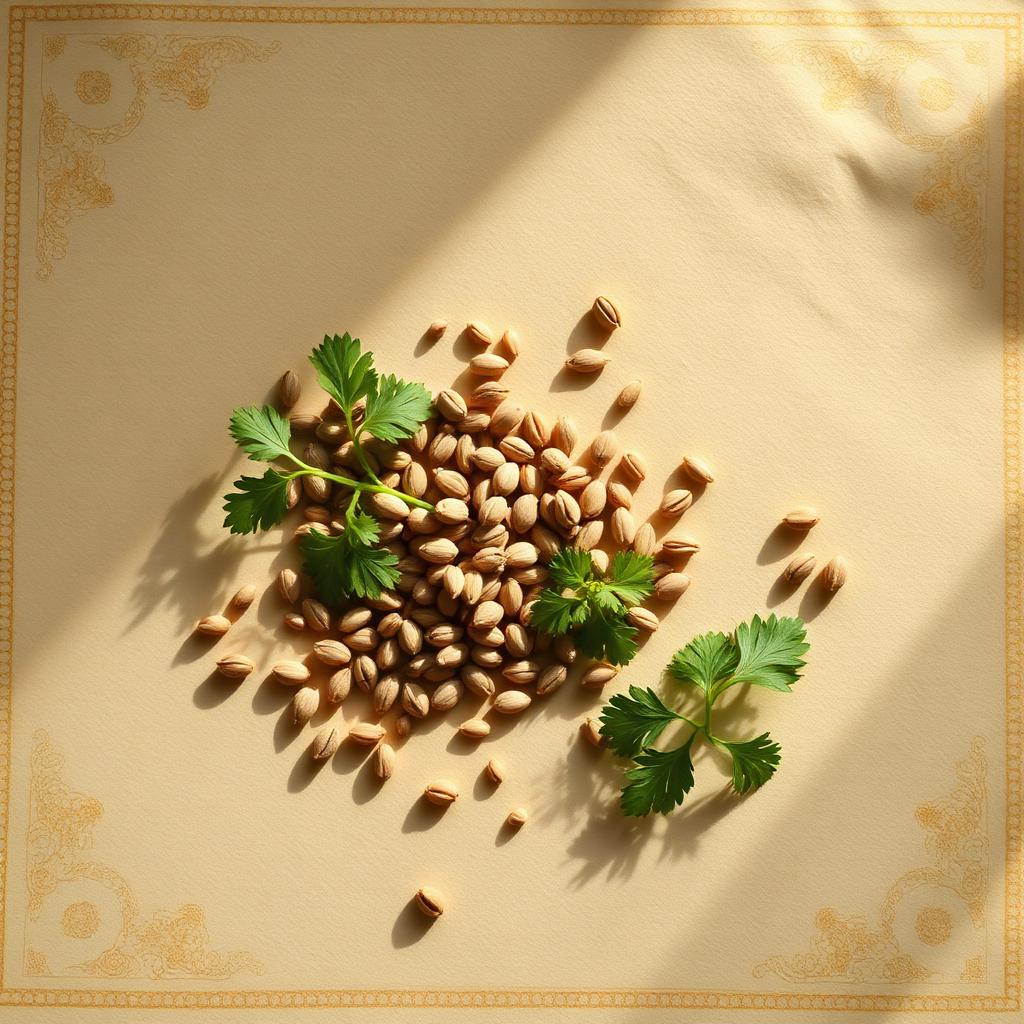
- 1/2 tsp crushed coriander seeds (گشنیز)
- 1 tsp rose petals (گل سرخ)
- 1 cup just-boiled water
Cover and steep 8 minutes, strain.
Sip slowly 20 minutes after a meal. Classical Persian cooling pair for hot-pattern reflux.
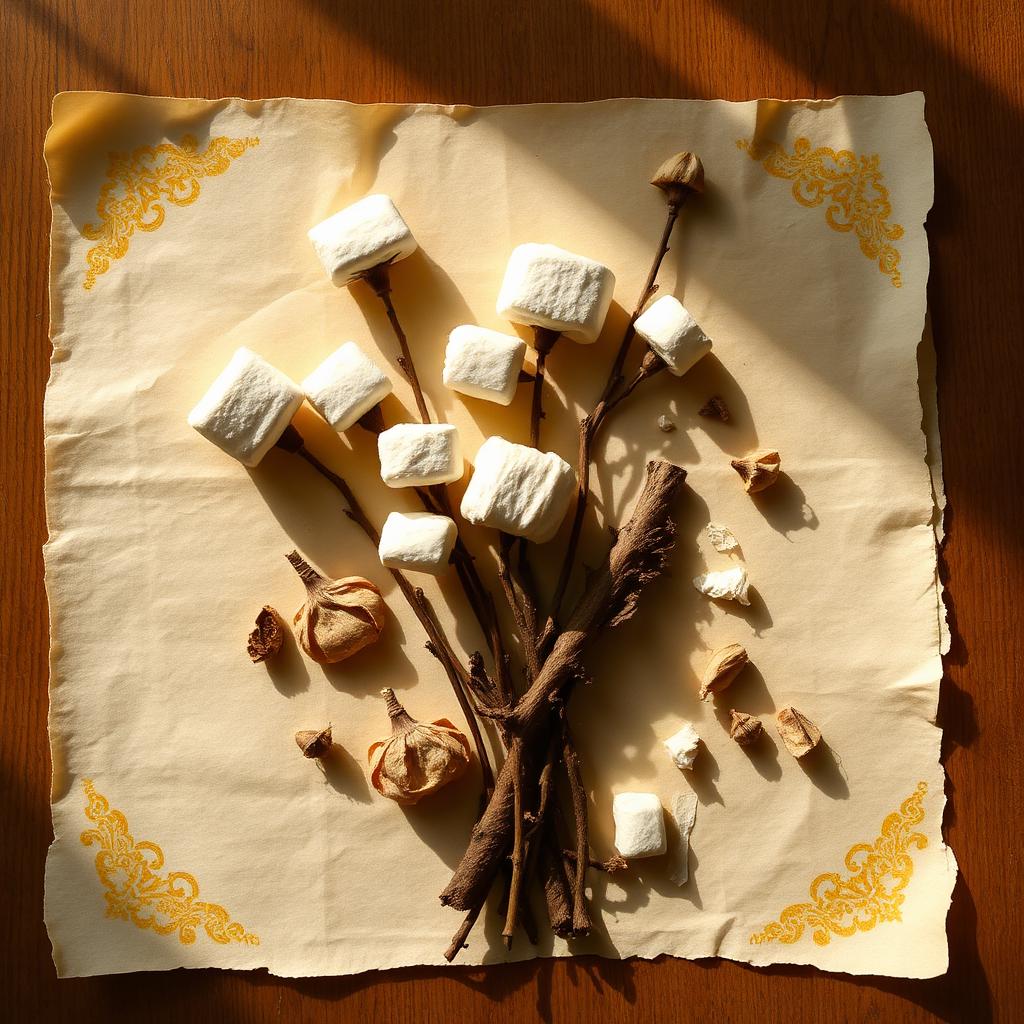
- 1 tbsp dried marshmallow root (ریشه ختمی)
- 2 cups cold water
Soak overnight in cold water in a covered jar. Strain in the morning.
Sip 1/4 cup at a time throughout the day to coat and soothe an inflamed esophagus and stomach lining.
- 1/2 tsp dried licorice root (شیرینبیان)
- 1 tsp violet flowers (بنفشه)
- 1 cup just-boiled water
Cover and steep 8 minutes, strain.
1 cup mid-morning during reflux flares. Cooling, moistening, and protective. Avoid daily long-term use if you have high blood pressure.
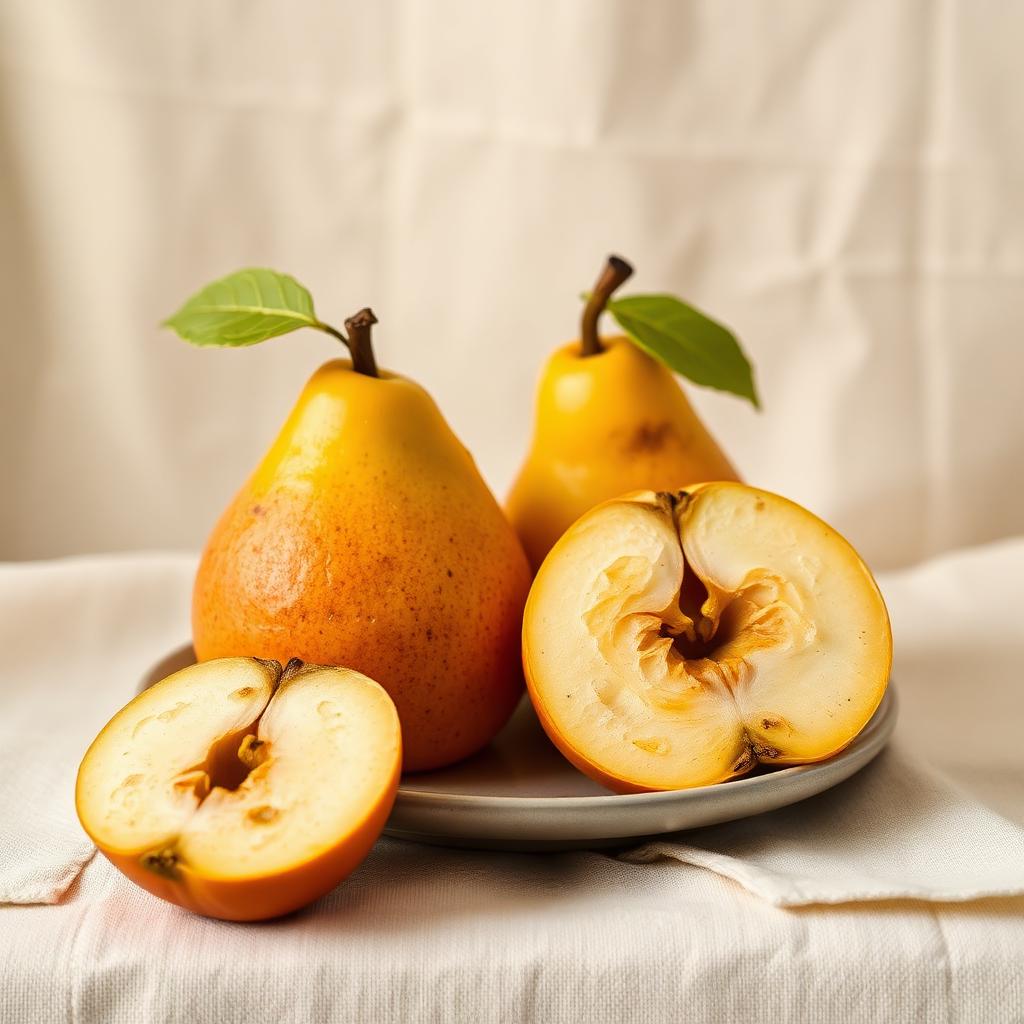
- 1 ripe quince (به), peeled and diced
- 1 cup water
- 2 tbsp honey or sugar
Simmer quince in water 20 minutes until soft and fragrant. Strain, return liquid to the pan, stir in sweetener and reduce 5 minutes.
1 tablespoon mixed in warm water after meals — Persian household remedy for sour stomach and weak appetite.
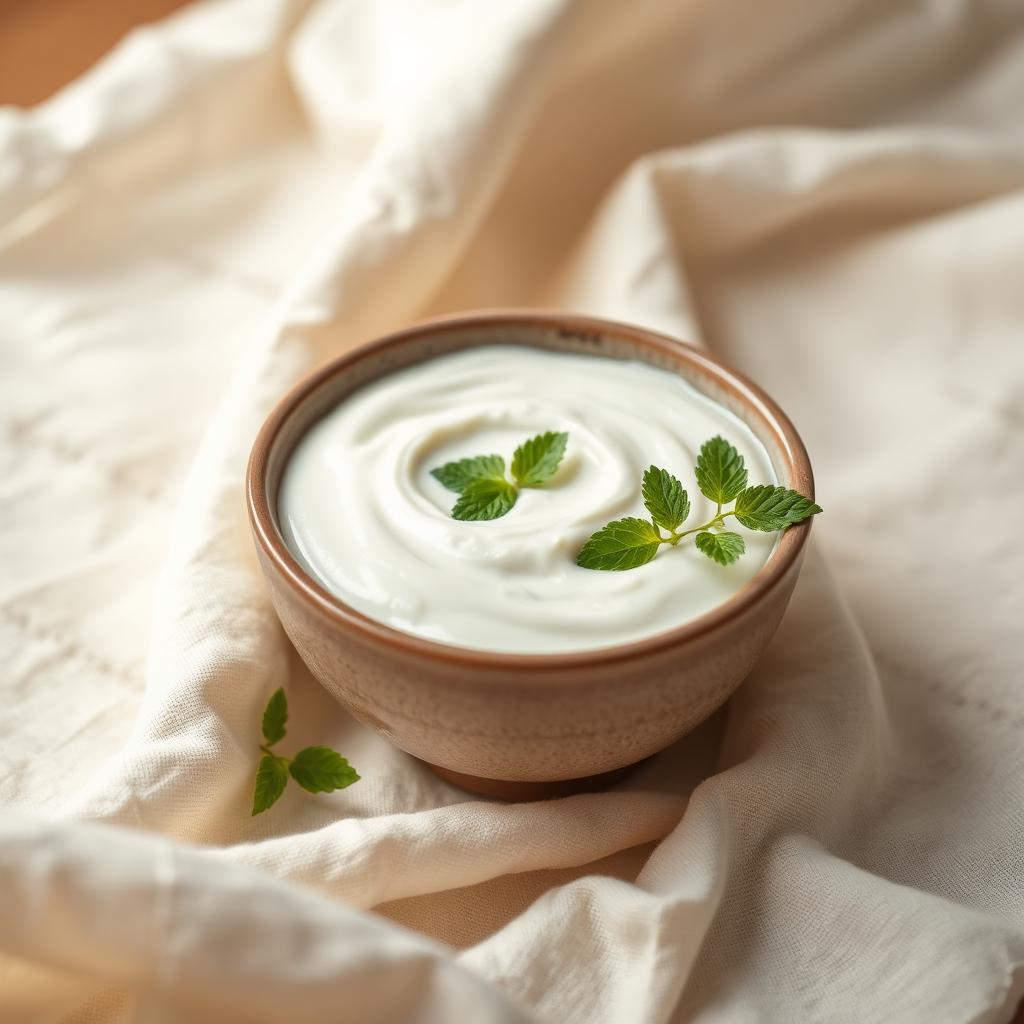
- 1 cup yogurt (ماست)
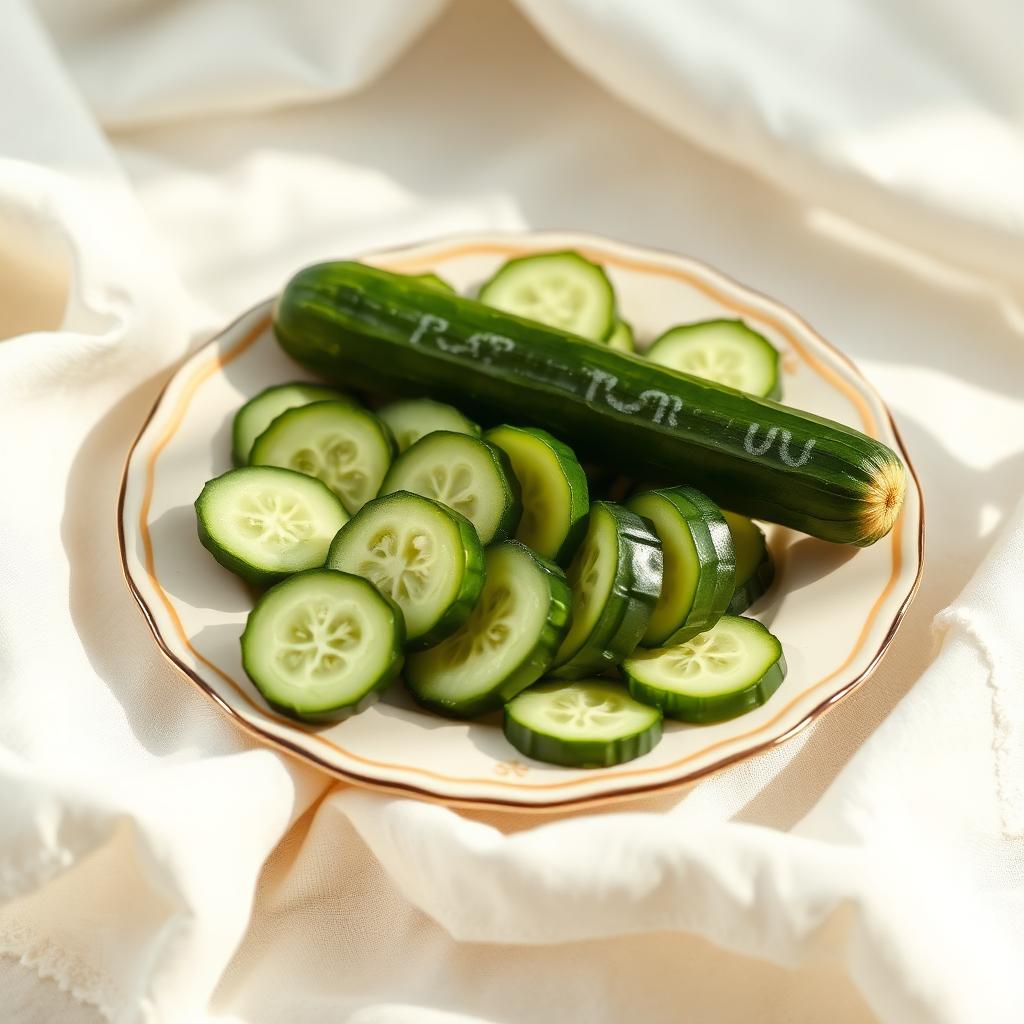
- 1/2 cucumber (خیار), diced
- Pinch of dried mint
- Pinch of salt
Combine and let stand 10 minutes.
Eat with the main meal during hot months when reflux flares. Cools the stomach and offsets heat-producing foods.
- 1/2 tsp fennel seeds
- 1/2 tsp anise seeds
- 1 cup warm water
Lightly crush seeds, cover and steep 10 minutes, strain.
Take warm 20 minutes before meals to ease both upper digestion and downstream bloating.
- 1 cup cool whole or oat milk
- 1 tsp rose petals
- 1 crushed cardamom pod
Warm gently with cardamom 3 minutes; off heat add rose and cover 5 minutes. Cool slightly, strain.
Sip slowly at bedtime when reflux disturbs sleep. Cooling and protective.
- 1 tsp pomegranate molasses (رب انار)
- 1 tsp olive oil
- Pinch of salt
Whisk together.
Drizzle over greens or beans at lunch. Pomegranate sour-sweetness tones a heated stomach and stimulates healthy bile flow.
Lifestyle recommendations
- Stop eating 3 hours before lying down
- Sit upright and chew slowly for 20 minutes per meal
- Elevate the head of the bed 4–6 inches if nighttime reflux
- Identify and reduce personal triggers (coffee, alcohol, fried, spicy)
Habits to ease back
- Eggplant without yogurt
- Fried foods at night
- Spicy meals on empty stomach
Prevention practices
- Eat the largest meal at midday, lightest at night
- Maintain healthy weight — abdominal weight worsens reflux
- Walk 10 minutes after meals instead of reclining
- Manage stress; the gut and nervous system speak directly
Modern scientific understanding
Modern reflux research supports smaller, earlier dinners, weight management, head-of-bed elevation, and reduced alcohol and tobacco. Quince, slippery foods, and pectin-rich fruits soothe the esophagus mechanically. Frequent or severe reflux should be evaluated to rule out structural causes.
Healthy aging connection
Chronic untreated reflux damages the esophagus over years. The Persian habit of a light, early dinner and a short post-meal walk protects this tissue and supports healthy weight — both important for aging well.
Frequently asked questions
›Why is quince so prominent in Persian heartburn remedies?
Quince (به) is cooling, gently astringent, and rich in soothing pectin. As a syrup (شربت به) or stewed fruit it coats and calms an irritated stomach lining.
›Is yogurt good or bad for heartburn?
Plain, cool yogurt with mint (دوغ نعناع style, undiluted) is a classical cooling food. Very sour or heavily sweetened yogurts can worsen symptoms in some people.
Further reading
Every reference page in the Living Library is written by our editorial team, cross-checked against classical Persian medical sources and peer-reviewed modern research, and reviewed on a rolling schedule. This is educational content — not a diagnosis or treatment plan. For symptoms that concern you, please consult a qualified clinician.
Continue your journey
I'm still learning about you, so these are gentle starting points near Heartburn & acidity. As we talk more, my suggestions will become increasingly tailored.
A natural next step, chosen with your journey in mind.
- FruitQuinceبهStrengthens the stomach, calms the heart.Related by season · Beh is the Persian fruit for a raw throat and an unsettled stomach, usually stewed rather than raw.
- HerbCorianderگشنیزCools heat, calms the heart, soothes the stomach.A place to start · One of the safest, most useful places to begin near Heartburn & acidity.
- HerbMarshmallowختمیSoothes dry coughs, calms the urinary tract, softens dryness.A place to start · One of the safest, most useful places to begin near Heartburn & acidity.
- FoodYogurt (Mast)ماستCools heat, settles the stomach, feeds the gut.Traditional use · Māst is at every Persian meal — cooling in the traditional scheme, and a live-culture food in the modern one.
- FoodCucumberخیارHydrates the body, cools summer heat.Traditional use · Cooling in the Persian scheme and mostly water — the summer answer to a hot temperament.
A few natural ways to bring Heartburn & acidity into a conversation.