Healthy Aging the Persian Way
How 1,000 years of Persian medicine map onto modern healthspan science — and the daily habits Avicenna would still prescribe today.
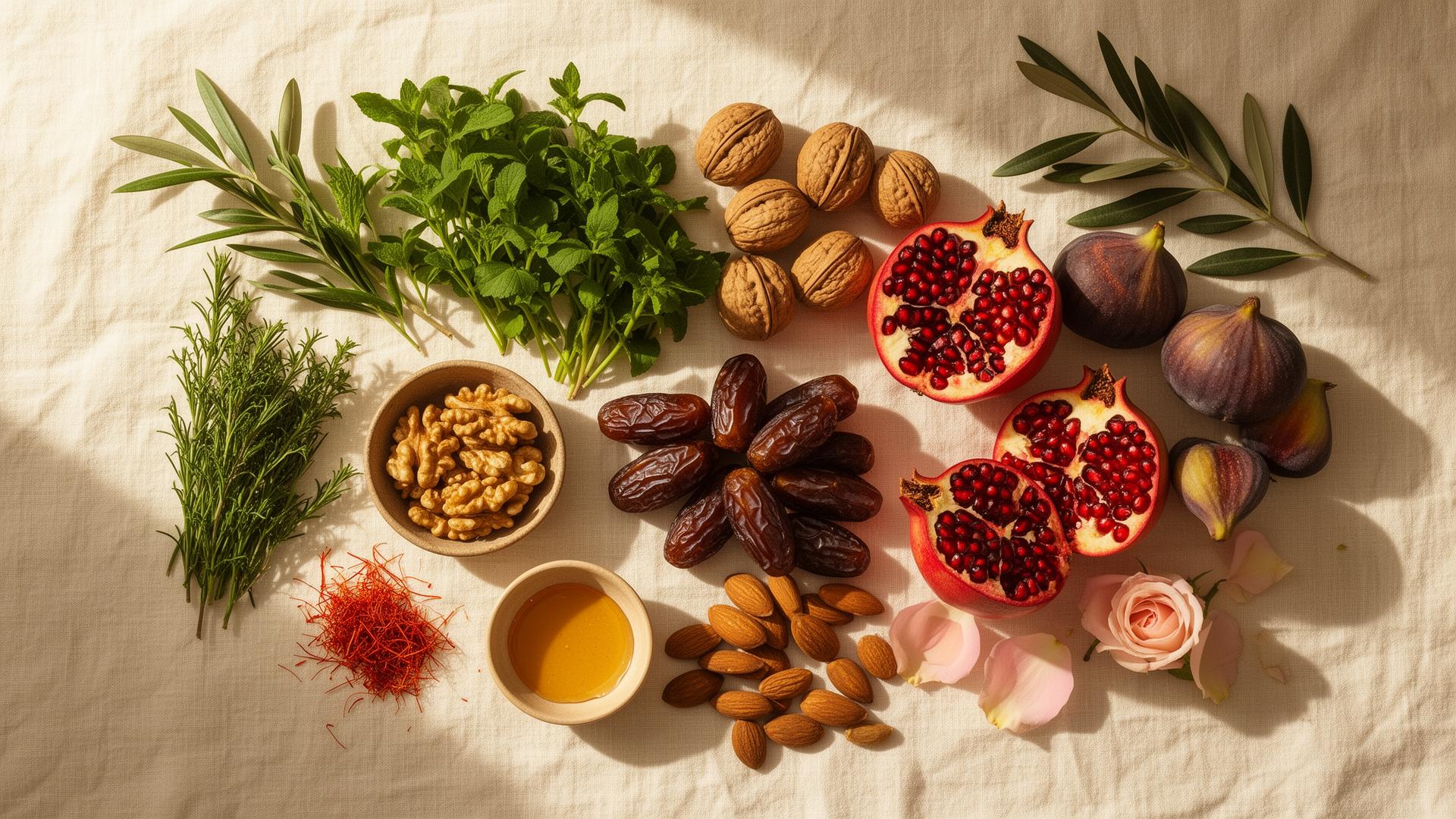
Long before 'healthspan' became a research term, Persian physicians from Avicenna (Ibn Sina) and Razi onward devoted whole chapters to ḥifẓ al-ṣiḥḥa — the protection of health. Their argument was simple: keeping a well person well is medicine's highest art. A thousand years later, modern aging research arrives at the same picture in different words.
The six essentials (sett-e ḍarūrīyya)
Avicenna's Canon organizes daily life around six essentials: air, food and drink, movement and rest, sleep and waking, retention and elimination, and emotional states. Modern healthspan research recognizes the same six as the strongest predictors of how we age.
Protect innate heat and moisture
Classical Persian medicine taught that aging is the slow decline of ḥarārat-e gharīzī (innate warmth) and raṭūbat-e gharīzī (innate moisture). Today we call this metabolic health, hydration, and tissue integrity — and the daily levers are the same: warm balanced meals, restorative sleep, and steady gentle movement.
Eat with the seasons and the mizāj
Warming khoresh and ginger in winter; cooling yogurt, cucumber, sour-cherry, and rose in summer. Heavy meats balanced with sumac and fresh herbs. Pomegranate, walnut, olive oil, saffron, and lentils appear on Persian longevity tables again and again — and on every Blue Zones plate.
Move every day, lift twice a week
Avicenna prescribed graduated effort matched to constitution. Modern research is more specific: 30 minutes of daily walking plus 2–3 strength sessions per week protects heart, brain, muscle, bone, and mood more than any single supplement.
Sleep is medicine
Persian medicine treated sleep as the descent of vital warmth — the body's nightly time of repair. Modern sleep science agrees: 7–9 hours of deep sleep regulates blood sugar, blood pressure, immunity, mood, and memory. Light early dinners, dim evenings, cool dark rooms — Avicenna and modern circadian (your body's roughly 24-hour internal clock) biology speak with one voice.
Cultivate the spirit
Traditional Persian medicine kept a group of things believed to gladden the heart — called mufarriḥāt. They were not just saffron and rose tea. They were music, gardens, family meals, prayer, and unhurried conversation. Loneliness is now recognized as one of the strongest mortality risks of late life. Persian elders' long, social, multi-generational evenings model exactly what the evidence supports.
What Avicenna would tell you today
Walk gently after meals. Eat your largest meal at midday. Cook with olive oil; finish with sumac, fresh herbs, and walnut. Sip saffron-rose milk before bed. Sleep in a cool dark room. Lift something heavy twice a week. Share food with people you love. The advice has not aged.
Frequently asked questions
+Do I have to follow Persian medicine exactly?
No. The point is the pattern — daily rhythm, balanced seasonal eating, protected sleep, daily movement, real social ties. Persian medicine codified it; you can live it through any cuisine you love.
+Is any of this evidence-based?
Yes — strongly. The 'protect daily habits' framework Avicenna described is exactly what longitudinal aging research (Harvard, Blue Zones, NIH cohorts) has shown to drive 70–80% of healthspan.
+Where do I start?
Pick one habit: a 20-minute daily walk, an earlier lighter dinner, or a Persian breakfast (walnut + date + tea). Anchor it for 3 weeks before adding the next.
Sources & references
Background reading
- The Nutrition Source — Harvard T.H. Chan School of Public Health
- Office of Dietary Supplements — Fact Sheets — US NIH
- Health Topics A–Z — US NIH National Center for Complementary and Integrative Health