Persian Medicine 101: The Wisdom Behind Mizaj
A thousand-year-old framework that still decides what an Iranian grandmother serves you.
Mizaj, the four temperaments and the six essentials — where the Persian medical tradition came from, how it still shapes Iranian kitchens, and what it is not.

Ask an Iranian why you should not drink cold water after eating walnuts, or why yogurt arrives with a hot stew, and you will get an answer from a medical system written down a thousand years ago. Nobody calls it that. They say the food is garm or sard — warm or cold.
What follows is that tradition told on its own terms — where it came from, how it reasons, and why it still decides what arrives at an Iranian table.
Where it comes from
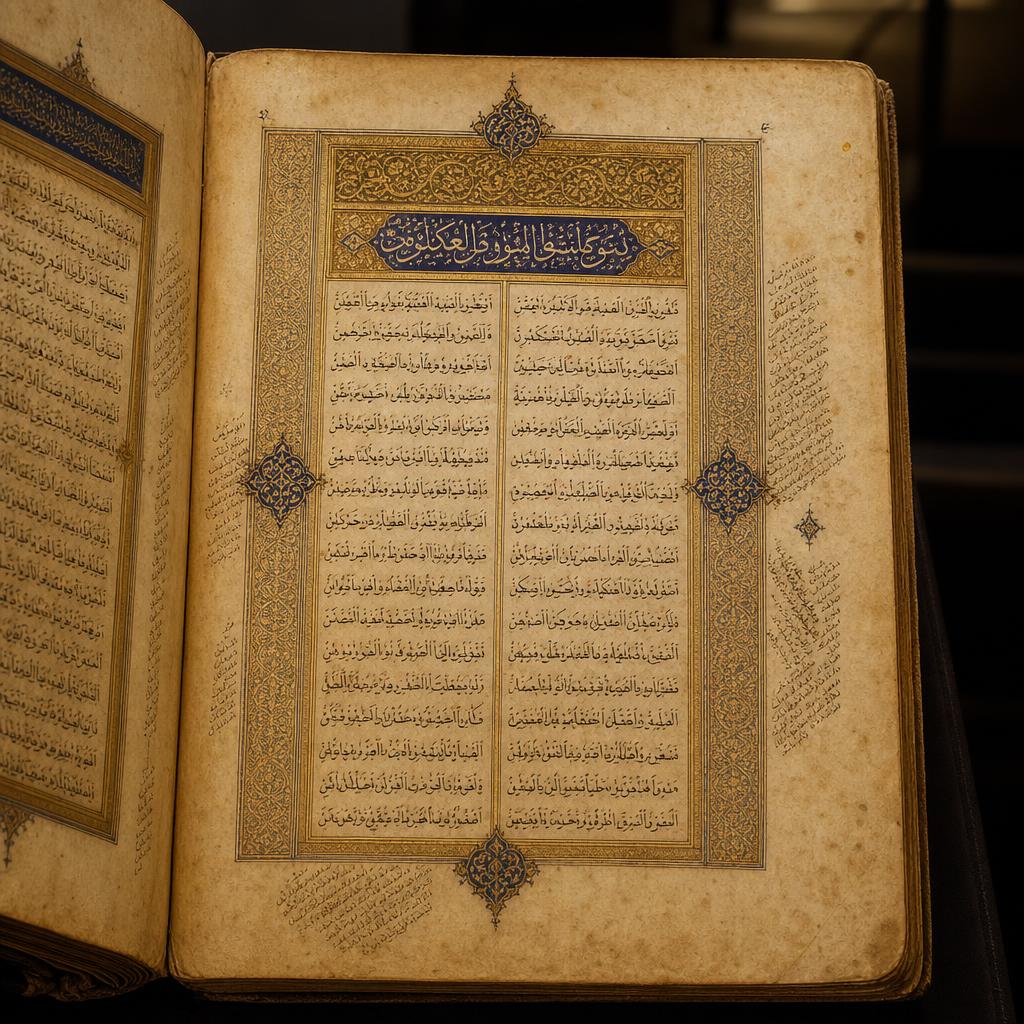
Tibb-e sonati, the traditional Persian medicine, grew out of Greek humoral theory as it was received, argued over and expanded in the Persian-speaking world. Rhazes (Muhammad ibn Zakariya al-Razi, d. 925) wrote case notes and a vast clinical compendium; Ibn Sina — Avicenna — completed the Canon of Medicine around 1025, and it was still being taught in European universities six centuries later.
The organising idea is mizaj: the particular balance of qualities that makes up a person, a food, a plant, a season or a stage of life. Health is described as a working balance for that individual, which is why the same remedy was not expected to suit everyone.
The four temperaments
Nobody in the tradition is purely one type; the categories are a vocabulary for tendencies, and they shift with age, season and climate. A person is read as more this than that, and then diet and daily habit are adjusted in the opposite direction.
- Damavi — sanguineWarm and moist. Described as sociable, quick to warm, ruddy.
- Safravi — cholericWarm and dry. Described as sharp, fast, easily heated.
- Saudavi — melancholicCool and dry. Described as thoughtful, dry-skinned, slow to change.
- Balghami — phlegmaticCool and moist. Described as calm, soft, slow-moving.
The six essentials
Long before the word lifestyle existed, Persian physicians organised health around six things you live inside every day. Emotions sit on that list next to food and sleep, not below them, and the physician's first instrument was to adjust the six before reaching for a drug.
How it survives at the table
The framework left the clinic and stayed in the kitchen. Dates, honey, walnuts, lamb and most spices are read as warm; yogurt, cucumber, watermelon, sour plums and coriander as cold. A meal is composed so the two sides answer each other — which is why a rich warm khoresh is served with a cool yogurt beside it, and why watermelon arrives with something warming.
Seasons are read the same way: cooling foods in the heat, warming ones in winter, and specific dishes attached to specific moments of the year. Much of what looks like Persian culinary intuition is this system, running quietly.
The theory left the medical schools. It never left the kitchen.
What it is, and what it is not
Humoral temperament does not map onto modern physiology, and hot and cold here are not temperature or spiciness. Treating mizaj as a diagnosis, or using it to decide whether a symptom needs attention, misuses it — see a clinician for anything that concerns you, and tell them about any traditional preparation you take.
Read as what it is — a long, coherent tradition of thinking about individual constitution, daily habit and food — it is genuinely worth knowing, and it is the reason a Persian table is composed the way it is.
Sources & references
Claim-supporting sources
- “Ibn Sina — Avicenna — completed the Canon of Medicine around 1025, and it was still being taught in European universities six centuries later.”Avicenna and clinical experiences in Canon of Medicine Traditional knowledgeScholarly account of the Canon, its composition and its long teaching life. Historical source for a historical claim.
- “Rhazes (Muhammad ibn Zakariya al-Razi, d. 925) wrote case notes and a vast clinical compendium”A tribute to Zakariya Razi (865–925 AD), an Iranian pioneer scholar Traditional knowledgeBiographical and bibliographic account, including the case records and al-Hawi.
- “The organising idea is mizaj: the particular balance of qualities that makes up a person, a food, a plant, a season or a stage of life.”Assessment of the studies on the concept of Mizaj (temperament) in Persian Medicine Traditional knowledgeReview of how mizaj and the four temperaments are defined and named in the Persian medical corpus. Supports the framework and its terminology as history, not as physiology.
- Assessment of the studies on the concept of Mizaj (temperament) in Persian Medicine — Journal of Integrative Medicine
- Avicenna and clinical experiences in Canon of Medicine — Journal of Medicine and Life