Bloating & gas
Cold, damp stagnation in the gut — digestion fire is sluggish.
Traditional ritual
Sip warm fennel-cumin tea after each meal; finish dinner three hours before bed.
Key takeaways
- Persian medicine sees chronic bloating as a cooled digestive fire (آتش هاضمه) — food ferments instead of being transformed.
- Warm fennel-cumin tea after meals is the single most common Persian remedy for everyday gas.
- Cold drinks with food, late heavy dinners, and bad food combinations are the three classical aggravators.
- A 15–20 minute walk after lunch and dinner is treated as essential, not optional.
- Persistent bloating beyond a few weeks deserves a clinician's evaluation.
Traditional Persian perspective
Persian medicine reads chronic bloating (نفخ) as a sign that the digestive fire (آتش هاضمه) has cooled. Food sits, ferments, and produces gas (ریاح) instead of being transformed. Avicenna's Canon attributes most chronic gas to a cold-damp mizaj of the stomach combined with poor food combinations and irregular meal timing.
Common contributing factors
- Cold drinks and raw salads with cooked meals
- Eating quickly without thorough chewing
- Late, heavy dinners eaten within 3 hours of sleep
- Bean and dairy combinations without warming spices
- Sedentary days with little walking after meals
Supportive herbs
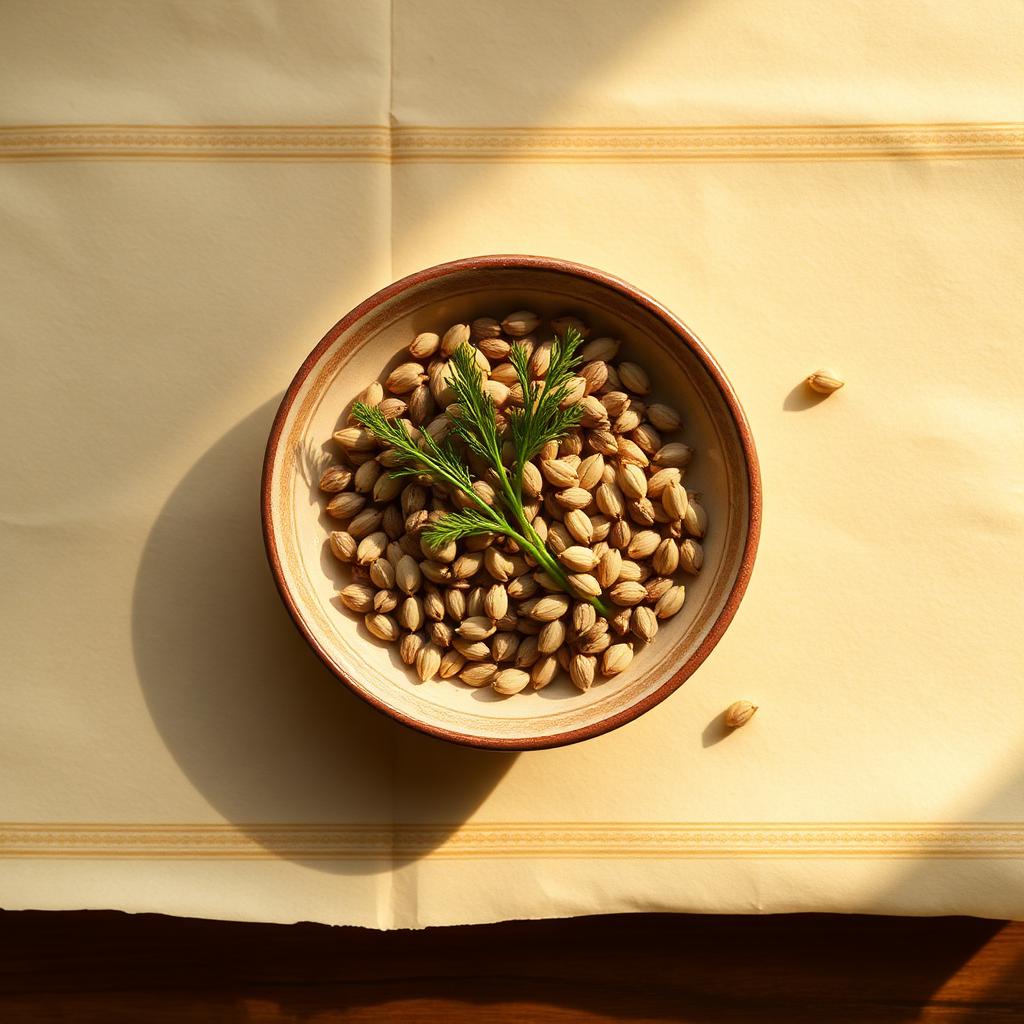
Soothes the stomach, eases bloating, brightens the eyes.
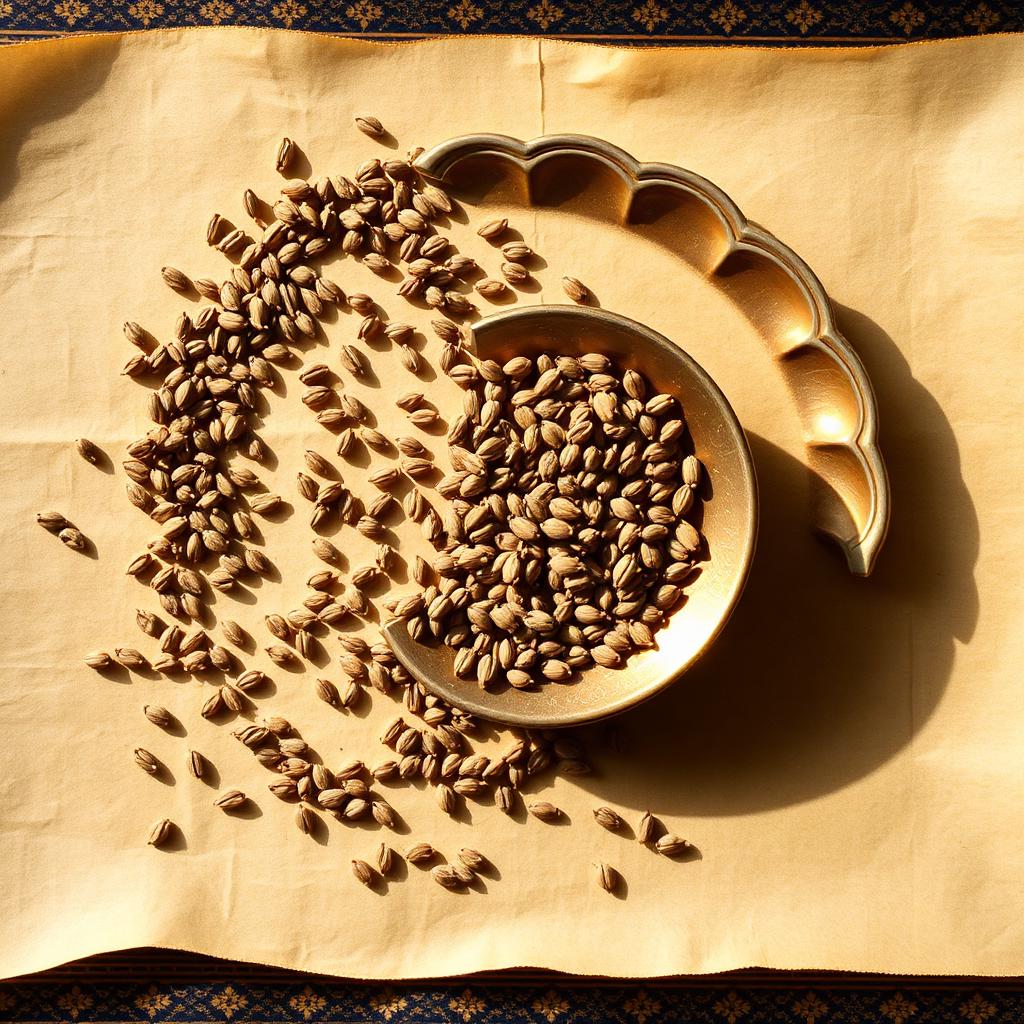
Kindles digestion, dispels gas, slims the body.
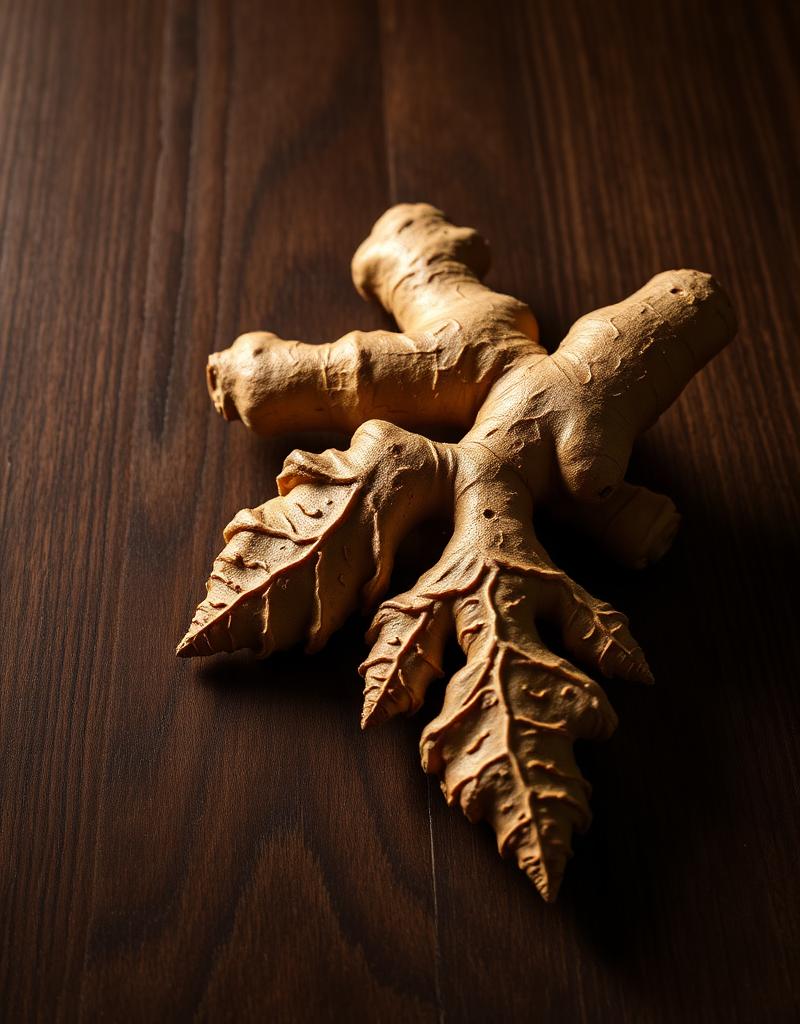
Kindles digestion, dispels cold.
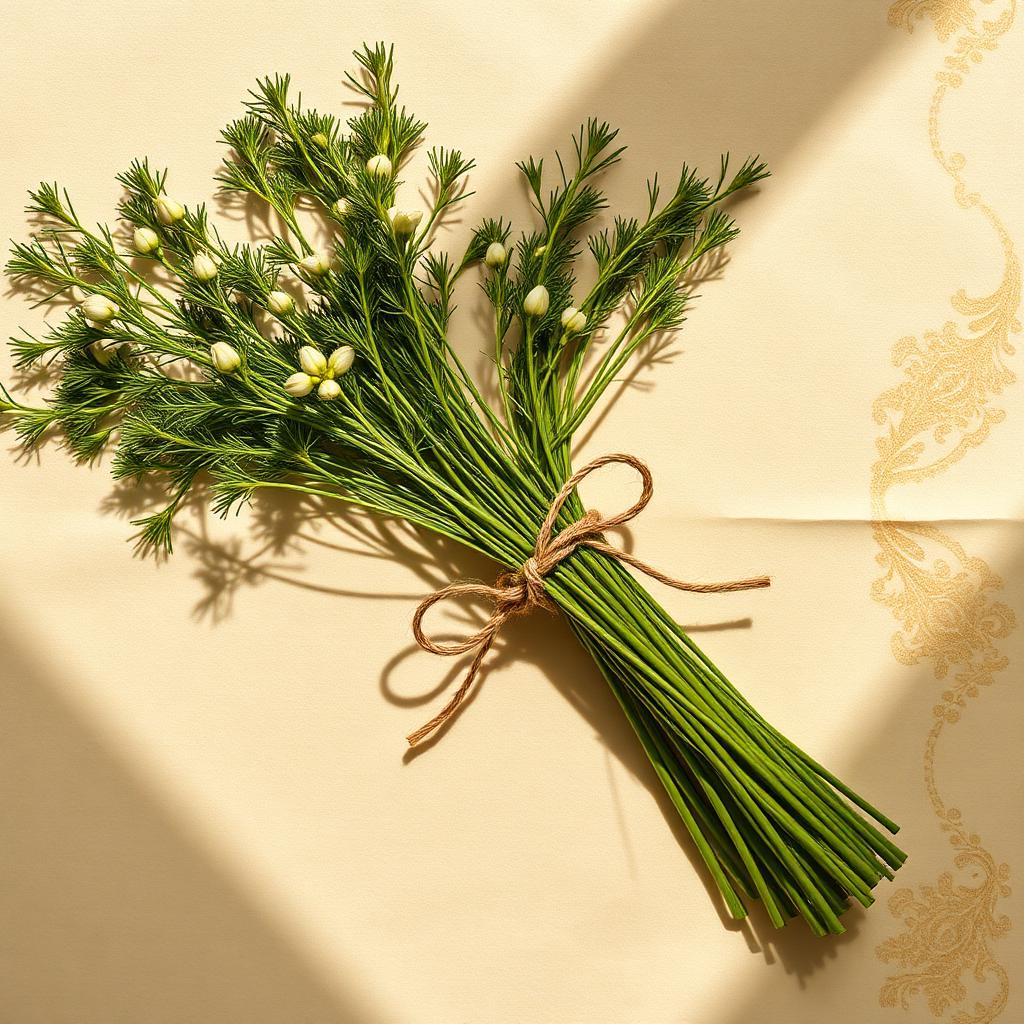
Calms colic, aids digestion, freshens the breath.
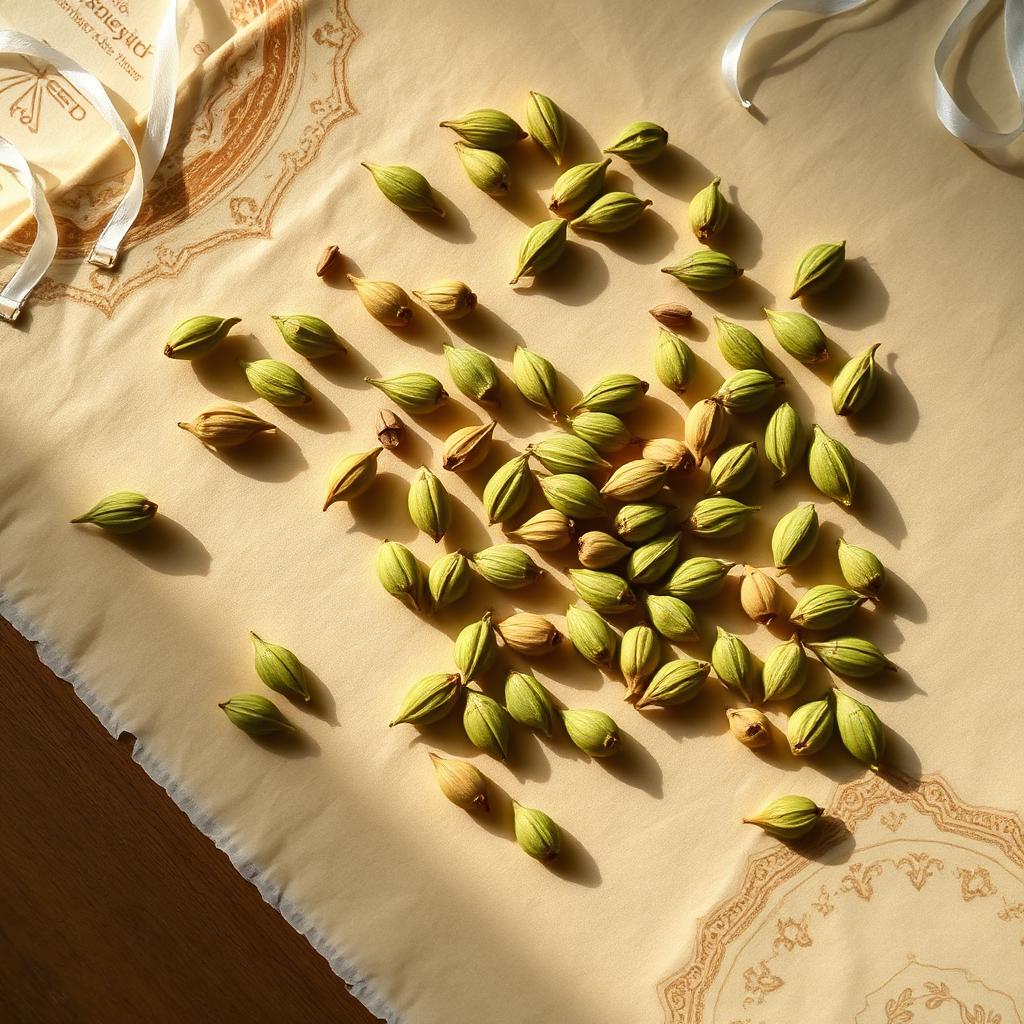
Sweetens the breath, lifts the heart, eases nausea.
Traditional Persian Remedies
Household preparations drawn from Persian traditional medicine — recorded for educational and heritage value, not as medical advice.
- 1/2 tsp fennel seeds (رازیانه)
- 1/2 tsp cumin seeds (زیره)
- 1 cup just-boiled water
Lightly crush the seeds, cover with just-boiled water, steep 8 minutes, strain.
Sip warm after lunch and dinner — Erfani's first-line household remedy for نفخ (bloating) and gas.
- 1/2 tsp anise seeds (انیسون)
- 1/2 tsp fennel seeds
- 1 cup just-boiled water
Crush seeds lightly, cover, steep 10 minutes, strain.
After heavy or oily meals. Sweetens the breath and eases bloating in one cup.
- 1 tsp dried mint (نعناع)
- 1/2 tsp dried tarragon (ترخون)
- 1 cup just-boiled water
Cover and steep 7 minutes, strain.
Take 20 minutes before a heavy meal to wake the digestion, or after to settle gas.
- 1 small handful fresh basil leaves (ریحان)
- 1 cup just-boiled water
Cover and steep 6 minutes, strain.
Sip warm for colicky discomfort or stress-driven indigestion.
- 1 tsp dried dandelion root or leaf (قاصدک)
- 2 cups water
Simmer 10 minutes, strain.
1/2 cup 15 minutes before lunch in courses of 10 days. Awakens weak appetite and supports the liver — the Persian read on chronic bloating.
- A small handful of fresh parsley
Rinse and dry.
Chew slowly after a garlicky or onion-heavy meal. Sweetens breath, gently moves gas, mildly diuretic.
- 2 crushed cardamom pods (هل)
- 3 slices fresh ginger (زنجبیل)
- 1 cup just-boiled water
Cover and steep 8 minutes, strain.
After cold or raw meals, in winter, or when bloating comes with nausea.
- 1 small bowl whole-milk yogurt (ماست)
- 1 tsp dried dill (شوید)
- Pinch of salt
Stir the dill and salt into the yogurt and let stand 10 minutes.
Eat at lunch with rice or bread. Persian household pairing — yogurt soothes, dill prevents the gas it can cause.
- 1 tsp dried artichoke leaf
- 2 cups water
Simmer 8 minutes, strain.
1/2 cup before fatty meals during sluggish-digestion phases. Traditional bitter that supports bile flow and eases bloating after rich food.
- 1/2 tsp lightly crushed coriander seeds (گشنیز)
- 1 cup just-boiled water
Cover and steep 8 minutes, strain.
Cooling settler for hot-pattern bloating with reflux or burning sensations.
- Equal parts whole fennel, cumin and anise seeds, mixed in a small jar
Toast lightly in a dry pan 1 minute, cool, store in a sealed jar.
Chew 1/4 tsp slowly after a heavy meal — Persian and South Asian tradition for digestion and breath.
- 3 slices fresh ginger
- 1 thin slice lemon
- 1 cup warm water
Steep ginger 8 minutes in covered hot water; add lemon at the end.
Drink on rising during sluggish-digestion seasons to kindle the digestive fire (قوّت هاضمه).
Lifestyle recommendations
- Walk 10–15 minutes after dinner
- Stop eating 3 hours before bed
- Drink warm — not cold — fluids with meals
- Add warming spices (cumin, ginger, golpar) to legumes
Habits to ease back
- Raw salads after sunset
- Cold drinks with meals
- Heavy dairy + bread combinations
Prevention practices
- Eat the heaviest meal at midday when digestion is strongest
- Never combine fresh fruit with cooked meals
- Keep dinner small, warm, and well-cooked
- Sit cross-legged or kneel briefly after eating to support digestion
Modern scientific understanding
Modern gastroenterology confirms what Persian practice has long recommended: smaller, warmer, regularly-timed meals, lower fermentable carbohydrate loads, mindful chewing, and short post-meal walks all reduce bloating in most people. Several Persian carminative herbs — fennel, cumin, caraway, dill, ginger, peppermint — have direct clinical evidence for relaxing the gut and easing trapped gas.
Healthy aging connection
Digestion is the foundation of Persian healthy-aging philosophy: 'what the stomach cannot transform, the body cannot use.' Protecting digestive warmth — warm breakfasts, an early dinner, herbal teas, daily movement — is one of the simplest practices for staying energetic and well-nourished into later decades.
Frequently asked questions
›Why does Persian medicine emphasize warm drinks with meals?
Cold liquids are thought to chill the digestive fire and slow the transformation of food. Warm or room-temperature drinks — especially fennel, cumin, or ginger tea — keep digestion active and reduce gas.
›Which foods worsen bloating in Persian tradition?
Raw salads after sunset, heavy dairy combined with bread, very cold drinks, and rich, late dinners. Reheated leftovers and overripe fruit are also flagged.
›When is bloating a warning sign?
Sudden persistent bloating, weight loss, blood in stool, or a marked change in bowel habit should be evaluated by a clinician promptly. Home remedies are for everyday digestive discomfort, not for new or worsening symptoms.
Further reading
Every reference page in the Living Library is written by our editorial team, cross-checked against classical Persian medical sources and peer-reviewed modern research, and reviewed on a rolling schedule. This is educational content — not a diagnosis or treatment plan. For symptoms that concern you, please consult a qualified clinician.
Continue your journey
I'm still learning about you, so these are gentle starting points near Bloating & gas. As we talk more, my suggestions will become increasingly tailored.
A natural next step, chosen with your journey in mind.
- HerbFennelرازیانهSoothes the stomach, eases bloating, brightens the eyes.Traditional use · Chewed after meals across Iran for bloating and gas; the same seeds are a mild galactagogue.
- HerbCuminزیرهKindles digestion, dispels gas, slims the body.A place to start · One of the safest, most useful places to begin near Bloating & gas.
- HerbGingerزنجبیلKindles digestion, dispels cold.Traditional use · The traditional remedy for a cold, sluggish stomach — and the best-evidenced natural option for nausea.
- HerbDillشویدCalms colic, aids digestion, freshens the breath.A place to start · One of the safest, most useful places to begin near Bloating & gas.
- HerbCardamomهلSweetens the breath, lifts the heart, eases nausea.Traditional use · Cardamom is added to Persian tea precisely to blunt its heating, drying effect — a warming, aromatic digestive in its own right.
A few natural ways to bring Bloating & gas into a conversation.
- The simplest form is the after-meal chew: half a teaspoon of lightly toasted seeds, chewed slowly. As damkardeh, use a teaspoon of crushed seeds per cup, kept covered for ten minutes.
- The kitchen form is toast-and-grind: thirty seconds of whole seeds in a dry pan before grinding for kebab and rice. After meals, chai-ye zireh is a teaspoon of seeds steeped ten minutes.
- Fresh tea (dam-nūsh-e zanjabīl) — 1" fresh root, simmered 10 minutes; the everyday form
- For the seed, lightly crush a teaspoon and steep it ten minutes. A much weaker version of the same tea is the gripe-water style, given a teaspoon at a time to fussy babies with practitioner guidance.