Kidney stones & urinary health
Urinary fluids thicken and settle when warmth, hydration, and daily movement weaken — needs gentle daily diuretics and abundant warm water.
Traditional ritual
Daily cup of corn-silk or fennel-dandelion tea; 2–3 liters of warm water daily; a 30-minute walk.
Key takeaways
- Persian medicine views stones (سنگ کلیه) as the slow crystallization of retained, heated humors in the urinary tract.
- Plentiful warm water, corn-silk infusion, and barley water are the classical first line.
- Reducing salt, oxalate-heavy foods, and dehydration is essential in both tradition and modern practice.
- Persistent severe pain or blood in urine requires urgent clinical care.
Traditional Persian perspective
Persian medicine treats kidney stones and urinary stagnation (سنگ کلیه و احتباس ادرار) as a thickening and settling of urinary humors — water that should flow turns to stone when warmth and movement weaken. Avicenna and Erfani's Sad Giah Hezar Darman emphasize gentle, daily diuretic infusions (corn silk, parsley, asparagus, dandelion, watercress, celery) combined with abundant warm water, daily walking, and avoidance of foods that thicken the urine. The classical approach is preventive and slow — small daily cups of mild diuretics across weeks, not aggressive flushes.
Common contributing factors
- Chronic under-hydration — the single largest driver
- High intake of ultra-processed foods, excess salt, and excess animal protein
- Sedentary days — stagnant fluids precipitate more readily
- Hot climates and heavy sweating without electrolyte replacement
- Family history and prior stone episodes
- Some supplements and medications (always check with a clinician)
Supportive herbs
Foods that support balance
Traditional Persian Remedies
Household preparations drawn from Persian traditional medicine — recorded for educational and heritage value, not as medical advice.
- 1 tbsp dried corn silk (کاکل ذرت)
- 2 cups water
Bring water to a boil, pour over corn silk, cover, steep 10 minutes, strain.
2–3 cups daily across 2–4 weeks. Erfani's first-line gentle urinary tonic.
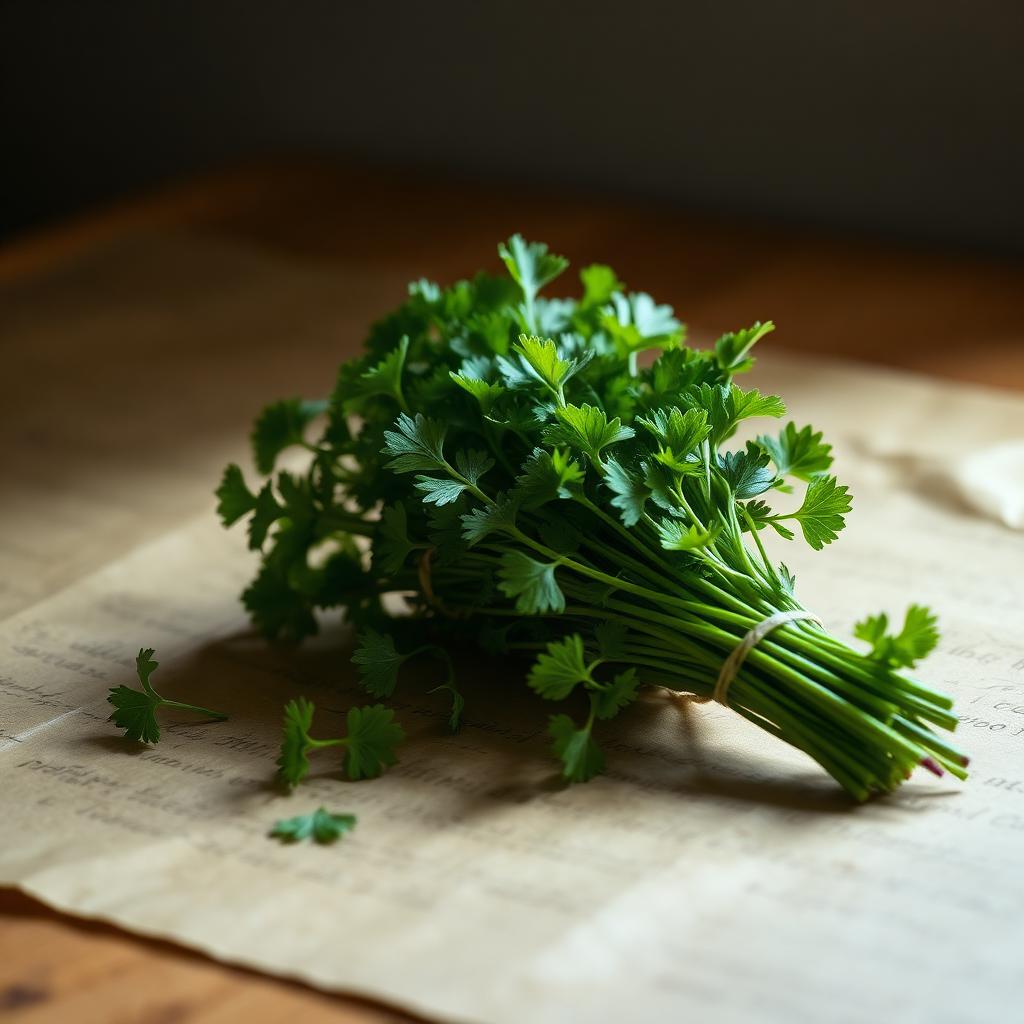
- A generous handful of fresh parsley
- 2 cups water
- Optional: thin slice of lemon
Simmer parsley in the water 5 minutes, strain into a warmed cup, add lemon if using.
1 cup warm, in courses of 7–10 days at a time (not continuously). Classical Persian gentle diuretic. Avoid in pregnancy.
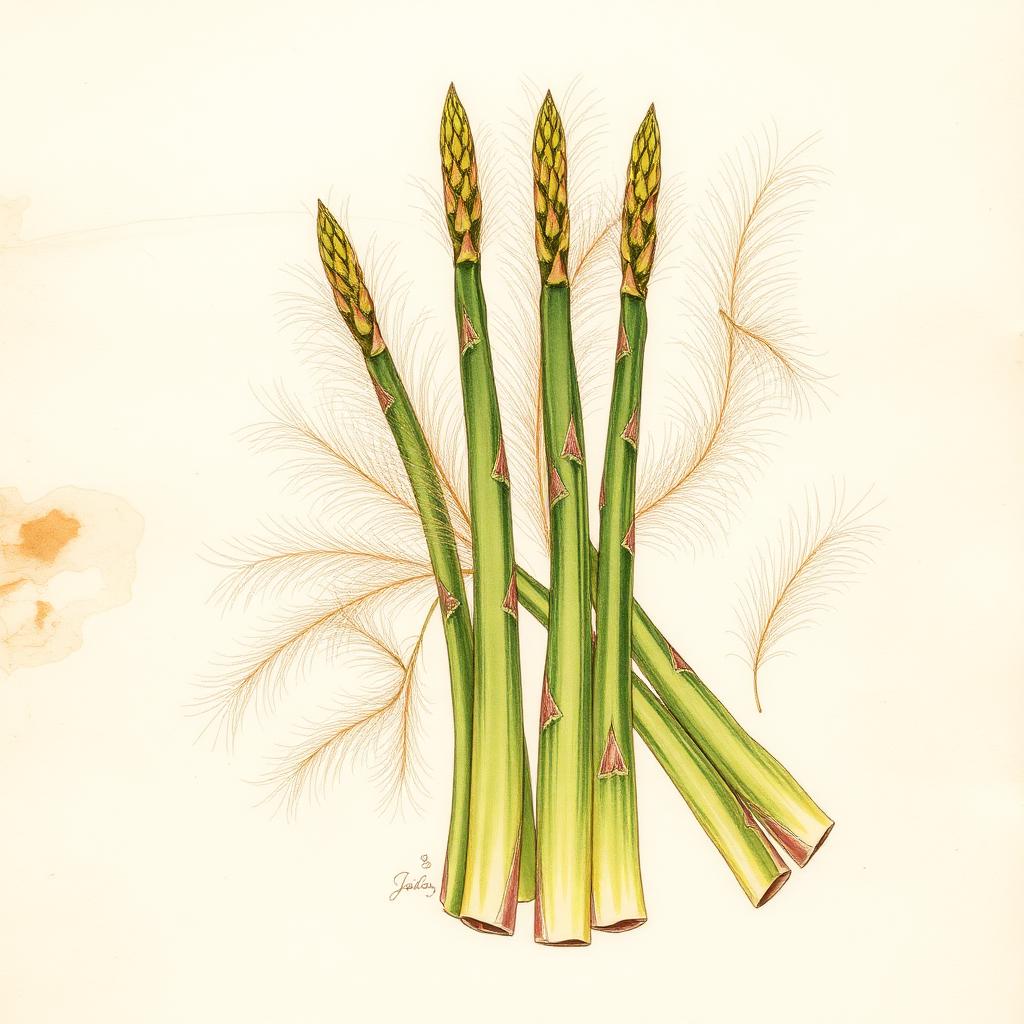
- A bunch of fresh asparagus (مارچوبه)
- 4 cups water
- Pinch of salt
Simmer asparagus 15 minutes; remove the spears and reserve. Lightly salt the broth.
Sip the warm broth and eat the asparagus at lunch in spring. Traditional kidney and urinary tract support.
- A handful of fresh watercress (شاهی)
- 1 tsp olive oil
- Squeeze of lemon
- Pinch of salt
Toss together.
Eat daily during stone-prone seasons. Erfani lists watercress among the foremost urinary cleansers.
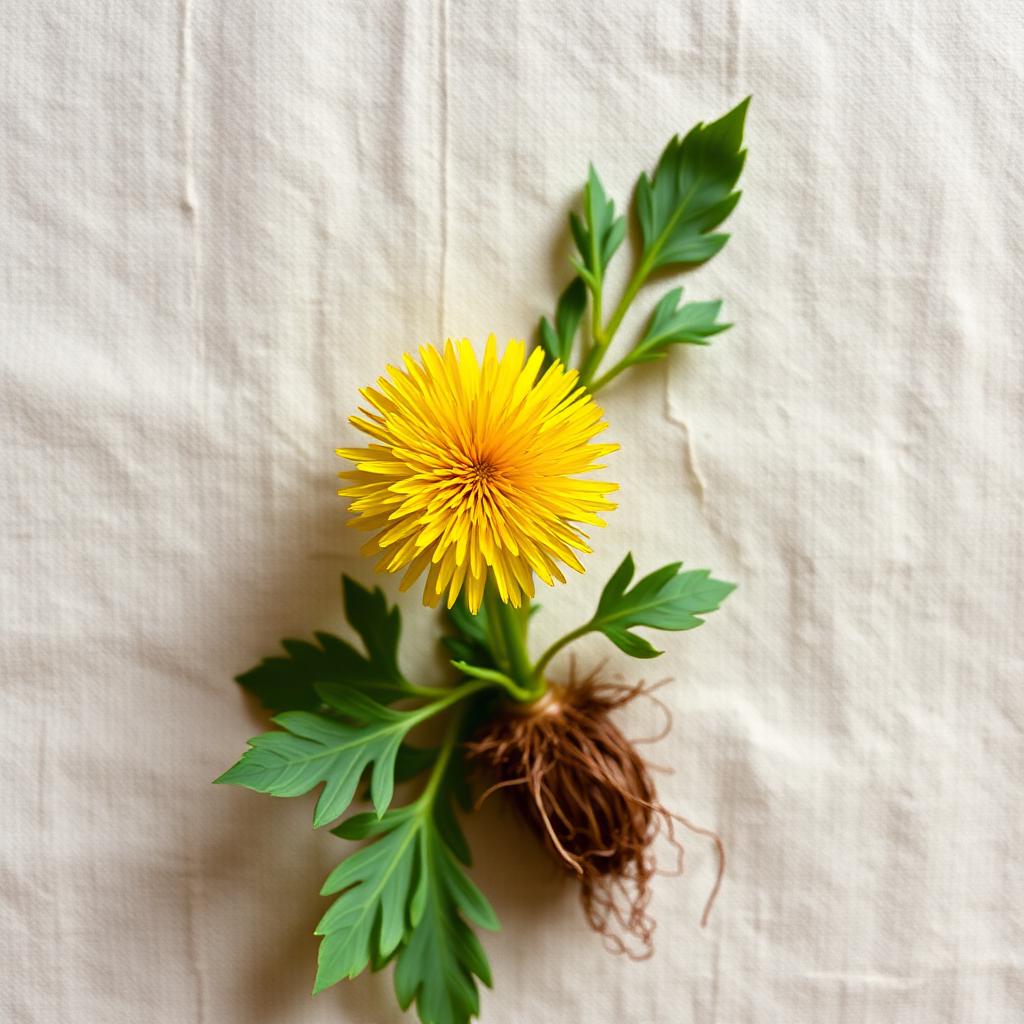
- 1 tsp dried dandelion leaf (قاصدک)
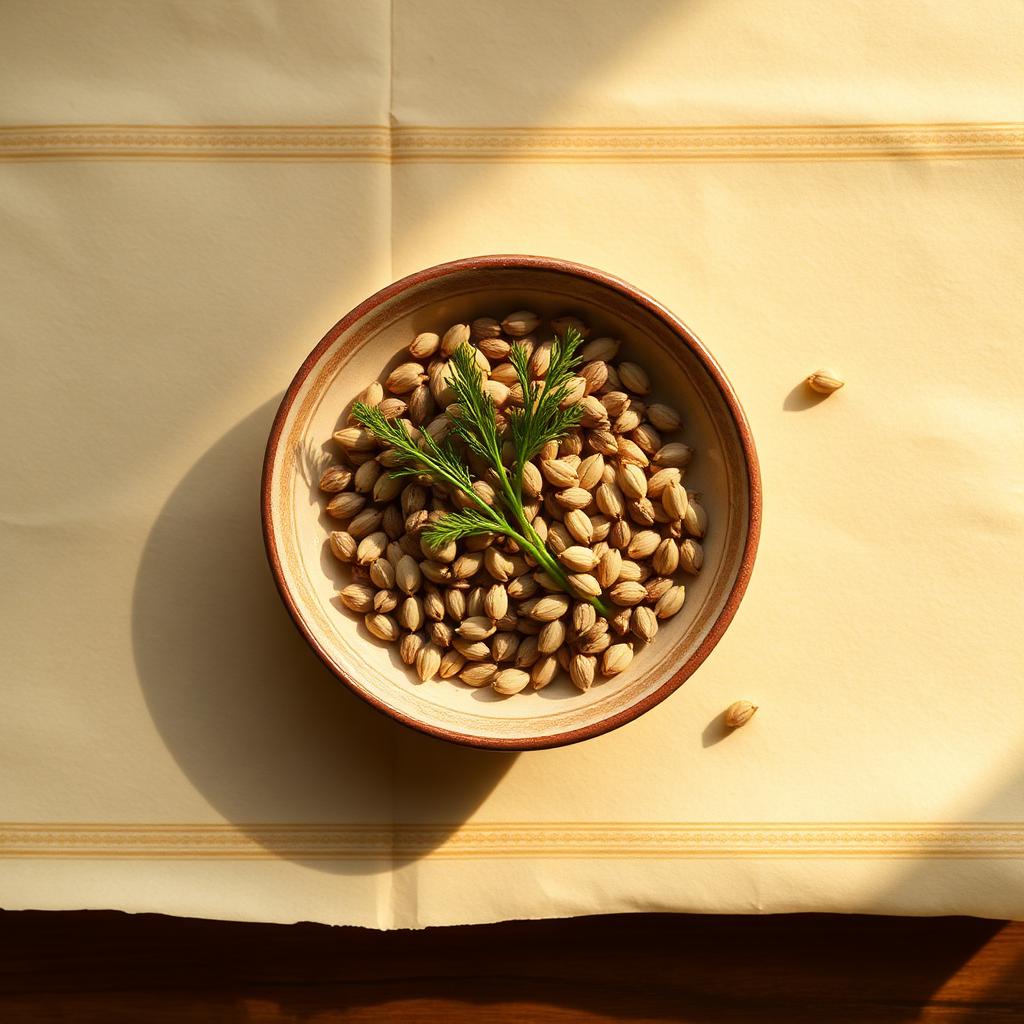
- 1/2 tsp fennel seed (رازیانه)
- 1 cup just-boiled water
Cover and steep 10 minutes, strain.
1 cup in the late morning. Supports kidney drainage and eases the bloating that often accompanies retention.
- 1/2 tsp lightly crushed celery seed
- 1 cup just-boiled water
Cover and steep 10 minutes, strain.
Sip warm on rising as a gentle daily preventive in courses of 2 weeks on, 1 week off.
- 3 tbsp pearl barley
- 4 cups water
- 1/2 lemon
- Optional: 1 tsp honey
Simmer barley 30 minutes, strain, add lemon and honey to the warm liquid.
Sip 2 cups across the day. Classical Persian آب جو — soothing, cooling, lightly diuretic.
- Fresh parsley
- Watercress
- Sliced cucumber
- Lemon
- Olive oil
- Pinch of salt
Toss in a wide bowl with lemon and olive oil.
Eat as a side at lunch most days. Hydrating, mildly diuretic, low-oxalate, supportive food pattern for stone-prone constitutions.
- Filtered water at room temperature or warmer
- Optional: thin slice of lemon
Fill a 1.5–2 L jug each morning.
Finish the jug across the day, sipping rather than gulping. Persian medicine and modern urology agree — steady hydration is the single greatest preventive.
Lifestyle recommendations
- Drink 2–3 liters of warm or room-temperature water daily — pale-yellow urine is the goal
- Walk 30 min daily — movement keeps urinary flow strong
- Reduce salt and ultra-processed foods sharply
- Moderate animal protein; replace 2–3 meals weekly with legumes and grains
- Add fresh parsley, watercress, and celery to daily meals
- Avoid suppressing the urge to urinate — Persian medicine treats this as a direct cause of urinary stagnation
Habits to ease back
- Chronic under-hydration
- Excess salt and ultra-processed foods
- Suppressing the urge to urinate
Prevention practices
- Lifelong daily hydration — never let thirst build
- Annual urinalysis if you have a stone history
- Keep weight, blood pressure, and blood sugar in healthy ranges
- Eat a Mediterranean–Persian diet rich in vegetables, fruit, legumes, olive oil, and modest animal protein
- Drink a daily cup of mild diuretic tea (corn silk, fennel, or dandelion) in stone-prone seasons
- If you have had a stone, ask a clinician for a 24-hour urine analysis to identify your specific type
Modern scientific understanding
Modern urology emphasizes hydration (2–3 liters of fluid daily), reduced sodium, moderate animal protein, and adequate calcium with meals. Several traditional Persian diuretic herbs — corn silk, parsley root, watermelon seed — gently support urine flow and are reasonable as everyday supportive habits.
Healthy aging connection
Kidney health is quietly central to healthy aging — it governs hydration, blood pressure, and waste clearance. Daily water, a low-salt Persian-style diet, and herbal teas instead of sweet drinks protect this organ for decades.
Frequently asked questions
›How much water should I drink to prevent stones?
Enough that your urine is pale straw-colored throughout the day — typically 2 to 3 liters of fluid for most adults, more in hot weather.
›Is corn-silk tea safe daily?
Corn silk is mild and used regularly in Persian households during warmer months. If you take diuretic medications or have kidney disease, ask your clinician first.
Further reading
Every reference page in the Living Library is written by our editorial team, cross-checked against classical Persian medical sources and peer-reviewed modern research, and reviewed on a rolling schedule. This is educational content — not a diagnosis or treatment plan. For symptoms that concern you, please consult a qualified clinician.
Continue your journey
I'm still learning about you, so these are gentle starting points near Kidney stones & urinary health. As we talk more, my suggestions will become increasingly tailored.
A natural next step, chosen with your journey in mind.
- HerbFennelرازیانهSoothes the stomach, eases bloating, brightens the eyes.Traditional use · Chewed after meals across Iran for bloating and gas; the same seeds are a mild galactagogue.
- HerbDandelionقاصدکA bitter green that supports digestion, the liver, and gentle cleansing.A place to start · One of the safest, most useful places to begin near Kidney stones & urinary health.
- FoodWatercressشاهیAwakens digestion, clears the blood, sharpens the senses.A place to start · One of the safest, most useful places to begin near Kidney stones & urinary health.
- FoodAsparagusمارچوبهMārchubeh — spring spear traditionally used to support kidneys, clear the urinary tract, and cleanse the blood.A place to start · One of the safest, most useful places to begin near Kidney stones & urinary health.
A few natural ways to bring Kidney stones & urinary health into a conversation.
- The simplest form is the after-meal chew: half a teaspoon of lightly toasted seeds, chewed slowly. As damkardeh, use a teaspoon of crushed seeds per cup, kept covered for ten minutes.
- Young leaves go into sabzi khordan or salad, or are briefly sautéed with olive oil, garlic and lemon. Left in water overnight they make a cold spring-tonic infusion.
- The root is decocted: a teaspoon of coarsely ground root per cup, simmered ten minutes and kept covered. As a tincture (1:5 in 40% alcohol) it is 2–4 mL up to three times daily. Capsules follow the product label.