Broccoli, Sulforaphane and the Word 'Detox'
A compound that only exists once you chew — and a word that has been sold to you.
How sulforaphane is actually formed, why broccoli sprouts dominate the research, and what cruciferous vegetables have and have not been shown to do.
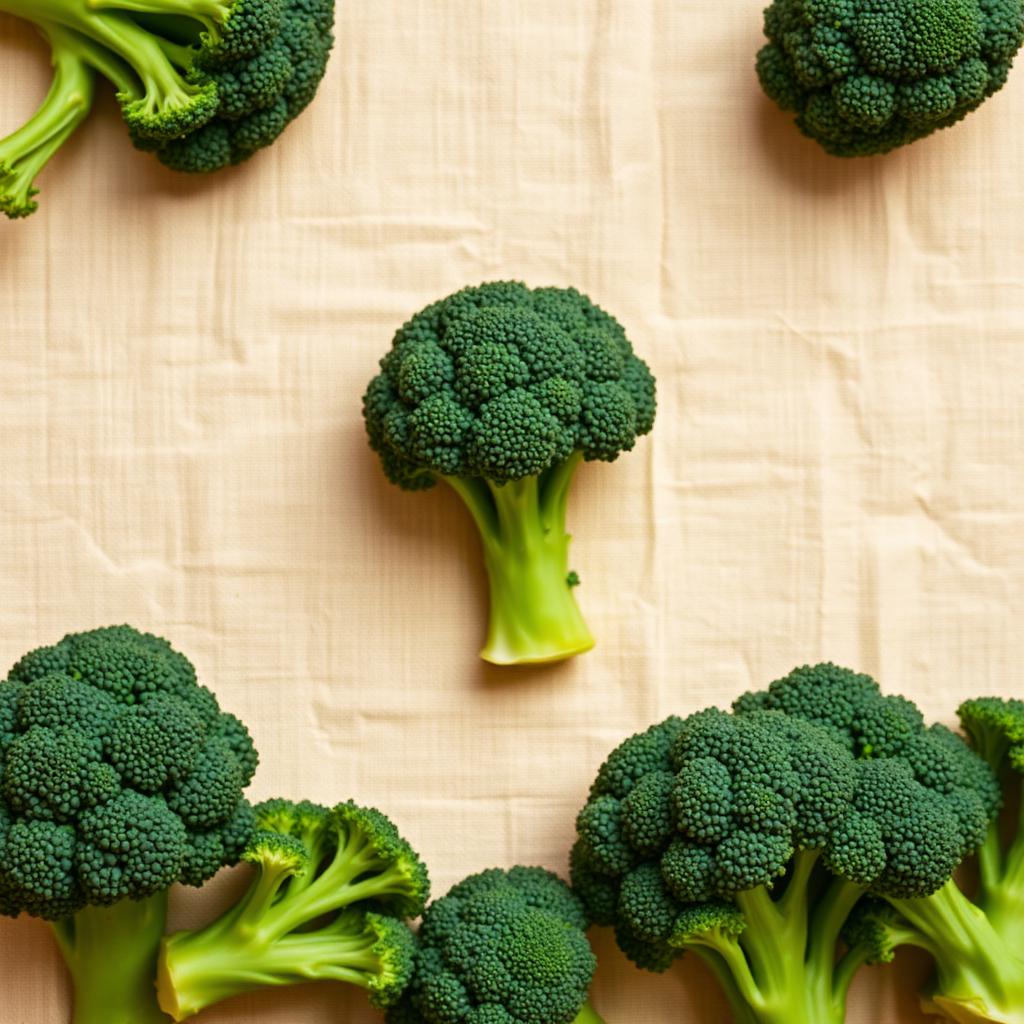
Your liver and kidneys are not clogged, and no vegetable unclogs them. Set the word detox aside and broccoli gets more interesting, not less — because the compound everyone is excited about does not exist in the vegetable until you break it.
A compound made by damage
Broccoli stores a stable precursor called glucoraphanin, kept apart from an enzyme called myrosinase. Chop, chew or crush the plant and the two meet; myrosinase converts glucoraphanin into sulforaphane. It is a defence reaction, built to punish whatever is eating the plant.
In laboratory work sulforaphane activates Nrf2, a switch that turns up the cell's own antioxidant and detoxification enzymes. That is a real and well-described mechanism in cells — and a mechanism is a reason to investigate, not a demonstrated benefit in people.
Why cooking decides how much you get
Myrosinase is heat-sensitive. Boil broccoli hard and you destroy the enzyme and leach the precursor into the water, and very little sulforaphane forms. Light steaming for a few minutes softens the vegetable while leaving enough enzyme intact.
Two practical tricks come out of this. Chop the broccoli and let it sit for around forty minutes before cooking, so the conversion happens before the heat arrives. Or add a raw source of myrosinase to cooked broccoli — a little mustard, rocket, radish or raw sprouts on top.
Boiled to death, broccoli is fibre and vitamin C. Both are fine. Neither is the point.
Sprouts are a different exposure
Three-day-old broccoli sprouts carry far more glucoraphanin than mature heads, and this is where the human research concentrates: sprout preparations, sprout drinks and standardized supplements, given in measured doses to small groups for short periods, with markers such as detoxification-enzyme activity or excretion of specific pollutants measured.
Those studies show that the chemistry happens in people. They do not show that eating broccoli at dinner produces the same effect, and results from a concentrated sprout beverage should not be quietly attributed to a side of florets.
A little more detail
People also differ genetically in how they handle these compounds, and some of that variation shows up in the trials. It is one reason results are less uniform than headlines suggest.
The cancer question, honestly
Population studies have repeatedly linked diets high in cruciferous vegetables with lower rates of some cancers, and laboratory and animal work on sulforaphane has been active for decades. Both threads are real, and neither establishes that broccoli prevents or treats cancer.
People who eat a lot of vegetables differ from those who do not in many other ways, and the human trials that exist measure biological markers over weeks, not cancer outcomes over years. Eat cruciferous vegetables because a diet full of them is a good diet. Do not use broccoli, sprouts or sulforaphane supplements in place of screening or treatment, and tell your oncology team about any supplement you take.
Eating it well
Steam for four to five minutes, or roast hot and fast so it browns rather than steams in its own water. Use the stalk — peeled and sliced, it is sweeter than the florets. Finish with lemon, chilli and olive oil, or fold into a frittata.
If you buy sprouts, treat them as a food safety item: raw sprouts of any kind are grown warm and damp and have caused outbreaks, so buy fresh, refrigerate, and skip raw sprouts entirely if you are pregnant, elderly or immunocompromised.
Thyroid and medication
Cruciferous vegetables contain goitrogens, which in very large amounts can interfere with iodine uptake by the thyroid. Ordinary servings are not a problem for most people, and cooking reduces the effect.
If you have thyroid disease or take levothyroxine, the practical points are to keep iodine intake adequate, avoid extreme quantities of raw cruciferous vegetables or juices, and ask your clinician before starting a concentrated sulforaphane supplement.
Frequently asked questions
+Is frozen broccoli useless?
Not useless — it is nutritionally good food. But it is blanched before freezing, which knocks out most myrosinase, so little sulforaphane forms. Adding raw mustard powder or fresh sprouts restores much of the conversion.
+Should I take a sulforaphane supplement?
Supplements vary widely in whether they deliver active compound, and they are a different product from the vegetable. If you are considering one, especially alongside medication, ask a clinician.
+Is there a Persian angle here?
Not really. Broccoli is not part of the traditional Persian repertoire, and we would rather say so than invent a heritage for it.
Sources & references
Claim-supporting sources
- “Myrosinase is heat-sensitive. Boil broccoli hard and you destroy the enzyme and leach the precursor into the water, and very little sulforaphane forms.”Effect of meal composition and cooking duration on the fate of sulforaphane following consumption of broccoli by healthy human subjects Clinical trial evidence (humans)Human feeding study: cooking duration sharply reduces sulforaphane formation and absorption.
- “Or add a raw source of myrosinase to cooked broccoli — a little mustard, rocket, radish or raw sprouts on top.”Supplementation of the diet by exogenous myrosinase via mustard seeds to increase the bioavailability of sulforaphane in healthy human subjects Clinical trial evidence (humans)Mustard seed as an exogenous myrosinase source measurably raises sulforaphane bioavailability from cooked broccoli. Rocket and radish are the same mechanism, tested less directly.
- “In laboratory work sulforaphane activates Nrf2, a switch that turns up the cell's own antioxidant and detoxification enzymes.”Absorption and chemopreventive targets of sulforaphane in humans following consumption of broccoli sprouts or a myrosinase-treated broccoli sprout extract Laboratory / mechanistic researchDescribes absorption and the Nrf2-linked targets. A mechanism, not a demonstrated clinical benefit.
- “Population studies have repeatedly linked diets high in cruciferous vegetables with lower rates of some cancers”Cruciferous vegetable consumption and gastric cancer risk: a meta-analysis of epidemiological studies Systematic review / meta-analysisPooled observational studies — association only, in one cancer site. Deliberately left unquantified in the text; it must not be read as prevention.
- “Cruciferous vegetables contain goitrogens, which in very large amounts can interfere with iodine uptake by the thyroid.”Do Brassica vegetables affect thyroid function? A comprehensive systematic review Systematic review / meta-analysisOrdinary dietary amounts show no meaningful thyroid effect in people with adequate iodine; concern applies to extreme intakes and iodine deficiency. Matches the article's proportionate wording.
- “raw sprouts of any kind are grown warm and damp and have caused outbreaks”Infections associated with eating seed sprouts: an international concern Observational evidence (humans)Outbreak surveillance across countries. Sprouting conditions favour pathogen growth; at-risk groups are advised to avoid raw sprouts (see also NACMCF recommendations, pubmed.ncbi.nlm.nih.gov/10733245/).
Background reading
- The Nutrition Source — Harvard T.H. Chan School of Public Health