Cough & bronchitis
Cold-damp phlegm thickening in the chest — needs warming, softening, expectorant herbs with steam, honey, and rest.
Traditional ritual
Thyme-honey syrup every 3 hours; thyme steam inhalation 1–2× daily; warm broths and rest.
Key takeaways
- Persian medicine treats cough as the body clearing cold, damp phlegm — warmth, moisture, and gentle expectorants are the goal.
- Thyme-honey syrup, mullein tea, and warm violet infusion are the classical first remedies.
- Steam inhalation with thyme or eucalyptus loosens stuck phlegm.
- Cough lasting more than three weeks or with fever, blood, or breathlessness needs clinical care.
Traditional Persian perspective
Persian medicine reads cough and bronchitis (سرفه و برونشیت) as a disturbance of the chest (صدر) and lung (ریه), usually with thickened cold-damp phlegm (بلغم) needing to be softened, warmed, and loosened. Erfani's Sad Giah Hezar Darman organizes the chest remedies into softening, expectorant, and soothing groups — thyme, marshmallow, elecampane, mullein, basil, fennel, violet, borage — and matches them to whether the cough is dry and irritating (call for soothing, moistening herbs) or wet and rattling (call for warming, drying expectorants). Honey, warm steam, and the suspension of cold and dairy foods are the constants.
Common contributing factors
- Cold drafts, wet hair, sudden temperature shifts
- Smoking and second-hand smoke
- Dry indoor heating in winter
- Cold drinks and heavy dairy at the first sign of chest irritation
- Untreated reflux that irritates the airway at night
- Air pollution and seasonal allergens
Supportive herbs
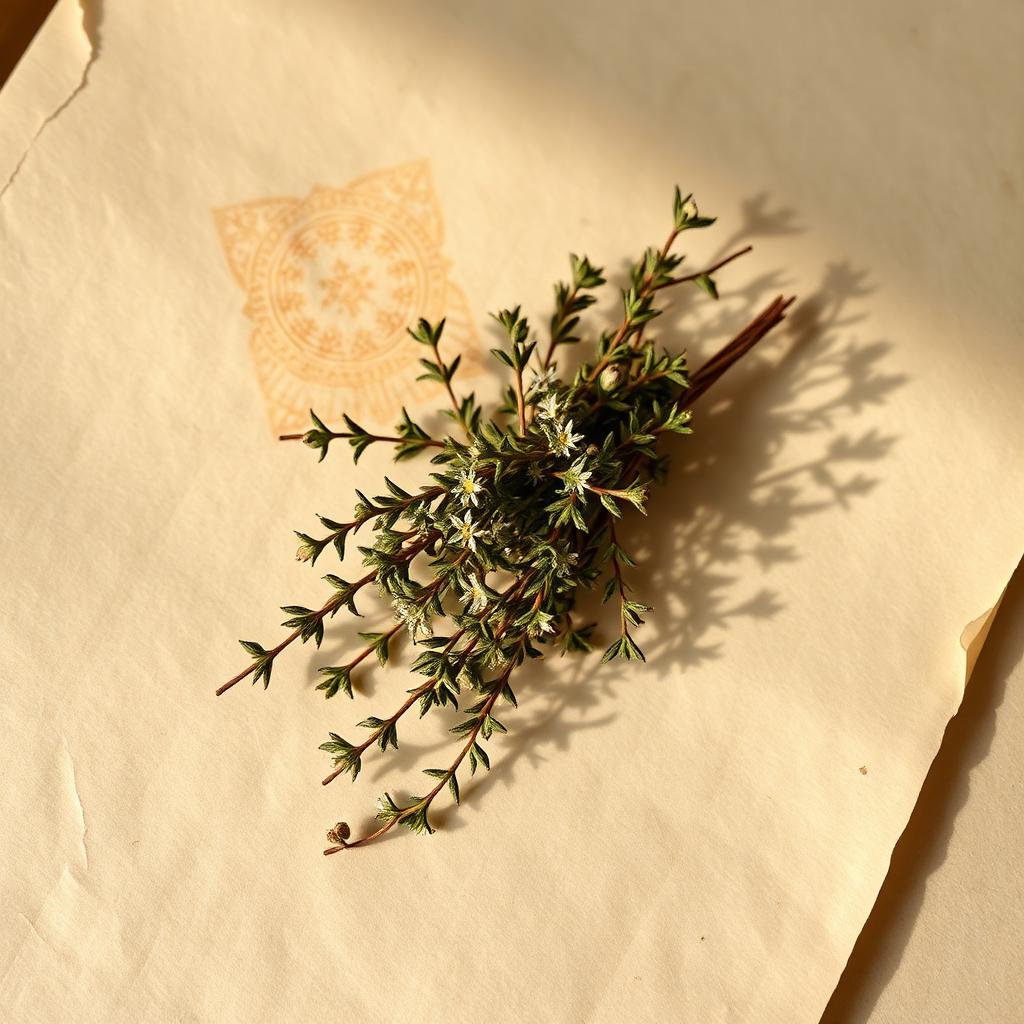
Opens the chest, clears the lungs, supports respiratory health.
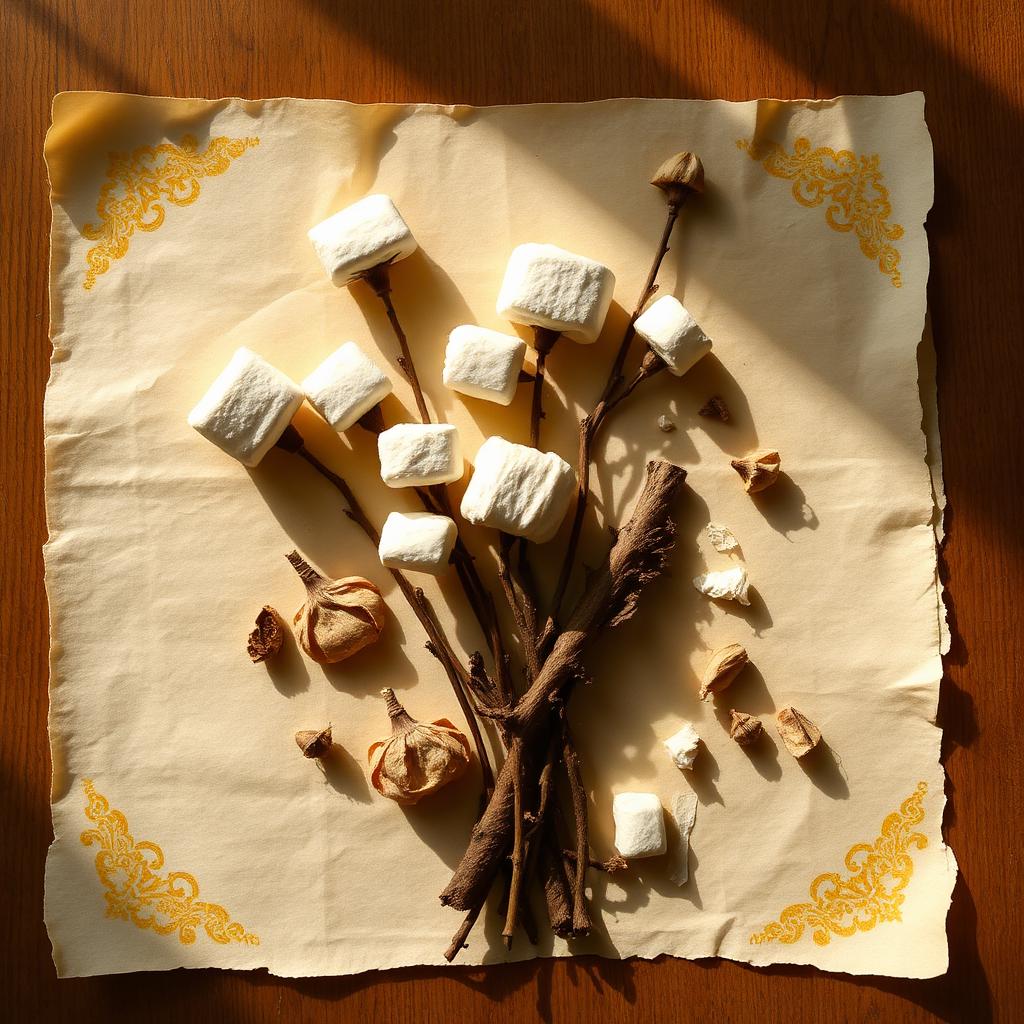
Soothes dry coughs, calms the urinary tract, softens dryness.
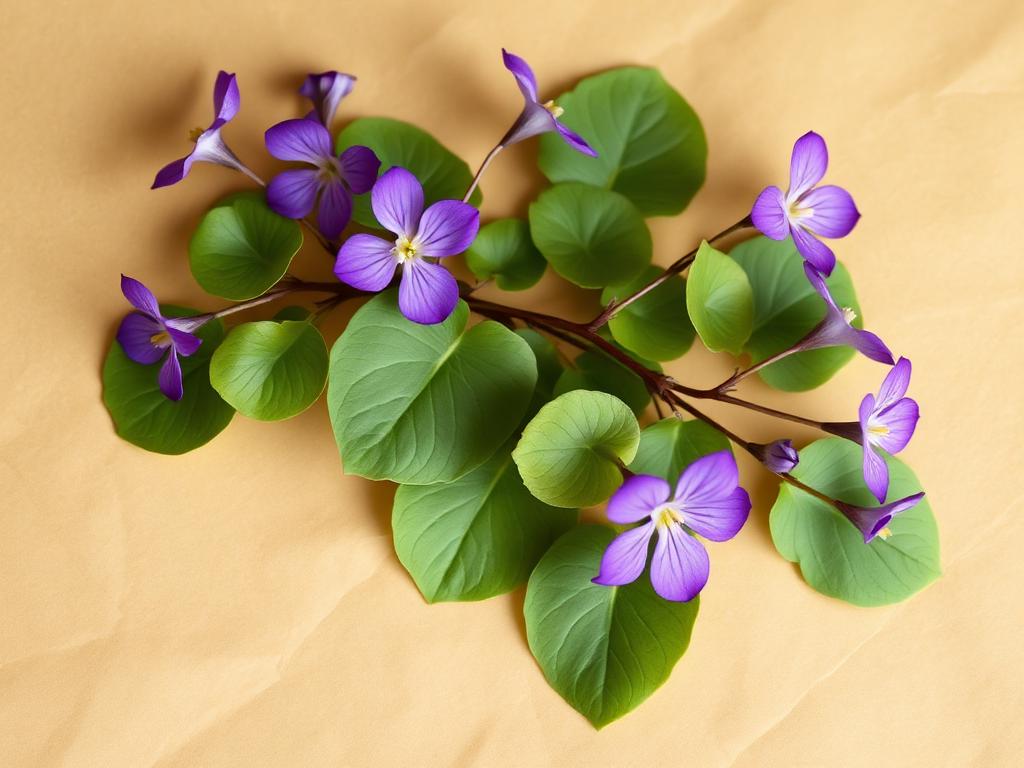
Banafsheh — Avicenna's gentle flower for cough, insomnia, headache, and cooling fevered heat.

Lifts melancholy, calms the heart — the classic Persian gladdener.
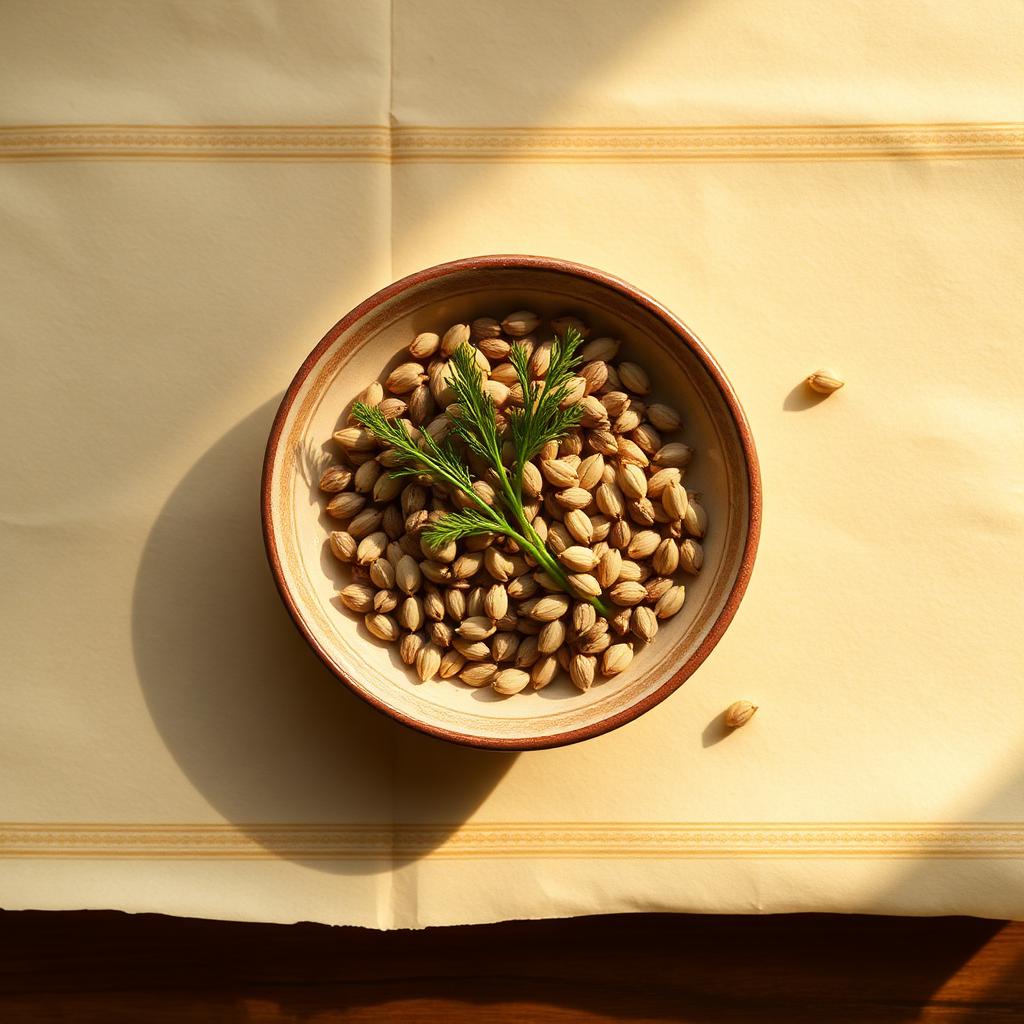
Soothes the stomach, eases bloating, brightens the eyes.
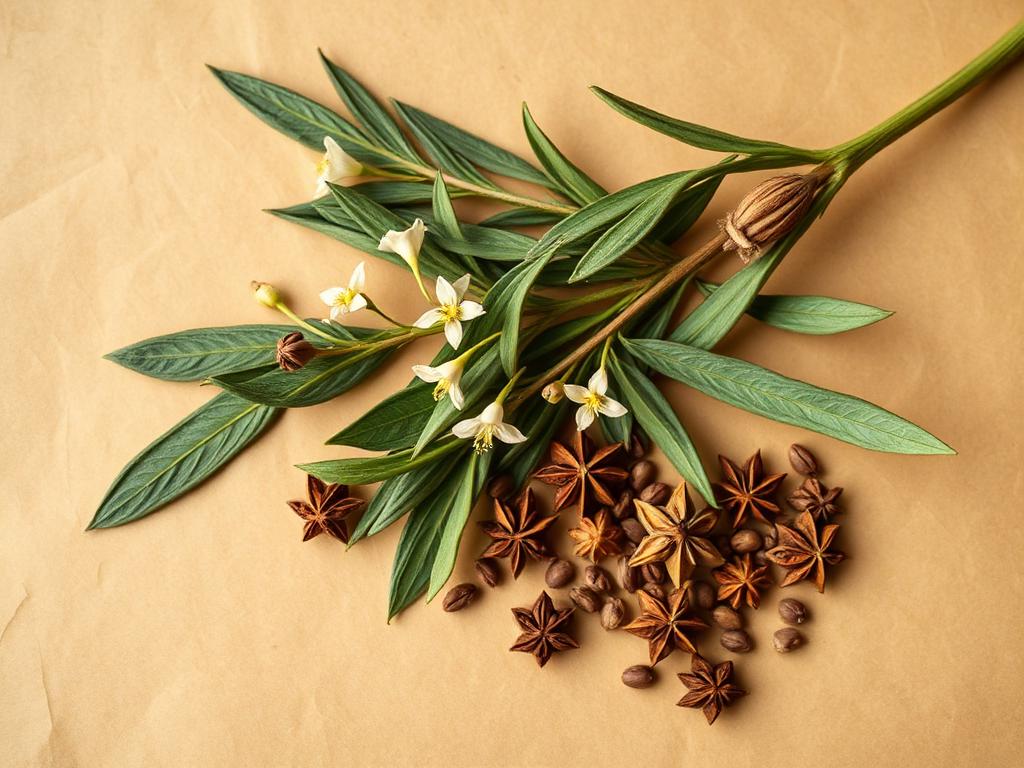
Ānisun — sweet, aromatic seed traditionally used for digestion, breath freshening, and easing colic and cough.
Foods that support balance
Traditional Persian Remedies
Household preparations drawn from Persian traditional medicine — recorded for educational and heritage value, not as medical advice.
- 1 tbsp dried thyme (آویشن)
- 2 cups water
- 3 tbsp raw honey (عسل)
Simmer thyme in water 5 minutes, strain, cool to warm, then stir in the honey. Store in a clean jar in the fridge for up to 5 days.
1 tbsp every 3 hours during an acute cough. Erfani's first-line chest remedy.
- 1 tbsp dried marshmallow root (ریشه ختمی)
- 2 cups cold water
Soak overnight in a covered jar. Strain in the morning.
Sip 1/4 cup at a time across the day. Soothes dry, irritated coughs and raw throats.
- 1 tsp dried elecampane root
- 2 cups water
- Optional: 1 tsp honey
Simmer 10 minutes, strain, sweeten if desired.
1/2 cup 2–3 times daily for wet, productive coughs with thick phlegm. Classical Persian and European expectorant.
- 1 tsp dried mullein flowers (گل ماهور)
- 1 cup just-boiled water
Cover and steep 8 minutes; strain carefully through fine cloth or paper to catch fine hairs.
1 cup 2× daily during persistent dry cough. Softens the lungs.
- 1 tsp violet flowers
- 1 tsp borage
- 1 cup just-boiled water
Cover and steep 10 minutes, strain.
Cooling-moistening combination for hot, dry, hacking coughs.
- 1 tsp crushed fennel seeds
- 1 tsp crushed anise seeds
- 1/2 cup raw honey
Stir the seeds into warm (not hot) honey, cover and let infuse overnight.
1 tsp 3× daily. Softens the chest and eases bronchial spasm.
- A small handful of dried thyme
- 1 large bowl of just-boiled water
- A large towel
Place the thyme in the bowl, pour the water over it, cover the head with the towel.
Breathe steadily for 5 minutes 1–2× daily during chest congestion. Opens congested airways with antiviral oils.
- A small handful of fresh basil leaves (ریحان)
- 1 cup just-boiled water
Cover and steep 5 minutes, strain.
1 cup at the first sign of a cold or chest irritation. Persian household first-response remedy.
- 1 medium onion, thinly sliced
- 3 tbsp raw honey
Layer onion and honey in a clean glass jar overnight at room temperature. Strain the fragrant syrup.
1 tsp at bedtime to ease nighttime cough. A widespread Persian household remedy.
- 1/2 tsp fine salt
- 1 cup warm water
Dissolve fully.
Gargle and spit 3× daily at the first sore throat or post-cold cough. Simple, universal, and supported by both tradition and modern evidence.
Lifestyle recommendations
- Act at first throat tickle — steam, thyme-honey syrup, rest, fluids
- Suspend all cold drinks, ice cream, and heavy dairy until the cough fully clears
- Eat warm, cooked, easy-to-digest meals — soups, broths, stewed grains
- Sleep with the head slightly elevated to ease nighttime cough
- Use a humidifier in dry winter bedrooms
- Steam inhalation with thyme 1–2× daily for chest congestion
- Avoid smoke, strong cleaning fumes, and cold outdoor air during recovery
Habits to ease back
- Cold drinks and ice cream
- Heavy dairy during illness
- Smoke and polluted air
Prevention practices
- Do not smoke; reduce exposure to second-hand smoke and polluted air
- Keep raw honey, thyme, and marshmallow root always stocked in winter
- Sleep 7–9 hours nightly — chronic short sleep weakens mucosal defense
- Annual flu vaccine and reasonable distance from sick contacts in peak season
- Daily warming tea ritual through cold months — thyme, ginger, or black seed
- Treat reflux promptly — nighttime acid is a common driver of chronic cough
Modern scientific understanding
Honey has good clinical evidence for nighttime cough relief, ivy leaf and thyme are widely prescribed in European phytotherapy for bronchitis, and steam inhalation eases congestion mechanically. Most acute coughs resolve within two to three weeks with supportive care.
Healthy aging connection
Respiratory resilience is essential for healthy aging. Persian tradition's warm fluids, fragrant steams, and breath-strengthening practices help keep lungs supple into later life.
Frequently asked questions
›Why honey for cough?
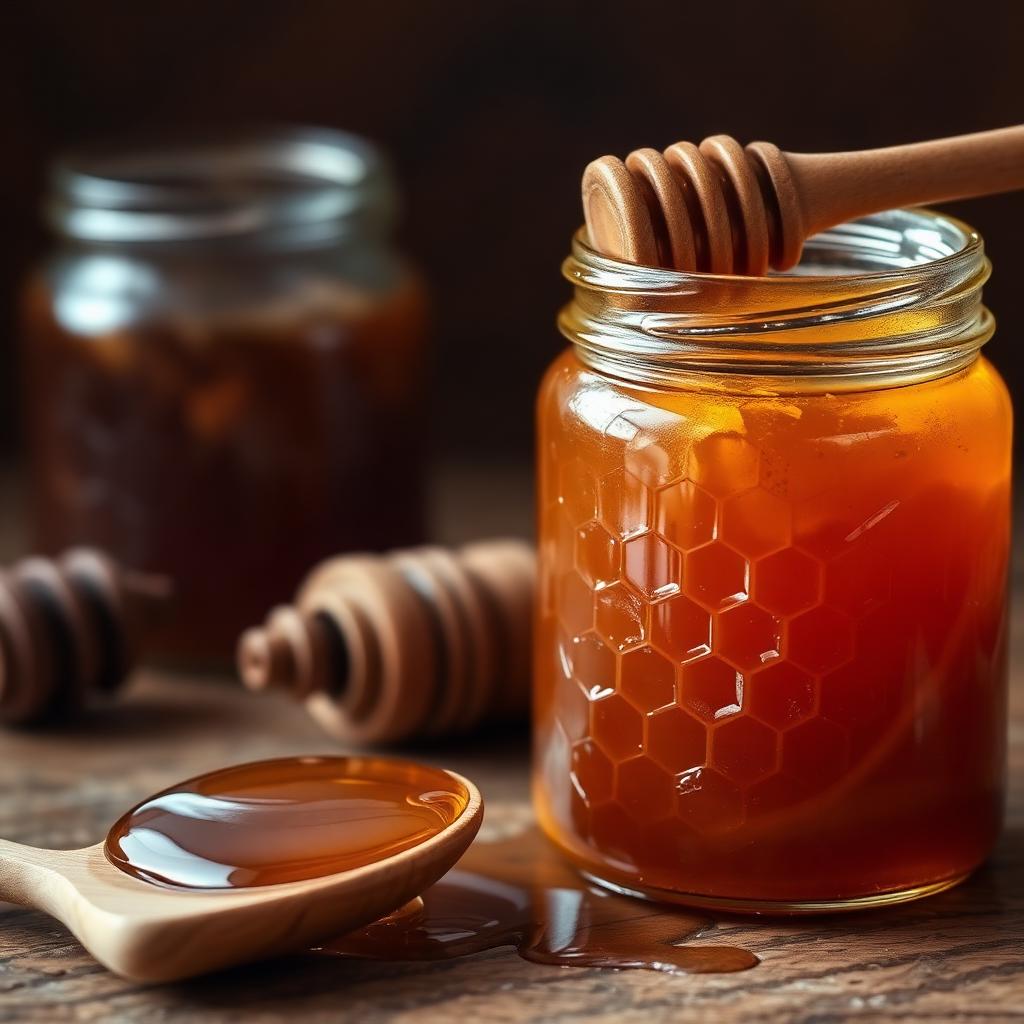
Modern trials show a teaspoon of honey at bedtime reduces nighttime cough in adults and children over one year of age. Persian tradition has used thyme-honey syrup (شربت آویشن و عسل) for the same purpose for centuries.
Further reading
Every reference page in the Living Library is written by our editorial team, cross-checked against classical Persian medical sources and peer-reviewed modern research, and reviewed on a rolling schedule. This is educational content — not a diagnosis or treatment plan. For symptoms that concern you, please consult a qualified clinician.
Continue your journey
I'm still learning about you, so these are gentle starting points near Cough & bronchitis. As we talk more, my suggestions will become increasingly tailored.
A natural next step, chosen with your journey in mind.
- HerbThymeآویشنOpens the chest, clears the lungs, supports respiratory health.Traditional use · Persian *āvishan* is the household herb for coughs and winter chest tightness.
- HerbMarshmallowختمیSoothes dry coughs, calms the urinary tract, softens dryness.A place to start · One of the safest, most useful places to begin near Cough & bronchitis.
- FoodHoneyعسلWarms the body, soothes the throat, lifts mood.Traditional use · Traditional in Persian medicine as a carrier for other remedies, not as a food in its own right.
A few natural ways to bring Cough & bronchitis into a conversation.