Heart & circulation support
The heart thrives on warmth, movement, gentle daily cardiotonics, and warm community — small lifelong habits compound into protection.
Traditional ritual
Daily hawthorn-rose tea; walnut and pomegranate often in season; a 30-minute walk and time with loved ones.
Key takeaways
- Persian medicine treats the heart as the seat of the vital spirit — kept healthy by gladness, fragrance, and steady warmth.
- Rose, saffron, hawthorn, borage, and pomegranate are the classical heart-supportive plants.
- Walnut + pomegranate together is the most famous Persian heart-and-vessel food pairing.
- Daily walking, shared meals, and laughter are treated as cardiac medicine.
Traditional Persian perspective
Persian medicine places the heart (قلب) at the center of vitality — the seat of the vital spirit (روح حیوانی) and the engine of warmth and circulation throughout the body. Erfani's Sad Giah Hezar Darman returns repeatedly to a small circle of cardiotonic foods and herbs — hawthorn, rose, linden, garlic, onion, rosemary, pomegranate, apple — that gently strengthen the heart, ease palpitations, support healthy blood pressure, and protect circulation across the decades. The classical approach is daily, gentle, and food-first: small habits compounded over years.
Common contributing factors
- Chronic stress and unprocessed grief (the classical Persian سودا pattern weighs on the heart)
- Sedentary days without walking or sunlight
- Refined sugar, ultra-processed foods, and excess salt
- Cigarette smoke and excess alcohol
- Short or fragmented sleep
- Untreated high blood pressure (hypertension), high cholesterol, or diabetes
- Isolation and lack of warm community — Persian medicine treats social warmth as direct heart medicine
Supportive herbs
Foods that support balance
Traditional Persian Remedies
Household preparations drawn from Persian traditional medicine — recorded for educational and heritage value, not as medical advice.
- 1 tsp dried hawthorn berries (زالزالک)
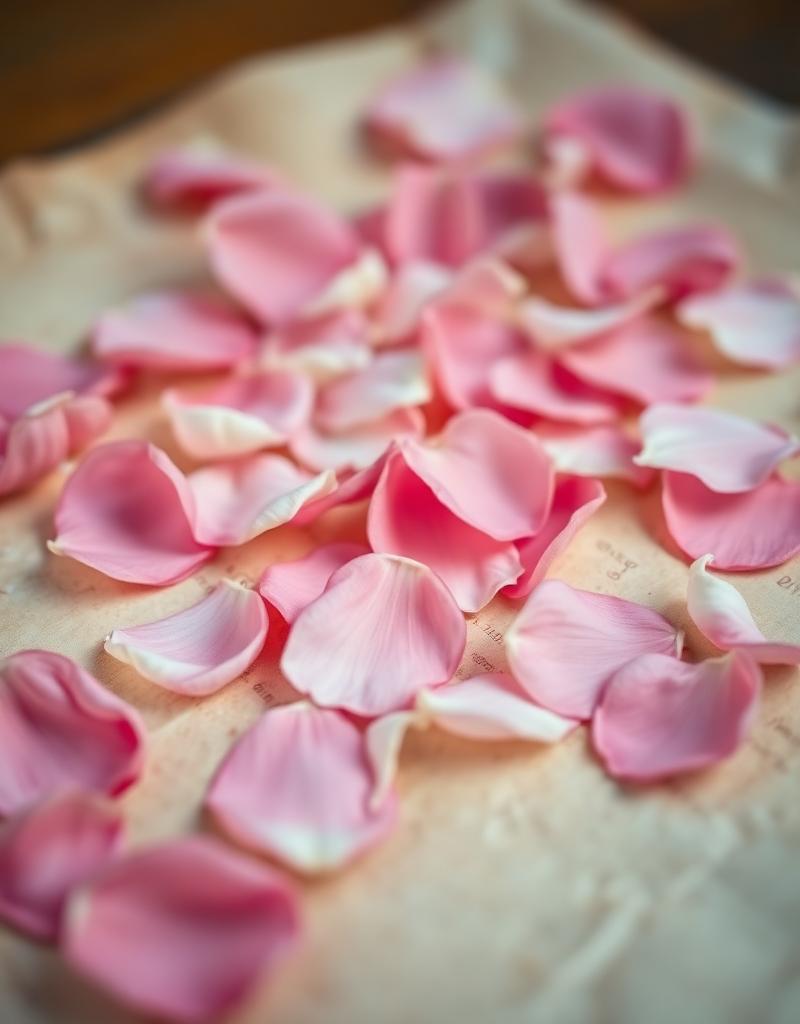
- 1 tsp rose petals (گل سرخ)
- 2 cups water
Simmer hawthorn 8 minutes, off heat add rose, cover 4 minutes, strain.
1 cup daily as a long-term cardiotonic. Erfani's foremost daily heart support.
- 1 tsp linden flowers
- 1 tsp rose petals
- 1 cup just-boiled water
Cover and steep 8 minutes, strain.
Sip after dinner. Calms palpitations linked to nervous tension and supports restful sleep — the heart's nightly repair window.
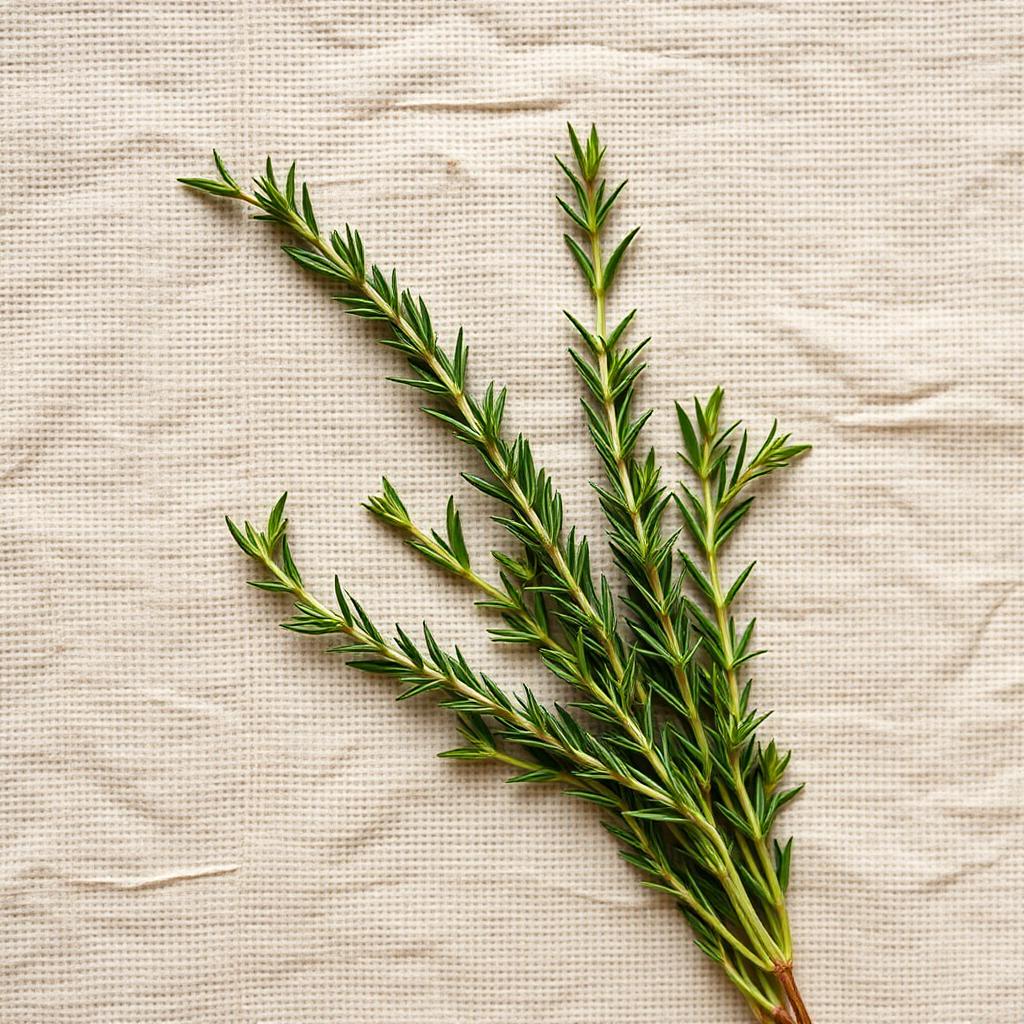
- 1/2 tsp dried rosemary (اکلیل کوهی)
- 1 cup just-boiled water
Cover and steep 8 minutes, strain.
1 cup in the morning. Gentle daily support for circulation and mental clarity. Avoid in untreated high blood pressure without clinician guidance.
- 1 small clove fresh garlic, finely minced
- 1 tsp raw honey
Stir together in a small spoon.
Take on rising in courses of 4–6 weeks. Erfani's daily long-term support for blood vessels and circulation.
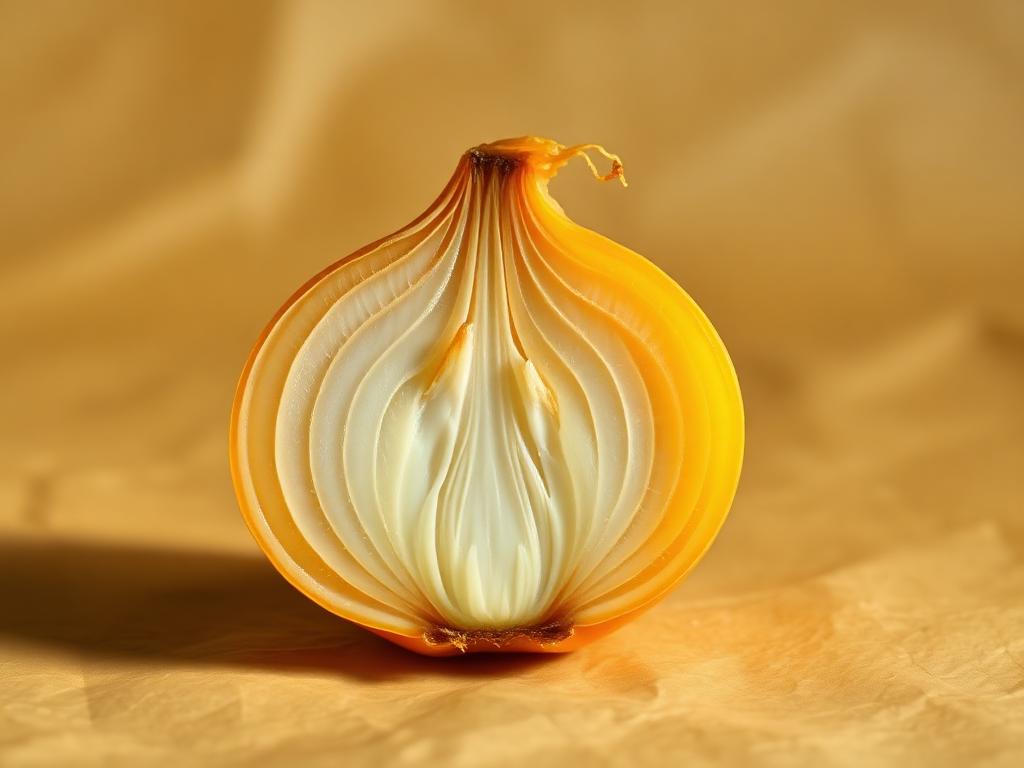
- 1/2 small red onion (پیاز), thinly sliced
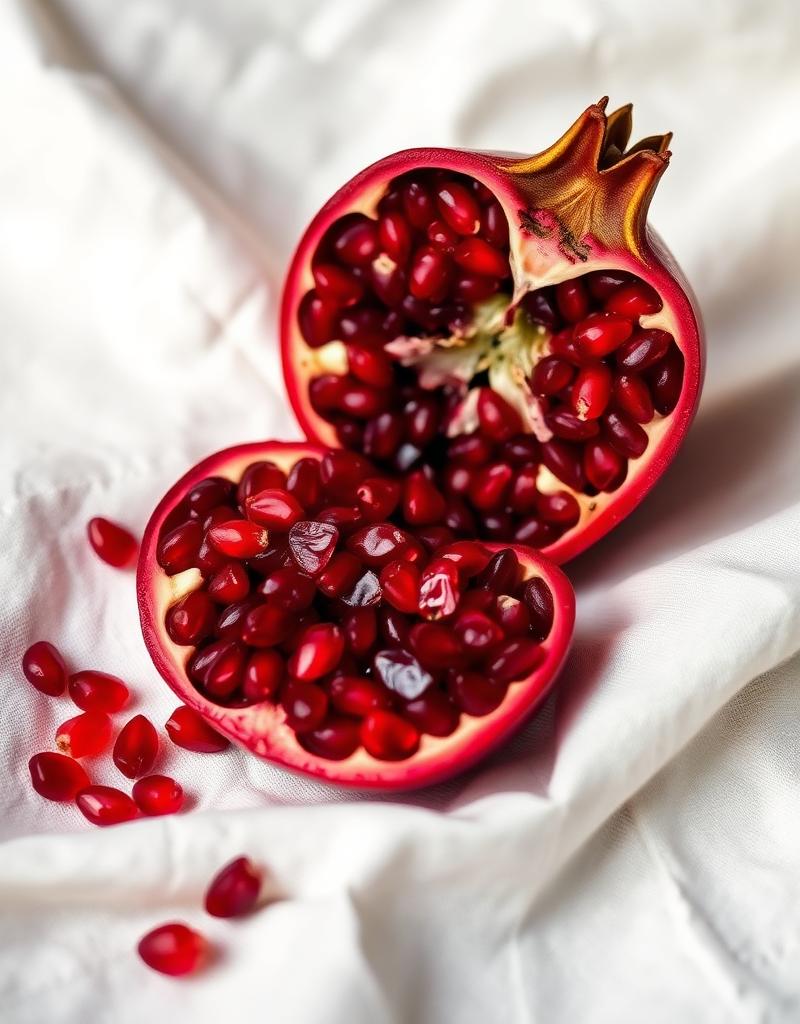
- 1/2 cup pomegranate seeds (انار)
- Handful of fresh parsley
- 1 tbsp olive oil
- Pinch of salt
Combine in a bowl and let stand 10 minutes.
Eat as a side 2–3 times weekly in autumn and winter — classical Persian autumn salad combining two of the strongest cardiovascular foods.
- 1 ripe pomegranate (انار)
Press fresh into a small glass, strain seeds.
1 small glass several times a week in season — polyphenol-rich, traditionally said to strengthen the heart and clean the blood.
- 1 small handful of walnut halves
- 2 tbsp pomegranate seeds
Combine in a small bowl.
Eat once daily through autumn and winter. The classical Persian انار-گردو pairing — supports heart and joints together.
- 1/4 cup extra-virgin olive oil
- 1 small garlic clove, lightly crushed
- 1 small sprig rosemary
Warm the oil gently with garlic and rosemary 3 minutes (do not fry). Remove from heat and let infuse 30 minutes. Strain.
Drizzle over greens, beans or whole grains. Mediterranean–Persian heart-supportive everyday fat.
- 3 saffron threads
- 1 cup just-boiled water
- Optional: 1 tsp honey
Bloom saffron in 1 tbsp warm water 5 min; add to just-boiled water with honey.
Take a few times per week during high-stress phases. Avicennan مفرّح traditionally said to gladden the heart.
Lifestyle recommendations
- Walk 30 min daily — the single most studied heart-protective habit
- Build meals around vegetables, legumes, fish, walnuts, olive oil, garlic, onion, and pomegranate
- Eat a small handful of walnuts daily — classical Persian pomegranate-walnut pairing supports heart and joints together
- Protect 7–9 hours of sleep nightly — blood pressure resets during deep sleep
- Cultivate warm community — shared meals, regular friendship, family rituals
- Manage stress through prayer, breathwork, walking, or a daily quiet hour
Habits to ease back
- Sedentary days
- Ultra-processed foods and excess salt
- Chronic stress and isolation
Prevention practices
- Annual checks of blood pressure, lipids, fasting glucose, and HbA1c (average blood sugar over about three months) from age 40
- Maintain a healthy weight and waistline
- Do not smoke; keep alcohol modest or none
- Daily heart-gladdening tea ritual (hawthorn, rose, linden) as a lifelong habit
- Treat hypertension, diabetes, and high cholesterol early and consistently
- Stay socially connected — loneliness is now measured as cardiovascular risk
Modern scientific understanding
Modern cardiology validates much of the Persian heart prescription: a Mediterranean-style diet rich in olive oil, walnuts, fish, legumes, and pomegranate; regular brisk walking; strong social ties; and stress management all measurably reduce cardiovascular risk. Hawthorn has good evidence for mild heart-failure support and is widely used in European phytotherapy.
Healthy aging connection
Cardiovascular health is the strongest single determinant of how long and how well a person ages. Persian tradition's daily handful of walnuts, glass of pomegranate juice, fragrant tea, and after-dinner walk is a remarkably complete prescription for an aging heart.
Frequently asked questions
›Can I take hawthorn with heart medication?
Hawthorn can interact with some heart and blood-pressure medications. Always discuss any herbal addition with the clinician who prescribes your cardiac medicines.
›Is the walnut-pomegranate pairing really a cardiac food?
Yes — modern research shows independent benefits for both. Together they pair healthy fats and polyphenols (plant compounds found in colorful foods), exactly the combination Persian tradition has emphasized for centuries.
Further reading
Every reference page in the Living Library is written by our editorial team, cross-checked against classical Persian medical sources and peer-reviewed modern research, and reviewed on a rolling schedule. This is educational content — not a diagnosis or treatment plan. For symptoms that concern you, please consult a qualified clinician.
Continue your journey
I'm still learning about you, so these are gentle starting points near Heart & circulation support. As we talk more, my suggestions will become increasingly tailored.
A natural next step, chosen with your journey in mind.
- FruitPomegranateانارCools the blood, brightens skin.Related by season · The Yalda fruit — cooling, astringent, and studied for blood pressure and arterial health.
- HerbRoseگل سرخCalms the heart, soothes the spirit.Traditional use · Persian medicine treats rose as a cooling, calming herb — it is the classic pairing for heat, irritability and restless evenings.
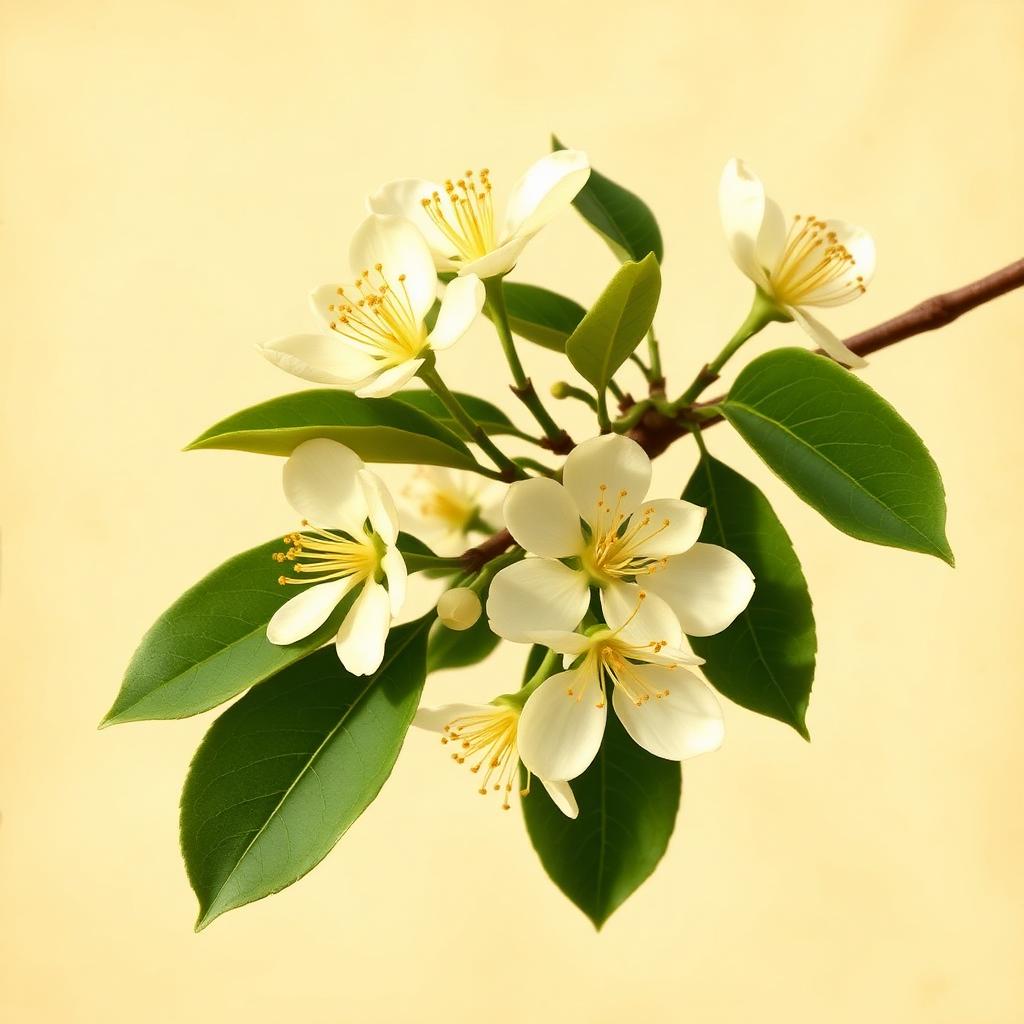
- HerbLindenزیرفونFragrant Persian zeyfoon flower — calms the nerves, eases sleep, opens the chest.Traditional use · The traditional Persian *tilio* tea for tension headaches and the first hour after a stressful day.
- FoodOnionپیازQuercetin-rich kitchen staple that supports the heart, immunity, and blood sugar.A place to start · One of the safest, most useful places to begin near Heart & circulation support.
A few natural ways to bring Heart & circulation support into a conversation.
- Damkardeh (steeped tea) — 1 tsp dried petals per cup, kept covered for 5–8 min
- Rosewater (golāb) — the food-grade liquid left after steaming the petals, 1 tsp per serving
- Children's half-strength infusion — evenings during winter, honey after age 1
- Hair rinse — strong cooled infusion as a final shampoo rinse