Persian Herbs for Modern Life
Saffron, rose, borage, mint, sumac, black seed, and more — the everyday Persian herbs with both classical reputation and modern evidence.
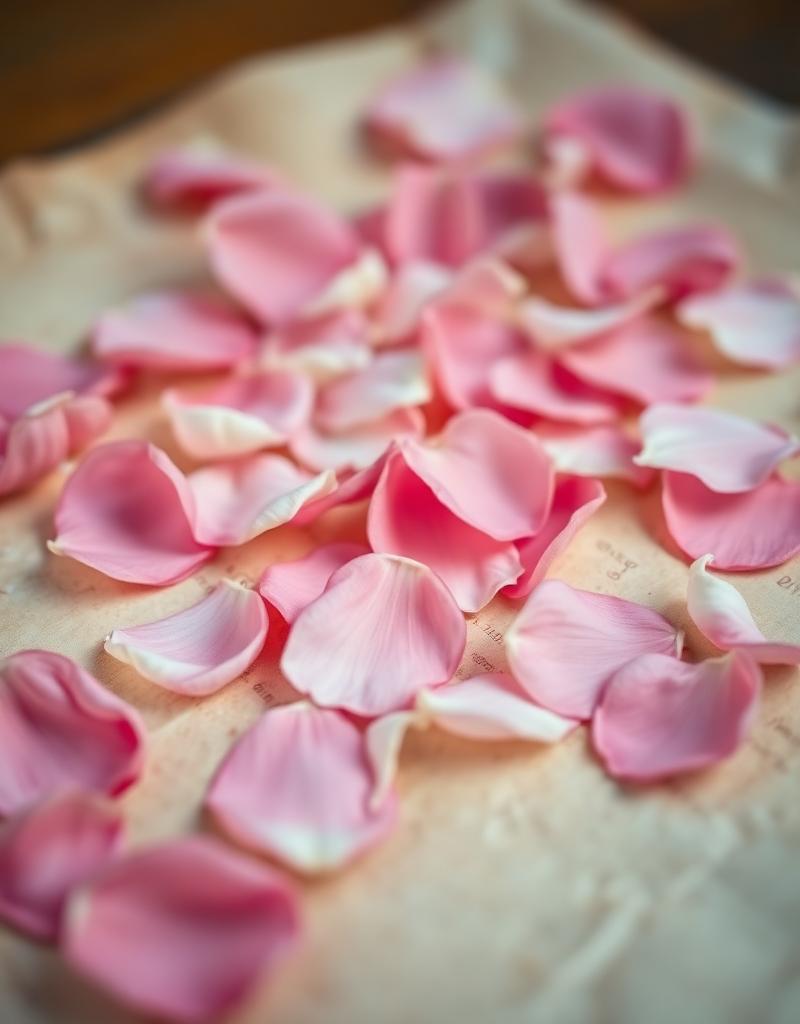
Persian medicine never separated herbs from food. The same saffron threads that lift mood perfume the rice; the same rose petals that calm the heart sweeten the morning yogurt. This is a quick map of the eight everyday Persian herbs with the strongest tradition and the cleanest modern evidence.
Saffron (zaʿfarān) — for mood
Persian tradition treats saffron as the leading heart-gladdener — a mufarriḥ. Separately, a few small, short randomized trials compared a standardized saffron extract (~30 mg a day) with a low-dose antidepressant in mild-to-moderate depression, and people taking saffron reported a gentle lift in low mood. The trials were small and short, so this is not the same as saying saffron matches a prescribed antidepressant. Do not stop or change a prescribed antidepressant without talking to your doctor. Culinary saffron in rice, milk, and tea is a daily, food-safe mood ritual.
Rose (gol-e Mohammadi) — for the heart and skin
In classical Persian medicine, rose is cool and moist — the flower for an anxious heart, irritated skin, or digestive heat. Small trials of rosewater and rose extract suggest modest anxiety and sleep benefits. Sprinkle it on yogurt, oatmeal, or into your tea daily.
Borage flower (gol-e gāv-zabān) — for melancholy
This is the classic Persian grandmother's remedy for grief, exam stress, and a heavy heart — steeped pink with sugar candy (nabāt). If you try it, use it in cycles, and choose PA-free certified flowers.
Mint (na'nā) — for digestion
Spearmint sautéed in oil (na'nā dāgh) is the everyday Persian digestive — gentler than peppermint, and safe for daily use. Small trials also suggest spearmint tea may help women's hormonal balance.
Sumac (somāq) — for blood sugar and rich meals
The tart crimson spice that brightens kebab and rice. About 3 g/day has shown modest blood-sugar and lipid benefits in trials. Reach for sumac before salt at the table.
Black seed (siāh-dāneh) — for immunity and metabolism
Called the 'remedy for all but death' in classical Islamic medicine. Meta-analyses show modest improvements in blood pressure, glucose, HbA1c (a blood test showing average blood sugar over about three months), cholesterol, and inflammatory markers at 1–2 g/day.
Chamomile (bābūneh) — for sleep and digestion
The world's most-drunk medicinal tea. Modest trial evidence for sleep quality, anxiety, and digestive upset. The classical Persian evening tea — alone or blended with linden and violet.
Turmeric (zard-chūbeh) — for inflammation
Multiple meta-analyses (reviews that combine results from several earlier studies) show standardized curcumin can ease joint discomfort, sometimes comparable to common OTC options. Cook with a pinch of black pepper and a little fat to boost absorption.
How to actually use them
Don't try to add all eight at once. Pick two or three that match your goals — for example saffron + rose + chamomile for mood and sleep, or sumac + black seed + turmeric for metabolic health. Use them as food and tea before considering supplements.
Frequently asked questions
+Do I need supplements or is food enough?
Start with food and tea — the safest, most enjoyable, most evidence-supported daily form. Reserve standardized extracts for specific goals (e.g. saffron for mood, curcumin for joint comfort) and discuss with a clinician if you take medication.
+Are Persian herbs safe with prescription medication?
Most are safe in culinary amounts. Saffron, black seed, turmeric, garlic, and barberry can interact with anticoagulants, blood-sugar, and blood-pressure medications at extract doses. Read each herb's contraindications page before starting.
+Where do I buy quality herbs?
Look for Persian or Middle Eastern grocers, organic suppliers with batch testing, and brands that publish the Latin name and country of origin. Whole forms (threads, petals, seeds) keep longer and are harder to adulterate than powders.
Sources & references
Background reading
- Health Topics A–Z — US NIH National Center for Complementary and Integrative Health
- Office of Dietary Supplements — Fact Sheets — US NIH