Food as Medicine in Persian Tradition
How Persian kitchens have used pomegranate, walnut, olive oil, yogurt, lentils, and saffron as everyday medicine — and what modern research now confirms.
Persian medicine has never separated the pantry from the pharmacy. Avicenna's Canon devotes whole chapters to the medicinal action of everyday foods, organized by mizāj — warmth, coolness, dryness, moisture. A thousand years later, nutrition science is rediscovering that the kitchen is the most powerful daily health intervention most of us have.
Pomegranate (anār) — the queen of fruits
Cool and moist; classically used for the heart, blood, and liver. Modern trials show pomegranate juice (~1 cup/day) modestly lowers blood pressure and oxidized LDL (the kind of cholesterol that can build up in artery walls). Whole arils give the polyphenols (natural plant compounds studied for antioxidant activity) plus fiber. A Persian wedding centerpiece — and a daily vascular ally.
Walnut (gerdu) — brain and heart in one nut
Warm and dry; classically considered nourishing for memory and vitality. The only common nut rich in plant omega-3 (ALA). Seven halves a day matches the amount used in heart-health trials. Stuff one into a date for the classic Persian afternoon snack.
Olive oil (rūghan-e zeytūn) — the daily anti-inflammatory
Warm and moist; the foundation fat of Persian and Mediterranean cooking. Extra-virgin olive oil delivers monounsaturated fat plus polyphenols (oleocanthal, hydroxytyrosol) with strong cardiovascular and cognitive evidence. Use it generously — 2–4 tablespoons a day in the most-studied trials.
Yogurt (mast) — the gut's daily friend
Cool and moist; on every Persian table, plain or whipped with cucumber and mint (mast-o khiar). Live cultures support gut and immune health; calcium and protein support bone and muscle. Choose plain, unsweetened, with live cultures.
Lentils and beans (adas, lubia) — quiet longevity protein
Adas polo, ash reshteh, gheymeh — Persian cuisine treats legumes as a daily food, not a side. Plant protein, fiber, folate, and slow carbohydrates support heart health, blood sugar, and longevity. Blue Zones eat one cup of beans almost daily.
Saffron (zaʿfarān) — the heart-gladdener
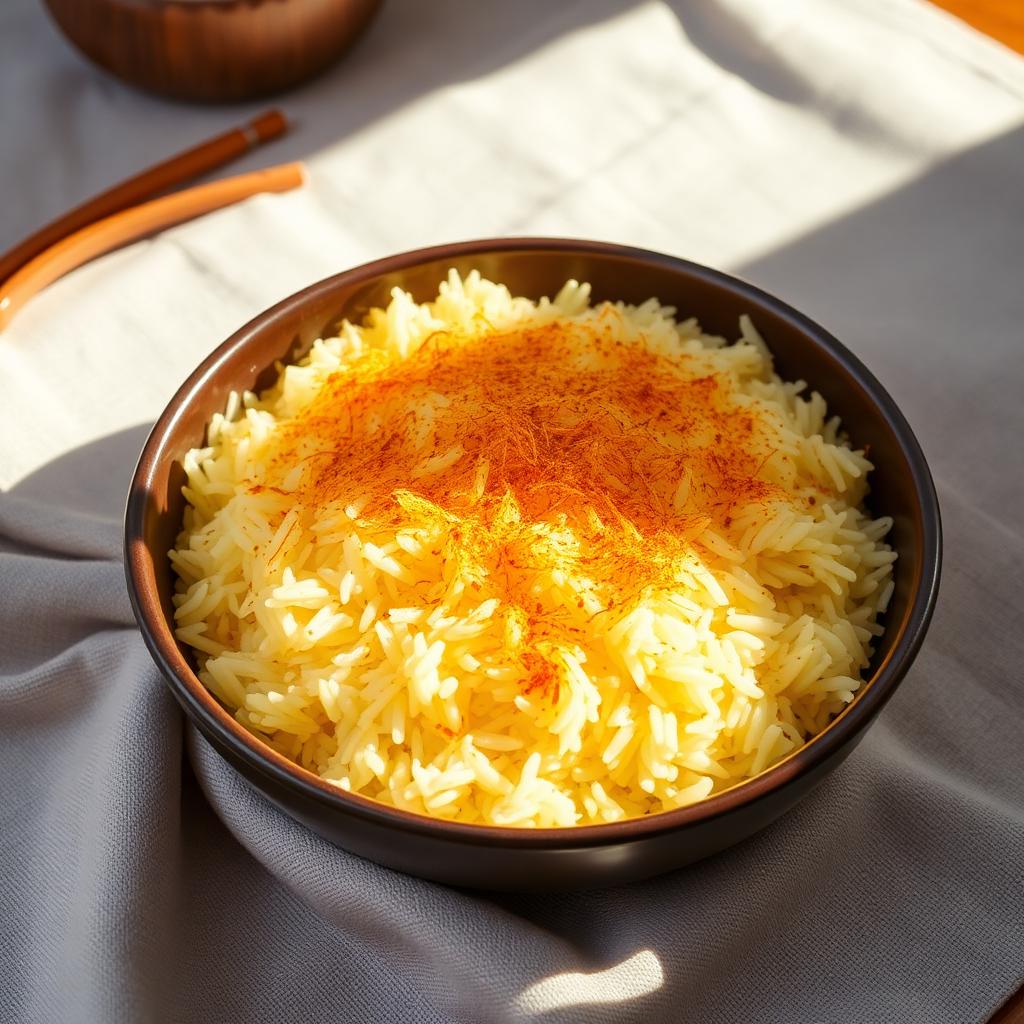
Warm and dry; Persian tradition calls it a heart-and-mood lifter — a mufarriḥ. That is the traditional view, not a modern finding. Separately, a few small, short trials compared a concentrated saffron capsule — about 30 mg a day — with a placebo, and a few compared it with an antidepressant. People taking saffron reported a gentle lift in low mood. The trials were small and short, so this is not the same as saying saffron matches an antidepressant. Do not stop or change a prescribed medicine without talking to your doctor. A few culinary threads daily add antioxidant carotenoids (colourful plant pigments studied for antioxidant activity) without risk.
Sour cherry (āl-bālū) — summer cooling and sleep
Cool and moist; classical Persian remedy for hot constitutions, heat in the blood, and restless nights. Modern trials of tart-cherry juice show modest improvements in sleep onset, duration, and post-exercise soreness — likely from natural melatonin and polyphenols.
Sumac, barberry, fresh herbs
The Persian table balances rich meals with sour, bitter, and herbaceous flavors. Sumac (3 g/day) shows modest blood-sugar benefit. Barberry's berberine has one of the strongest plant-medicine evidence bases for metabolic health. The sabzi-khordan plate — mint, basil, tarragon, watercress, radish — adds polyphenols, vitamins, and gentle bitter digestive support to every meal.
How to eat the Persian way today
You don't need a Persian kitchen. Build plates around vegetables, legumes, olive oil, fresh herbs, and yogurt. Add walnut, pomegranate, saffron, and sumac when you can. Eat the largest meal at midday. Sit with people you love. The food itself does most of the work.
Frequently asked questions
+Is food really 'medicine'?
It's the most consistent daily intervention you make. It doesn't replace medical care, but for most chronic-disease risk — heart, brain, metabolic, mood, joints — daily food matters more than any single supplement or drug.
+What's the single highest-leverage food change?
Replacing ultra-processed snacks and refined oils with olive oil, nuts, legumes, and whole plant foods. Persian and Mediterranean cuisines both do this naturally.
+Do I need to eat Persian-specific foods?
No. Apply the principles in whatever cuisine you love — plant-forward, olive oil-based, herbed, fermented, eaten with people. The Persian table is one beautiful expression of a much older pattern.
Sources & references
Background reading
- The Nutrition Source — Harvard T.H. Chan School of Public Health
- Office of Dietary Supplements — Fact Sheets — US NIH
- Health Topics A–Z — US NIH National Center for Complementary and Integrative Health