Sciatica support
Cold settling in the hip and leg with nerve irritation — needs warmth, gentle stretching, and anti-inflammatory care.
Traditional ritual
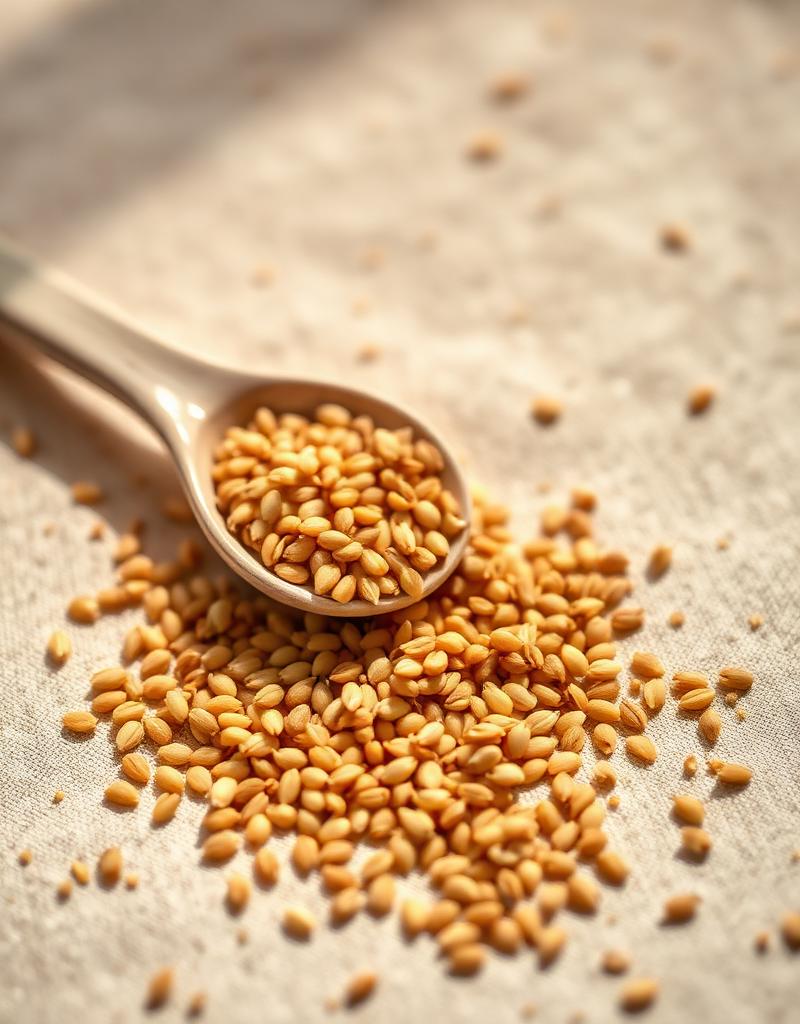
Warm castor- or sesame-oil compress on the lower back; daily gentle piriformis stretch; walk after meals.
Traditional Persian perspective
Classical Persian medicine calls sciatic pain ‘irq al-nasā’ — cold wind lodged along the great nerve of the leg. It is read as a cold-dry pattern aggravated by sitting on hard, cold surfaces, sudden lifts, and dehydrated fascia. Treatment is warmth, lubrication with warming oils, gentle stretching, and protection of the lower back from drafts.
Common contributing factors
- Sitting on hard or cold surfaces for long stretches
- Sudden heavy lifting with poor mechanics
- Tight piriformis and hip flexors from chronic sitting
- Dehydration and low intake of oils that nourish fascia
- Cold exposure on the lower back after exertion
Supportive herbs
Foods that support balance
Traditional Persian Remedies
Household preparations drawn from Persian traditional medicine — recorded for educational and heritage value, not as medical advice.
Saturate a cloth with warm oil, place on the lower back/buttock, cover with a warm towel for 20 minutes.
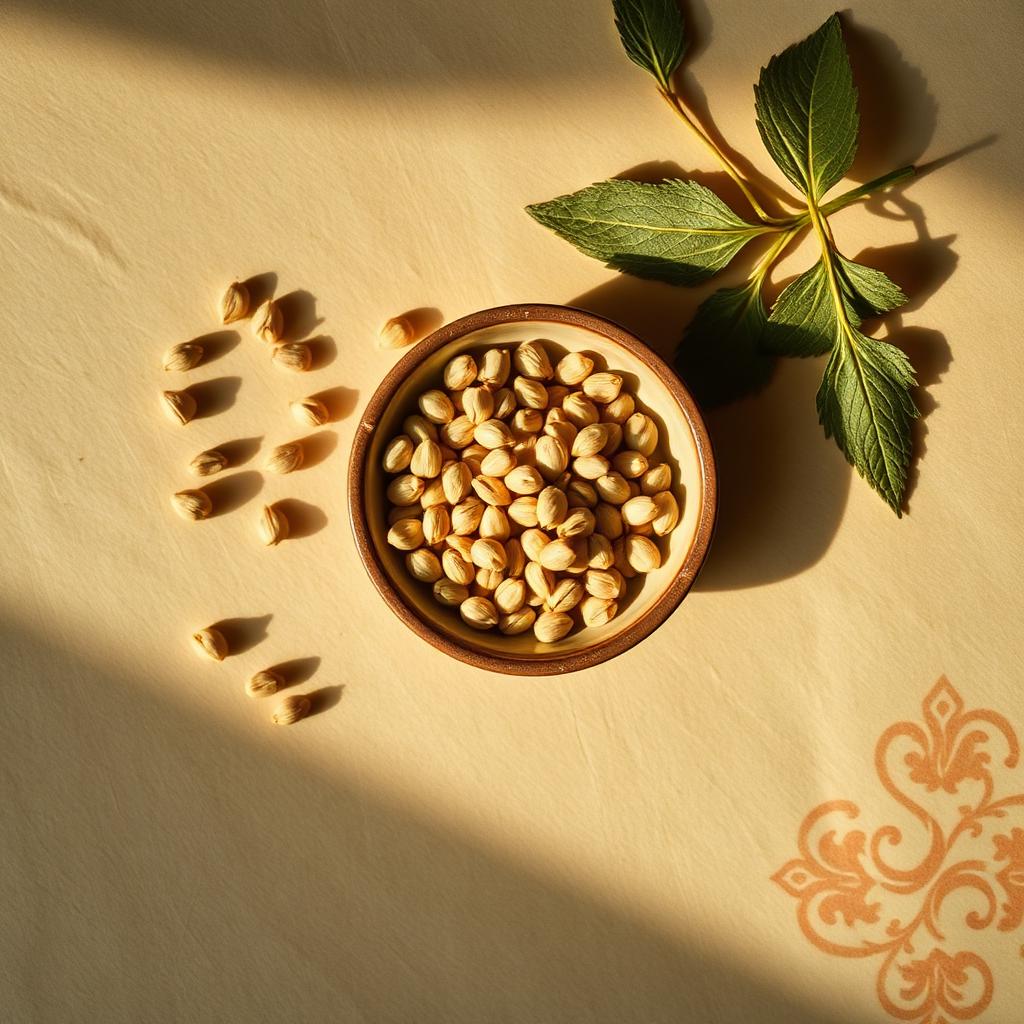
Ground fenugreek + fresh grated ginger + warm water; apply along the painful line for 15 minutes.
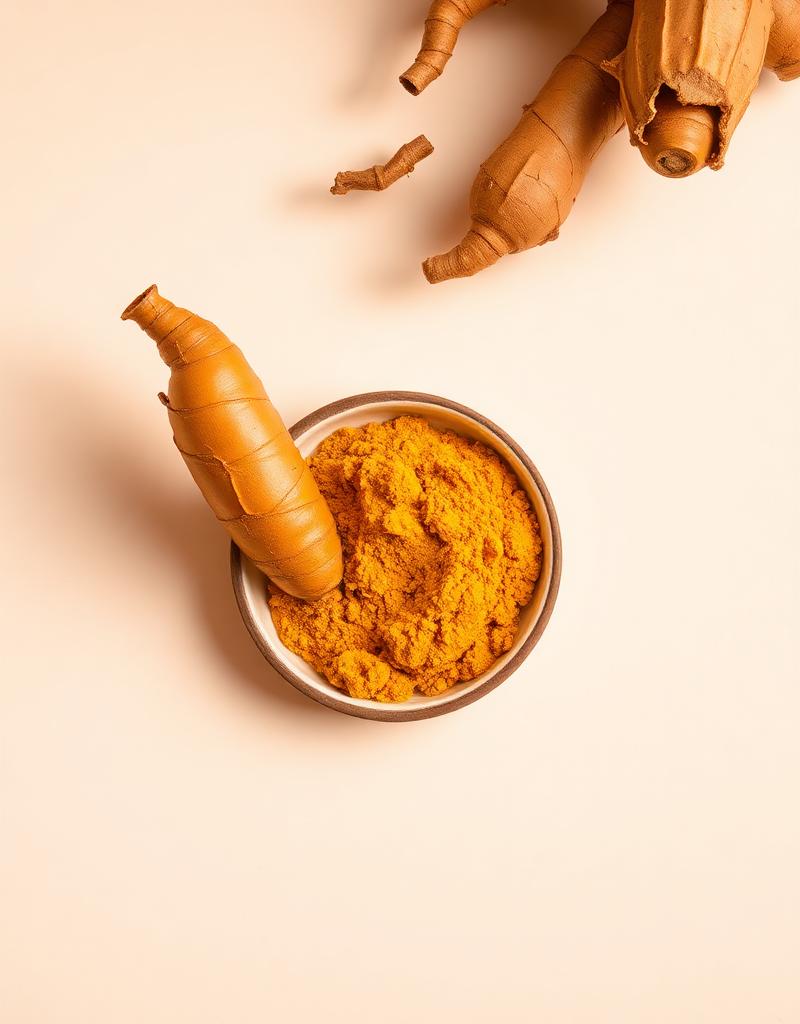
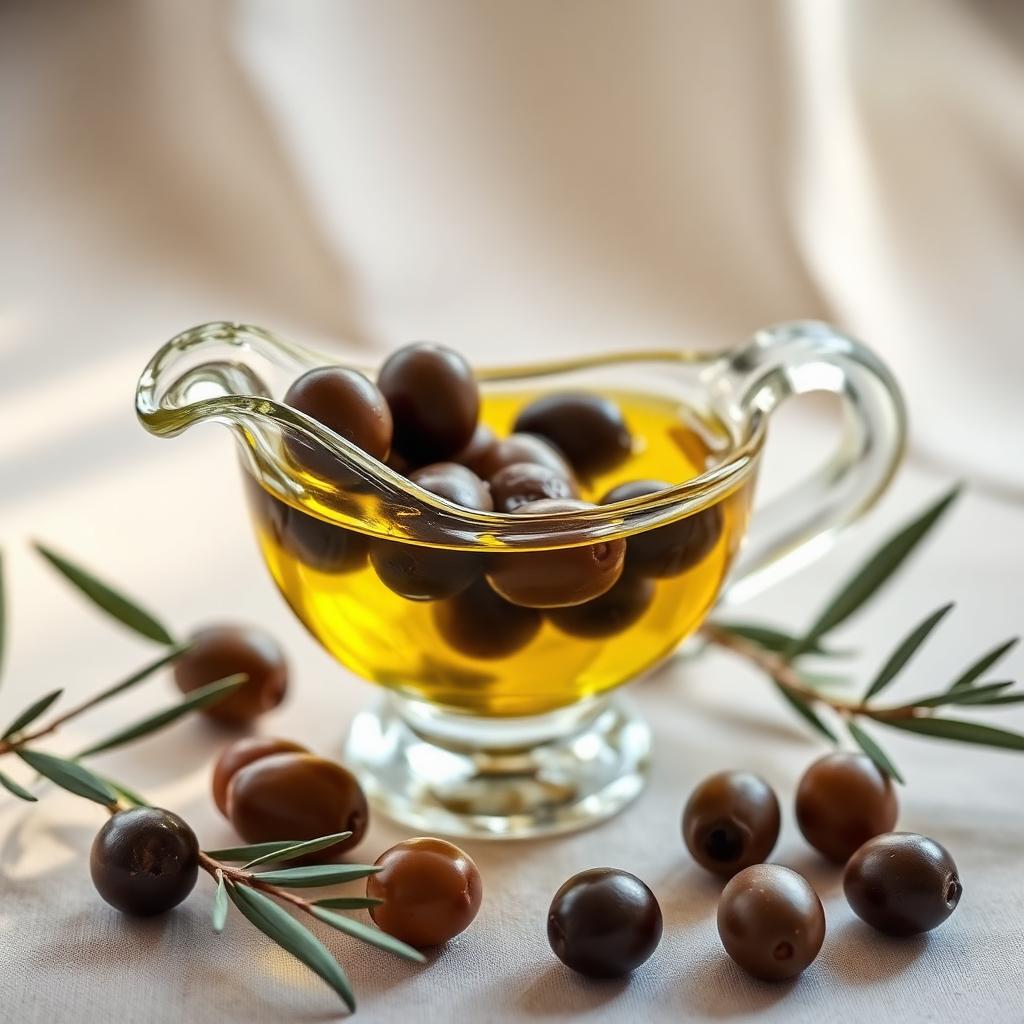
Warm milk + 1/2 tsp turmeric + pinch black pepper + 1 tsp ghee or olive oil — nightly through a flare.
Lifestyle recommendations
- Daily piriformis and figure-4 stretch, 60 seconds each side
- Walk after meals — avoid prolonged sitting
- Use a lumbar cushion when driving or at the desk
- Stop and reset if pain shoots below the knee with a movement
Habits to ease back
- Cold surfaces under the back
- Heavy lifting with poor form
- Long car or desk sessions
Prevention practices
- Strengthen glutes (bridges, clamshells) 2× weekly
- Maintain healthy body weight to reduce disc load
- Lift with the legs, brace the core
- See a clinician if numbness, weakness, or bladder change appears
Further reading
Every reference page in the Living Library is written by our editorial team, cross-checked against classical Persian medical sources and peer-reviewed modern research, and reviewed on a rolling schedule. This is educational content — not a diagnosis or treatment plan. For symptoms that concern you, please consult a qualified clinician.
Continue your journey
I'm still learning about you, so these are gentle starting points near Sciatica support. As we talk more, my suggestions will become increasingly tailored.
A natural next step, chosen with your journey in mind.
- FoodOlive Oilروغن زیتونLubricates joints, nourishes the heart.Related by season · The fat with the strongest cardiovascular trial evidence of any in the Persian or Mediterranean kitchen.
- HerbFenugreekشنبلیلهWarms the joints, nourishes blood, balances sugar.Traditional use · Persian and Indian traditions both use the seed for milk supply and blood sugar.
- HerbTurmericزردچوبهCleanses the liver, eases inflammation.Traditional use · Used as a wound and joint remedy long before curcumin was isolated; absorption still depends on fat and black pepper.
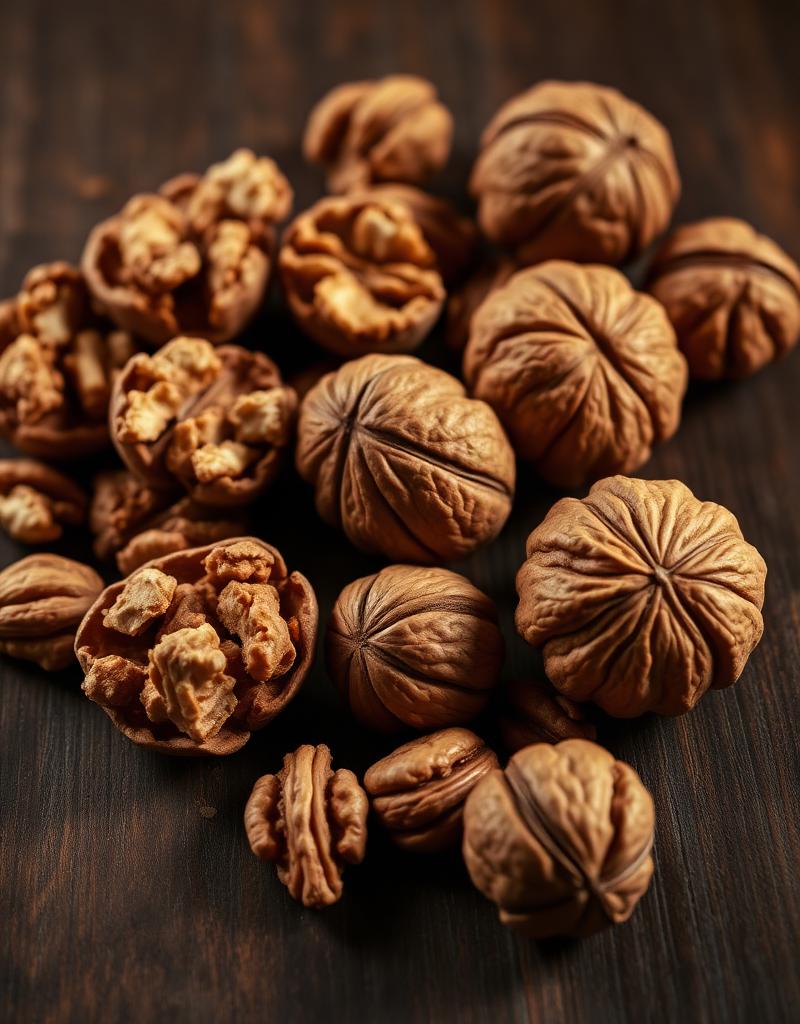
- FoodWalnutsگردوOmega-3-rich brain food that supports heart and cognitive health.A place to start · One of the safest, most useful places to begin near Sciatica support.
- Nut / SeedSesameکنجدKonjed — mineral-rich seed that lubricates joints, strengthens hair, and grounds Persian sweets and breads.Traditional use · Ardeh and sesame halva are Persian winter foods — calcium, fat and warming in the traditional scheme.
A few natural ways to bring Sciatica support into a conversation.