Food Library
Cherry
گیلاس

Cherry

Prunus avium
Cool · Moist

Cherry — Persian gilās (گیلاس). Sweet summer fruit traditionally used to cool the blood, ease joint inflammation, and refresh in heat.

Overview

Sweet cherry trees thrive in the cooler highlands of Iran — Karaj, Mashhad, and the foothills of the Alborz — producing some of the most prized cherries in West Asia. Distinct from sour cherry (ālbālu, Prunus cerasus) used in cooking, sweet cherries are eaten fresh in early summer. Modern research has confirmed what Persian medicine long taught: cherries' anthocyanins genuinely reduce uric acid and joint inflammation.

Scientific name
Prunus avium
Plant family
Rosaceae (rose family)

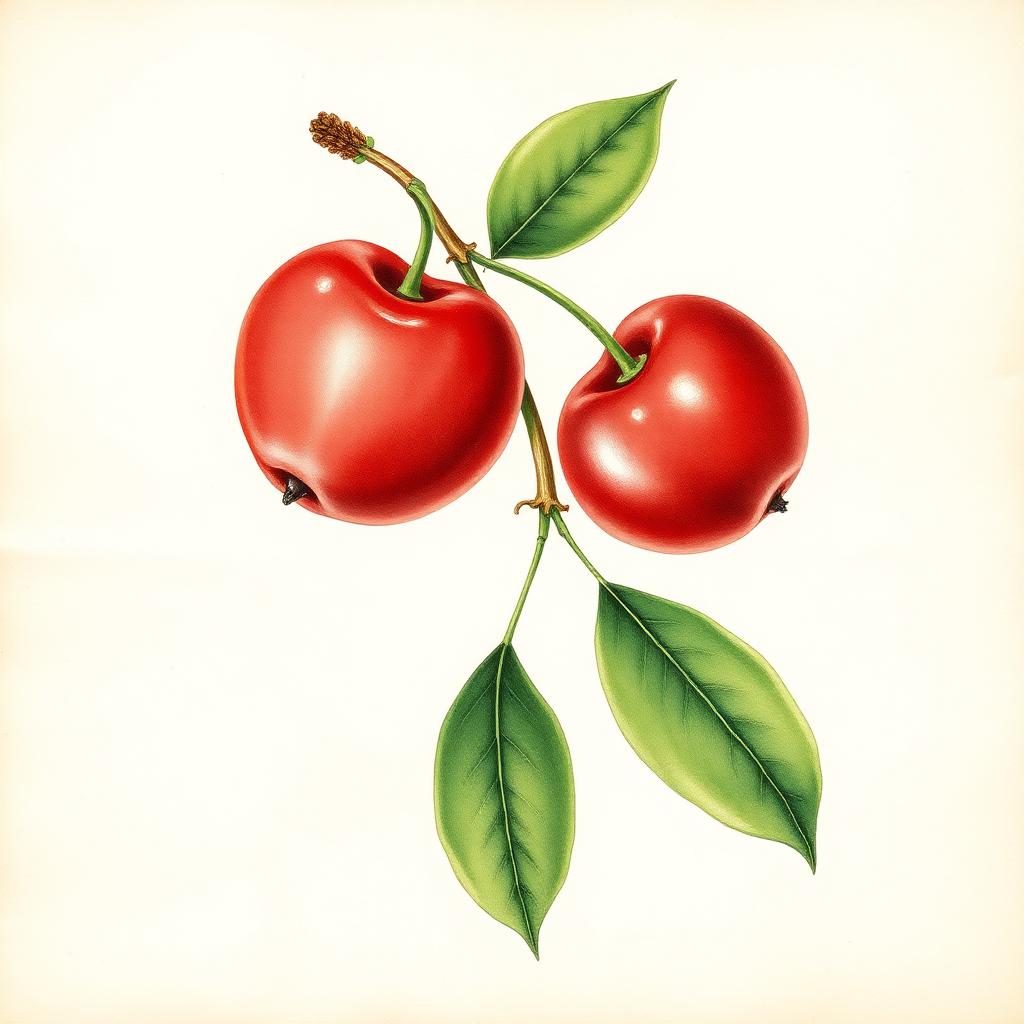
Botanical descriptionDeciduous tree 15–32 m tall with smooth grey-brown bark, ovate serrated leaves, white spring blossoms, and round red-to-dark-purple drupes 1–2 cm across in early summer.

Key Takeaways

What to know in 30 seconds

  • Multiple RCTs: tart cherry reduces uric acid and gout flares
  • Anthocyanins reduce muscle soreness after exercise
  • Melatonin content supports sleep when eaten at night
  • Anti-inflammatory polyphenols
Why It Matters

Why this matters for everyday wellness

Cherry earns a place in a healthy-aging routine because it combines multiple rcts: tart cherry reduces uric acid and gout flares with anthocyanins reduce muscle soreness after exercise — a rare combination that supports the cardiovascular, metabolic, and cellular systems that drive how we age.

Practical Everyday Uses

Practical everyday uses

  • Eat 1 cup fresh ripe cherries in early summer
  • Tart cherry juice (8 oz) in the evening for sleep and recovery
  • Freeze pitted cherries for off-season smoothies
Source: Traditional Persian Wisdom

Traditional Persian perspective

Historical & cultural knowledge passed down through generations — not a medical claim.

Historical use

Persian medicine considers sweet cherry cool and moist (سرد و تر) — cooling for an overheated liver, refreshing the blood, gentle on the gut, and traditionally helpful for hot, swollen joints (gout-type pain).

Traditional applications

Multiple RCTs: tart cherry reduces uric acid and gout flares · Anthocyanins reduce muscle soreness after exercise · Melatonin content supports sleep when eaten at night

Cultural significance

Used across household wellness traditions as a culinary herb with daily-life relevance.

Healthy Aging

Healthy aging relevance

In a healthy-aging context, cherry bridges tradition and science: persian medicine considers sweet cherry cool and moist (سرد و تر) — cooling for an overheated liver, refreshing the blood, gentle on the gut, and traditionally helpful for hot, swollen joints (gout-type pain), while modern research highlights its role in the same pathways — inflammation, vascular health, and cellular resilience — that compound over decades to shape how we feel in our 60s, 70s, and beyond.

Source: Modern Scientific Research

Modern scientific evidence

Benefits supported by peer-reviewed studies & contemporary nutrition science — informational only, not medical advice.

  • Multiple RCTs: tart cherry reduces uric acid and gout flares
  • Anthocyanins reduce muscle soreness after exercise
  • Melatonin content supports sleep when eaten at night
  • Anti-inflammatory polyphenols
  • Hydrating with potassium and natural electrolytes

Nutritional profile

Fiber~3 g per cup
Vitamins
  • Vitamin C
  • Vitamin K
Minerals
  • Potassium
  • Copper
  • Manganese
Antioxidants
  • Anthocyanins (cyanidin)
  • Quercetin
  • Hydroxycinnamates
Other notable nutrients
  • Natural melatonin (tart cherry)
Historical Uses

Historical uses across cultures

From classical Persian, Greek, and Islamic-Golden-Age sources.

  • Cooling fresh fruit for hot summer days and overheated constitutions
  • Traditional remedy for joint heat (gout) and uric-acid complaints
  • Mild laxative for sluggish bowels
  • Cherry-stem tea as a gentle diuretic
Internal Uses

Taken internally

  • 1 cup fresh ripe cherries as a summer snack
  • Cherry-stem damkardeh: 1 Tbsp dried stems per cup, 10 min, as a diuretic tea
  • Cherry juice (tart variety preferred for joint support)
Traditional Formulas

Named traditional formulas

  • Cherry-Stem Diuretic Teaدمنوش دم گیلاس

    Dried cherry stems steeped 10 min — a classical Persian and European folk remedy for mild fluid retention.

Contraindications

Who should avoid this — and known interactions

  • Severe IBS / FODMAP intolerance — limit portion
  • Cherry-pit consumption (children especially)
Everyday Use

How it's commonly used

  • Eat 1 cup fresh ripe cherries in early summer
  • Tart cherry juice (8 oz) in the evening for sleep and recovery
  • Freeze pitted cherries for off-season smoothies
Safety

Safety & cautions

  • Pits contain amygdalin — do not chew or eat
  • Natural sugars — modest portions for blood sugar
  • FODMAP-sensitive may react in large servings

Ask Holistic Health AI about Cherry

Personalized, evidence-informed guidance from your AI Wellness Coach.

Open AI Wellness Coach

Related Foods

Related articles

Frequently asked questions

+How is cherry traditionally used?

Persian medicine considers sweet cherry cool and moist (سرد و تر) — cooling for an overheated liver, refreshing the blood, gentle on the gut, and traditionally helpful for hot, swollen joints (gout-type pain).

References

Sources & references

Reviewed by Holistic Health AI Editorial Team Last updated Traditional wisdom + modern evidence Educational, not medical advice