Living Well with ADHD
Build a calmer, kinder day with practical structure and honest evidence that support, but never replace, appropriate medical care.

Modern scientific evidence · Traditional wisdom · Personalized guidance
Last reviewed: July 13, 2026 by Moji Tehrani, founder.
Overview
ADHD is a neurodevelopmental difference in how attention, motivation, and executive function are regulated — not a character flaw, not a discipline problem, and not something to outgrow. Millions of adults and children live full, creative lives with ADHD, especially with the right mix of medical care, daily rhythm, and self-understanding.
This guide is written with respect. It doesn't promise a cure, and it never treats lifestyle as a stand-in for evidence-based treatment. Its aim is smaller — and, we think, more useful: to help you build a day that's a little kinder to your nervous system, with supportive routines used as complements rather than replacements.
What matters most
What this tends to feel like, and what commonly drives it.
Common symptoms
- •Difficulty starting or finishing tasks, even ones you care about
- •Time blindness — hours vanish, or feel impossibly long
- •Working memory slips — walking into a room and forgetting why
- •Emotional intensity or rejection sensitivity
- •Restlessness, fidgeting, or an inner engine that will not quiet
- •Executive-function fatigue at the end of the day
Possible contributing factors
- •ADHD is largely genetic and neurodevelopmental — not caused by parenting, sugar, or screens
- •Poor sleep, chronic stress, and irregular meals sharply amplify symptoms
- •Untreated anxiety, depression, or trauma often ride alongside and need their own care
- •Highly unstructured environments make executive-function differences more visible
- •Stimulants, alcohol, and cannabis can mask or worsen symptoms over time
What the research shows
The evidence-based first-line treatments for ADHD are stimulant and non-stimulant medications and structured behavioral therapy (including CBT for adult ADHD). For most people, medication is the single highest-impact intervention there is.
Consistent sleep (7–9 hours, regular timing), aerobic exercise, protein-forward meals, and mindfulness training each have real, measurable — though smaller — effects on ADHD symptoms in randomized studies.
Environmental design — external reminders, timers, single-tasking, a visible calendar — often does more for daily life than any supplement ever will.
Omega-3 supplementation shows a small but real effect in meta-analyses (reviews that combine results from several earlier studies), especially in children — complementary, not primary.
Medication and structured behavioral therapy are the Strong-evidence treatments for ADHD. Sleep, aerobic movement, mindfulness, omega-3s, and daily structure have Moderate evidence as supportive practices. Traditional wellness rituals are complementary and included with humility, not as substitutes for medical care.
Evidence-based actions
Movement, sleep, stress, and practical daily habits.
Movement
- •Aim for 20–30 minutes of aerobic movement most days — walking, cycling, dancing. It briefly improves attention for hours after.
- •Add strength work twice a week; the sense of finishing something concrete is regulating in its own right.
- •A five-minute walk before a demanding task is one of the highest-leverage micro-habits for ADHD.
Sleep
- •Sleep is not optional with ADHD — one poor night can double next-day symptoms. Aim for a consistent 7–9 hours.
- •Keep a wind-down ritual: dim lights, screens away, and a consistent bedtime.
- •If you cannot fall asleep or your mind races, talk to a clinician — untreated ADHD sleep problems are common and treatable.
Stress management
- •Short daily mindfulness (5–10 minutes) has small but consistent evidence for adult ADHD; treat it as strength training for attention, not a cure.
- •Name the feeling — ADHD emotional intensity eases when it is spoken, written, or drawn instead of held.
- •Time in nature, even 20 minutes, measurably lowers restlessness and improves focus.
Lifestyle habits
- •Design the environment, not the willpower: visible timers, one open tab, a single written 'next step', clothes laid out the night before.
- •Anchor the day with three fixed points: same wake time, one protein-rich meal, one movement session. Everything else can flex.
- •Body-double: work alongside someone (in person or video). ADHD brains focus better in gentle company.
- •Be kind about medication. If it helps, it helps — like glasses for the eyes. It is not weakness; it is care.
Nutrition
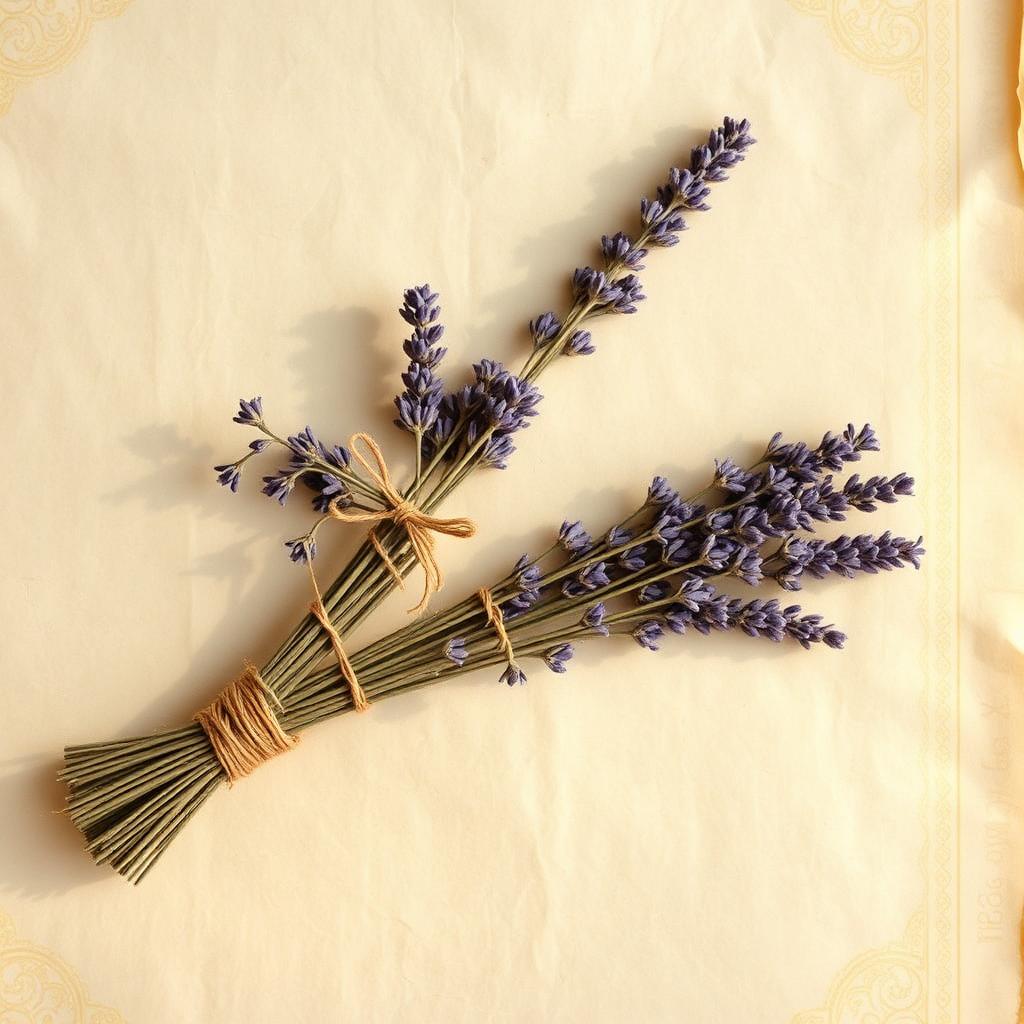
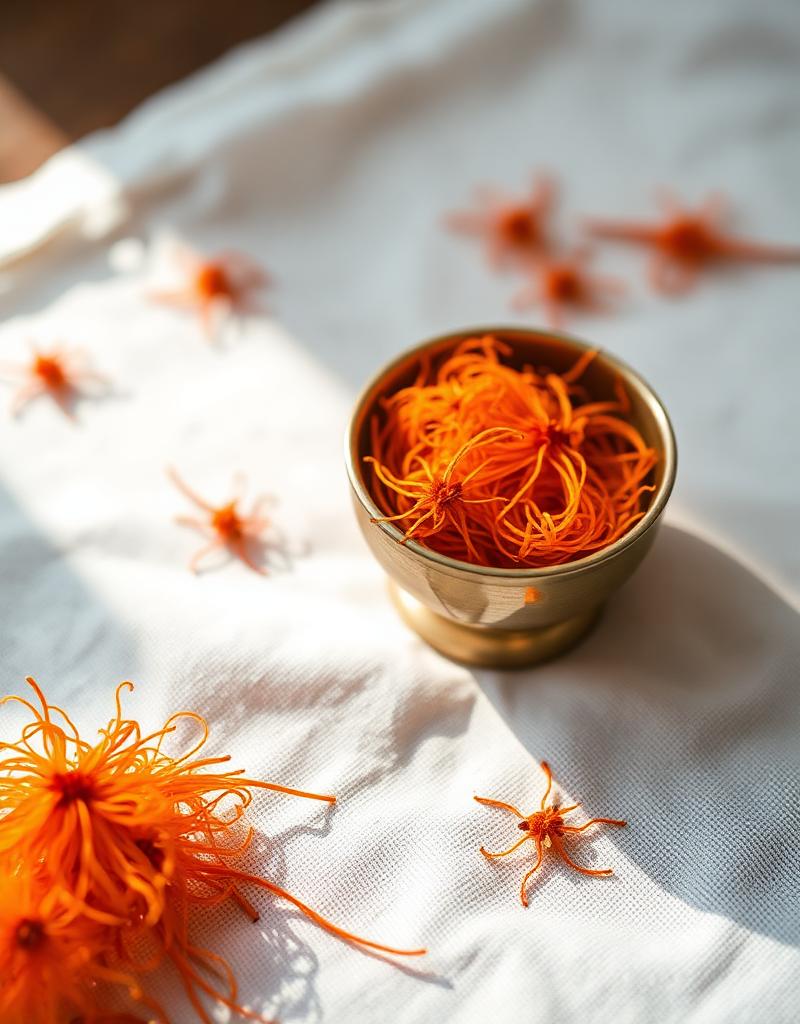
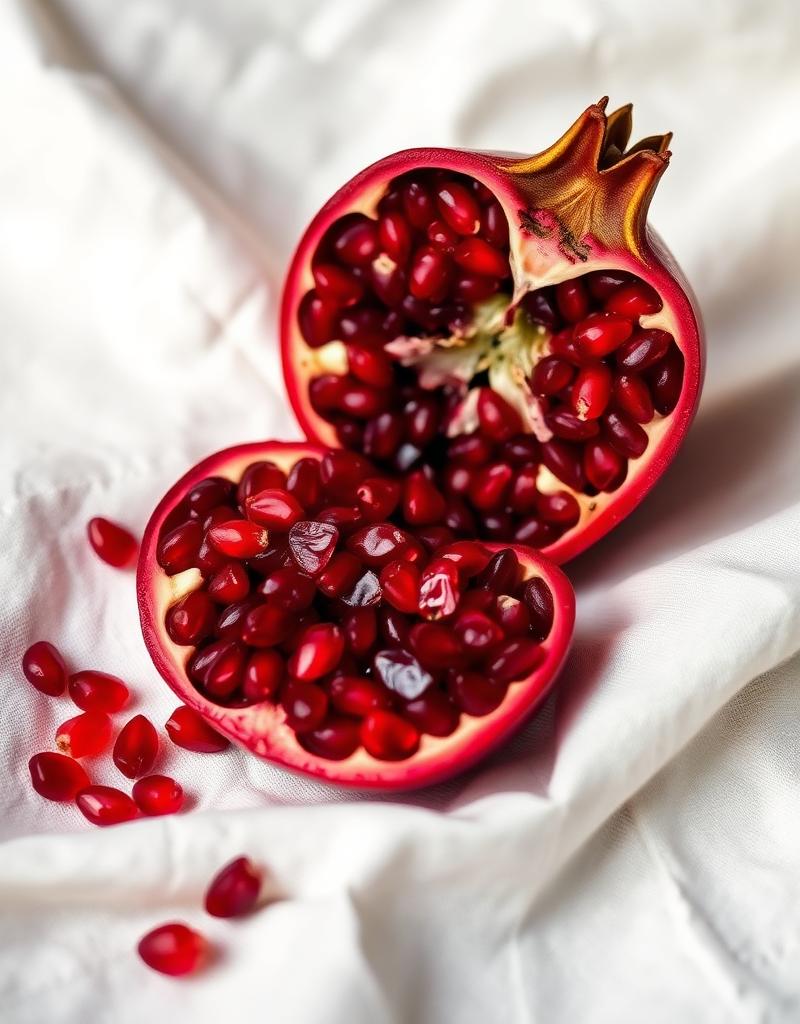
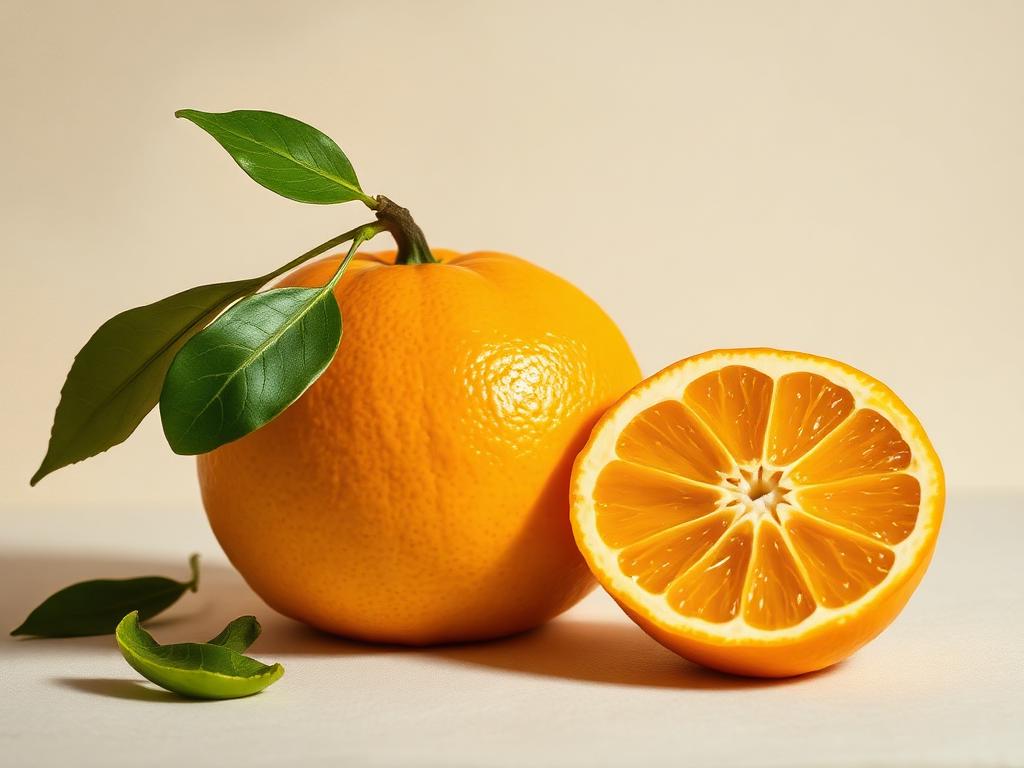
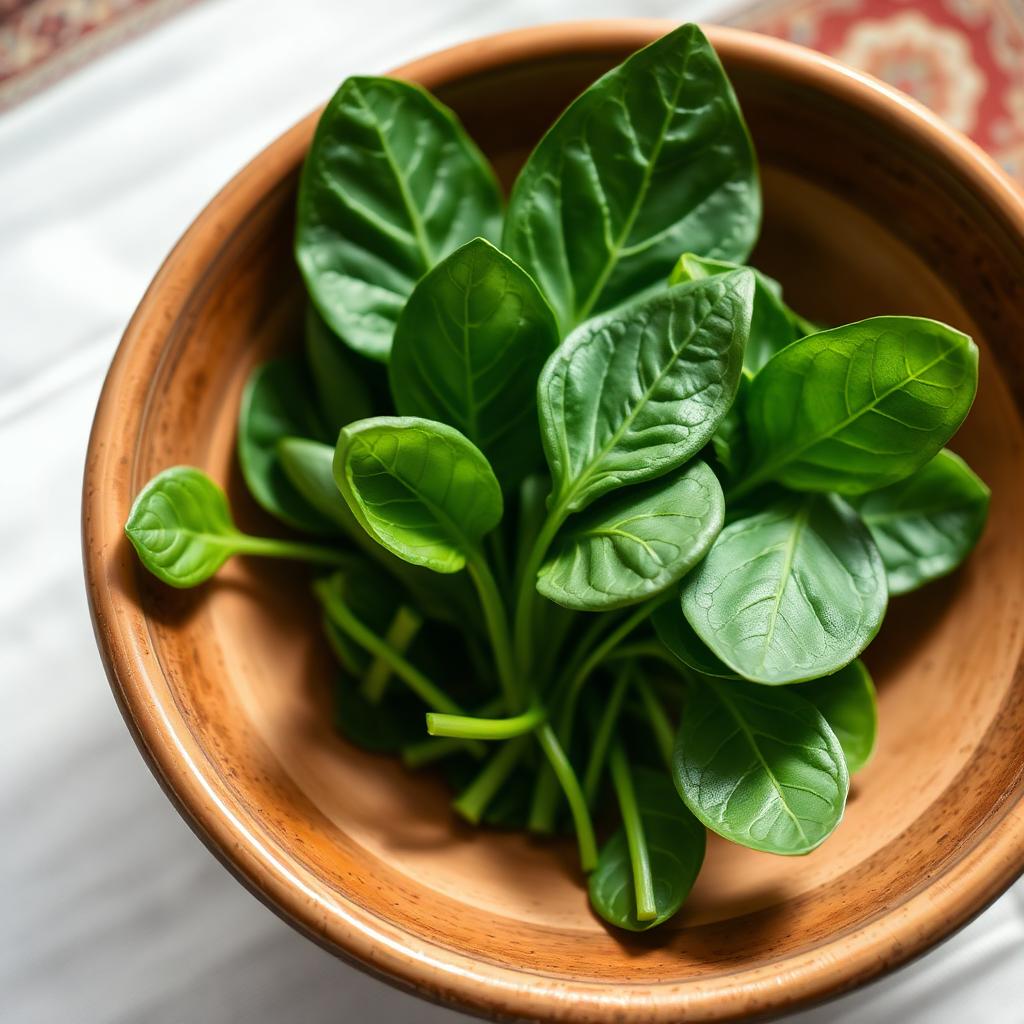
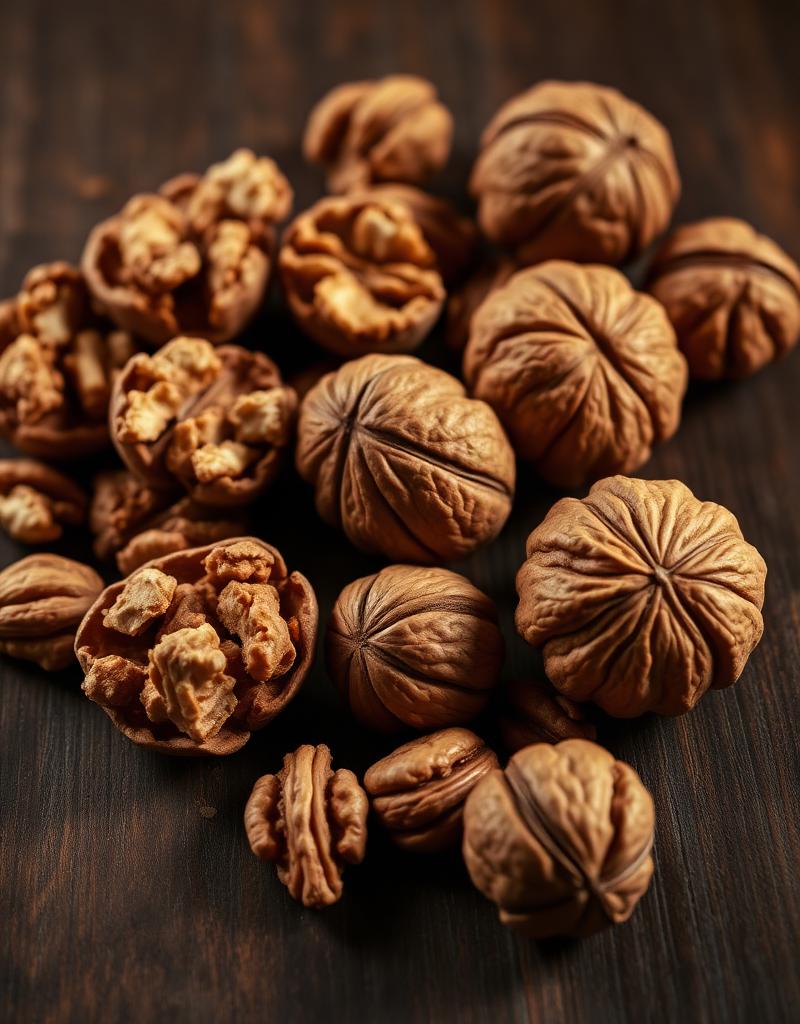
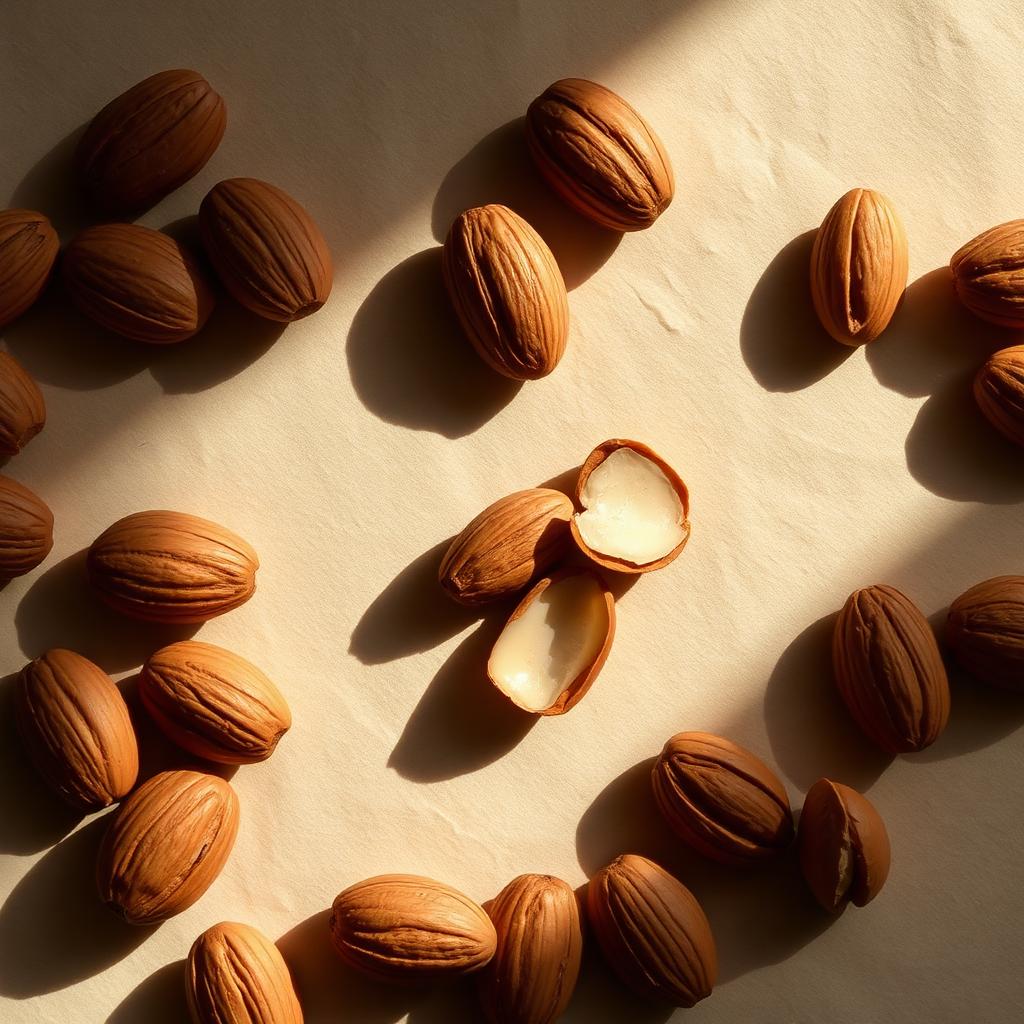
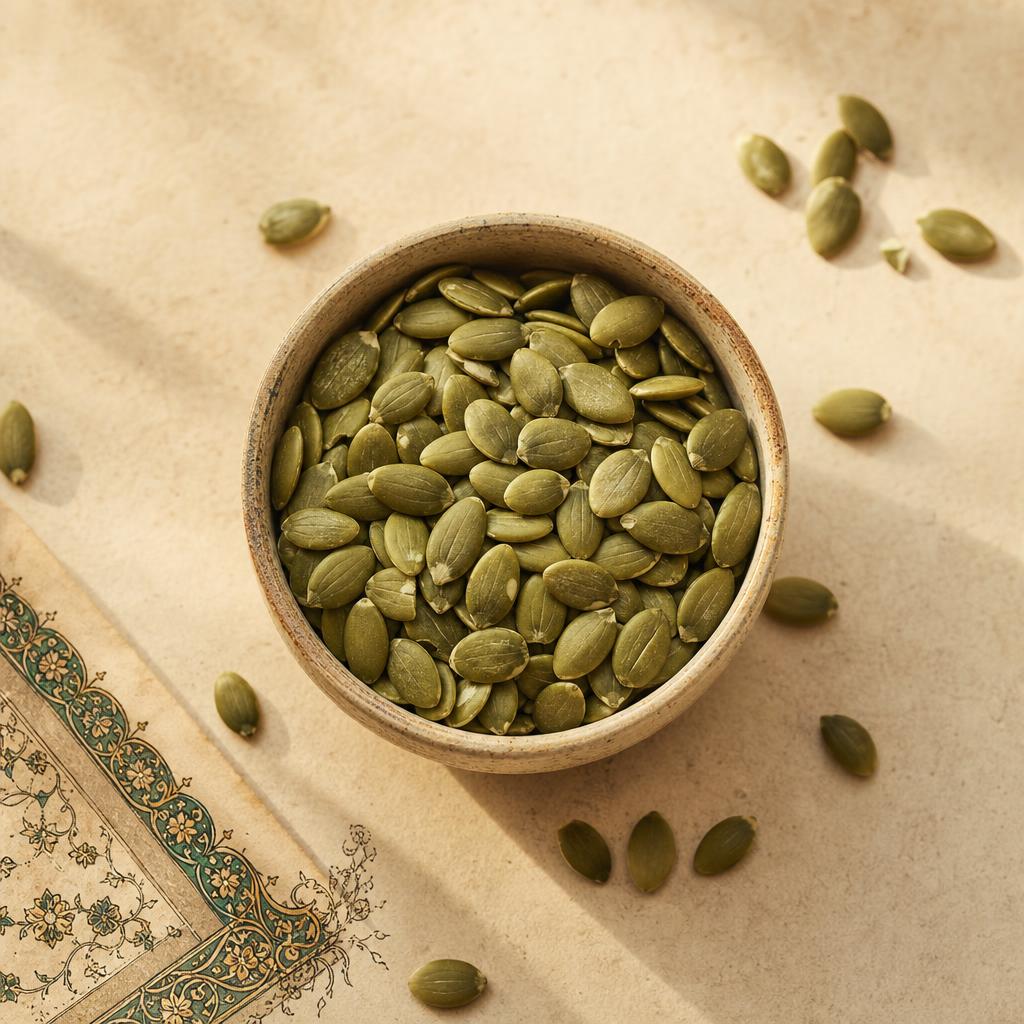
What to eat and drink — every item links to its own guide.

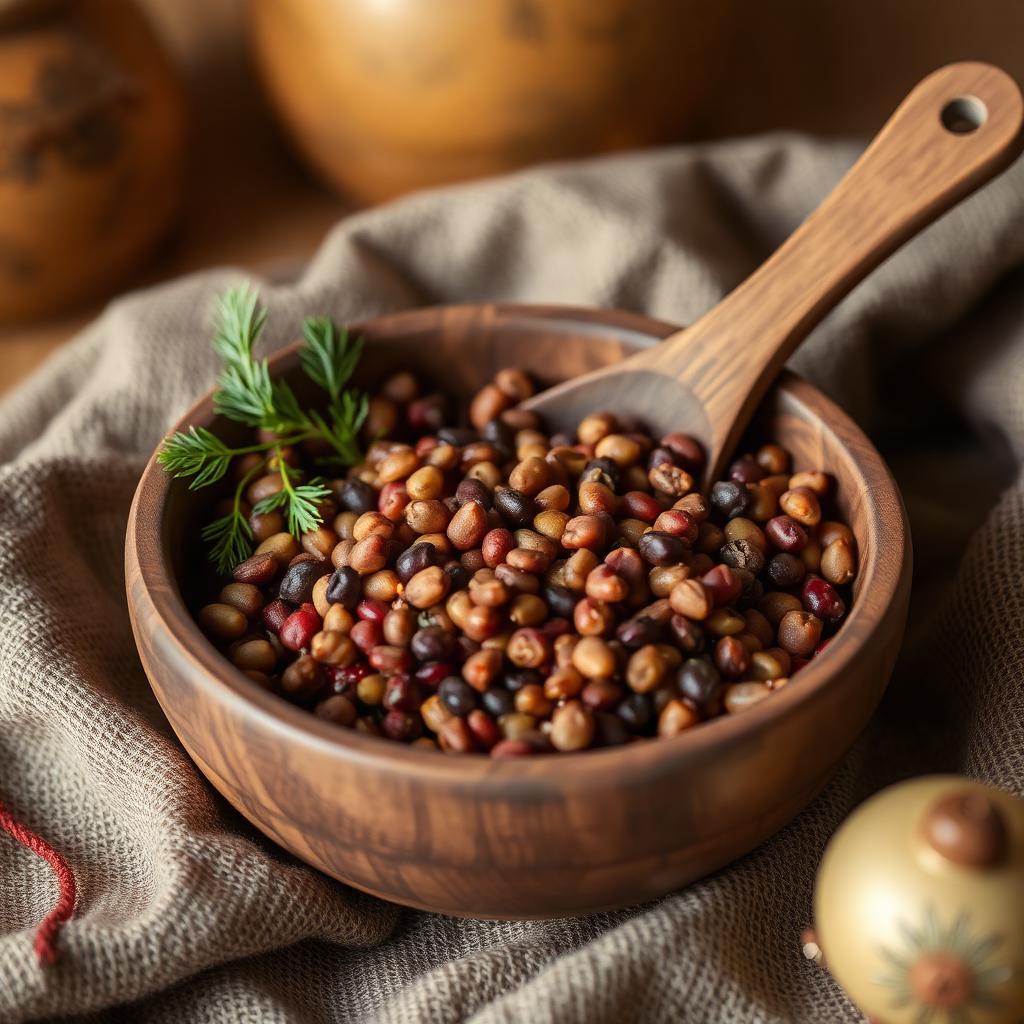

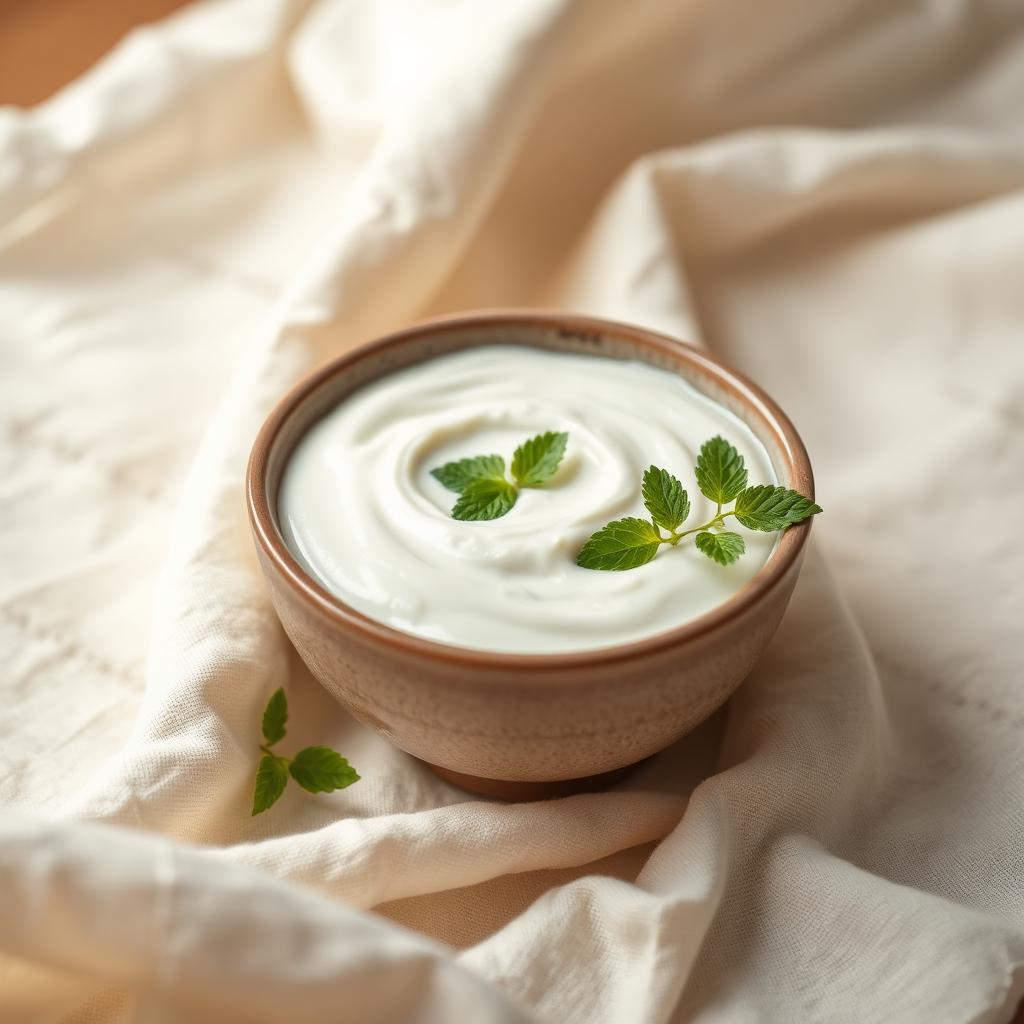
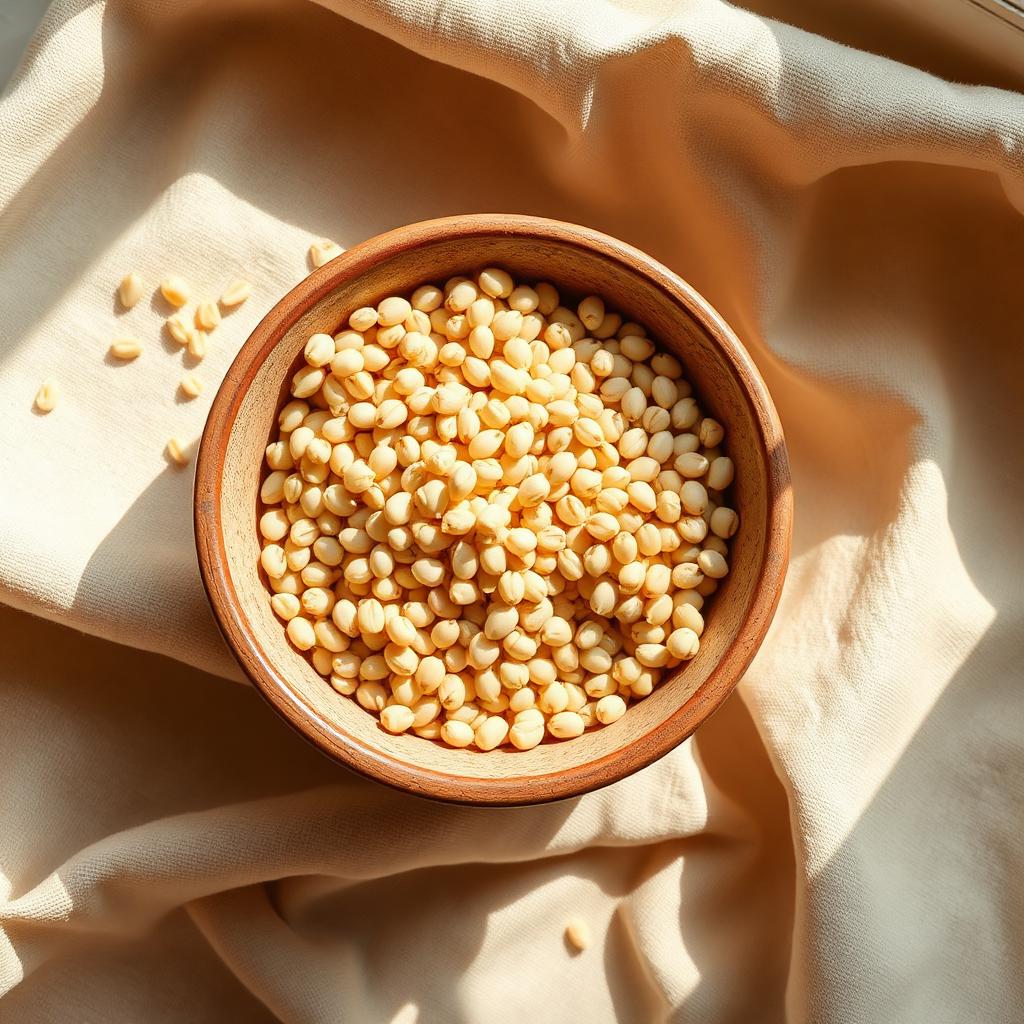


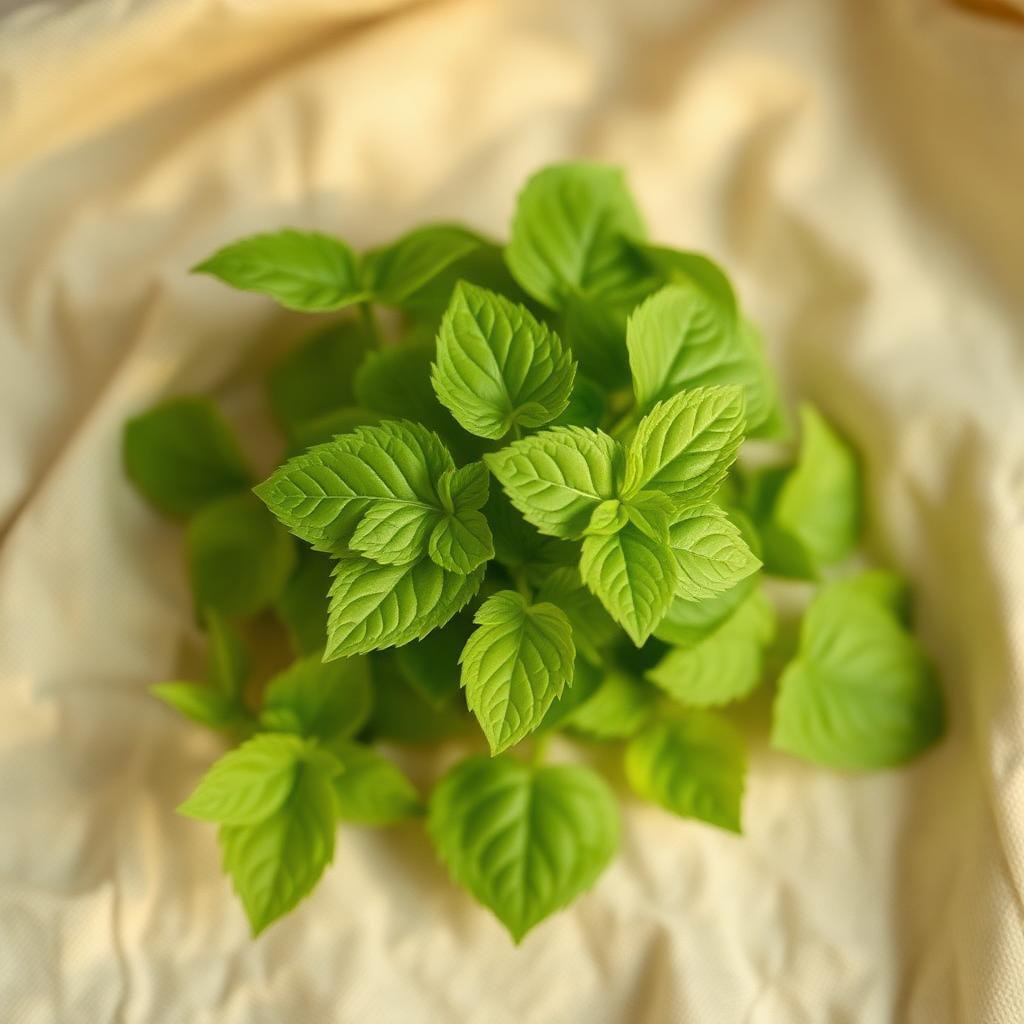

Traditional Persian Perspective
There is no Persian diagnosis matching ADHD, and it would be dishonest to invent one. What the tradition does have is a detailed account of attention (ḥifẓ and fikr) as brain faculties, and a regimen for keeping them steady — which is the part worth carrying forward.
Scattered attention was read as an imbalance of the brain's mizāj, often as excess moisture or heat. The classical corrections are aromatic and warming — frankincense (kondor), rosemary, sage — together with strict regularity of sleep, meals and movement.
Regularity is the real inheritance here. The sitte zarūriyya framework insists on fixed rhythms for sleep, food and activity, and structured routine remains one of the most effective non-drug supports for attention.
A warm calming tea (chamomile, rose, lemon balm) is part of the wind-down ritual.
Safety, interactions & life-stage guidance
Cautions, medicine interactions and guidance by life stage.
Medication & supplement interactions
Applies to the herbs, supplements, and lifestyle recommendations in this guide — including how they interact with common medications used for living well with adhd.
- Stimulant ADHD medications (methylphenidate, dexmethylphenidate, amphetamine, lisdexamfetamine)high
Stimulants already raise heart rate, blood pressure, and cortical arousal. Layering supplement-dose caffeine (pre-workout, energy drinks, high-dose green-tea extract) or St John's Wort on top can push heart rate, anxiety, and insomnia into unsafe territory. Culinary chai, one morning coffee, or a cup of tea is fine for most adults — avoid stacked stimulant supplements without your prescriber's sign-off. St John's Wort in particular is a known interaction and should not be combined with stimulants.
- Atomoxetine (Strattera) and viloxazine (Qelbree)moderate
Both are metabolised through CYP2D6 and have serotonergic activity. Avoid combining with St John's Wort, SAM-e, or supplement-dose saffron (>100 mg/day standardised extract) without a clinician — additive serotonergic effects have been reported. Culinary saffron in food (a few threads in rice or tea) is not the concern.
- Guanfacine (Intuniv) and clonidine (Kapvay)moderate
These alpha-agonists lower blood pressure and cause sedation. Layering supplement-dose valerian, high-dose chamomile extract, or cannabis products can produce additive sedation, dizziness, or morning grogginess. Weakly brewed chamomile or lemon-balm tea in the evening is generally fine; concentrated extracts are not.
- Omega-3 fish-oil supplements at high dose (>3 g/day EPA+DHA)low
Modestly reasonable as an ADHD supportive supplement, but at high doses can thin blood — coordinate with your clinician if you also take anticoagulants, antiplatelets, or NSAIDs regularly, or before elective surgery.
- MAOIs (rare in modern ADHD care, but relevant if prescribed)high
Do not combine with any stimulant, atomoxetine, St John's Wort, SAM-e, or supplement-dose saffron. Hypertensive-crisis risk. This is a coordinate-with-your-prescriber situation, not a self-directed one.
- Anaesthesia (planned surgery)moderate
Pause supplement-dose herbal sedatives (valerian, high-dose chamomile), St John's Wort, and high-dose fish oil at least two weeks before elective surgery. Continue prescribed ADHD medication only per your surgical team's instructions.
Contraindications
- •Do not use this guide as a reason to stop, reduce, or skip a prescribed ADHD medication. Medication changes belong with your prescriber.
- •Do not combine stimulant ADHD medications with St John's Wort, high-dose caffeine supplements, or stacked pre-workout stimulants.
- •Do not use supplement-dose saffron (more than 100 mg a day) alongside some antidepressants — including medicines in the SSRI, SNRI and MAOI families — or alongside atomoxetine or viloxazine, without clinician oversight. Culinary saffron in food is not the concern. Do not stop or change a prescribed antidepressant without talking to your doctor.
- •Do not give ADHD-branded herbal supplements, valerian, or St John's Wort to a child without a paediatrician's involvement.
- •If you have bipolar disorder, an eating disorder, uncontrolled hypertension (long-term high blood pressure), or a serious heart-rhythm condition, ADHD care must be coordinated with a specialist — self-directed stimulant-adjacent strategies (including heavy caffeine or nootropic stacks) are not appropriate.
Sleep hygiene, gentle daily walking, protein-forward meals, and a calm evening ritual are safe and often especially helpful in pregnancy. On herbs: chamomile, rose, and linden in normal tea amounts are considered safe; avoid supplement-dose saffron (>100 mg/day), high-dose valerian, and St John's Wort in pregnancy. Any decision about continuing, adjusting, or starting an ADHD medication in pregnancy is a shared decision with your obstetrician and prescriber — this guide does not replace that conversation.
Most lifestyle guidance here (rhythm, sleep, movement, structure) is fully compatible with breastfeeding. Weakly brewed chamomile, rose, or lemon-balm tea is generally considered fine; avoid supplement-dose herbal extracts, St John's Wort, and high-dose caffeine while nursing. If you are taking or considering an ADHD medication while breastfeeding, coordinate with your prescriber and your baby's clinician — several medications are used in this setting but the decision is individual.
Pediatric ADHD is where this guide most needs care. The American Academy of Pediatrics recommends behaviour therapy as first-line for children under six, and behaviour therapy plus (in many cases) medication for children six and older. For kids, focus on the ritual — predictable sleep and wake times, protein at breakfast, daily outdoor play, a calm homework rhythm, screens off well before bed. Weakly brewed chamomile or rose tea in the evening is a gentle family ritual, not a treatment. Do not give children stimulant supplements, caffeine pills, St John's Wort, valerian extracts, or 'focus formulas' marketed for ADHD — safety and dosing in children are not established and some carry real risk. Medication and therapy decisions belong with a paediatrician or child psychiatrist, not a website.
Adult ADHD is real and often first recognised later in life. In older adults, three things deserve extra care: (1) stimulant medications can raise blood pressure and unmask cardiac issues — a cardiovascular check before starting is standard; (2) polypharmacy raises the chance of subtle interactions between ADHD medications and blood-pressure, heart, or mood medications — keep one prescriber aware of the whole list; (3) sleep architecture naturally shifts with age, so aim for a stable, earlier evening rhythm rather than pushing later nights. Gentle daily walking, morning light, and a calm evening tea ritual are especially well-suited to this stage.
Red flags — stop self-directed strategies and see a clinician
- •Chest pain, palpitations, fainting, or unusual shortness of breath while on stimulant medication — stop and contact your prescriber or urgent care.
- •Thoughts of self-harm, hopelessness, or a sudden, severe drop in mood — this is urgent; contact a clinician, a crisis line, or emergency services.
- •Signs of a manic episode (little need for sleep for days, racing thoughts, risky spending or behaviour, grandiosity) — stimulants can unmask bipolar disorder; pause and speak with your prescriber.
- •Signs of an eating disorder emerging or worsening (skipping meals to use stimulant appetite suppression, rapid weight loss) — bring this to your prescriber immediately.
- •Serotonin-syndrome warning signs (agitation, sweating, tremor, high fever, muscle twitching) if combining serotonergic medications with St John's Wort, SAM-e, or supplement-dose saffron — stop the supplements and seek urgent medical care.
- •A child on ADHD medication with poor growth, persistent stomach pain, sleep loss, or personality change — bring this to the prescribing clinician, don't wait for the next scheduled visit.
- •Daily life feels genuinely unmanageable — work, relationships, safety, or self-worth are suffering — please see a clinician. ADHD is highly treatable and you do not have to figure this out alone.
When to seek professional care
Signs that call for a clinician rather than self-care.
This guide is educational. It complements, but never replaces, care from a qualified healthcare professional.
- •If daily life feels genuinely harder than it should — work, relationships, or self-worth are suffering — please talk to a clinician. ADHD is highly treatable.
- •For most people, evidence-based medical treatment (stimulant or non-stimulant medication) is the highest-impact intervention. Lifestyle and traditional wellness practices support this care; they do not replace it.
- •Untreated anxiety, depression, sleep apnea, and trauma often accompany ADHD. Treating them alongside ADHD often changes the whole picture.
- •For children: work with a paediatrician, psychologist, or school. Early support changes long-term outcomes.
Frequently asked questions
Short answers to the questions readers ask most.
Can lifestyle changes replace ADHD medication?
For most people, no — and it's important to be honest about that. Medication and behavioral therapy are the best-evidenced treatments. Sleep, movement, nutrition, mindfulness, and structure make a real supporting difference, sometimes a large one, but they work best alongside appropriate medical care, not instead of it.
Is there a traditional remedy for ADHD?
No — and anyone who tells you otherwise isn't being honest with you. Classical medicine didn't treat ADHD as a category. What it does offer is a gentle daily rhythm, calming herbal teas, and a deep respect for a settled nervous system. These are complements, not cures.
Do omega-3s help?
Modestly. Meta-analyses show a small but real effect on ADHD symptoms in children (and probably adults), especially with EPA-dominant supplements. A useful complement — not a substitute for treatment.
Does sugar cause ADHD?
No. Repeated studies have failed to find a causal link. That said, steady blood sugar (protein-forward meals, fewer sugar spikes) does help symptoms feel less volatile — which is a different thing.
How do I stop shaming myself for being 'lazy' or 'scattered'?
This is one of the most important questions. ADHD is a difference in brain wiring, not a moral failure. Language matters: 'my brain is having a hard day' is kinder and more accurate than 'I am lazy'. Consider a therapist experienced with adult ADHD — the shame is often the heaviest weight, and it does lift.
Is ADHD real?
Yes. It's one of the most-studied conditions in psychiatry, with clear neurobiological differences, strong genetic evidence, and effective treatments. People who question its reality have usually never lived it — or watched someone they love live it.
Related guides
A few places to go next.
Build your personalized Living Well with ADHD plan
Your AI Hakim weaves your goals, your mizāj, and trusted guidance into a roadmap — not a single answer.
Ask Hakim about Living Well with ADHDHow this guide is kept honest
A Living Library page is never finished — it is reviewed, refined, and quietly kept in step with new evidence.
- Last reviewed
- Evidence reviewed
- European ADHD Guidelines Group and NICE guidelines on ADHD treatment
- Meta-analyses on aerobic exercise, mindfulness, and sleep interventions in ADHD
- Cochrane reviews on omega-3 fatty acids in ADHD
- American Academy of Pediatrics clinical practice guideline on ADHD
- Randomized trials on CBT for adult ADHD
- Traditional sources consulted
- Classical medicine texts on tashattot-e zehn (scattered mind) and qalb-e bīqarām (restless heart)
- Traditional household use of calming herbal teas (chamomile, rose, lemon balm, lavender) in Iranian family medicine
Named sources link to the Persian Source Library.
By the HolisticHealthAI editorial team.
Educational content only. Never a substitute for personal medical care from a qualified clinician.