Golden Milk · شیر زرد
Turmeric and ginger steeped in warm milk — a winter nightcap.
Golden Milk (shīr-e zard) is the household evening tonic where Persian and Ayurvedic traditions meet: warm whole milk carrying turmeric, ginger, and green cardamom, softened at the end with honey. It is drunk half an hour before bed to warm the joints, quiet a restless stomach, and ease into sleep.
Key takeaways
- A nightly cup half an hour before bed — same time, same cup, same corner of the kitchen.
- Culinary doses (¼–½ tsp turmeric) are safe for most adults; supplement doses of curcumin are a different conversation.
- Whole milk (or full-fat oat/coconut) matters — curcumin needs fat and warmth to be absorbed.
- Coordinate with a clinician if on blood thinners, antidiabetics, or if you have gallbladder disease.
- Two weeks of consistency before you judge the effect on joints or sleep.
Ingredients & preparation
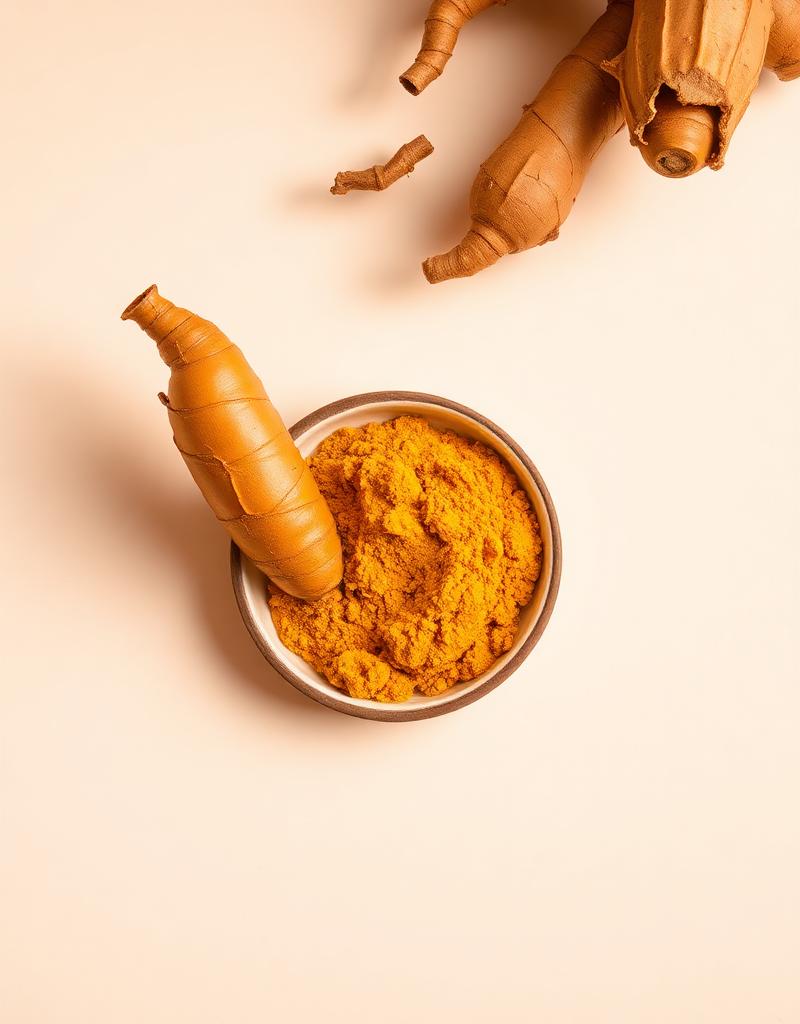
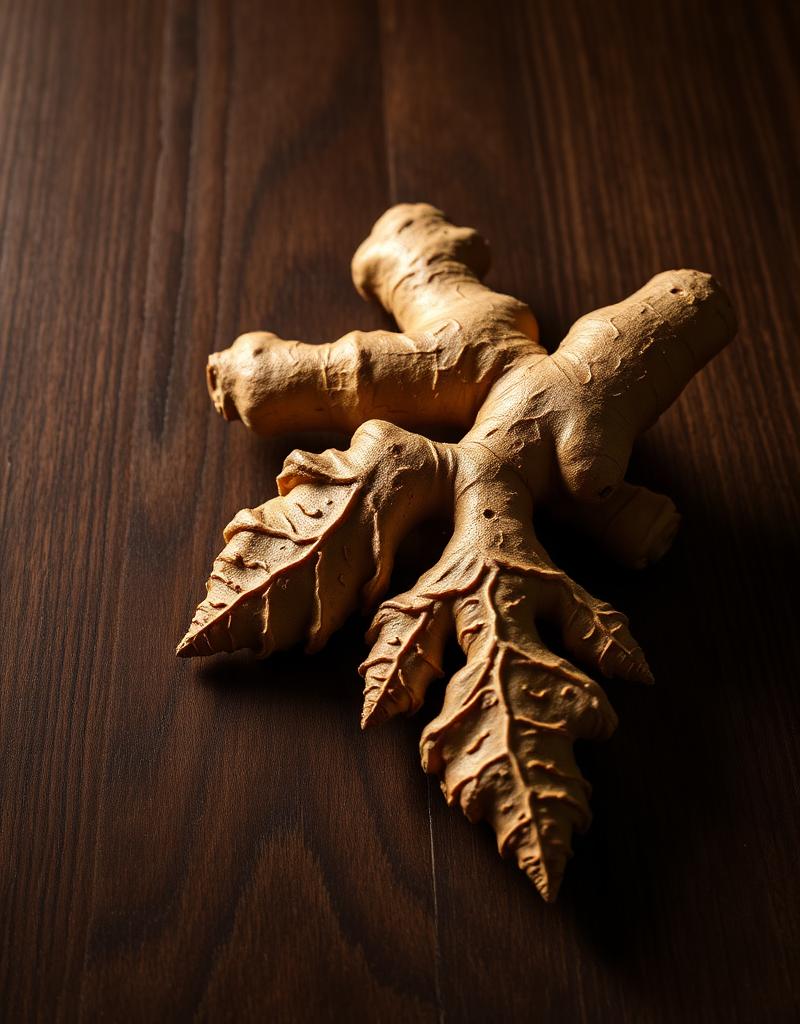
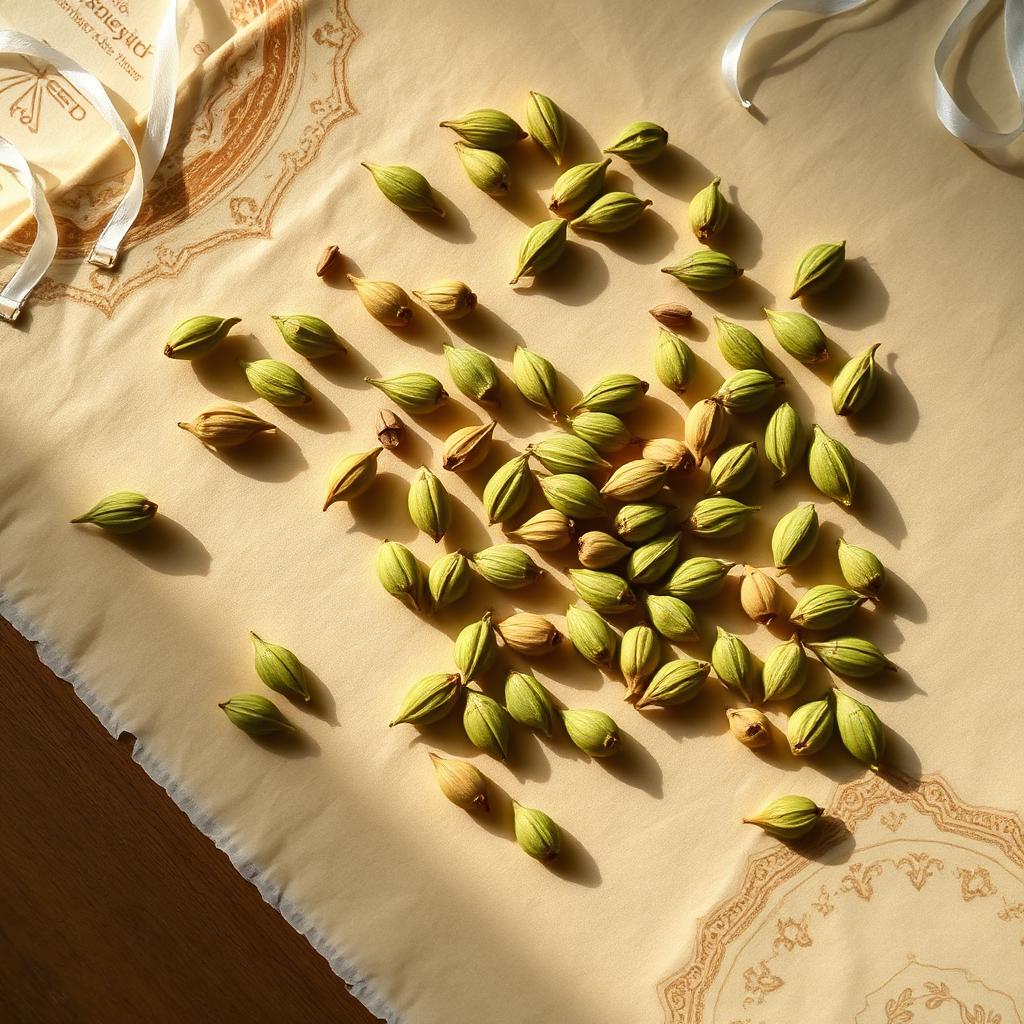
- 1.Warm the milk gently with grated ginger and turmeric for 5 minutes.
- 2.Crush cardamom pods and add for the last minute.
- 3.Strain into a cup, stir in honey once warm (not hot).
Before sleep on cold evenings — soothes joints and warms the gut.
Traditional Persian perspective
Persian medicine reads this formula as warm-and-moist. Turmeric and ginger warm cold, damp constitutions and loosen stiffness in the joints; cardamom carries the aroma gently into the stomach; whole milk is the classical moistening vehicle that keeps the warming herbs from drying the body. Ismāʿīl Jurjānī describes warm milk with aromatic spices as a nightcap for the elderly, the convalescent, and anyone with a cold, dry temperament.
Modern scientific evidence
Modern trials study each active herb separately. Curcumin (turmeric's principal polyphenol) has repeated randomised trial data for reducing joint pain in mild-to-moderate knee osteoarthritis and for lowering circulating inflammatory markers. Ginger has trial data for nausea and menstrual pain and for a small anti-inflammatory effect on knee pain. Cardamom lowers blood pressure and improves insulin sensitivity in small trials in overweight adults. The traditional pairing with warm milk and black pepper (or fat) improves curcumin absorption several-fold.
Active compounds
- Curcumin & curcuminoids (turmeric) — anti-inflammatory polyphenols; poorly absorbed alone, better with fat and warmth
- 6-Gingerol & shogaols (ginger) — anti-inflammatory and antiemetic constituents
- 1,8-cineole & α-terpinyl acetate (cardamom) — carminative aromatic terpenes
- Casein & milk phospholipids — carry lipophilic curcumin into circulation
Benefits supported by evidence
- Modest reduction in knee and joint pain in mild-to-moderate osteoarthritis (curcumin evidence)
- Eases nausea, indigestion, and cold-damp bloating (ginger + cardamom)
- Supports the evening wind-down and warm-feet, warm-belly signal that eases sleep onset
- Warms cold constitutions in winter and after illness recovery
Evidence strength
The three active herbs each have moderate randomised-trial support for the effects claimed here. The exact Golden Milk combination has not been trialled as a single formula — the evidence is compositional: turmeric for joints and inflammation, ginger for nausea and mild pain, cardamom for blood pressure and glycemic ease, all improved by the milk-and-fat vehicle for curcumin absorption.
Safety by life stage
Pregnancy & breastfeeding
Culinary turmeric and ginger in a nightly cup of Golden Milk are considered safe in pregnancy and are traditionally used for morning nausea. Avoid concentrated turmeric or curcumin supplement capsules during pregnancy — high extract doses have theoretical uterine-stimulant activity that culinary amounts do not. Skip Golden Milk entirely in the first trimester if you have a history of miscarriage, and check with your midwife or obstetrician.
Children
A small warm cup with a pinch of turmeric, a tiny slice of ginger, and honey is a lovely winter evening ritual for children over 1 (honey is unsafe below 1 year). Keep turmeric to a small pinch — children need much less than an adult teaspoon. Use whole milk or a full-fat alternative so the curcumin has fat to travel on.
Elderly
One of the highest-leverage evening rituals after 65: gentle joint support, easier sleep onset, and a warm-belly signal that stabilises the last hour before bed. If on warfarin, a DOAC, or multiple antihypertensives, keep turmeric to a culinary pinch (¼ teaspoon) rather than a supplement dose, and mention the daily habit to your GP or pharmacist.
Contraindications
- Known gallstones or obstructive bile-duct disease
- Milk allergy (use full-fat oat or coconut milk instead)
- Two weeks before elective surgery — pause supplement-dose turmeric
Drug interactions
- Anticoagulants & antiplatelets (warfarin, DOACs, aspirin, clopidogrel)moderate
Turmeric and ginger both have mild antiplatelet activity; culinary use is safe, but a nightly high-turmeric supplement dose can add measurable bleeding risk on top of blood thinners. Keep to culinary teaspoon doses when on these medications.
- Antidiabetic medication (insulin, sulfonylureas)low
Cardamom, turmeric, and ginger all mildly lower blood glucose. Additive with insulin and sulfonylureas; monitor fasting glucose if you drink Golden Milk daily.
- Antihypertensives (ACE inhibitors, ARBs, diuretics)low
Cardamom modestly lowers blood pressure; the effect is welcome for most, but monitor if you already run low or feel dizzy on rising.
- Gallbladder disease / obstructive bile-duct diseasemoderate
Turmeric increases bile flow; avoid concentrated turmeric or curcumin in known gallstones or obstructive biliary disease.
- Iron supplementslow
Curcumin can bind and reduce iron absorption; if you are treating iron-deficiency anaemia, take iron in the morning and Golden Milk in the evening.
When to see a clinician
- Known gallstones or obstructive bile-duct disease — skip turmeric entirely
- Active gastrointestinal bleeding or bruising while on blood thinners
- Uncontrolled diabetes with medication changes — monitor glucose closely
- Persistent joint pain, swelling, or heat in a single joint — needs clinical evaluation, not a nightcap
Hakim's perspective
Golden Milk is not medicine you swallow — it is a ceremony you repeat. The gesture of warming the pan, stirring the spice, and holding the cup with both hands is half the remedy. Drink it the same time each night, the same cup, the same corner of the kitchen. Two weeks of that quiet consistency will tell you more than any single dose.
Sources & citations
- · Ismāʿīl Jurjānī — Ẕakhīrah-yi Khwārazmshāhī, on warm milk with aromatic spices as an evening tonic
- · Ibn Sīnā (Avicenna) — Al-Qānūn fī al-Ṭibb, on turmeric (kurkum) and ginger (zanjabīl) for cold, damp joints
- · Hakīm Muʾmen Tonekābonī — Tuḥfat al-Muʾminīn, on cardamom as a warming carminative
- · Dr. Hossein Erfani — Sad Giah Hezar Darman (صد گیاه و هزار درمان), on shīr-e zard for the elderly
Curcumin (turmeric extract) modestly reduced knee osteoarthritis pain vs. placebo in a systematic review and meta-analysis of randomised trials.
Daily et al., Journal of Medicinal Food, 2016 — PubMed 30402719 ↗Ginger (Zingiber officinale) improved knee pain in osteoarthritis in a randomised meta-analysis versus placebo.
Bartels et al., Osteoarthritis and Cartilage, 2015 — PubMed 25300574 ↗Green cardamom (3 g/day for 8 weeks) improved blood pressure and inflammatory markers in overweight, obese pre-diabetic adults in a randomised trial.
Aghasi et al., Complementary Therapies in Medicine, 2017 — PubMed 28934811 ↗Co-administration with fat and piperine (or warmth) markedly increases oral curcumin bioavailability.
Shoba et al., Planta Medica, 1998 — PubMed 9619120 ↗
- · Daily 2016 meta-analysis of curcumin in knee osteoarthritis
- · Bartels 2015 meta-analysis of ginger for knee osteoarthritis
- · Aghasi 2017 randomised trial of cardamom for cardiometabolic markers
- · Shoba 1998 pharmacokinetic study of curcumin absorption with piperine and fat
- · Cochrane reviews on ginger for nausea and dysmenorrhea
Ask Hakim
Last updated 2026-06-21
Every reference page in the Living Library is written by our editorial team, cross-checked against classical Persian medical sources and peer-reviewed modern research, and reviewed on a rolling schedule. This is educational content — not a diagnosis or treatment plan. For symptoms that concern you, please consult a qualified clinician.