Saffron–Date Morning Tonic · معجون زعفران و خرما
A spoonful of vitality to begin the day.
This is the tonic Persian households reach for when someone is genuinely depleted — worn down by illness, recovering from childbirth, or simply running on empty. Two dates stuffed with walnut, finished with bloomed saffron and a little honey, eaten with warm milk first thing in the morning.
Key takeaways
- Saffron has genuinely encouraging trial evidence for mood — the strongest evidence of any ingredient in this tonic.
- A culinary pinch, not a supplement dose, is the safe and traditional amount.
- Dates and honey add real sugar — factor this in if you're managing diabetes.
- Best used as an occasional tonic for genuine depletion, not an everyday breakfast habit.
Ingredients & preparation
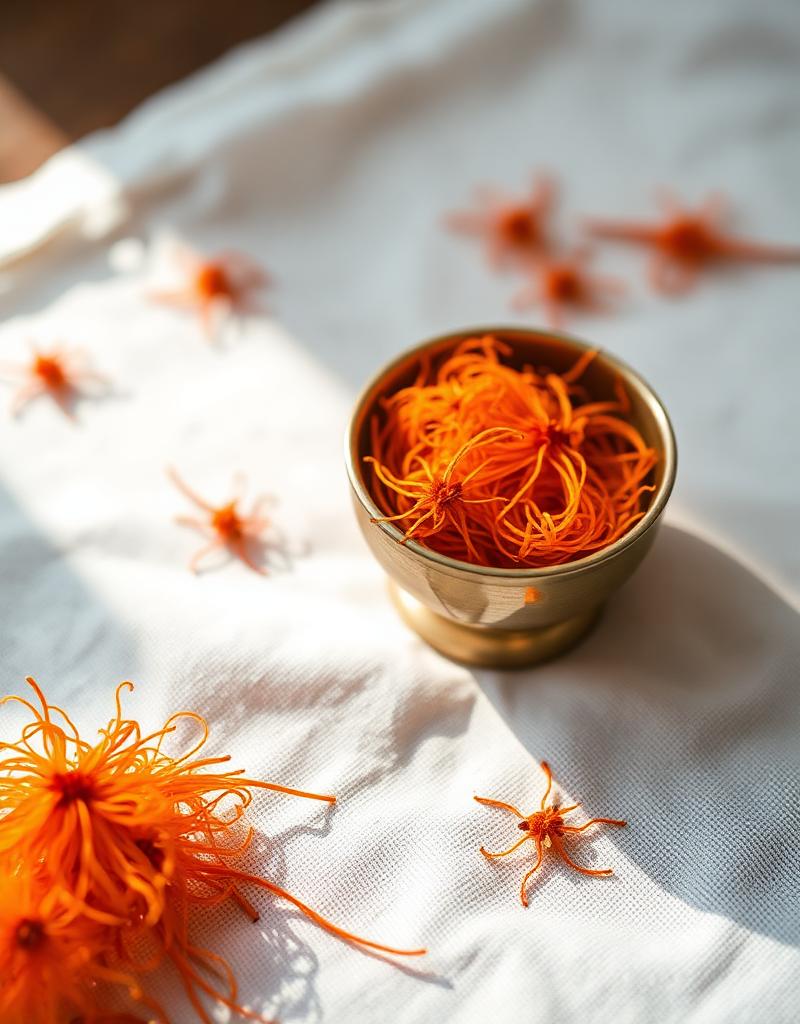
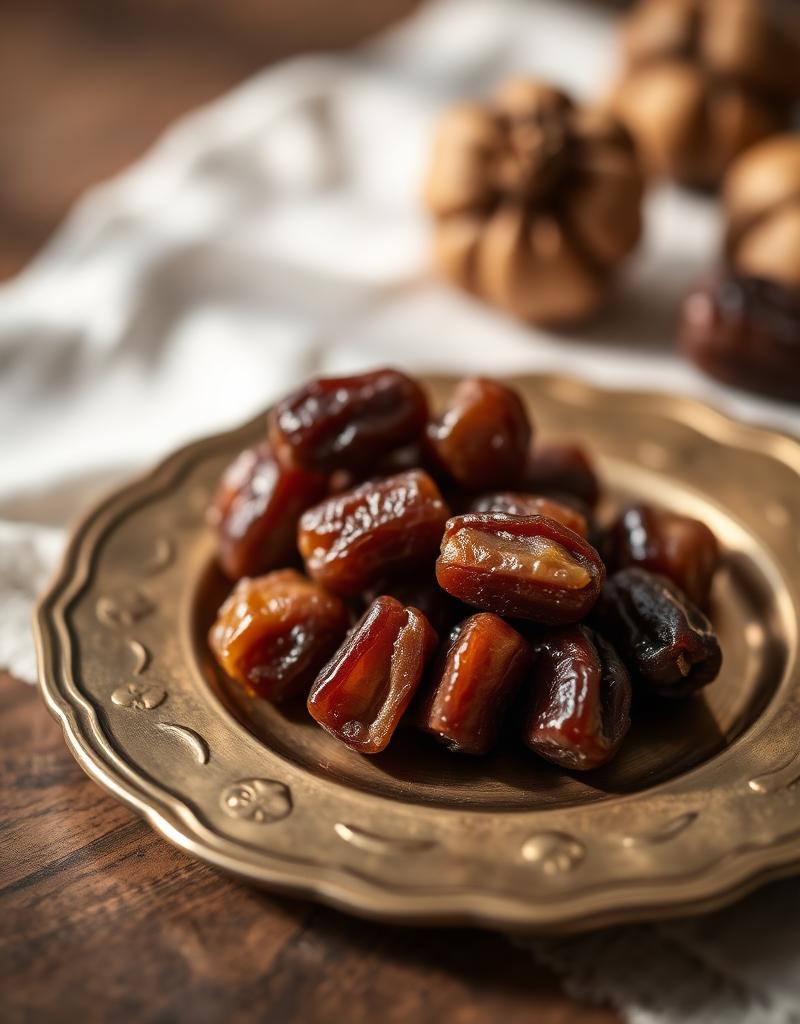
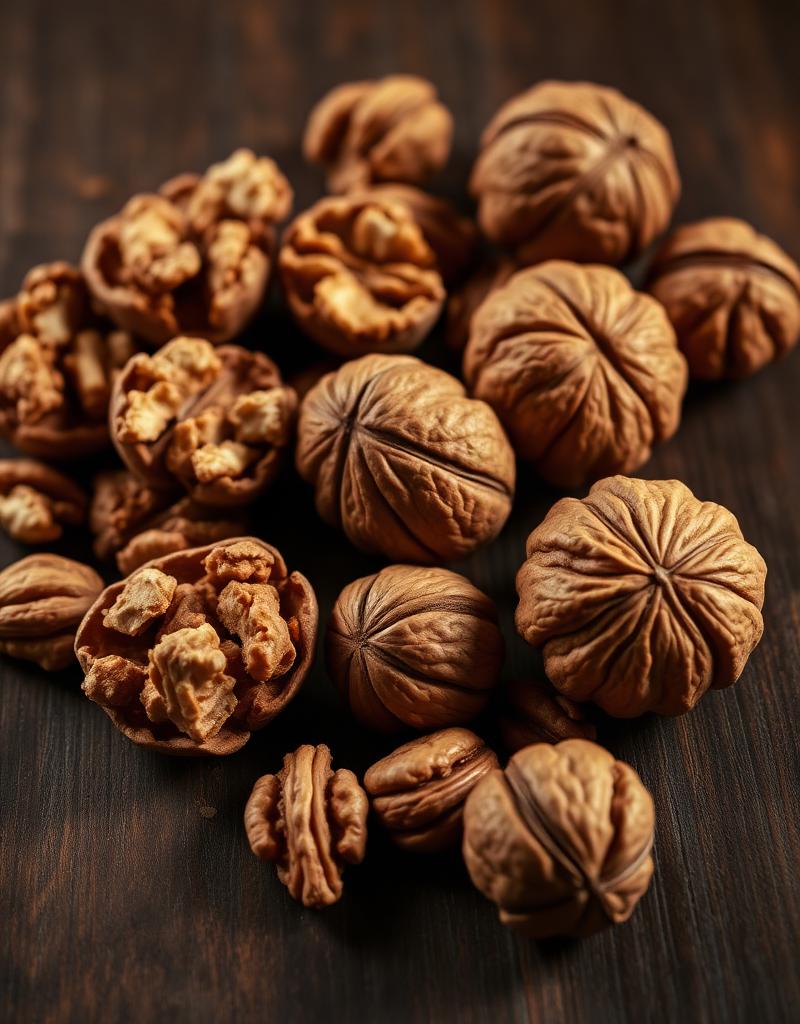
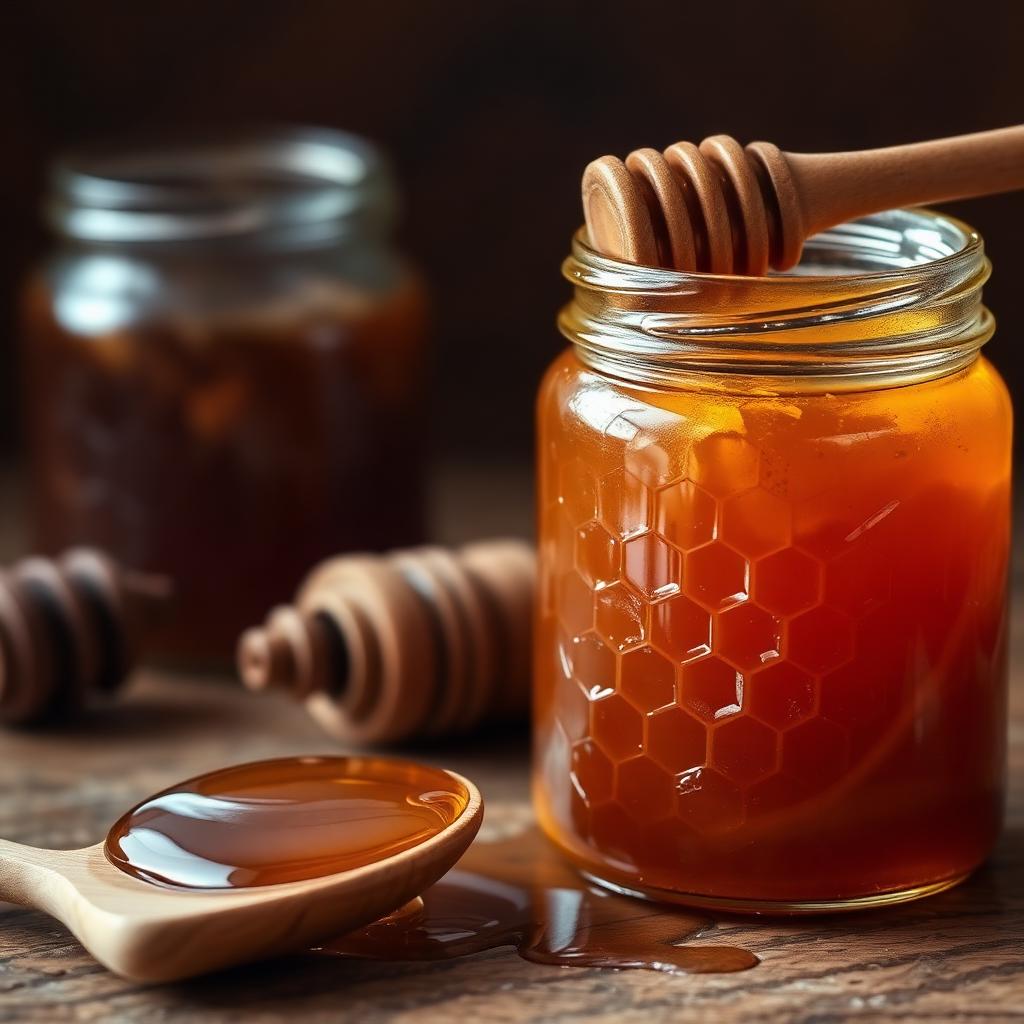
- 1.Pit two dates, stuff each with a walnut half.
- 2.Bloom a pinch of saffron in a tablespoon of warm water for 2 minutes.
- 3.Drizzle the saffron and a teaspoon of honey over the dates; eat with warm milk.
First thing in the morning for low energy, cold constitution, or post-illness recovery.
Traditional Persian perspective
Persian medicine reads this as a warming, moistening tonic for cold, weak, depleted constitutions. Saffron (za'farān) is classically prized for lifting the spirit and warming the heart; dates build strength and blood; walnuts — warm and moist, and resembling the brain in shape by the old doctrine of signatures — are held to nourish it; honey binds the mixture and adds its own gentle warmth; warm milk carries the whole tonic in gently. It was classically given after illness, after childbirth, or through a hard winter, not as an everyday habit for someone already well.
Modern scientific evidence
Saffron has the most substantiated modern research of any ingredient here. Several small but carefully designed randomized, blinded trials have found saffron extract performs comparably to standard antidepressant medication for mild-to-moderate depression, and separate trials support a modest mood-lifting effect in people without depression. Dates are nutrient-dense — fiber, potassium, and natural sugars — though the concentrated sugar is worth knowing about for anyone managing blood sugar. Walnuts have consistent, repeated trial evidence for heart and metabolic benefits, largely credited to their omega-3 (alpha-linolenic acid) and polyphenol content. Honey here mostly binds and sweetens rather than adding a distinct clinical effect at this small a dose.
Active compounds
- Crocin & safranal (saffron) — carotenoid and volatile compounds studied for mood-related and antioxidant effects
- Omega-3 alpha-linolenic acid & polyphenols (walnuts)
- Natural sugars, potassium & fiber (dates)
Benefits supported by evidence
- Saffron has repeated small-trial evidence for lifting mood, comparable in some trials to low-dose antidepressant medication
- Dense, fast-absorbing energy for someone genuinely depleted — post-illness, post-birth, or simply exhausted
- Walnuts contribute well-established heart- and brain-supportive fats
- A warming morning ritual matched to how Persian households have treated low energy and low spirits for generations
Evidence strength
Saffron's mood-related evidence is the strongest single thread here — several randomized, blinded trials, each individually small, have found it performs comparably to standard antidepressants for mild-to-moderate depression. Walnuts have solid, repeated trial support for heart and metabolic markers. The tonic as a whole — this exact combination and these amounts — has not been studied directly; the evidence here is compositional, built from what's known about each ingredient rather than the formula itself.
Safety by life stage
Pregnancy & breastfeeding
A culinary pinch of saffron bloomed for this tonic is generally considered safe in pregnancy and is a traditional postpartum strength-builder. Avoid concentrated saffron supplements or large medicinal doses during pregnancy, which carry a theoretical uterine-stimulant effect that a pinch does not. Dates are a traditional and well-studied late-pregnancy food in many cultures, though their sugar content is worth factoring in if you have gestational diabetes.
Children
A half portion — one stuffed date, a smaller pinch of saffron — makes a nice occasional breakfast for children over 1 (honey is unsafe below 1 year). Watch for tree-nut allergy with the walnut, and treat it as an occasional tonic rather than an everyday habit given the sugar from dates and honey together.
Elderly
This is a traditional strength-builder after illness or through a depleting winter, and the mood-related saffron research is genuinely encouraging for this age group. Keep the honey and date portion modest if you're watching blood sugar, and mention the habit to your doctor if you take a blood thinner or an antidepressant.
Contraindications
- Known tree-nut allergy
- Infants under 1 year (honey)
- Concentrated saffron supplements alongside serotonergic antidepressants without medical guidance
Drug interactions
- Antidepressants (SSRIs, SNRIs, and other serotonergic medications)low
Saffron has its own mild serotonergic activity in the doses used in trials, which are higher than a culinary pinch. A single stuffed date's worth of saffron is not a concern, but don't add a concentrated saffron supplement on top of an antidepressant without checking with whoever prescribes it.
- Antidiabetic medication (insulin, sulfonylureas)low
Dates and honey both add meaningful natural sugar. If you take insulin or a sulfonylurea, this tonic is worth accounting for in your morning carbohydrate count rather than treating as a free extra.
- Anticoagulants & antiplatelets (warfarin, DOACs, aspirin, clopidogrel)low
Saffron has mild theoretical antiplatelet activity at higher, concentrated doses. Culinary pinches in this tonic are not a meaningful concern, but mention the daily habit to your doctor if you're on a blood thinner.
When to see a clinician
- Known tree-nut allergy — omit the walnut
- Persistent low mood, loss of interest, or thoughts of self-harm — this tonic is a comfort, not a treatment for depression, and needs a clinician's evaluation
- Poorly controlled diabetes — the date and honey sugar content needs a clinician's input before making this a daily habit
Hakim's perspective
Give the saffron its full two minutes to bloom before you drizzle it — rushing it means you're eating saffron rather than tasting it, and the color alone won't do what the aroma does. This tonic is meant for mornings when you genuinely need lifting, not as a daily supplement; save it for when it matters and it will mean more.
Sources & citations
- · Hakīm Muʾmen Tonekābonī — Tuḥfat al-Muʾminīn, on saffron and dates as tonics for weakness and low spirits
- · Dr. Hossein Erfani — Sad Giah Hezar Darman (صد گیاه و هزار درمان), on saffron for melancholy and depleted constitutions
A hydro-alcoholic extract of saffron performed comparably to fluoxetine, a standard SSRI antidepressant, in a double-blind randomized pilot trial for mild-to-moderate depression.
Noorbala et al., Journal of Ethnopharmacology, 2005 — PubMed 15707766 ↗
- · Noorbala et al. 2005, saffron vs. fluoxetine in mild-to-moderate depression
- · Broader systematic reviews and meta-analyses of saffron for depressive symptoms
- · Trial data on walnut consumption and cardiovascular risk markers
Ask Hakim
Last updated 2026-09-23
Every reference page in the Living Library is written by our editorial team, cross-checked against classical Persian medical sources and peer-reviewed modern research, and reviewed on a rolling schedule. This is educational content — not a diagnosis or treatment plan. For symptoms that concern you, please consult a qualified clinician.