Black Seed & Honey · سیاهدانه و عسل
The morning fortifier — half a teaspoon of resilience.
Half a teaspoon of ground black seed stirred into raw honey, taken on an empty stomach with warm water — one of the simplest and most consistently used formulas in Persian herbalism, reached for through the cold season for immunity and general resilience.
Key takeaways
- One of the better-evidenced single formulas here — real, repeated trial support for blood pressure and HbA1c.
- Take consistently on an empty stomach; effects build over months, not days.
- Mention a daily habit to your doctor if you're on blood pressure or diabetes medication.
- Mild GI upset is the most commonly reported side effect; no serious adverse events were reported in the reviewed trials.
Ingredients & preparation
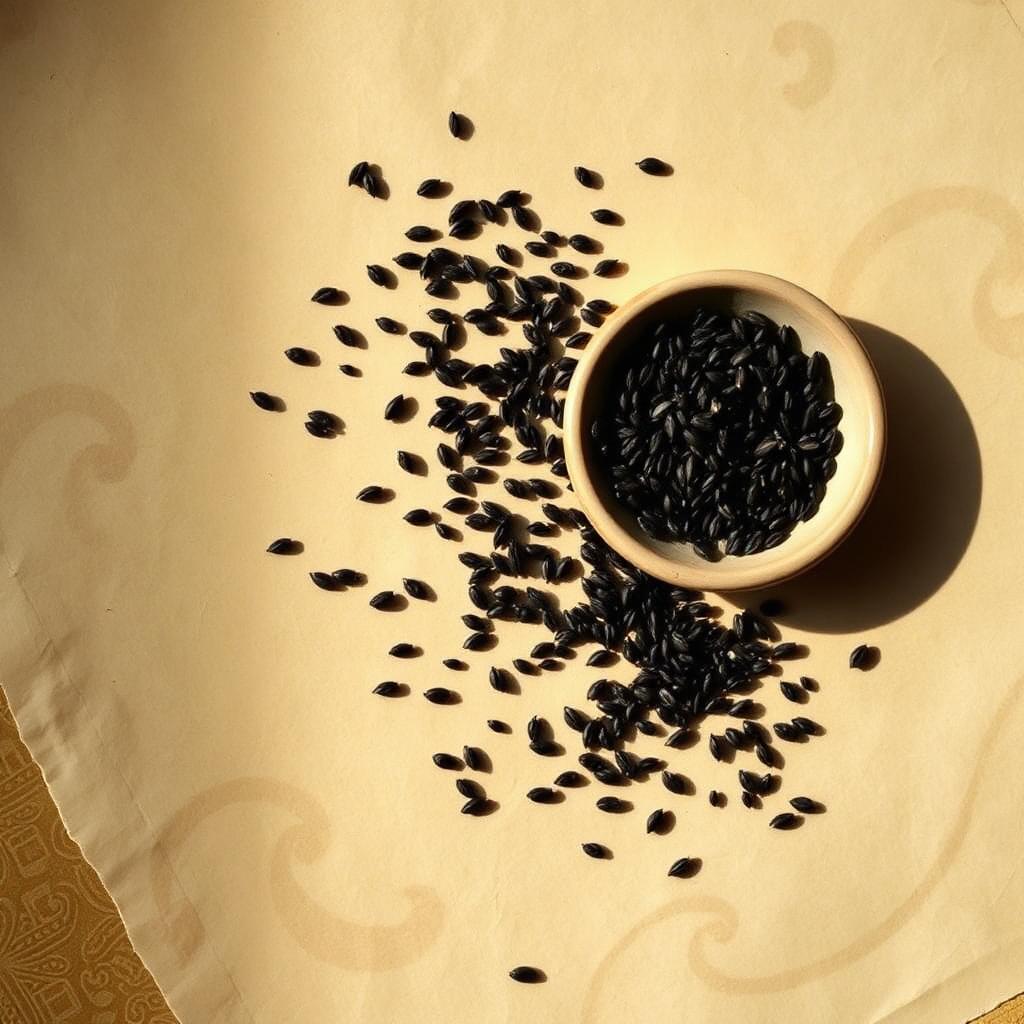
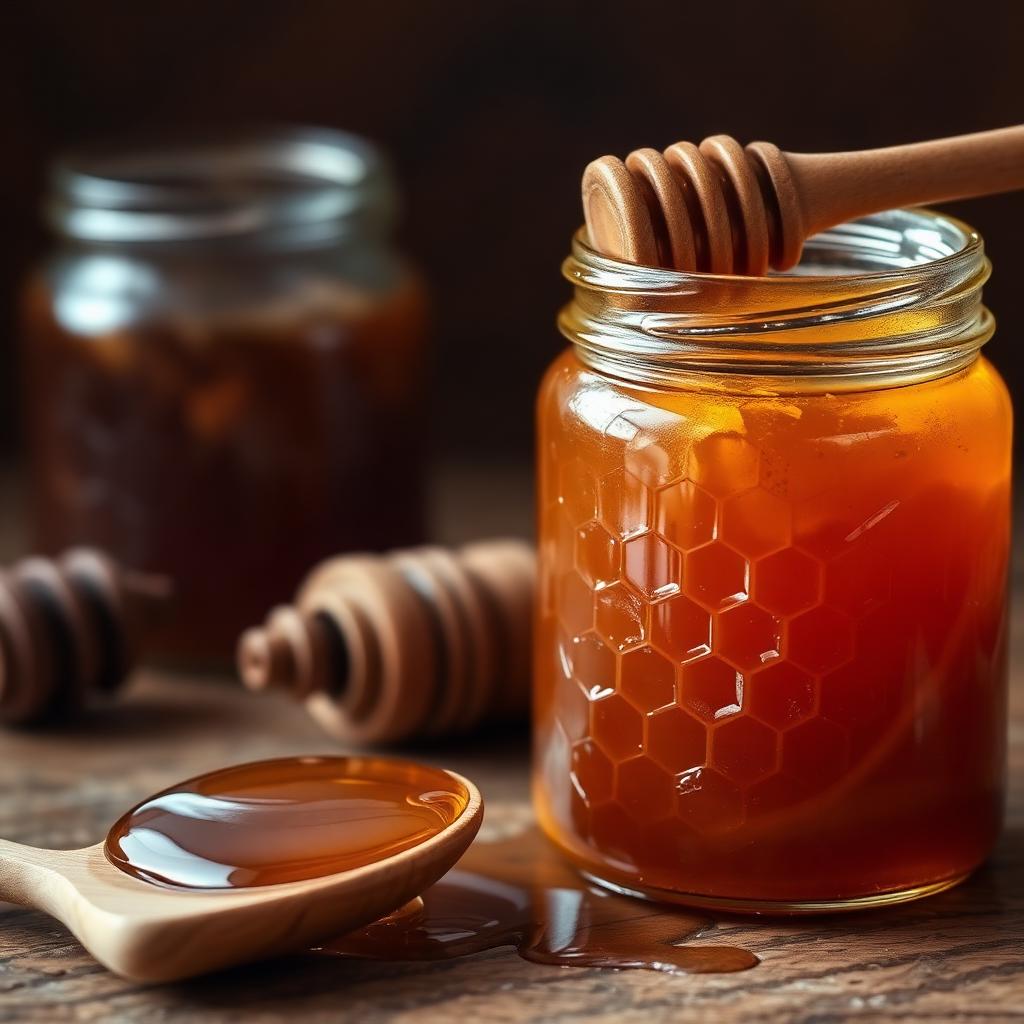
- 1.Grind 1 tsp black seeds.
- 2.Stir into 1 tbsp raw honey.
- 3.Take half a teaspoon on an empty stomach with warm water.
Daily through cold seasons for immunity and respiratory strength.
Traditional Persian perspective
Black seed (siyāh dāneh, Nigella sativa) is read as hot and dry, a fortifying herb traditionally described as containing 'the cure for every disease except death' in a saying attributed to the Prophet Muhammad and widely repeated across the region's herbal tradition — a reflection of how broadly it has been used, not a literal medical claim. Honey is itself considered warming and fortifying, and the pairing is taken on an empty stomach so nothing dilutes its effect.
Modern scientific evidence
Black seed has more modern research behind it than most single herbs in this library. Multiple systematic reviews and meta-analyses of randomized trials have found consistent, meaningful reductions in blood pressure, and consistent improvement in HbA1c (a marker of average blood sugar over time) with regular use, though the effect on fasting glucose specifically is more mixed. Reported side effects across the reviewed trials are mild and mostly gastrointestinal, with no serious adverse events reported. Honey's own evidence is strongest for soothing coughs and sore throats rather than immunity in a broader sense.
Active compounds
- Thymoquinone (black seed) — the principal active compound, studied for blood pressure and blood sugar effects
- Fixed oils & saponins (black seed)
Benefits supported by evidence
- Meaningful, repeated trial evidence for lowering blood pressure with regular use
- Consistent evidence for improving HbA1c (longer-term blood sugar control) across multiple trials
- A traditional, low-side-effect fortifying habit through cold-and-flu season
Evidence strength
Black seed's blood-pressure and HbA1c benefits are supported by multiple systematic reviews and meta-analyses of randomized controlled trials — genuinely solid ground by herbal-medicine standards, even though the trials used varying doses and preparations, and effects on fasting glucose specifically were less consistent.
Safety by life stage
Pregnancy & breastfeeding
Traditional sources are more cautious about black seed at concentrated, medicinal doses during pregnancy than at ordinary culinary amounts. Half a teaspoon stirred into honey, as described here, is a modest amount, but given the blood-pressure and blood-sugar activity involved, it's worth checking with your midwife or obstetrician before making this a daily habit in pregnancy.
Children
A much smaller amount — a small pinch rather than half a teaspoon — mixed into honey can be given to children over 1 year (honey is unsafe below 1 year). Keep it occasional through cold season rather than a daily supplement for a child.
Elderly
This is a genuinely well-supported daily habit for blood pressure and long-term blood sugar control at this age, with a good safety record in the trials reviewed. If you're on blood pressure or diabetes medication, mention the daily habit to your doctor so your doses can be adjusted if needed rather than layering effects unmonitored.
Contraindications
- Infants under 1 year (honey)
Drug interactions
- Antihypertensive medication (ACE inhibitors, ARBs, calcium channel blockers, diuretics)low
Black seed's blood-pressure-lowering effect is additive with these medications. If you take this daily alongside blood pressure medication, monitor your readings — the combination can occasionally drop blood pressure lower than expected.
- Antidiabetic medication (insulin, sulfonylureas)low
Additive glucose-lowering effect with regular use. Monitor blood sugar if you take this daily alongside insulin or a sulfonylurea.
- Anticoagulants & antiplatelets (warfarin, DOACs, aspirin, clopidogrel)low
Black seed has mild traditional antiplatelet associations. Not a reason to avoid it, but mention a daily habit to your doctor if you're on a blood thinner or have surgery coming up.
When to see a clinician
- Unexplained dizziness or lightheadedness after starting a daily habit — may signal blood pressure dropping lower than expected
- Unusual bruising or bleeding if combined with a blood thinner
Hakim's perspective
This is the formula I'd point to if someone asked me which single Persian remedy has the best modern evidence behind it — the blood pressure and blood sugar research on black seed is genuinely solid. Take it consistently, on an empty stomach, and give it a few months before judging the effect on your numbers.
Sources & citations
- · Widely cited across Persian and broader regional herbal tradition as a fortifying, immune-supporting seed
Systematic reviews and meta-analyses of randomized controlled trials found Nigella sativa (black seed) supplementation significantly reduced blood pressure and improved HbA1c, with mild, mostly gastrointestinal adverse effects and no serious adverse events reported across the reviewed literature.
Systematic review, PMC10086143 ↗
- · Systematic reviews and meta-analyses of Nigella sativa for blood pressure
- · Systematic reviews and meta-analyses of Nigella sativa for HbA1c and glycemic markers
Ask Hakim
Last updated 2026-09-23
Every reference page in the Living Library is written by our editorial team, cross-checked against classical Persian medical sources and peer-reviewed modern research, and reviewed on a rolling schedule. This is educational content — not a diagnosis or treatment plan. For symptoms that concern you, please consult a qualified clinician.