Fennel–Cumin Digestif · دمنوش رازیانه و زیره
A tiny cup of warmth to close the meal.
A small, warming cup to close a heavy meal — toasted fennel and cumin seeds steeped with a crushed cardamom pod. It's the Persian answer to the little dish of fennel seeds you see at the end of a meal across much of the region: a quiet way to ease bloating before it starts.
Key takeaways
- A small, traditional after-meal cup for bloating and gas — genuinely useful, not just ceremonial.
- Cumin has real evidence for a modest blood-sugar benefit with regular use.
- Stick to the light tea version, not fennel supplements, during pregnancy.
- A small cup is the tradition for a reason — this isn't meant to be a big mug.
Ingredients & preparation
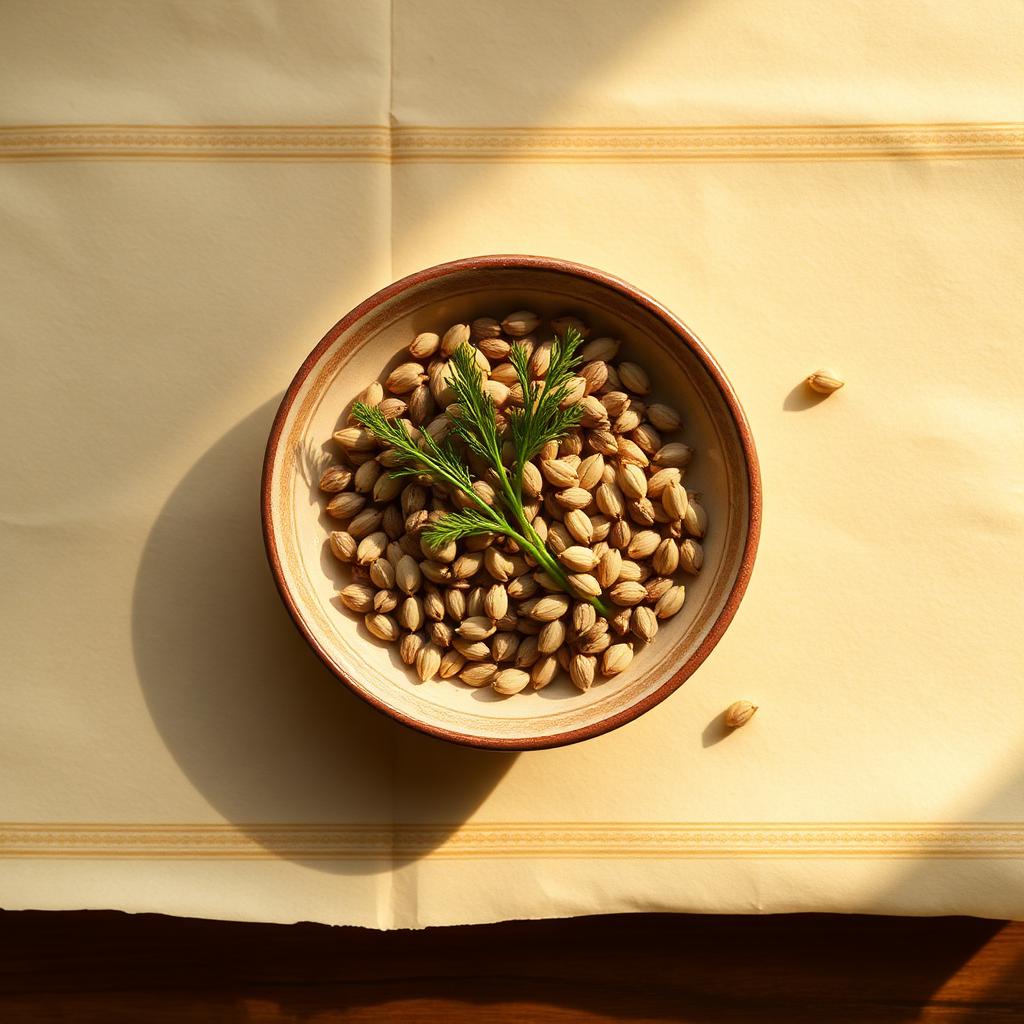
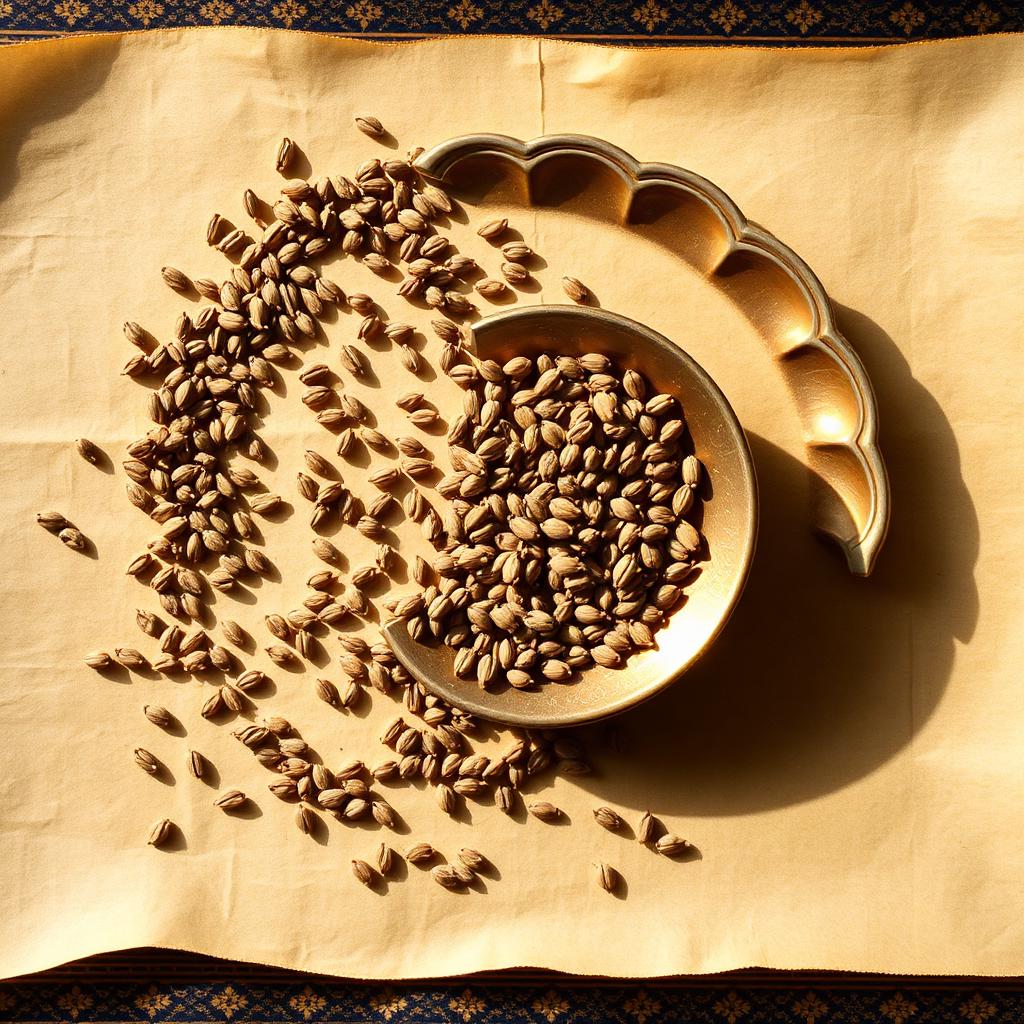
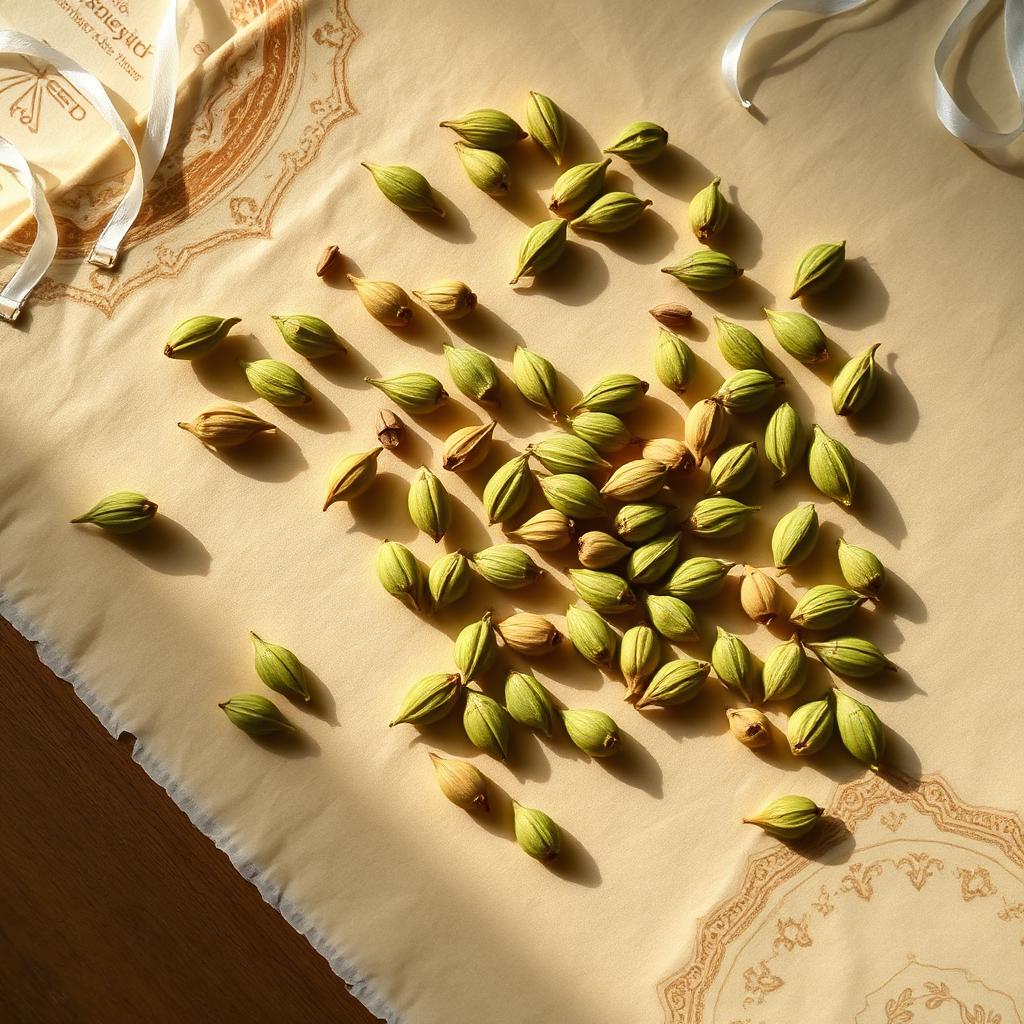
- 1.Toast 1 tsp fennel and 1/2 tsp cumin seeds dry for 30 seconds.
- 2.Crush gently; steep in a cup of just-boiled water with a crushed cardamom pod.
- 3.Cover 5 minutes; sip slowly.
After heavy meals to ease bloating and gas; especially for cold-damp constitutions.
Traditional Persian perspective
Read as warm and dry, this digestif is classically used after heavy or cold-damp meals to move stuck digestion along and ease gas and bloating. Fennel and cumin are both aromatic, carminative seeds in Persian herbalism; cardamom adds its own warming, carminative note and rounds out the flavor.
Modern scientific evidence
Fennel and cumin are both well-established carminatives with real, if modest, trial support for easing bloating, gas, and mild indigestion. Cumin also has systematic-review-level evidence for a small glycemic benefit when taken regularly. Fennel has a long traditional reputation as a lactation aid (a galactagogue) with mixed modern evidence, and a milder reputation as an emmenagogue (something that stimulates the uterus or menstrual flow) at concentrated, non-culinary doses — culinary tea amounts, like a small after-meal cup, are a different matter and widely used, but concentrated fennel extract is treated with more caution in pregnancy.
Active compounds
- Anethole (fennel) — carminative, mildly estrogenic compound at concentrated doses
- Cuminaldehyde (cumin) — carminative, mild glycemic effect
- 1,8-cineole (cardamom) — carminative aromatic terpene
Benefits supported by evidence
- Eases bloating and gas after a heavy meal, a traditional and reasonably well-supported use of both fennel and cumin
- Cumin has systematic-review evidence for a modest improvement in blood sugar markers with regular use
- A caffeine-free, warming way to close a meal
Evidence strength
Fennel and cumin both have real trial-level support for digestive ease and, for cumin, a modest glycemic benefit — stronger than purely traditional use, but still based on small trials rather than large, definitive ones. The specific combination brewed together as a digestif hasn't been studied as a formula.
Safety by life stage
Pregnancy & breastfeeding
A small after-meal cup made from toasted seeds, as described here, is the culinary amount most sources consider fine in pregnancy for digestive ease. Concentrated fennel extracts or supplements are treated more cautiously, since fennel has a traditional reputation for stimulating menstrual flow at higher, non-culinary doses — this is a reason to stick to the light tea version and skip fennel supplements during pregnancy, not a reason to avoid the occasional after-meal cup.
Children
A small, well-diluted cup can help an uncomfortable, gassy tummy after a big meal. Keep it occasional and weak rather than a daily drink for young children.
Elderly
A gentle, genuinely useful after-meal habit for bloating and sluggish digestion, with cumin's modest blood-sugar benefit as a bonus if taken regularly. Mention a daily habit to your doctor if you're on diabetes medication or a blood thinner.
Contraindications
- Known Apiaceae-family (carrot/celery/dill) allergy
Drug interactions
- Antidiabetic medication (insulin, sulfonylureas)low
Cumin has a modest glucose-lowering effect with regular use. Additive with insulin or a sulfonylurea — worth mentioning if you drink this digestif after most meals rather than occasionally.
- Anticoagulants & antiplateletslow
Cumin has mild traditional anticoagulant associations. An occasional after-meal cup is not a meaningful concern; mention a daily habit to your doctor if you're on a blood thinner.
When to see a clinician
- Known allergy to Apiaceae-family plants (carrot, celery, dill, fennel are related) — watch for rash or respiratory symptoms
- Persistent bloating that doesn't ease with this or worsens over time — needs a clinician's evaluation, not just a digestif
Hakim's perspective
This is meant to be a small cup, not a big mug — the tradition of a tiny dish of fennel seeds after a meal exists because a little goes a long way. Sip it slowly while the table is still being cleared, and let it do its quiet work.
Ask Hakim
Last updated 2026-09-23
Every reference page in the Living Library is written by our editorial team, cross-checked against classical Persian medical sources and peer-reviewed modern research, and reviewed on a rolling schedule. This is educational content — not a diagnosis or treatment plan. For symptoms that concern you, please consult a qualified clinician.