Quince Compote · خوشاب به
Stewed quince in rosewater — calms a hot stomach.
Quince simmered with cinnamon until soft, finished with rosewater and chilled — eaten by the spoonful before a meal to settle a hot, uneasy stomach, or simply enjoyed as a fragrant, not-too-sweet dessert.
Key takeaways
- A gentle, traditional dessert for settling heartburn and firming loose digestion.
- Most cinnamon sold is Cassia, which contains coumarin — Ceylon is the lower-coumarin choice for frequent use.
- Space iron supplements away from a serving, since quince's tannins can bind iron.
- Fine as an occasional food for nearly everyone; only frequent, daily Cassia cinnamon habits need a second look.
Ingredients & preparation
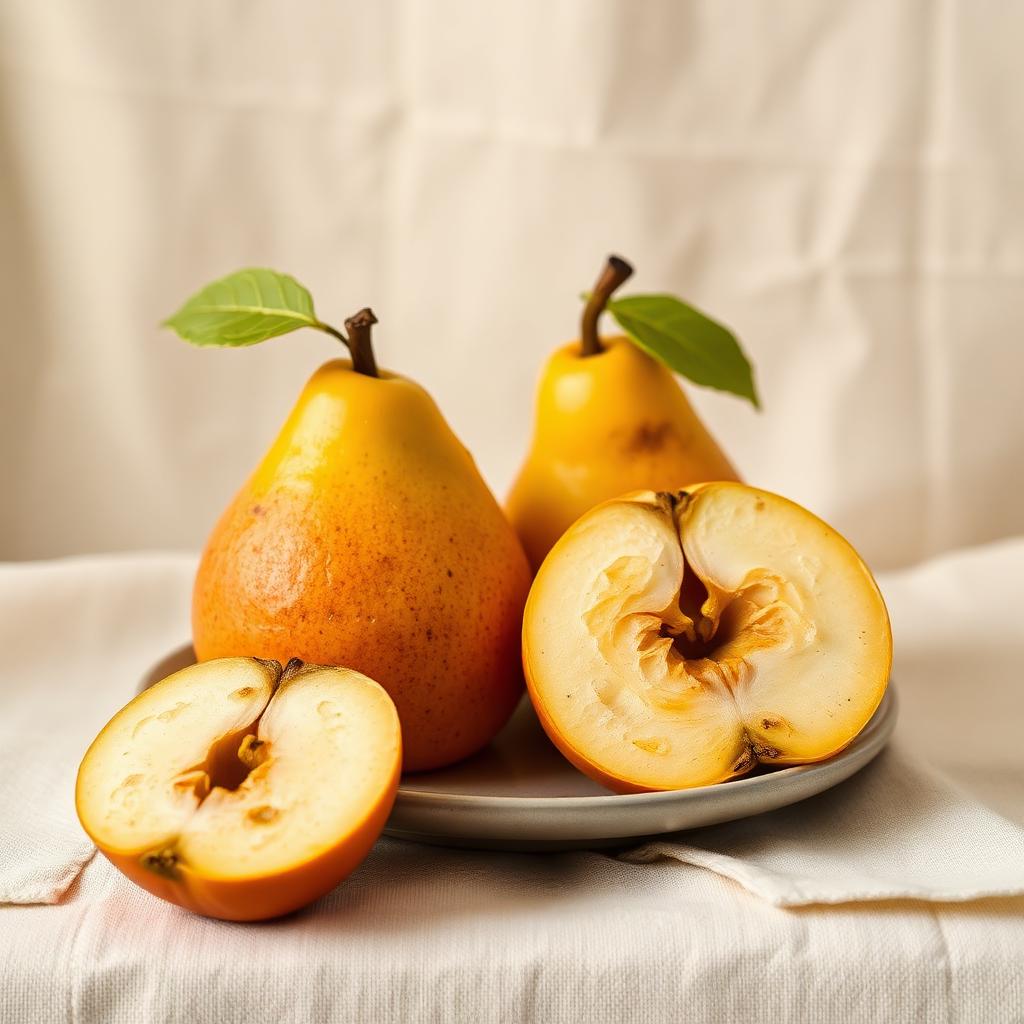
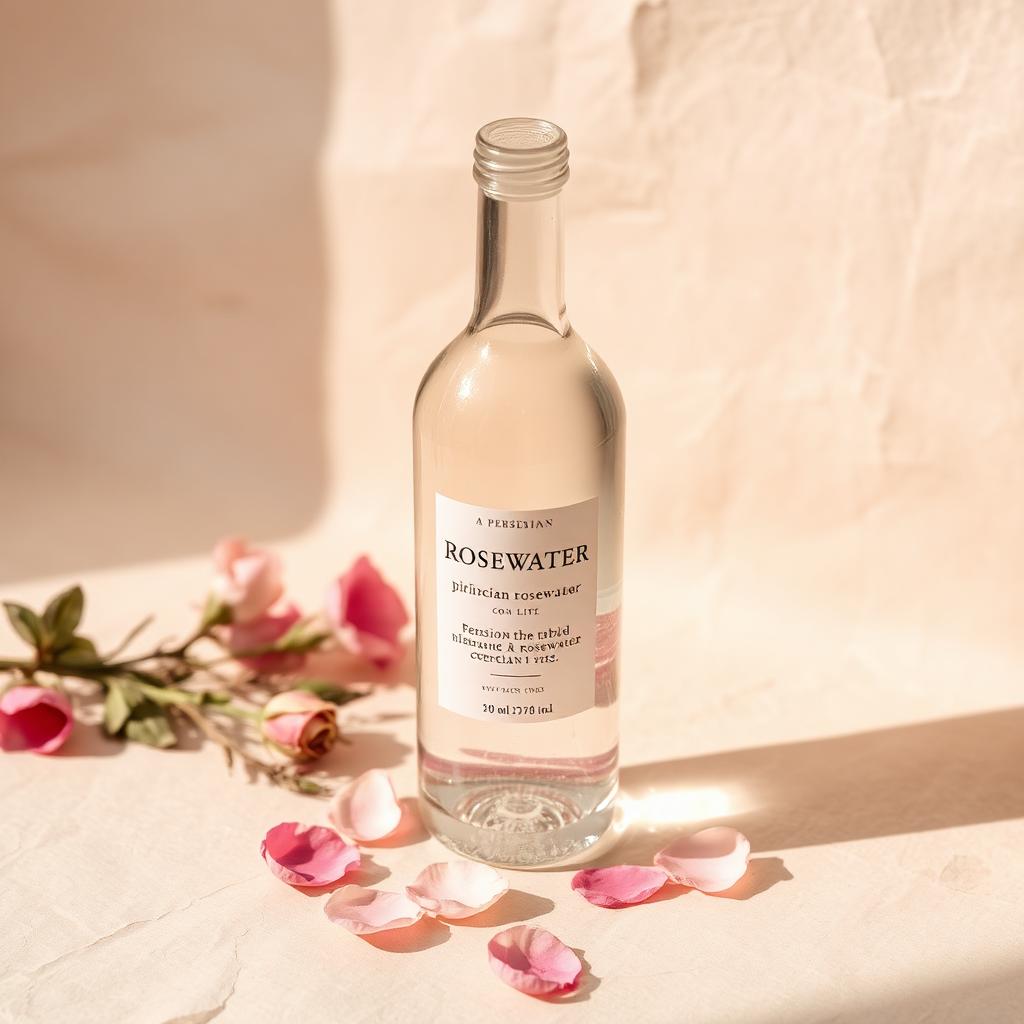
- 1.Peel and cube one quince; simmer in 2 cups water with cinnamon for 25 minutes.
- 2.Add sweetener; cook until syrupy.
- 3.Finish with a tablespoon of rosewater off heat. Chill.
Two spoonfuls before meals for heartburn, or as a soothing dessert.
Traditional Persian perspective
Read as cool and dry, this compote is classically used to settle heartburn and a hot, irritated stomach, and to firm loose digestion. Quince itself is prized in Persian tradition for its astringent, stomach-settling quality; cinnamon adds warmth to balance the cooling fruit; rosewater lends fragrance and its own gentle calming quality.
Modern scientific evidence
Quince is rich in fiber and tannins, which is likely behind its traditional reputation for settling and firming digestion — the same tannins can bind some minerals, including iron, if eaten at the same time as an iron supplement. Cinnamon is where the real modern safety nuance lives: most cinnamon sold as a spice is Cassia cinnamon, which contains coumarin, a compound that can affect the liver and add to bleeding risk in large or frequent amounts. Ceylon ('true') cinnamon contains far less coumarin and is the safer choice for regular use. A single cinnamon stick simmered in a pot of compote and eaten in modest spoonfuls is a different scale of exposure than concentrated cinnamon supplements, but the Cassia-versus-Ceylon distinction is worth knowing if you eat this often.
Active compounds
- Tannins & pectin (quince) — astringent, fiber-rich compounds
- Coumarin (cinnamon, especially Cassia) — the compound behind cinnamon's liver and bleeding-risk caution at high or frequent doses
- Cinnamaldehyde (cinnamon) — the aromatic, flavor-carrying compound
Benefits supported by evidence
- A traditional, gentle way to settle heartburn or an uneasy stomach before a meal
- High in fiber and traditionally used for firming loose digestion
- A fragrant, modestly sweetened dessert alternative to something heavier
Evidence strength
Quince's digestive-settling reputation is long-standing in Persian tradition and plausible given its fiber and tannin content, but it hasn't been studied in modern trials for this use. Cinnamon's coumarin content and the Cassia-versus-Ceylon distinction, by contrast, are well documented by food-safety authorities and are the main reason this entry carries more caution than the fruit itself would suggest.
Safety by life stage
Pregnancy & breastfeeding
An occasional bowl of quince compote made with a single cinnamon stick is a normal, traditional food in pregnancy. If you find yourself eating cinnamon-containing foods often, look for Ceylon cinnamon over Cassia, simply as good general practice rather than a pregnancy-specific rule.
Children
A gentle, traditional dessert or before-meal spoonful for children, low in the concerns that come with concentrated cinnamon supplements. Keep portions modest, as with any fruit compote sweetened with honey or sugar.
Elderly
A genuinely useful, gentle option for heartburn or firming digestion at this age. If cinnamon (Cassia in particular) becomes a frequent daily habit rather than an occasional compote, and you're on a blood thinner, ask about switching to Ceylon cinnamon.
Drug interactions
- Anticoagulants & antiplatelets (warfarin, DOACs, aspirin, clopidogrel)low
Cassia cinnamon's coumarin content can add to bleeding risk with frequent, regular use. A cinnamon stick simmered into an occasional pot of compote is a modest amount, but if you eat this often and take a blood thinner, ask your pharmacist whether to switch to Ceylon cinnamon.
- Iron supplementslow
Quince's tannins can bind iron and reduce absorption if eaten at the same time. Space an iron supplement a couple of hours away from a serving of this compote.
When to see a clinician
- Persistent or worsening heartburn despite dietary changes — needs a clinician's evaluation
- Known liver disease combined with frequent, regular Cassia cinnamon intake
Hakim's perspective
This is a dessert that also happens to be medicine, which is the best kind — nobody has ever needed convincing to eat quince compote. If you make it often, it's worth the small step of seeking out Ceylon cinnamon at the spice shop; the flavor is actually more delicate, not less.
Sources & citations
- · Hakīm Muʾmen Tonekābonī — Tuḥfat al-Muʾminīn, on quince (bih) as an astringent, stomach-settling fruit
- · Food-safety authority guidance on Cassia vs. Ceylon cinnamon and coumarin content
Ask Hakim
Last updated 2026-09-23
Every reference page in the Living Library is written by our editorial team, cross-checked against classical Persian medical sources and peer-reviewed modern research, and reviewed on a rolling schedule. This is educational content — not a diagnosis or treatment plan. For symptoms that concern you, please consult a qualified clinician.