Heart-Gladdener Tea · دمنوش گل گاوزبان
Borage and rose — Avicenna's remedy for melancholy.
A gentle, fragrant tea for the end of a hard day — borage and rose steeped together, finished with rosewater and honey. Avicenna wrote about borage specifically for melancholy, and this tea has stayed a household comfort for low mood and anxious, heavy afternoons ever since.
Key takeaways
- Borage tea is a genuine traditional comfort for low mood — but ordinary borage contains pyrrolizidine alkaloids, a real liver-safety consideration with regular use.
- Avoid borage entirely in pregnancy and breastfeeding; use plain rose tea instead if you want the ritual without it.
- Look for certified PA-free borage if you want this as a regular habit rather than an occasional one.
- Mention it to your doctor if you're on a blood thinner or have liver disease.
Ingredients & preparation
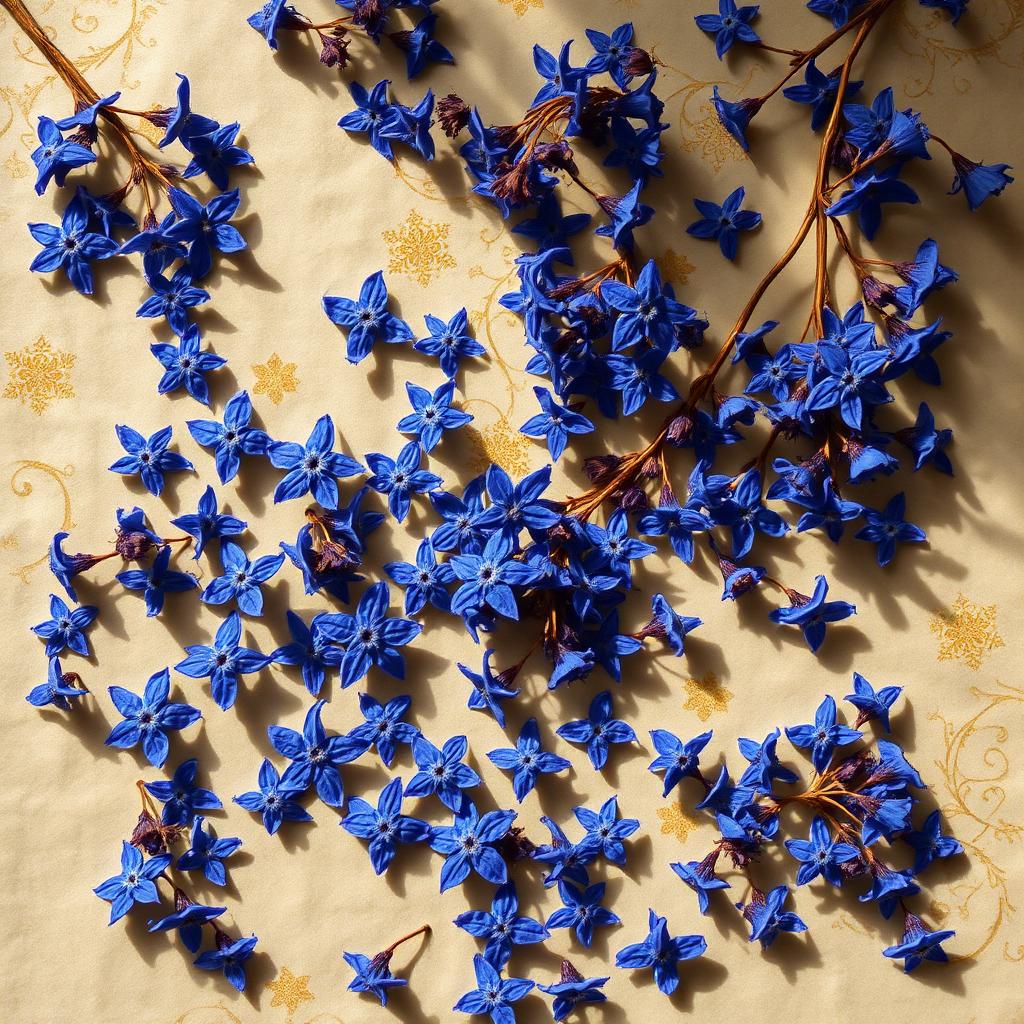
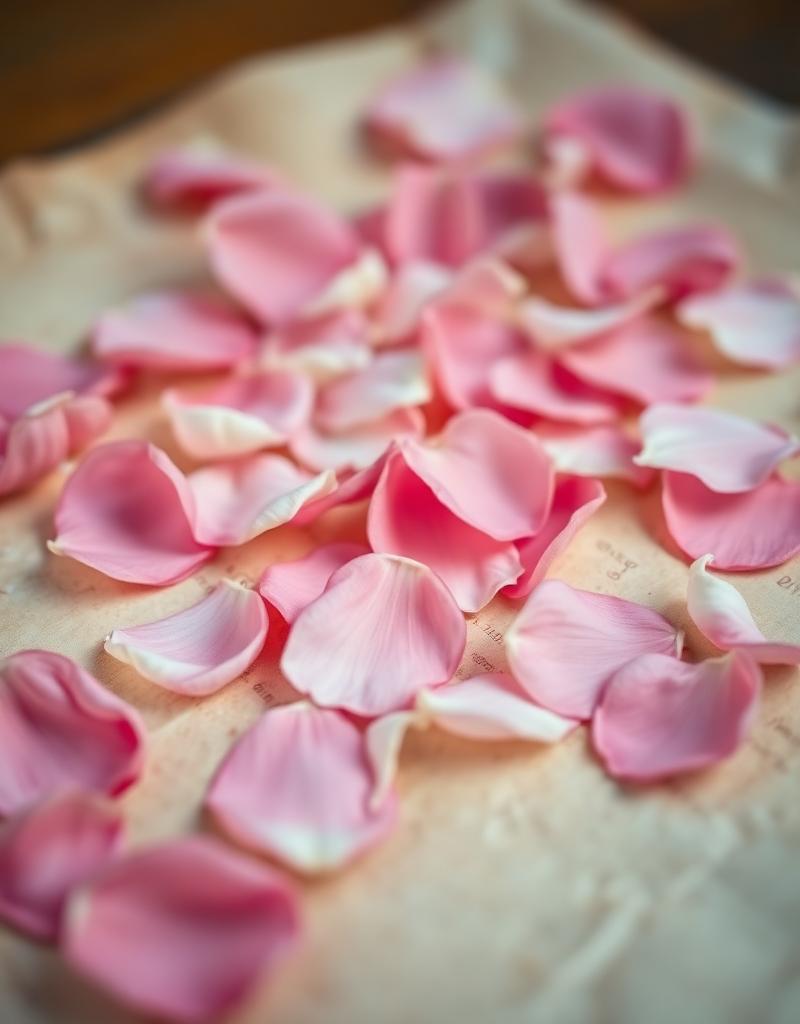
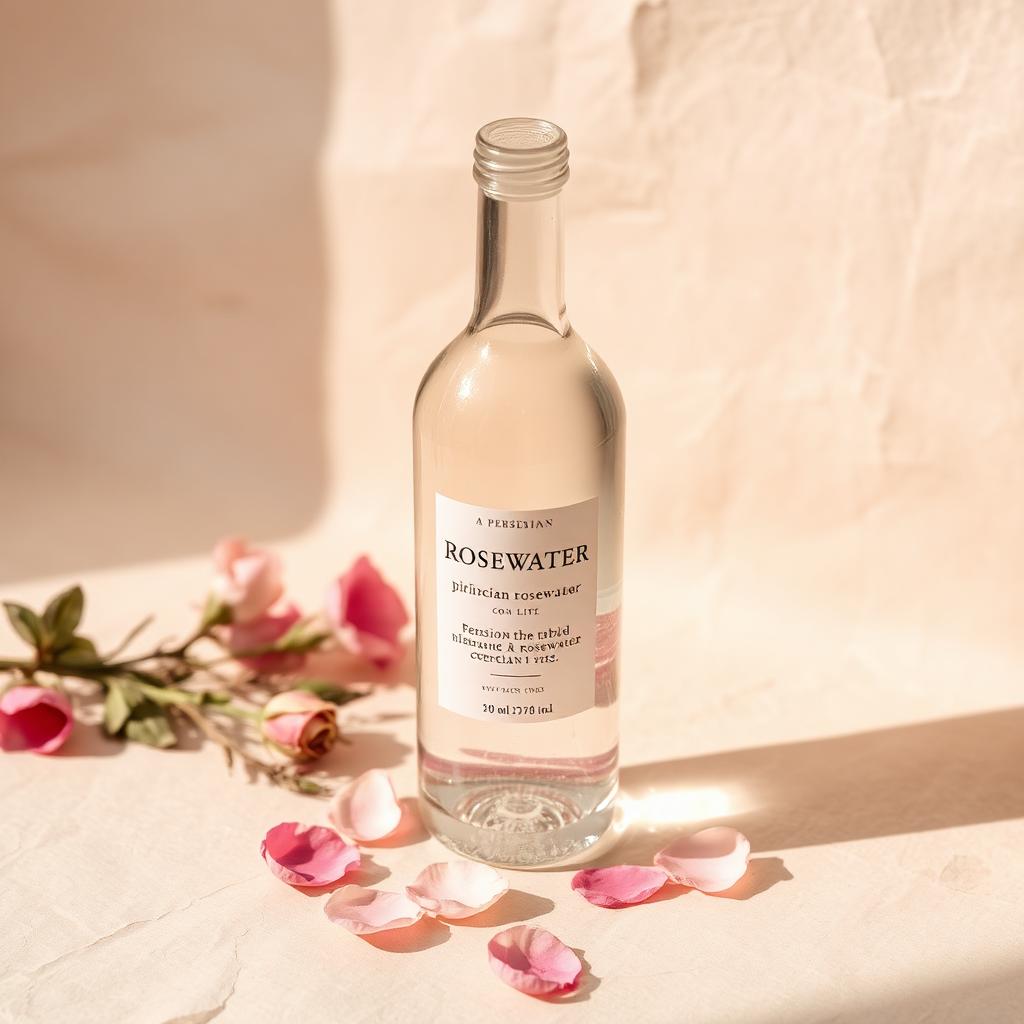
Traditional Persian perspective
Persian medicine calls borage 'gaozabān' — literally 'cow's tongue,' after the shape of its leaf — and holds it as a warming, moistening herb that gladdens the heart and lifts a low, anxious mood. Rose is added for its own mood-lifting, cooling-to-warm aromatic quality, and rosewater and honey round out the sweetness and scent. Avicenna specifically recommended borage for melancholy and 'palpitation of the heart from grief.'
Modern scientific evidence
This is one of the few combinations here where the modern safety picture is more important than the modern benefits picture. Borage flowers and leaves contain pyrrolizidine alkaloids (PAs) — compounds that, with regular or prolonged use of unprocessed borage, are linked to liver toxicity and are classified as a cancer risk in animal studies. Reputable safety reviews consider ordinary, unprocessed borage products likely unsafe for regular or prolonged use, and specifically unsafe in pregnancy and breastfeeding. Certified PA-free borage products exist and remove this specific concern. Borage seed oil (gamma-linolenic acid, GLA) has separate research for skin and inflammatory conditions but is a different product from the flower tea described here. Rose has smaller, more preliminary evidence for anxiety and mood, largely from aromatherapy and small trials rather than tea specifically.
Active compounds
- Pyrrolizidine alkaloids (borage) — the compounds behind the liver-safety caution below; largely absent from PA-free certified borage
- Gamma-linolenic acid, GLA (borage seed, less relevant to a flower/leaf tea)
- Geraniol & citronellol (rose) — aromatic terpenes studied in preliminary anxiety research
Benefits supported by evidence
- A traditional, comforting ritual for low mood, anxiety, or a heavy emotional day
- Rose has small, preliminary evidence supporting a calming, anxiety-easing effect
- A caffeine-free late-afternoon or evening alternative to coffee or black tea
Evidence strength
The mood benefit here rests mainly on centuries of traditional use and Avicenna's own writing, with only small, preliminary modern research on rose for anxiety and none directly on this tea combination. The evidence that is strongest and most important to know is the safety evidence — the pyrrolizidine-alkaloid content of ordinary borage — which is why this entry leads with caution rather than benefit.
Safety by life stage
Pregnancy & breastfeeding
Avoid borage entirely during pregnancy and while breastfeeding. Its pyrrolizidine-alkaloid content is linked to liver toxicity and birth-defect risk in safety reviews, and the compounds can pass into breast milk. This is one of the clearer 'skip it' recommendations in this library — use a plain rose tea instead if you want the fragrance and comfort without the borage.
Children
Skip borage for children. If you'd like the same comforting ritual, a plain rose-and-honey tea without the borage keeps the fragrance and warmth without the pyrrolizidine-alkaloid concern.
Elderly
Liver function naturally has less reserve with age, which is exactly where a pyrrolizidine-alkaloid-containing herb matters most. If you'd like to keep drinking this tea regularly, look specifically for a certified PA-free borage product, and mention the habit to your doctor if you're on a blood thinner or have any history of liver disease.
Contraindications
- Pregnancy and breastfeeding
- Known liver disease
- Regular, prolonged daily use of non-PA-free borage
Drug interactions
- Anticoagulants & antiplatelets (warfarin, DOACs, aspirin, clopidogrel)moderate
Borage has a mild, GLA-related anticoagulant effect reported in some sources. If you're on a blood thinner, treat borage as a herb to discuss with your doctor rather than a daily habit, and watch for unusual bruising.
When to see a clinician
- Unexplained fatigue, yellowing of skin or eyes, or right-upper-abdominal pain with regular borage use — stop and seek care
- Known liver disease of any kind
- Pregnancy or breastfeeding
- Unusual bruising or bleeding if combined with a blood thinner
Hakim's perspective
I love this tea, and I want to be honest about it rather than romantic: ordinary borage isn't something to drink every single day for months on end. Make it an occasional comfort — after a hard week, not every afternoon — or seek out a certified PA-free borage specifically if you want it as a regular ritual. The rose and the rosewater alone still carry real fragrance and warmth if you'd rather leave the borage out entirely.
Sources & citations
- · Ibn Sīnā (Avicenna) — Al-Qānūn fī al-Ṭibb, on borage (lisān al-thawr) for melancholy and grief-related heart palpitation
- · Safety reviews of borage and pyrrolizidine alkaloid content
- · Small preliminary trials of rose (Rosa damascena) for anxiety
Ask Hakim
Last updated 2026-09-23
Every reference page in the Living Library is written by our editorial team, cross-checked against classical Persian medical sources and peer-reviewed modern research, and reviewed on a rolling schedule. This is educational content — not a diagnosis or treatment plan. For symptoms that concern you, please consult a qualified clinician.