Whole Wheat
Gandom — the whole grain behind sangak and haleem; bran, germ and endosperm kept together.
Traditional wisdom and modern evidence—clearly explained.
- Evidence
- Traditional
“Before we go deeper into Whole Wheat, step through — even people who have known it all their lives rarely notice these small things.”
A curiosity cabinet. Open each drawer.
5 small things about Whole Wheat that quietly surprise most people.
Whole-grain intake is consistently associated with lower cardiovascular risk in large cohort studies
Substantial fibre, magnesium and B vitamins
Slower to digest than refined flour
Sangak, baked on hot pebbles, is the wholemeal bread of Iranian bakeries
In a healthy-aging context, whole wheat bridges tradition and science
“People have practiced this quietly for centuries — long before we had a science to explain why it worked.”
How Persian physicians understood whole wheat
Gandom is one of the oldest foods in the Persian record, classically read as warm and moist and considered strengthening — the grain of bread, and of the sofreh itself.
Traditional Persian physicians developed these observations over centuries. The next section explores which of these ideas have been investigated by modern scientific research.
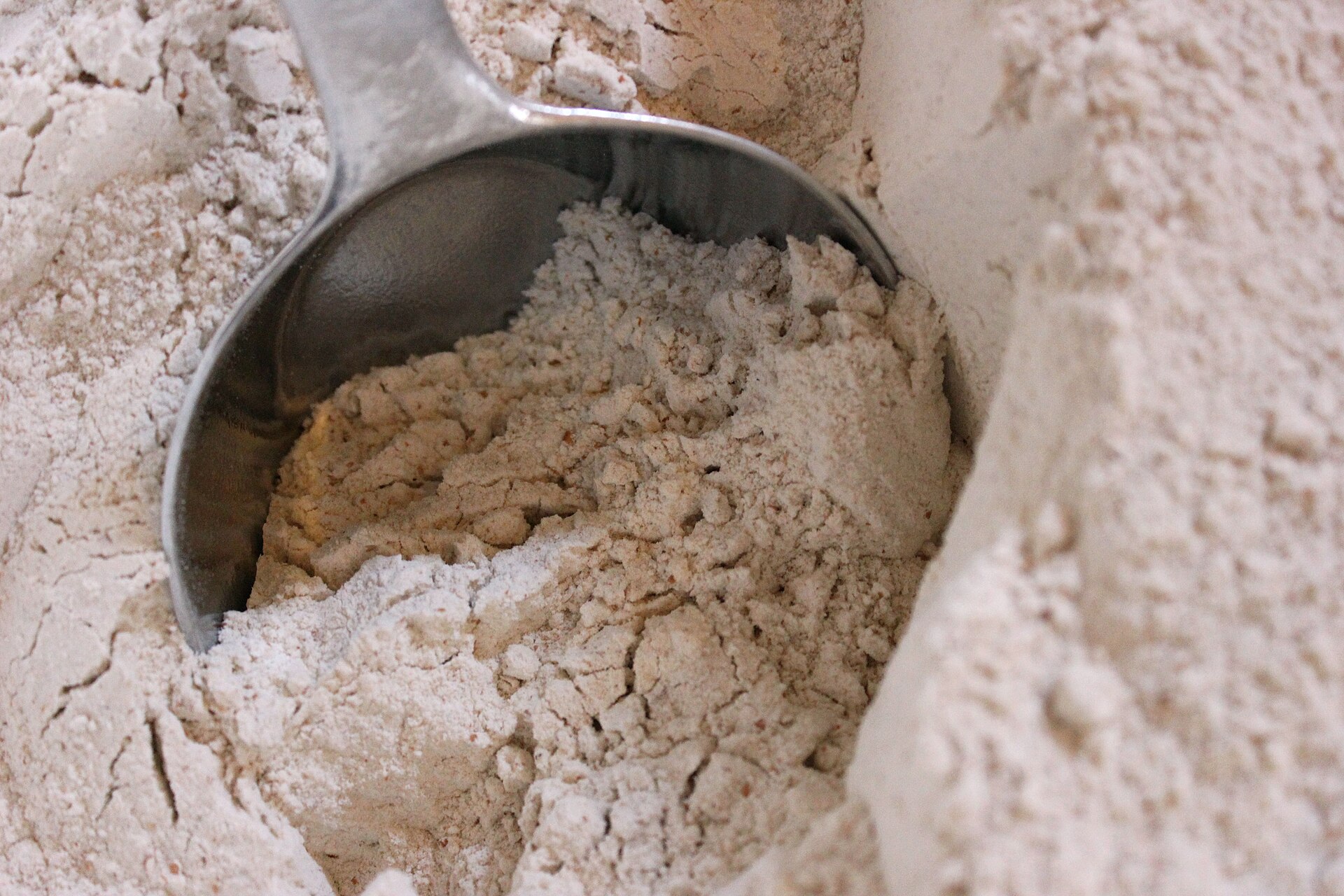
Whole wheat keeps bran, germ and endosperm together, which is what separates it from white flour. Persian cooking uses it in both forms: stone-baked sangak from a coarse wholemeal dough, and whole kernels simmered overnight into haleem.
Whole Wheat — before the words, before the science, simply this.
“And in their own careful language, the modern laboratories have been quietly agreeing.”
What tradition and modern nutrition agree on.
A plain-English read of the research. Each line says what was studied and what was found — links go to the original source. The tag on the right notes how strong the evidence is today, and what still remains uncertain.
Whole-grain intake is consistently associated with lower cardiovascular risk in large cohort studies
Traditional and editorial synthesisSubstantial fibre, magnesium and B vitamins
Traditional and editorial synthesisSlower to digest than refined flour
Studied as: Powder — results do not automatically apply to the everyday food.
Traditional and editorial synthesis
Fibre and micronutrient content is well established; the broader whole-grain evidence base is strong but is described here only in general terms.
“Knowing all this, one small question remains — are you preparing Whole Wheat the way it deserves? Most people are not.”
How to prepare whole wheat, step by step.
Most people prepare Whole Wheat incorrectly. Can you guess how?
- Use wholemeal flour with a long, wet ferment for sangak-style dough
A traditional preparation of whole wheat.
- Simmer whole kernels overnight with meat for haleem
A traditional preparation of whole wheat.
- Choose bread whose first listed ingredient is whole wheat flour
A traditional preparation of whole wheat.
The pomegranate opens
and shows the sky its rubies.
“This shifts the moment you bring Whole Wheat into your own kitchen. Here are two gentle ways to begin.”
A gentle word of care.
- Allergy risk
Wheat contains gluten — not suitable for coeliac disease or wheat allergy A severe allergic reaction (anaphylaxis) is a medical emergency: use an adrenaline auto-injector if you have one and call emergency services immediately. Watch for cross-contact in shared kitchens and packaged foods.
“So — if you were to sit across from me and ask quietly what to do, this is what I would say.”
Dear friend,
The bran and germ carry most of the fibre, magnesium and B vitamins. Refining removes them; keeping them is the whole point of the word 'whole'.
Warmly,
One more note —
In a healthy-aging context, whole wheat bridges tradition and science: gandom is one of the oldest foods in the Persian record, classically read as warm and moist and considered strengthening — the grain of bread, and of the sofreh itself, while modern research highlights its role in the same pathways — inflammation, vascular health, and cellular resilience — that compound over decades to shape how we feel in our 60s, 70s, and beyond.
— With warmth, Hakim
Small habits, well kept, outlast every great intention.
“Before you leave, one small thread to pull — Whole Wheat rarely travels alone.”